
Nagasaki Museum of History and Culture
長崎歴史文化博物館
This museum explores Nagasaki's international trade history and its cultural impact on Japan.
What it is
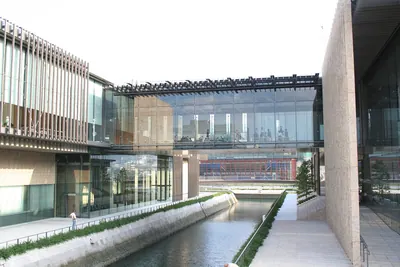
- Museum opened in November 2005.
- Built on the former site of the Nagasaki Prefectural Art Museum.
- Examines cultural exchange between Japan and trading countries.
- Focuses on Nagasaki's role during national seclusion.
What to see
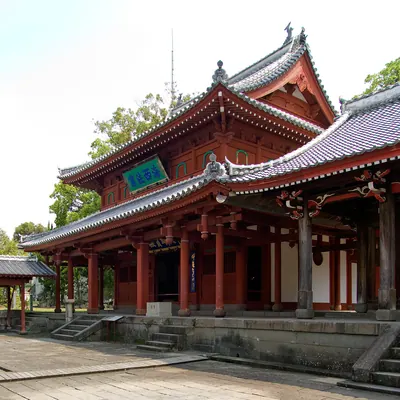
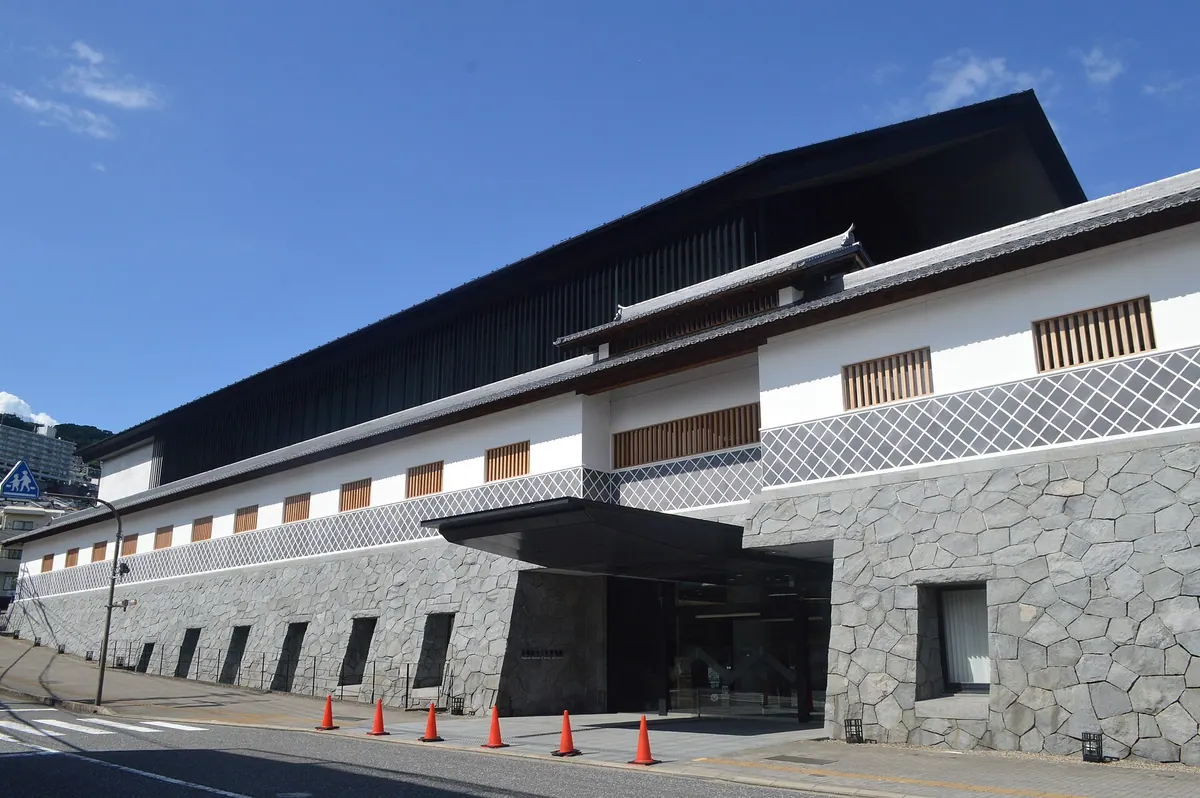
- Traditional façade of white-plaster walls on a stone base.
- Panels on the history of Christianity in Japan.
- Items related to the Hidden Christians.
- Recreation of the Nagasaki Magistrate’s Office.
- Reenactments of trials in the courtroom.
- Exhibits on Namban trade, Dutch, and Chinese influence.
In detail
The Nagasaki Museum of History and Culture opened in November 2005. It was built on the former site of the Nagasaki Prefectural Art Museum. Even earlier, the site hosted the eastern branch of the Nagasaki Magistrate’s Office, its history reflected in the museum’s traditional façade of white-plaster walls on a robust stone base.
The Portuguese, Spanish, Chinese, and Dutch all came to Nagasaki, as international trade transformed the place from a small village into a major city. During the centuries of national seclusion (1639–1853), the island of Dejima remained Japan’s only point of contact with Europe. The museum examines how the people and cultures of the countries trading through Nagasaki influenced Japan, and vice-versa.
One section of the museum showcases panels giving a thorough overview of the history of Christianity in Japan alongside items related to the Hidden Christians. Another section of the museum is a faithful recreation of the Nagasaki Magistrate’s Office, which once stood on this site, including reenactments of trials conducted in its courtroom.
Other sections deal with the Namban trade (trade with the Portuguese prior to the policy of national seclusion), Japan’s relationship with the Dutch, the influence of the Chinese, and all the Western know-how—from the telegraph to photography—that made its way into Japan via Nagasaki from the mid-nineteenth century.
Text: 観光庁 地域観光資源の多言語解説文データベース. Reproduced unchanged. The notes above were written from that text by Japan Gems.
Where it is
長崎県長崎市立山1-1-1 Open in Google Maps
この施設の関係者の方へ
このページは公開情報をもとに Japan Gems が作成し、訪日外国人向けに英語で掲載しています。 写真や情報の追加・修正を承っています。お店の写真に差し替えることもできます。
このページの情報を更新する