
Ninna-ji Temple
仁和寺
Ninna-ji Temple is worth visiting in spring for its unique, low-growing cherry trees and azaleas.
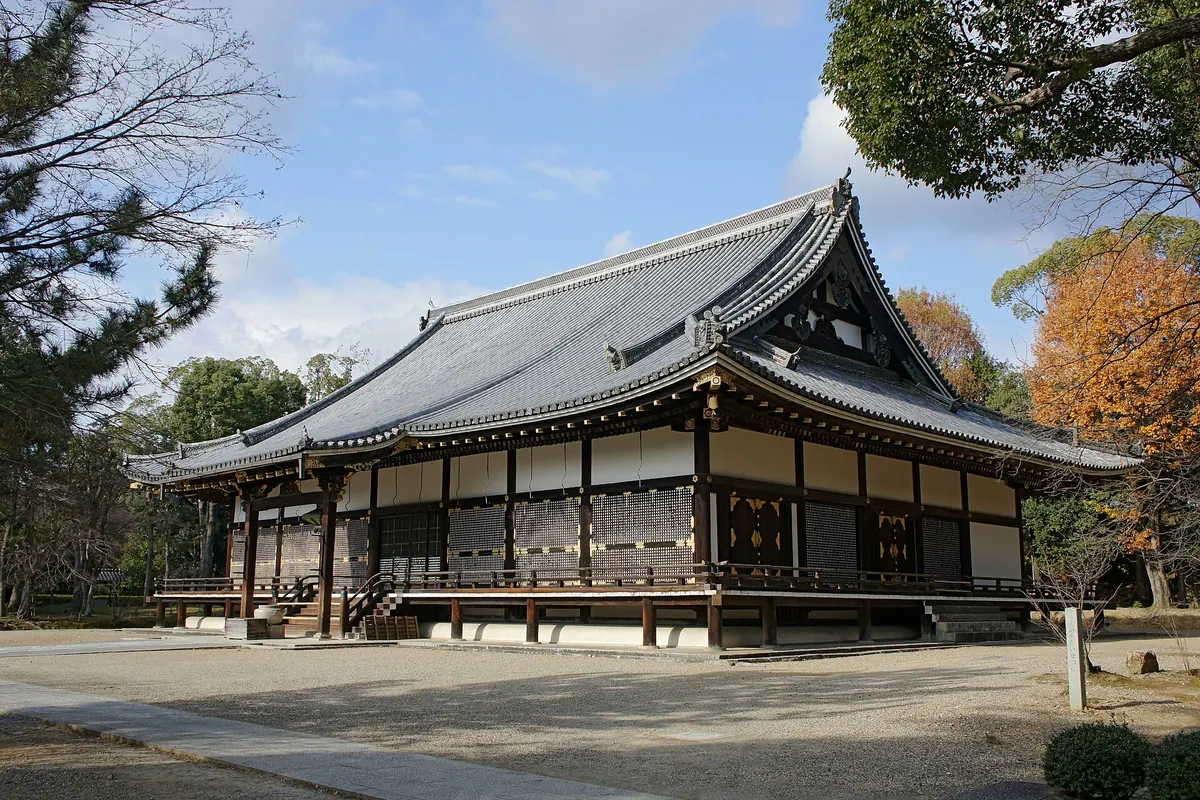
What it is
- Temple grounds.
- Home to Omuro Sakura cherry trees.
What to see
- Omuro Sakura cherry trees with large, sweet-scented flowers.
- Omuro Ariake variety with white, cloud-like blossoms.
- Azaleas in shades of pink and light purple.
- Bright green maple trees.
When to go
- Spring, for the Ninnaji Flower Festival.
- Mid-March to early May for the festival.
- Mid-April for full cherry blossom bloom.
- During cherry-blossom viewing (hanami) season.
In detail
The grounds of Ninnaji show their most colorful side in spring, when trees and bushes held dear for centuries by people in Kyoto burst into bloom. The Ninnaji Flower Festival usually takes place from mid-March to early May and centers on the blossoming of the Omuro Sakura, a family of cherry trees notable for large flowers with a sweet scent. Planted in hard soil to keep the trees low—a deliberate aesthetic choice—the Omuro Sakura come in several varieties. The most common of these is the Omuro Ariake, which produces white, cloud-like blossoms.
Omuro Sakura have been renowned since the Edo period (1603–1868), when Ninnaji first opened its grounds to the public during cherry-blossom viewing (hanami) season, and they still attract large crowds every spring. They usually reach full bloom in mid-April, when azaleas add shades of pink and light purple to the scenery. Toward the end of the festival period, maple trees provide a bright green backdrop to the flowers. There is a ¥500 admission fee to the temple grounds during the Flower Festival.
Text: 観光庁 地域観光資源の多言語解説文データベース. Reproduced unchanged. The notes above were written from that text by Japan Gems.
Where it is
京都府京都市右京区御室大内33 Open in Google Maps
この施設の関係者の方へ
このページは公開情報をもとに Japan Gems が作成し、訪日外国人向けに英語で掲載しています。 写真や情報の追加・修正を承っています。お店の写真に差し替えることもできます。
このページの情報を更新する