
Nihonmatsu Castle
二本松城
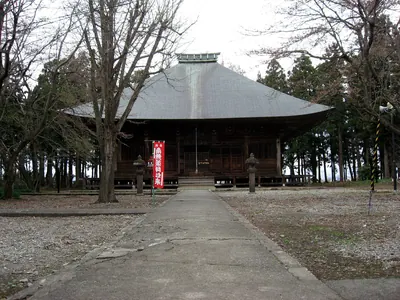
This park, once a castle, offers historical structures, gardens, and panoramic views of Nihonmatsu.
What it is
- Former Nihonmatsu Castle, stood from 1414 to 1868.
- Now Kasumigajo Castle Park, planted with flowers and trees.
- Ruled by Niwa Mitsushige and descendants from 1643.
What to see
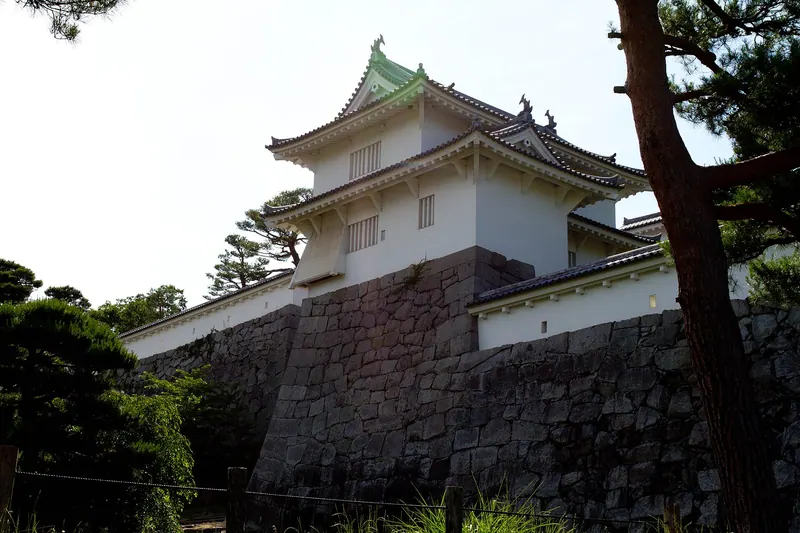
- Preserved and reconstructed walls, buildings, and gardens.
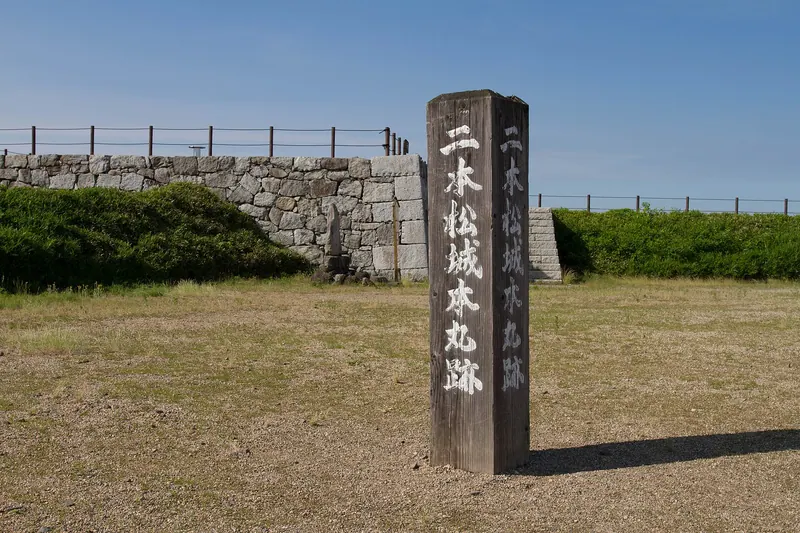
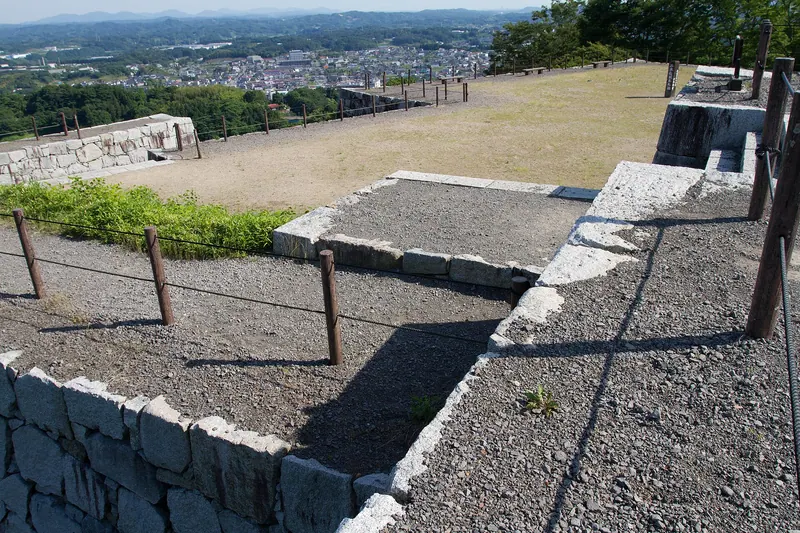
- Honmaru (main compound) with stone walls, some from late 16th century.
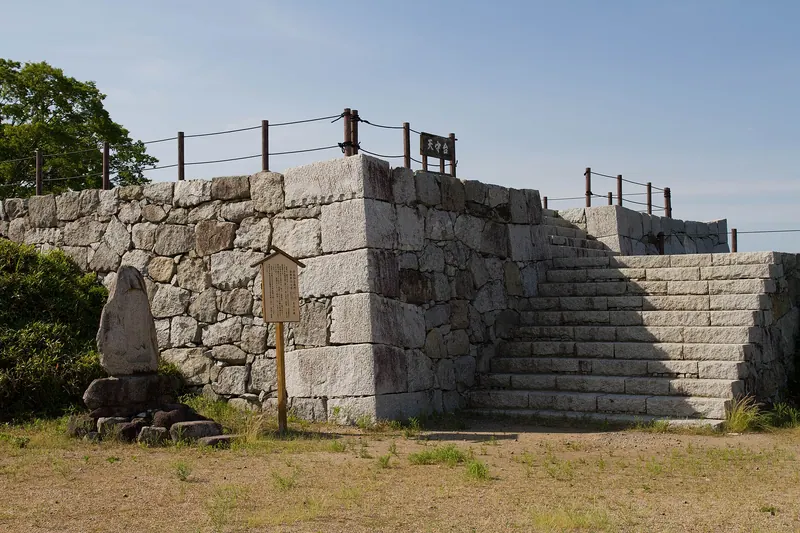
- Tenshudai (keep foundation) offers panoramic views.
- Senshintei tea house, oldest surviving structure.
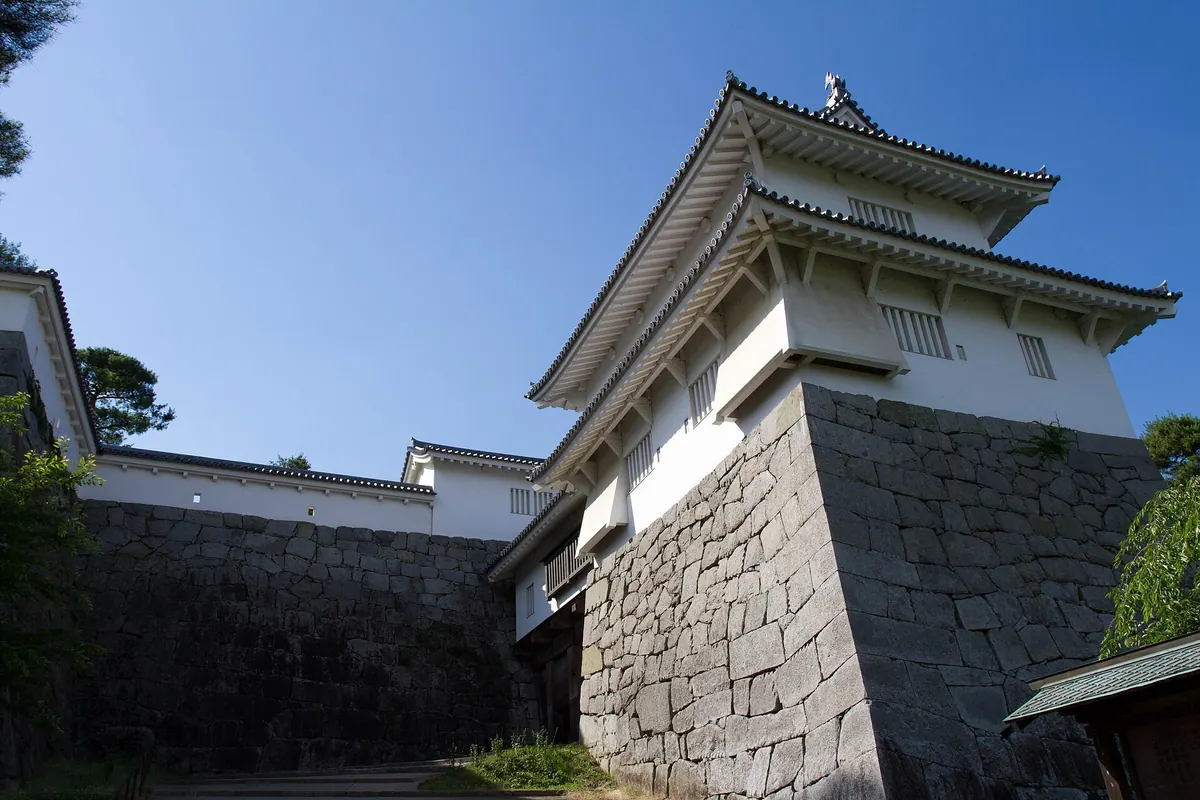
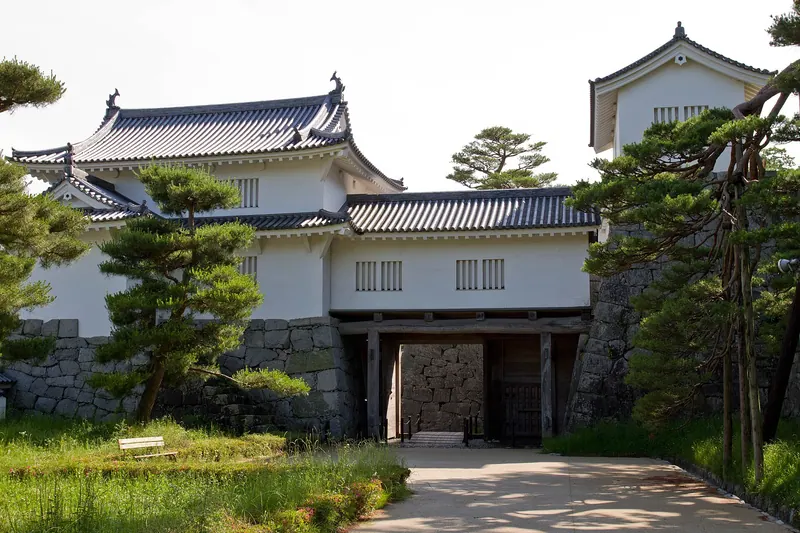
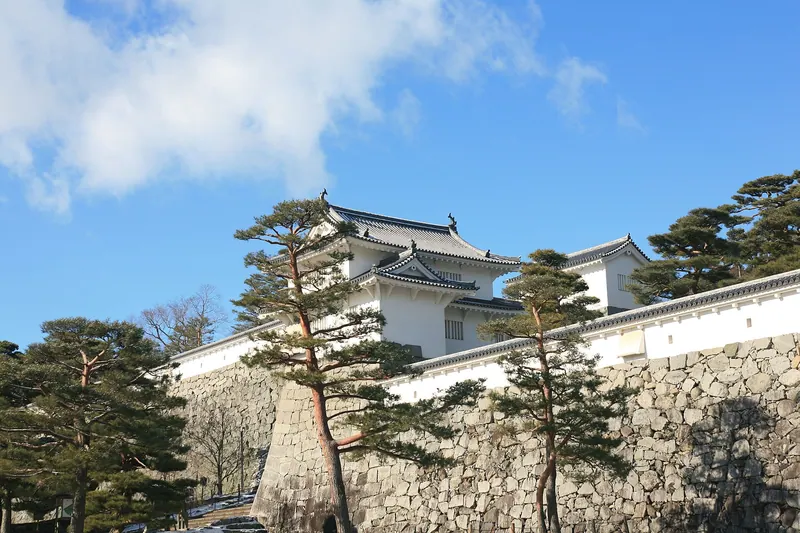
- Recreated Minowa Gate.
- Japanese-style garden from mid-17th century.
When to go
- Chrysanthemum Festival, with dolls covered in flowers.
- Lantern Festival, with parade starting at Minowa Gate.
In detail
Nihonmatsu Castle stood in what is now Kasumigajo Castle Park from 1414 to 1868. The castle was occupied by a series of daimyo throughout the Warring States period (1467–1568) before being granted to Niwa Mitsushige, first daimyo of the newly established Nihonmatsu domain, in 1643. Mitsushige and his descendants ruled from the castle until 1868, when it was destroyed in the Boshin War between the Tokugawa shogunate and an alliance of powerful domains determined to overthrow it.
From Mountain Fortress to Modern City
Nihonmatsu Castle was one of many “mountain castles” built on elevated, defensible sites during the Warring States period, but during the more peaceful times of the Tokugawa shogunate (1603–1868) most daimyo moved into more convenient dwellings on lower ground. The Niwa daimyo, however, kept their residences and administrative buildings within the original castle walls. This necessitated some unconventional layout decisions, such as building on multiple levels due to a lack of flat space.
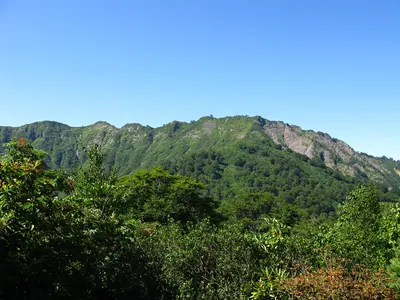
Mitsushige took a keen interest in civic planning, seeing it as key to the domain’s strength. He reorganized the settlements outside the castle walls into a town whose basic layout is still visible in Nihonmatsu today. He also ordered the construction of the Nigoda Conduit, a series of channels and pipes that brought vital water to the castle and its town from sources in the mountains some 18 kilometers away.
The Birth of Kasumigajo Castle Park
After the Boshin War, the former castle grounds served as the site for a silk mill before being renamed Kasumigajo Castle Park and planted with flowers and trees for the citizenry to enjoy. The park contains preserved and reconstructed walls, buildings, and gardens that shed light on Nihonmatsu Castle as it was in centuries past.
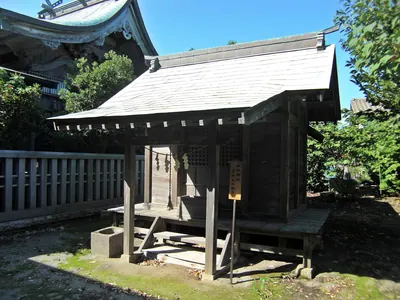
The highest point of the park is the honmaru (main compound), which was the first part of the castle to be completed. It is surrounded by stone walls, some of which date to the late sixteenth century. The tenshudai (keep foundation) inside the honmaru never housed an actual keep, but offers panoramic views of the land around Nihonmatsu. The lower levels of the park contain other features like the Senshintei tea house (the oldest surviving structure on the site), the recreated Minowa Gate, and a Japanese-style garden dating from the mid-seventeenth century.
The Heart of Nihonmatsu
The castle grounds still play an important role in civic life in Nihonmatsu, hosting events like the Chrysanthemum Festival, in which local horticulturalists display dolls covered in specially cultivated flowers. Minowa Gate is the starting point for a parade on the last night of the Lantern Festival, when towering floats covered in lanterns trundle through the streets accompanied by festival music.
Niwa Mitsushige could not have foreseen how the area would develop centuries after his time, but his planning laid the foundations for modern Nihonmatsu, with the castle site still at its center.
Text: 観光庁 地域観光資源の多言語解説文データベース. Reproduced unchanged. The notes above were written from that text by Japan Gems.
More photos
Where it is
Nihonmatsu Castle Open in Google Maps
この施設の関係者の方へ
このページは公開情報をもとに Japan Gems が作成し、訪日外国人向けに英語で掲載しています。 写真や情報の追加・修正を承っています。お店の写真に差し替えることもできます。
このページの情報を更新する