
Shinbaru-Nuyama Kofun Group
新原・奴山古墳群
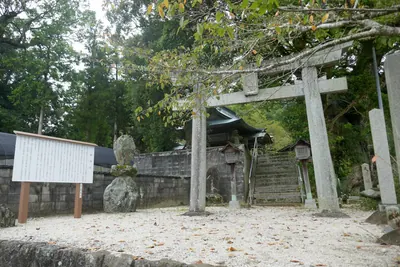
These ancient burial mounds for powerful families offer insight into Japan's past.
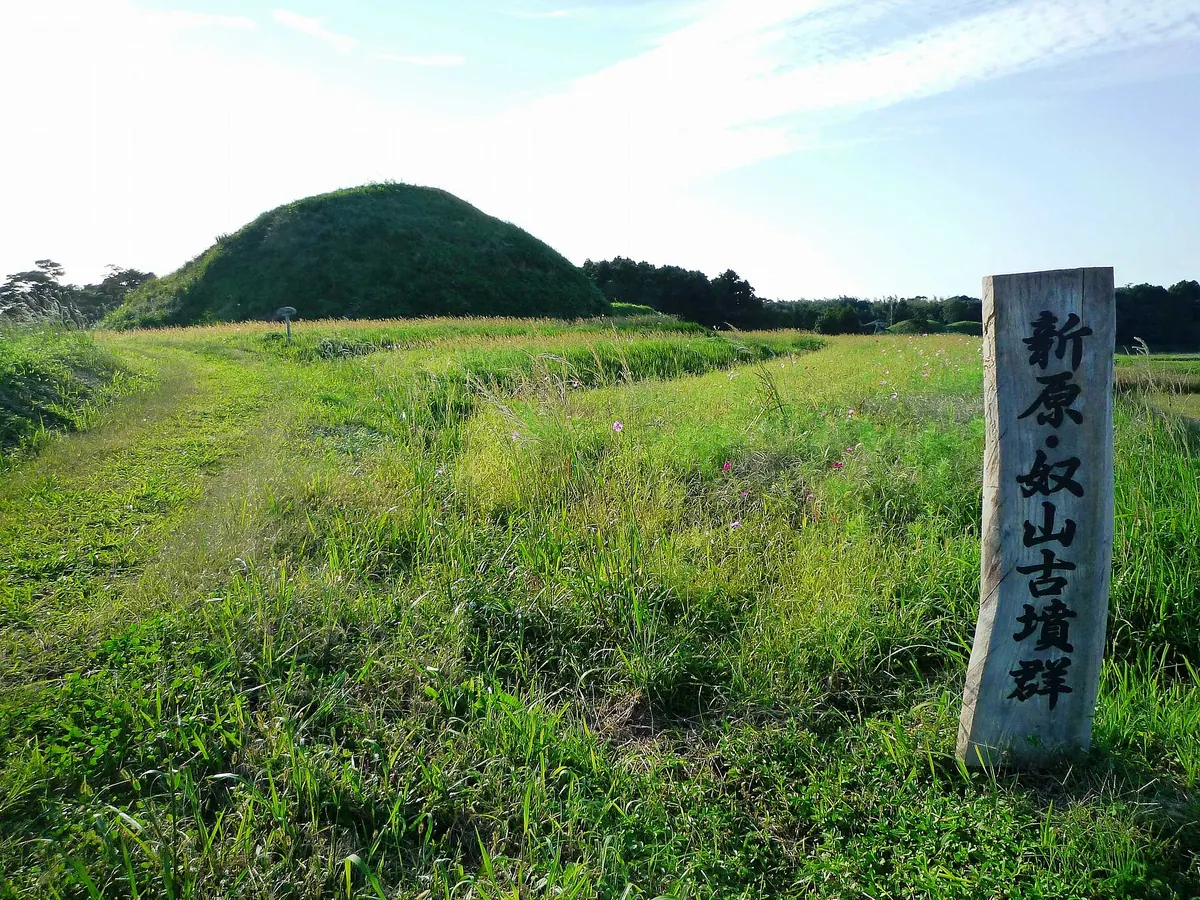
What it is
- Group of ancient burial mounds (kofun).
- Built for the powerful Munakata family.
- Construction began around mid-third century in Japan.
What to see
- Large tombs under mounds of soil or rock.
- Download AR app "Okinoshima Finder" for better understanding.
In detail
The construction of tumuli, large tombs under mounds of soil or rock (kofun) was common across prehistoric Europe and Asia but began around the mid-third century in Japan. The tradition of constructing burial mounds for emperors and important figures originated in ancient China, and spread to Japan via the Korean Peninsula. It is thought some 160,000 of them were built across the archipelago. During the Yamato period (300–710), these burial mounds were built for emperors but also for the leaders of powerful local families. They were buried with precious objects, similar to those found on Okinoshima. This was a well-established practice by the time the Shimbaru tumuli were built for the Munakata family, who had control over local shipping routes and close ties to the Yamato court.
For a better understanding of these tombs, download the dedicated AR (augmented reality) app, Okinoshima Finder, available on iTunes and Google Play.
Text: 観光庁 地域観光資源の多言語解説文データベース. Reproduced unchanged. The notes above were written from that text by Japan Gems.
Where it is
Shinbaru-Nuyama Kofun Group Open in Google Maps
この施設の関係者の方へ
このページは公開情報をもとに Japan Gems が作成し、訪日外国人向けに英語で掲載しています。 写真や情報の追加・修正を承っています。お店の写真に差し替えることもできます。
このページの情報を更新する