

20 Historic sites in Fukuoka worth your time
Japan Gems
Fukuoka Prefecture offers 30 heritage sites, including the Ainoshima Stone Tumuli and Mikumo–Iwara Site. These locations provide a look into Japan's past.
Fukuoka has 34 historic sites on Japan Gems. Below are the 20 we can tell you the most about — each one written up in English from Japanese sources, with what to see and how to get there. See all historic sites in Fukuoka.
01
Fubabaru Kofun
FUKUOKA · HISTORIC SITE 船原古墳
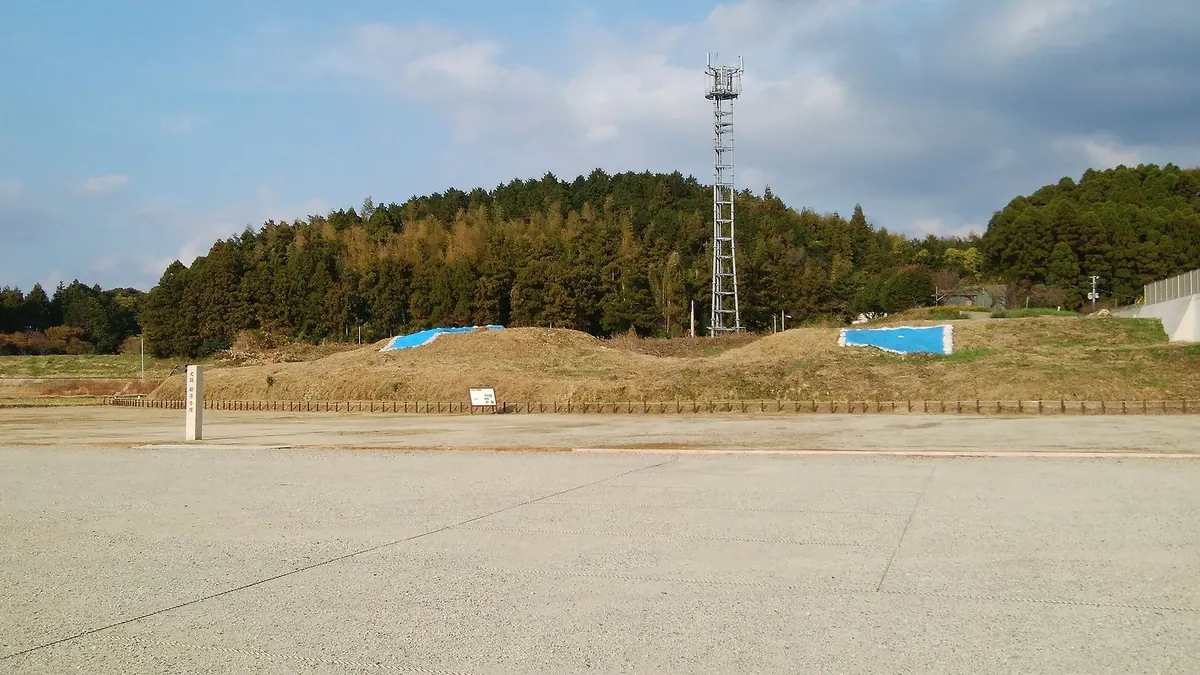
Fubabaru Kofun is a rare keyhole-shaped tomb with unique artifacts, offering a glimpse into ancient Japan.
What it is
- A keyhole-shaped tumulus, a type of ancient burial mound.
- Designated a national historic site on October 3, 2016.
- Built from the late 6th century to early 7th century.
- Discovered in 1995 during land improvement.
What to see
- The existing part of the tumulus is 37.4 meters long.
- Restored total length is estimated to be over 45 meters.
- Excavated gilt bronze horse harness decoration, chandelier-like.
- Valuable excavated items include beetle wing decorated apricot leaves.
- A horse helmet, only the third found in Japan.
When to go
- An adjacent plaza and parking lot were established in April 2018.
02
Ōzuka Kofun
FUKUOKA · HISTORIC SITE 王塚古墳
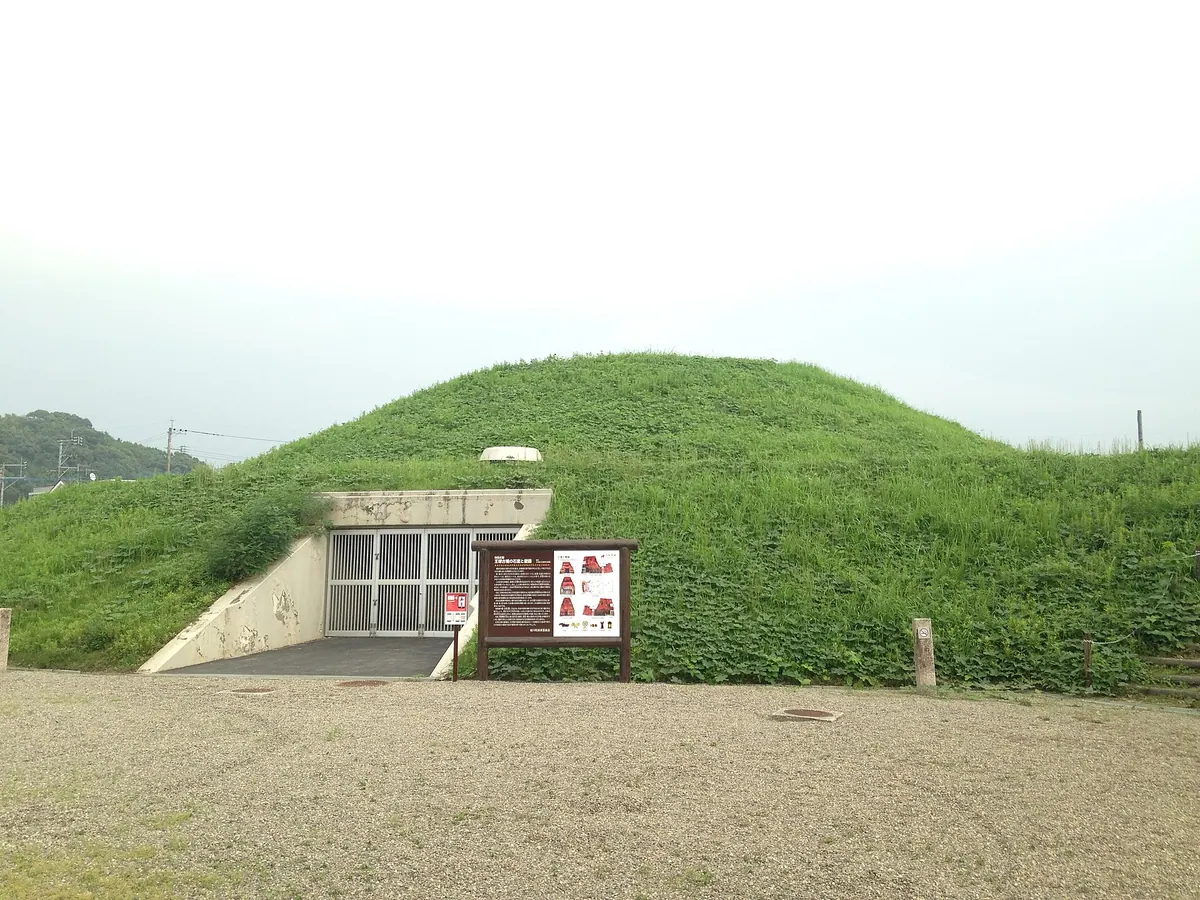
Ōzuka Kofun is a rare, colorful ancient tomb, a unique glimpse into Japan's past.
What it is
- A keyhole-shaped tumulus, a type of ancient burial mound.
- Designated a National Special Historic Site.
- Believed to have been built in the mid-6th century.
- Discovered by chance on September 30, 1934.
What to see
- Five-color murals covering almost the entire stone chamber.
- Tumulus mound constructed from alternating yellow and black soil.
- Stone chamber with a rear chamber, antechamber, and passage.
- Stone shelf, stone coffin, and lamp stand inside the chamber.
When to go
- Stone chamber opens to the public twice a year.
- Visit in spring or autumn for chamber access.
- Official site
- www.town.keisen.fukuoka.jp
03
Tsuyazaki Kofun Group
FUKUOKA · HISTORIC SITE 津屋崎古墳群
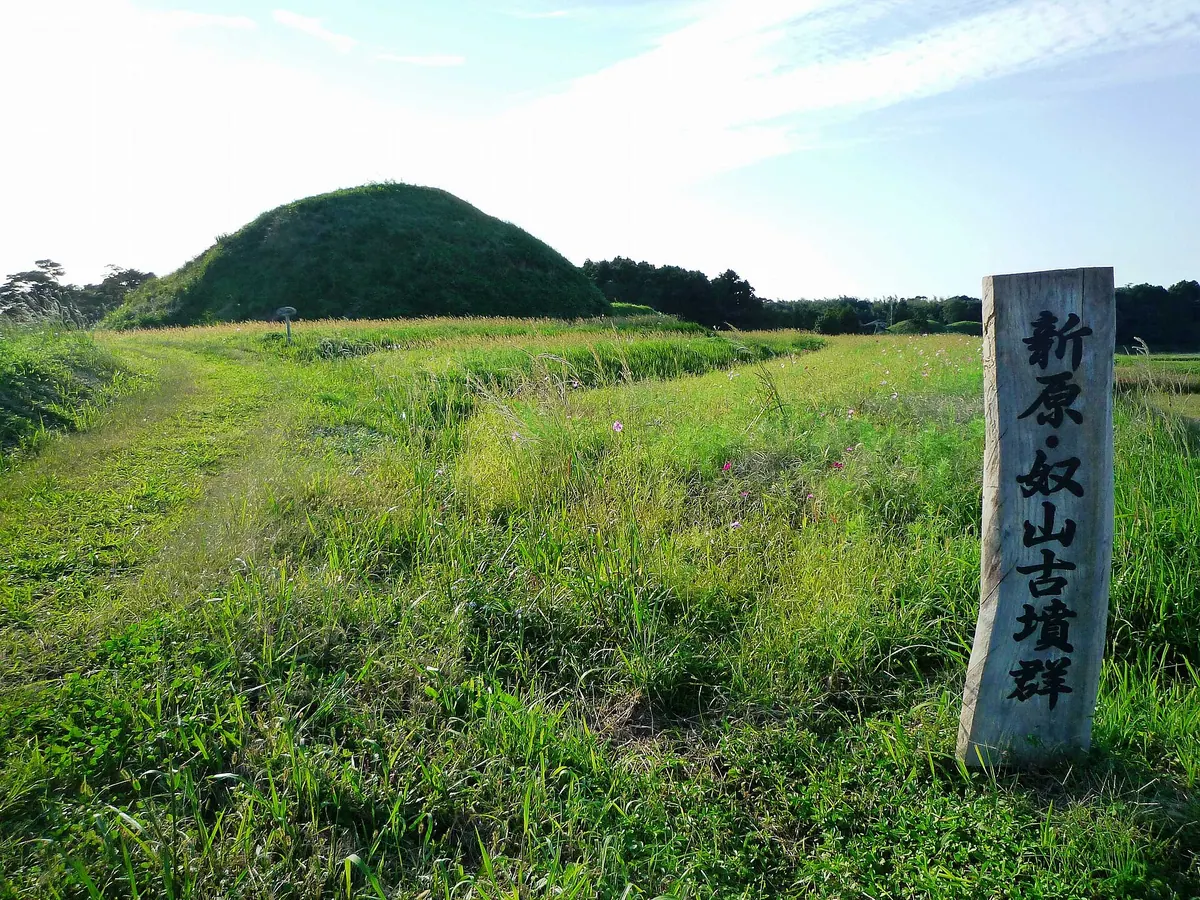
Explore ancient burial mounds, the largest kofun group in northern Kyushu, dating from the 5th to 7th centuries.
What it is
- A group of ancient burial mounds, called kofun.
- Built between the 5th and 7th centuries.
- Designated a National Historic Site in 2005.
- Largest kofun group in northern Kyushu.
What to see
- Sixty existing kofun, including keyhole, round, and square tombs.
- Katsuura Inoura Kofun, a 70-meter-long keyhole-shaped tomb.
- Katsuura Mine no Hata Kofun, a 97-meter-long keyhole-shaped tomb.
- Miyajidake Kofun, a round tomb with a 23-meter stone chamber.
- Artifacts from Miyajidake Kofun are National Treasures.
- Aradiken Kofun, a 101.7-meter keyhole-shaped tomb.
04
Tsukinooka Kofun
FUKUOKA · HISTORIC SITE 月岡古墳
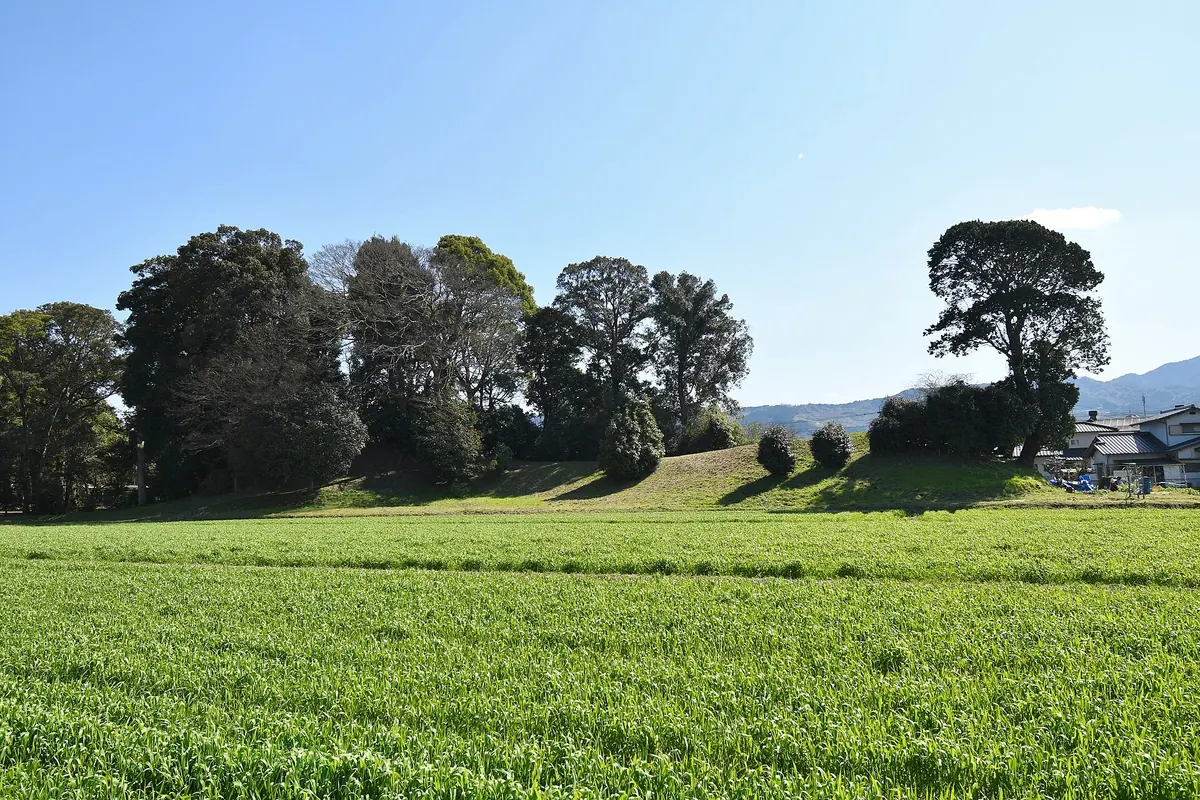
Explore a 5th-century keyhole-shaped tumulus with a triple moat and rare artifacts.
What it is
- A keyhole-shaped tumulus, 80 meters long.
- Part of the Wakamiya Kofun Group.
- Dates to the mid-5th century.
- Excavations in 1805 unearthed many grave goods.
What to see
- A triple moat surrounds the tumulus.
- The burial chamber is a vertical pit stone chamber.
- Stone coffin made of Aso welded tuff.
- Grave goods include gilt bronze helmets and mirrors.
- Excavated artifacts are national Important Cultural Properties.
When to go
- The stone coffin is displayed on the third Saturday of each month.
05
Gorōyama kofun
FUKUOKA · HISTORIC SITE 五郎山古墳
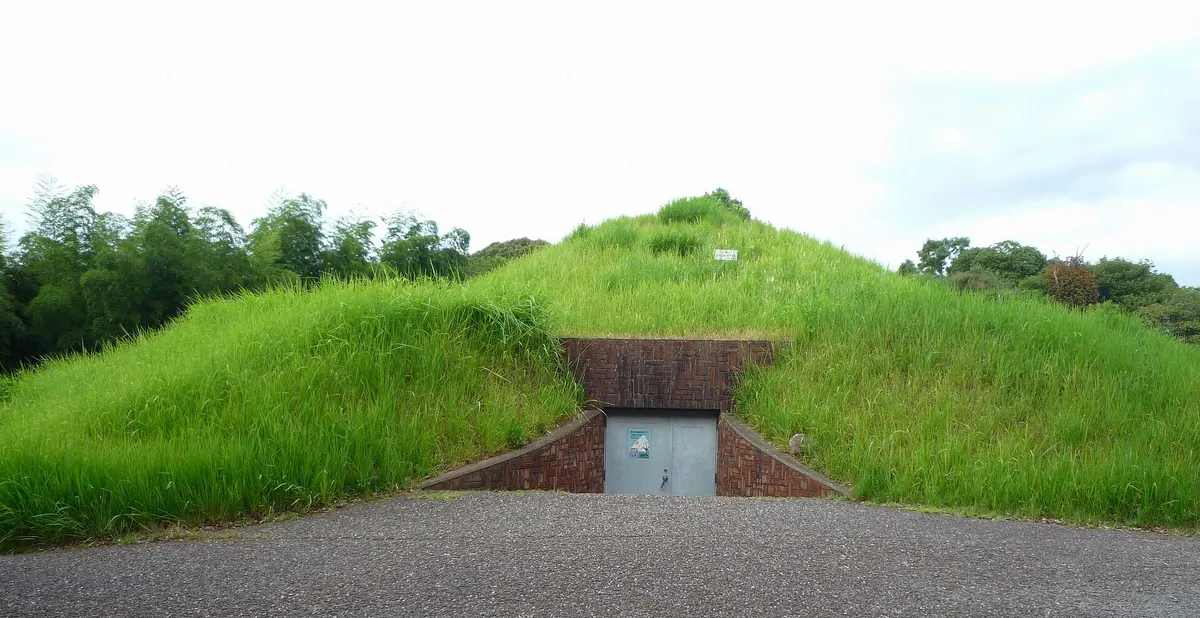
Explore a 6th-century decorated kofun with rare wall paintings, a designated National Historic Site.
What it is
- A circular kofun, an ancient burial mound.
- Designated as a National Historic Site.
- Constructed in the latter half of the 6th century.
- Its existence was confirmed in 1947.
What to see
- A mound with a diameter of approximately 32 meters.
- A two-chambered horizontal stone chamber, 11.2 meters long.
- Rare ornamental wall paintings inside the chamber.
- Paintings use red, green, and black pigments.
- Gorōyama Kofunkan opened in 2001.
Getting there
- Located on a hill east of JR Harada Station.
06
Kōkadani Kofun
FUKUOKA · HISTORIC SITE 弘化谷古墳
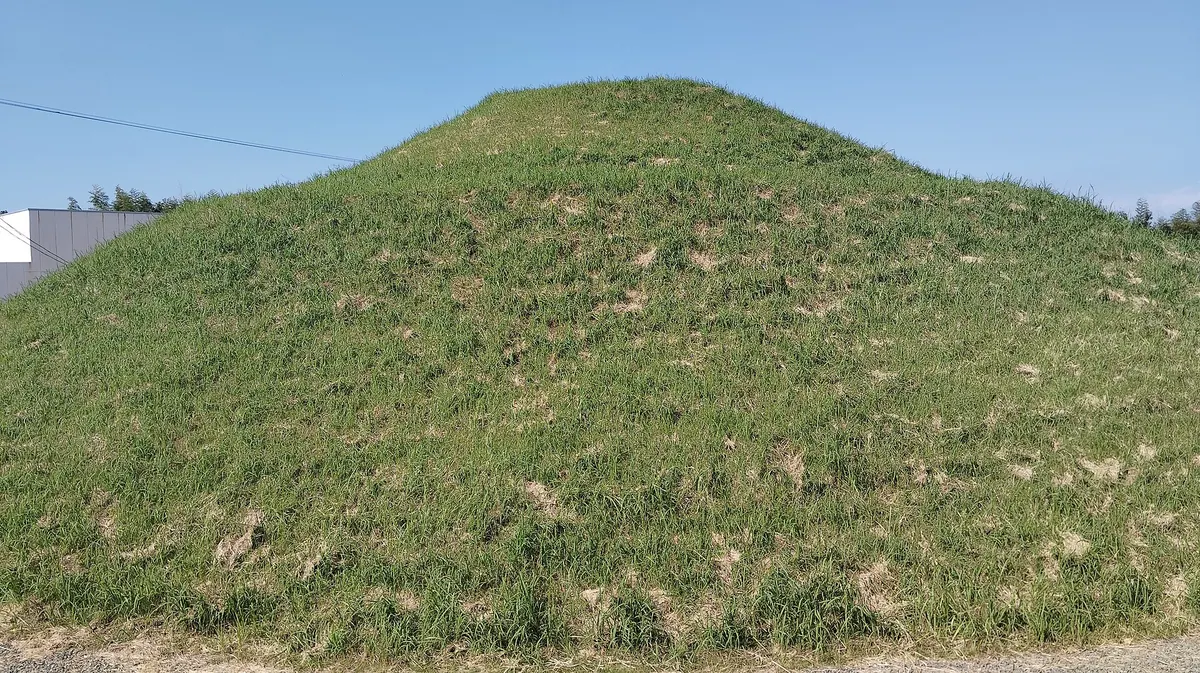
Explore a 6th-century burial mound with rare painted chamber, a National Historic Site.
What it is
- A round burial mound, part of the Yame Kofun Group.
- Designated as a National Historic Site.
- Discovered in 1970 during orchard construction.
- Dates from the mid-6th century.
What to see
- Mound has a diameter of 39 meters and a height of 7 meters.
- Outer diameter, including the moat, is 55 meters.
- Horizontal stone burial chamber.
- Chamber walls have red and green circular patterns.
- Maintained as a park with Ishinjama Kofun.
When to go
- Stone chamber is open to the public twice a year.
07
Tanabata-ike Kofun
FUKUOKA · HISTORIC SITE 七夕池古墳
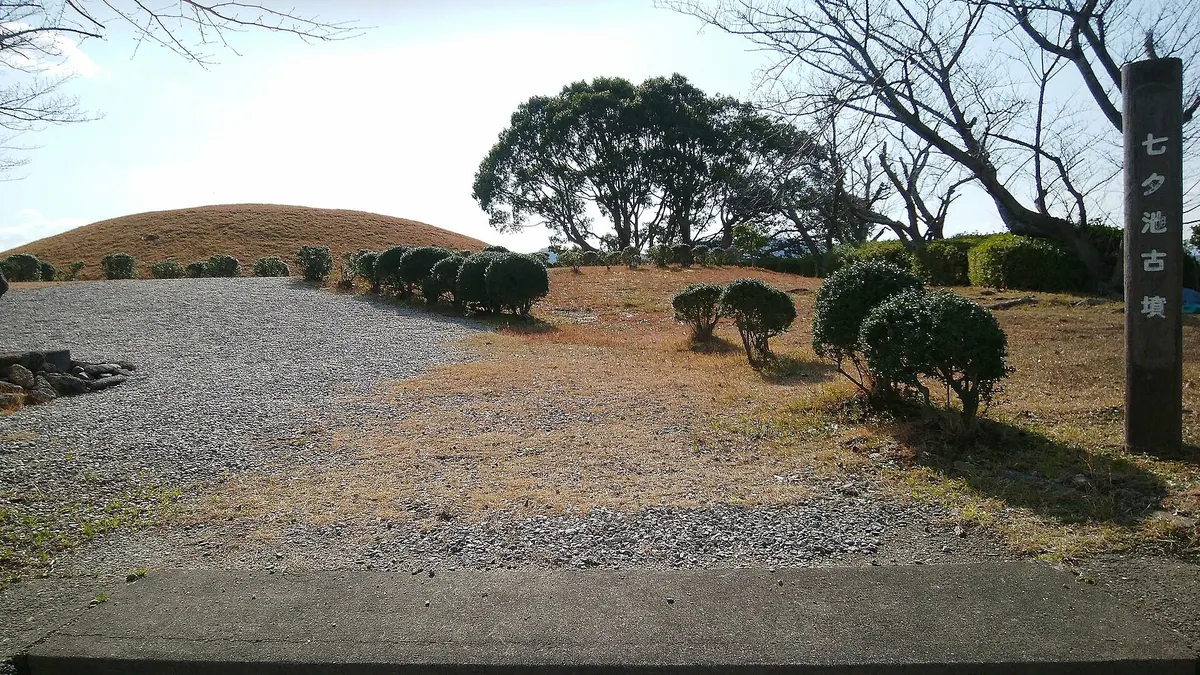
Explore a 4th-century circular burial mound and its artifacts, now a public park.
What it is
- A circular kofun, an ancient burial mound.
- Dates to the early Kofun period, 4th century.
- Discovered during housing development in 1973.
- Designated a historic site in 1975, developed as a park in 1977.
What to see
- A circular mound 29 meters in diameter.
- The mound stands 3.7 meters high.
- A 3.5-meter-wide ditch surrounds the mound.
- Vertical stone cist burial chamber, 1.8 meters long.
- Excavated artifacts include a sword and mirror.
- Also found were 3,300 beads and a koto-pillar stone product.
08
Miyajidake Kofun
FUKUOKA · HISTORIC SITE 宮地嶽古墳
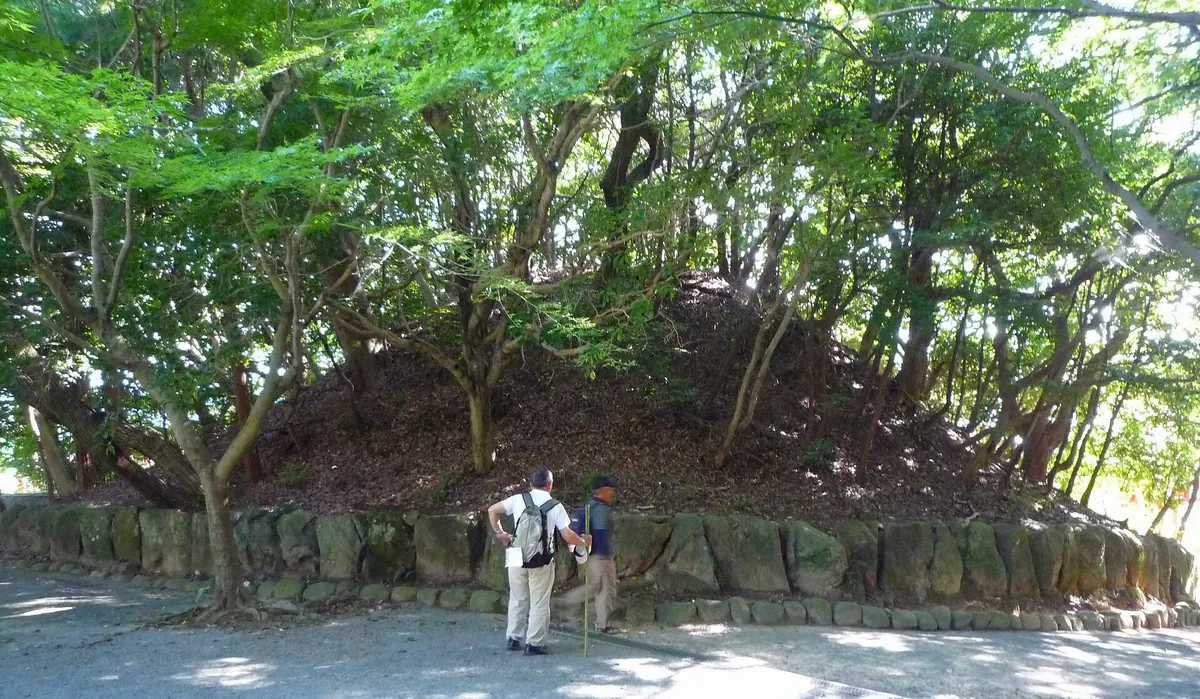
Explore a large ancient tomb with national treasures and a massive stone chamber.
What it is
- A circular tumulus in Fukutsu City, Fukuoka Prefecture.
- Part of the Tsuyazaki Kofun Group, a National Historic Site.
- Believed to be the tomb of a Munakata clan chief.
- Designated a National Historic Site in 2005.
What to see
- Japan's second largest stone chamber, 23 meters long.
- Numerous luxurious burial goods, now National Treasures.
- Excavated artifacts designated National Treasures in 1952.
When to go
- Stone chamber is open only during three annual festivals.
09
Tsukiyama Kofun (Itoshima)
FUKUOKA · HISTORIC SITE 築山古墳 (糸島市)
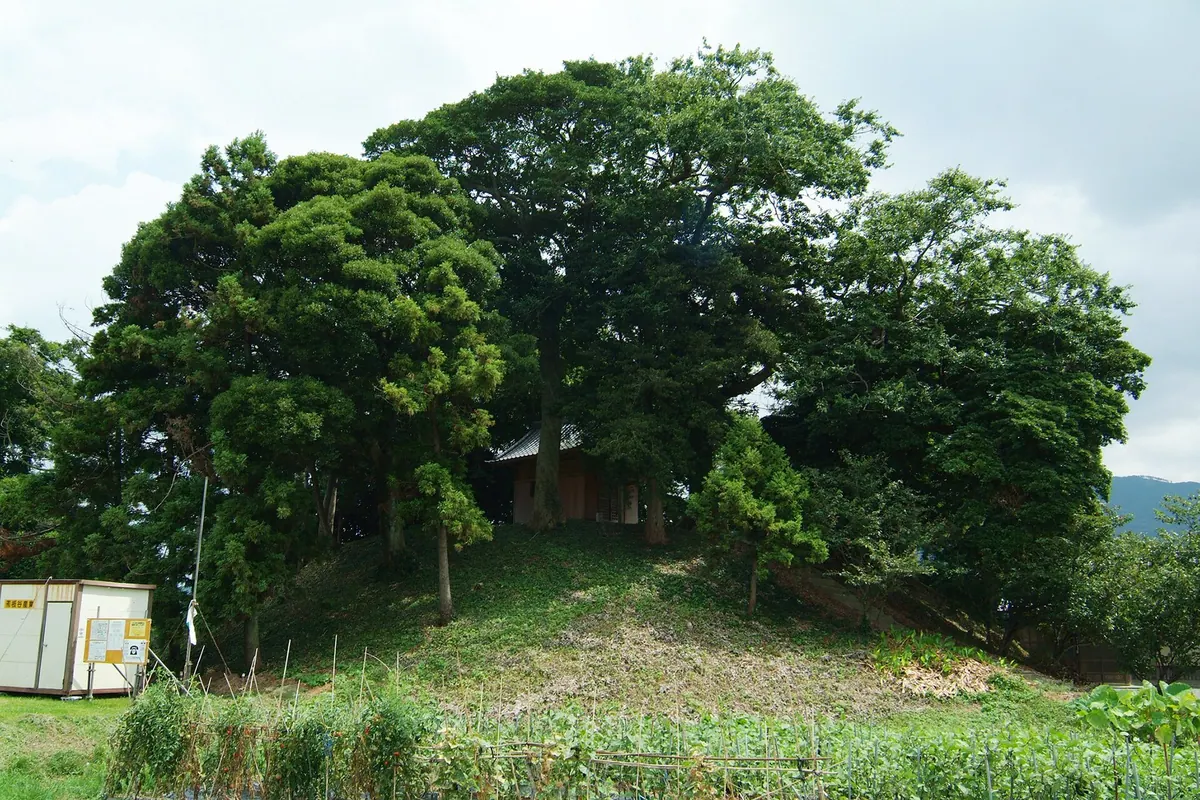
Explore an ancient, scallop-shaped burial mound with a Kannon hall.
What it is
- An ancient scallop-shaped keyhole tumulus.
- Dates from the middle Kofun period.
- Total length was once 60 meters.
- A hall with an eleven-faced Kannon stands on it.
What to see
- The rear circular part is 49 meters in diameter.
- The rear circular part is 8 meters high.
- Fukiishi stones are placed on the slopes.
- A shield-shaped moat surrounds the tumulus.
- Including the moat, total length is 105 meters.
Getting there
- 200 meters northeast of Sazareishi Shrine.
10
Iwatoyama Kofun
FUKUOKA · HISTORIC SITE 岩戸山古墳
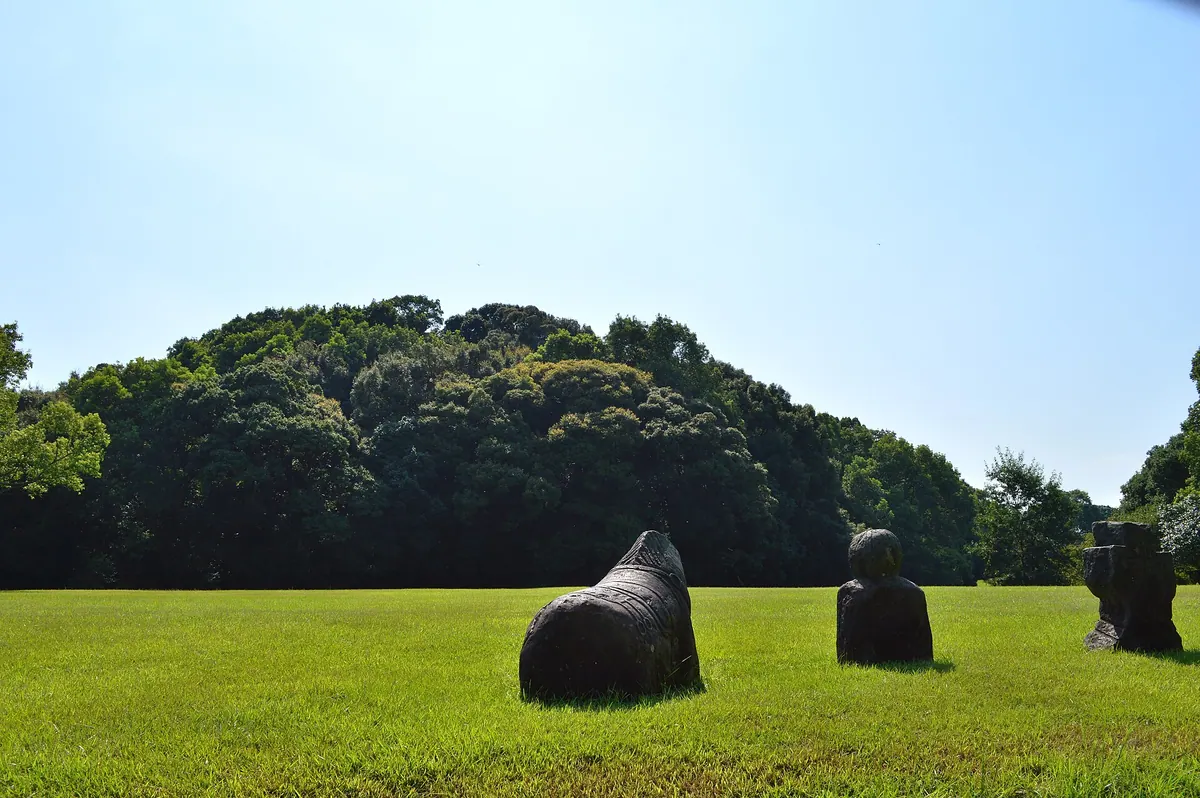
Explore northern Kyushu's largest ancient burial mound, featuring unique stone figures and a distinctive shape.
What it is
- A keyhole-shaped tumulus in Yame City, Fukuoka Prefecture.
- Part of the Yame Kofun Group, a National Historic Site.
- Largest tumulus in northern Kyushu.
- Constructed in the first half of the 6th century.
What to see
- A tumulus over 170 meters in total length.
- Posterior circular part is about 60 meters in diameter.
- Anterior square part is about 92 meters wide.
- A square section called 'Bekku' on the northeast corner.
- Over 100 unearthed stone figures and horses.
11
Sekijinsan Kofun
FUKUOKA · HISTORIC SITE 石人山古墳
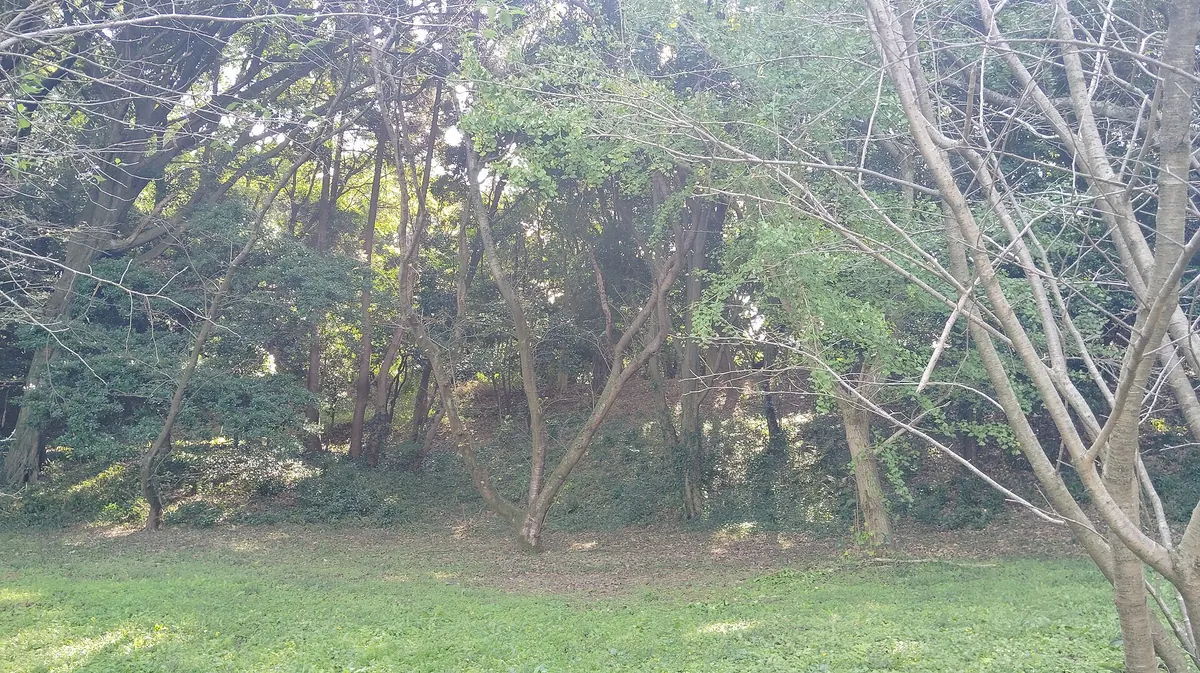
Explore a 5th-century keyhole-shaped tomb, a National Historic Site, with a unique sarcophagus and stone figure.
What it is
- A keyhole-shaped tumulus.
- Part of the Yame Kofun Group.
- Designated National Historic Site.
- Constructed in the early to mid-5th century.
What to see
- Tumulus is approximately 107 meters long.
- Horizontal stone chamber in the posterior circular part.
- House-shaped sarcophagus inside the stone chamber.
- Sarcophagus lid with patterns and red coloring.
- Stone figure enshrined in front of the stone chamber.
- Stone figure is a National Important Cultural Property.
- Official site
- www.town.hirokawa.fukuoka.jp
12
Dazaifu Gakkōin Site
FUKUOKA · HISTORIC SITE 大宰府学校院跡
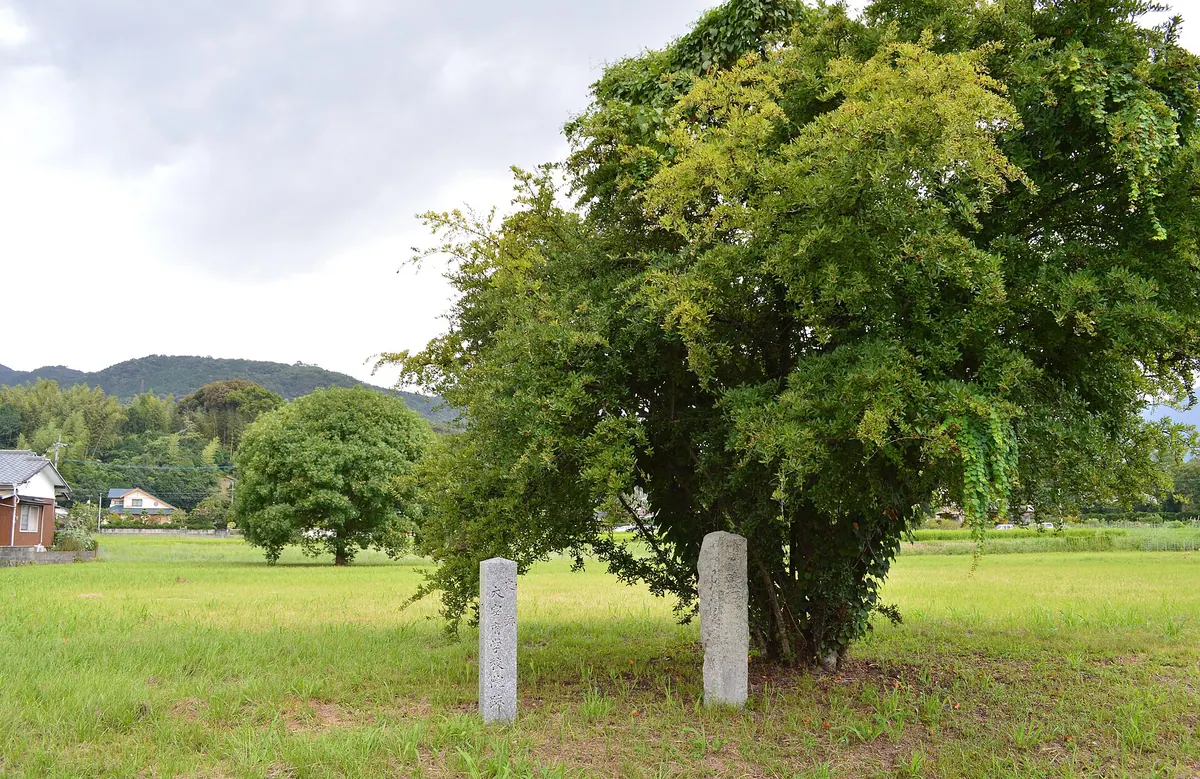
Explore the ruins of an ancient government school, a designated National Historic Site.
What it is
- Site of an official training institution.
- Corresponds to central universities and local schools.
- First mentioned in 781.
- Designated a National Historic Site in 1970.
What to see
- Four pillar-supported buildings in the central part.
- Seven pillar-supported buildings on the eastern side.
- Oldest buildings are from the late Nara period.
- North-south ditch existed from Heian to Muromachi periods.
- Earthen wall-like structure from the early Heian period.
13
Tsurumiyama Kofun
FUKUOKA · HISTORIC SITE 鶴見山古墳
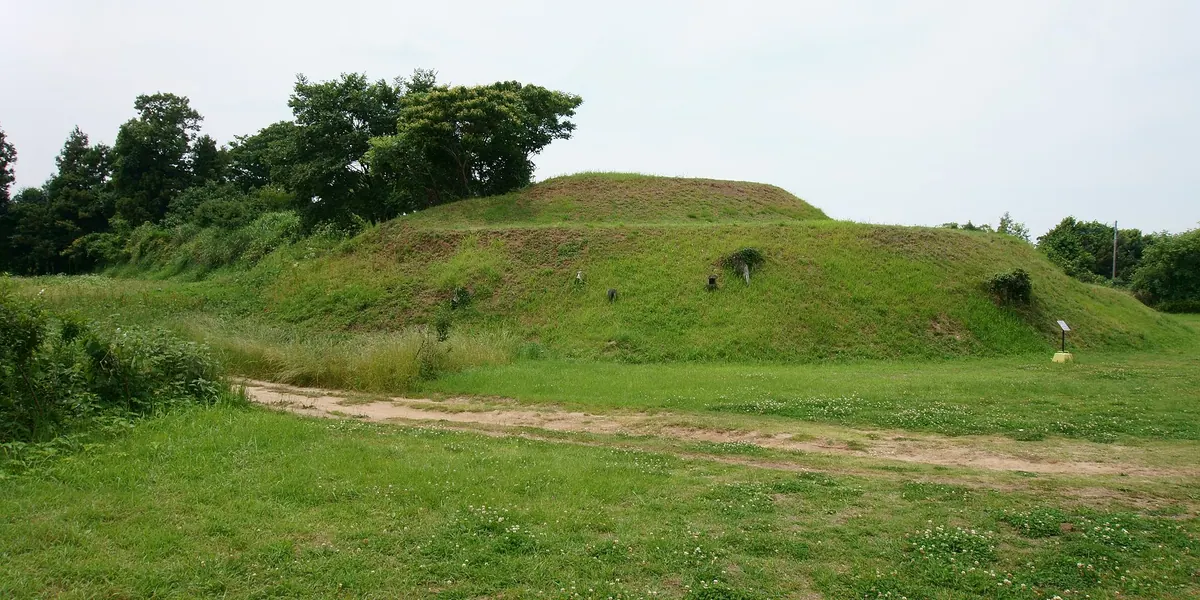
Explore a large 6th-century keyhole-shaped burial mound with a unique red-painted stone chamber.
What it is
- A keyhole-shaped tumulus in Yame City, Fukuoka Prefecture.
- Part of the Yame Kofun Group.
- Constructed around the middle of the 6th century.
What to see
- The 104-meter long burial mound.
- Front part is 59 meters wide and 6.6 meters high.
- Rear circular part is 46 meters in diameter and 7.5 meters high.
- Two or three tiers on the burial mound.
- Stone chamber opening in the rear circular part.
- Stone chamber walls made of large amphibole andesite.
14
Tachibanazuka Kofun
FUKUOKA · HISTORIC SITE 橘塚古墳
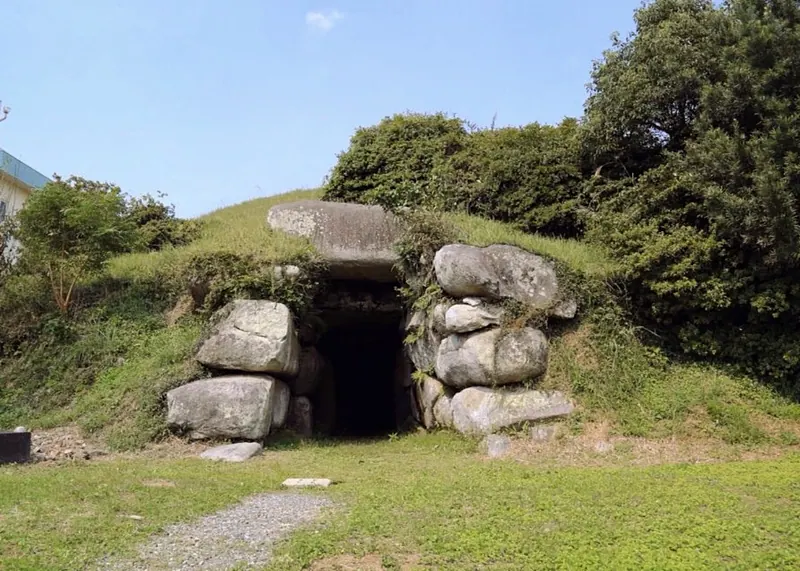
Explore a large, square-shaped ancient burial mound from the late 6th century.
What it is
- A square-shaped kofun, an ancient burial mound.
- Constructed around the late 6th century.
- Designated a National Historic Site since 1970.
What to see
- The kofun measures 37 by 39 meters.
- A surrounding moat is 6.5 to 9.95 meters wide.
- The entire kofun with moat measures 53.5 by 52 meters.
- A double-sleeved horizontal stone chamber.
- The stone chamber is approximately 17.5 meters long.
- Large granite stones were used for the chamber.
15
Nokata Site
FUKUOKA · HISTORIC SITE 野方遺跡
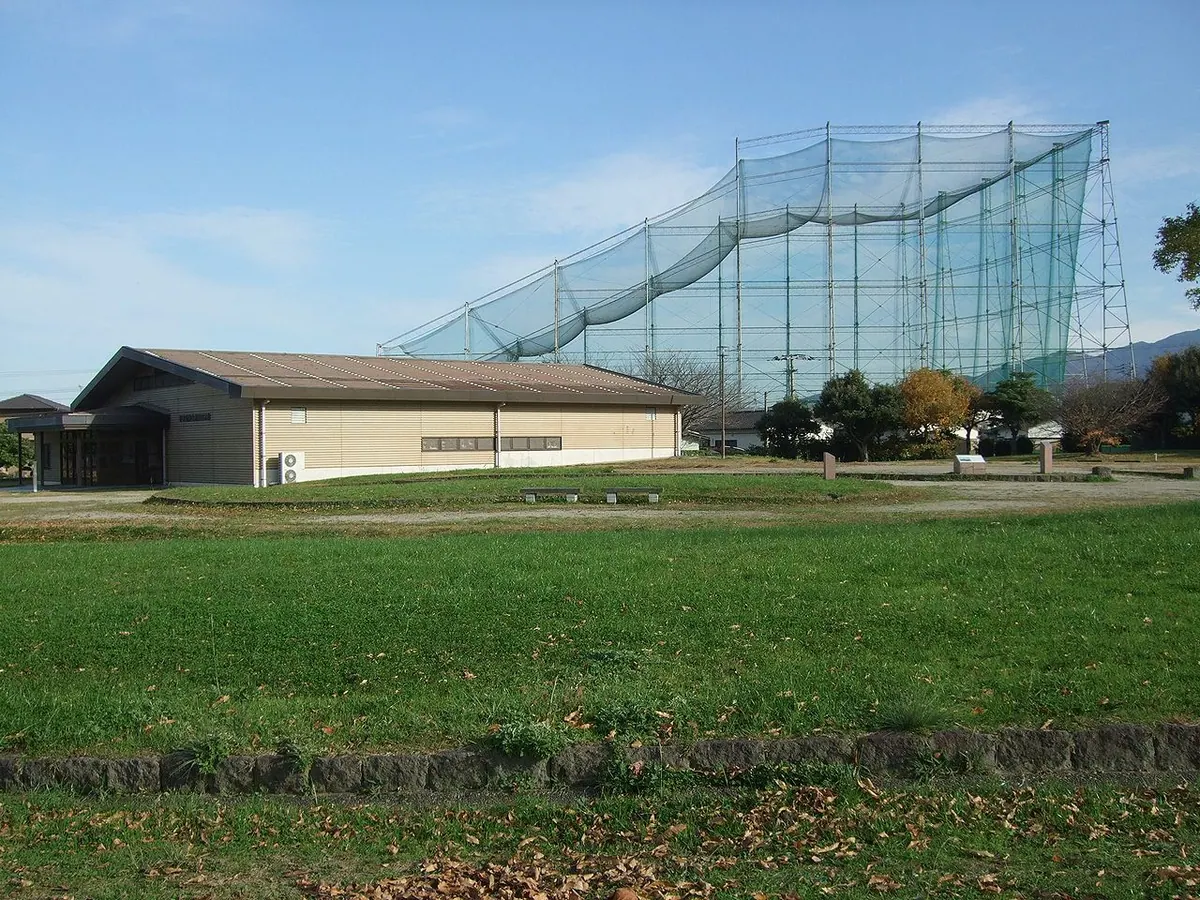
Explore an ancient archaeological site with moats and burial remains, offering a glimpse into early Japanese history.
What it is
- A complex archaeological site discovered in 1973.
- Designated a National Historic Site in 1975.
- Located on an alluvial fan at the base of Mt. Kana.
- Between the estimated locations of Ito and Na states.
What to see
- A large oval moat and a small square moat.
- Remains of 94 pit dwellings.
- Three jar burials and ten box-type stone coffins.
- Excavated Chinese mirrors, iron swords, and glass beads.
- Nokata Central Park, opened in 1991.
16
Mikumo–Iwara Site
FUKUOKA · HISTORIC SITE 三雲・井原遺跡
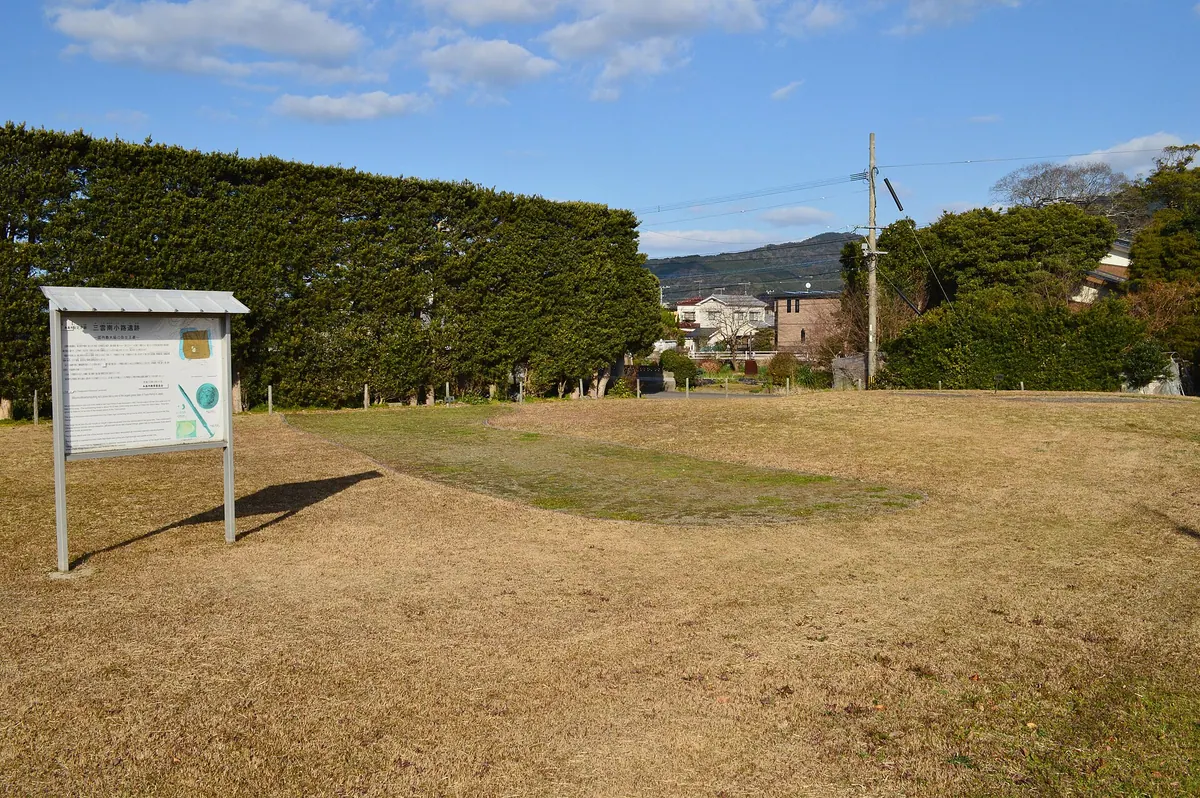
Explore a large Yayoi-period settlement, a National Historic Site, revealing an ancient kingdom's history.
What it is
- A Yayoi period settlement, designated a National Historic Site.
- Considered the center of the ancient Ito Kingdom.
- Excavations began in 1974.
What to see
- The site measures 1500 meters north-south and 750 meters east-west.
- Covers an area of approximately 60 hectares.
- Mikumo Minami-Koji area contains the king's tomb.
- Banjo area yielded artifacts from continental interactions.
- Over 250 iron tools and weapons have been excavated.
17
Ainoshima Stone Tumuli
FUKUOKA · HISTORIC SITE 相島積石塚群
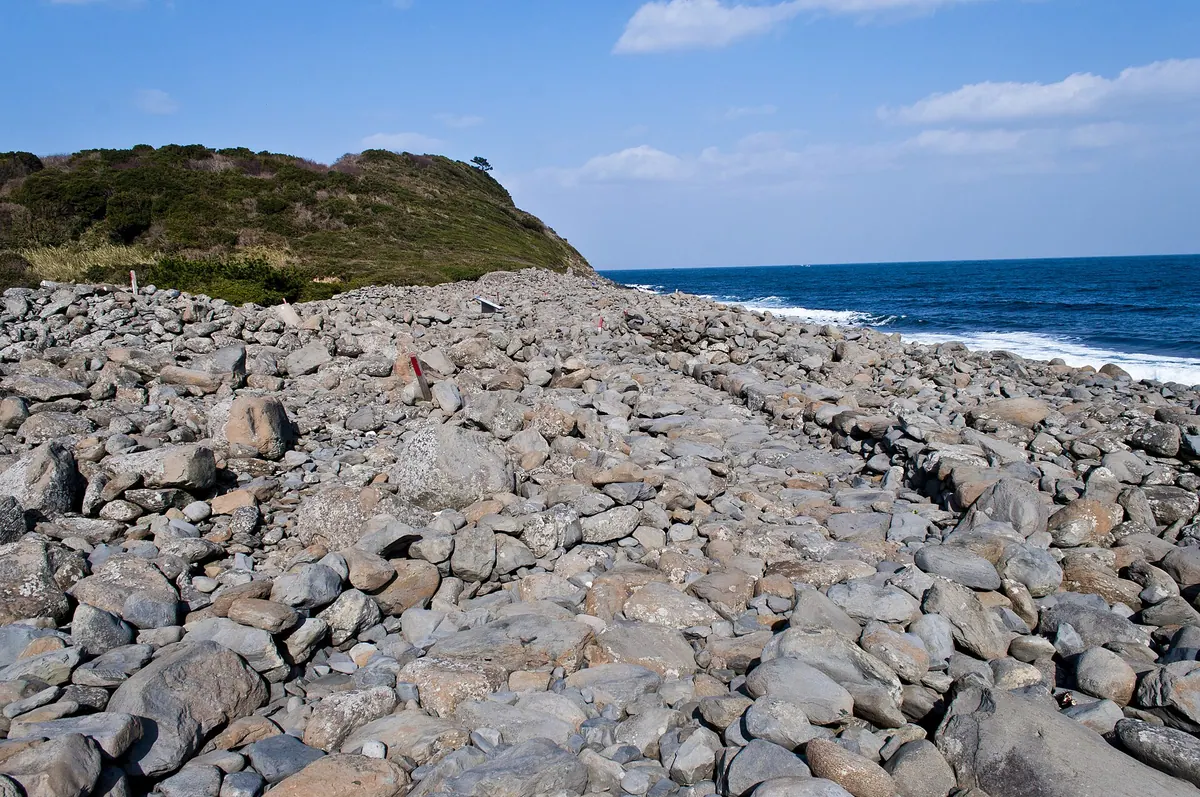
Explore ancient burial mounds on a beach, revealing insights into seafaring people.
What it is
- A collection of 254 stone burial mounds.
- Dates from the 4th to 7th centuries.
- Designated a National Historic Site in 2001.
- Considered a burial ground for seafaring people.
What to see
- 254 stone tumuli spread over a 100-meter beach.
- Excavated relics, ironware, and human bones.
- Artifacts include Sue ware and Haji ware.
- Artifacts include cut glass beads and gilt bronze earrings.
- Artifacts include iron swords and arrowheads.
18
Hayama Kofun
FUKUOKA · HISTORIC SITE 端山古墳
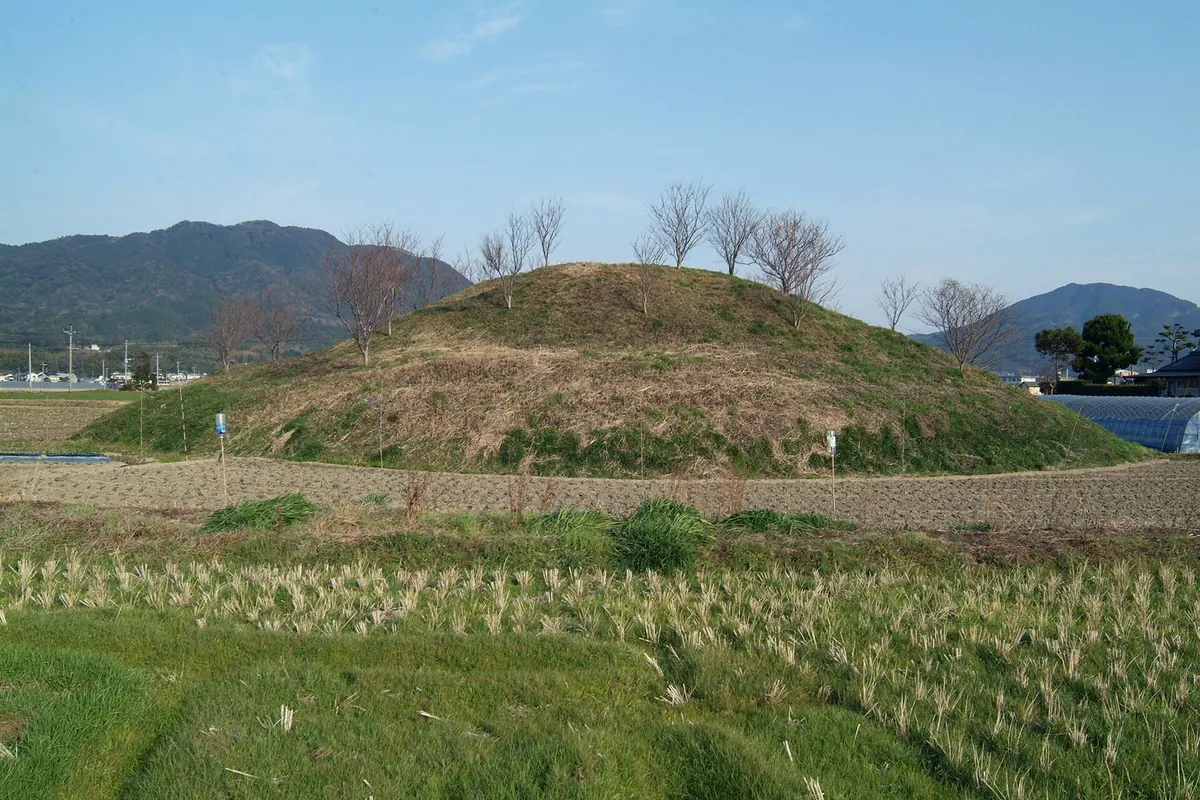
Explore a 4th-century keyhole-shaped tomb, a significant remnant of an ancient powerful clan.
What it is
- An ancient tomb in Itoshima City, Fukuoka Prefecture.
- A keyhole-shaped tumulus built around the early 4th century.
- Believed to be for a powerful clan.
- Located in a main region of Ito-koku.
What to see
- The tumulus is 78.5 meters long.
- The rear circular part is 42 meters in diameter.
- The rear circular part is about 8 meters high.
- A shield-shaped moat surrounds the tumulus.
- Total length including the moat is 99 meters.
19
Noriba Kofun
FUKUOKA · HISTORIC SITE 乗場古墳
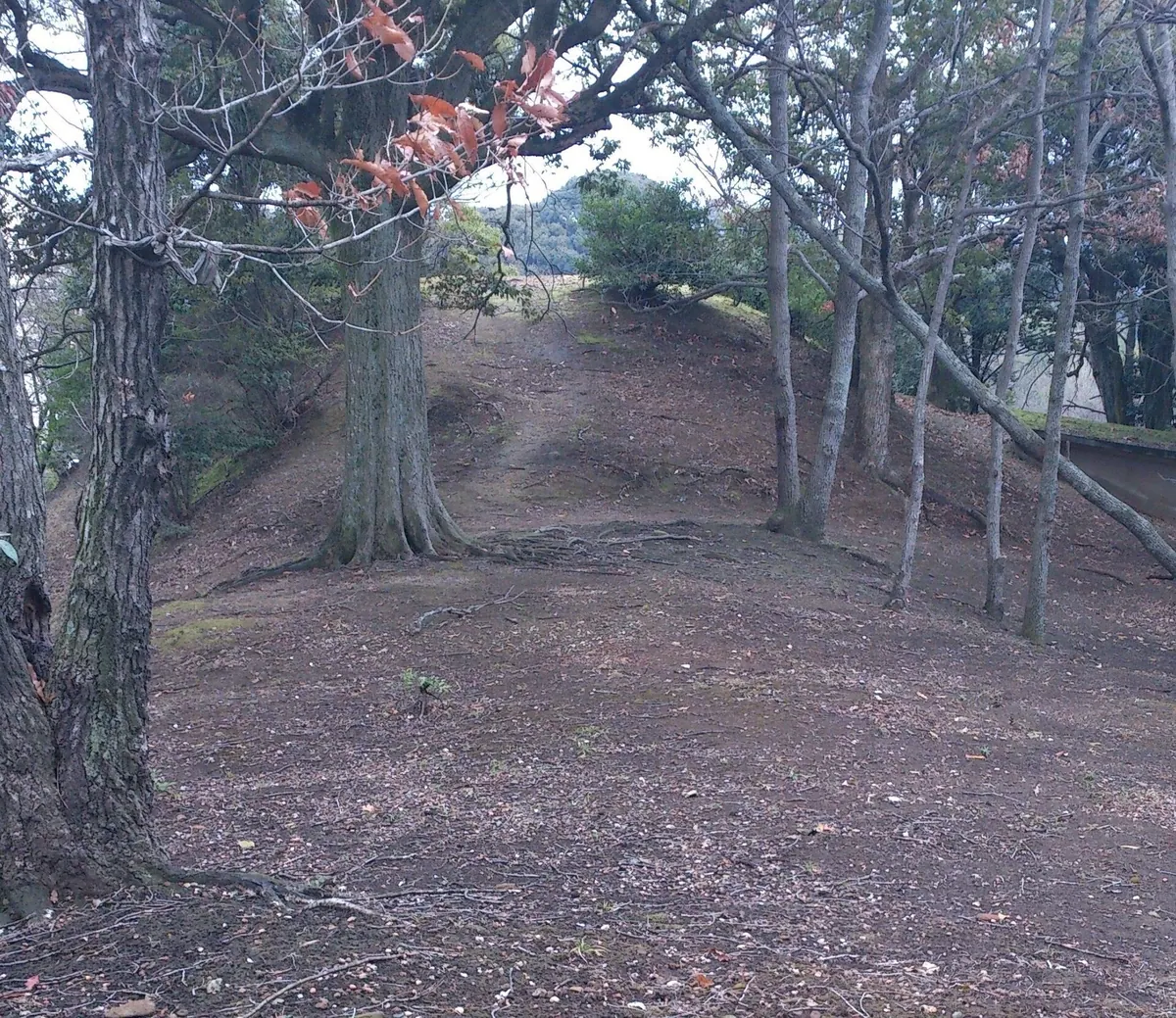
Explore a 6th-century keyhole-shaped tomb with rare colorful wall decorations.
What it is
- A keyhole-shaped burial mound, a kofun.
- Part of the Yame Kofun Group.
- Designated as a National Historic Site.
- Constructed around the mid-6th century.
What to see
- The tumulus is approximately 70 meters long.
- Rear circular part is about 30 meters in diameter.
- Front rectangular part is about 35 meters wide.
- Multi-chambered horizontal stone burial chamber.
- Stone chamber walls have red, yellow, and blue decorations.
20
Hiratsuka Kawazoe Site
FUKUOKA · HISTORIC SITE 平塚川添遺跡
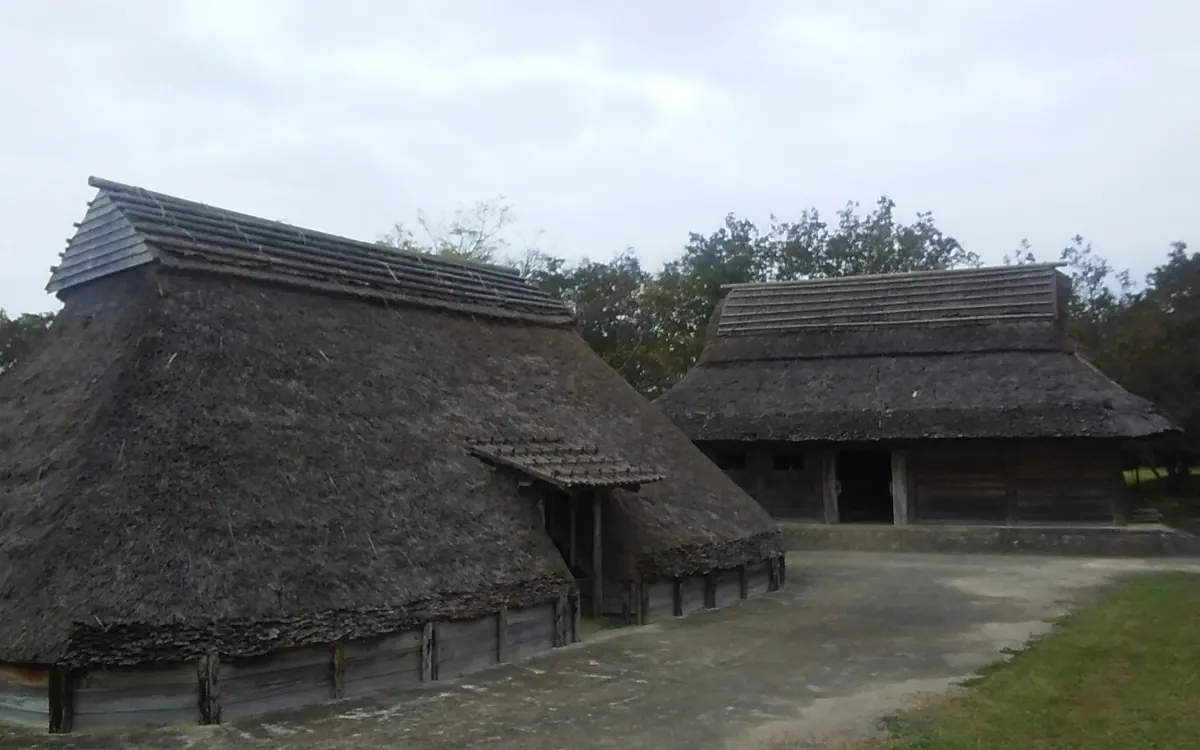
Explore a large archaeological park with reconstructed ancient buildings and artifacts.
What it is
- A complex archaeological site in Asakura City.
- Dates from the middle Yayoi to early Kofun periods.
- Designated a National Historic Site in 1994.
- Opened as a park in 2001.
What to see
- Reconstructed buildings from ancient times.
- Ancient vegetation in the park.
- Remains of 300 pit dwellings and 100 pillar buildings.
- Inner moats that surrounded a central settlement.
- Unearthed bronze products and wooden artifacts.