

20 Historic sites in Aichi worth your time
Japan Gems
Aichi Prefecture is home to 15 significant heritage sites. Visitors can explore ancient burial mounds like the Ajiyoshi Futagoyama Kofun and the Shidami Kofun group.
Aichi has 29 historic sites on Japan Gems. Below are the 20 we can tell you the most about — each one written up in English from Japanese sources, with what to see and how to get there. See all historic sites in Aichi.
01
Minamiyama No. 8 and 9-A–D Kilns
AICHI · HISTORIC SITE 南山8号・9-A〜D号窯
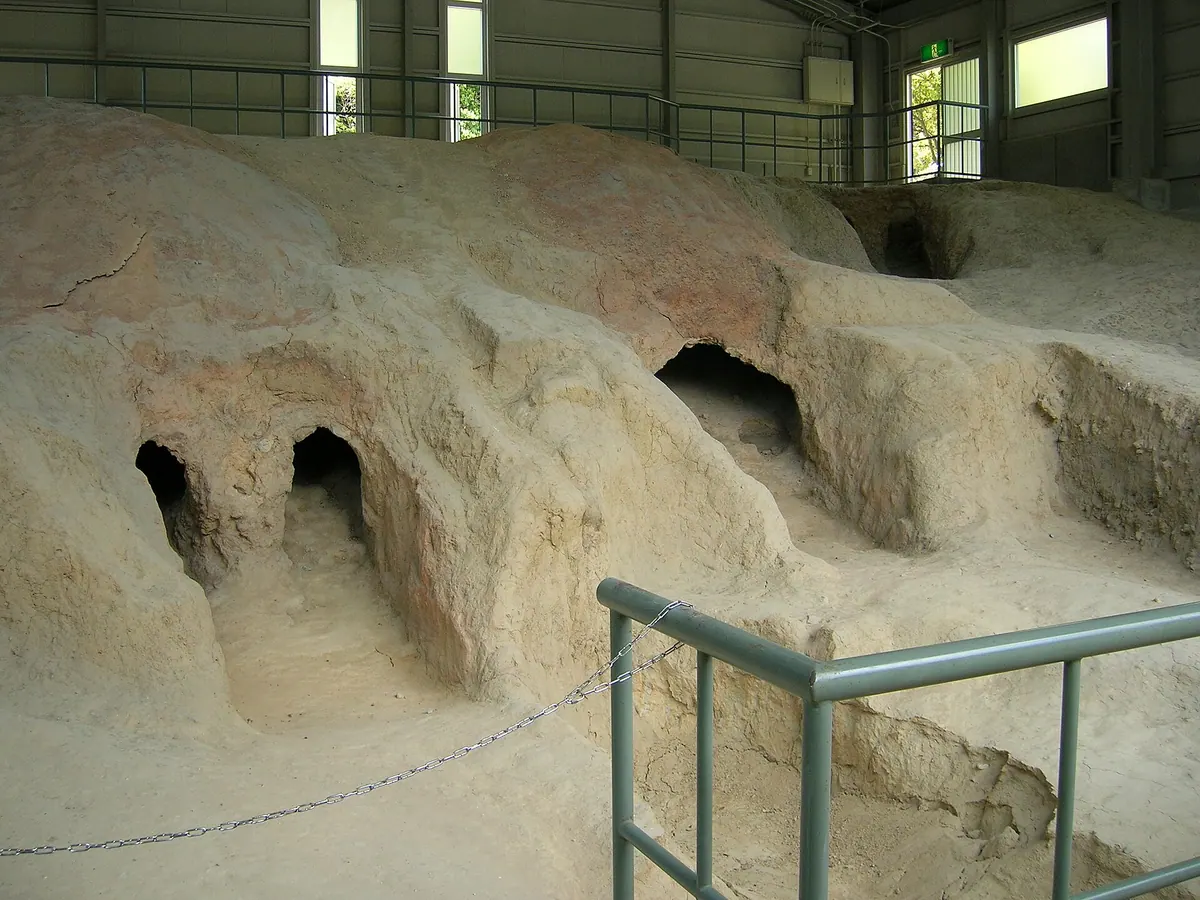
Explore ancient anagama kilns, offering a glimpse into Japan's medieval pottery production.
What it is
- Archaeological site in Seto City, Aichi Prefecture.
- Part of the Nanzan old kiln group of early Seto kilns.
- Kiln 9-D was built in the mid-11th century.
- Kilns 9-A, 9-B, 9-C were built in the late 13th century.
What to see
- Dug-out anagama kilns, including Kiln 8 and Kiln 9-A.
- Kiln 8 has a remaining length of 5.4 meters.
- Kiln 9-A has a remaining length of 7.5 meters.
- Kilns 8, 9-A, and 9-B show multiple repair traces.
- Excavated items are on display at the Ceramic Museum.
Getting there
- Located adjacent to the Aichi Prefectural Ceramic Museum parking lot.
02
Ippommatsu Kofun
AICHI · HISTORIC SITE 一本松古墳
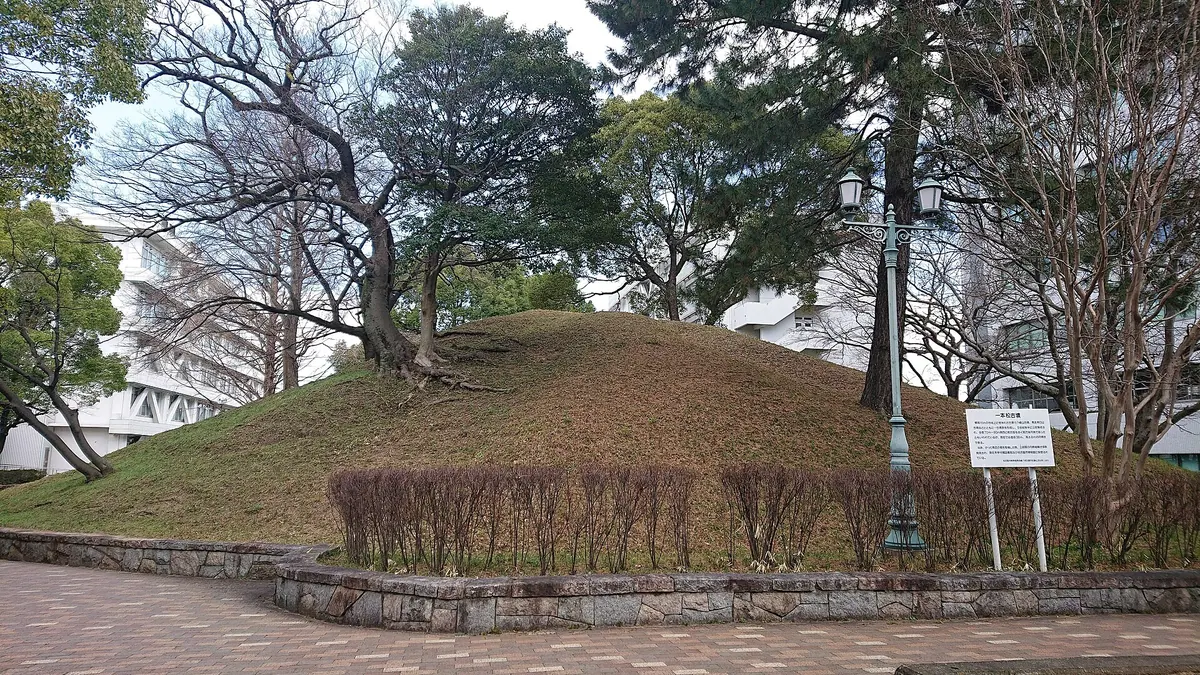
See a 5th-century burial mound, once keyhole-shaped, now a circular hill.
What it is
- A kofun, or ancient burial mound.
- Built in the latter half of the 5th century.
- Originally a keyhole-shaped tomb mound.
- Part of a kofun group near Hachimanyama Kofun.
What to see
- A circular mound, 36 meters in diameter.
- The mound is 8 meters high.
- Original length was 70 to 80 meters.
- Many cylindrical haniwa were excavated.
- Haniwa are stored at the university library.
- Haniwa are stored at the Nagoya City Museum.
Getting there
- Located near Nagoya Institute of Technology campus.
03
Ajiyoshi Futagoyama Kofun
AICHI · HISTORIC SITE 味美二子山古墳
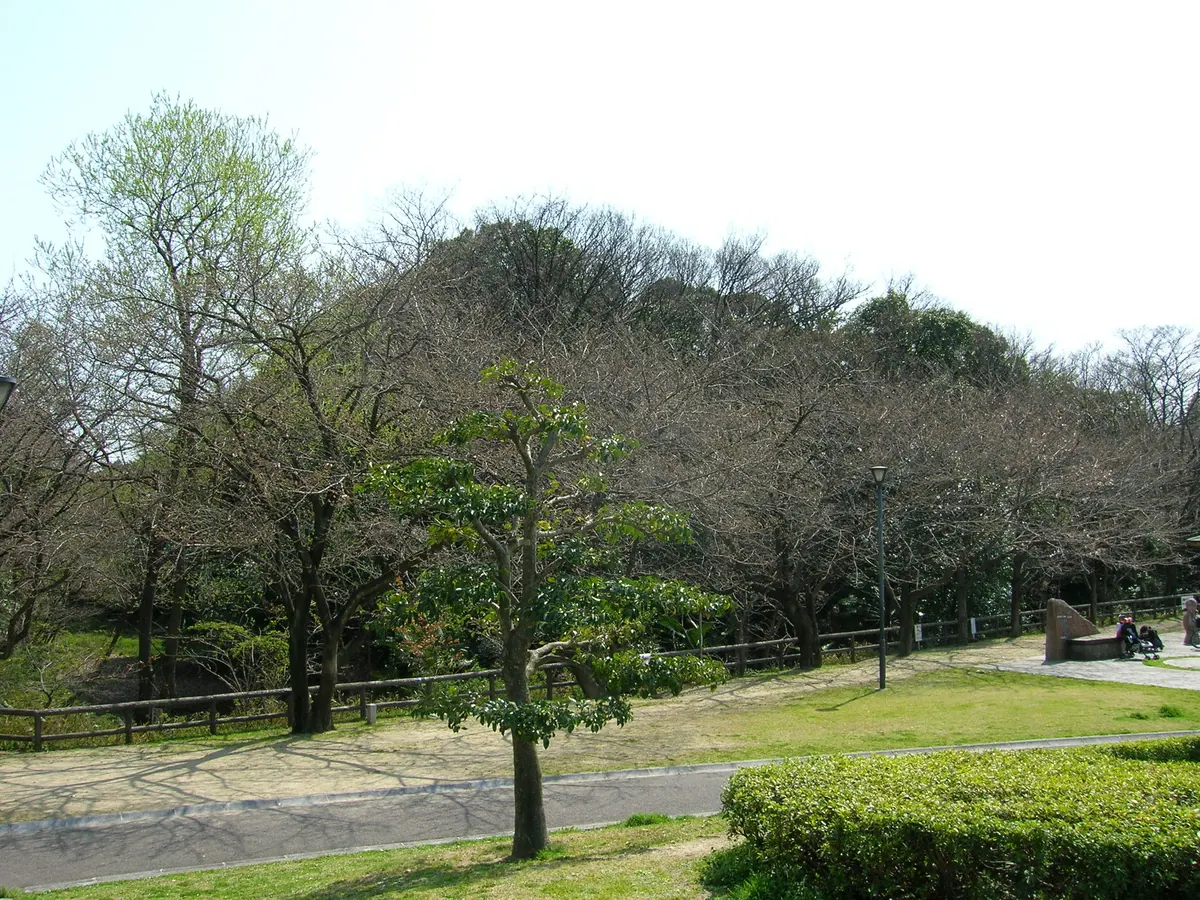
Explore a 6th-century keyhole-shaped burial mound and its excavated artifacts.
What it is
- One of the Ajiyoshi Kofun Group.
- A 96m long keyhole-shaped tumulus.
- Estimated to have been built in the early 6th century.
- Designated a national historic site in 1936.
What to see
- The keyhole-shaped burial mound.
- A shield-shaped moat surrounding the mound.
- Haniwa no Yakata displays excavated items.
- The surrounding Futagoyama Park.
When to go
- Haniwa Matsuri is held annually in October.
Getting there
- About a 10-minute walk from Ajiyoshi Station.
04
Higashinomiya Kofun
AICHI · HISTORIC SITE 東之宮古墳
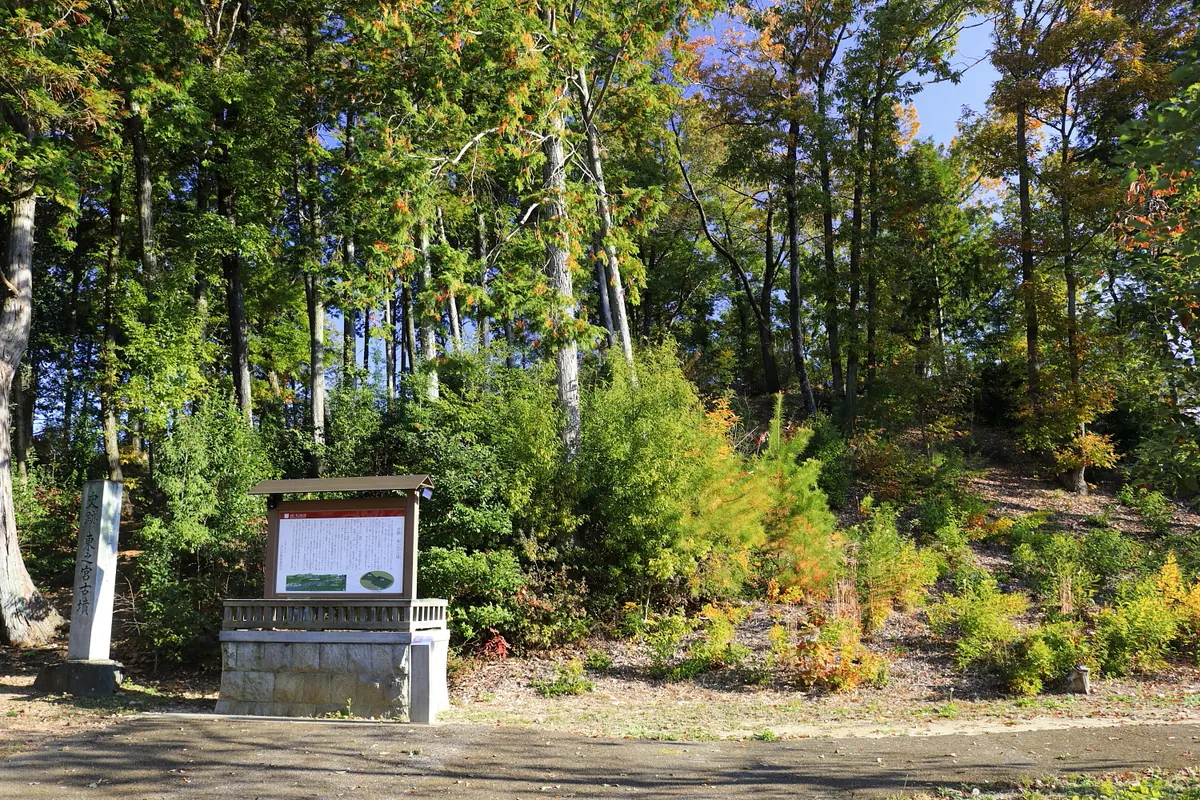
Explore a 4th-century keyhole-shaped tomb, a National Historic Site with important artifacts.
What it is
- An early Kofun period keyhole-shaped tomb mound.
- Designated a National Historic Site in 1975.
- Excavated artifacts are National Important Cultural Properties.
What to see
- The tomb mound is 67 meters long.
- Rear part of the mound has a two-tiered construction.
- Main burial chambers are in the rear and front.
- A pit-style stone coffin chamber was excavated.
- Artifacts include 11 bronze mirrors and jade items.
- Iron products include swords, knives, spears, and arrowheads.
05
Aotsuka Kofun
AICHI · HISTORIC SITE 青塚古墳
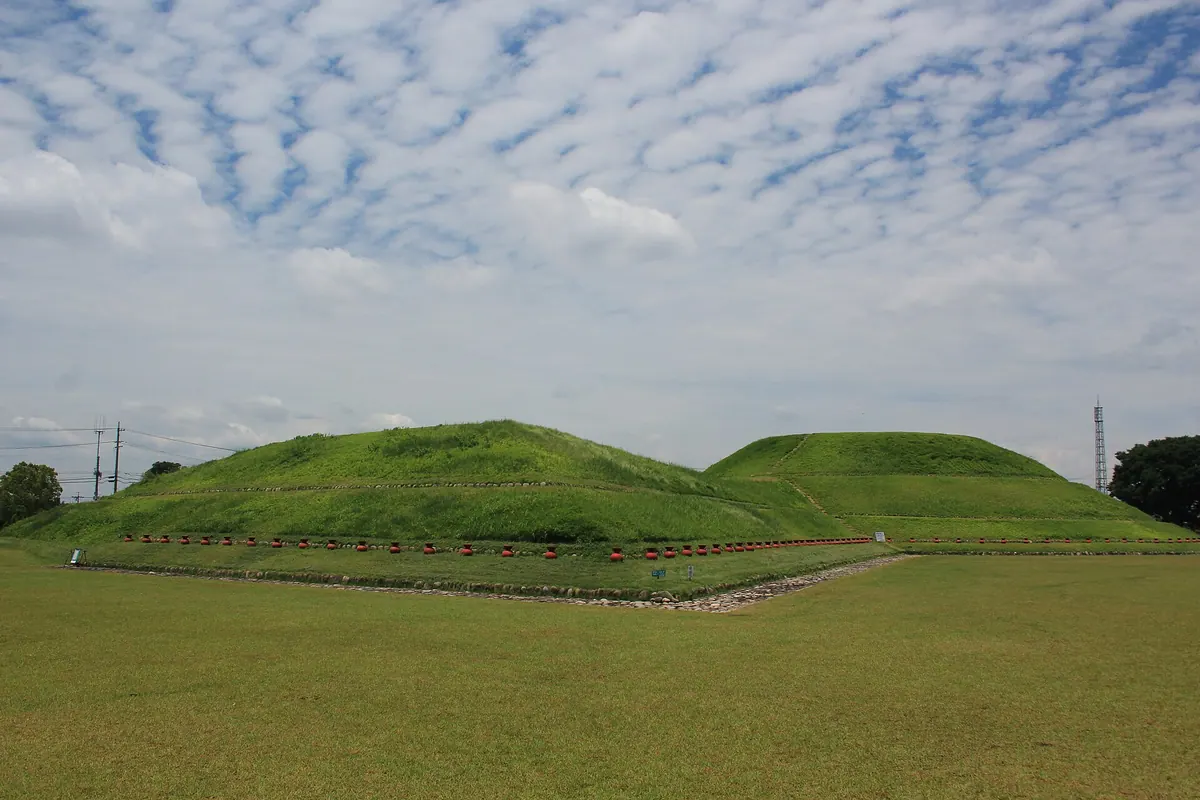
Explore a large 4th-century keyhole-shaped burial mound, now a historic park.
What it is
- A kofun, an ancient burial mound, in Inuyama City.
- Part of the Aotsuka Kofun Group.
- Constructed around the mid-4th century.
- Designated a National Historic Site in 1983.
What to see
- A keyhole-shaped burial mound.
- The second largest kofun in Aichi Prefecture.
- Mound length is approximately 123 meters.
- River stones and cylindrical Haniwa rows on the mound.
- Developed into Aotsuka Kofun Historic Park.
When to go
- Park opened on August 5, 2000.
- Official site
- aotsuka.niwasato.net
06
Danpusan Kofun
AICHI · HISTORIC SITE 断夫山古墳
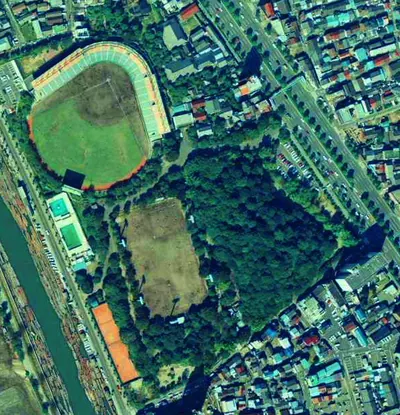
Explore Aichi's largest ancient keyhole-shaped tomb, a National Historic Site within Atsuta Jingu Park.
What it is
- A keyhole-shaped tumulus in Nagoya City.
- Designated a National Historic Site in 1987.
- Built around the first half of the 6th century.
- Believed to be the tomb of the Owari clan chieftain.
What to see
- Aichi Prefecture's largest kofun, 150 meters long.
- Mound built in three construction stages.
- Cylindrical Haniwa rows found on the surface.
- Sue ware excavated from the constricted part.
Getting there
- Located within Atsuta Jingu Park.
07
Shidami Ōtsuka Kofun
AICHI · HISTORIC SITE 志段味大塚古墳
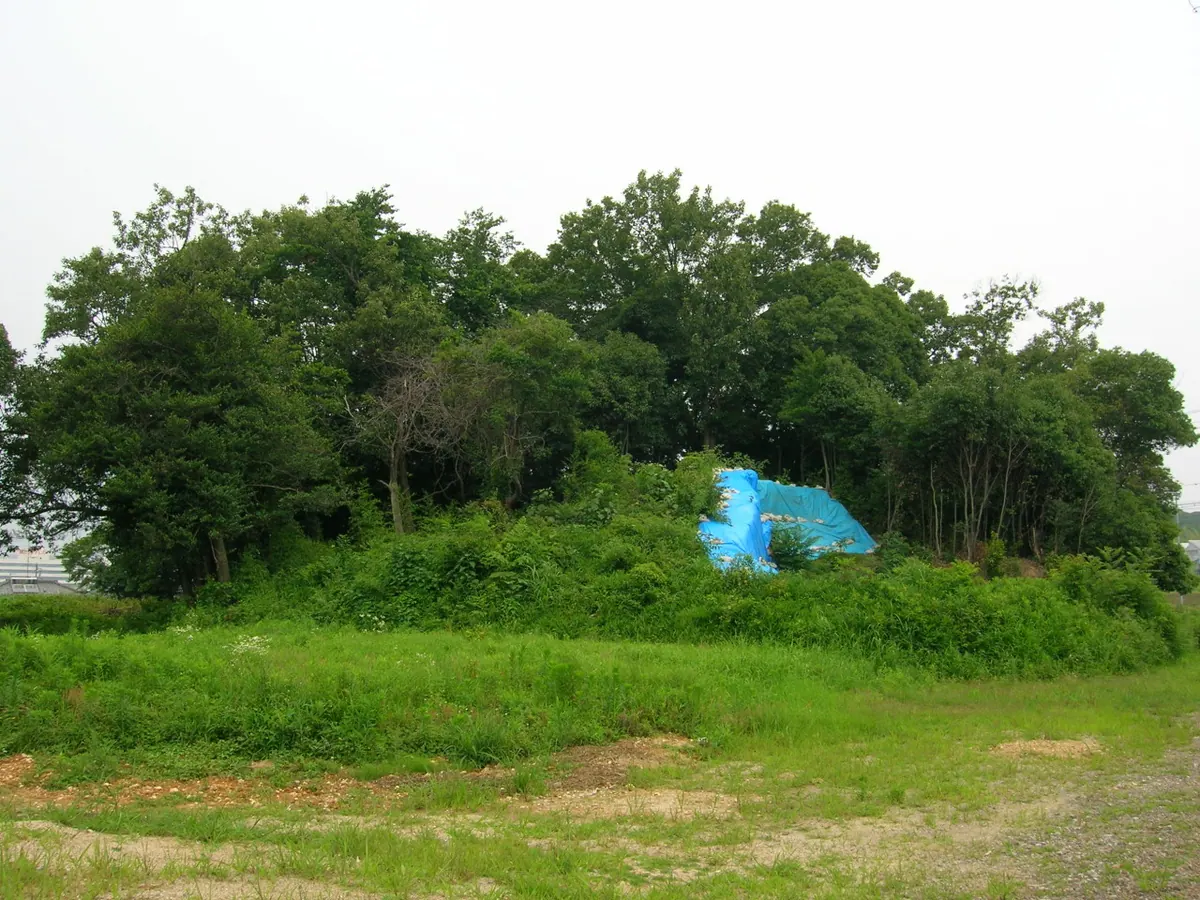
Explore a large, ancient keyhole-shaped tomb mound, a national historic site near Nagoya.
What it is
- A tumulus in Nagoya City, Aichi Prefecture.
- Designated as a national historic site.
- Largest keyhole-shaped tomb mound in the Okute Pond area.
- Also called Otsuka No. 1 Kofun.
What to see
- The tumulus has a total length of about 55 meters.
- Posterior circular part has a diameter of about 40 meters.
- Cylindrical Haniwa were placed on the mound.
- River stones covered the base of the mound.
- A clay coffin was found in the posterior circular part.
08
Miharashidai Site
AICHI · HISTORIC SITE 見晴台遺跡
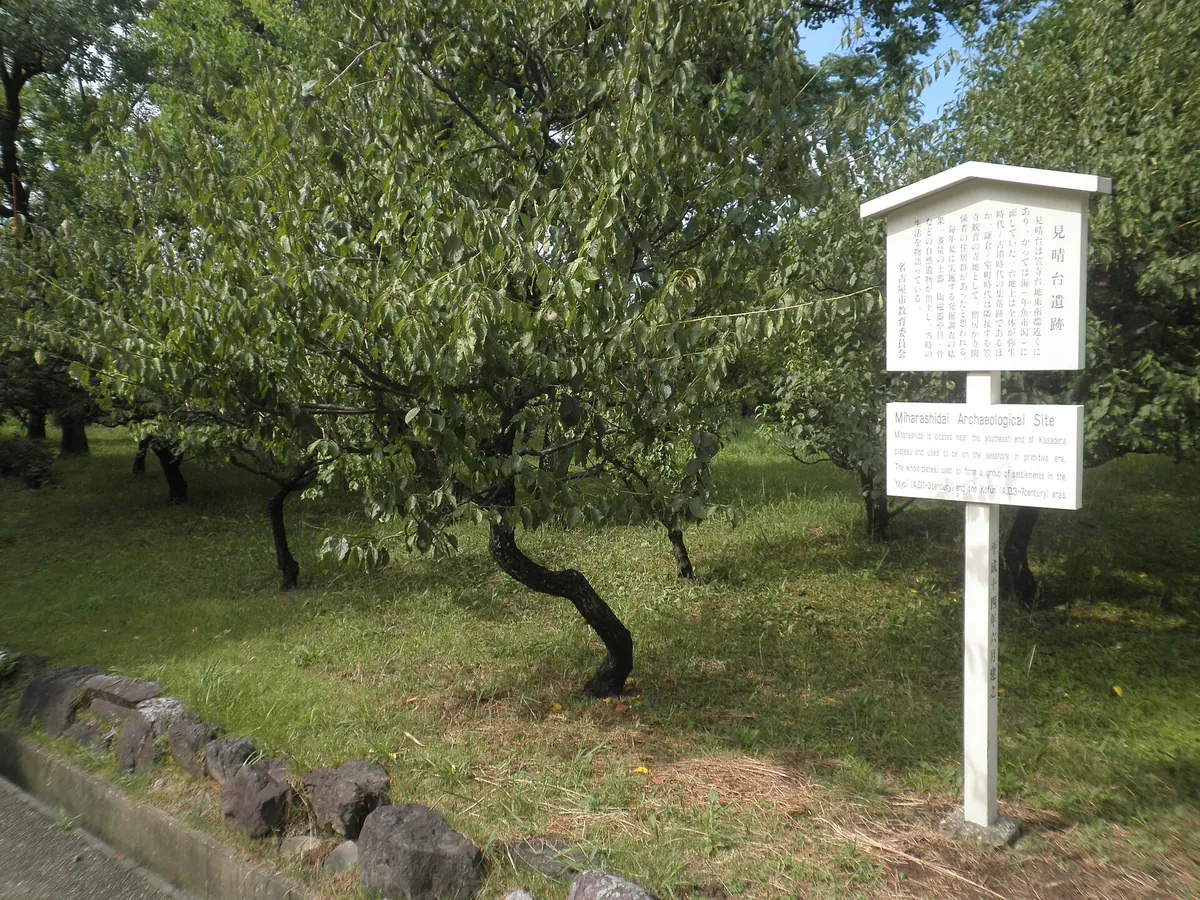
Explore an archaeological site and museum showcasing 20,000 years of history in Nagoya.
What it is
- A complex archaeological site in Kasadera Park.
- Spans from the Paleolithic to the Muromachi period.
- Miharashidai Archaeological Museum was established in 1979.
- The museum exhibits artifacts from sites within Nagoya.
What to see
- Paleolithic stone tools from 20,000 years ago.
- Yayoi period 'dotaku-shaped earthenware'.
- Remains of a moated village, 120 by 200 meters.
- Over 200 pit dwelling ruins.
- Two anti-aircraft gun bases from World War II.
09
Konagasō Pottery Kiln ruins
AICHI · HISTORIC SITE 小長曽陶器窯跡
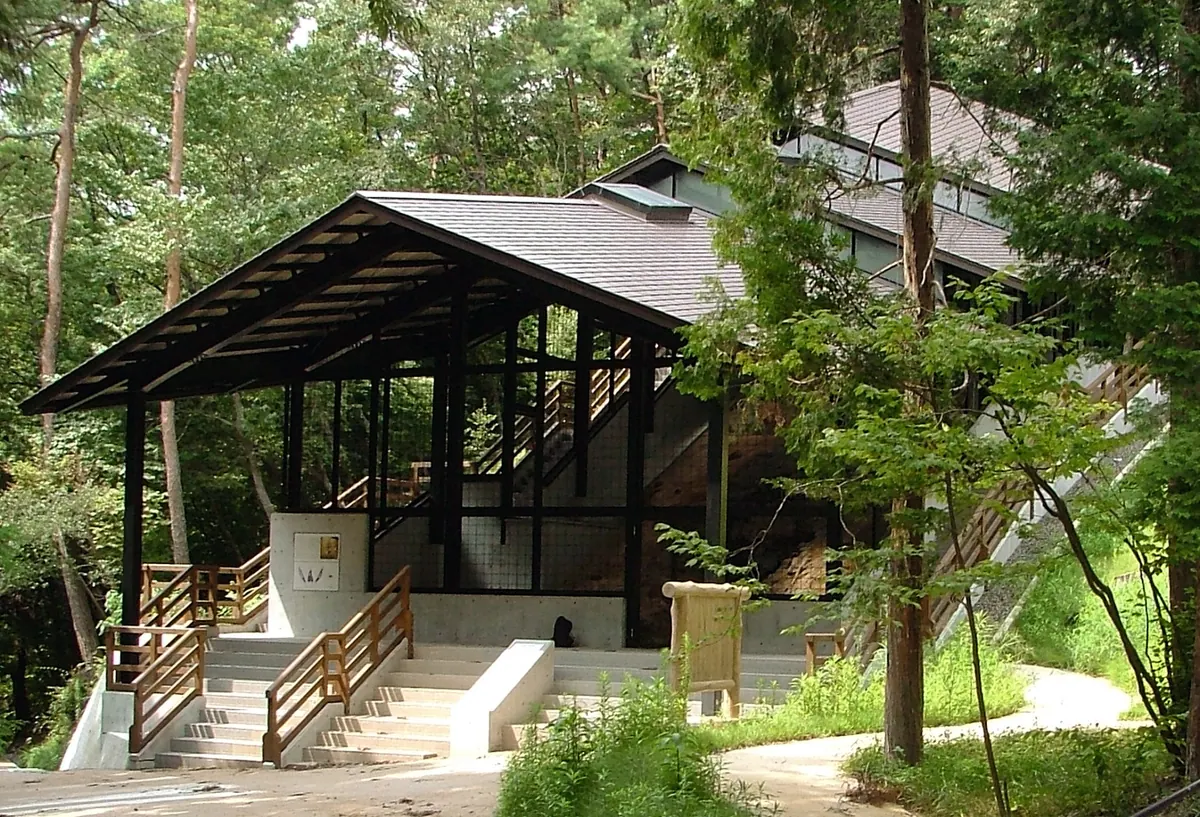
Explore the preserved remains of a historic pottery kiln, a national historic site in Seto City.
What it is
- A national historic site in Seto City, Aichi Prefecture.
- Designated a national historic site on July 13, 1971.
- Built by digging into a hill, located in the Akazu business area.
What to see
- The main part of the kiln visible today is from the Genroku period.
- The remaining length of the kiln body is 8.64 meters.
- The firing chamber has a barrier and five flame-dividing pillars.
- Some excavated artifacts are displayed at the Setogura Museum.
10
Takakura Ruins
AICHI · HISTORIC SITE 高蔵遺跡
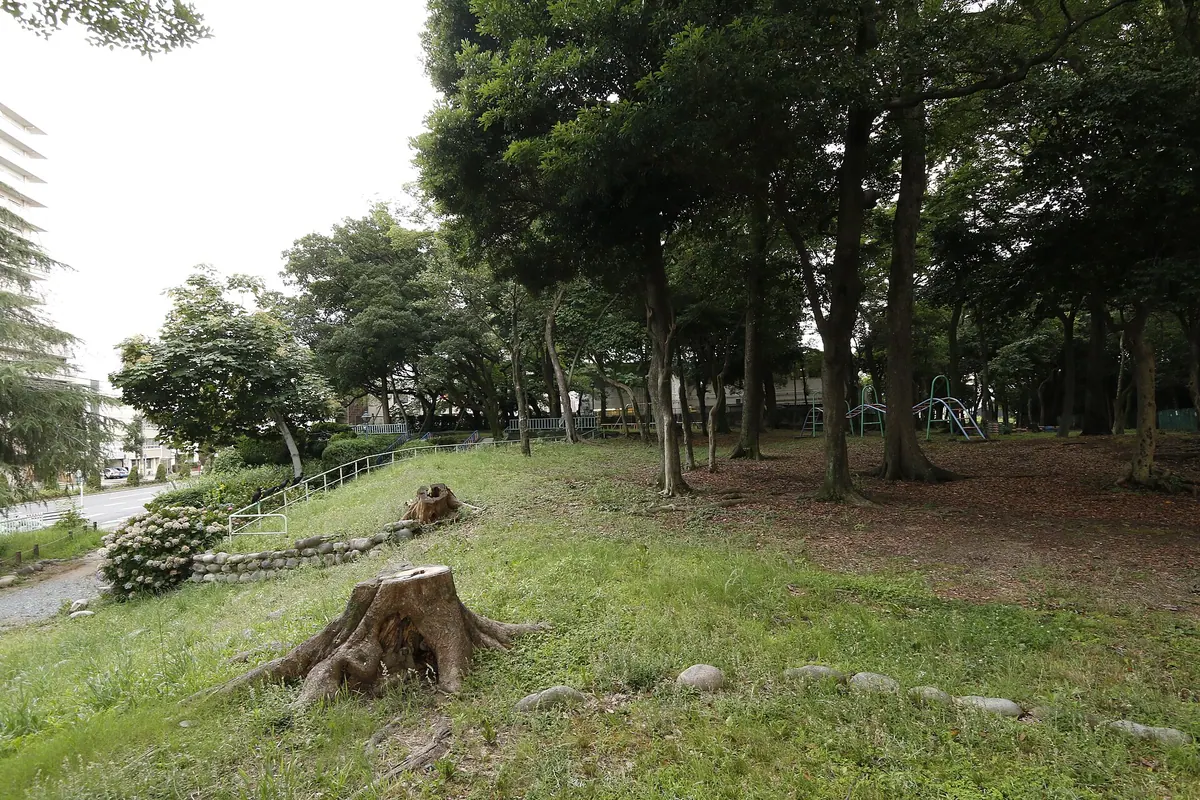
Explore an archaeological site spanning from the Paleolithic to the Middle Ages.
What it is
- A complex archaeological site.
- Spans from the Paleolithic period to the Middle Ages.
- Excavation began in 1908.
- About 70 surveys were conducted until 2007.
What to see
- The Takakura Shell Mound.
- A moated settlement from the Yayoi period.
- Numerous square-ditched tombs from the Yayoi period.
- Pit dwellings from the 5th century.
- Small square burial mounds from the 5th-6th centuries.
- Takakura No. 1 Kofun, a circular burial mound.
11
Susenoja cave
AICHI · HISTORIC SITE 嵩山蛇穴
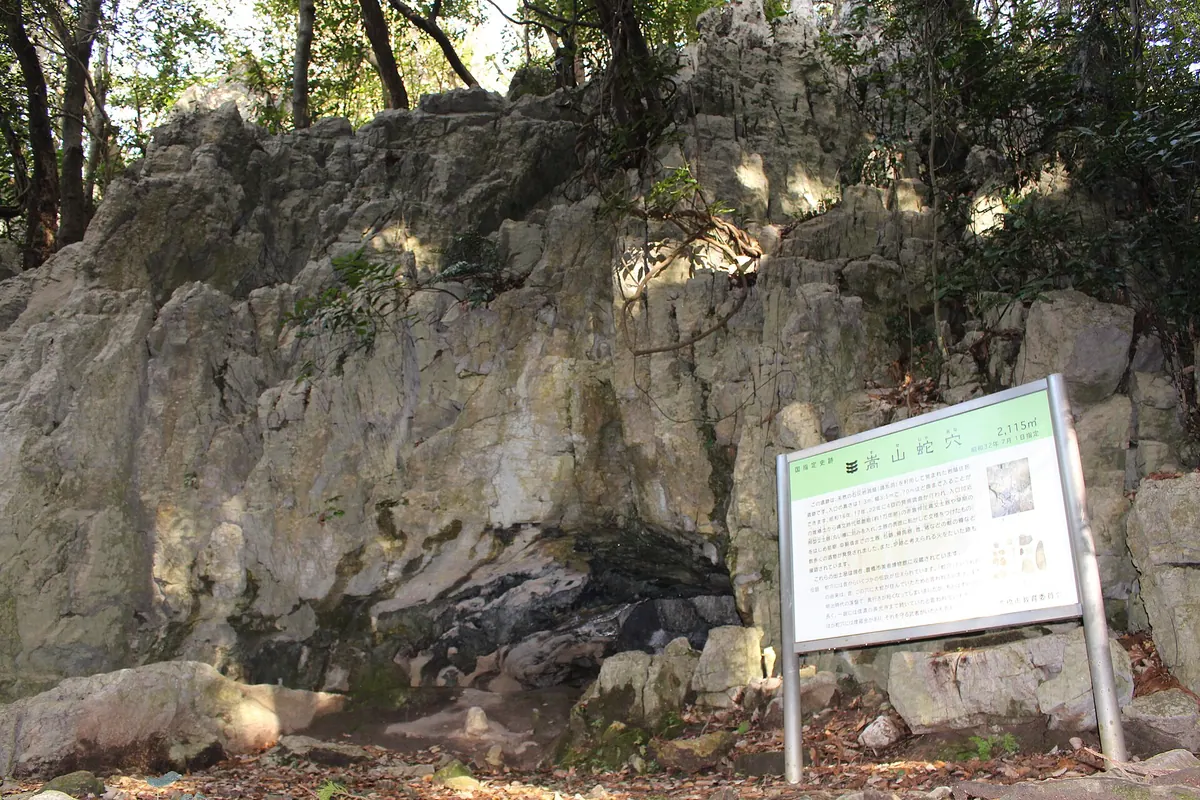
Explore a 70-meter deep limestone cave, a rare Jomon period dwelling site.
What it is
- A limestone cave, 70 meters deep.
- Designated a national historic site in 1957.
- Considered a Jomon period cave dwelling site.
What to see
- The cave entrance is 1.3 meters high.
- Traces of early Jomon period life remain.
- Excavated pottery, stone tools, and bone tools.
- Animal bones of wild boar and deer were found.
- Shells like clams and freshwater clams were found.
- Rare cave organisms like Jujiroa ana inhabit the cave.
12
Nekojima Site
AICHI · HISTORIC SITE 猫島遺跡
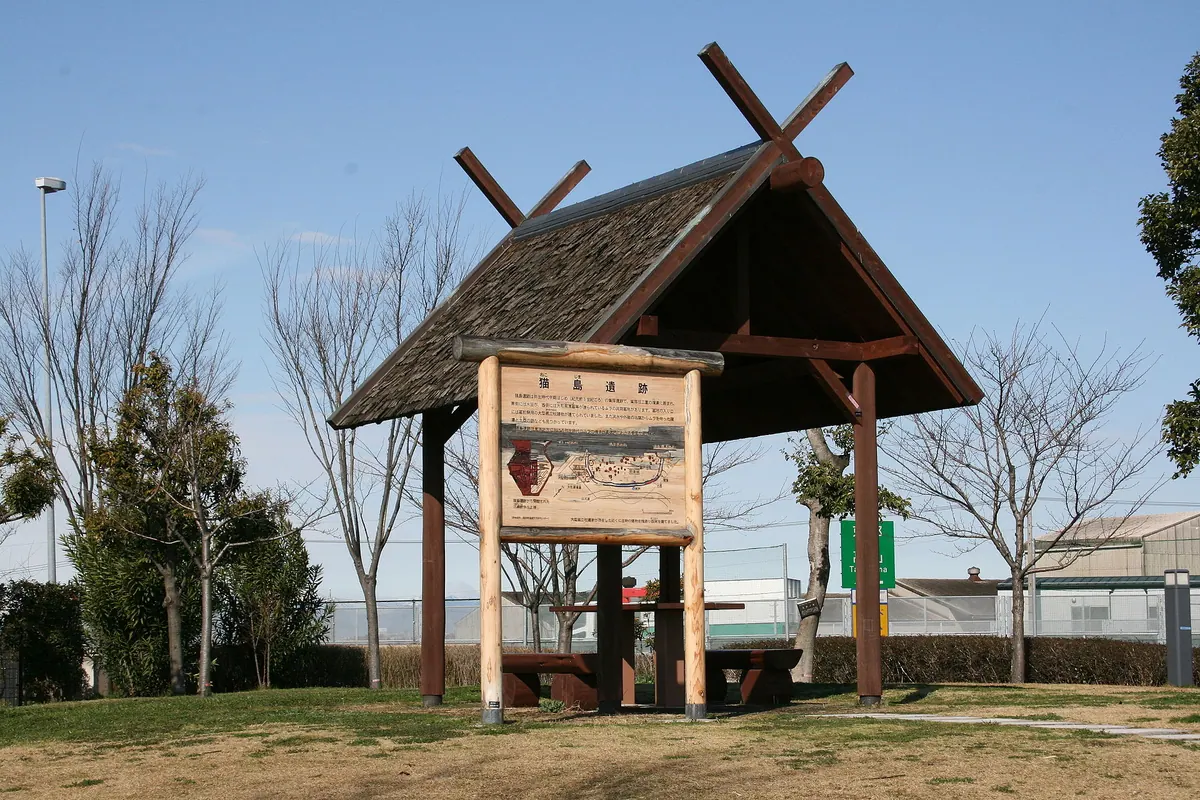
Explore an archaeological site spanning from the Jomon to medieval periods, revealing ancient Japanese life.
What it is
- A complex settlement site in Ichinomiya City, Aichi Prefecture.
- Spans from the Yayoi period to medieval times.
- Discovered in 1997, excavated from 1999 to 2000.
What to see
- Unearthed Jomon pottery and stone arrowheads.
- Remains of Yayoi period moated settlements.
- Kofun period settlement remains.
- Nara and Heian period settlement remains.
- Medieval settlement remains.
- Square-ditched graves and wooden coffin graves.
13
Owaribe-jinja Shrine
AICHI · HISTORIC SITE 尾張戸神社古墳
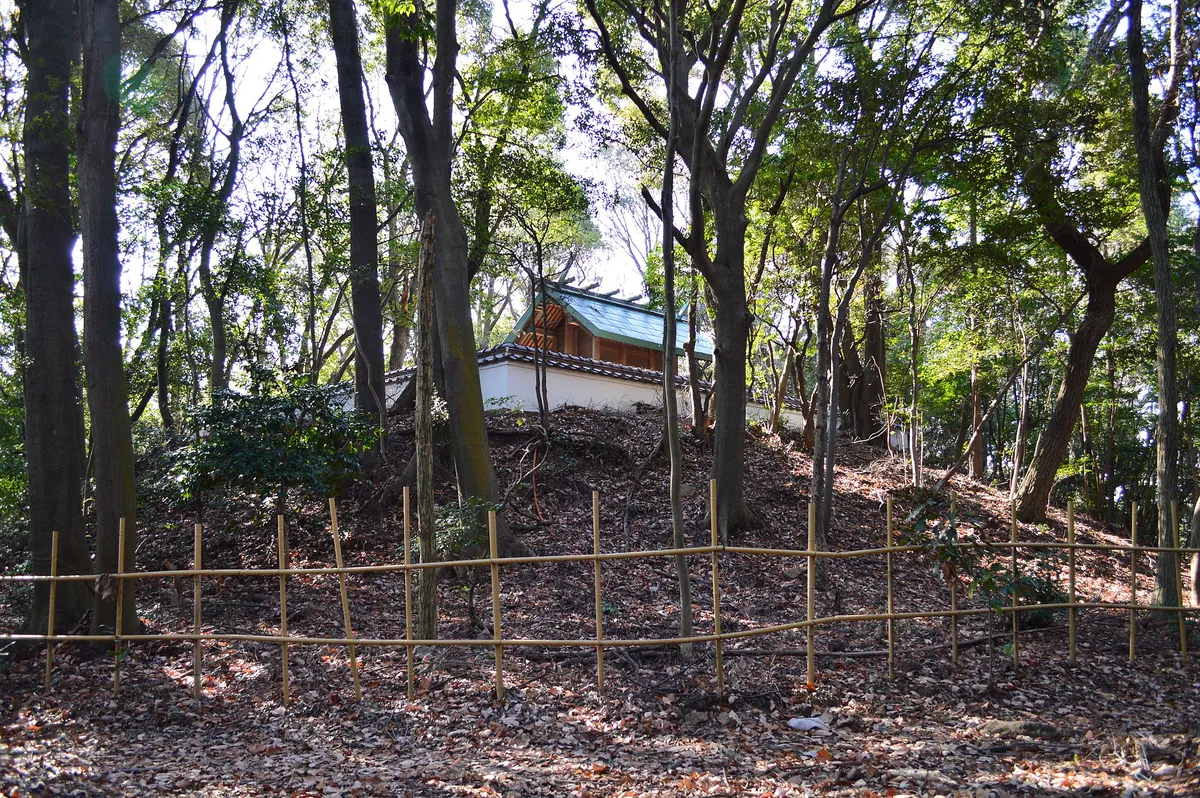
Ancient burial mounds and a shrine on a mountaintop, offering a glimpse into early Japanese history.
What it is
- A shrine on Mt. Togoku, also called Togoku Daimyojin.
- Dedicated to ancestors of the Owari clan.
- Main hall sits on a circular burial mound.
- Part of the Shidami Kofun Group, dating to the early 4th century.
What to see
- The Owaribe Shrine Kofun, a national historic site.
- Chusha Kofun, a keyhole-shaped burial mound.
- Nansha Kofun, a circular burial mound.
- Both Chusha and Nansha Kofun are national historic sites.
14
Myōkanji Kofun
AICHI · HISTORIC SITE 妙感寺古墳
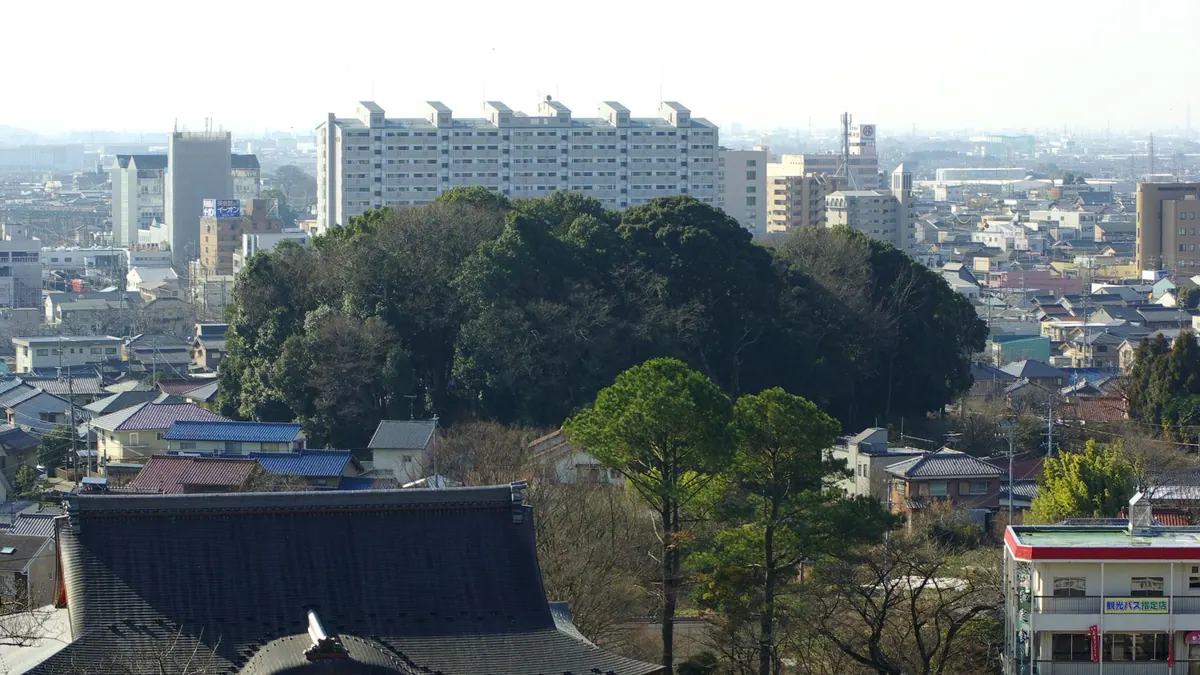
Explore a 5th-century keyhole-shaped tomb mound within temple grounds, a short walk from Inuyama Station.
What it is
- A keyhole-shaped tomb mound.
- Dates to the first half of the 5th century.
- A large Kofun from the middle Kofun period.
- Located within the grounds of Myōkanji Temple.
What to see
- Mound is 95 meters long.
- Rear circular part has a 52-meter diameter.
- Front square part is 50 meters wide.
- River stones found as fukiishi.
Getting there
- 10-minute walk from Inuyama Station.
15
Yoshigo Shell Mound
AICHI · HISTORIC SITE 吉胡貝塚
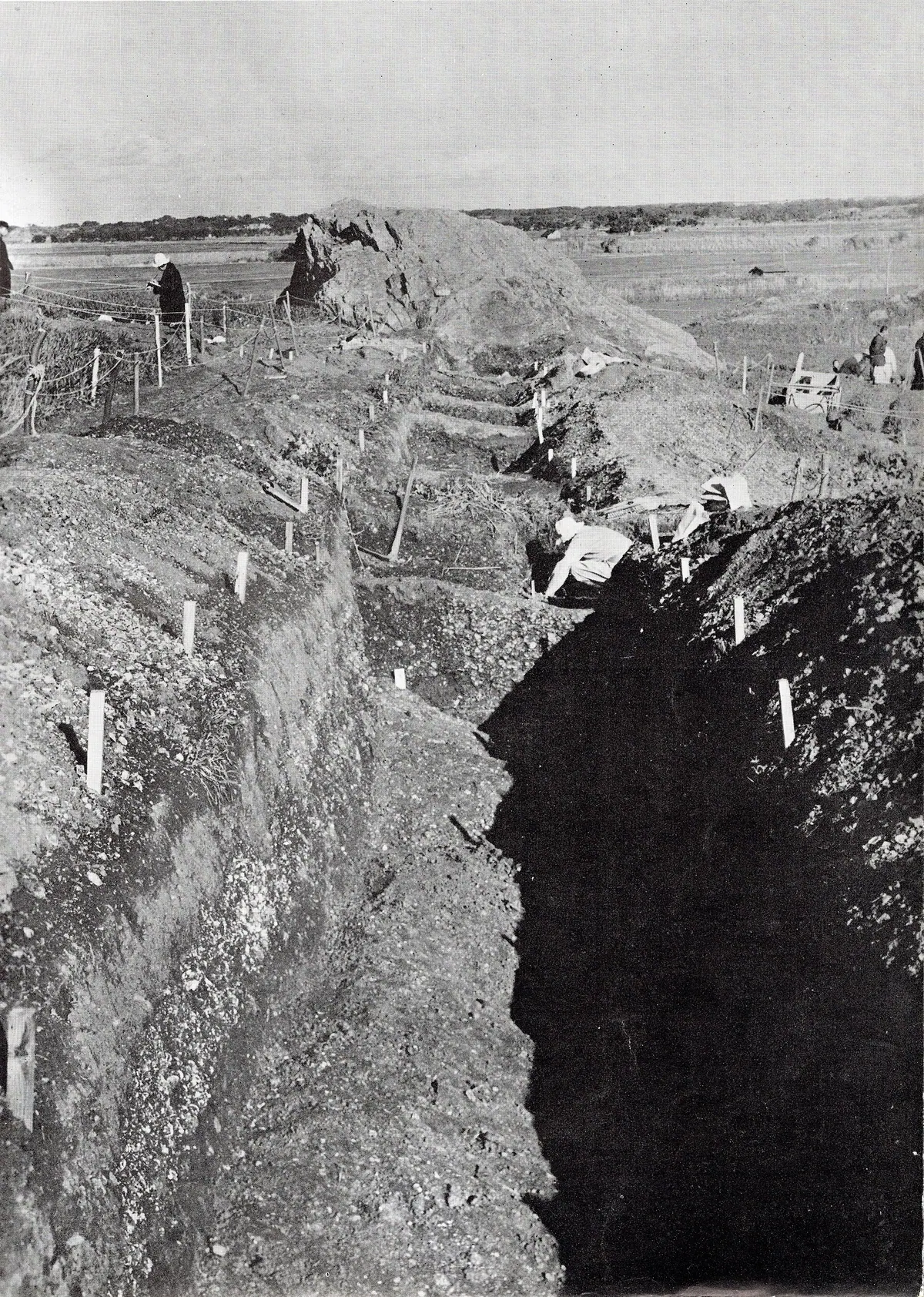
Explore a significant archaeological site with Jomon human remains and artifacts.
What it is
- An archaeological site in Tahara City, Aichi Prefecture.
- Designated as a National Historic Site since 1951.
- Dates from the late Jomon to early Yayoi periods.
- Now open as the Yoshigo Shell Mound Historic Park.
What to see
- One large and four small shell mounds.
- Excavated Jomon human remains.
- Artifacts from Jomon to Middle Ages.
- The Yoshigo Shell Mound Museum, opened in 2007.
16
Hirokute No. 30 Kiln Site
AICHI · HISTORIC SITE 広久手30号窯跡
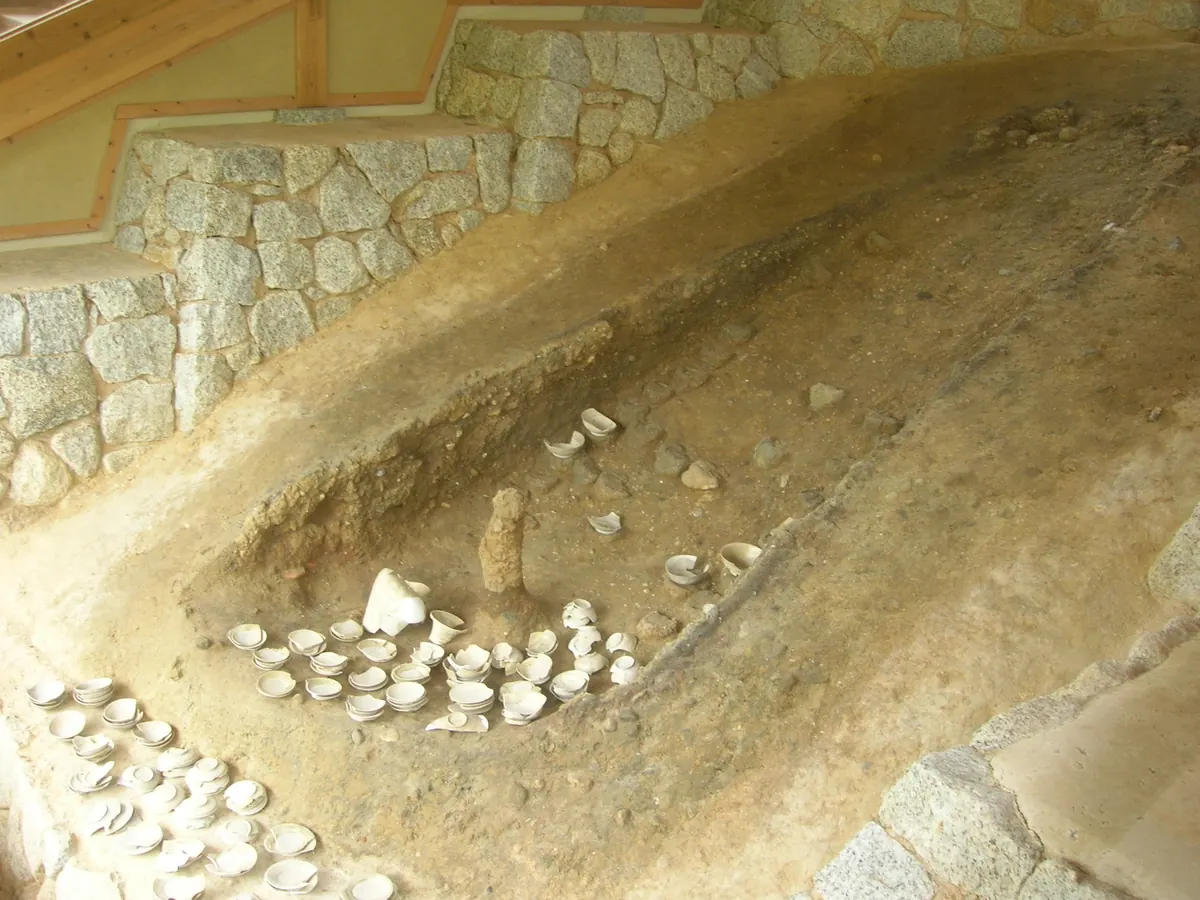
See Japan's oldest ash-glazed pottery kiln, dating to the late 10th century.
What it is
- Oldest kiln in Seto, dating to the late 10th century.
- Designated a Seto City Historic Site in 2006.
- A semi-underground pit kiln for ash-glazed pottery.
- Preserved as part of the Expo Seto venue.
What to see
- The kiln, with a remaining length of 4.2 meters.
- The kiln, with a maximum width of 1.45 meters.
- An exhibition facility for excavated items.
- The Kiln History Museum.
17
Ōdome Arako Burial Mound
AICHI · HISTORIC SITE 大留荒子古墳
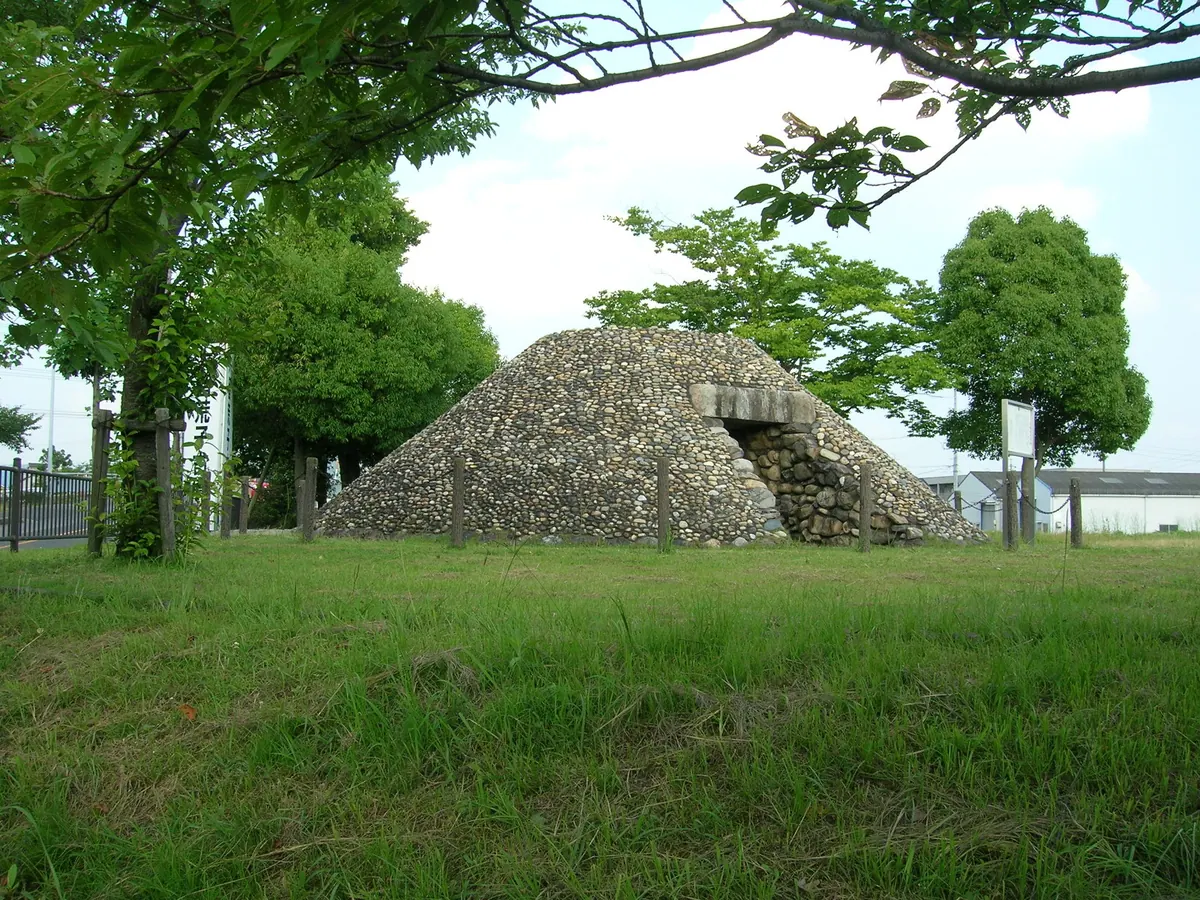
See a reconstructed 7th-century burial mound with a unique stone chamber.
What it is
- A circular tumulus, a type of ancient burial mound.
- Built in the early 7th century, about 1400 years ago.
- Relocated and restored to its original construction in 1989.
What to see
- A circular mound about 10 meters in diameter.
- A 6-meter-long horizontal stone burial chamber.
- Unearthed Sue ware pottery and straight swords.
- The stone chamber opening, moved 20 degrees south.
18
Irago Tōdai-ji Tile Kiln ruins
AICHI · HISTORIC SITE 伊良湖東大寺瓦窯跡
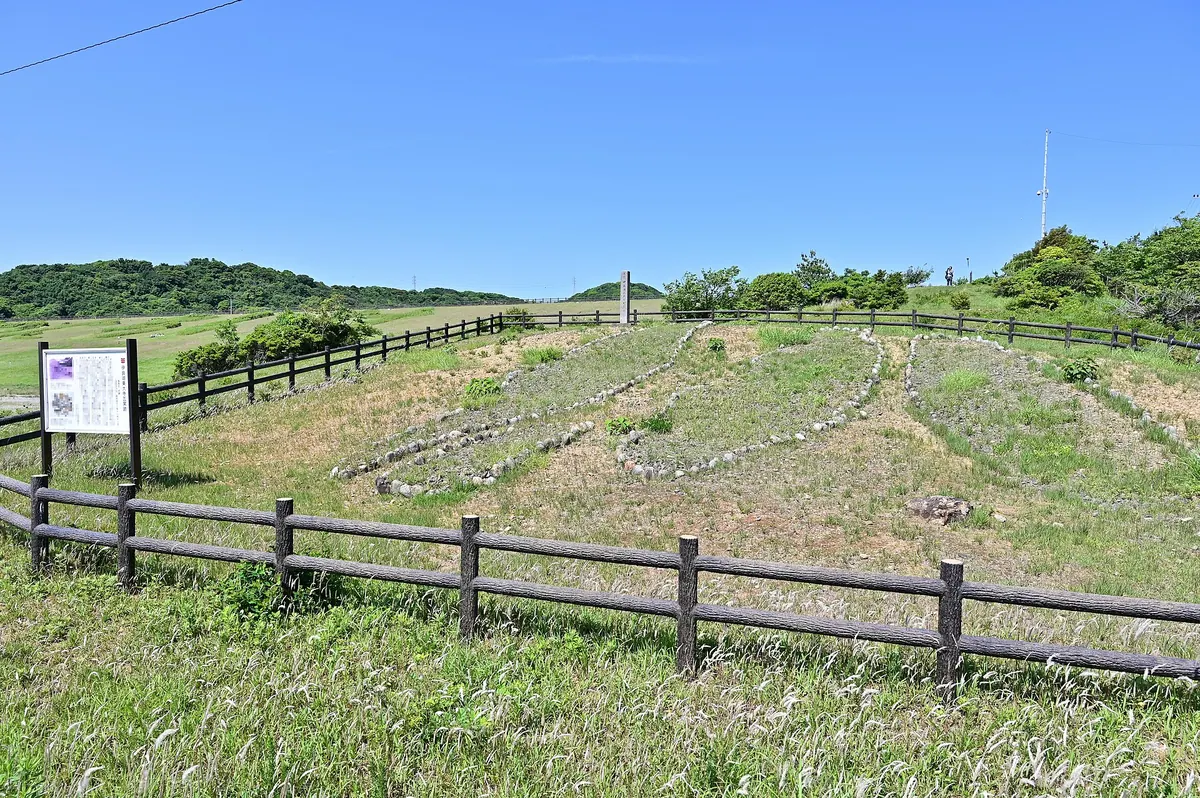
Explore medieval kiln ruins that fired tiles for Todai-ji Temple's reconstruction.
What it is
- Medieval Atsumi kiln ruins, discovered in 1966.
- Designated National Historic Site in Tahara City.
- Fired tiles for Todai-ji Temple's reconstruction.
What to see
- Three anagama kiln ruins on a plateau slope.
- South kiln measures 11.5 meters long.
- Middle kiln measures 11.8 meters long.
- North kiln measures 12.3 meters long.
- 455 excavated items are cultural properties.
19
Kaigarayama Shell Mound
AICHI · HISTORIC SITE 貝殻山貝塚
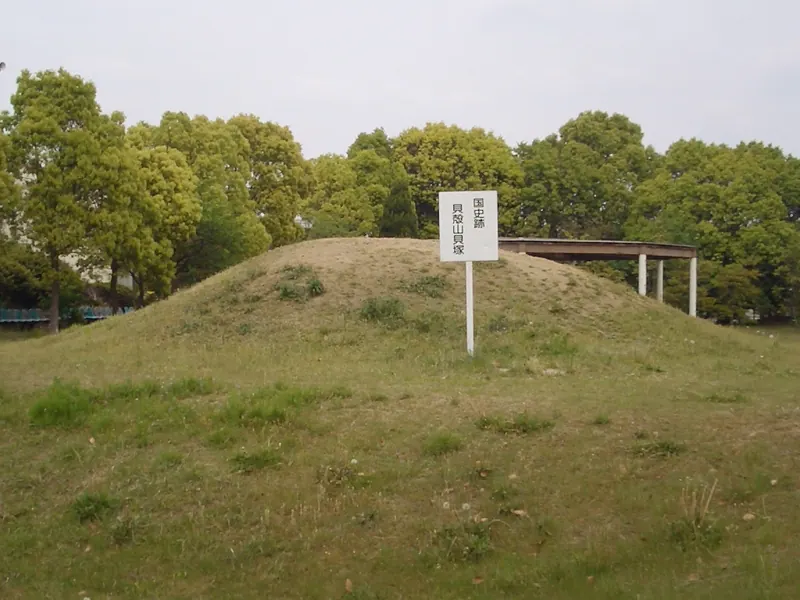
Explore a vast ancient settlement with a significant shell mound and important artifacts.
What it is
- Part of the Asahi site, spanning Jomon to Edo periods.
- One of Japan's largest moated Yayoi period settlements.
- Designated a historic site in 1971.
- Excavated in 1929 by Kato Tsutomu.
What to see
- The shell mound, a national historic site.
- Vast settlement area, 1400m east-west, 800m north-south.
- 2,028 excavated items, national important cultural properties.
20
Komaki Ikeda Archaeological Site
AICHI · HISTORIC SITE 小牧池田遺跡
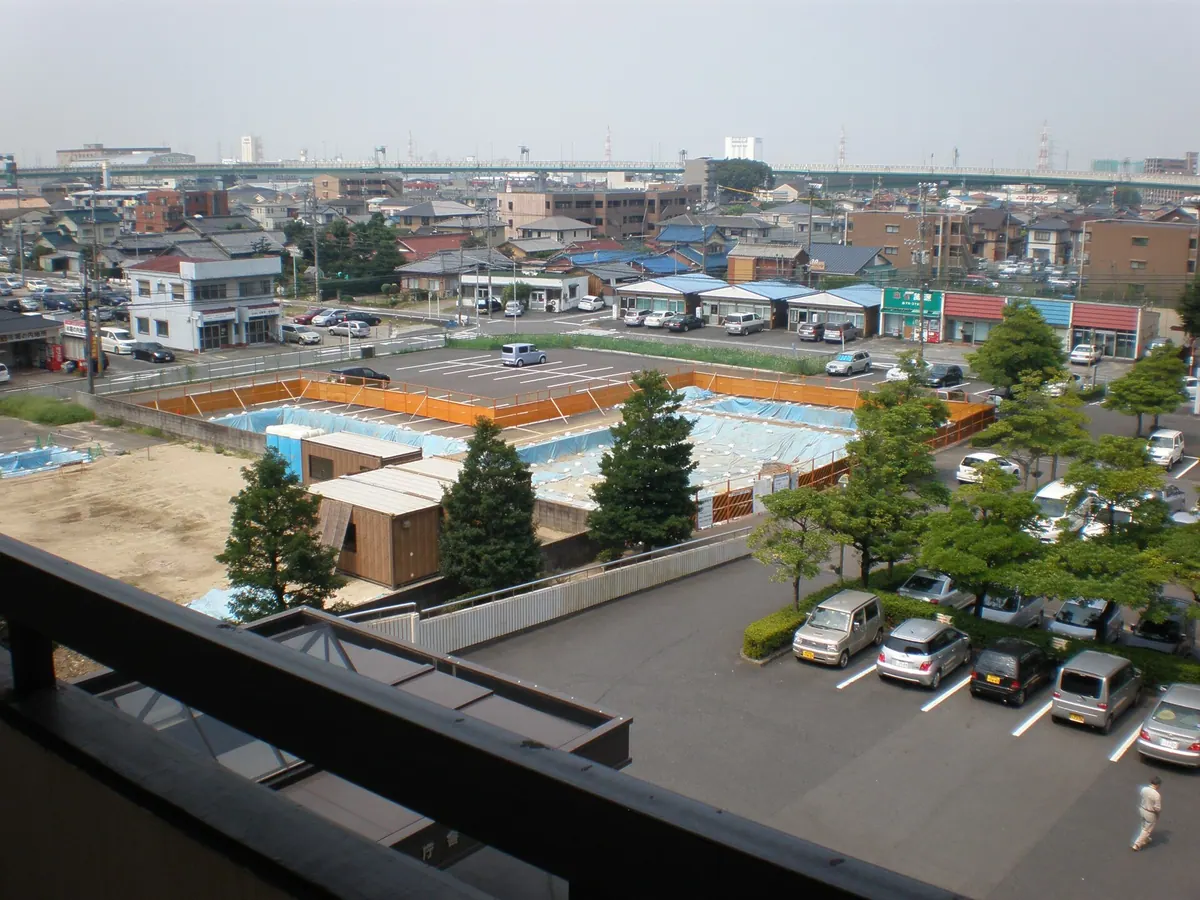
Explore the ruins of a 16th-century castle town, once home to Oda Nobunaga.
What it is
- Ruins of a castle town.
- Developed for Oda Nobunaga's Komakiyama Castle.
- Existed from the Sengoku to Edo periods.
- Abandoned after 1567, reduced in size.
What to see
- Remains of a 16th-century castle town.
When to go
- Excavation survey began June 22, 2009.
Getting there
- Located around Komaki City Hall.