

20 Historic sites in Nara worth your time
Japan Gems
Nara Prefecture is home to 84 heritage sites, including the ancient Kanazuka Kofun and Takamatsuzuka Tomb. These sites offer a glimpse into Japan's early history and culture.
Nara has 108 historic sites on Japan Gems. Below are the 20 we can tell you the most about — each one written up in English from Japanese sources, with what to see and how to get there. See all historic sites in Nara.
01
Makimuku Ishizuka Kofun
NARA · HISTORIC SITE 纒向石塚古墳
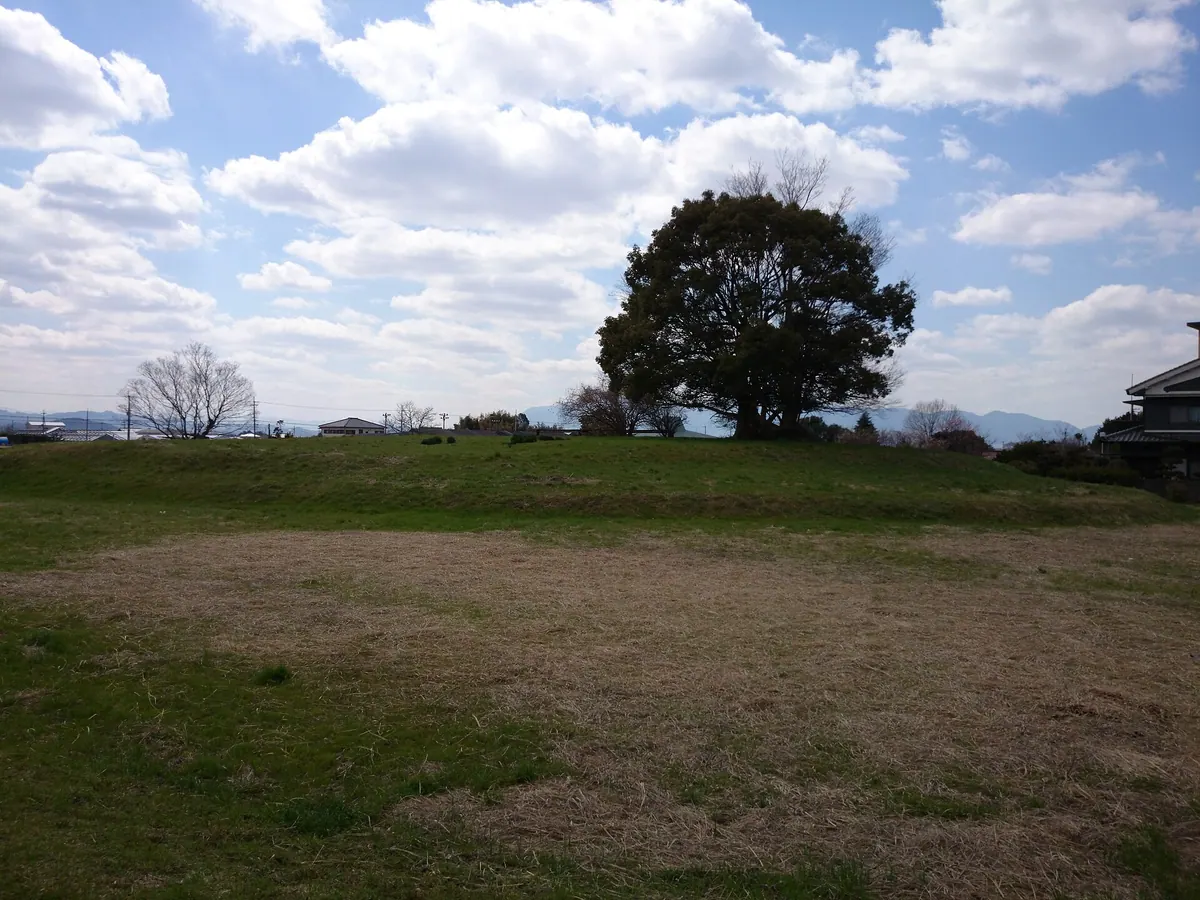
Explore an ancient keyhole-shaped burial mound, possibly the oldest in its group.
What it is
- A kofun (ancient burial mound) in Sakurai City, Nara Prefecture.
- Part of the Makimuku Kofun Group.
- Possibly the oldest kofun in the Makimuku ruins.
- Designated a National Historic Site on January 26, 2006.
What to see
- A Makimuku-style keyhole-shaped burial mound.
- Total length of the mound is 96 meters.
- Posterior circular part has a diameter of 64 meters.
- Anterior part is approximately 32 meters long and 34 meters wide.
- Earthenware from the late Yayoi to early Kofun period was excavated.
- Wooden artifacts like hoes, spades, and mallets were excavated.
02
Dannozuka Kofun
NARA · HISTORIC SITE 段ノ塚古墳
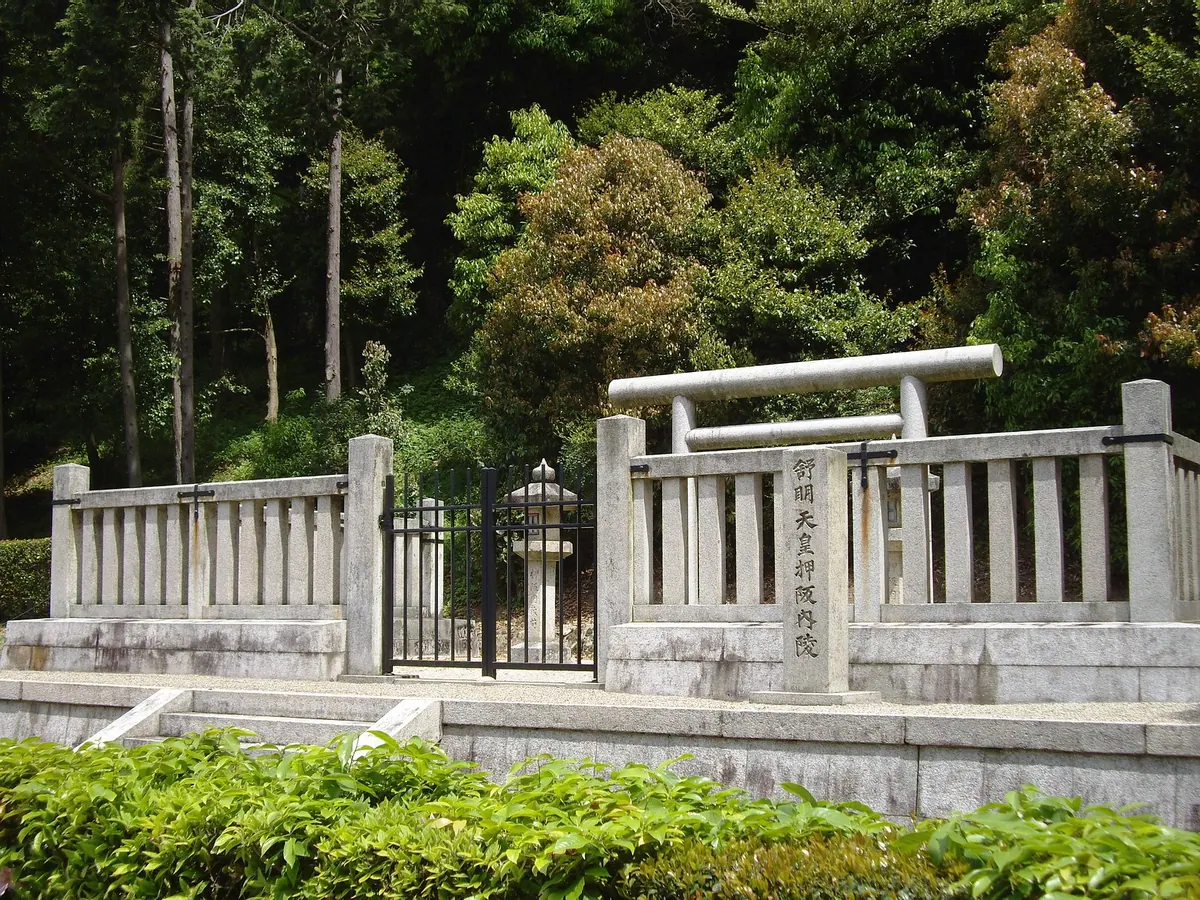
An octagonal imperial mausoleum, it is a unique and historically significant kofun.
What it is
- A kofun in Sakurai City, Nara Prefecture.
- Designated by the Imperial Household Agency as Emperor Jomei's mausoleum.
- It is a kofun from the final period of the Kofun era.
- The first octagonal kofun used as an imperial mausoleum.
What to see
- The kofun has an octagonal shape.
- The mound is an upper octagonal, lower square shape.
- The lower square platform has three tiers.
- The octagonal part has two tiers.
- The lower tier of the octagonal part is covered with stone slabs.
- Villagers reported two stone coffins inside the stone chamber.
- Official site
- www.kunaicho.go.jp
03
Warizuka Kofun
NARA · HISTORIC SITE 割塚古墳
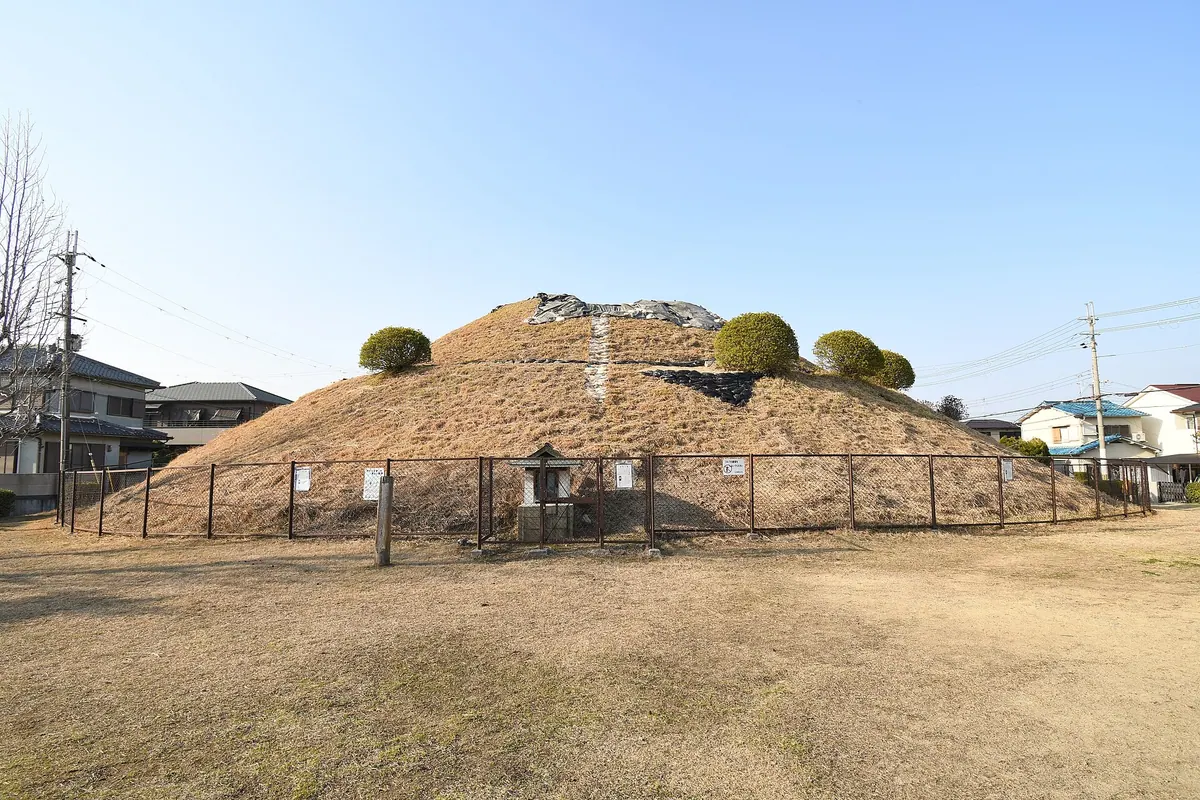
Explore a large 6th-century burial mound, now a park, with artifacts displayed nearby.
What it is
- A large circular kofun, an ancient burial mound.
- Designated historic site of Yamatokoriyama City.
- Constructed in the first half to middle of the 6th century.
- Now open as a kofun park.
What to see
- A circular mound 49 meters in diameter, 4.5 meters high.
- Reburied single-sleeved horizontal stone chamber.
- Hollowed-out house-shaped stone coffin inside the chamber.
- Mirrors, earrings, and beads from the coffin.
- Horse fittings, armor, and Sue ware found nearby.
- Artifacts displayed at Kashihara Archaeological Institute Museum.
04
Shimanoyama Kofun
NARA · HISTORIC SITE 島の山古墳
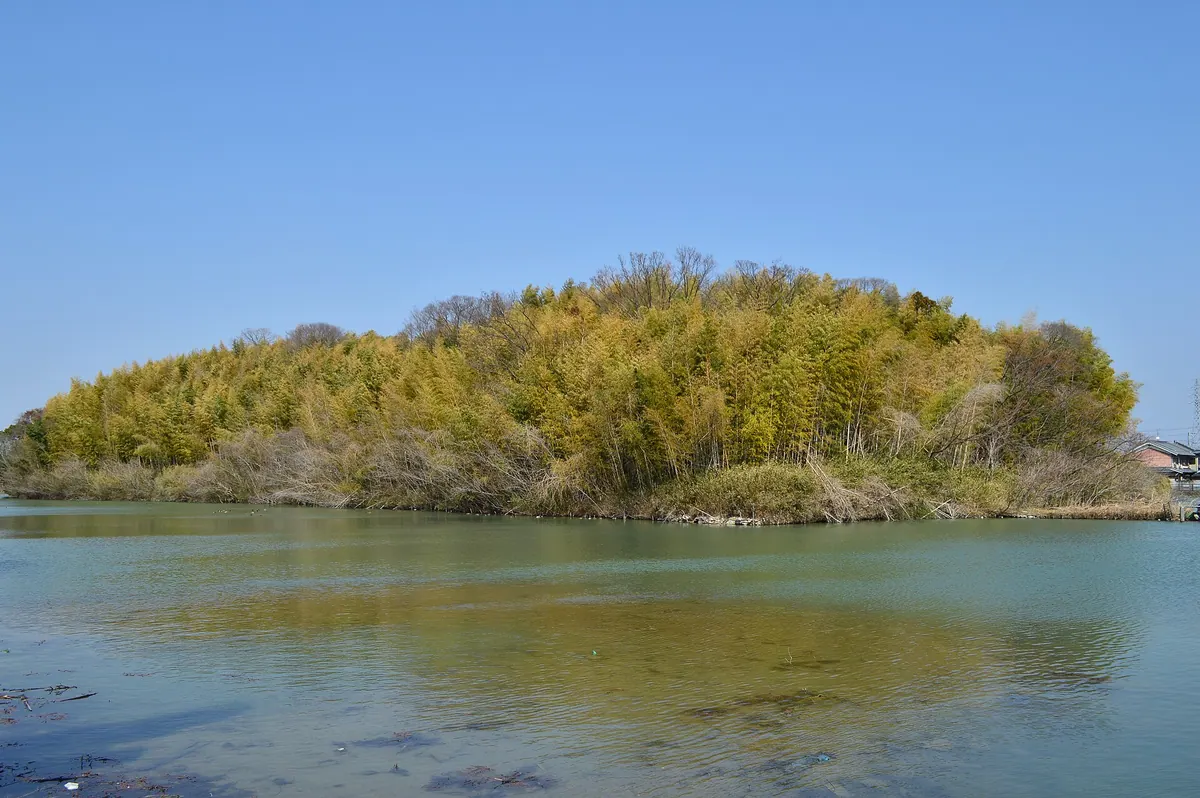
Explore a large, ancient keyhole-shaped tomb with unique artifacts and historical significance.
What it is
- A keyhole-shaped tumulus, also known as Shimaneyama Kofun.
- Part of the northern group of the Umami Kofun Cluster.
- Designated as a National Historic Site.
- Forms the Miyake Kofun Cluster with surrounding tumuli.
What to see
- The tumulus has a total length of 265 meters with its moat.
- Observe the shield-shaped moat surrounding the kofun.
- Fukiishi and haniwa rows were found on the mound.
- A vertical stone chamber is in the posterior circular part.
- Excavated artifacts are National Important Cultural Properties.
05
Fujinoki Kofun
NARA · HISTORIC SITE 藤ノ木古墳
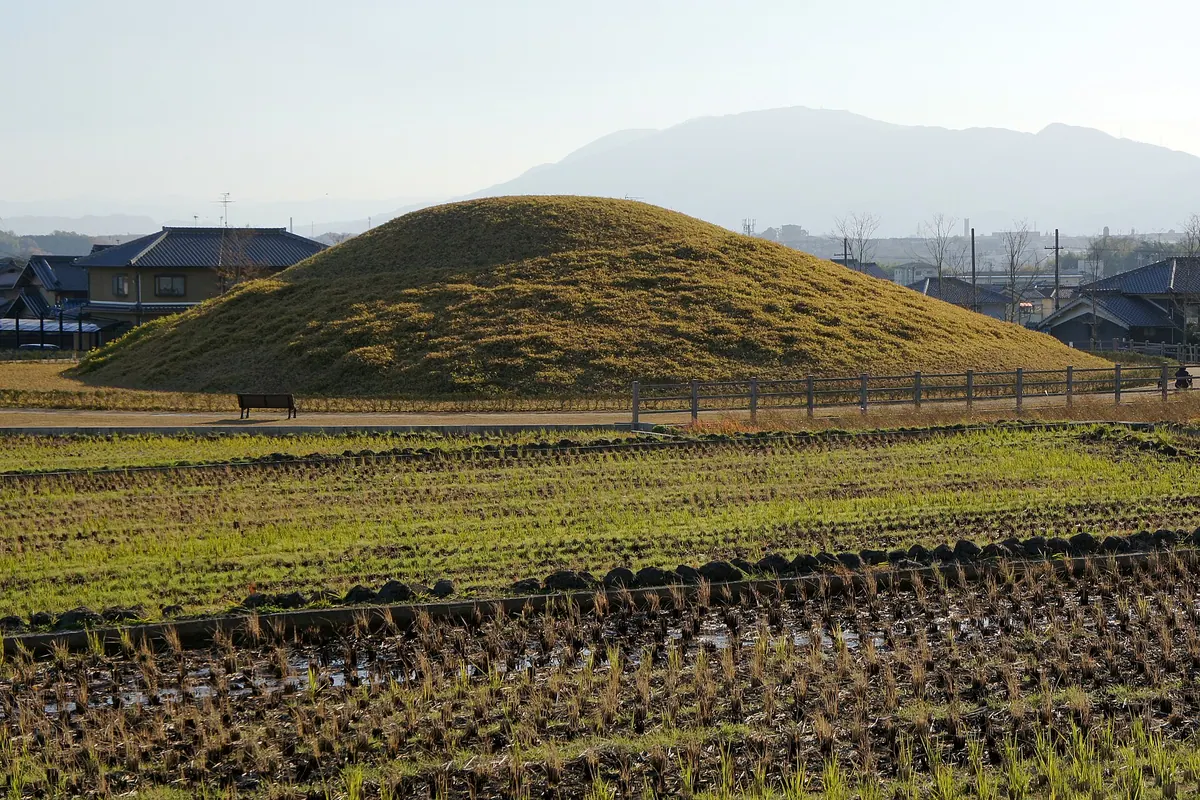
Fujinoki Kofun is a 6th-century burial mound with rare, unrobbed treasures, offering a glimpse into ancient Japan.
What it is
- A circular burial mound from the late Kofun period.
- Dates to the 6th century.
- Designated as a National Historic Site.
What to see
- A 50-meter diameter circular mound, 9 meters high.
- Cylindrical haniwa found at the mound's base.
- A nearly 14-meter long unrobbed stone burial chamber.
- Excavated gilded bronze horse trappings and ornaments.
- National Treasure artifacts displayed at Kashihara Archaeological Institute Museum.
Getting there
- Approximately 350 meters west of Horyuji Temple.
06
Minamiada Ōtsukayama Kofun
NARA · HISTORIC SITE 南阿田大塚山古墳

Explore a 6th-century keyhole-shaped burial mound with unique construction and grave goods.
What it is
- A keyhole-shaped tumulus in Nara Prefecture.
- Designated as a Nara Prefecture historic site.
- Built on a hillside along the Yoshino River.
- Estimated to have been built in the early 6th century.
What to see
- The 30-meter-long keyhole-shaped mound.
- Posterior circular part has a diameter of 21 meters.
- Anterior rectangular part has a width of 15 meters.
- Double-sleeved horizontal stone burial chamber.
- Stone chamber opens to the southeast.
- Grave goods include ornaments, horse trappings, and Sue ware.
07
Otomeyama Kofun
NARA · HISTORIC SITE 乙女山古墳
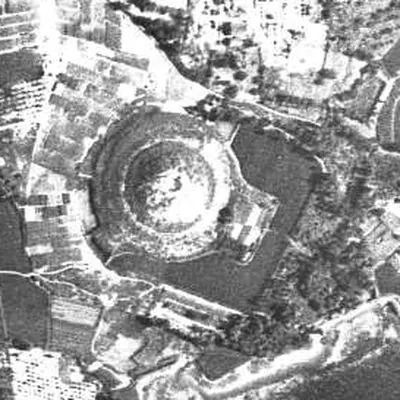
Otomeyama Kofun is a large, ancient burial mound, significant for its unique shape and historical artifacts.
What it is
- A large scallop-shaped kofun (ancient burial mound).
- Part of the Umami Kofun Group.
- Dates to the first half of the 5th century.
- Designated a national historic site in 1956.
What to see
- Total length is approximately 130 meters.
- Posterior circular part has a diameter of about 104 meters.
- Anterior square part is about 30 meters long.
- 11-meter long protrusion attached to the circular part.
- Posterior circular part has a three-tiered structure.
- Excavated clay figures, knives, and magatama beads.
08
Saki Takatsuka Kofun
NARA · HISTORIC SITE 佐紀高塚古墳

Explore a large 4th-century imperial keyhole-shaped burial mound, a significant historical site.
What it is
- A keyhole-shaped tumulus, built in the late 4th century.
- Designated as the mausoleum of Empress Shotoku.
- Part of the Saki Tatetsuki Kofun Group (Western Group).
What to see
- A large keyhole-shaped tumulus, 127 meters long.
- The mound has three tiers.
- Posterior circular part has a diameter of 84 meters.
- Anterior square part has a width of 70 meters.
Getting there
- 6-minute walk from Kintetsu Kyoto Line Heijo Station.
- 7-minute walk from Kintetsu Yamato-Saidaiji Station.
- Official site
- www.kunaicho.go.jp
09
Miyataki Site
NARA · HISTORIC SITE 宮滝遺跡
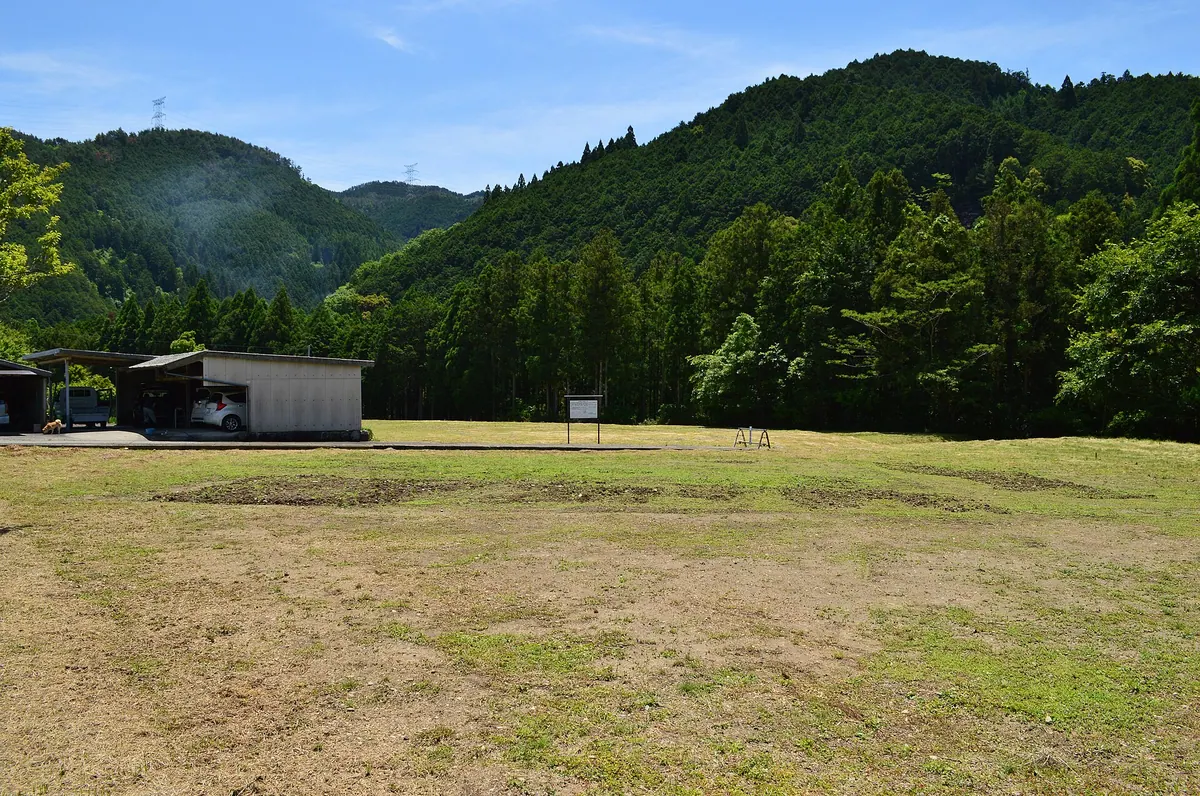
Explore the Miyataki Site to see ancient Jomon, Yayoi, Asuka, and Nara period remains.
What it is
- A complex archaeological site designated as a National Historic Site.
- Excavations have been conducted intermittently since 1930.
- Contains remains from the Jomon, Yayoi, Asuka, and Nara periods.
- Believed to be the location of the historic Yoshino Palace.
What to see
- Remains of pit-dwelling structures and foundation stone buildings.
- Jomon period pottery, known as Miyataki-style pottery.
- Miyataki-style pottery features patterns made with seashells.
- Yayoi period pit dwellings and burial mounds.
10
Nishiyamazuka Kofun
NARA · HISTORIC SITE 西山塚古墳
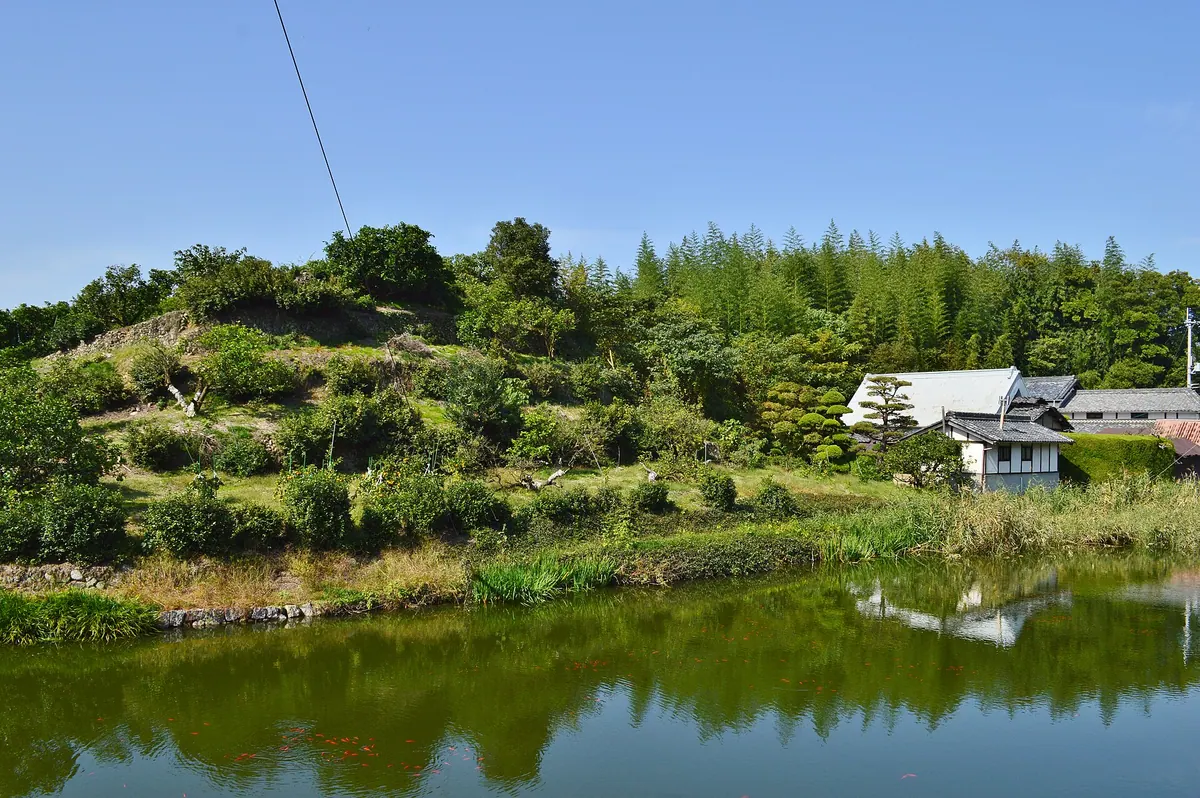
Explore an ancient, keyhole-shaped burial mound, possibly an empress's tomb, with visible moat and artifacts.
What it is
- A keyhole-shaped tumulus, part of the Oyamato Kofun group.
- Estimated to have been built in the early 6th century.
- Theorized to be the true mausoleum of Empress Tashiraka.
What to see
- The mound has a total length of 114 meters.
- Posterior circular part: 65 meters diameter, 13 meters high.
- Anterior square part: 70 meters wide, 8 meters high.
- Fukiishi and haniwa excavated from the mound surface.
- Surrounding moat visible as four ponds.
- A lodging facility opened in 2024 within the kofun area.
11
Hokenoyama Kofun
NARA · HISTORIC SITE ホケノ山古墳

Explore an ancient, scallop-shaped burial mound, a National Historic Site with important artifacts.
What it is
- A scallop-shaped kofun, a Makimuku-style keyhole-shaped tumulus.
- Designated as a National Historic Site.
- Excavated artifacts are National Important Cultural Properties.
What to see
- The kofun is approximately 80 meters long.
- Posterior circular part is about 55 meters in diameter.
- Posterior circular part built in three tiers.
- An 'stone-enclosed wooden coffin' was found inside.
- Artifacts include bronze and iron arrowheads, and iron swords.
- Two 'Gamontai Shinjukyo' mirrors were excavated.
12
Shibutani Mukaiyama Kofun
NARA · HISTORIC SITE 渋谷向山古墳
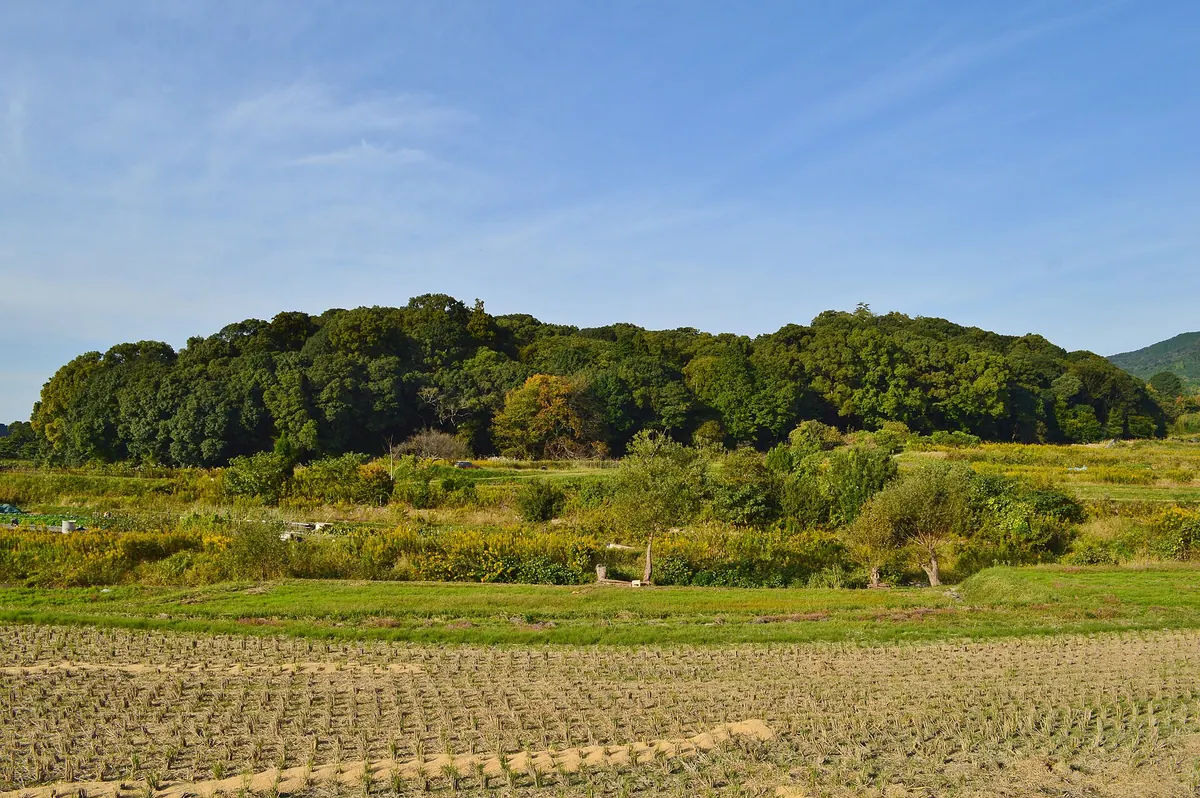
Explore Japan's 8th largest keyhole-shaped tumulus, the ancient tomb of Emperor Keiko.
What it is
- A keyhole-shaped tumulus in Tenri City, Nara Prefecture.
- Designated as the tomb of Emperor Keiko by the Imperial Household Agency.
- Part of the Oyamato Kofun group.
- Constructed in the late 4th century.
What to see
- Japan's 8th largest tumulus, 300 meters long.
- Posterior circular part: 168 meters diameter, 25 meters high.
- Anterior square part: 170 meters wide, 23 meters high.
- Excavated cylindrical and figural Haniwa.
- Edo period stone pillow is a National Important Cultural Property.
- Official site
- www.kunaicho.go.jp
13
Nenbutsujiyama Kofun
NARA · HISTORIC SITE 念仏寺山古墳

Explore a large 5th-century keyhole-shaped tumulus, the designated tomb of Emperor Kaika.
What it is
- A large keyhole-shaped tumulus.
- Designated as the tomb of Emperor Kaika.
- Also known as Koboyama Kofun and Sakagami-yama Kofun.
- Estimated to have been built in the early 5th century.
What to see
- A tumulus approximately 100 meters long.
- Posterior circular part: 48 meters diameter, 8 meters high.
- Anterior rectangular part: 48 meters wide, 6 meters high.
- Fragments of cylindrical Haniwa excavated from the embankment.
- Edo period ossuaries and wooden coffins found during renovations.
- Official site
- www.kunaicho.go.jp
14
Nishiyama Kofun
NARA · HISTORIC SITE 西山古墳
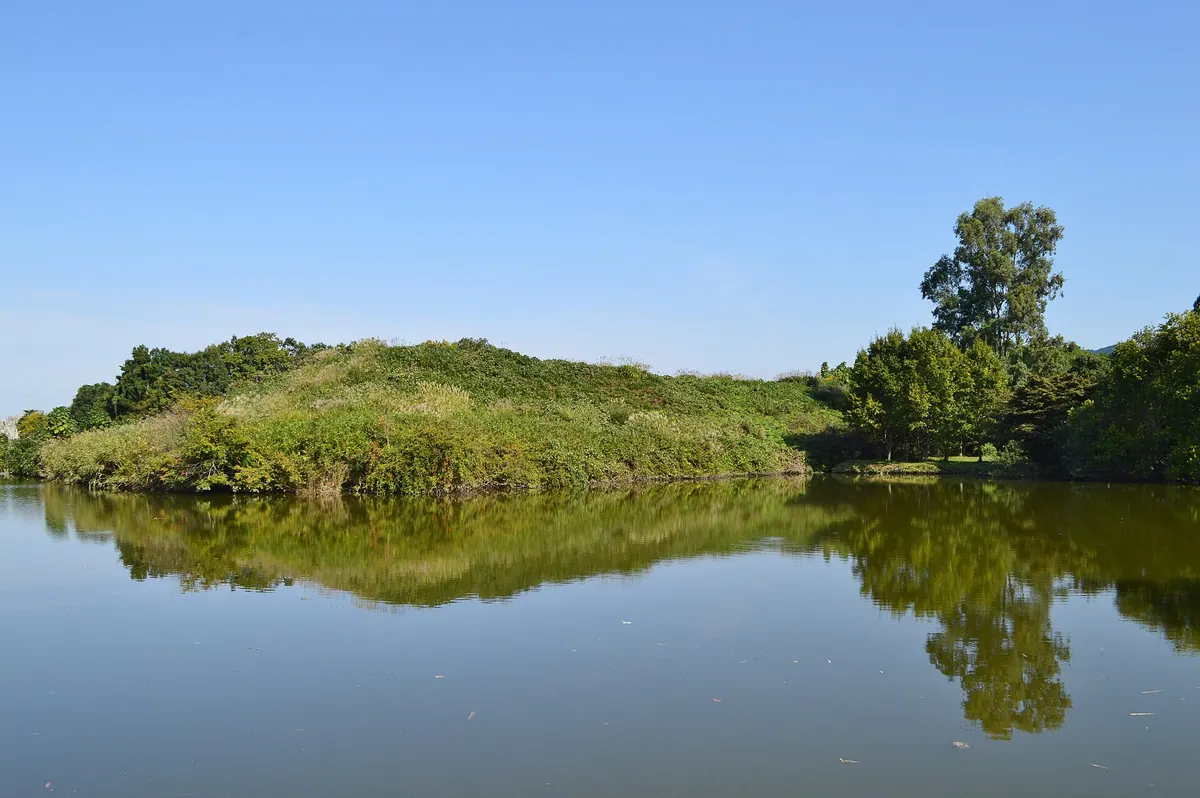
Nishiyama Kofun is a large, well-preserved 4th-century burial mound worth visiting for its historical significance.
What it is
- A large burial mound from the early Kofun period.
- Built in the 4th century.
- Designated a National Historic Site in 1927.
- Also known as Nagariyama and Somanouchi Kofun-gun.
What to see
- A three-tiered zenpo-kofun, 190 meters long.
- The posterior part has a vertical stone chamber.
- Fragments of copper mirrors and iron swords were excavated.
- Fragments of cylindrical and house-shaped Haniwa were found.
Getting there
- About a 20-minute walk from Tenri Station.
15
Ichiohakayama Kofun
NARA · HISTORIC SITE 市尾墓山古墳
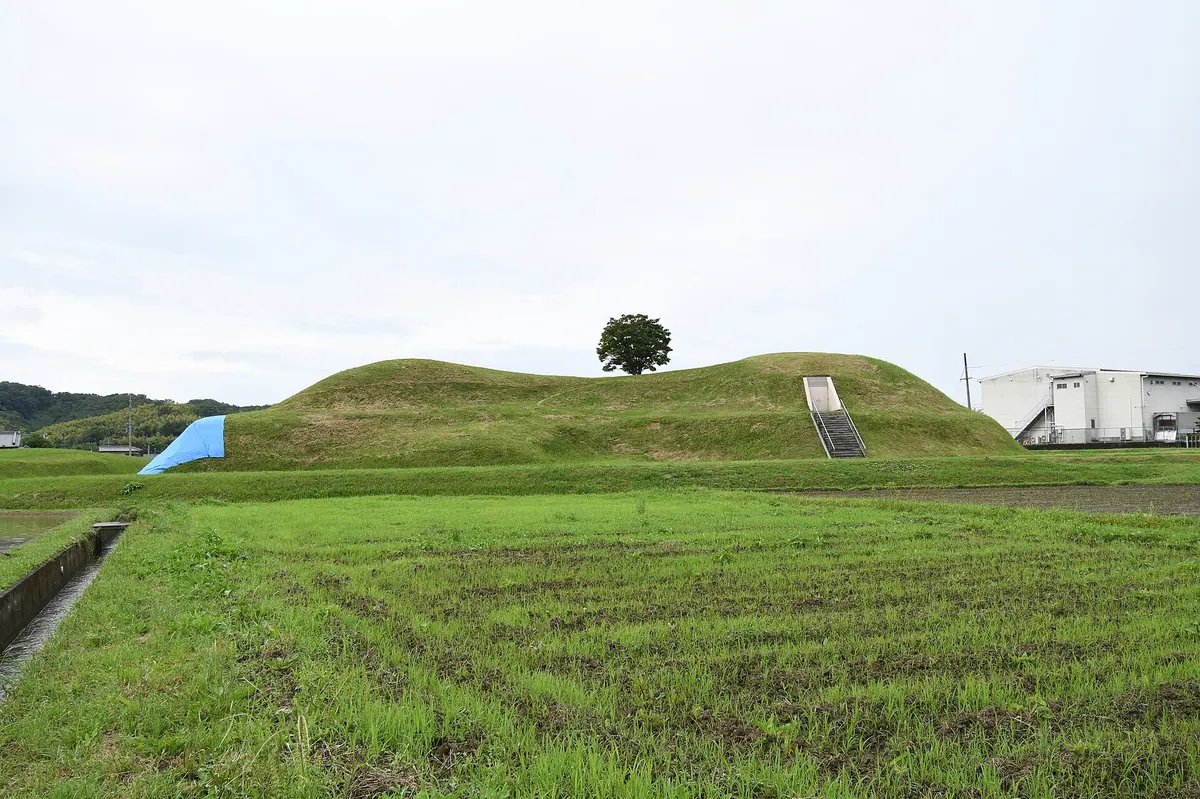
Explore a 6th-century keyhole-shaped burial mound with a unique stone chamber and artifacts.
What it is
- A keyhole-shaped tumulus, a type of ancient burial mound.
- Designated as a National Historic Site.
- Constructed around the early 6th century.
What to see
- The tumulus mound, 66 meters long.
- Posterior circular part, 39 meters in diameter, 10 meters high.
- Anterior square part, 49 meters wide, 10 meters high.
- A single-sleeved horizontal stone chamber.
- A house-shaped sarcophagus inside the chamber.
- Artifacts displayed at Nara Prefectural Kashihara Archaeological Institute Museum.
16
Sakurai Chausuyama Kofun
NARA · HISTORIC SITE 桜井茶臼山古墳

Explore a large, ancient keyhole-shaped burial mound, a significant National Historic Site.
What it is
- An ancient burial mound, called a kofun.
- It is keyhole-shaped (zenpo-koen-fun type).
- Designated as a National Historic Site.
- Built utilizing a natural hill.
What to see
- The tumulus is 207 meters long.
- Rectangular platform with stones on the circular part.
- Perforated pot-shaped pottery surrounds the platform base.
- Fukiishi (revetment stones) on the stepped surfaces.
- A stone-built underground drainage system.
- Walls of a vertical stone chamber made of stacked stone slabs.
17
Kuroda Otsuka Kofun
NARA · HISTORIC SITE 黒田大塚古墳

Explore a large, ancient keyhole-shaped burial mound, a designated historic site in Nara.
What it is
- A keyhole-shaped tumulus in Tawaramoto Town, Nara Prefecture.
- Part of the larger Miyake Kofun Group.
- Designated as a Nara Prefecture historic site.
What to see
- A 70-meter-long keyhole-shaped burial mound.
- Posterior circular part: 40 meters diameter, 8.2 meters high.
- Anterior rectangular part: 45 meters wide, 7.7 meters high.
- The mound has a two-tiered structure.
- Remains of cylindrical Haniwa rows around the mound.
- An 8-meter-wide, 0.8-meter-deep moat surrounds the mound.
18
Uenomiya Site
NARA · HISTORIC SITE 上之宮遺跡

Uenomiya Site is an archaeological site from Kofun and Asuka periods, revealing ancient life and rituals.
What it is
- A complex archaeological site spanning Kofun and Asuka periods.
- Designated as a Sakurai City Historic Site since 1992.
- Investigation occurred during land readjustment in 1986.
What to see
- Excavated wooden tablets are tangible cultural properties.
- Site developed as a residence from the third period.
- A large building with four-sided eaves was at the center.
- A garden with ritual functions was on the west side.
- Tortoiseshell, wooden artifacts, and fruit seeds were excavated.
19
Samita Takarazuka Kofun
NARA · HISTORIC SITE 佐味田宝塚古墳

See a large, ancient keyhole-shaped tomb, a National Historic Site with important artifacts.
What it is
- A kofun, an ancient burial mound, in Nara Prefecture.
- Designated a National Historic Site.
- Constructed between the late 4th and early 5th centuries.
- First keyhole-shaped tumulus in the Uma Mi region.
What to see
- A keyhole-shaped tumulus, 111.5 meters long.
- The rear circular part has a 60-meter diameter.
- Excavated artifacts are National Important Cultural Properties.
- Approximately 36 bronze mirrors were found in 1882.
- A large house-patterned mirror, 22.9 cm in diameter.
20
Nakayama Ōtsuka Kofun
NARA · HISTORIC SITE 中山大塚古墳

Explore one of Japan's oldest keyhole-shaped burial mounds, a significant National Historic Site.
What it is
- An early Kofun period keyhole-shaped burial mound.
- Designated a National Historic Site.
- Belongs to the Kayō Kofun Group.
- Considered one of the oldest keyhole-shaped burial mounds.
What to see
- Tumulus is approximately 130 meters long.
- Posterior circular part is about 67 meters in diameter.
- Posterior circular part stands about 11.3 meters high.
- Observe the three-tiered construction.
- See the fan-shaped protrusion at the base.
- A vertical stone chamber was found inside.