

20 Historic sites in Chiba worth your time
Japan Gems
Chiba Prefecture has 24 heritage sites, including the Inonagawari Site and Yamazaki Shell Mound. These sites offer a look into Japan's past.
Chiba has 38 historic sites on Japan Gems. Below are the 20 we can tell you the most about — each one written up in English from Japanese sources, with what to see and how to get there. See all historic sites in Chiba.
01
Shibayama Kofun Cluster
CHIBA · HISTORIC SITE 芝山古墳群
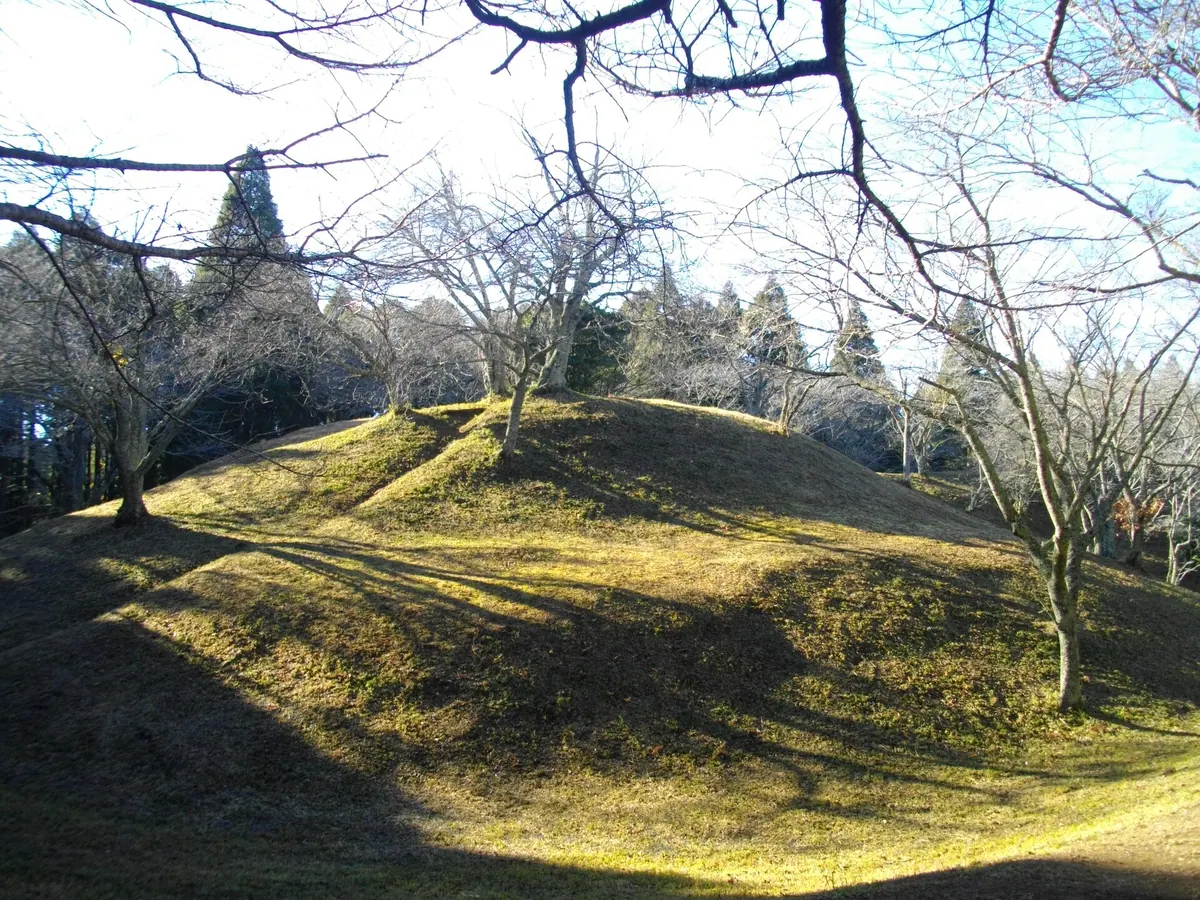
Explore ancient burial mounds and unique haniwa figures at this National Historic Site.
What it is
- A cluster of ancient burial mounds, also called Nakadai Kofun Cluster.
- Designated a National Historic Site since 1958.
- Dates to the latter half of the 6th century.
What to see
- Two keyhole-shaped kofun and thirteen round kofun.
- Tonozuka Kofun, 88 meters long, faces west.
- Himezuka Kofun, 58.5 meters long, next to Tonozuka.
- Haniwa from Tonozuka and Himezuka are Important Cultural Properties.
- A 'funeral procession haniwa' was excavated here.
- Haniwa from the cluster are stored at Kannonkyoji Temple.
02
Inonagawari Site
CHIBA · HISTORIC SITE 井野長割遺跡
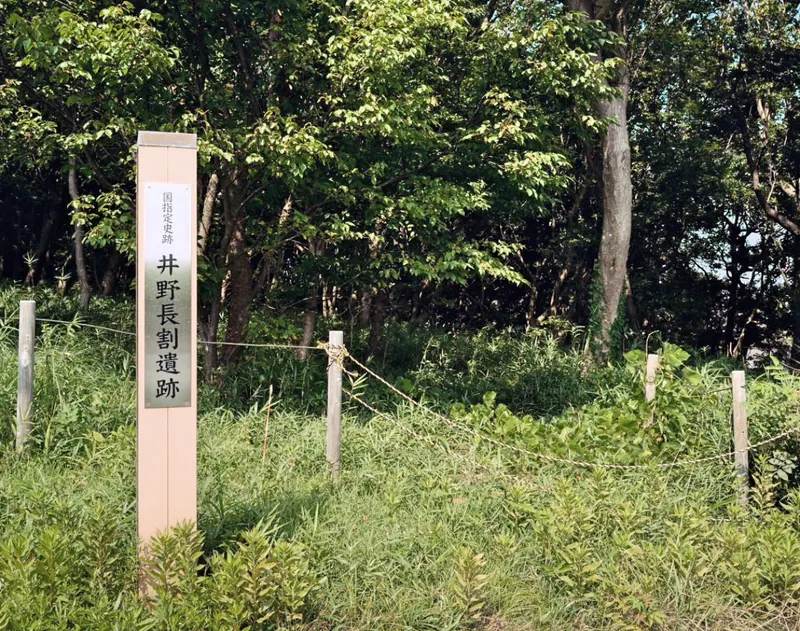
Explore a significant Jomon period archaeological site with unique artificial mounds.
What it is
- A Late to Final Jomon period archaeological site.
- Designated a National Historic Site on March 2, 2005.
- Discovered during school construction in 1969.
What to see
- Site on a 27-meter-high plateau.
- Artificial mounds, including a circular mound structure.
- Oval site with a major axis of 160 meters.
- Central depression about 80 meters in diameter.
- Five remaining mounds; Mound 1 is 60 by 30 by 1.5 meters.
- Large quantities of Jomon period pottery were found.
03
Yamanosaki Hyōtanzuka Burial Mound
CHIBA · HISTORIC SITE 山崎ひょうたん塚古墳
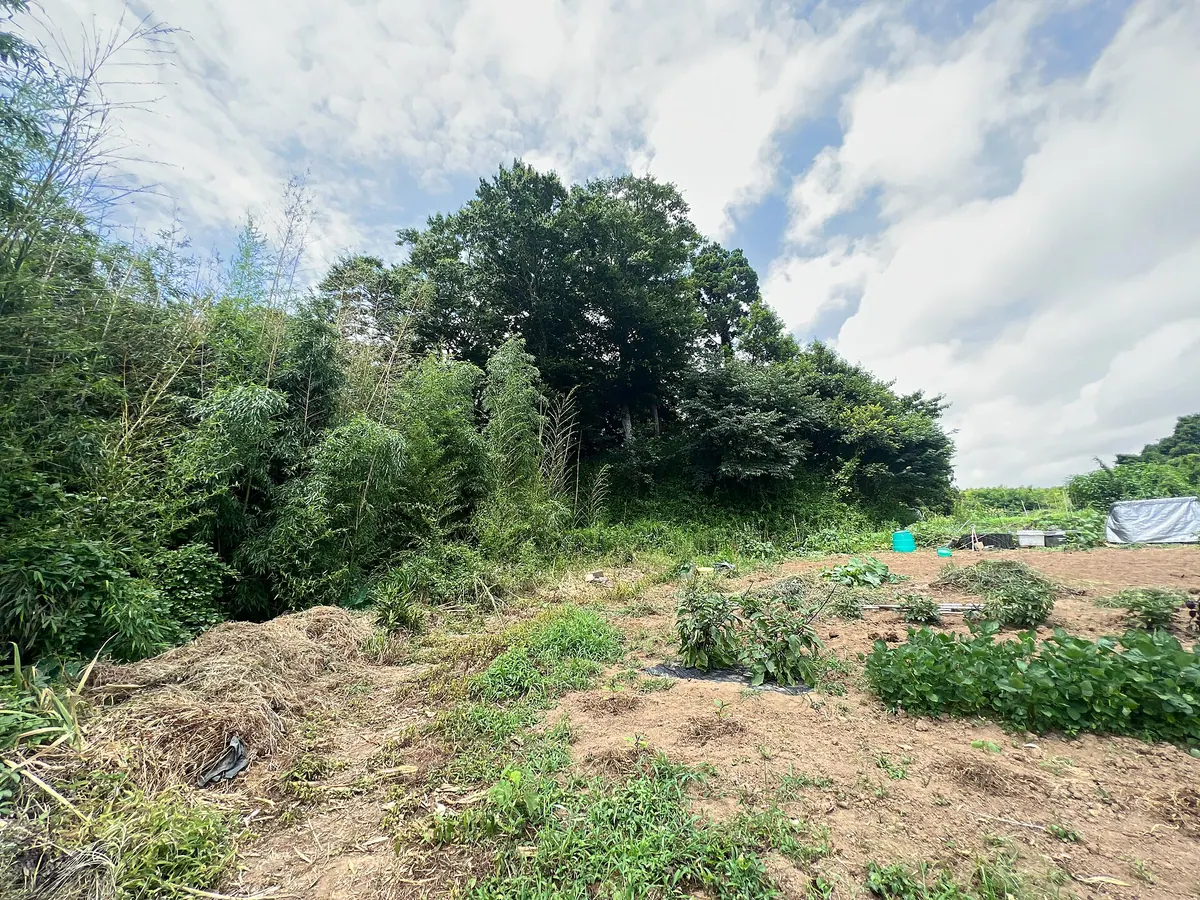
Explore a 4th-century keyhole-shaped burial mound, once part of a 'husband and wife' tumuli pair.
What it is
- A keyhole-shaped tumulus in Sakura City, Chiba Prefecture.
- Designated as a historic site of Sakura City.
- Estimated to have been built around the 4th century.
- Once called 'Meotozuka' (husband and wife tumuli).
What to see
- A keyhole-shaped burial mound.
- Current length is 37 meters.
- Faces the Kashima River lowlands.
- Once overlooked Lake Inba in ancient times.
Getting there
- 1.6 kilometers northwest of Keisei Sakura Station.
04
Kinreizuka Kofun
CHIBA · HISTORIC SITE 金鈴塚古墳
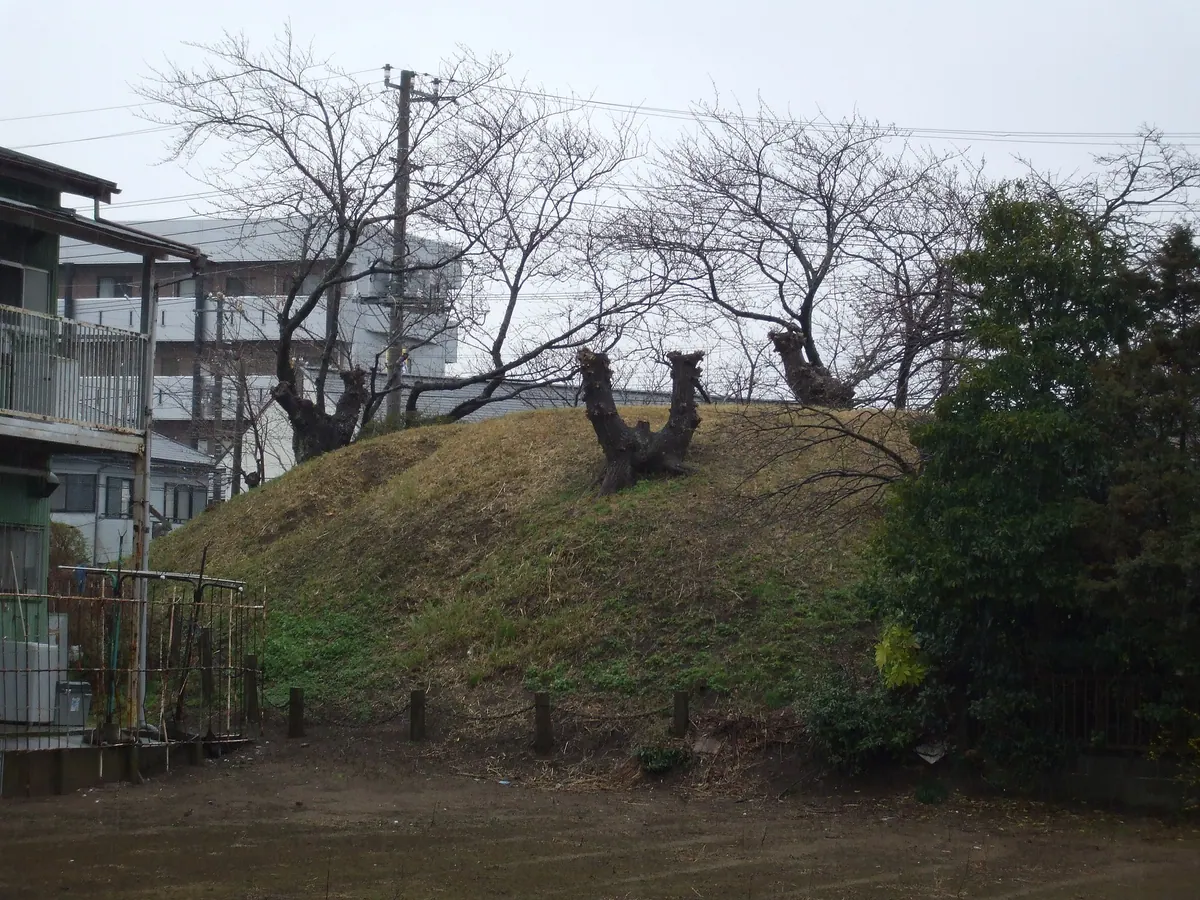
Kinreizuka Kofun is a rare, late-period keyhole-shaped burial mound with important artifacts.
What it is
- A keyhole-shaped burial mound.
- Built between the late 6th and early 7th centuries.
- Considered one of the last keyhole-shaped burial mounds.
- Designated a Chiba Prefecture Historic Site in 1950.
What to see
- A 100-meter long burial mound.
- A horizontal stone chamber.
- A combination-style stone coffin inside the chamber.
- Five golden bells were excavated from the burial chamber.
- Excavated artifacts are Important Cultural Properties.
05
Ōderayama Cave Site
CHIBA · HISTORIC SITE 大寺山洞穴遺跡
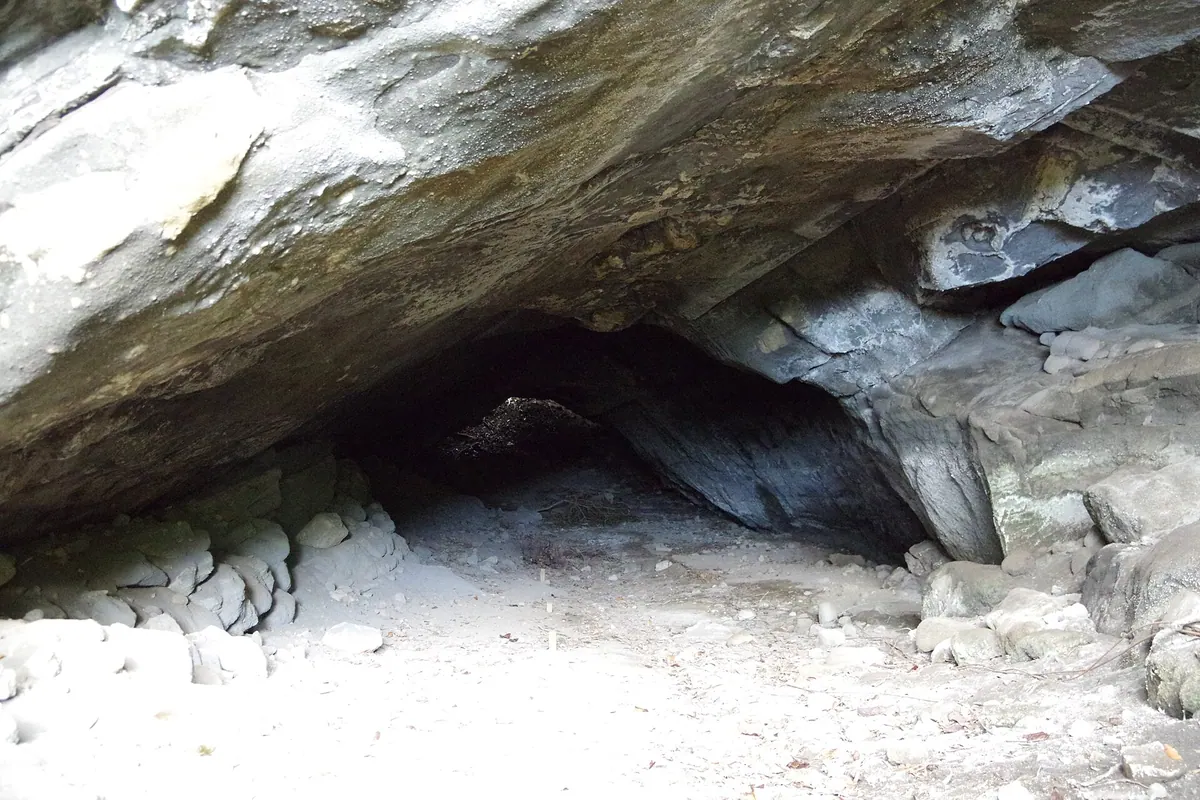
Ancient marine cave site with unique boat burials and well-preserved artifacts.
What it is
- Marine cave site in Tateyama City, Chiba Prefecture.
- Designated as a Tateyama City historic site.
- Used as a tomb from the early 5th to late 7th century.
What to see
- Three marine caves about 30 meters above sea level.
- First example of 'boat burial' using dugout canoes.
- Earthenware, iron products, and armor were unearthed.
- Triangular plate leather-bound short armor and helmets.
- Magatama, kudatama, and copper bells were excavated.
06
Hōōzuka Kofun
CHIBA · HISTORIC SITE 法皇塚古墳
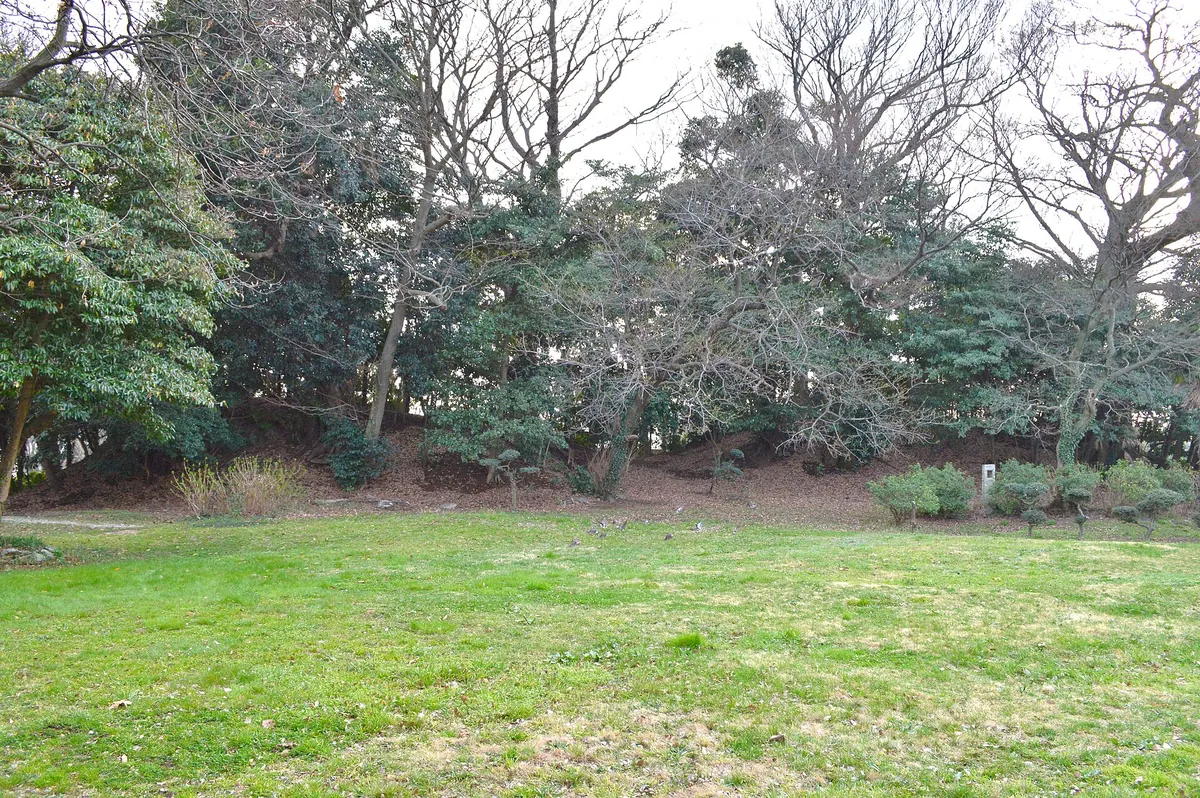
Explore a large 6th-century keyhole-shaped burial mound with unique haniwa and a stone chamber.
What it is
- A keyhole-shaped burial mound, or kofun.
- Part of the Kōnodai Kofun Group.
- Built in the late 6th century.
- Largest kofun in its group.
What to see
- Keyhole-shaped tumulus, 54.5 meters long.
- Cylindrical and figural haniwa found on surface.
- Single-sleeved horizontal stone burial chamber.
- Stone chamber made of tuffaceous sandstone.
Getting there
- Located on the campus of Tokyo Medical and Dental University.
07
Gozenkizuka Tumulus
CHIBA · HISTORIC SITE 御前鬼塚古墳
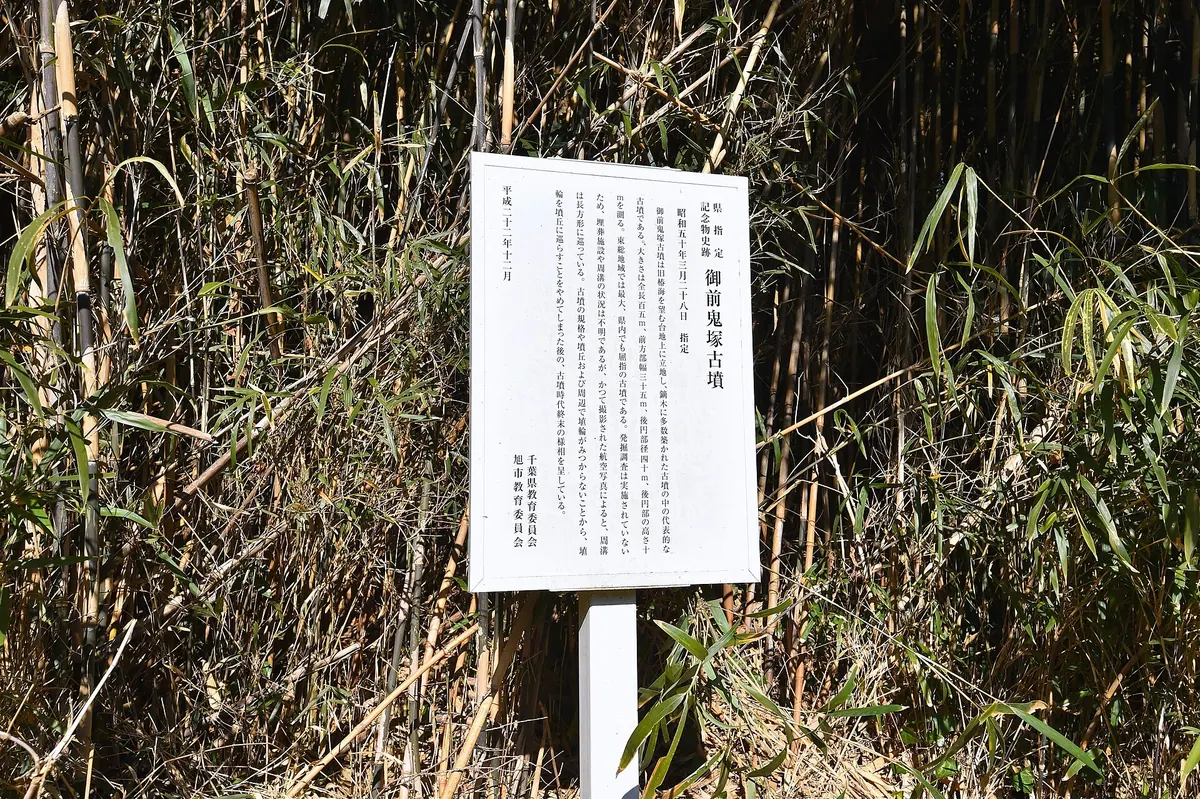
Gozekizuka Kofun is a large 6th-century keyhole-shaped tomb, a significant Chiba historic site.
What it is
- Largest kofun in the Kaburagi Kofun group.
- Designated a historic site of Chiba Prefecture in 1975.
- A key point on ancient routes from Kujukuri Beach to Katori Sea.
- Likely a late 6th-century keyhole-shaped tomb.
What to see
- A keyhole-shaped tomb mound, facing southwest.
- Original length of the kofun was 90 meters.
- Traces of a rectangular surrounding moat are visible.
- Total length including the moat is estimated at 110 meters.
08
Akedo Burial Mound
CHIBA · HISTORIC SITE 明戸古墳
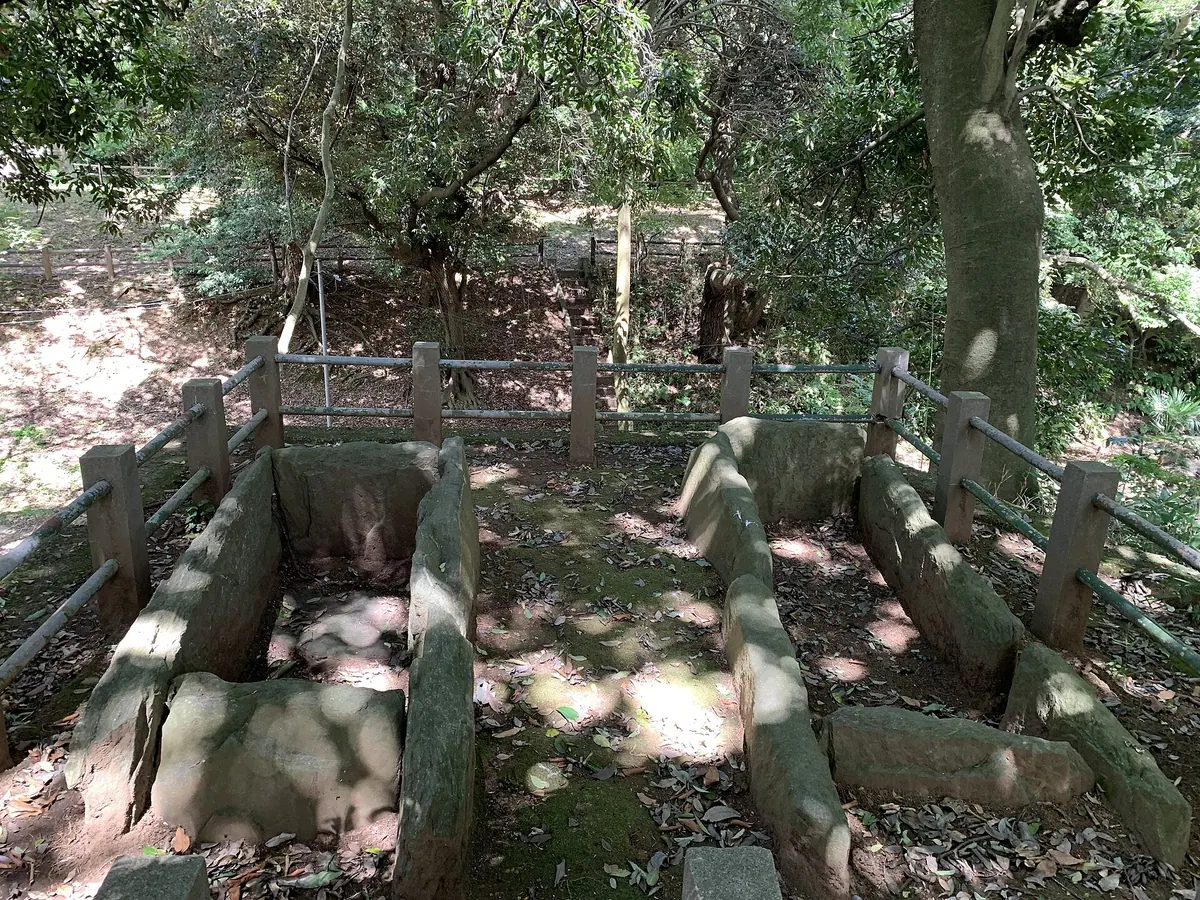
Ancient burial mound with exposed stone coffins, offering a glimpse into 6th-century Japan.
What it is
- A tumulus (kofun) in Ichikawa City, Chiba Prefecture.
- Built around the latter half of the 6th century.
- Located within Satomi Park.
What to see
- Two box-shaped stone coffins are exposed.
- Stone coffins are municipal cultural properties.
- Haniwa have been excavated from around the kofun.
- Tumulus is approximately 40m long.
- Stone material is black mica schist, or Tsukuba stone.
- Figurative haniwa fragments have been confirmed.
09
Arayashiki Shell Mound
CHIBA · HISTORIC SITE 荒屋敷貝塚
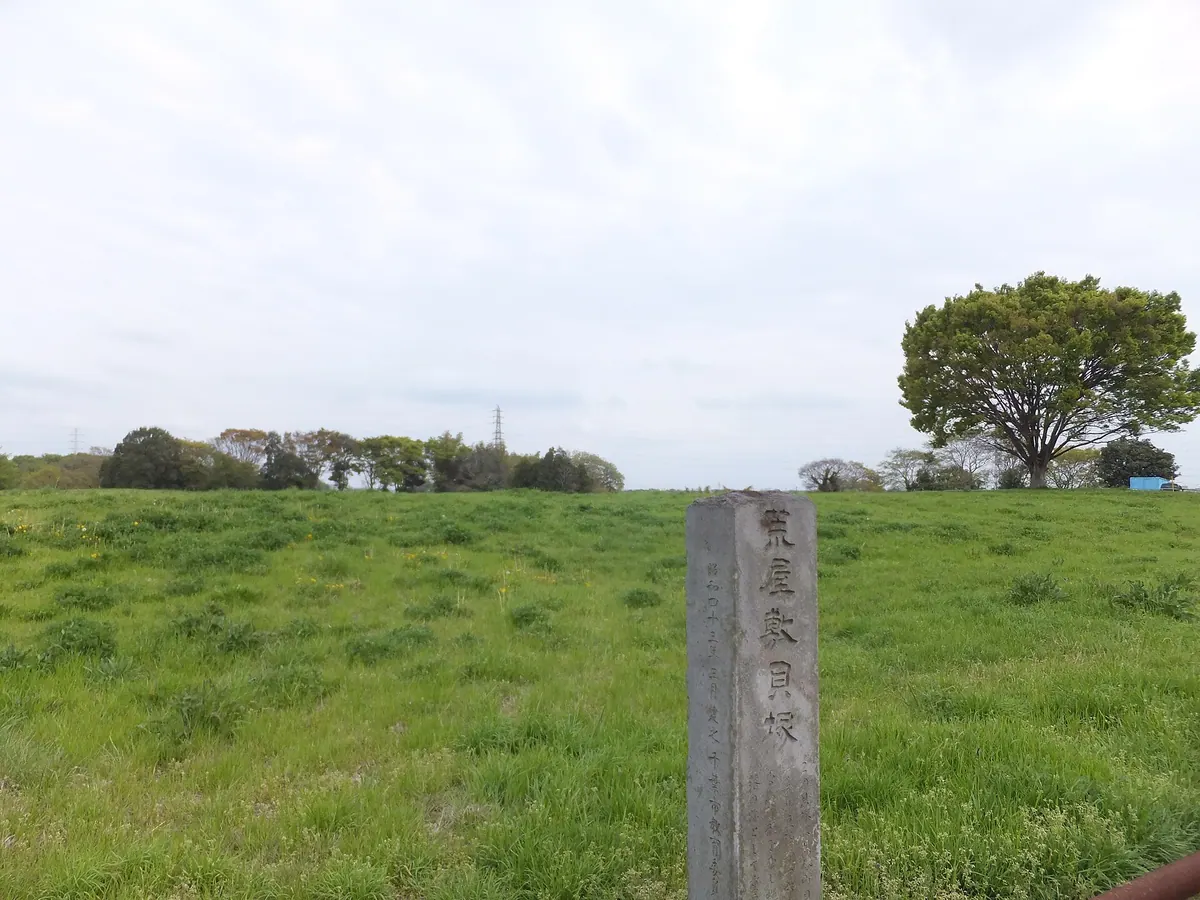
Explore a significant Jomon period shell mound and village site, offering a glimpse into ancient life.
What it is
- A Jomon period shell mound and circular village site.
- Designated a National Historic Site on March 13, 1979.
- Formed from the middle to late Jomon period.
- Part of the Kaizuka-cho Shell Mound Group.
What to see
- A horseshoe-shaped shell layer, nearly circular.
- The shell layer extends 150 meters north-south and 160 meters east-west.
- Confirmed storage pits and pit dwellings.
- A tunnel constructed to preserve the site.
10
Miso Iwaya Kofun
CHIBA · HISTORIC SITE みそ岩屋古墳
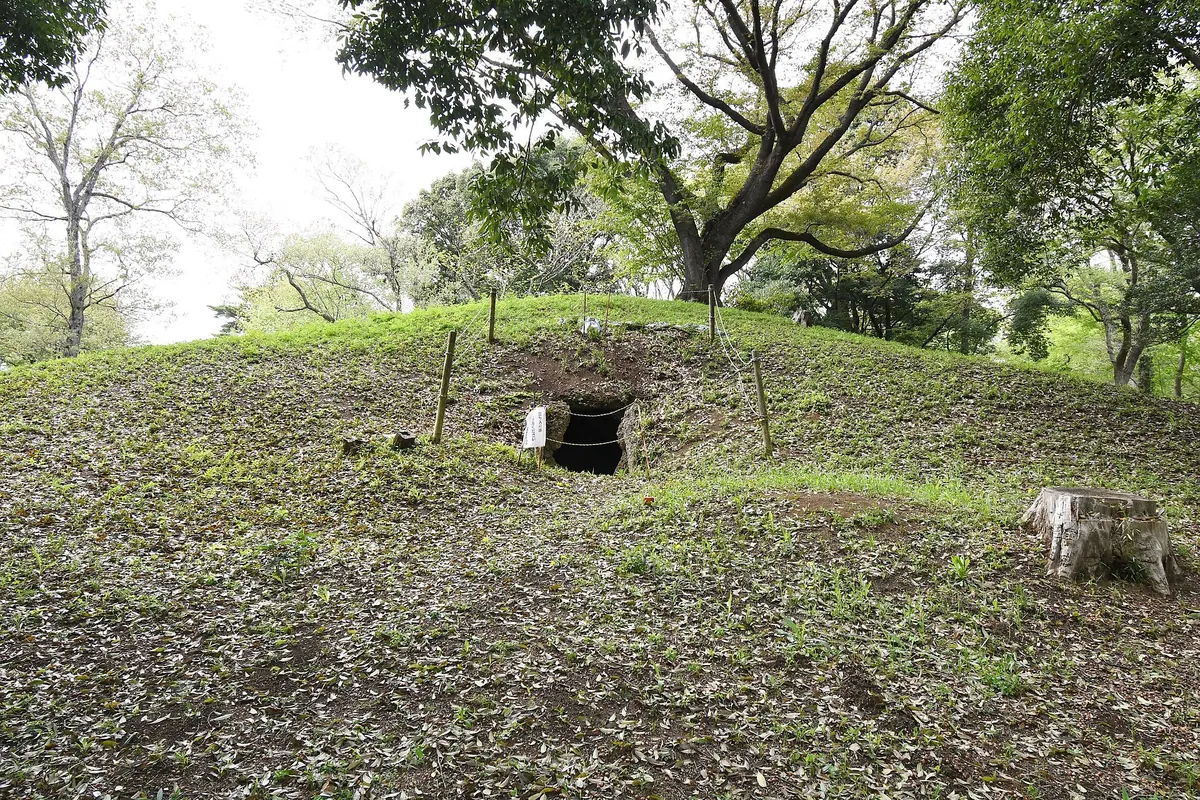
Explore a large 7th-century burial mound, a National Historic Site, showcasing ancient Japanese tomb construction.
What it is
- A square-shaped kofun, or ancient burial mound.
- Part of the Ryukakuji Kofun Group.
- Designated a National Historic Site.
- Built around the late 7th century.
What to see
- A large mound, 38 meters on each side.
- The mound is constructed in three tiers.
- A surrounding ditch encircles the mound.
- A horizontal stone burial chamber.
- The stone chamber opens to the southeast.
- The stone chamber uses shell fossil rock.
11
Dairizuka Kofun
CHIBA · HISTORIC SITE 内裏塚古墳
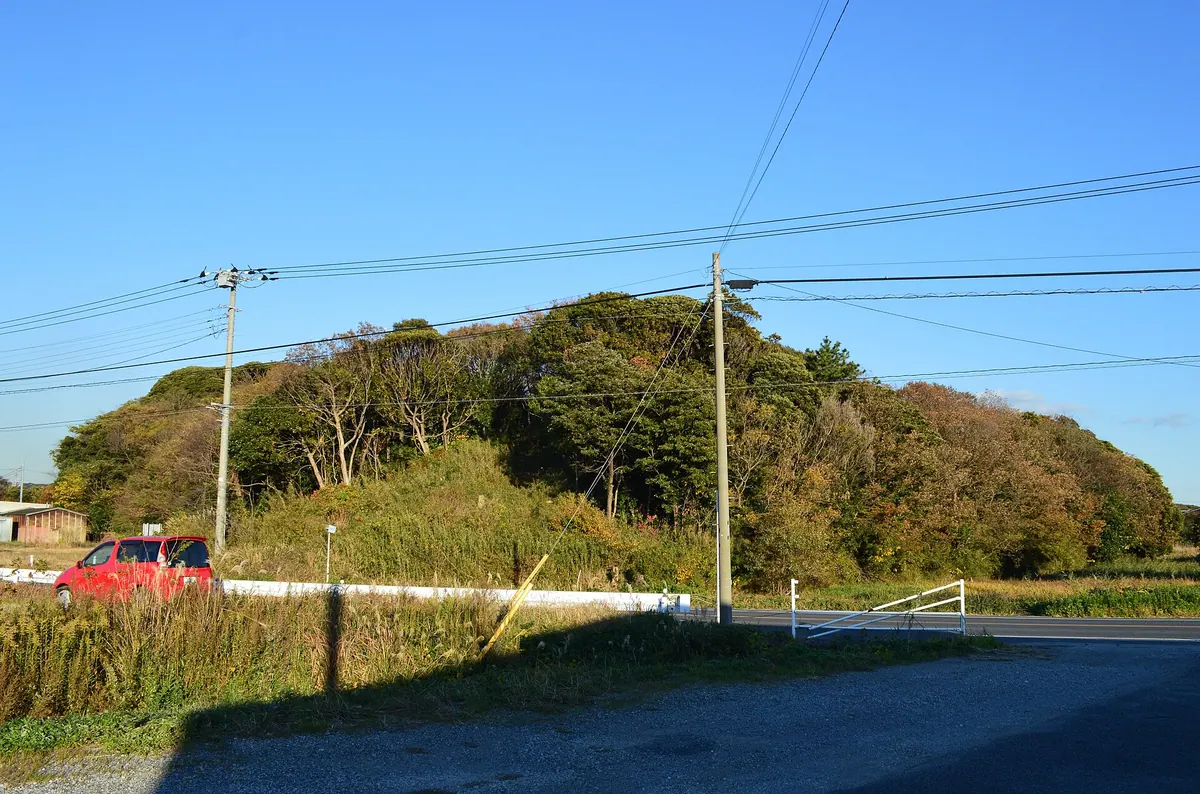
Explore Chiba's largest ancient keyhole-shaped tomb, a National Historic Site with rare artifacts.
What it is
- A keyhole-shaped tumulus, Dairizuka Kofun.
- Part of the Dairizuka Kofun Group.
- Designated a National Historic Site.
- Built in the mid-5th century.
What to see
- Chiba Prefecture's largest kofun, 144 meters long.
- Posterior circular part, 84 meters in diameter.
- Anterior square part, 88 meters wide.
- Excavated human skeletons and iron weapons.
- A bronze mirror was found.
- Gilt bronze quiver fittings from Korea.
12
Sanjōzuka Kofun
CHIBA · HISTORIC SITE 三条塚古墳
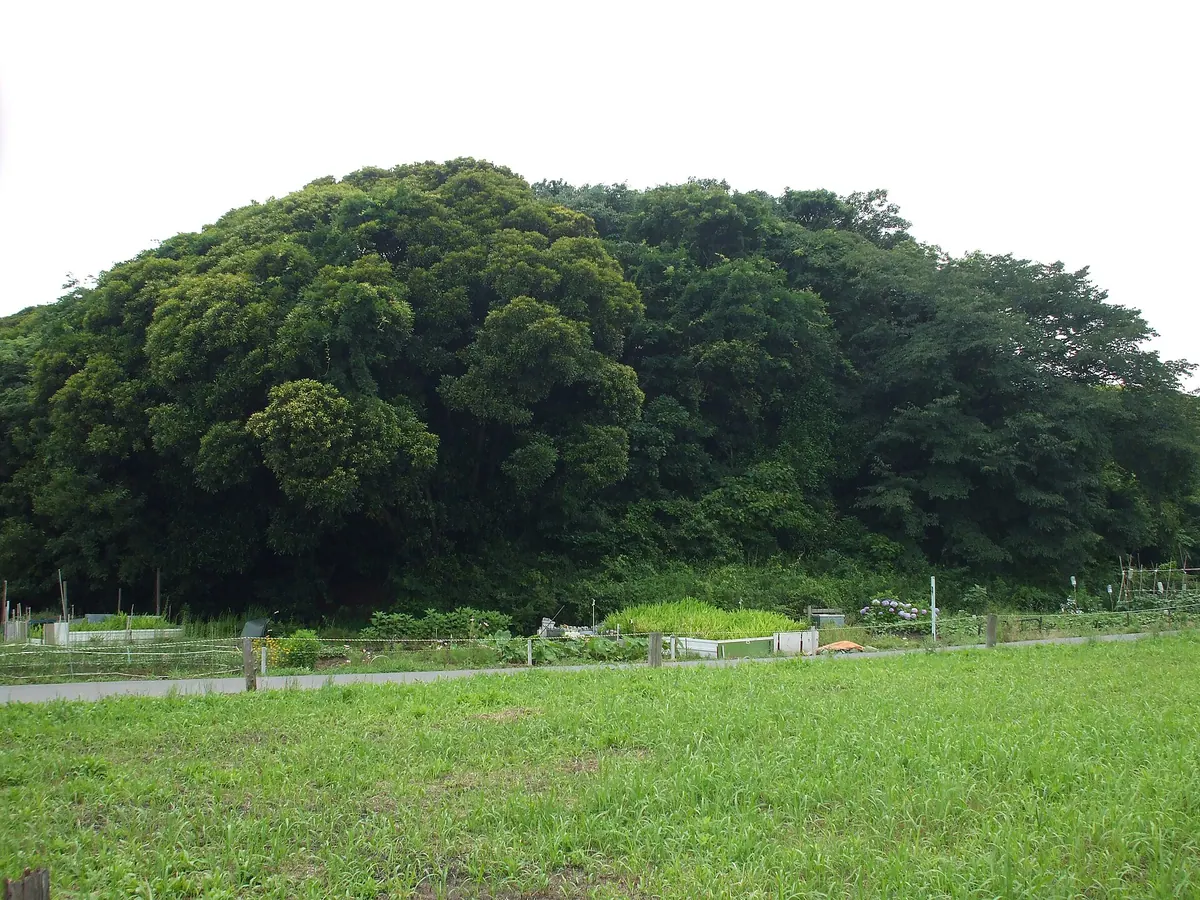
Explore a large, ancient keyhole-shaped burial mound, a significant National Historic Site.
What it is
- A keyhole-shaped burial mound, part of the Dairizuka Kofun Group.
- Designated as a National Historic Site.
- Second largest kofun in its group.
What to see
- Mound is approximately 122 meters long.
- Total length, including moats, is about 193 meters.
- Front part is about 7.3 meters high.
- Rear circular part is about 6 meters high.
- Main burial chamber is undisturbed.
- Stone chamber is at least 8.5 meters long.
13
Anesaki Futago-zuka Kofun
CHIBA · HISTORIC SITE 姉崎二子塚古墳
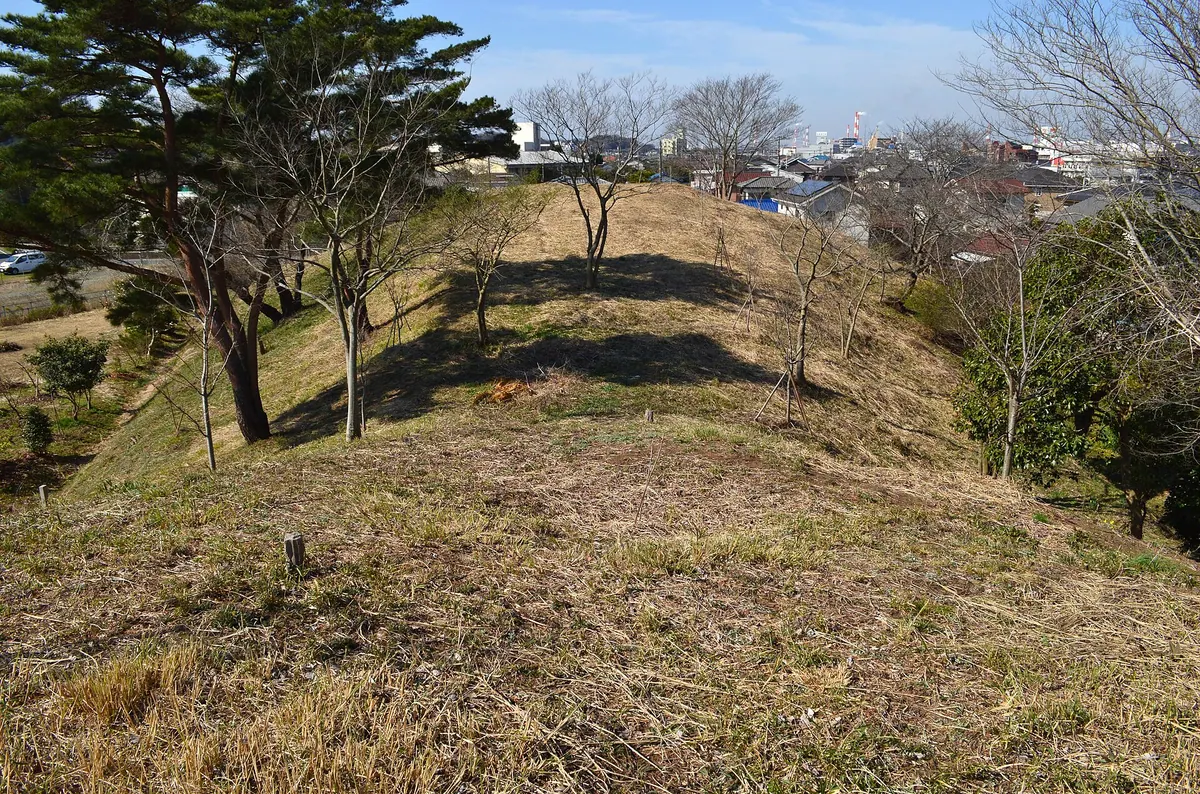
Explore a large 5th-century keyhole-shaped burial mound, a designated historic site in Chiba Prefecture.
What it is
- A keyhole-shaped Kofun (ancient burial mound).
- Dates to the first half to middle of the 5th century.
- Designated a Chiba Prefecture Historic Site.
- Part of the Anegasaki Kofun Group.
What to see
- A 103-meter long keyhole-shaped mound.
- Mound built in three stages on a sand dune.
- Rows of cylindrical Haniwa (clay figures) were found.
- A stone pillow from the Kofun is a National Important Cultural Property.
14
Araku Kofun
CHIBA · HISTORIC SITE 荒久古墳
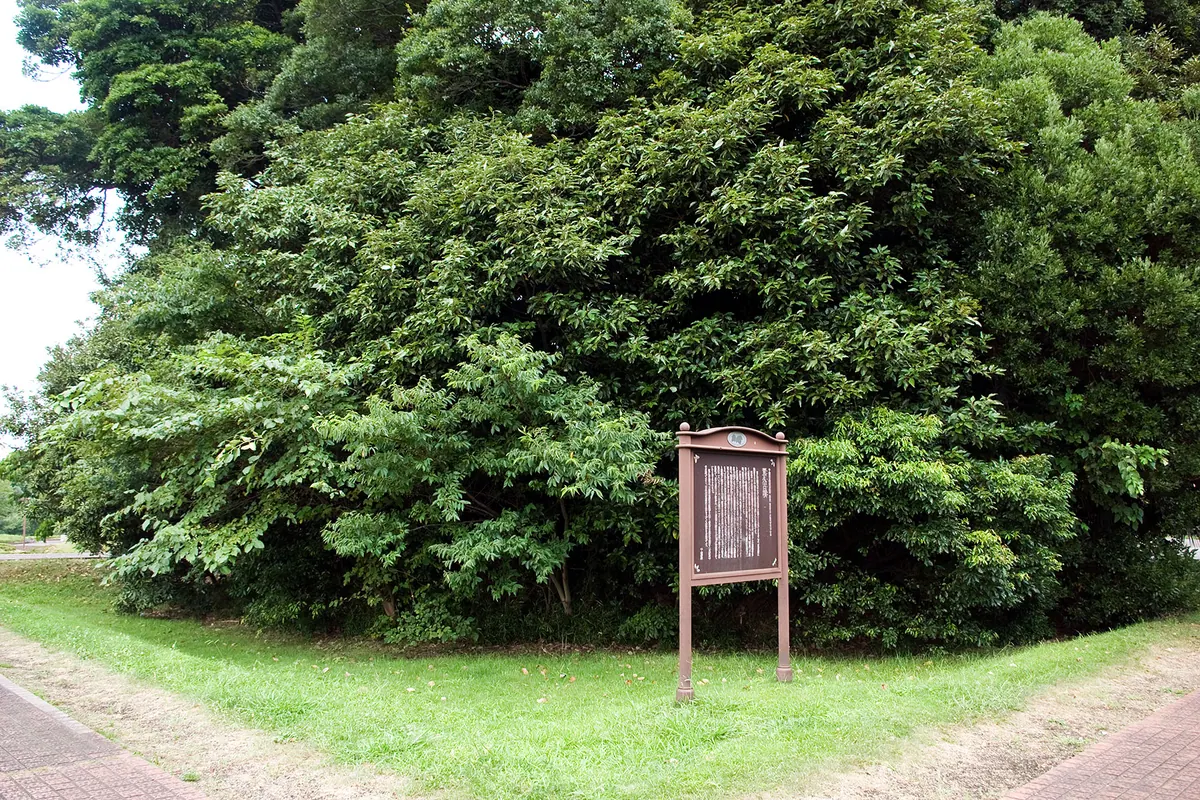
Explore a 7th-century square tomb with a unique stone chamber, revealing ancient burial practices.
What it is
- A square tomb built in the 7th century.
- Designated a Chiba City Cultural Property in 1960.
- Also called "Ishi no Karato" due to its stone chamber.
What to see
- The burial mound, with a side length of 9 meters.
- The stone chamber made of tuffaceous sandstone blocks.
- A short passage leading to the main chamber.
- The main chamber, which is 2.07 meters long.
- Evidence of continental tomb system influence.
15
Anesaki Kofun Cluster
CHIBA · HISTORIC SITE 姉崎古墳群
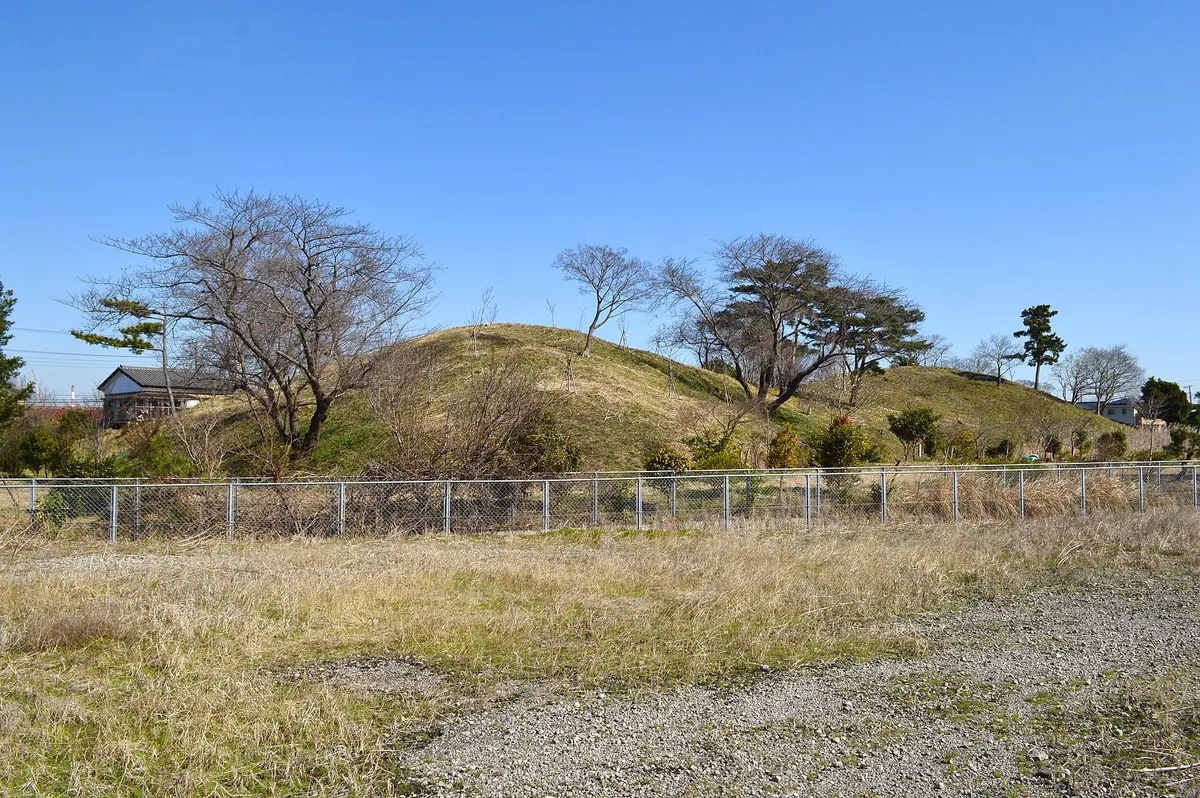
Explore ancient burial mounds, including keyhole-shaped tombs, from 4th to 7th century Japan.
What it is
- A cluster of ancient burial mounds (kofun).
- Dates from the late 4th century to the late 7th century.
- Located in Ichihara City, Chiba Prefecture.
What to see
- 11 keyhole-shaped, 2 square-front, 20 round, and 1 square tumuli.
- Anesaki Tenjinyama Kofun, 130 meters long.
- Anesaki Futagozuka Kofun, 103 meters long.
- Shakayama Kofun, 86 meters long.
- Rokuson'ohara Kofun, a square-front, square-rear tumulus.
16
Ryūgakuji Kofun Cluster
CHIBA · HISTORIC SITE 龍角寺古墳群
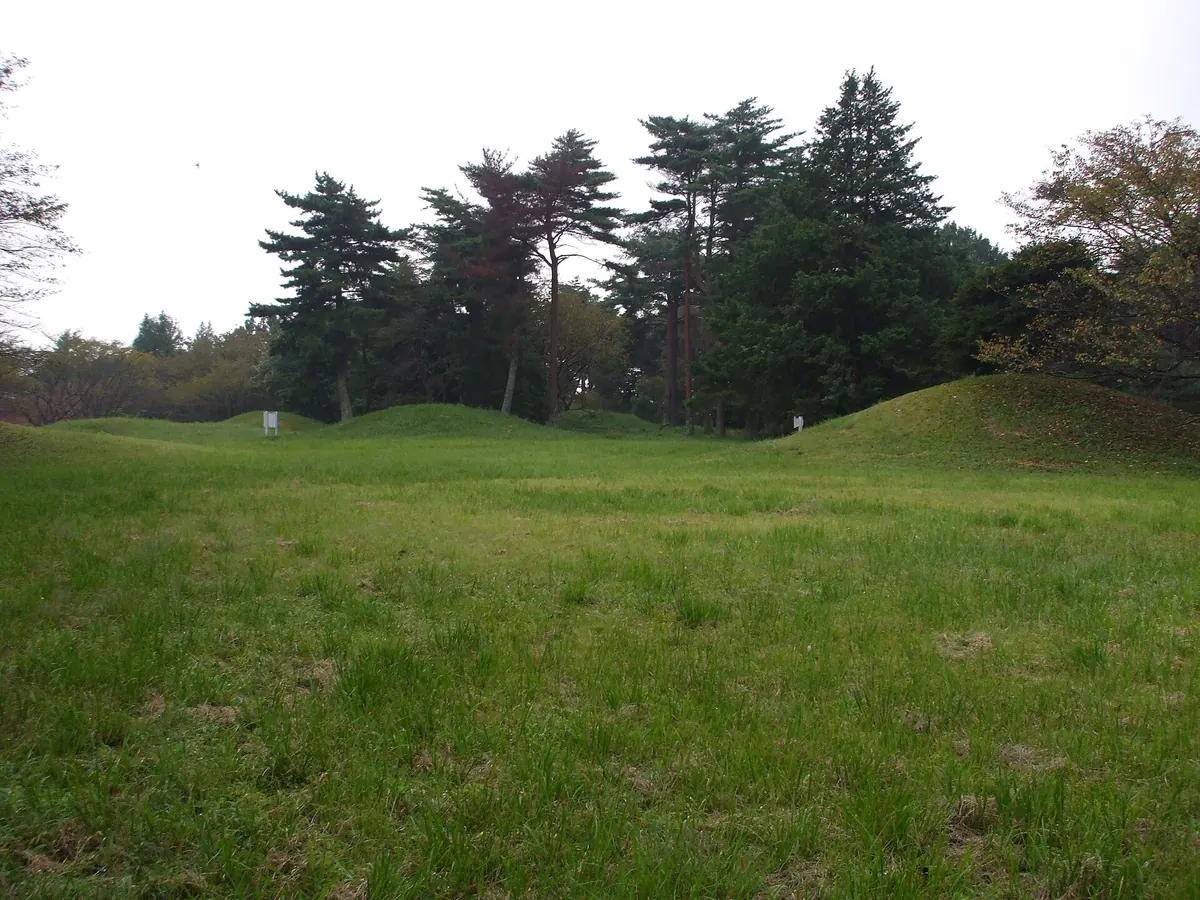
Explore a large cluster of ancient burial mounds, including Japan's second-largest square tumulus.
What it is
- A cluster of 114 ancient burial mounds (kofun).
- Built from the early 6th century to the 7th century.
- Designated a national historic site in 1941 and 2009.
What to see
- View 37 keyhole-shaped, 6 square, and 71 circular tumuli.
- See Kofun No. 101, the oldest scallop-shaped tumulus.
- Visit Iwaya Kofun, Japan's second-largest square tumulus.
- Observe Asamayama Kofun, one of the largest in the area.
17
Saginuma Kofun Cluster
CHIBA · HISTORIC SITE 鷺沼古墳群
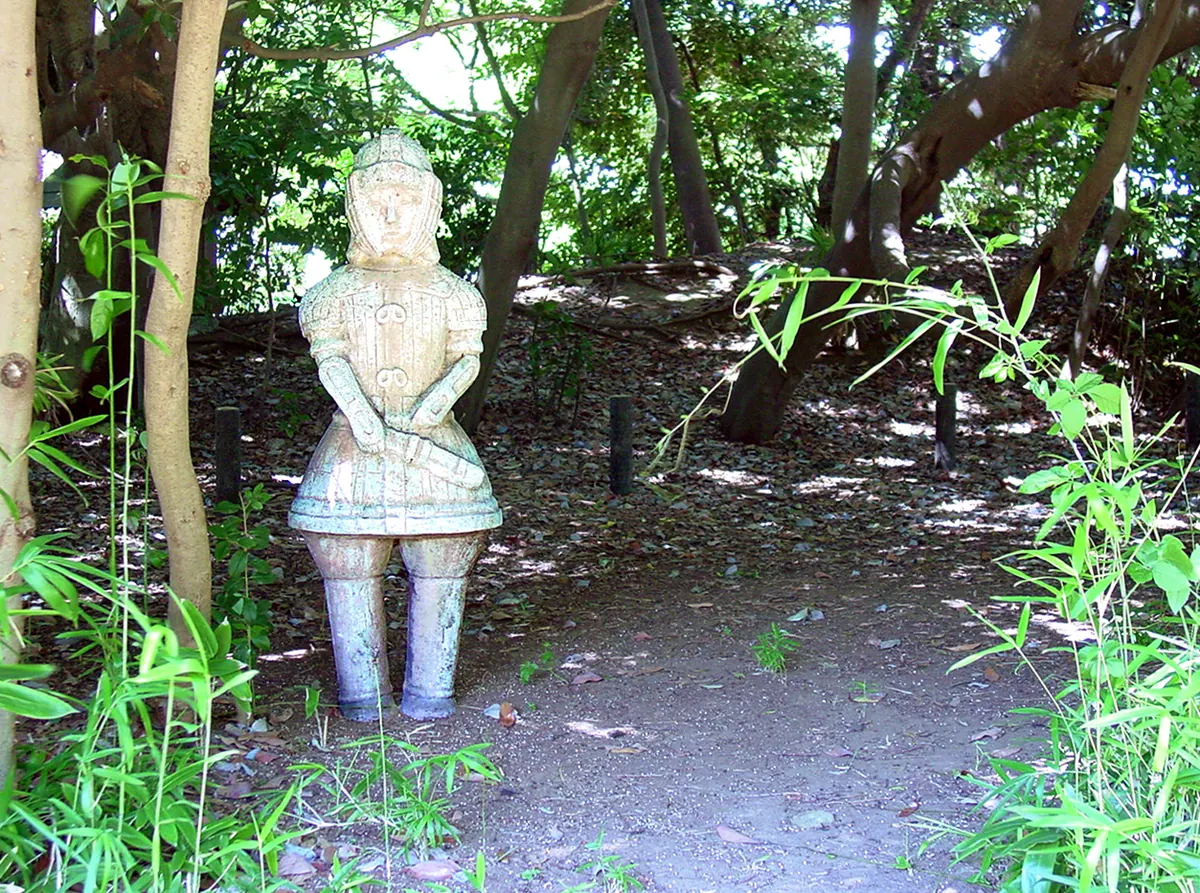
Explore ancient burial mounds, including a keyhole-shaped tumulus and a preserved stone coffin.
What it is
- A group of ancient burial mounds, called tumuli.
- Located near Saginuma Castle in Narashino City.
- Tumuli date to the late 6th century.
What to see
- Tumulus A is a keyhole-shaped mound, 25 meters long.
- Cylindrical Haniwa from Tumulus A.
- Tumulus B is a keyhole-shaped mound.
- Box-shaped stone coffin in Tumulus B is a historic site.
- Stone coffin in Tumulus B is 2 meters long, 0.8 meters wide.
18
Tobinodai Shell Mound
CHIBA · HISTORIC SITE 飛ノ台貝塚
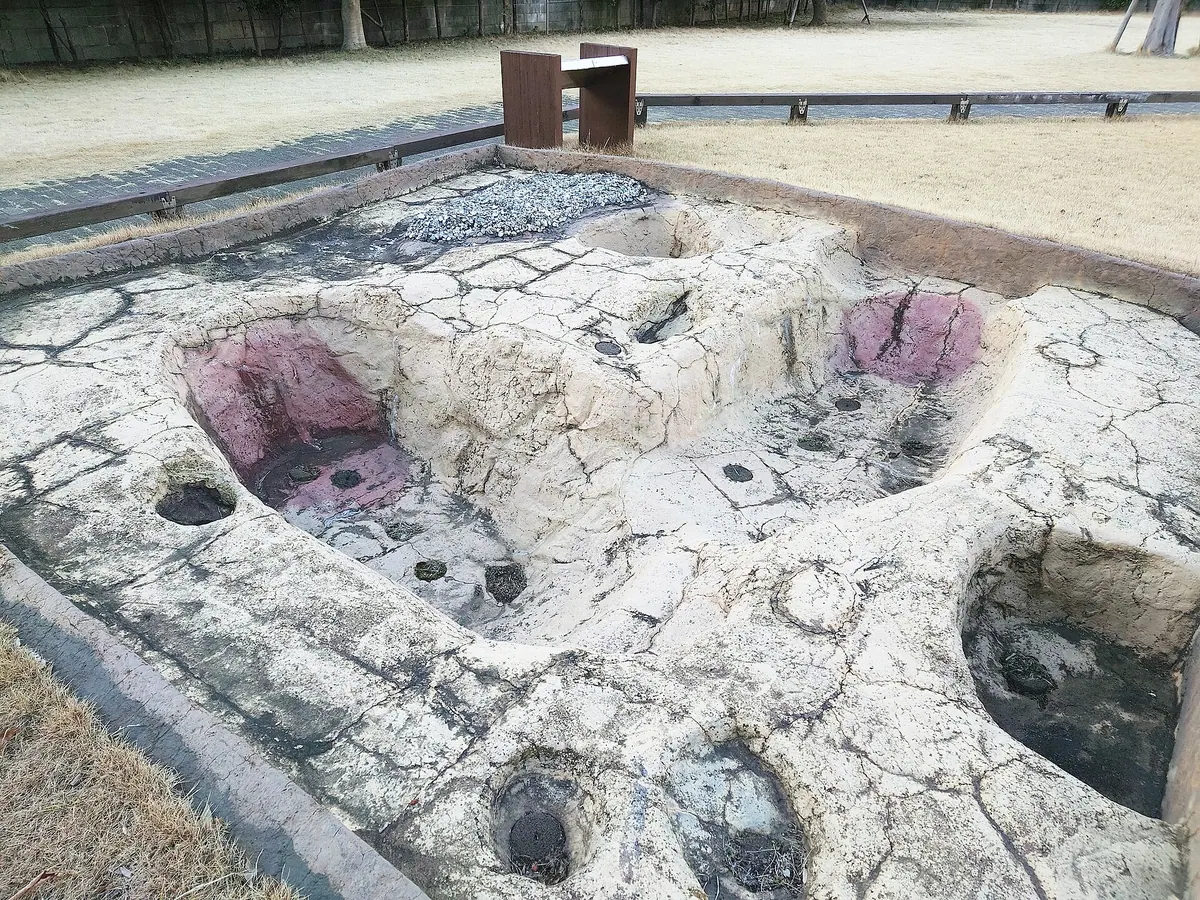
Explore an ancient Jomon-period shell mound and museum, revealing early Japanese life.
What it is
- A complex archaeological site in Funabashi City.
- Dates back to the Early Jomon period.
- Discovered in 1932, designated a Historic Site in 1997.
- Developed into Tobinodai Historic Site Park.
What to see
- The shell mound, a preserved archaeological site.
- Adjacent museum with excavated artifacts.
- Museum displays include dioramas of ancient life.
- Remains from Paleolithic and Kofun periods.
19
Arami Shell Mound
CHIBA · HISTORIC SITE 荒海貝塚
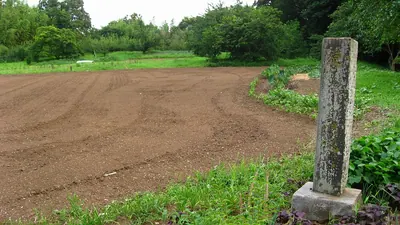
Arami Shell Mound is a significant Jomon period site, offering insights into ancient Japanese life.
What it is
- A Jomon period shell mound.
- Dates from the late to final Jomon period.
- Known as the last large Jomon period shell mound.
- Located in Narita City, Chiba Prefecture.
What to see
- A monument marks the shell mound.
- The thickest shell layer is about 1 meter.
- Most excavated shells are Yamato shijimi.
- Arami-style pottery was excavated.
- Pottery with rice grain impressions was found.
20
Kotehashi Shell Mound
CHIBA · HISTORIC SITE 犢橋貝塚
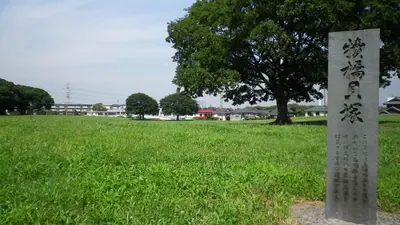
Explore a large, horseshoe-shaped Jomon period settlement, a designated National Historic Site.
What it is
- A Jomon period settlement site.
- Designated a National Historic Site in 1981.
- Its existence was known since the Meiji era.
- Full-scale excavation began in the 1940s.
What to see
- A large settlement site.
- A shell layer in a horseshoe shape.
- Shell layer is 200m east-west and 150m north-south.
- Site is on a plateau about 25m above sea level.
- Now Kotehashi Shell Mound Park.