

20 Historic sites in Nagano worth your time
Japan Gems
Nagano Prefecture offers 16 heritage sites, including the Idojiri Site and Ōmuro Kofun group, for those interested in ancient Japanese history and culture. These locations provide a glimpse into the region's past.
Nagano has 25 historic sites on Japan Gems. Below are the 20 we can tell you the most about — each one written up in English from Japanese sources, with what to see and how to get there. See all historic sites in Nagano.
01
Yanagisawa Site
NAGANO · HISTORIC SITE 柳沢遺跡
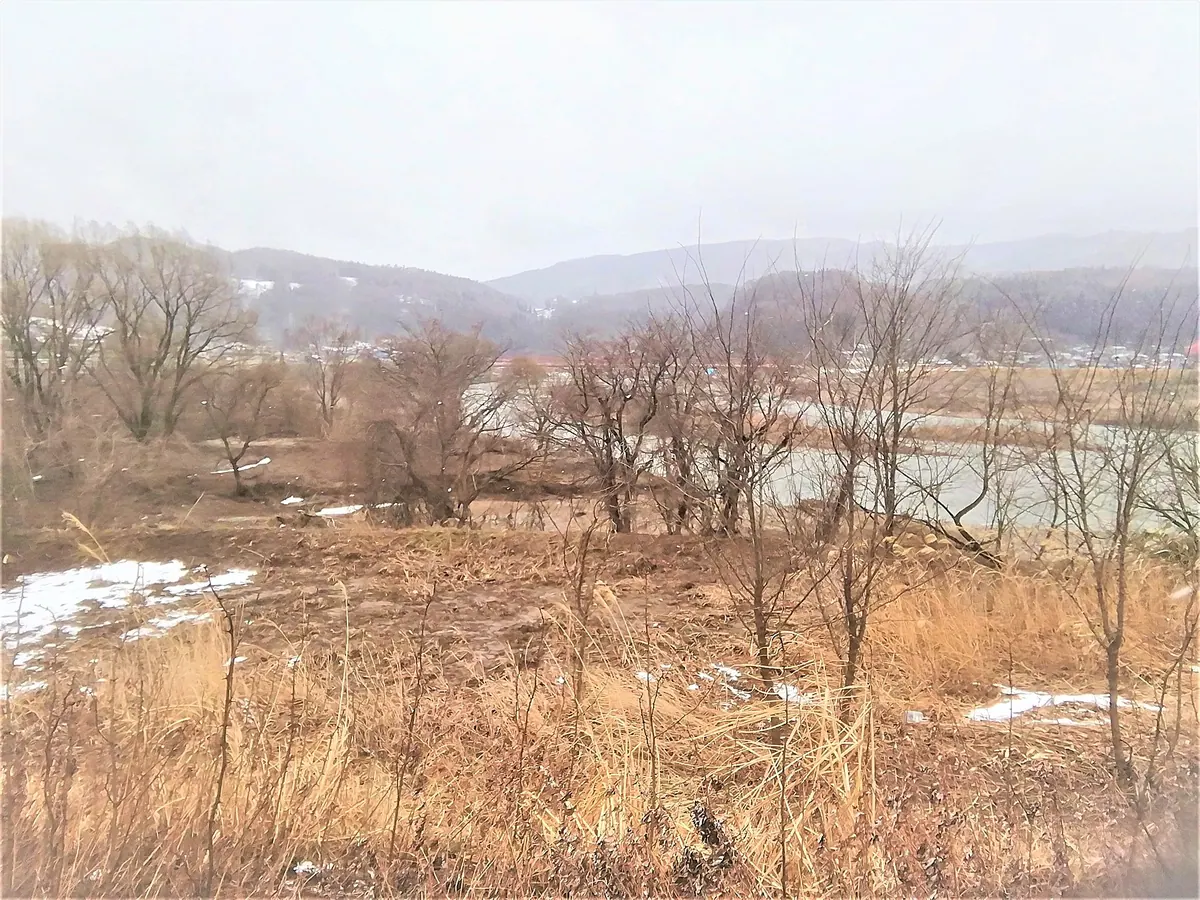
Explore an archaeological site revealing continuous settlement from Jomon to early modern periods.
What it is
- An archaeological site in Nakano City, Nagano Prefecture.
- Reveals settlement remains from Jomon to early modern periods.
What to see
- Excavations found Jomon, Yayoi, and Heian period settlement remains.
- Yayoi period remains include pit dwellings and coffin burials.
- 212 Yayoi period artifacts were discovered.
- Artifacts include bronze bells and bronze halberds.
- These artifacts are a National Important Cultural Property.
- Excavated items are stored at the Nakano City Museum.
02
Old Battlefield of Kawanakajima
NAGANO · HISTORIC SITE 川中島古戦場
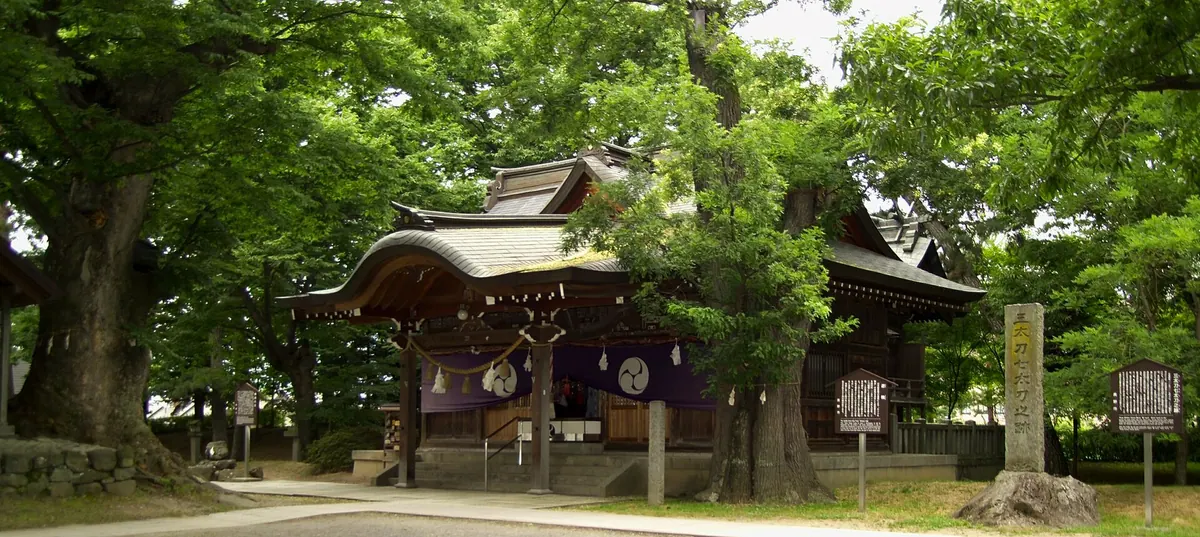
Historic battlefield park commemorating a famous samurai clash, with statues and a notable museum.
What it is
- A park developed around 1969.
- Commemorates the Fourth Battle of Kawanakajima.
- Takeda army reportedly set up their main camp here.
What to see
- Bronze statue of Takeda Shingen and Uesugi Kenshin.
- Nagano City Museum is within the park.
- Museum building received an architectural award.
- View Wife's Mountain, where Uesugi's army deployed.
- Souvenir shops line the approach to Hachiman Shrine.
Getting there
- Close to Zenkoji Temple and Nagano IC.
03
Idojiri Site
NAGANO · HISTORIC SITE 井戸尻遺跡
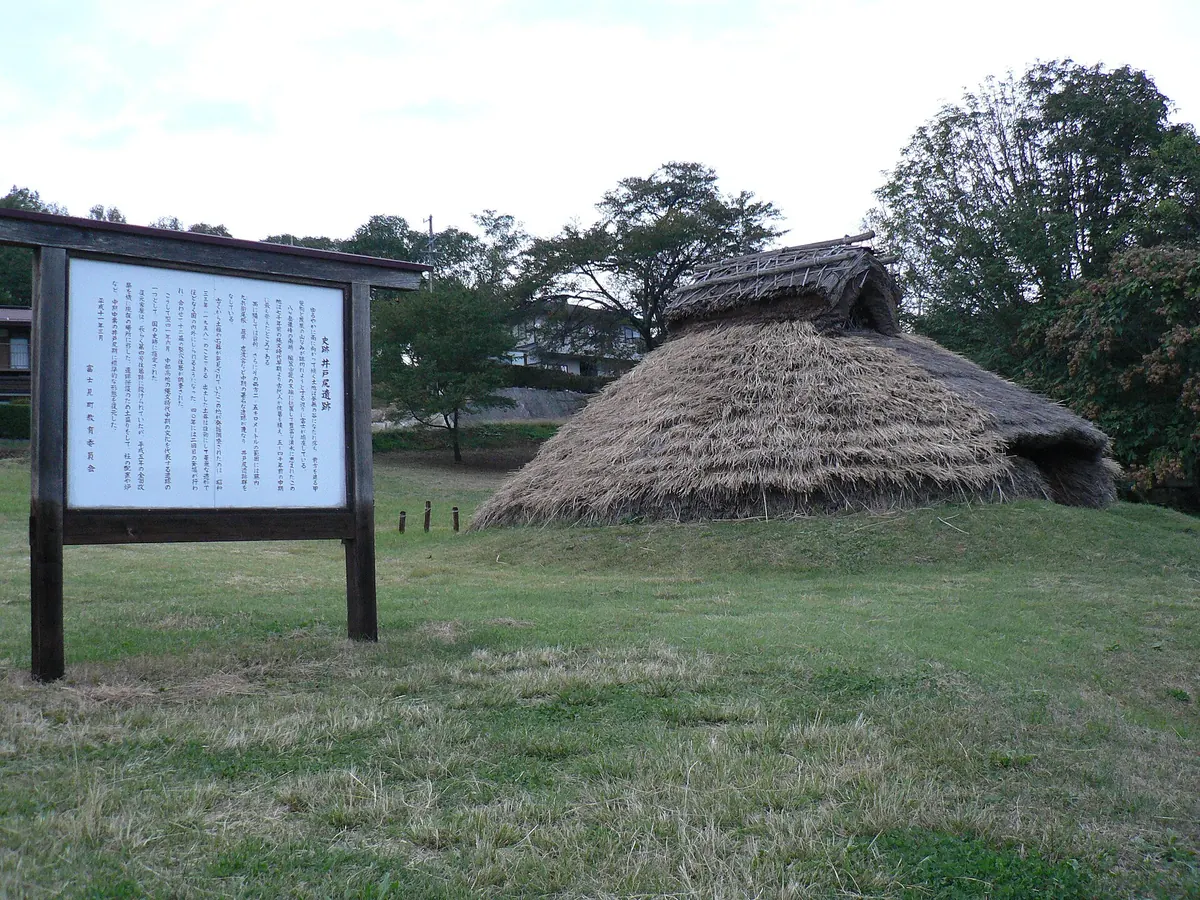
Explore a well-preserved Jomon-era village with restored dwellings and unique pottery.
What it is
- An archaeological site in Fujimi Town, Nagano Prefecture.
- A settlement from the Middle Jomon period.
- Designated as a National Historic Site.
- Excavated in 1958.
What to see
- Restored Jomon buildings outdoors.
- Twelve complete pottery vessels from a building trace.
- Middle Jomon pottery: Tochi-style and Idojiri-style.
- Stone tools: concave stones and chipped stone axes.
- Idojiri Archaeological Museum in the park.
- Fujimi Town History and Folklore Museum adjacent.
04
Akyū Site
NAGANO · HISTORIC SITE 阿久遺跡
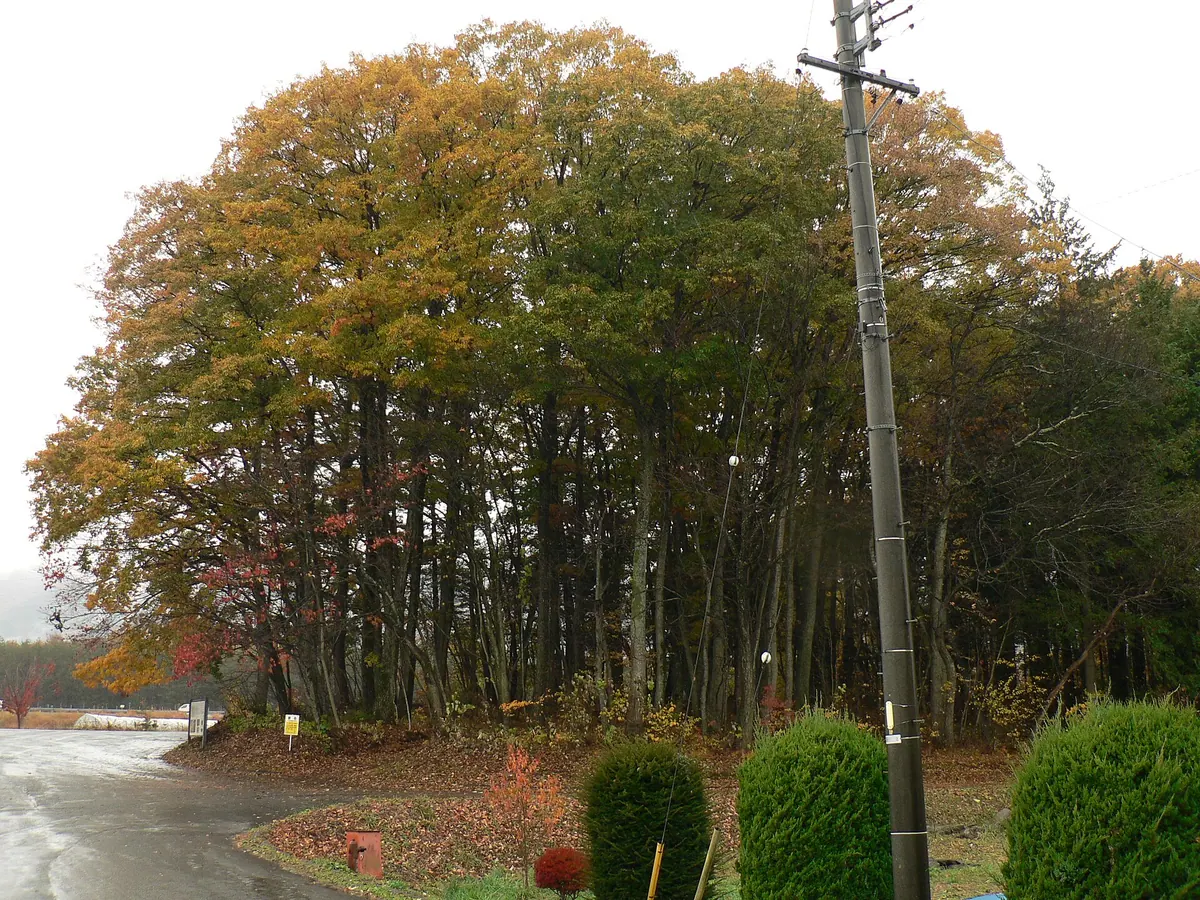
Explore a significant Jomon period ruin featuring Japan's oldest circular stone arrangement.
What it is
- A Jomon period ruin, designated a National Historic Site.
- Features Japan's oldest known circular stone arrangement.
What to see
- Site on a hill 904 meters above sea level.
- Remains of 30 buildings and 8 square pillar rows from Early Jomon.
- Remains of 20 buildings and pit grave groups from Middle Jomon.
- Large circular stone arrangement from Late Jomon period.
- Stone circle is 120 meters long and 90 meters short.
- Stone circle contains about 200,000 river stones.
05
Nankōzuka Burial Mound
NAGANO · HISTORIC SITE 南向塚古墳
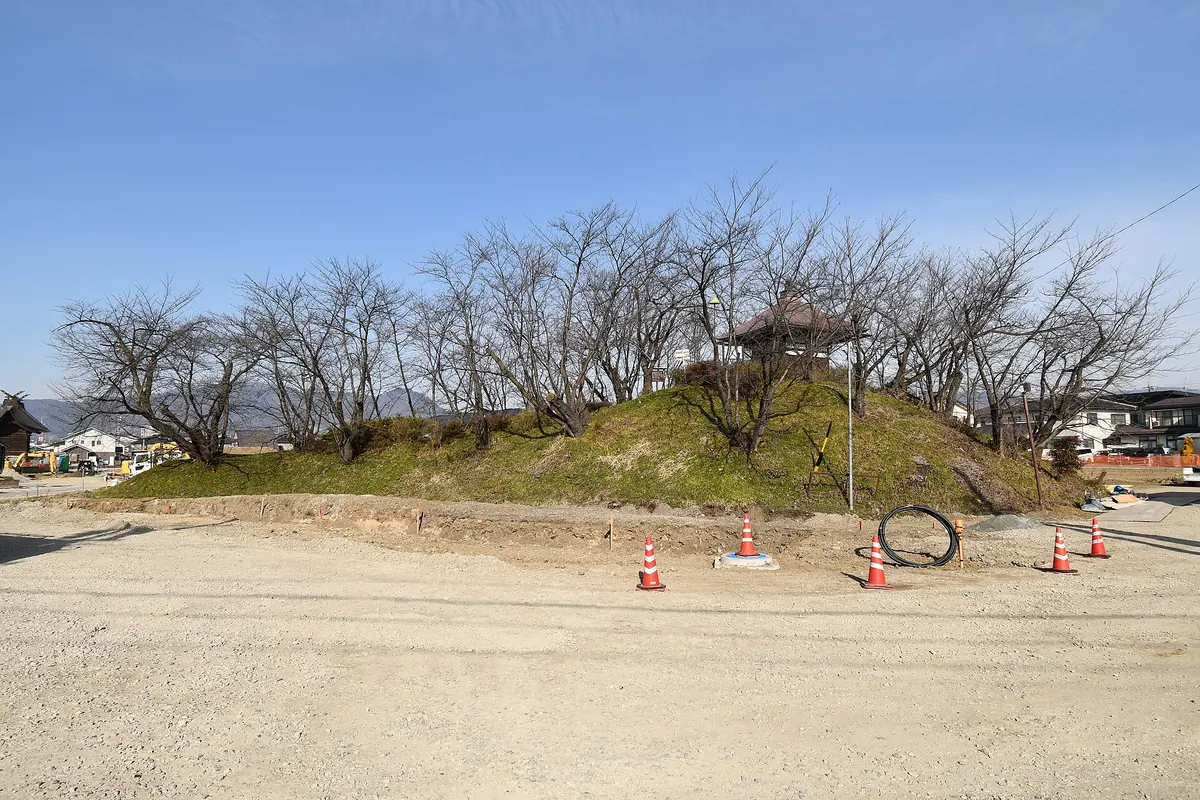
Explore a rare, ancient burial mound with a unique shape and historical significance.
What it is
- A tumulus (kofun) in Nagano City, Japan.
- Designated as a Nagano City Historic Site.
- A rare tumulus built on a plain in the Nagano Basin.
- Currently owned by the nearby Imoi Shrine.
What to see
- The tumulus: 46 meters long.
- Posterior circular part: 33 meters diameter, 4.8 meters high.
- Anterior square part: 13 meters long, 8 meters wide.
- A Kannon-do hall on the posterior circular part.
- Oldest map in Nagano Prefecture depicting a kofun.
06
Senryū Shōgunzuka Kofun
NAGANO · HISTORIC SITE 川柳将軍塚古墳
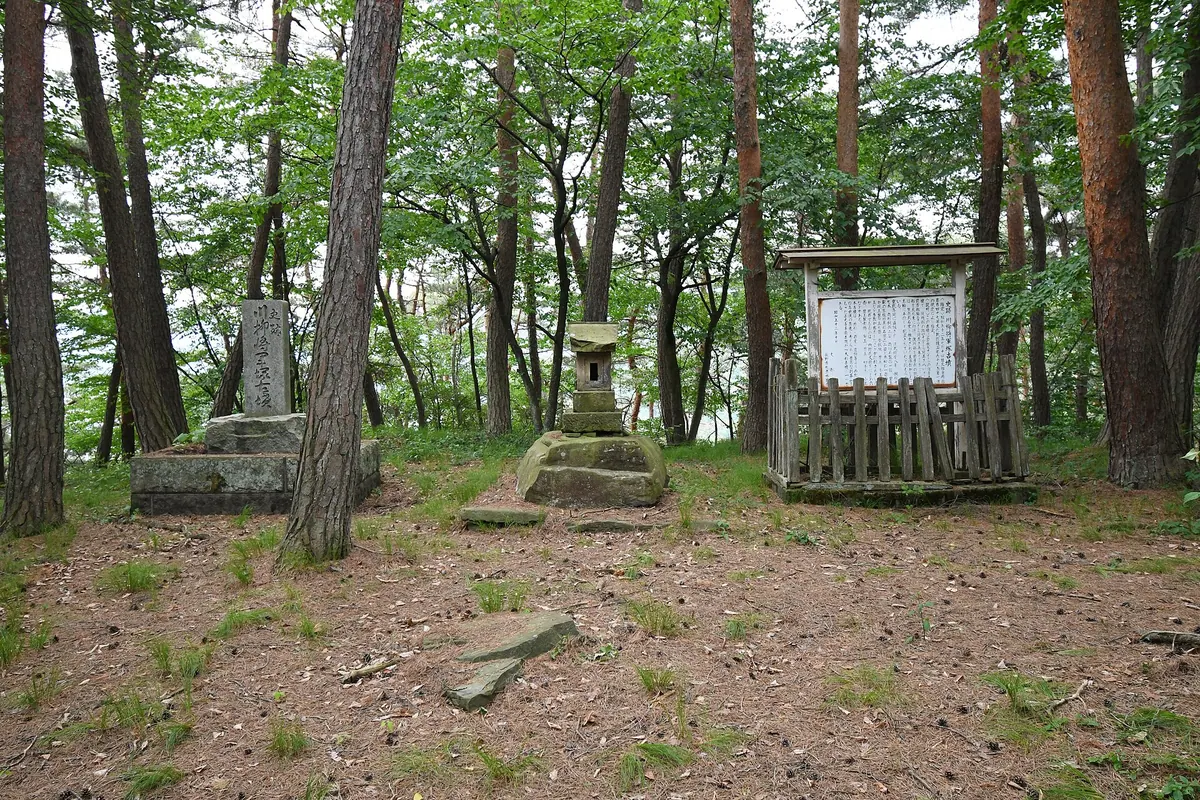
Explore this ancient keyhole-shaped burial mound, a National Historic Site with unique artifacts.
What it is
- A Kofun (ancient burial mound) in Nagano City.
- Designated a National Historic Site since 1977.
- Built around the late 4th to early 5th century.
- Second largest Kofun in Nagano Prefecture.
What to see
- A keyhole-shaped tumulus, 93 meters long.
- Two vertical stone chambers for burial.
- Excavated artifacts are Prefectural Treasures.
- Haniwa cylindrical coffin is a City Cultural Property.
- Numerous bronze mirrors and ritual tools were found.
07
Shimosuwa Aozuka Kofun
NAGANO · HISTORIC SITE 下諏訪青塚古墳
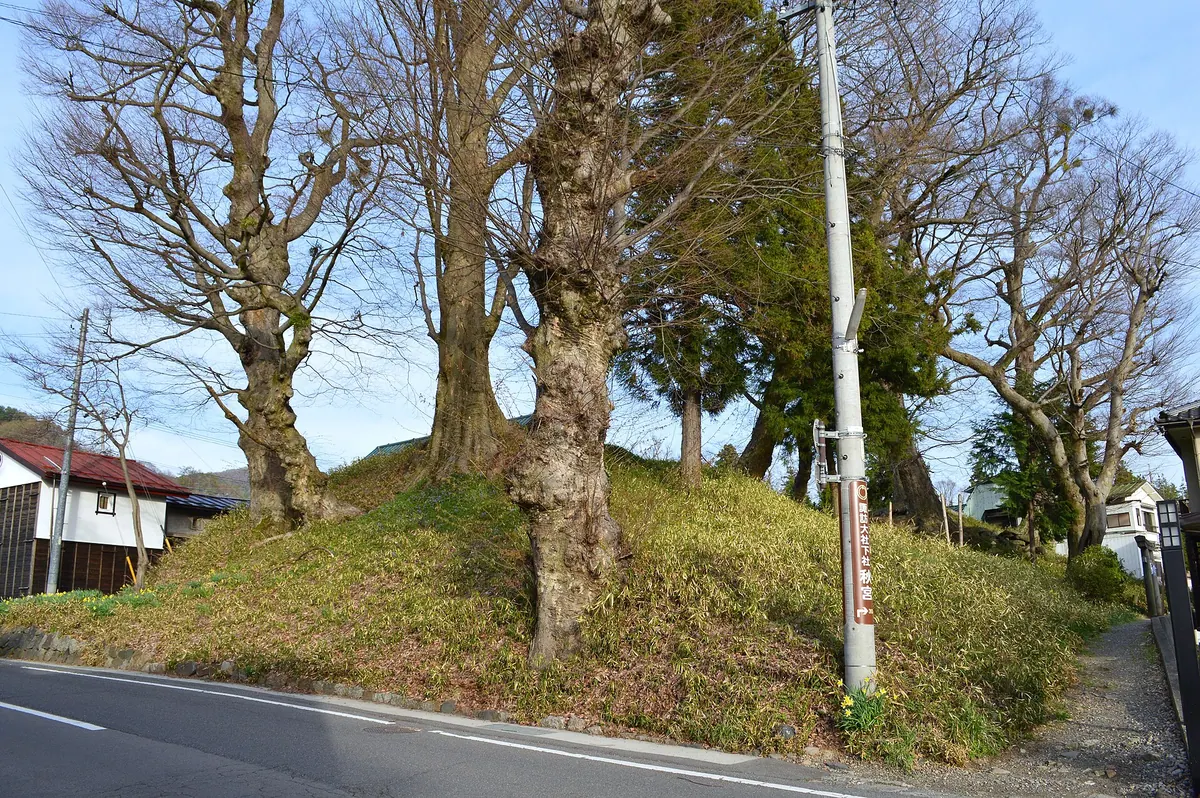
Explore a rare 6th-century keyhole-shaped burial mound, a designated historic site near Lake Suwa.
What it is
- A keyhole-shaped tumulus, a type of ancient burial mound.
- Designated a Nagano Prefecture historic site since 1965.
- Estimated to have been built around the late 6th century.
- It is the only keyhole-shaped tumulus in the Suwa region.
What to see
- The distinct keyhole shape of the tumulus.
- Cylindrical Haniwa (clay figures) found on the surface.
- A horizontal stone burial chamber, opening to the west.
- Views from a hill north of Lake Suwa.
08
Komagata ruins
NAGANO · HISTORIC SITE 駒形遺跡
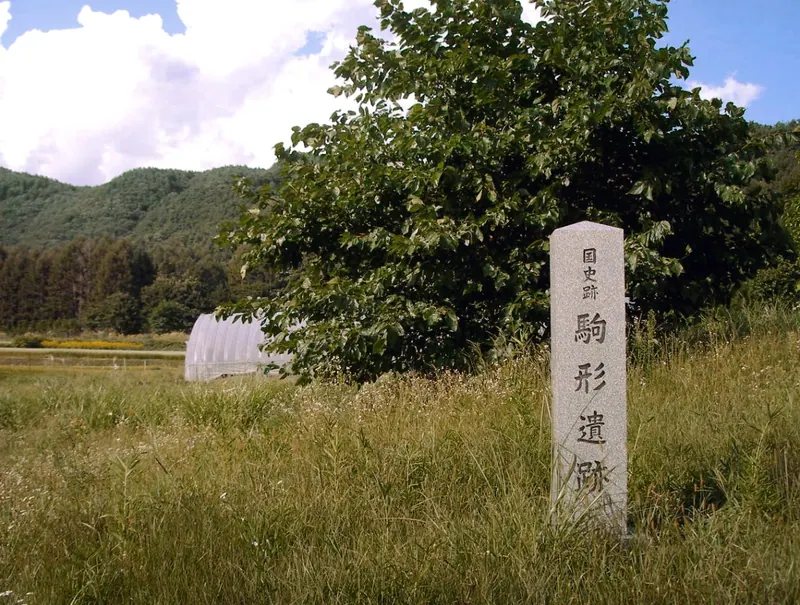
Explore Komagata Ruins, a National Historic Site with Jomon settlement remains and artifacts.
What it is
- A complex of ruins centered on a Jomon period settlement.
- Designated as a National Historic Site.
- Certified as a Japan Heritage component in 2018.
- Designated a National Historic Site on January 16, 1998.
What to see
- Jomon period base settlement ruins.
- Obsidian arrowheads.
- Remains from Paleolithic to medieval periods.
- 106 Jomon pit dwellings and numerous earth pits.
- Paleolithic artifacts.
- Heian period building ruins.
09
Fune Kofun
NAGANO · HISTORIC SITE フネ古墳
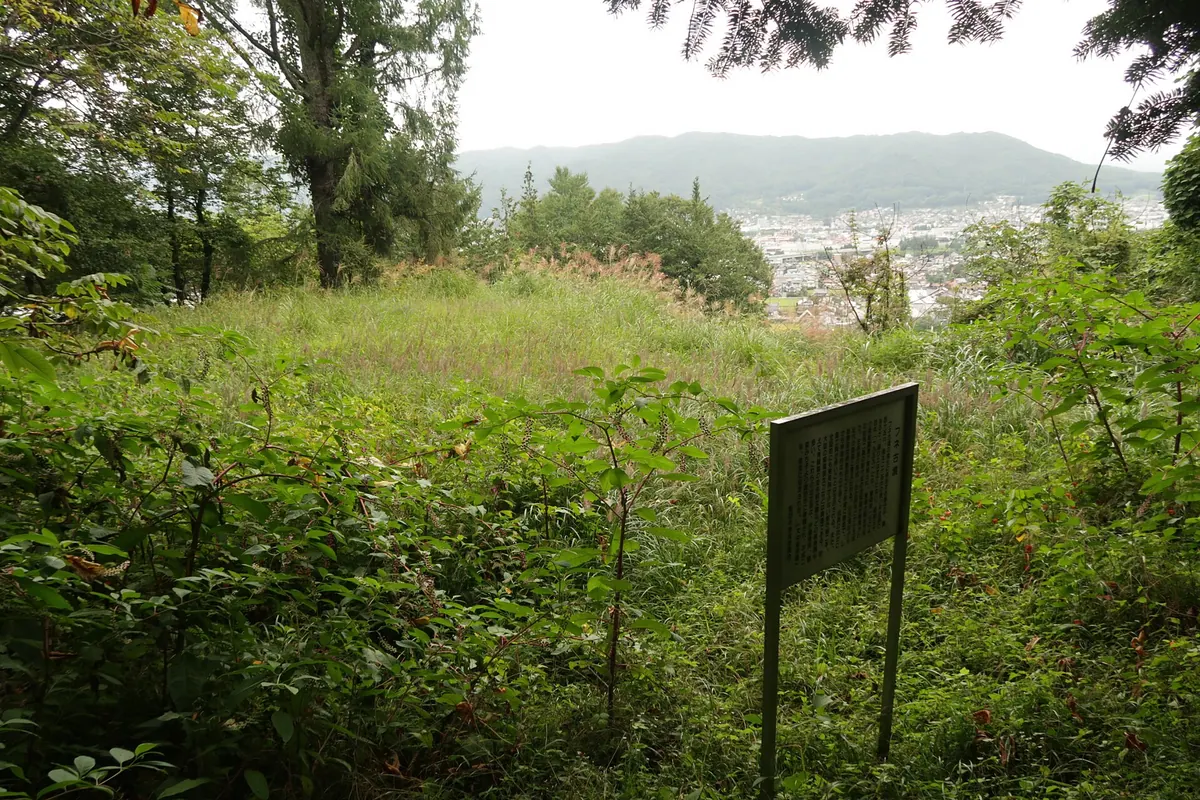
Explore the oldest kofun in the Suwa region, a 5th-century burial mound with unique finds.
What it is
- A kofun (burial mound) from the first half of the 5th century.
- Oldest kofun in the Suwa region.
- Discovered in 1959 during farming.
- Named after the place 'Fune' (boat).
What to see
- A modified square-shaped kofun on a hill.
- Two parallel pit-style main burial chambers.
- Eastern wooden coffin, 60cm wide and 6m long.
- Western wooden coffin, 70cm wide and 5.5m long.
- Numerous grave goods, designated Prefectural Treasure.
10
Togariishi, Yosukeone Ruins
NAGANO · HISTORIC SITE 尖石・与助尾根遺跡
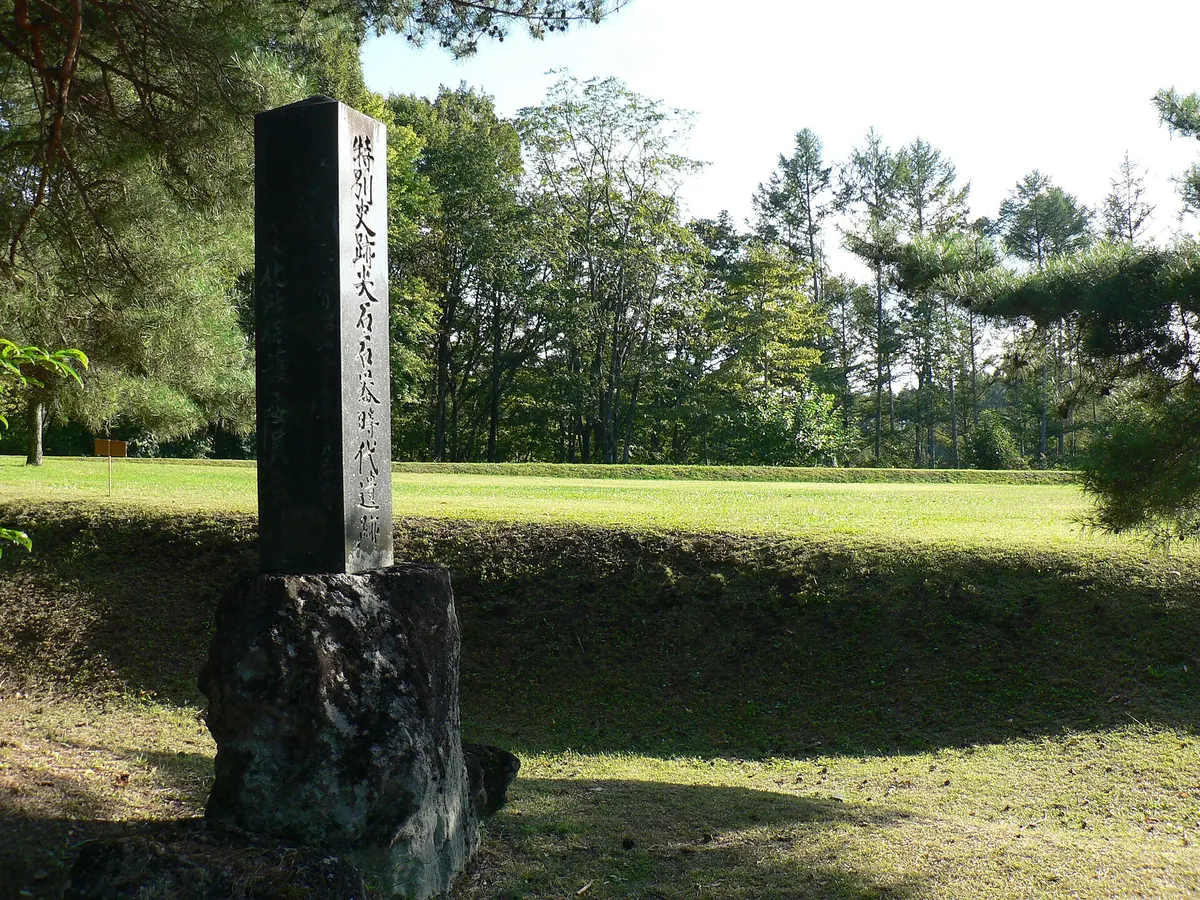
Explore Japan's first confirmed Jomon circular village, a significant archaeological site.
What it is
- A Jomon period circular village ruin.
- Designated a Special National Historic Site.
- First reported in 1893, excavated from 1930 to 1952.
- Confirmed Japan's first Jomon period circular village.
What to see
- Site covers 84,280.40 square meters.
- Includes 33 pit dwellings and 53 hearths.
- Portions of pottery are Nagano Prefectural Treasures.
- Located on a plateau at 1050-70 meters elevation.
11
Matsushima Ōhaka Kofun
NAGANO · HISTORIC SITE 松島王墓古墳
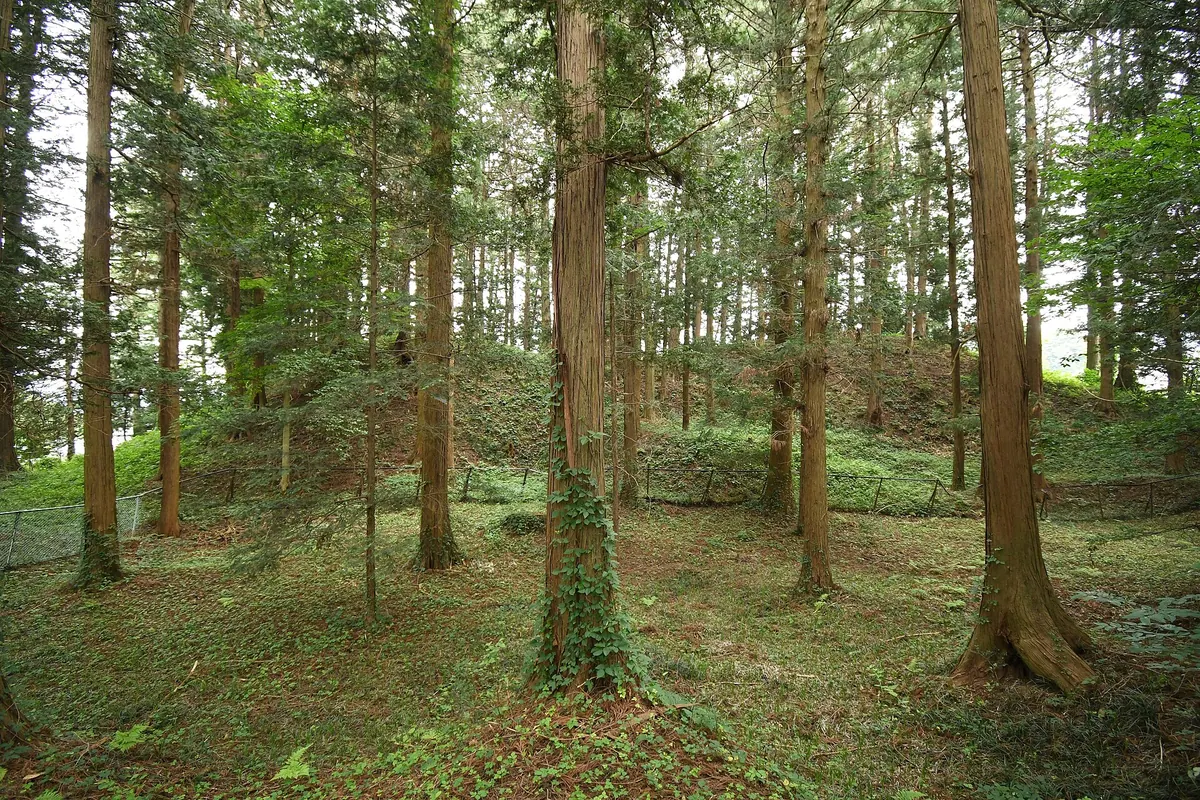
See a large, ancient keyhole-shaped burial mound from the 6th century.
What it is
- A keyhole-shaped tumulus.
- Designated a Nagano Prefecture historic site.
- Dates from the first half to mid-6th century.
What to see
- The tumulus is approximately 58 meters long.
- Rear circular part is 30 meters in diameter, 7 meters high.
- Front rectangular part is 32 meters wide, 7.7 meters high.
- Excavated haniwa include cylindrical and figural types.
- Excavated Sue ware and Haji ware.
12
Nakasone Shinnōzuka Kofun
NAGANO · HISTORIC SITE 中曽根親王塚古墳
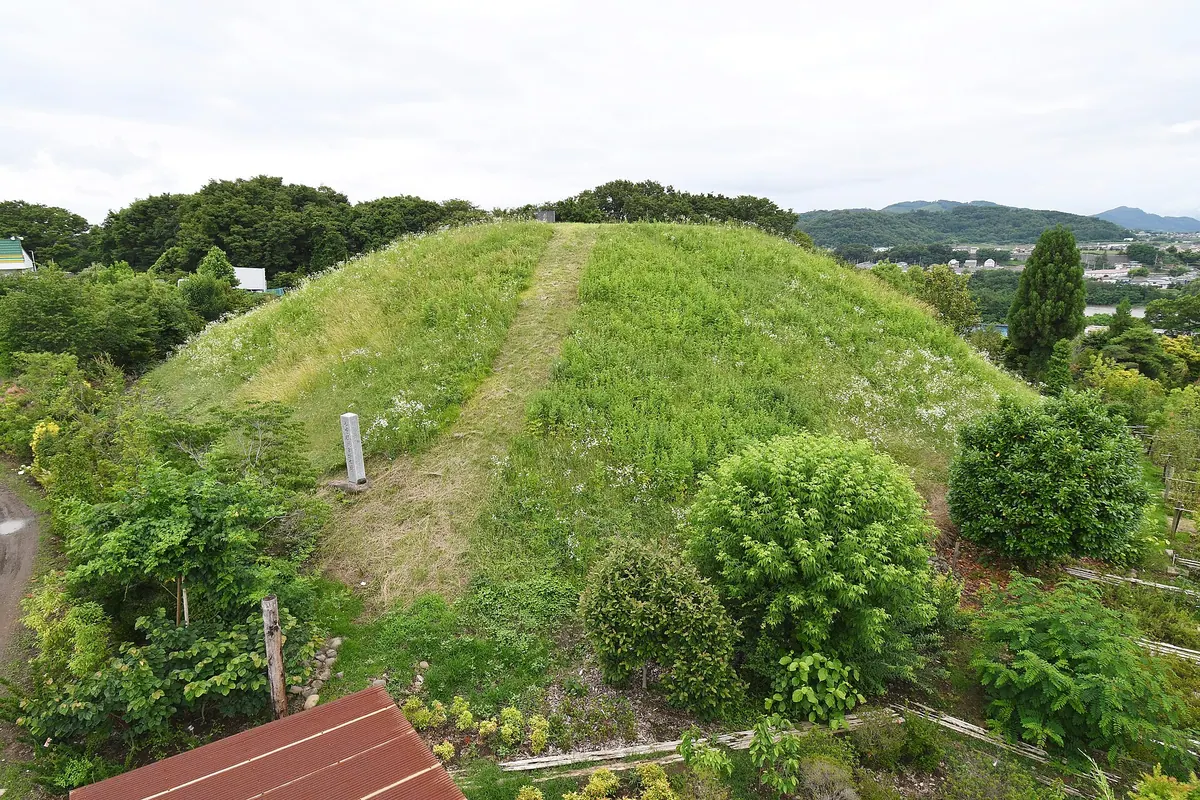
Explore Nagano's largest square kofun, a 5th-century tomb with unique river stone covering.
What it is
- A square-shaped kofun, an ancient burial mound.
- Designated a Nagano Prefecture historic site.
- Constructed around the early 5th century.
- The largest square kofun in Nagano Prefecture.
What to see
- A kofun 55 meters long, 53 meters wide, 12 meters high.
- Mound surface covered with river stones.
- A surrounding moat 12-20 meters wide.
- Fragments of haniwa and haji pottery were excavated.
13
Hiraide ruins
NAGANO · HISTORIC SITE 平出遺跡
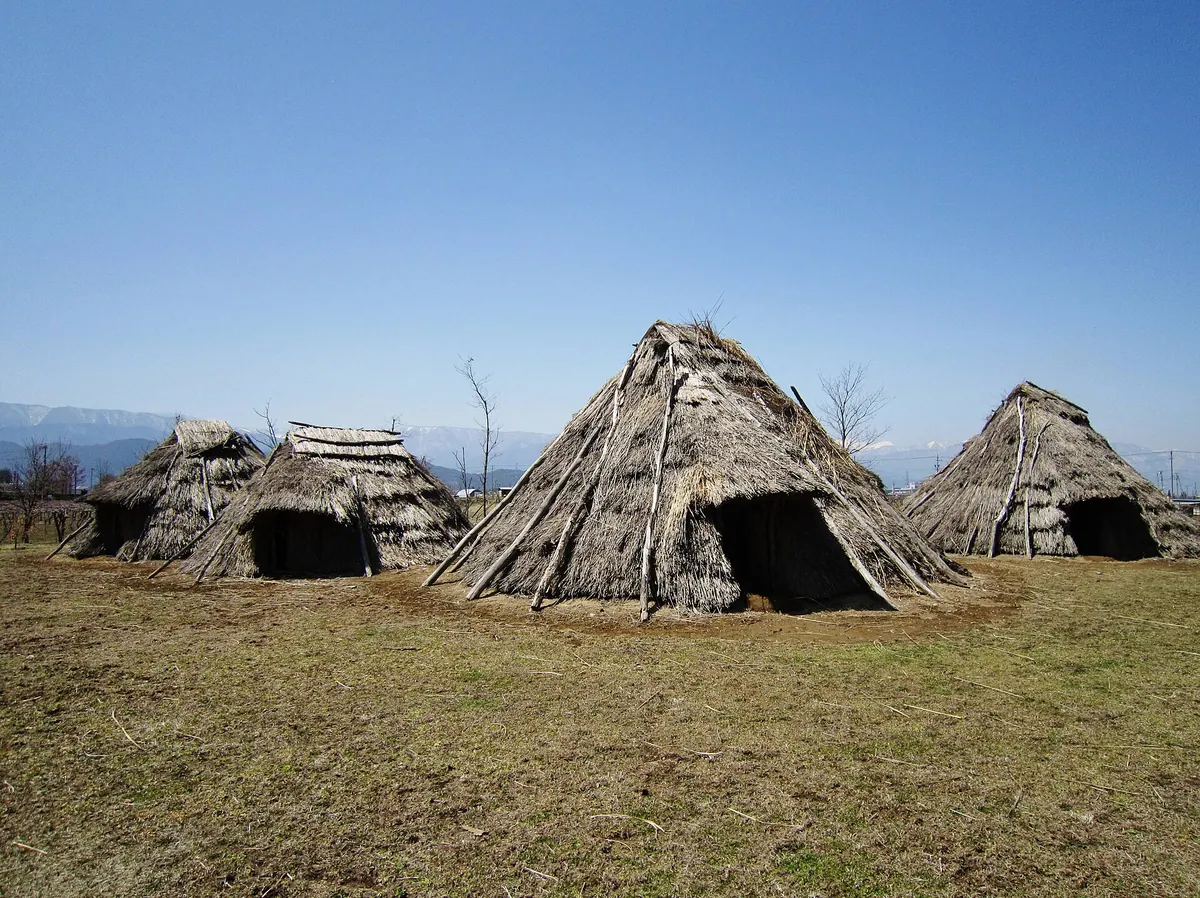
Explore ancient Japan at this National Historic Site, featuring restored dwellings and artifacts.
What it is
- A complex archaeological site in Shiojiri City.
- Designated as a National Historic Site.
- Spans from the Jomon to the Heian period.
- Excavations began in 1950.
What to see
- Restored ancient buildings.
- The Hiraide Museum and a guidance building.
- Over 290 pit dwellings and pillar-supported buildings.
- Earthenware, stone tools, and iron tools.
- Shibamiya Dotaku and a green-glazed ewer.
- Official site
- hiraide.shiojiri.com
14
Tobayama Cave
NAGANO · HISTORIC SITE 鳥羽山洞窟
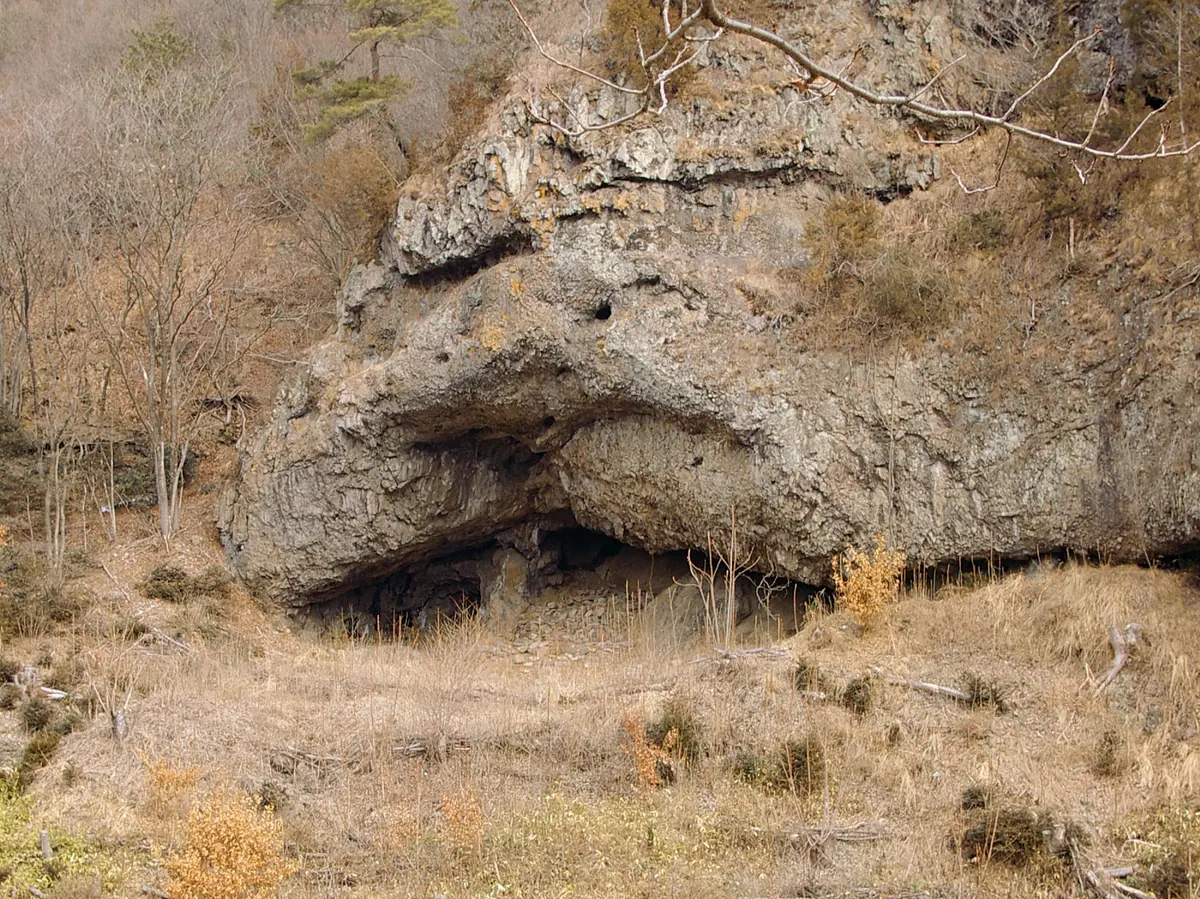
Explore a large cave ruin in Ueda City, a National Historic Site with artifacts from many eras.
What it is
- A cave ruin in Ueda City, Nagano Prefecture.
- Designated as a National Historic Site.
- Known for Kofun period wind burial remains.
- Complex ruin from Jomon to early modern periods.
What to see
- Cave entrance, 25 meters wide, facing west.
- Cave is 15 meters deep and 15 meters high.
- Excavated artifacts are Prefectural Treasures.
- Artifacts exhibited at Ueda City Maruko Local Museum.
15
Tochibaraiwakage ruins
NAGANO · HISTORIC SITE 栃原岩陰遺跡
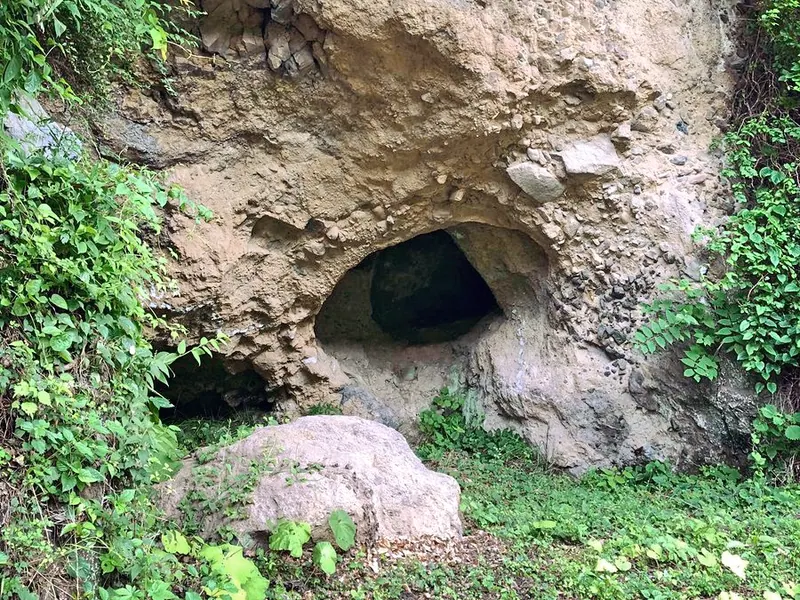
Explore a Jomon-period rock shelter, a National Historic Site with ancient human remains and artifacts.
What it is
- A Jomon period rock shelter site.
- Discovered in 1965 in Nagano Prefecture.
- Designated a National Historic Site in 1987.
What to see
- Tengu-iwa rock shelter is adjacent.
- Excavated Jomon period human skeletons.
- Pottery, stone tools, and bone tools.
- Animal bones, including Japanese wolf.
- Bone fishing hooks and sewing needles.
- Shark teeth products and cowrie shells.
16
Kōbōyama Kofun
NAGANO · HISTORIC SITE 弘法山古墳
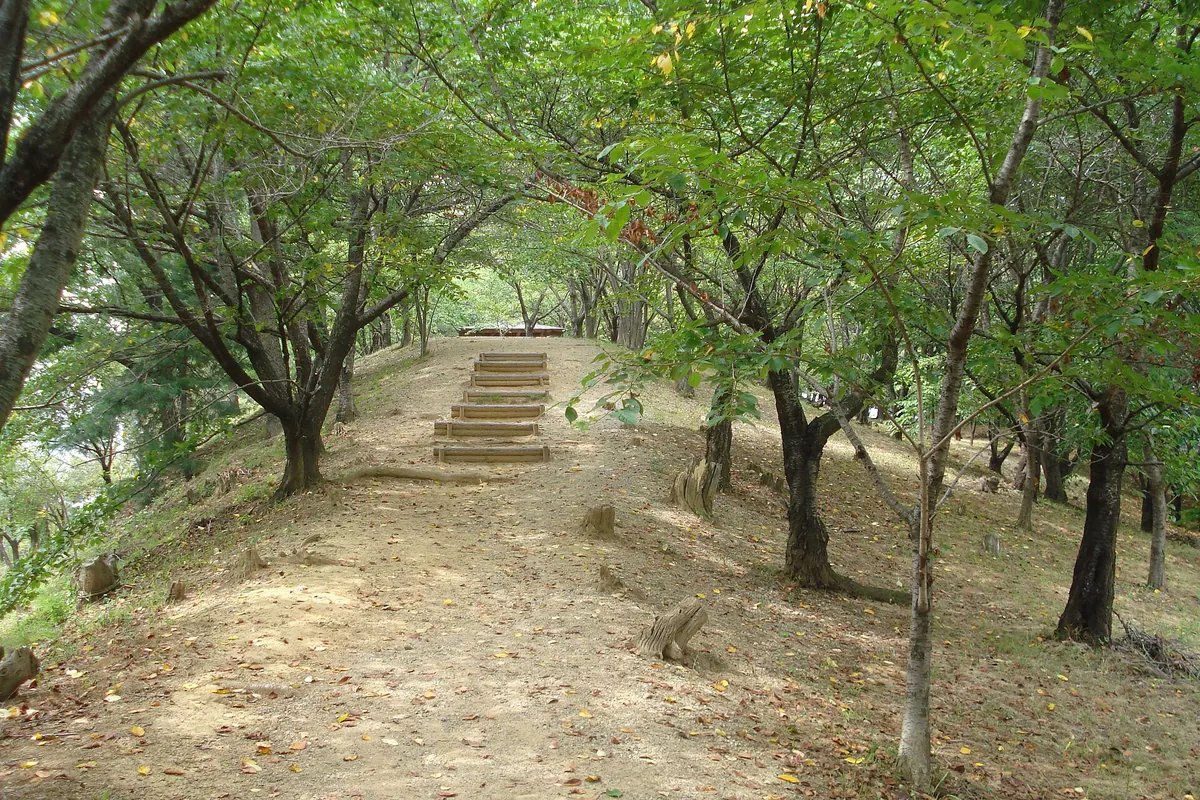
Explore an ancient keyhole-shaped tomb, a National Historic Site, revealing early Kofun culture in Nagano.
What it is
- A keyhole-shaped tomb (zenpō-kōhō-fun).
- Part of the Nakayama Kofun Group.
- A designated National Historic Site.
- Constructed in the first half of the 3rd century.
What to see
- The large burial mound itself.
- A pit-style stone chamber (rekikaku).
- Excavated artifacts: bronze mirrors, beads, weapons, tools.
- Artifacts are designated Nagano Prefectural Treasures.
17
Kōshinzuka Kofun
NAGANO · HISTORIC SITE 庚申塚古墳 (飯綱町)
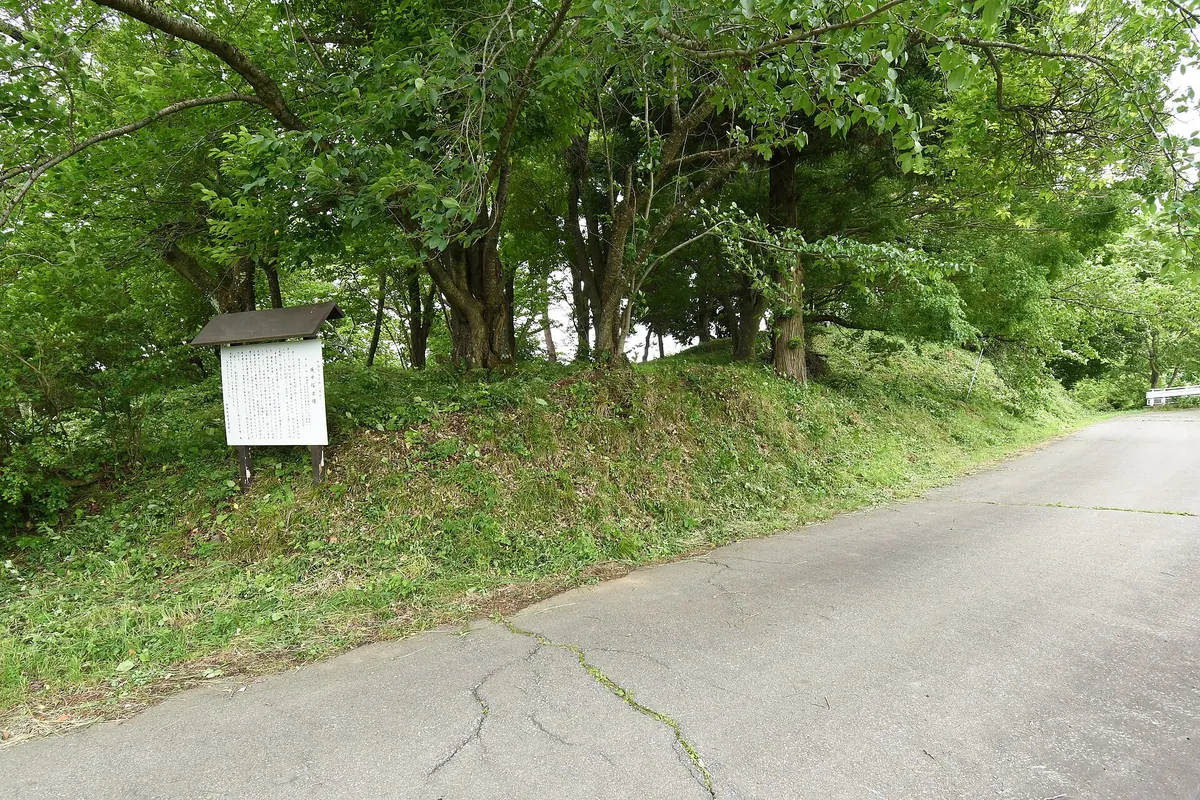
Explore a large 5th-century keyhole-shaped burial mound with panoramic views.
What it is
- A keyhole-shaped tumulus (burial mound).
- Dates to the early 5th century.
- Designated a historic site in 1980.
- Largest tumulus in Iizuna Town.
What to see
- The 52-meter long keyhole-shaped mound.
- Rear circular part is 31 meters in diameter.
- Rear circular part is 5 meters high.
- Views overlooking Zenkoji-daira.
- Excavated artifacts at Iizuna Rekishi Fureai-kan.
18
Ōmuro Kofun group
NAGANO · HISTORIC SITE 大室古墳群 (長野県)
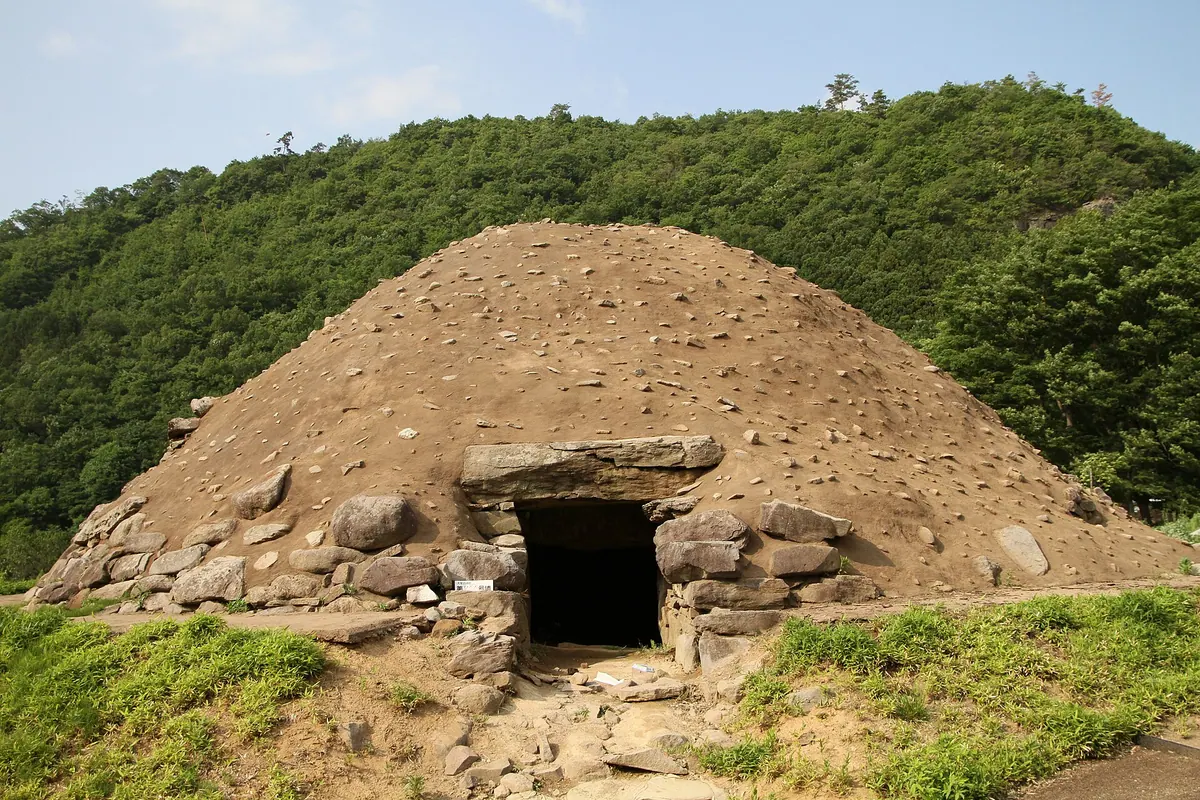
Explore 500 ancient burial mounds, including 25 rare gassho-style stone chambers, at this National Historic Site.
What it is
- A designated National Historic Site.
- A group of approximately 500 kofun (burial mounds).
- Designated on July 28, 1997.
What to see
- Most kofun are stacked stone mounds.
- Mounds feature unique gassho-style stone chambers.
- 25 of 40 national examples of this chamber are here.
- The group has five sub-groups.
- The Ōmurodani sub-group is the largest.
19
Yamanokami Kofun
NAGANO · HISTORIC SITE 山の神古墳
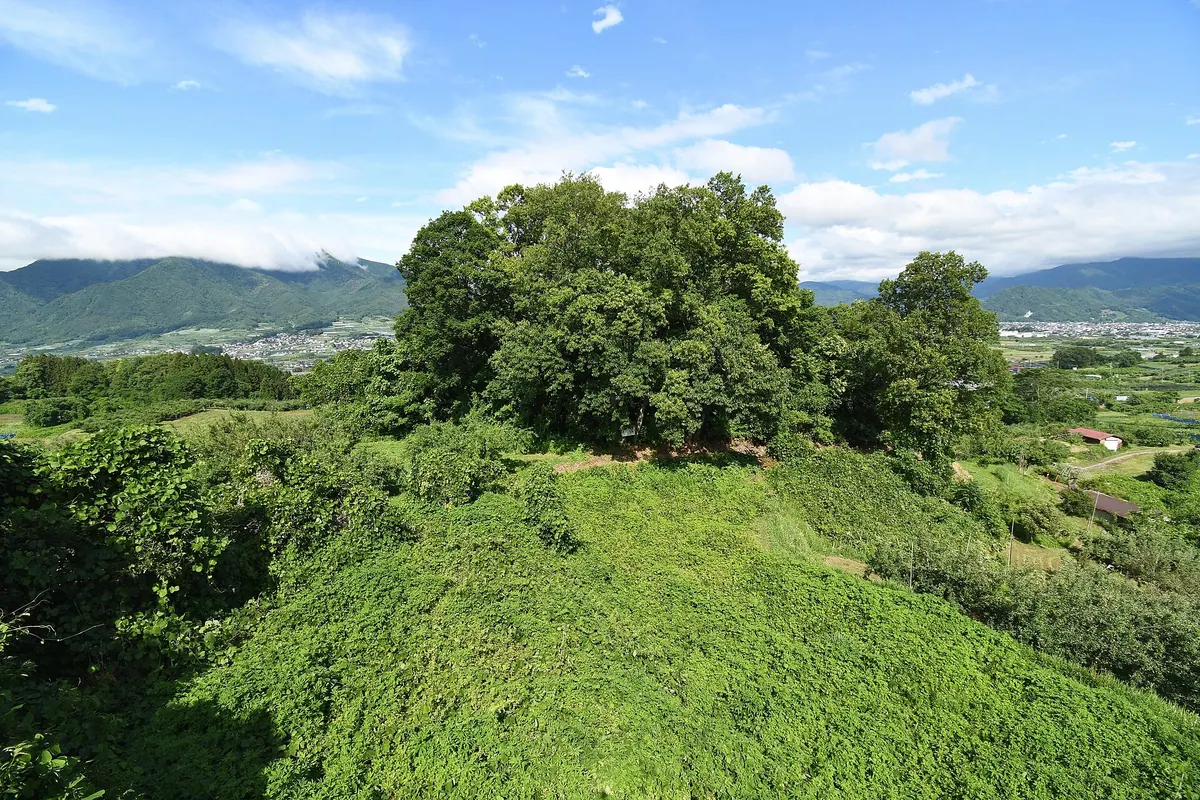
Ancient burial mound from the 5th century, revealing early Japanese burial practices.
What it is
- A large circular burial mound, or kofun.
- Dates to the early 5th century.
- Designated a Nakano City Historic Site in 1983.
What to see
- A circular tumulus, 32 meters in diameter.
- Mound surface has fukiishi and haniwa fragments.
- Burial facility is a split-bamboo-shaped wooden coffin.
- Grave goods include combs, beads, and iron weapons.
20
Ōmiyama ruins
NAGANO · HISTORIC SITE 大深山遺跡
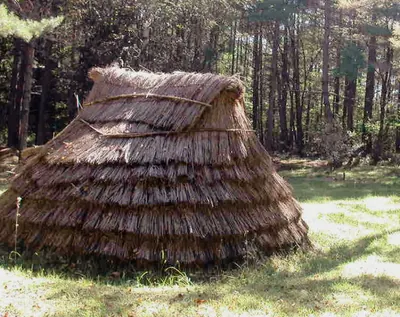
Explore a high-altitude Jomon settlement with reconstructed dwellings and ancient artifacts.
What it is
- Jomon period settlement site.
- Designated a National Historic Site in 1966.
- Among Japan's highest altitude Jomon sites.
What to see
- Two reconstructed buildings are on site.
- Excavated 50 pit dwellings.
- Piled stone structures.
- Tens of thousands of Jomon pottery pieces.
- Stone tools.
- Human-faced incense burner type earthenware.