

20 Historic sites in Tokyo worth your time
Japan Gems
Tokyo Prefecture offers 28 heritage sites, including the Shimofuda Site and Omori Shell Mounds. These locations provide a look into Japan's past.
Tokyo has 33 historic sites on Japan Gems. Below are the 20 we can tell you the most about — each one written up in English from Japanese sources, with what to see and how to get there. See all historic sites in Tokyo.
01
Musashi Fuchū Kumano Shrine Kofun
TOKYO · HISTORIC SITE 武蔵府中熊野神社古墳
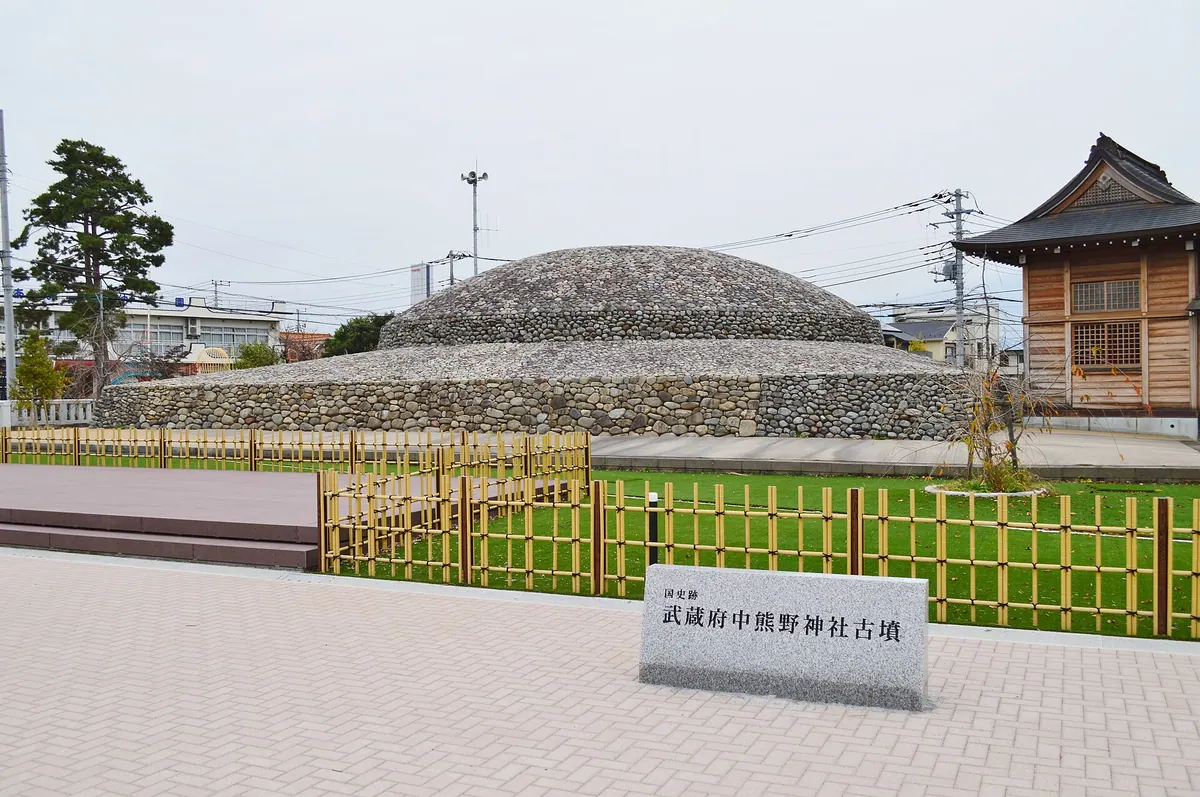
Explore a rare 7th-century kofun, Japan's largest of its kind, revealing ancient burial practices.
What it is
- A 7th-century kofun, an ancient burial mound.
- Designated a National Historic Site in 2005.
- It is an upper-circle, lower-square kofun.
- Largest confirmed kofun of its type.
What to see
- A three-tiered structure built with the Hanchiku method.
- The first tier is square, 32 meters per side.
- The second tier is square, 23 meters per side.
- The third tier is circular, 16 meters in diameter.
- The main burial chamber is a multi-chambered horizontal stone chamber.
Getting there
- Accessible by JR Nambu Line Nishi-Fufu Station.
02
Nakazato Shell Mound
TOKYO · HISTORIC SITE 中里貝塚
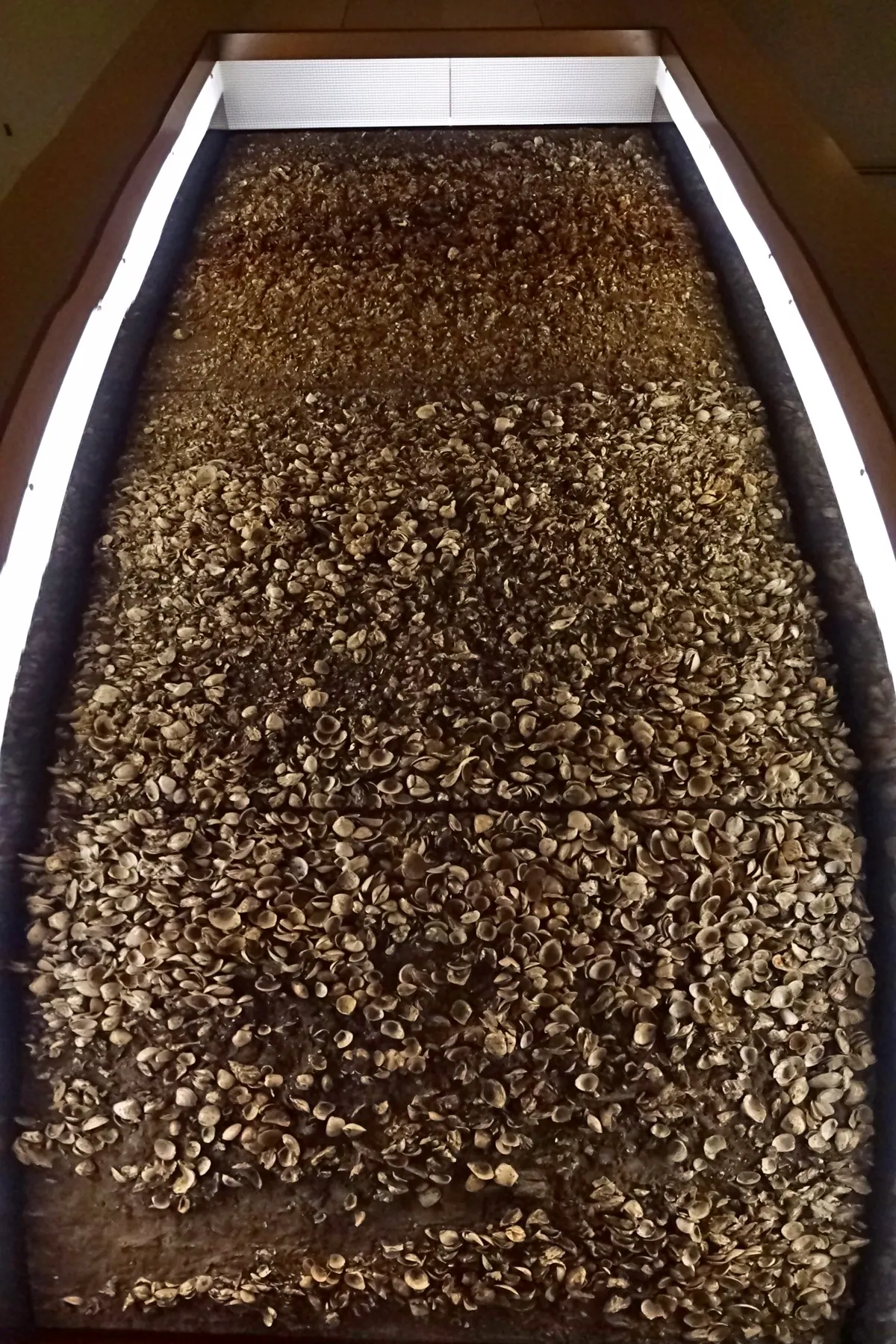
Explore a vast Jomon-era shell mound, a National Historic Site, revealing ancient processing techniques.
What it is
- A shell midden in Tokyo, designated a National Historic Site.
- Believed to be a large Jomon period shell processing plant.
- Known as 'Kakigara-yama' (oyster shell mountain) in the Edo period.
- First reported to academia in 1886.
What to see
- A shell mound 40 meters wide and 1 kilometer long.
- Accumulated oysters and clams reaching 4.5 meters high.
- Dish-shaped depressions used for shell processing.
- Adjacent Nakazato Site, an archaeological area.
Getting there
- Extends over 1 kilometer east of JR Kami-Nakazato Station.
03
Inogata-Ogawaduka Kofun
TOKYO · HISTORIC SITE 猪方小川塚古墳
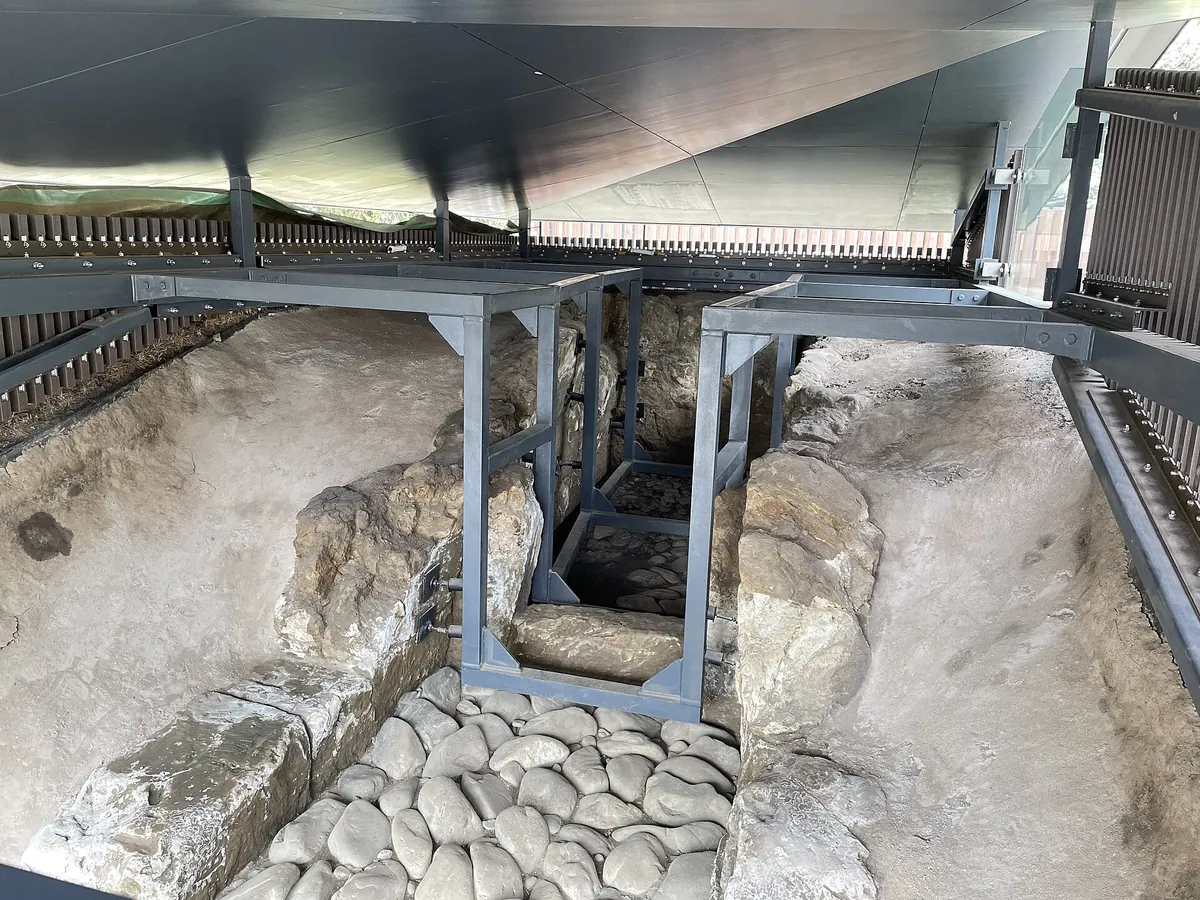
Explore ancient burial mounds of local leaders, offering a glimpse into 5th-7th century Tokyo history.
What it is
- A group of clustered tumuli in Komae City, Tokyo.
- Built between the mid-5th and mid-6th centuries.
- Buried individuals were likely local leaders.
- Some tumuli built from the early to late 7th century.
What to see
- 13 existing tumuli, 12 round and 1 scallop-shaped.
- The Kamezuka Kofun, largest in the Komae Kofun group.
- The Kabutozuka Kofun, a Tokyo Metropolitan Historic Site.
- The Kyozuka Kofun, third largest in the group.
- The Tsuchiyazuka Kofun, a Komae City cultural property.
- The Inogata-Ogawazuka Kofun has a tuff cut-stone chamber.
- Address
- 東京都狛江市猪方三丁目21-29 Map
04
Kabutoduka Kofun
TOKYO · HISTORIC SITE 兜塚古墳
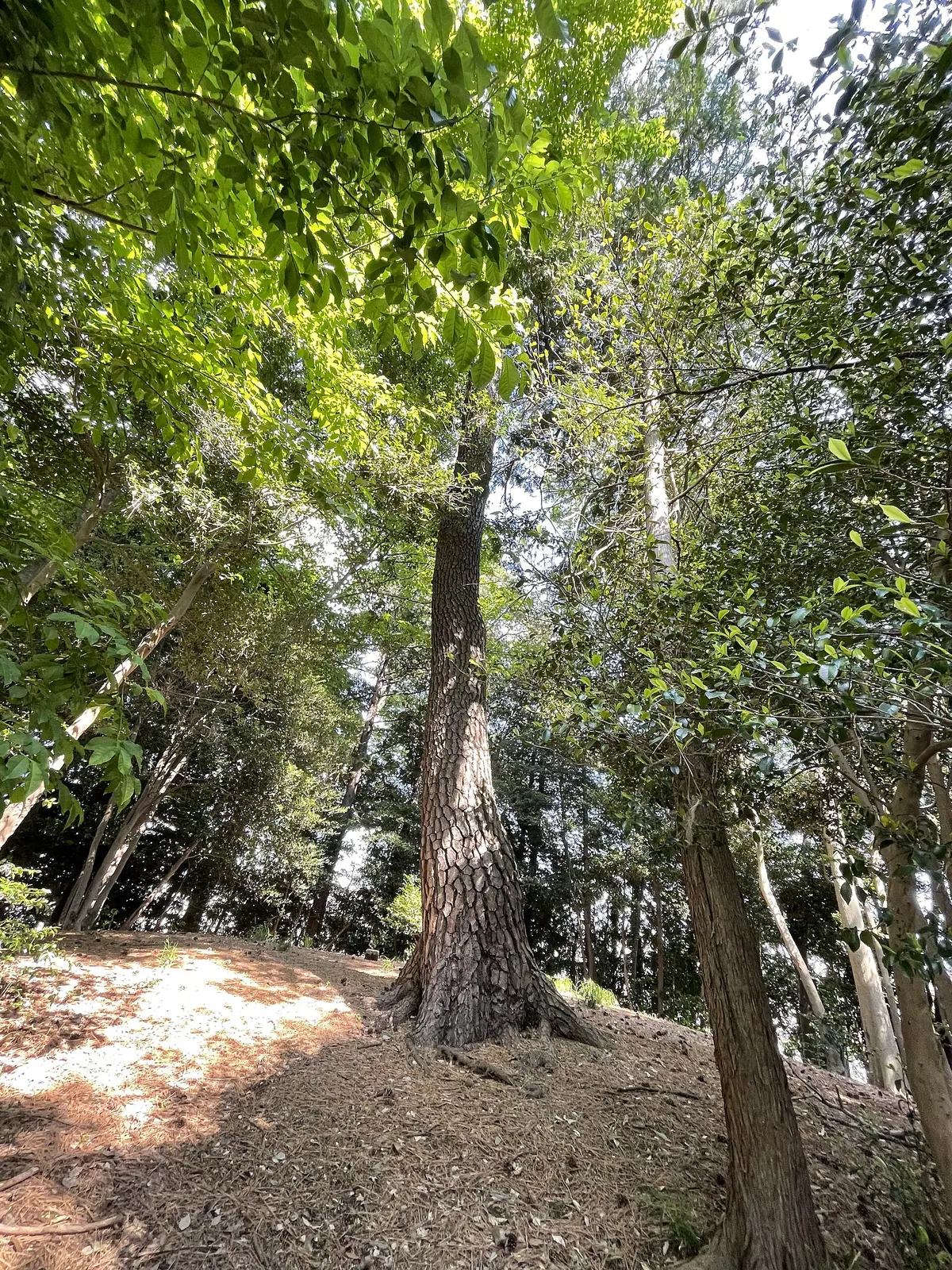
Explore Kabutoduka Kofun, a large ancient burial mound, for a glimpse into Komae's history.
What it is
- A circular burial mound, also known as Miyayama.
- Designated a Tokyo Metropolitan Historic Site.
- Second largest in the Komae Kofun Group.
- The entire area is city-owned land.
What to see
- Mound measures 43 meters in diameter and 5 meters high.
- With its moat, it measures 70 meters in diameter.
- The summit is the highest point in Komae City.
- A triangulation station is installed on the summit.
- It is located near Izumi Shrine.
When to go
- Accessible to visitors at all times.
- Address
- 東京都狛江市中和泉三丁目-23付近 Map
05
Inarizuka Kofun
TOKYO · HISTORIC SITE 稲荷塚古墳
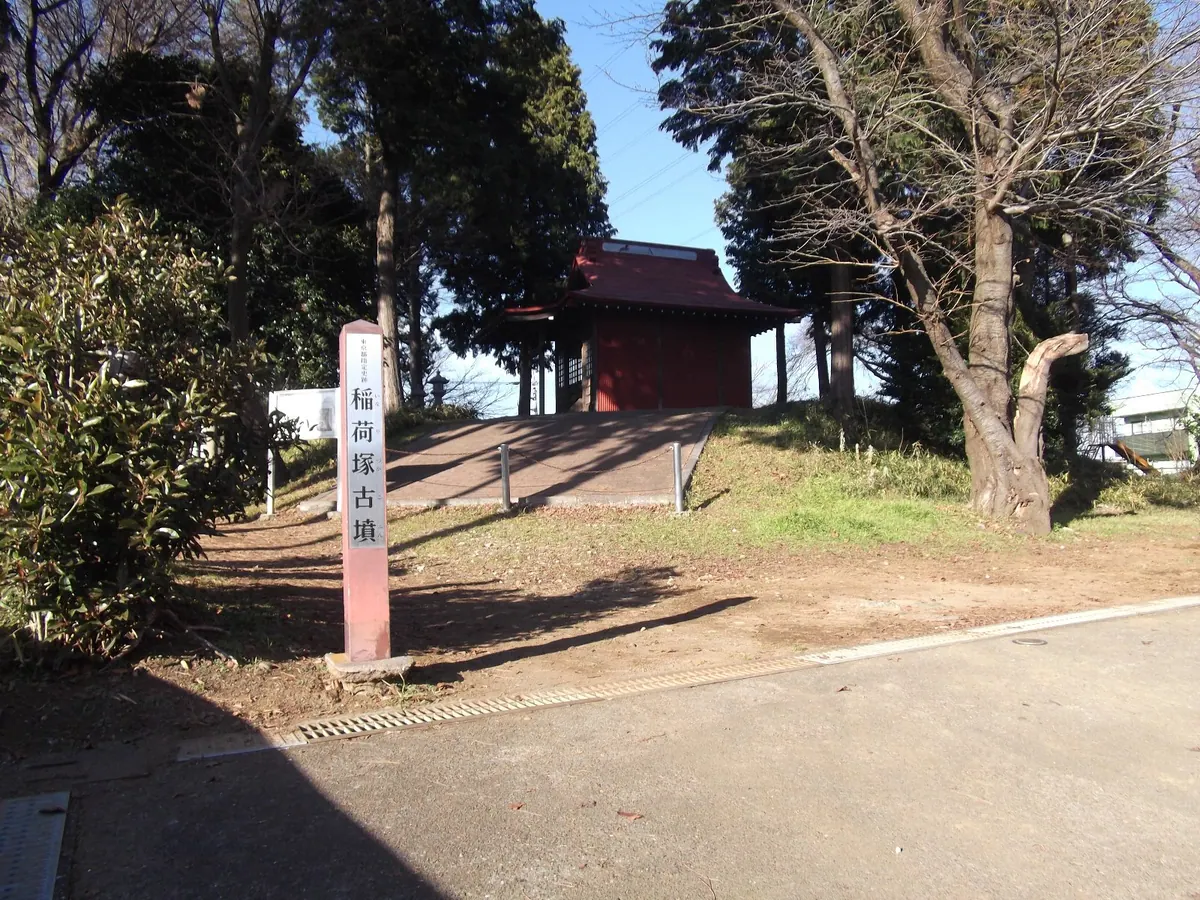
Explore a rare octagonal burial mound from the 7th century, a Tokyo Metropolitan Historic Site.
What it is
- A kofun (burial mound) from the early 7th century.
- Designated as a Tokyo Metropolitan Historic Site.
- Re-identified as a rare octagonal kofun.
- One of only about 15 octagonal kofun in Japan.
What to see
- The kofun has a total length of 38 meters.
- The burial chamber is reburied for protection.
- Original chamber was horizontal with three rooms.
- Chamber used cut tuff stones, had red powder and pebbles.
Getting there
- Accessible by bus from Seiseki-Sakuragaoka Station.
06
Musashidaihigashi Ruins
TOKYO · HISTORIC SITE 武蔵台東遺跡
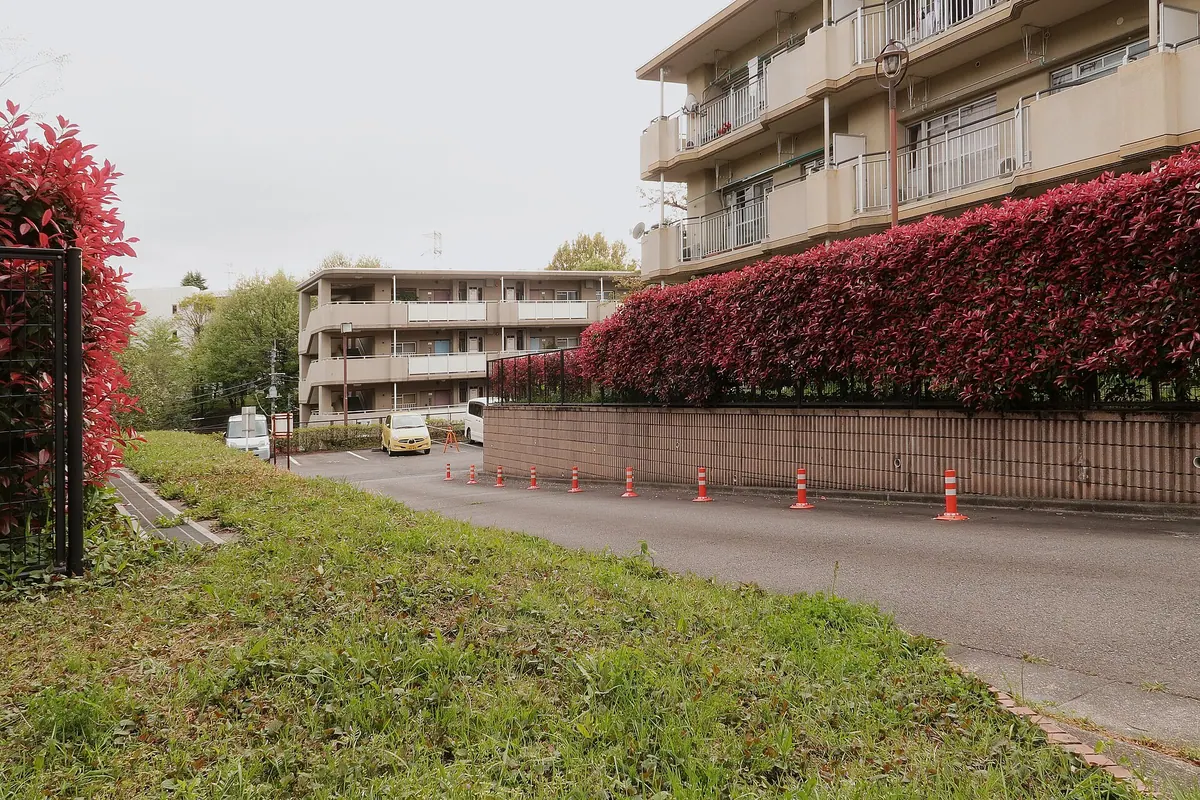
Explore ancient Tokyo history from Paleolithic to Heian periods at this significant archaeological site.
What it is
- A complex archaeological site in Fuchu City, Tokyo.
- Contains remains from Paleolithic to Jomon periods.
- Also includes artifacts from Nara and Heian periods.
- Part of the Musashi Kokubunji Temple Site related ruins.
What to see
- Unearthed animal-decorated handled pottery.
- Excavated stone tools and Jomon pottery.
- Clay figures found during excavations.
Getting there
- 12 minutes walk from Nishi-Kokubunji Station.
- 20 minutes walk from Kita-Fuchu Station.
07
Noge Ōtsuka Kofun
TOKYO · HISTORIC SITE 野毛大塚古墳
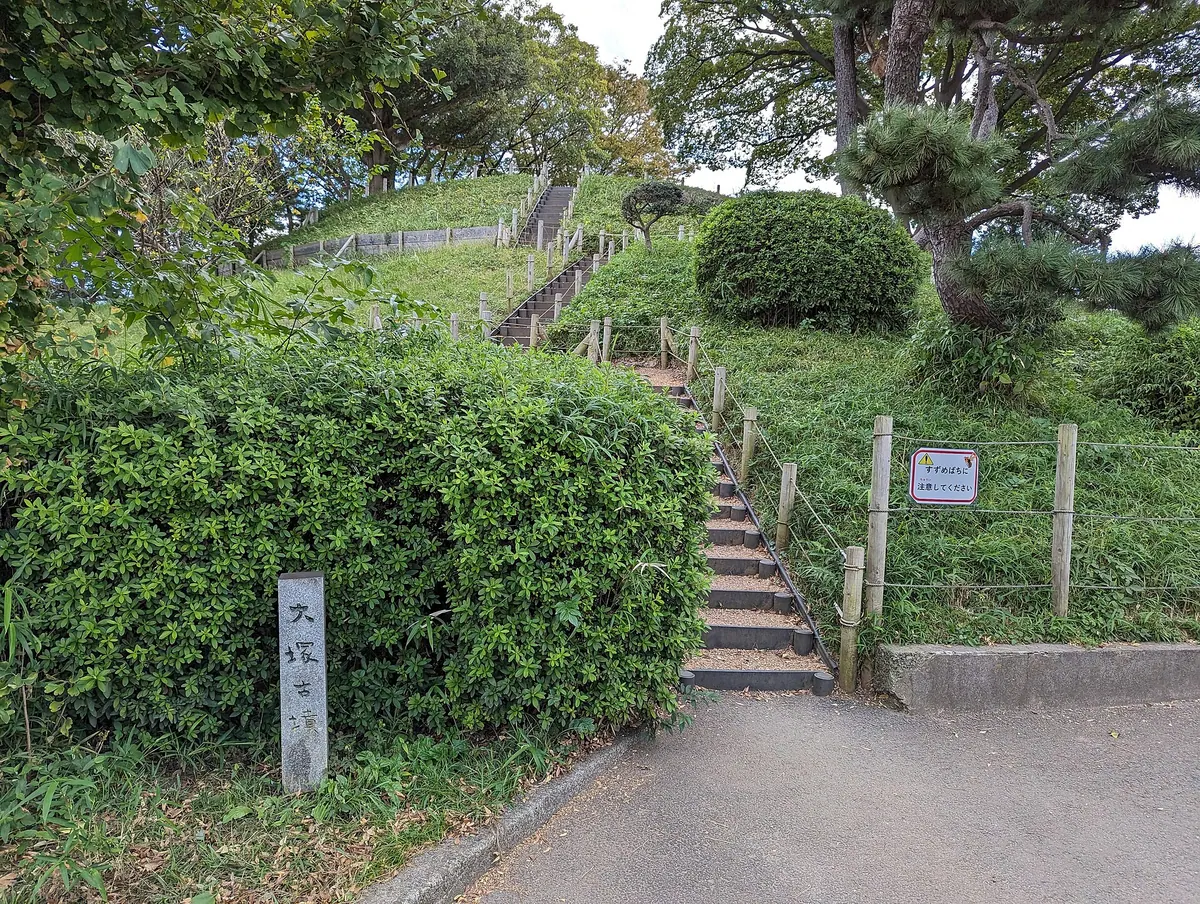
Explore a large, ancient burial mound in Tokyo with significant historical artifacts.
What it is
- A scallop-shell shaped kofun (burial mound).
- Designated a Tokyo Metropolitan Government historic site.
- Excavated artifacts are National Important Cultural Properties.
- Setagaya Ward archaeological site number 127.
What to see
- The kofun is 82 meters long and 66 meters in diameter.
- The mound stands 11 meters high.
- It is located within Tamagawa Nogemachi Park.
- A stone coffin was discovered during excavation.
- Four coffins for burial were found in the circular part.
08
Moro Heritage Site
TOKYO · HISTORIC SITE 茂呂遺跡
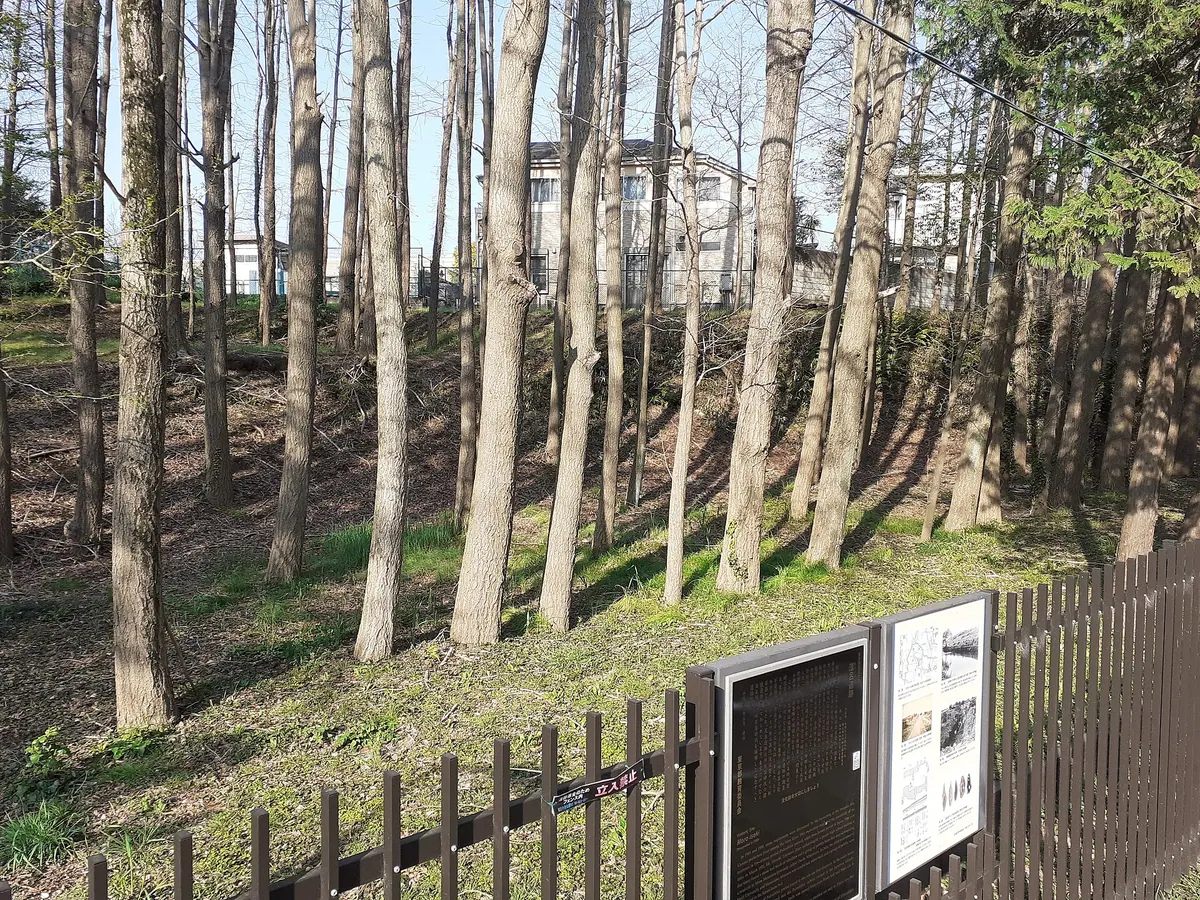
Explore Japan's earliest human history at Tokyo's first Paleolithic site.
What it is
- A complex site from the Paleolithic to Heian periods.
- Tokyo's first confirmed Paleolithic site.
- Designated a Tokyo historic site in 1969.
- Second confirmed Paleolithic site in Japan.
What to see
- Paleolithic artifacts are Tokyo-designated cultural properties.
- 22 excavated stone tools are tangible cultural properties.
- Blade-shaped stone tools named "Moro-gata knife-shaped stone tools."
Getting there
- Located within Jōhoku Chūō Park.
- Address
- 173-0037 東京都板橋区小茂根5-17 都立城北中央公園苗圃場内 Map
09
Komae Kofun Cluster
TOKYO · HISTORIC SITE 狛江古墳群
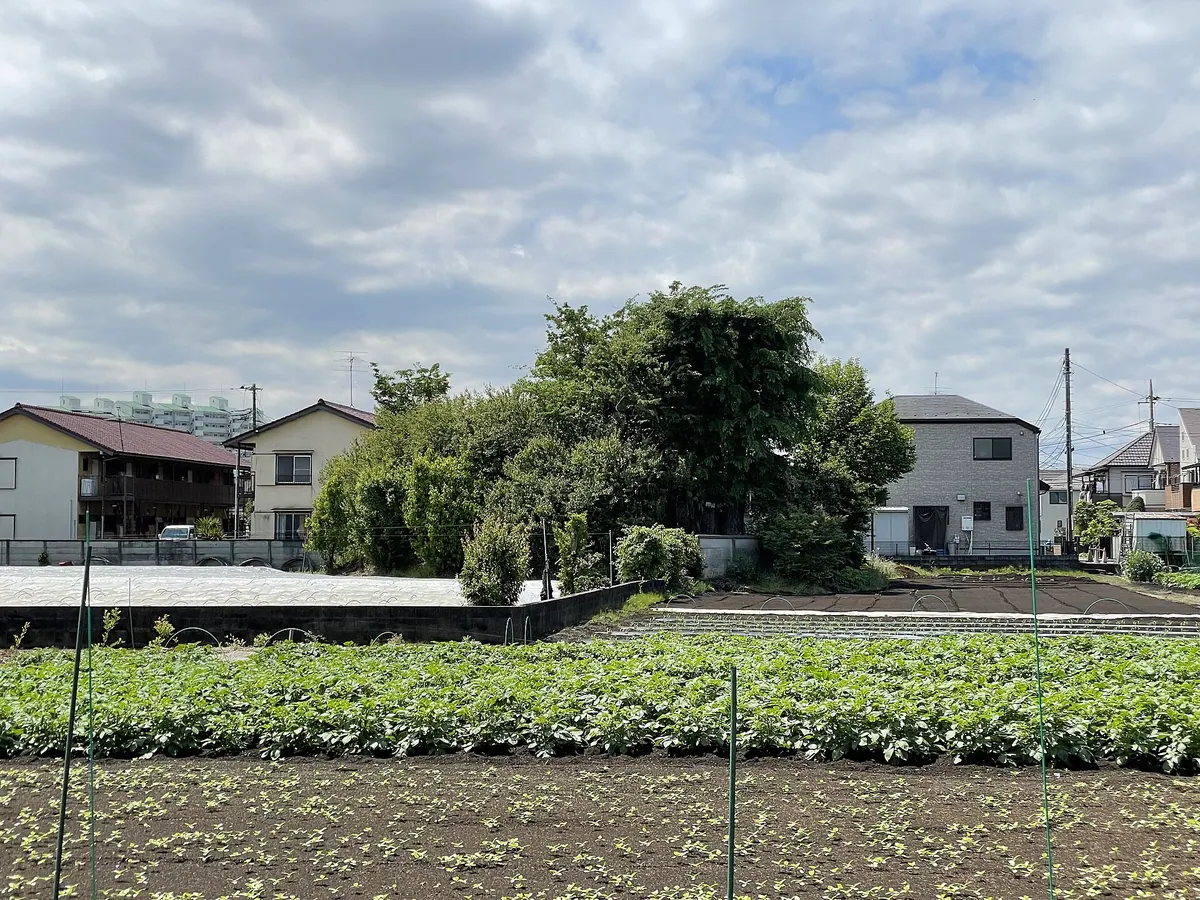
Explore ancient burial mounds in Tokyo, offering a glimpse into Japan's Kofun period history.
What it is
- A cluster of kofun (burial mounds) in Komae City, Tokyo.
- Also known as Komae Hyakuzuka.
- Most kofun were built between the mid-5th and mid-6th centuries.
- Consists of 12 circular kofun and one scallop-shaped kofun.
What to see
- Thirteen kofun currently exist.
- The largest is Kamezuka Kofun.
- Kabutozuka Kofun is a designated historic site.
- Inogata Ogawazuka Kofun has a horizontal stone chamber.
- Tsuchiyazuka Kofun is a designated cultural property.
10
Ikō Site
TOKYO · HISTORIC SITE 伊興遺跡
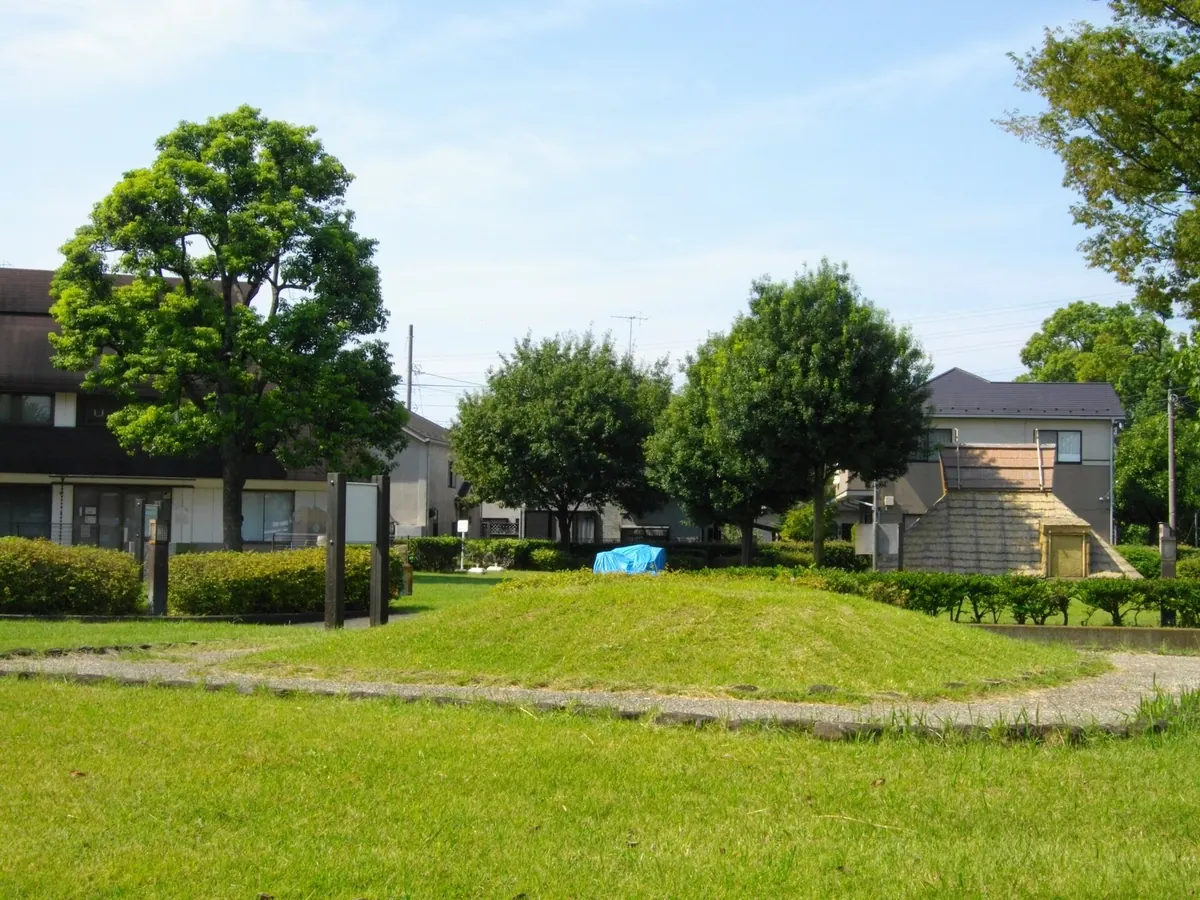
Explore ancient settlement ruins and artifacts from the Kofun period in Tokyo.
What it is
- A complex of ruins in Adachi City, Tokyo.
- Centers on a Kofun period settlement.
- Part of the site is maintained as Ikō Site Park.
- Located on a natural levee.
What to see
- Jomon pottery from 4000 years ago was excavated.
- Artifacts from the early Kofun period were excavated.
- Settlement remains from the middle Kofun period.
- Ritual artifacts from the middle Kofun period.
- Square-ditched tombs were found.
- Pit dwellings were found.
11
Suribachiyama Kofun
TOKYO · HISTORIC SITE 摺鉢山古墳
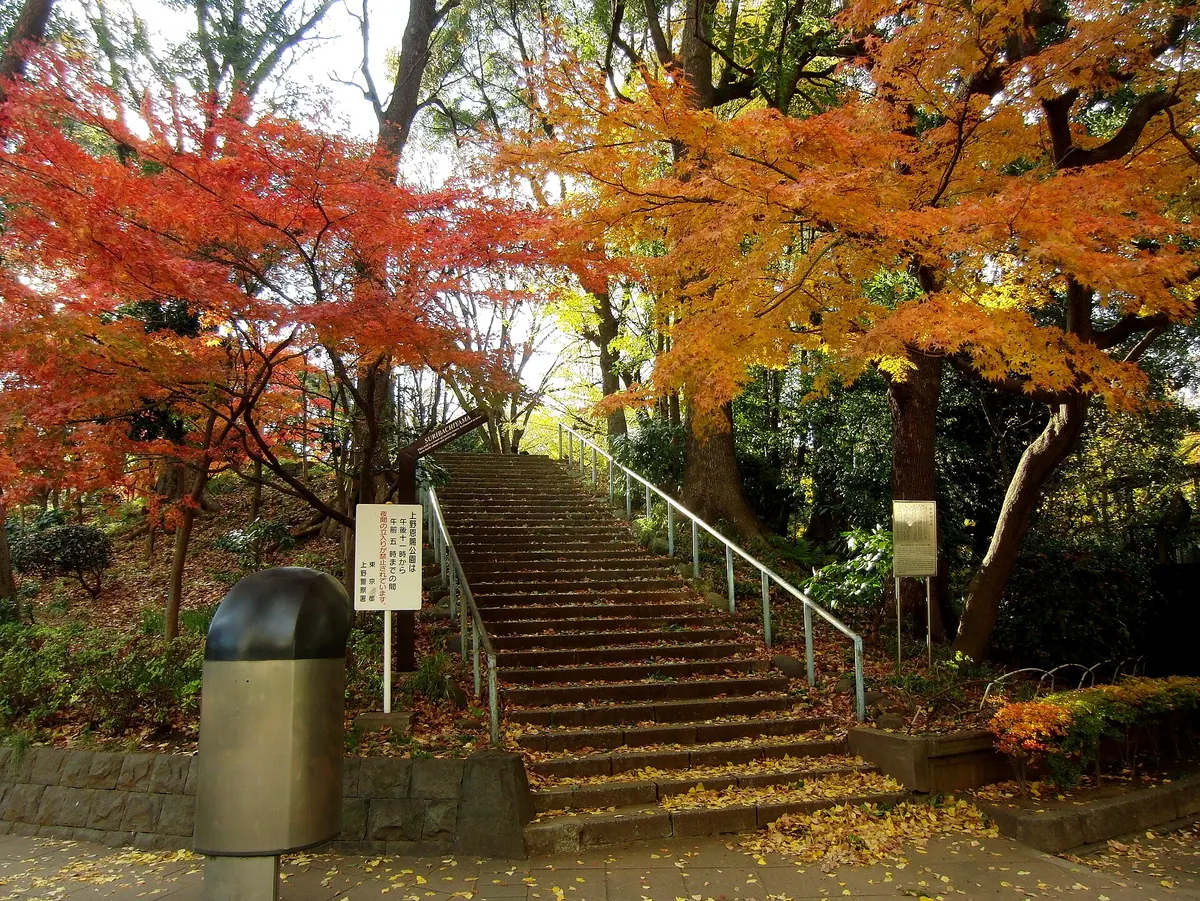
Explore Tokyo's largest ancient keyhole-shaped tomb, offering a glimpse into early Japanese history.
What it is
- A keyhole-shaped kofun, an ancient burial mound.
- Part of the Shichiku River Kofun Group.
- Its name means 'mortar bowl mountain' from its shape.
- Tokyo's largest kofun, located on Ueno Plateau.
What to see
- The 70-meter long keyhole-shaped mound.
- The 43-meter diameter, 5-meter high circular rear.
- The 23-meter wide rectangular front.
- Site where Gojo Tenjin shrine stood in 1487.
- Site where Kiyomizu Kannon-do temple stood in 1631.
12
Kamenokoyama Kofun
TOKYO · HISTORIC SITE 亀甲山古墳
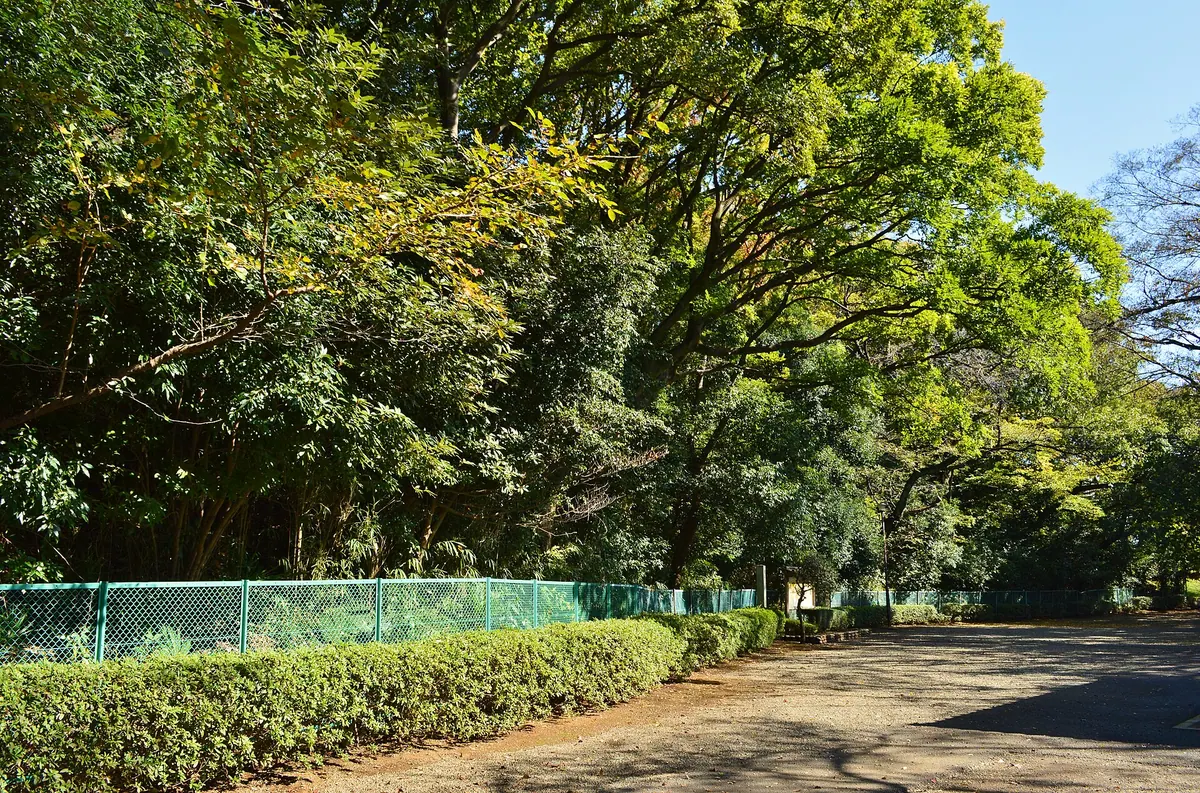
Explore Tokyo's largest ancient burial mound, a keyhole-shaped tumulus from the 4th-5th century.
What it is
- A keyhole-shaped tumulus, part of the Ebaradai Kofun group.
- Designated as a National Historic Site in 1928.
- Constructed in the late 4th to early 5th century.
What to see
- A 107.25-meter long burial mound with two tiers.
- Largest tumulus in the southern Musashi region.
- Located within Tamagawadai Park.
- View the tumulus from outside the fenced area.
Getting there
- 5-minute walk from Tamagawa Station.
13
Shimomiwa Gyokudayato Corridor Tombs
TOKYO · HISTORIC SITE 下三輪玉田谷戸横穴墓群
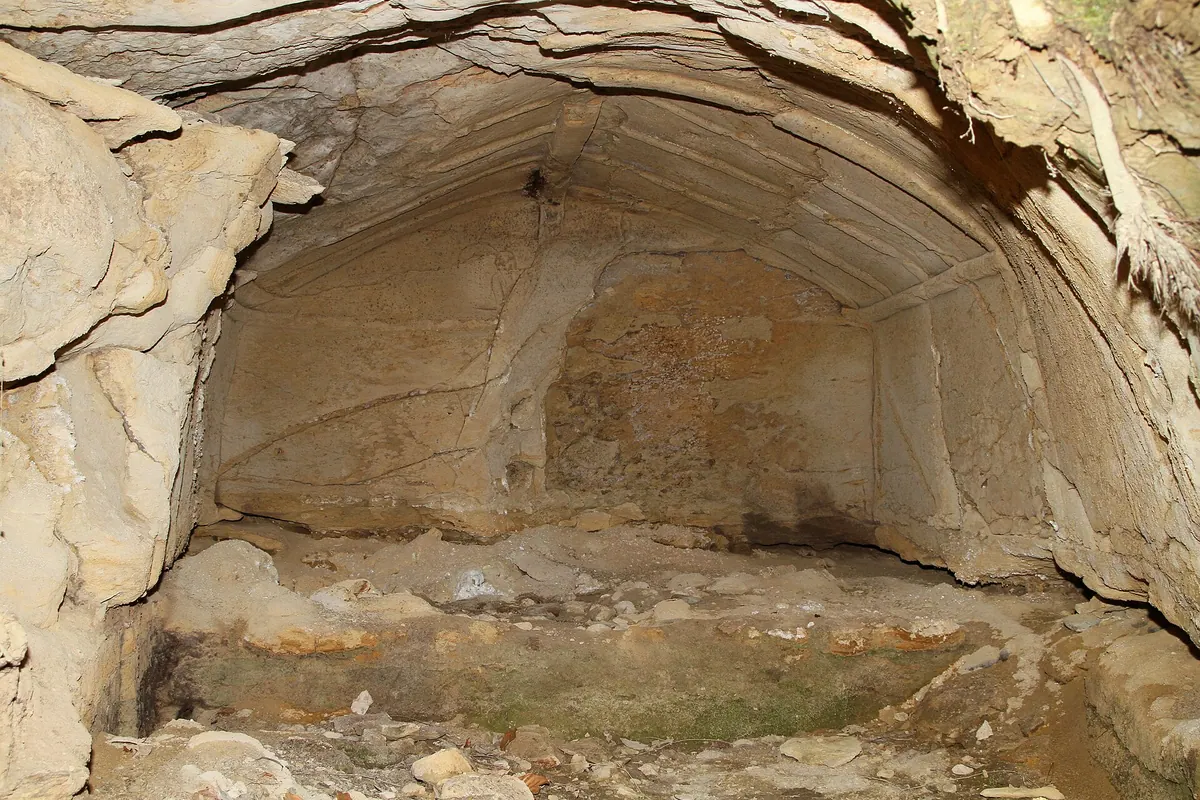
Ancient horizontal tombs in Tokyo, featuring rare house-shaped burial chambers from the Kofun period.
What it is
- A group of horizontal tombs, also known as Gyokudayato Yokoanabogun.
- Dates from the late Kofun to Asuka periods.
- Discovered in 1927, designated a historic site in 2008.
- A Tokyo Metropolitan Designated Historic Site.
What to see
- Four confirmed horizontal tombs.
- Tomb No. 1 and No. 3 have house-shaped burial chambers.
- House-shaped burial chambers are rare nationally.
- The site is protected by a fence.
14
Suzuki Site
TOKYO · HISTORIC SITE 鈴木遺跡
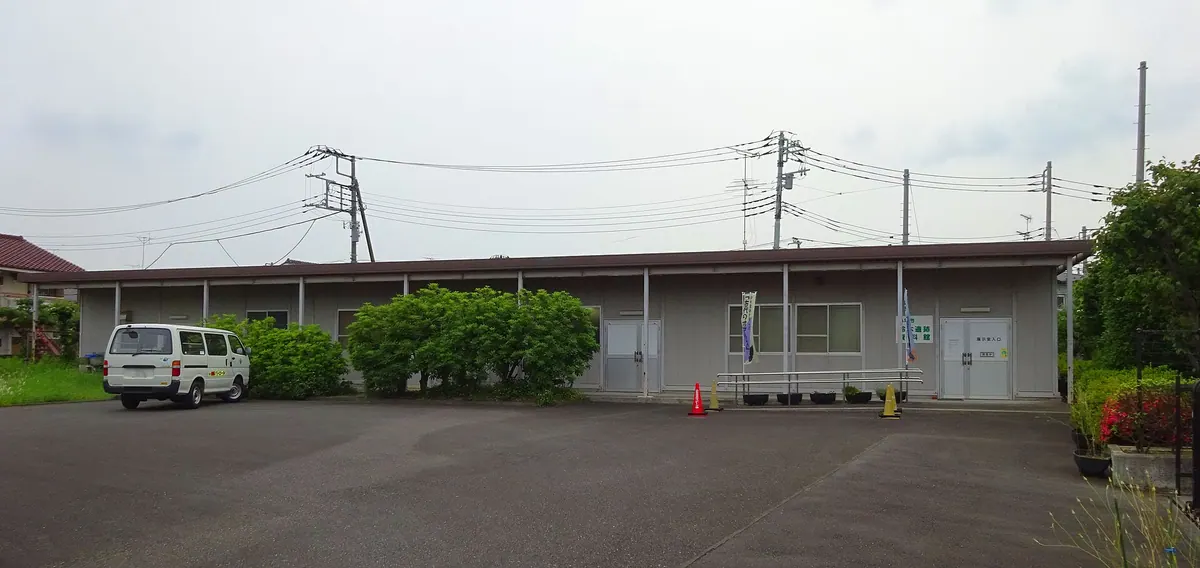
Explore a unique archaeological site in Tokyo, showcasing Japan's ancient history from the Paleolithic era.
What it is
- A complex archaeological site in Kodaira City, Tokyo.
- Primarily features the Late Paleolithic period.
- Includes Jomon and early modern period remains.
- Designated a National Historic Site in 2021.
What to see
- Suzuki Site Museum exhibits Paleolithic artifacts.
- Over 50 excavation locations have been identified.
When to go
- Museum is open on Sundays, Wednesdays, and Saturdays.
15
Kurihara Ruins
TOKYO · HISTORIC SITE 栗原遺跡
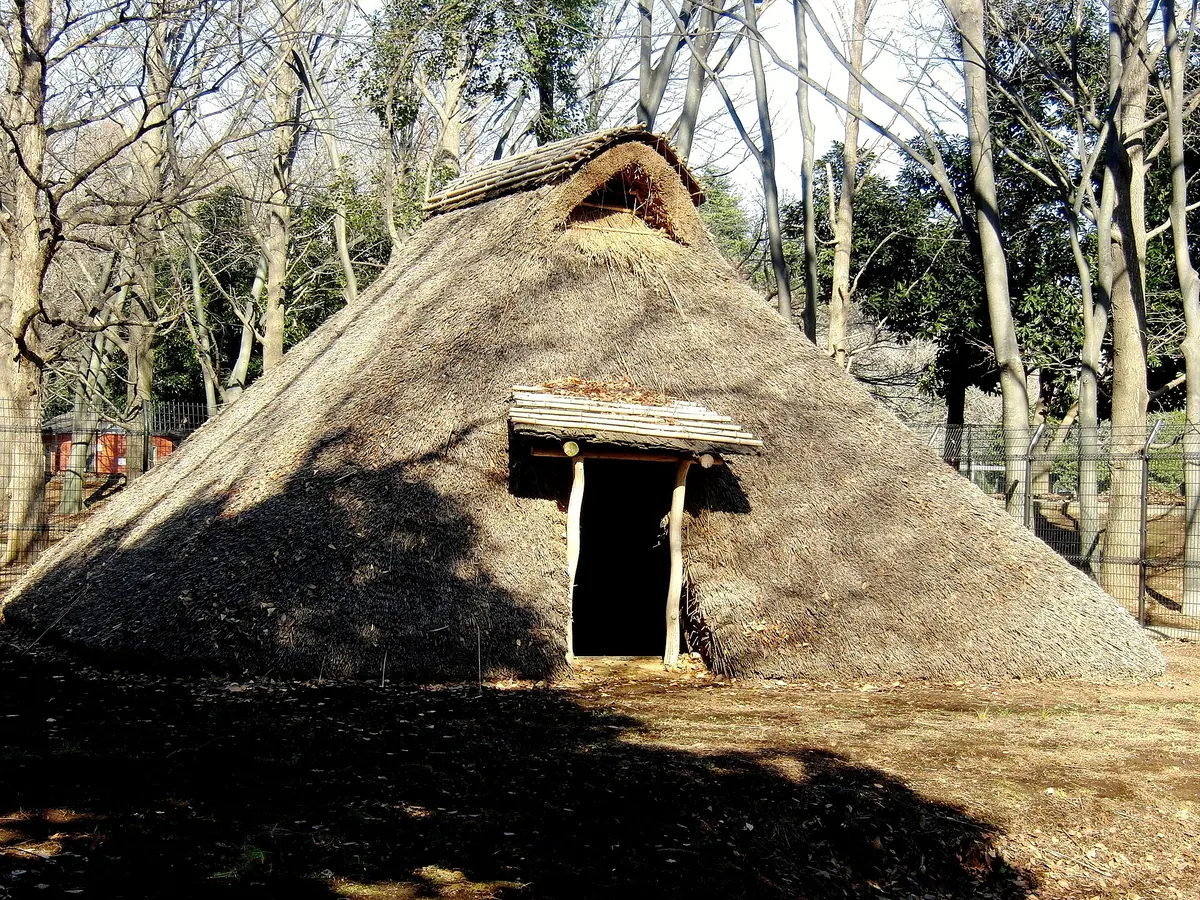
Explore ancient Japanese history from Paleolithic to Heian periods at this archaeological site.
What it is
- A complex archaeological site, excavated in 1955.
- Named after the old local name 'Kurihara'.
- Registered as a Nerima Ward historic site in 1988.
What to see
- Restored pit dwelling from the early 8th century.
- Artifacts from Paleolithic to Heian periods.
- Obsidian tools from the Kanto Loam Layer.
- Jomon pottery excavated from the site.
- Traces of pit dwellings from Yayoi to Heian periods.
16
Inaridai Site
TOKYO · HISTORIC SITE 稲荷台遺跡 (板橋区)
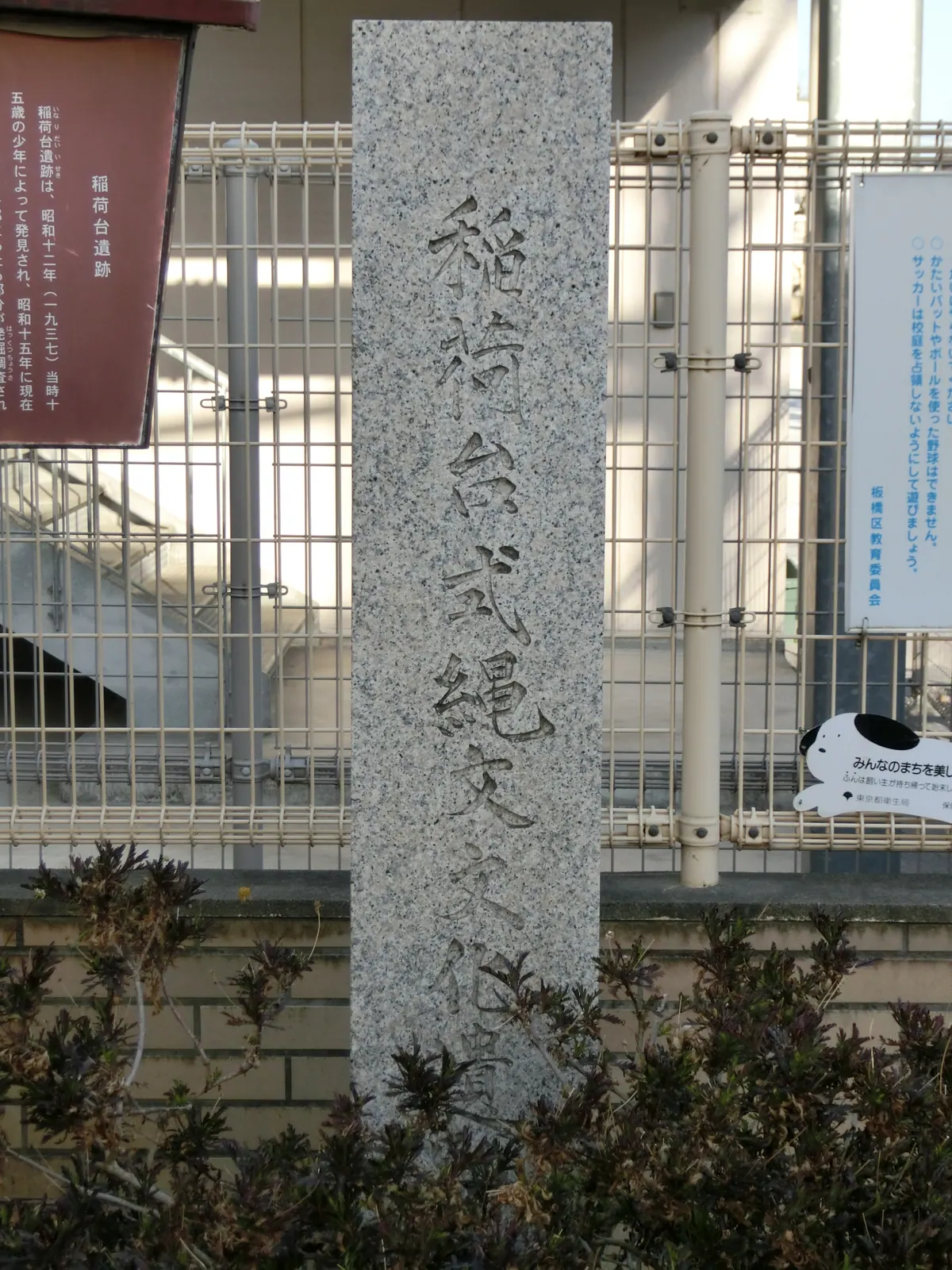
Explore an archaeological site with artifacts from the Jomon period to early modern times.
What it is
- A complex archaeological site in Tokyo.
- Spans from the Jomon period to the early modern period.
- Confirmed in 1937, full excavations began in 1939.
- Registered as a historic site by Itabashi City.
What to see
- Jomon pottery with vertical twisted cord patterns.
- Excavated artifacts are Tokyo Metropolitan Tangible Cultural Properties.
- Site is a type site for early Jomon period pottery.
17
Nojima Maru
TOKYO · HISTORIC SITE 野島 (給炭艦)
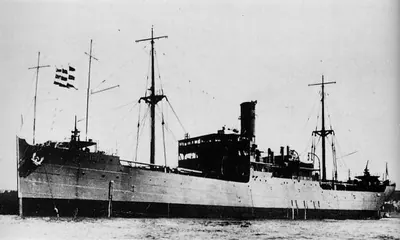
Explore the history of Nojima Maru, the last Imperial Japanese Navy collier, and its wartime service.
What it is
- It was the second ship of the Muroto-class collier.
- Named after Cape Nojima.
- Completed in March 1919 at Mitsubishi Kobe Shipyard.
- Last collier built by the Imperial Japanese Navy.
What to see
- Learn about its construction in 1917.
- Discover its launch date of February 3, 1919.
- See details of its boiler replacement in 1930.
- Understand its role in transport operations in Rabaul.
18
Shirahataduka Kofun
TOKYO · HISTORIC SITE 白旗塚古墳
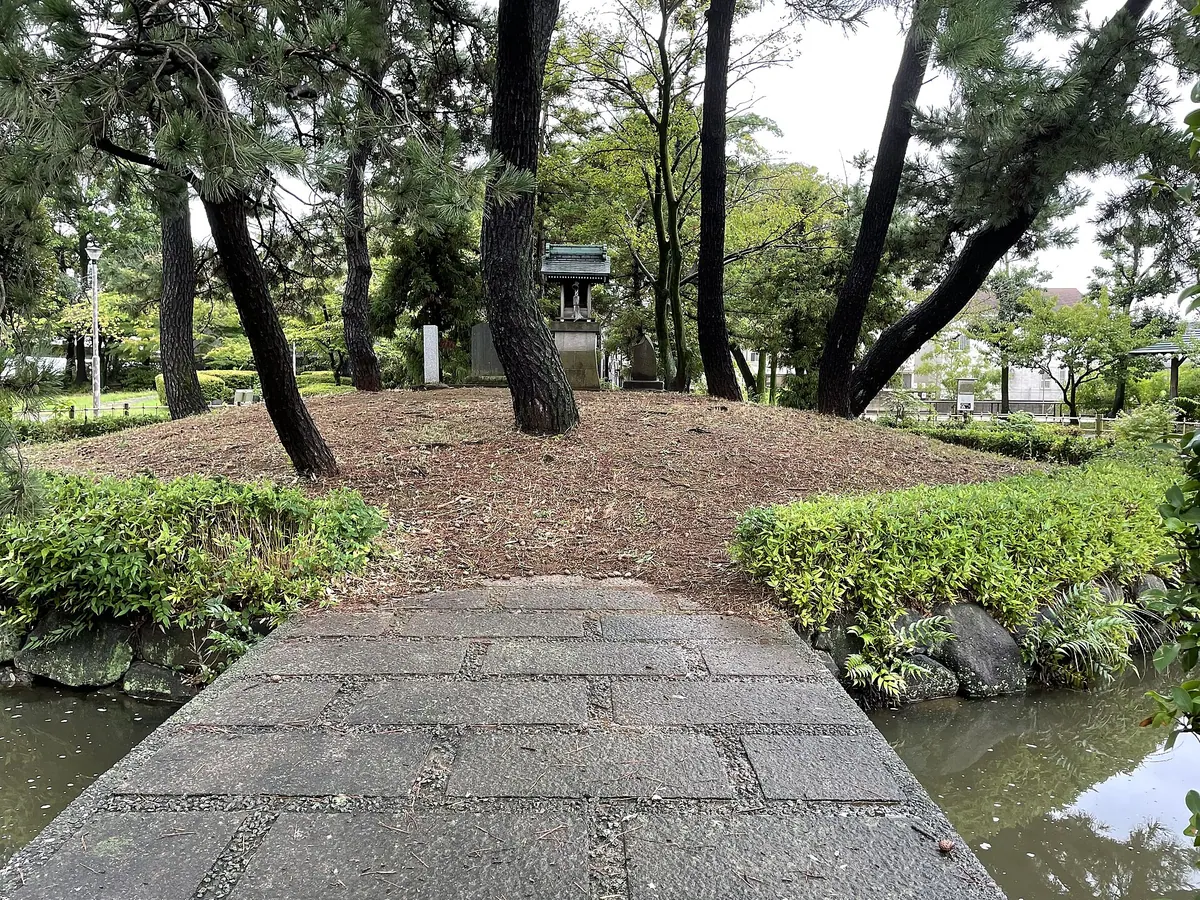
Explore a 6th-century burial mound, the last of its kind, with haniwa statues in a peaceful park.
What it is
- A circular burial mound, Shirahataduka Kofun.
- Dates from the early 6th century.
- Designated a Tokyo Metropolitan Historic Site in 1975.
- Only remaining kofun from the Iko Kofun Group.
What to see
- The Shirahataduka Kofun burial mound.
- Stone monument within the park.
- Haniwa statues in the park.
Getting there
- 11-minute walk from Takenotsuka Station.
19
Tabata Site
TOKYO · HISTORIC SITE 田端遺跡
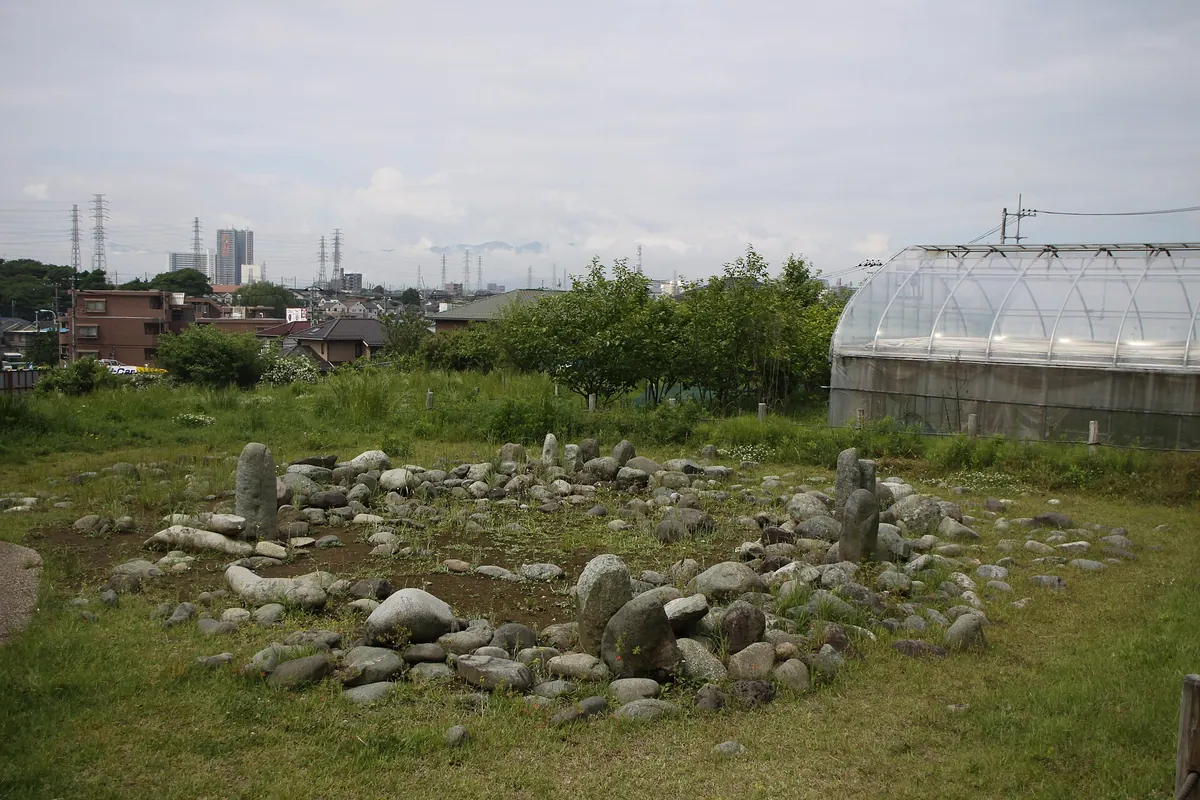
Explore a Jomon-era stone circle and settlement, a Tokyo Historic Site, just a short walk from the station.
What it is
- A Jomon period stone circle and settlement.
- Designated a Tokyo Historic Site in 1971.
- Machida City purchased the land for preservation.
What to see
- Replicas of stone circles.
- An oval stone circle, 9 by 7 meters.
- Evidence of about 150 pit dwellings.
- Kasori B type pottery was unearthed here.
Getting there
- A 5-minute walk from Tamasakai Station.
- Address
- 東京都町田市小山町3112-2 Map
20
Kogasaka Stone Age Site
TOKYO · HISTORIC SITE 高ヶ坂石器時代遺跡
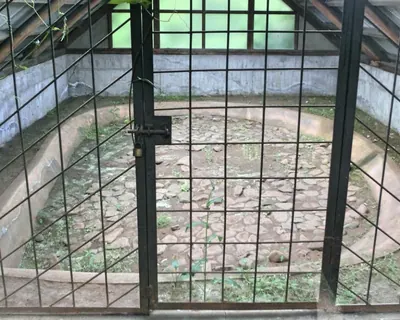
Explore Japan's first confirmed Jomon paved buildings at this National Historic Site.
What it is
- A Jomon period settlement site.
- Designated a National Historic Site on February 24, 1926.
- Consists of three ruins: Roba, Inariyama, and Hachimandaira.
What to see
- Jomon period handle-mirror-shaped paved buildings.
- First confirmed structure of its type in Japan.
- Roba ruins: oval paved building remains with a hearth.
- Hachimandaira ruins: circular paved building remains.