

20 Historic sites in Kyoto worth your time
Japan Gems
Kyoto Prefecture has 14 heritage sites, including Wakutayamakofungun and Chitose Kurumazuka Kofun. These sites offer a look into Japan's ancient past.
Kyoto has 23 historic sites on Japan Gems. Below are the 20 we can tell you the most about — each one written up in English from Japanese sources, with what to see and how to get there. See all historic sites in Kyoto.
01
Otani Kofun (Kyotango City)
KYOTO · HISTORIC SITE 大谷古墳
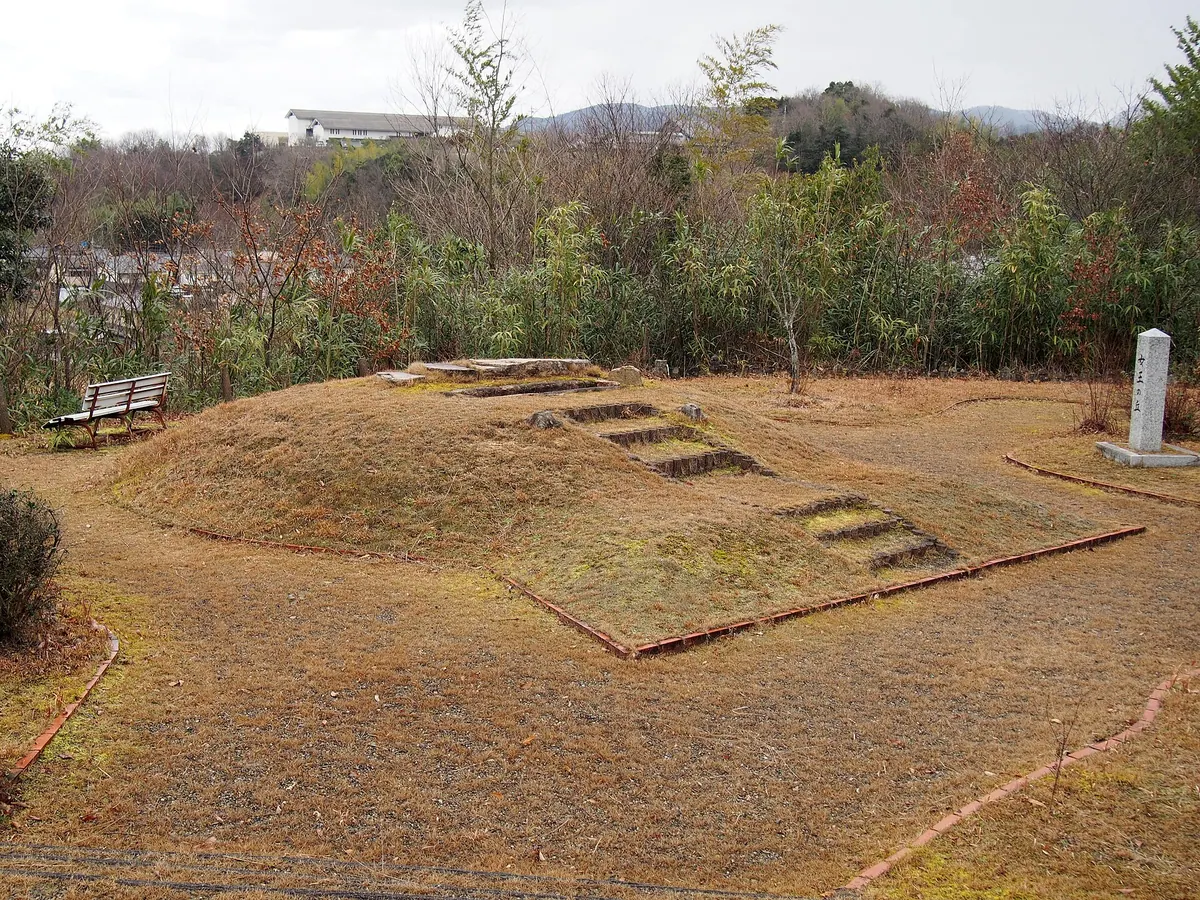
Ancient burial mound with rare human remains and treasures, offering a glimpse into 5th-century Japan.
What it is
- A scallop-shaped keyhole-shaped tumulus.
- Built in the first half of the 5th century.
- Discovered during an archaeological survey in 1987.
- Original site is now part of a factory.
What to see
- A park with a quarter-scale restoration of the tumulus.
- Excavated stone coffin and artifacts are cultural properties.
- Complete human remains of an adult female were found.
- Three sacred treasures: a mirror, a jewel, and a sword.
- Tumulus has a total length of 32 meters.
- Posterior circular part has a diameter of 26 meters.
02
Ōtaminami No. 5 Burial Mound
KYOTO · HISTORIC SITE 大田南5号古墳

See Japan's oldest dated mirror from this ancient burial mound.
What it is
- A rectangular burial mound, part of the Ota Minami Kofun-gun.
- It is located in Kyotango City, Kyoto Prefecture.
- It dates back to at least 235 AD.
What to see
- The mound contains four burial facilities.
- The main burial facility is a stone coffin.
- A square-rimmed four-god mirror was excavated here.
- The mirror is a National Important Cultural Property.
- It is Japan's oldest dated mirror, inscribed 235 AD.
Getting there
- Located on a hill west of the Takeno River.
03
Akasakaimai Tumuli
KYOTO · HISTORIC SITE 赤坂今井墳墓
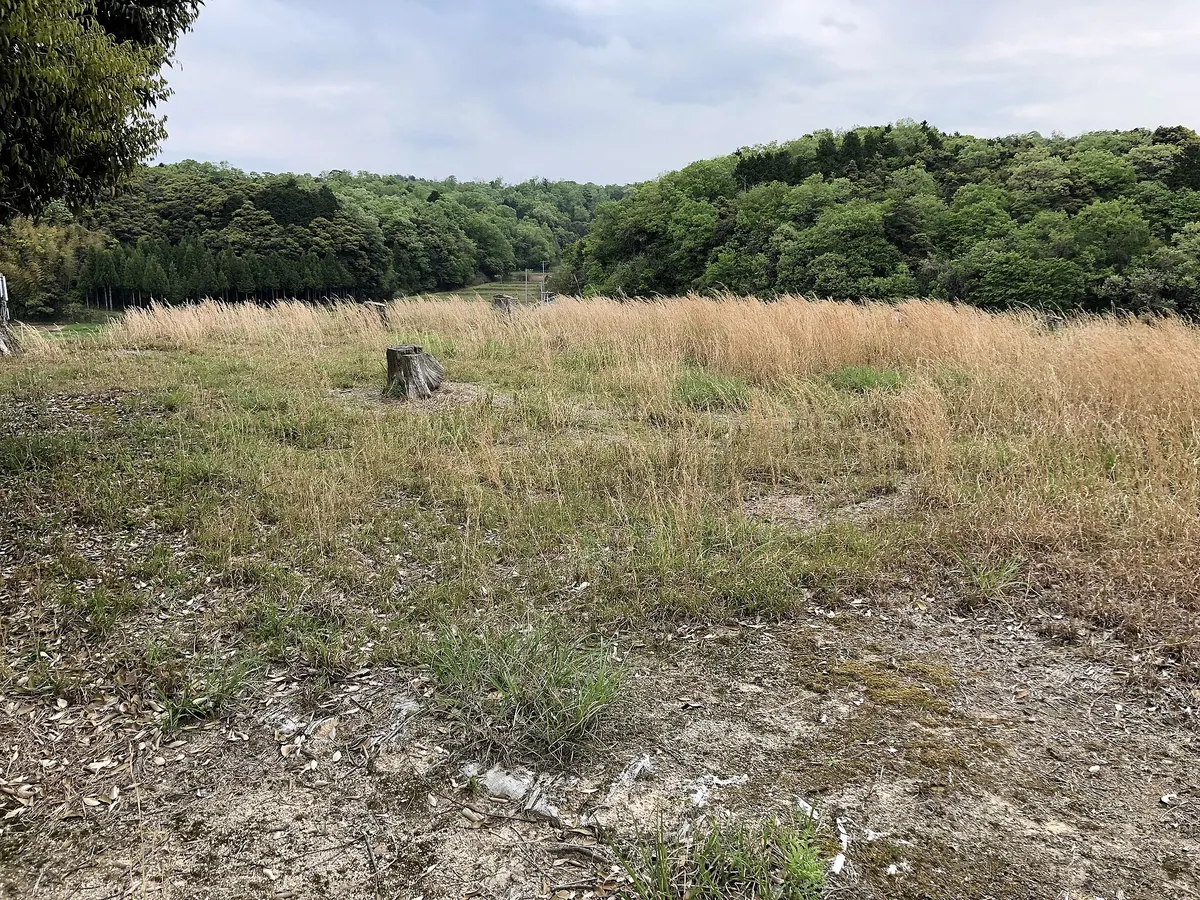
Explore a rare Yayoi period tumulus with unique burial structures and artifacts from ancient Japan.
What it is
- A late Yayoi period tumulus, Akasakaimai Tumuli.
- Designated as a National Historic Site.
- Contains burial facilities from ancient times.
What to see
- A truncated conical tumulus, 4 meters high.
- Base measures 39 meters north-south, 36 meters east-west.
- Flat top measures 27 meters north-south, 25 meters east-west.
- 6 burial facilities on the summit, 19 at the base.
- Boat-shaped and box-shaped wooden coffins.
- Excavated jade beads, glass beads, iron swords, iron tools.
04
Bōzuzuka Kofun
KYOTO · HISTORIC SITE 坊主塚古墳
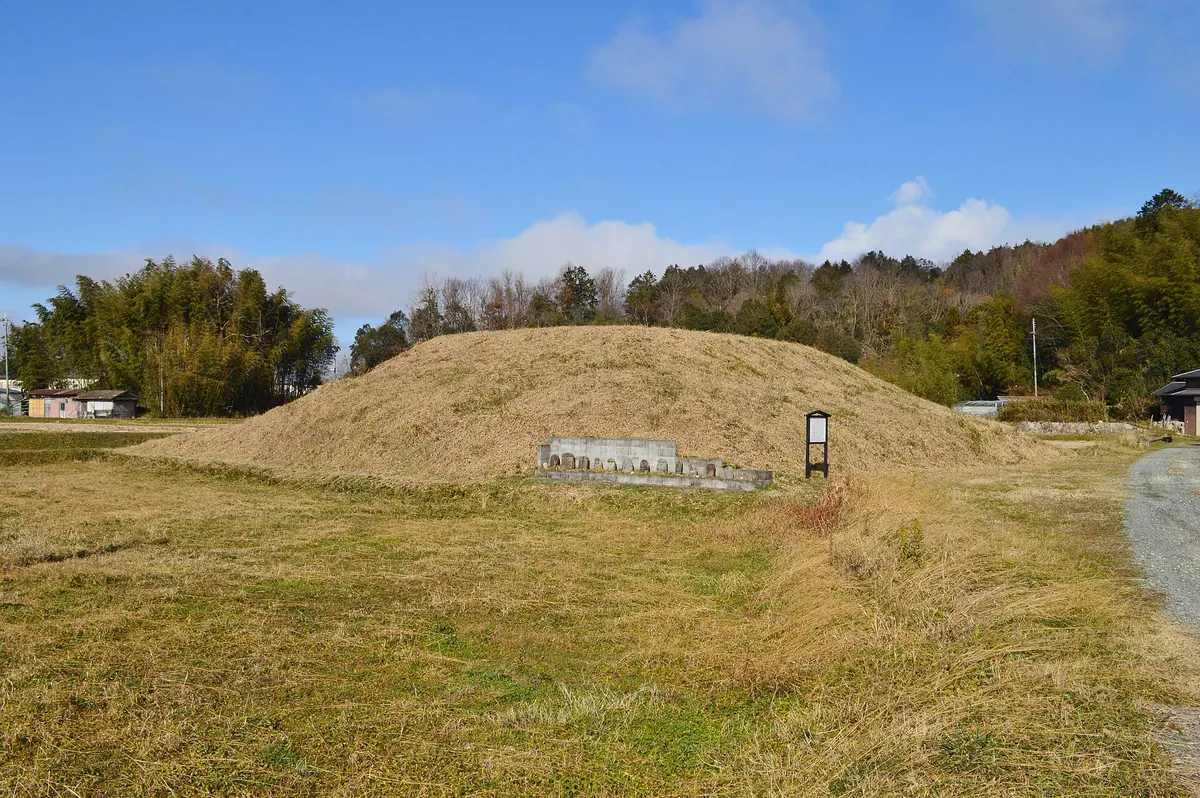
Explore a 5th-century burial mound with unique artifacts, offering a glimpse into ancient Japanese history.
What it is
- A kofun (burial mound) in Kameoka City, Kyoto Prefecture.
- Built around the latter half of the 5th century.
- Excavation surveys conducted in 1956 and from 1998 onwards.
What to see
- A square-shaped mound, 38 meters per side, 5 meters high.
- Mound constructed in two tiers.
- Cylindrical and figurative Haniwa found on the exterior.
- A surrounding moat and outer embankment.
- A direct burial facility with a wooden coffin.
- Grave goods: spear, bronze mirror, armor, weapons.
05
Inouchi Inarizuka Kofun
KYOTO · HISTORIC SITE 井ノ内稲荷塚古墳
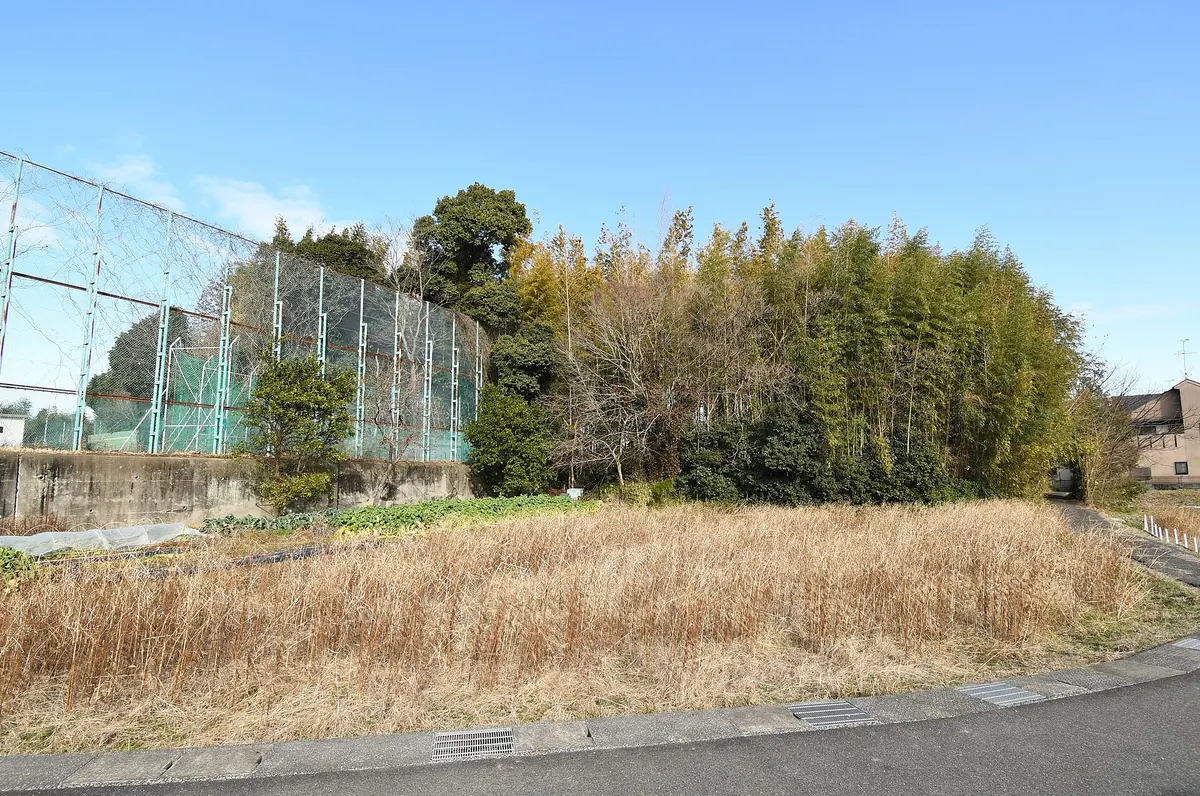
Explore a 6th-century chief's tomb, a keyhole-shaped mound with unique burial facilities.
What it is
- A keyhole-shaped tumulus from the early 6th century.
- Part of the Otokuni Kofun Group.
- Designated a National Historic Site.
- Considered a chief's tomb of its period.
What to see
- A mound built on a low terrace at 42 meters elevation.
- No terracing, fukiishi, or haniwa on the mound.
- Two burial facilities: a stone chamber and a wooden coffin.
- Stone chamber measures 10.1 meters in total length.
- Excavated artifacts include horse trappings, sword fittings, and pottery.
06
Igenoyama Kofun
KYOTO · HISTORIC SITE 恵解山古墳
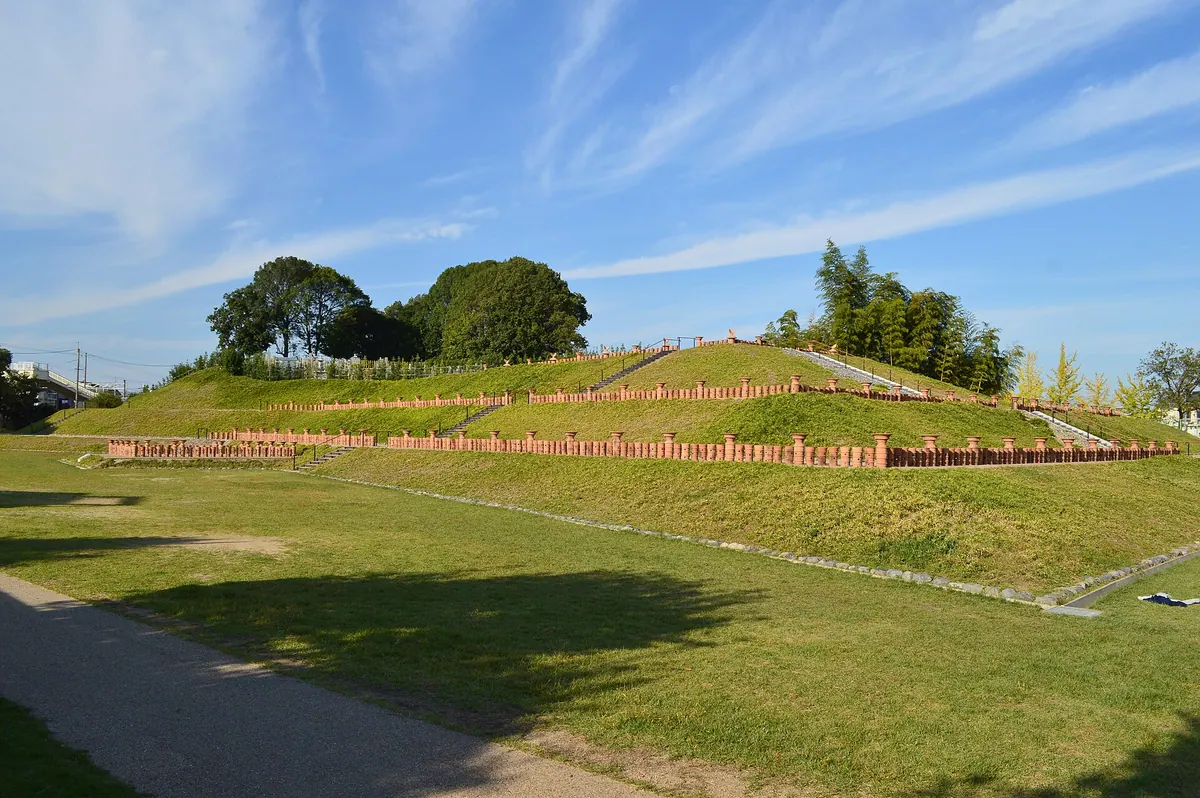
Explore a large, ancient keyhole-shaped tomb with significant historical artifacts.
What it is
- A kofun (ancient burial mound) in Nagaokakyo City.
- Designated a National Historic Site since 1981.
- Became Igenoyama Kofun Park in 2014.
- Estimated to have been built in the 5th century.
What to see
- Largest keyhole-shaped tumulus in the Otokuni region.
- Total length is approximately 128 meters.
- See confirmed haniwa rows and fukiishi.
- Excavated artifacts are Kyoto Prefecture Tangible Cultural Property.
- More than 700 iron weapons were unearthed.
07
Gobyōno Kofun
KYOTO · HISTORIC SITE 御廟野古墳

Visit this rare octagonal kofun, the tomb of Emperor Tenji, a model for imperial tombs.
What it is
- An octagonal kofun, an ancient burial mound.
- Designated as Yamashina-no-misasagi by the Imperial Household Agency.
- It is the tomb of Emperor Tenji.
- Built between the late 7th and 8th centuries.
What to see
- The upper circular part is about 46 meters across.
- The lower square part is about 70 meters per side.
- The kofun stands 8 meters high.
Getting there
- Take Keihan Bus to Ryōgaoka Tenji Tennōryō stop.
- Official site
- www.kunaicho.go.jp
08
Tarumiyama Kofun
KYOTO · HISTORIC SITE 垂箕山古墳
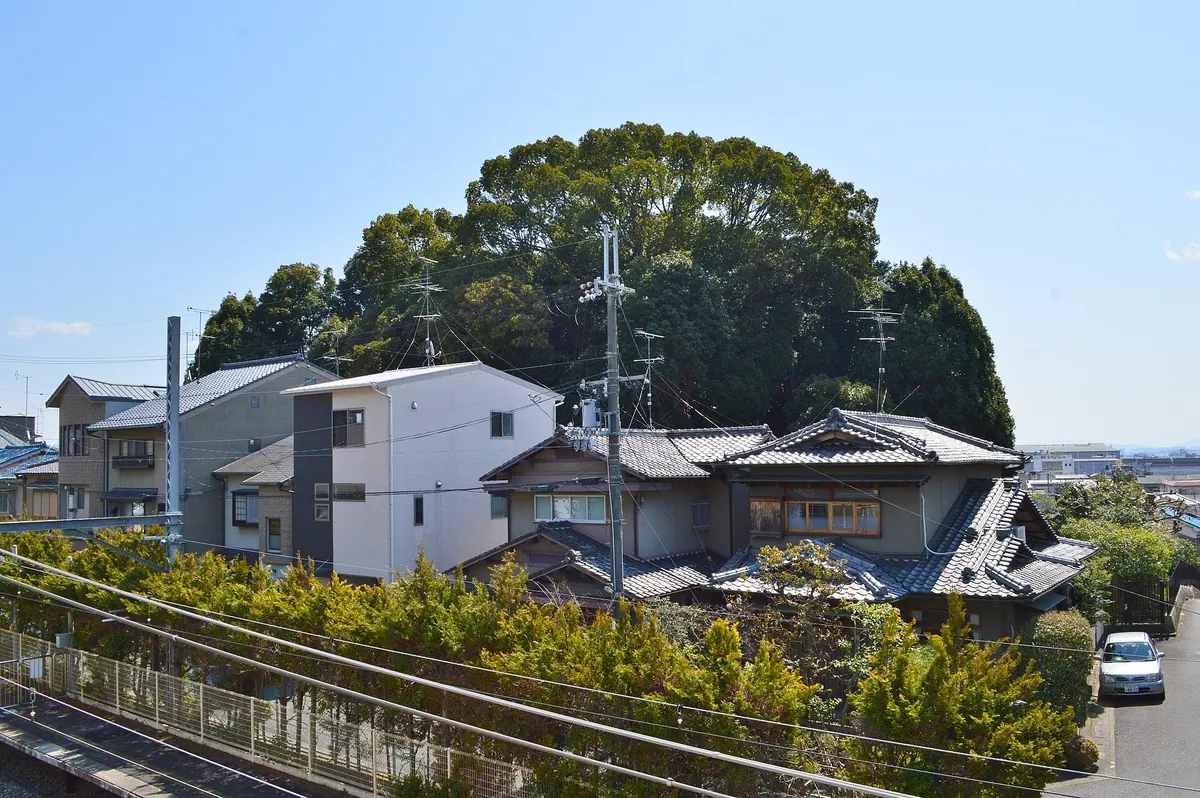
Explore a well-preserved 6th-century keyhole-shaped burial mound, possibly of the Hata clan.
What it is
- A keyhole-shaped tumulus, or burial mound.
- Estimated to have been built in the 6th century.
- Designated as Nakano Shinno's tomb in 1875.
- Archaeologically presumed to be a tomb of the Hata clan.
What to see
- A well-preserved tumulus mound.
- The tumulus is approximately 63 meters long.
- Rear circular part has a diameter of about 39 meters.
- Front square part has a width of about 55 meters.
- A moat surrounds the tumulus perimeter.
09
Ōdomari Kofun Group
KYOTO · HISTORIC SITE 大泊古墳群
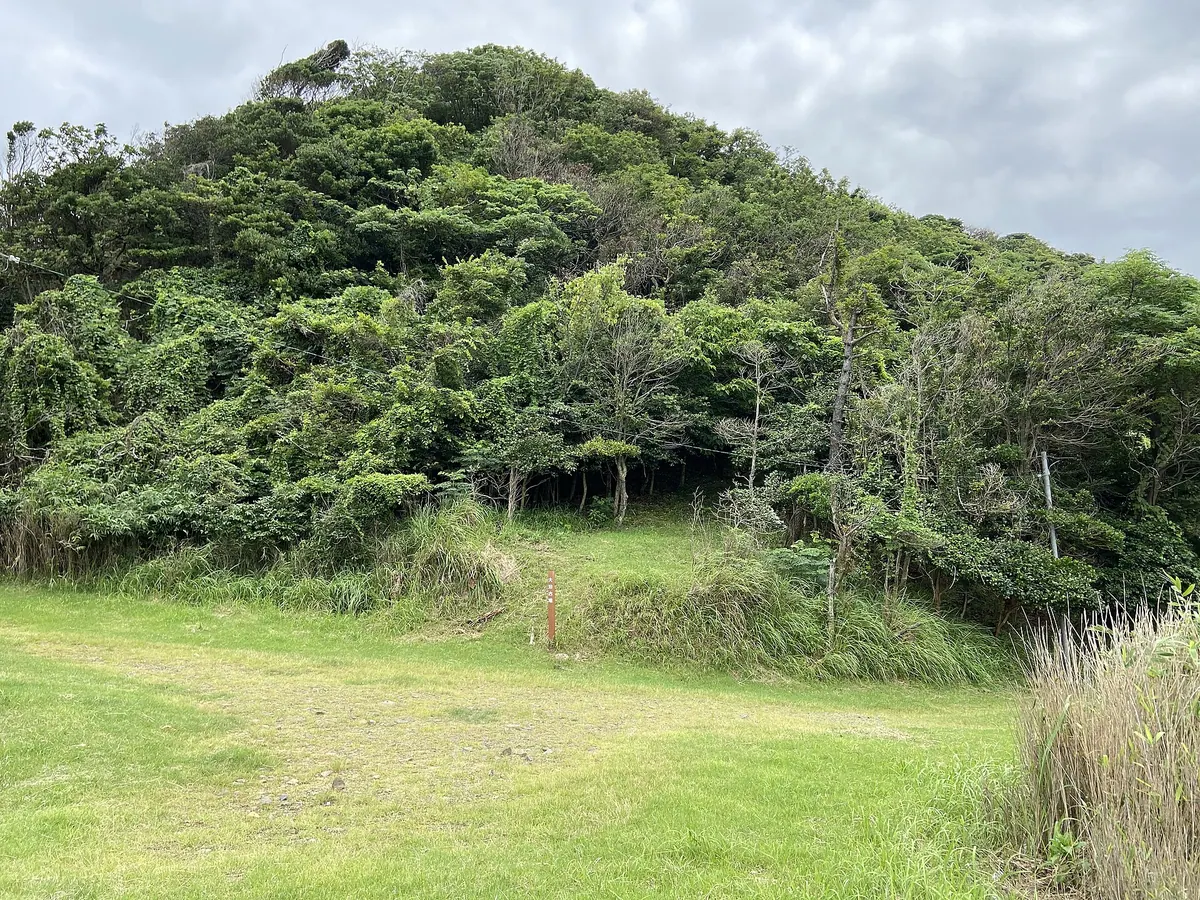
Explore ancient burial mounds with unique stone chambers and artifacts from the Kofun period.
What it is
- A kofun group from the late Kofun period.
- Built from the late 6th to early 7th century.
- Excavated in 1962 by Doshisha University.
What to see
- Three kofun with horizontal stone chambers.
- Kofun 1 on the southwest side of a ridge.
- Kofun 2 and 3 are 70 meters northeast of Kofun 1.
- Stone chamber of Kofun 1 is 6.6 meters long.
- Stone chambers of Kofun 1 and 3 use tuff breccia.
- Artifacts include magatama, swords, and Sue ware.
10
Hanareko Kofun
KYOTO · HISTORIC SITE 離湖古墳

Hanareko is Kyoto's largest freshwater lake, offering cherry blossoms, fishing, and a summer festival.
What it is
- Largest freshwater lake in Kyoto Prefecture.
- Also known as Katsumi.
- Once part of a bay connected to the Sea of Japan.
- Considered Kyoto Prefecture's only natural lake.
What to see
- About 300 cherry blossom trees.
- Lake circumference is 3.8 kilometers.
When to go
- Fishing for gengorobuna and carp from April to June.
- Obamahanareyama Benten Festival with fireworks in July.
- Cherry blossoms in season.
11
Itsukahara Kofun
KYOTO · HISTORIC SITE 五塚原古墳
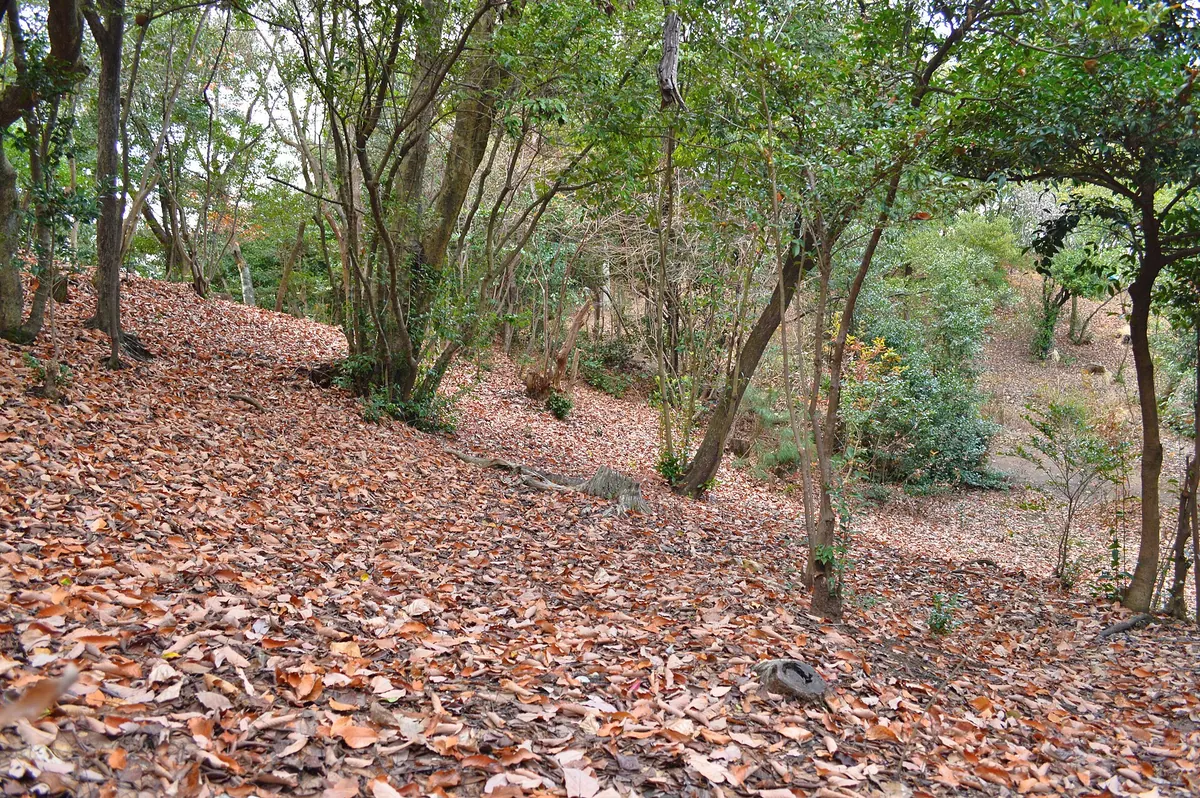
Explore Itsukahara Kofun, an ancient keyhole-shaped burial mound, significant for its age and design.
What it is
- A keyhole-shaped tumulus, or kofun.
- Part of the Mukohigaoka Kofun Group.
- Designated a National Historic Site.
- Dates to the mid-to-late 3rd century.
What to see
- One of the oldest large keyhole-shaped tumuli.
- Located on a ridge of Mukohigaoka Hill.
- Posterior circular part has three tiers.
- Anterior part has two tiers.
- Total length of the tumulus is 91.2 meters.
- Posterior circular part has a 55 meter diameter.
12
Takatsuki Chausuyama Kofun
KYOTO · HISTORIC SITE 高槻茶臼山古墳
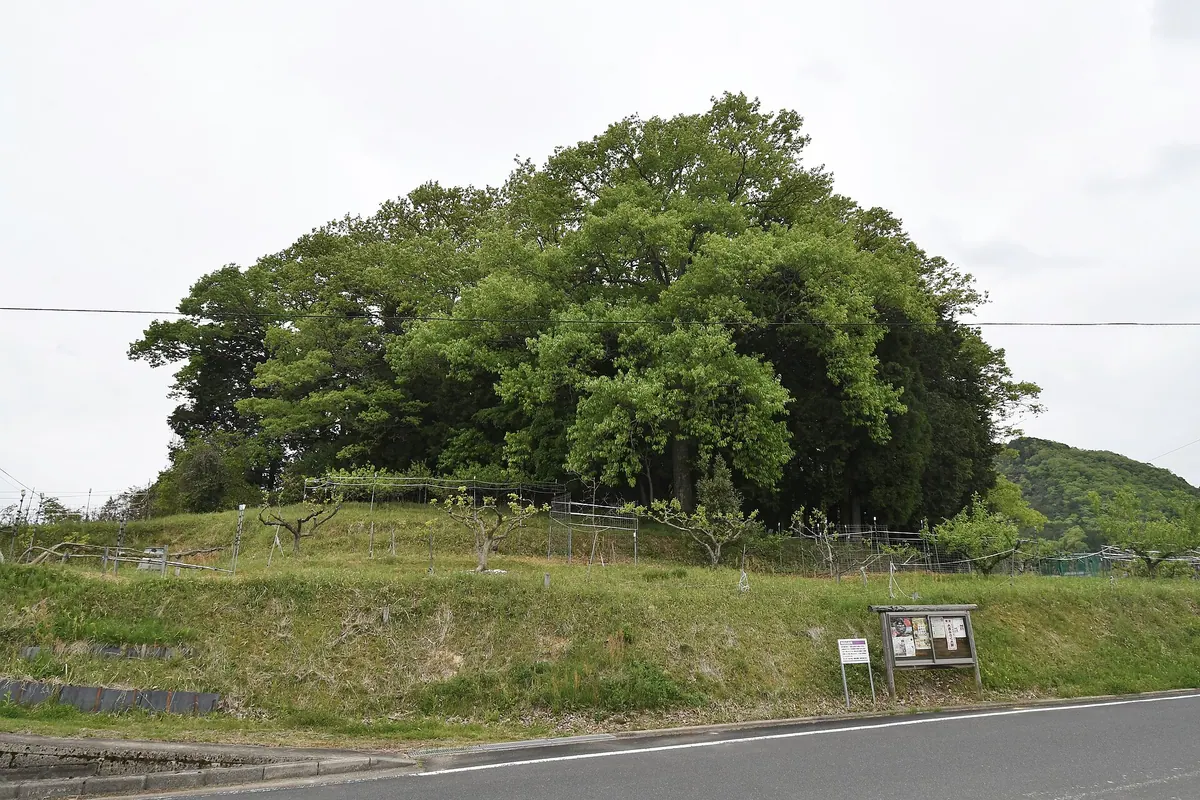
Explore a large, 6th-century keyhole-shaped burial mound, the biggest in the Yura River basin.
What it is
- A kofun, an ancient burial mound.
- Dates to the first half of the 6th century.
- Largest kofun in the Yura River basin.
What to see
- A keyhole-shaped tumulus, 54 meters long.
- Two-tiered posterior circular part, 34 meters diameter.
- Posterior circular part stands 5.5 meters high.
- One-tiered anterior square part, 30 meters wide.
- Anterior square part stands 3.5 meters high.
- Located on a tongue-shaped hill.
13
Uji River Taikō Embankment Site
KYOTO · HISTORIC SITE 宇治川太閤堤跡
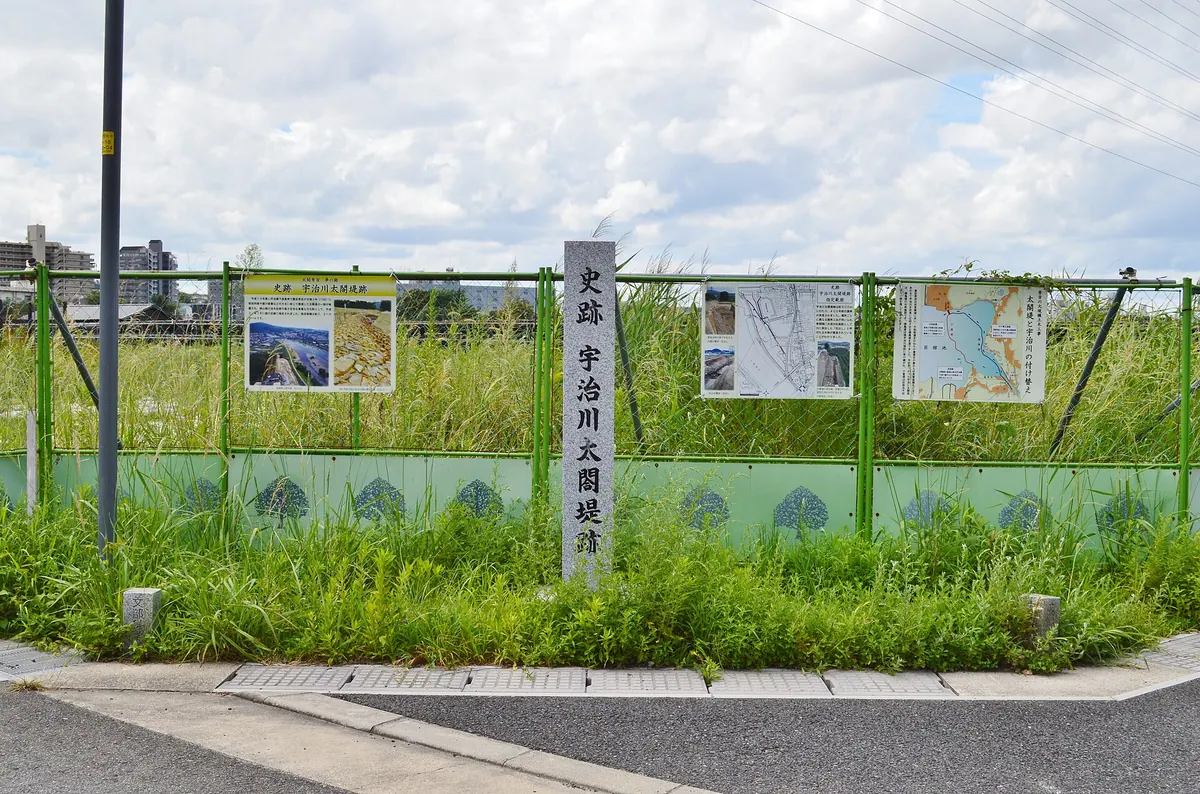
Explore a 16th-century river embankment, a national historic site showcasing early flood control engineering.
What it is
- A modern civil engineering structure, a revetment.
- Located on the right bank of the Uji River.
- Designated a national historic site on July 23, 2009.
- Considered related to Hideyoshi's embankment construction.
What to see
- Excavated revetment structure, about 400 meters long.
- Water control structures that weaken water flow.
- Four stone protrusions are visible.
- One pile protrusion is also confirmed.
14
Wakutayamakofungun
KYOTO · HISTORIC SITE 湧田山古墳群
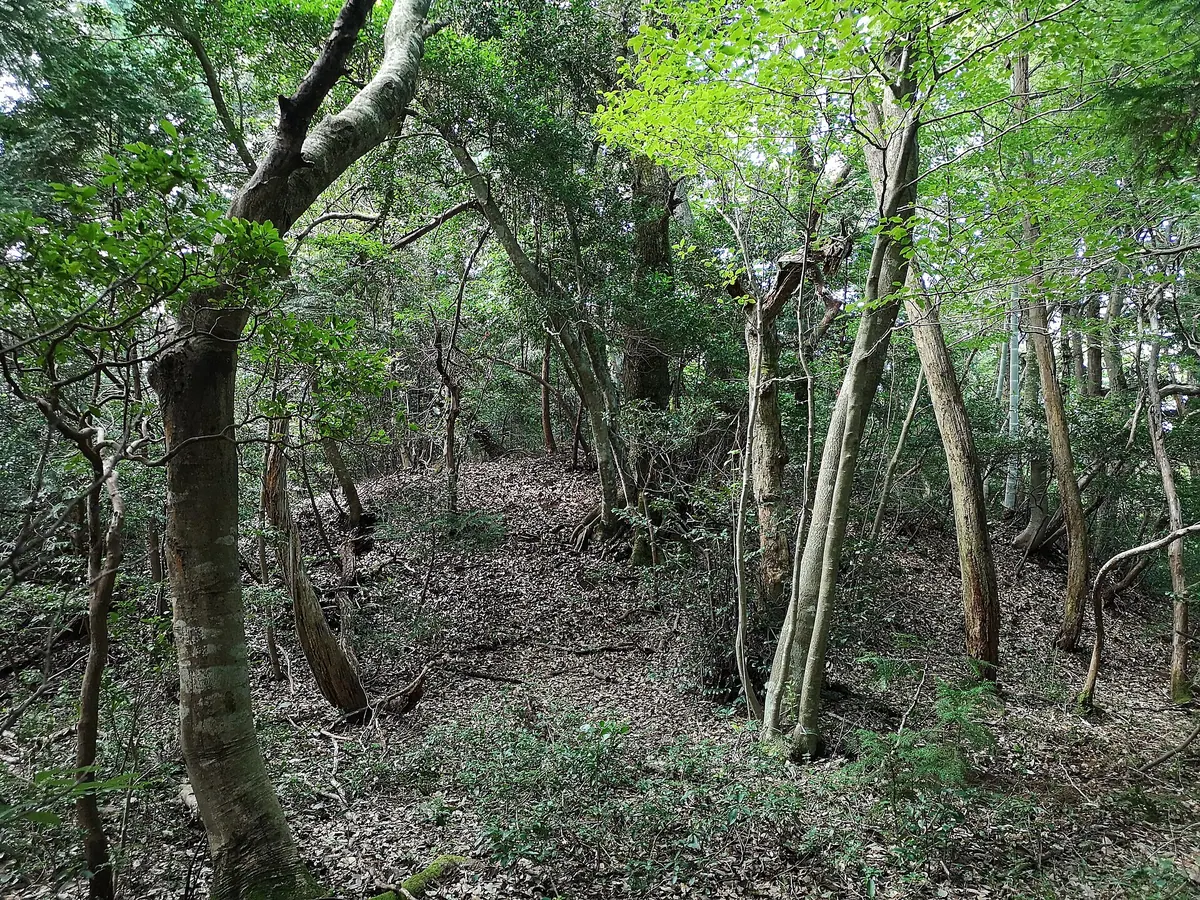
Explore ancient burial mounds, including a large keyhole-shaped tumulus, offering a glimpse into early Kofun history.
What it is
- A group of 42 ancient burial mounds (tumuli).
- Designated as a prefectural historic site.
- Confirmed by a distribution survey in 1981.
- Considered an early Kofun period site.
What to see
- Wakutayama Tumulus No. 1, a large keyhole-shaped mound.
- Tumulus No. 1 is about 100 meters long.
- Low hills along the Takeno River where tumuli are located.
- Takunomiya Shrine on the hillside.
15
Hebizuka Kofun
KYOTO · HISTORIC SITE 蛇塚古墳
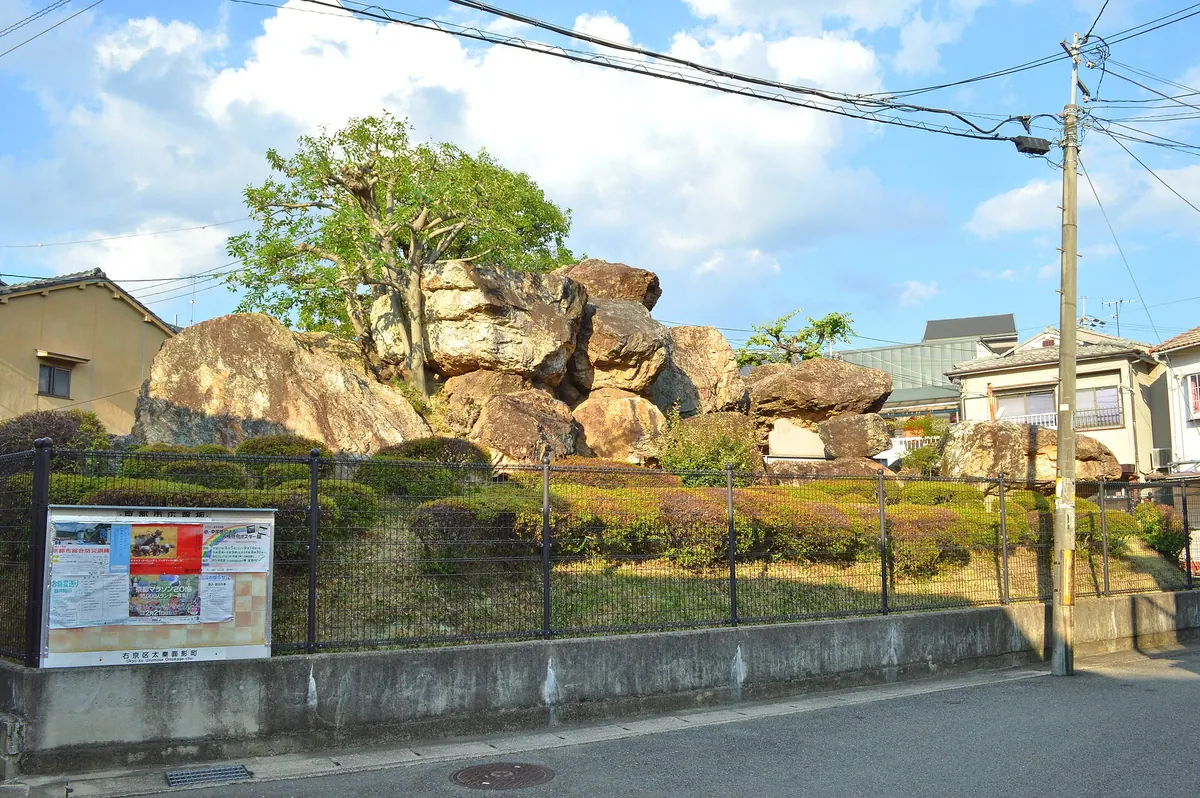
Explore Hebizuka Kofun, a unique keyhole-shaped burial mound from the late Kofun period.
What it is
- A kofun, or ancient burial mound, in Kyoto.
- Designated as a National Historic Site.
- Dates to the late 6th to early 7th century.
- Named for snakes living in its stone chamber.
What to see
- A keyhole-shaped tumulus, about 75 meters long.
- Exposed stone chamber, 17.8 meters long.
- Main room is 6.8m long, 3.8m wide, 5.2m high.
- Latest keyhole-shaped tumulus in Kyoto Prefecture.
16
Kaichi Kofun
KYOTO · HISTORIC SITE 垣内古墳

Kaichi Kofun was a large, ancient tomb, now gone, but its artifacts are important.
What it is
- A keyhole-shaped tomb mound from the late 4th century.
- It was the largest early Kofun period tomb in Kuwata-gun.
- Discovered in 1972 during road widening work.
What to see
- The burial mound no longer exists.
- Excavated artifacts are National Important Cultural Properties.
- Nantan City Museum displays a model and artifacts.
- Artifacts include bronze mirrors, beads, and swords.
17
Chitose Kurumazuka Kofun
KYOTO · HISTORIC SITE 千歳車塚古墳
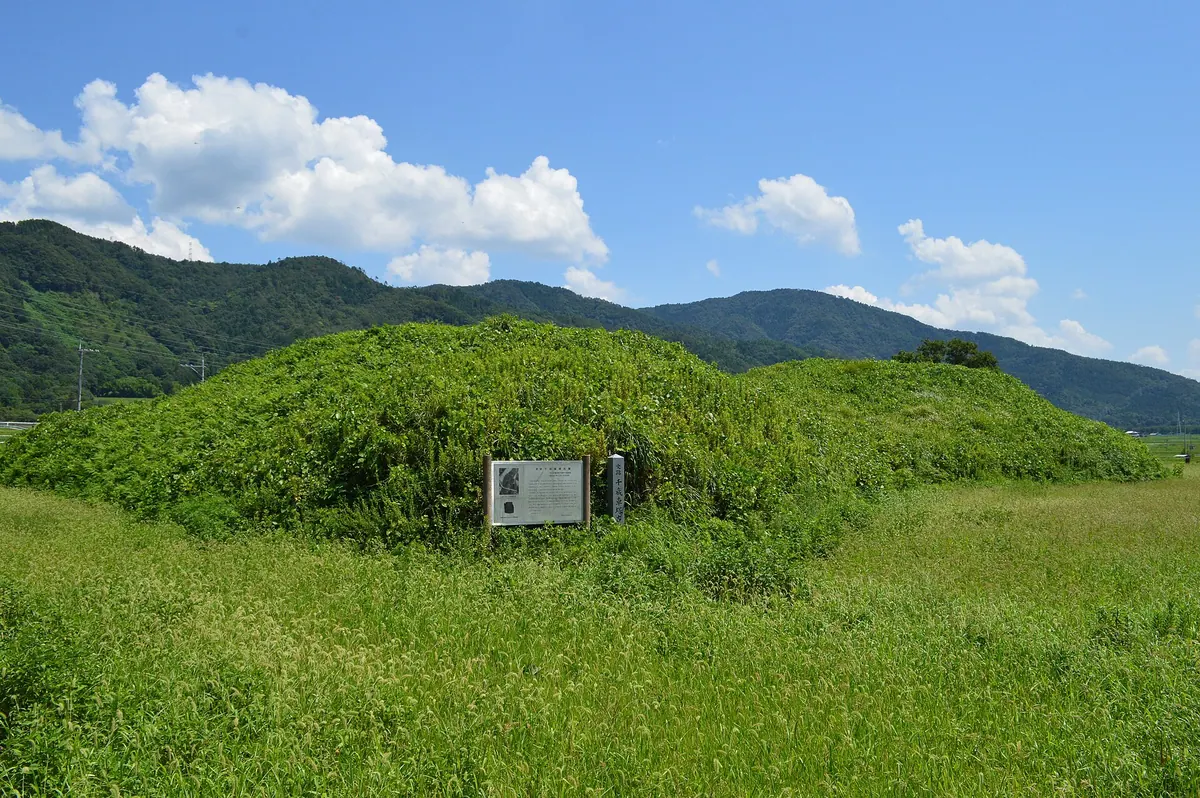
Largest 6th-century keyhole-shaped tomb in Tanba region, a National Historic Site.
What it is
- A keyhole-shaped tumulus.
- Designated as a National Historic Site.
- Constructed in the early 6th century.
- Largest kofun in the Tanba region for its period.
What to see
- A tumulus approximately 82 meters long.
- Three-tiered construction.
- Fukiishi (river stones) and haniwa (clay figures).
- A double moat surrounding the tumulus.
- Platform facilities confirmed by excavations.
18
Shibagahara Kofun
KYOTO · HISTORIC SITE 芝ヶ原古墳
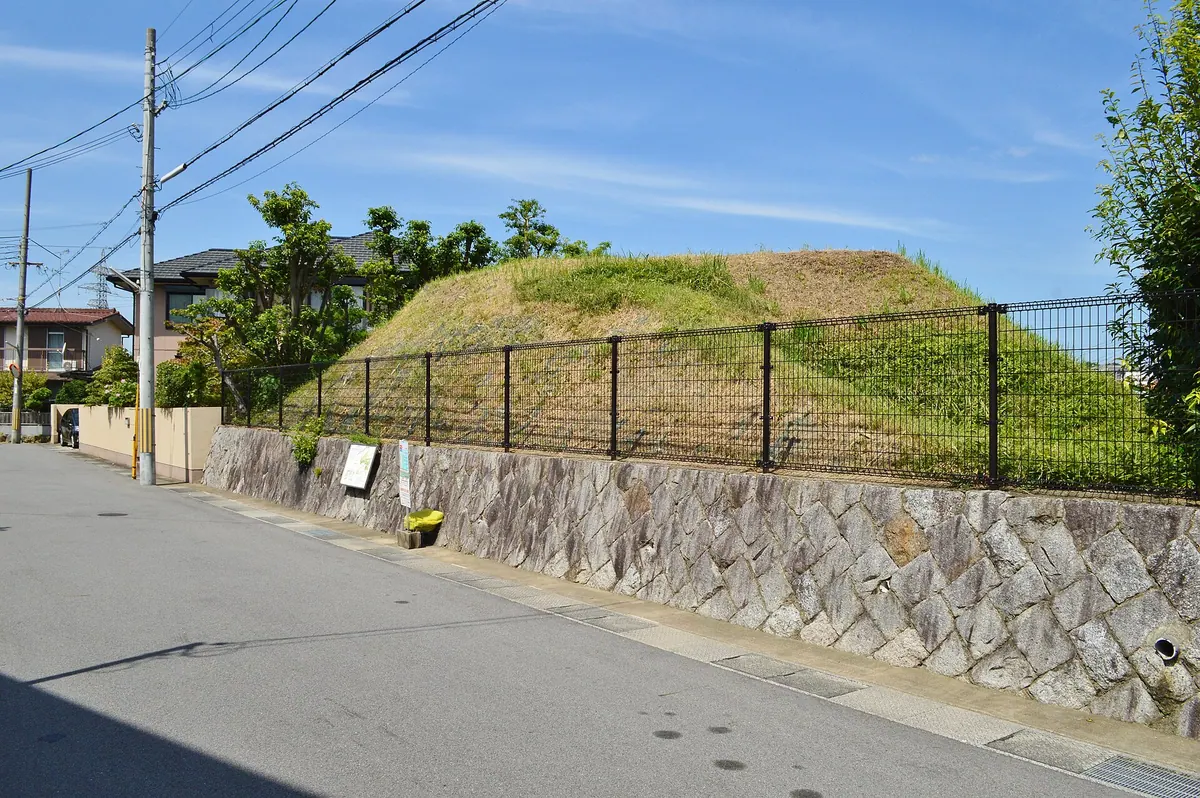
Explore a 3rd-century chieftain's keyhole-shaped tomb, a National Historic Site with important artifacts.
What it is
- A keyhole-shaped tumulus in Joyo City, Kyoto Prefecture.
- Part of the Kuzugawa Kofun group.
- Designated a National Historic Site.
- Dates to the mid-3rd century.
What to see
- The historic park, open to the public.
- The leveled front part of the mound.
- The burial facility, a direct burial in a wooden coffin.
- Artifacts: bronze mirror, bronze bracelets, jade.
19
Shōgunzuka
KYOTO · HISTORIC SITE 将軍塚
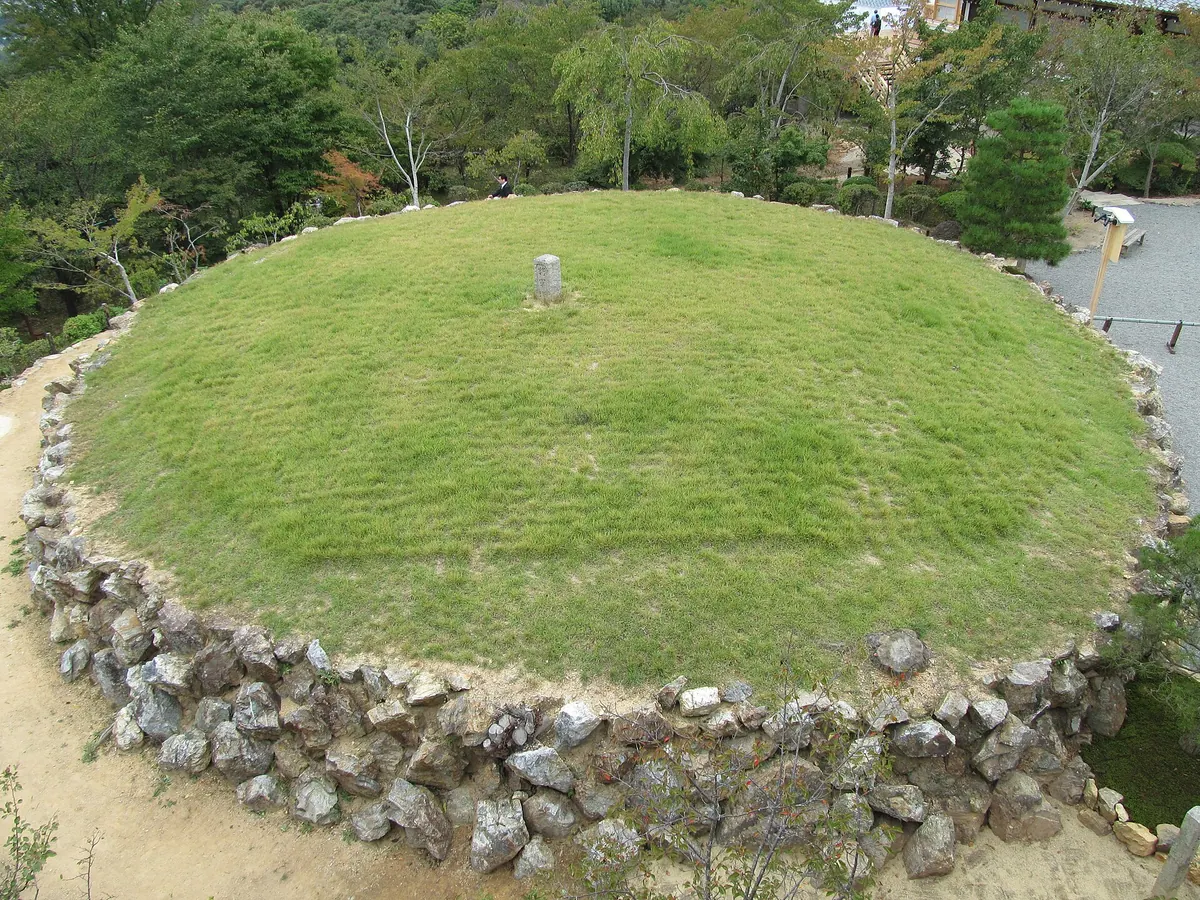
Shōgunzuka offers panoramic Kyoto views from an ancient burial mound with historical legends.
What it is
- An ancient burial mound on Higashiyama ridge in Kyoto.
- One of three Kofun period circular burial mounds.
- Known as Shōgunzuka since the medieval period.
- Site of the Shōren-in Monzeki Shōgunzuka Seiryū-den.
What to see
- A mound with a 20m diameter and 2m height.
- Hand-planted pine trees and stone pillars.
- Views from the summit of Kajōzan.
- Official site
- www.shogunzuka.com
20
Tenno-no-mori Kofun
KYOTO · HISTORIC SITE 天皇の杜古墳

Explore a 4th-century keyhole-shaped burial mound, a designated National Historic Site in Kyoto.
What it is
- A kofun, an ancient burial mound.
- Designated a National Historic Site in 1922.
- Opened as a historic park in 1994.
- Part of the Otokuni Kofun Group.
What to see
- A keyhole-shaped tumulus.
- Mound is 83.0 meters long.
- Posterior circular part is 50.5 meters wide, 7.2 meters high.
- Anterior square part is 33.5 meters wide, 4.8 meters high.