

20 Historic sites in Gunma worth your time
Japan Gems
Gunma Prefecture has 19 heritage sites, including the Kanai Higashiura site and Ōjizuka Kofun. These sites offer a look into ancient Japanese history.
Gunma has 38 historic sites on Japan Gems. Below are the 20 we can tell you the most about — each one written up in English from Japanese sources, with what to see and how to get there. See all historic sites in Gunma.
01
Ōjizuka Kofun
GUNMA · HISTORIC SITE 皇子塚古墳
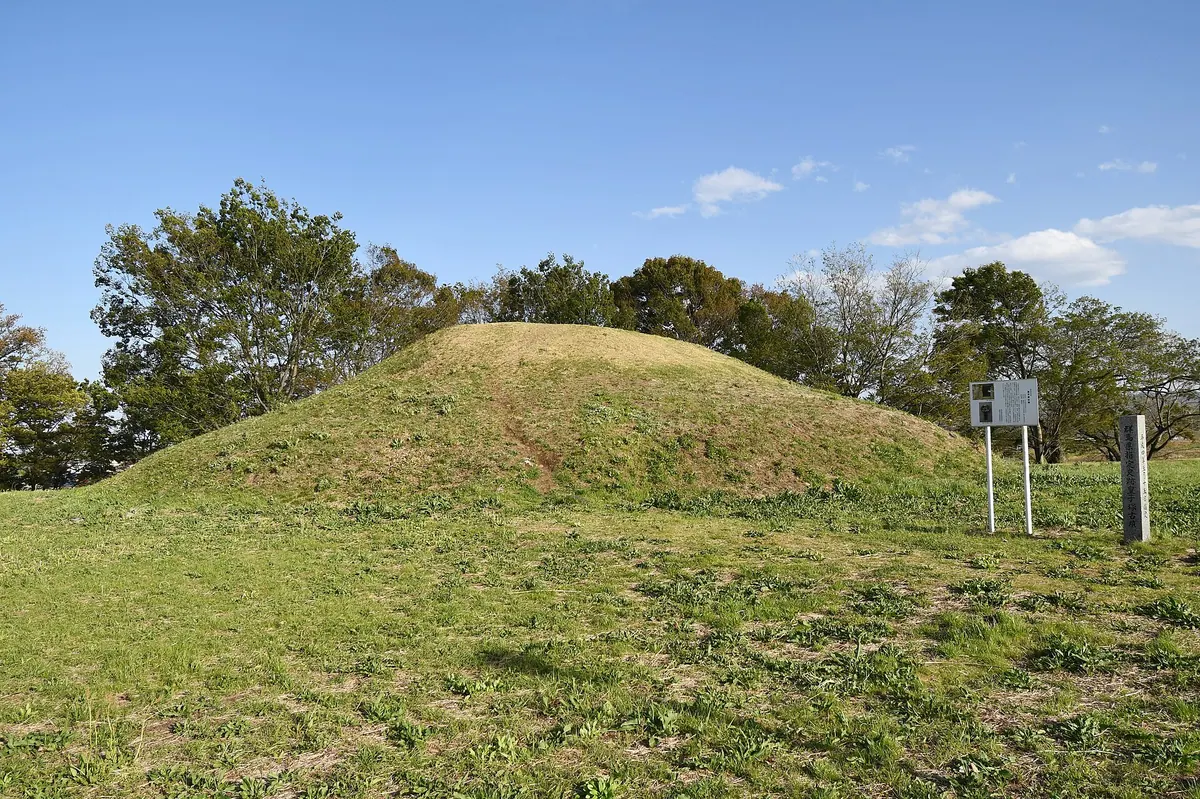
Explore a 6th-century circular burial mound with unique construction and artifacts.
What it is
- A circular kofun, or burial mound, from the late 6th century.
- Part of the Shiraishi Kofun Group in Fujioka City.
- Designated as a Gunma Prefecture historic site.
What to see
- A 31-meter diameter mound, 6 meters high, built in four tiers.
- Mound surface covered with fukiishi stones and haniwa figures.
- Double-chambered horizontal stone burial chamber.
- Stone chamber entrance opens to the southeast.
- Artifacts include a gilded bronze sword pommel and horse trappings.
Getting there
- Located within Kenokuni Shiraishi Hills Park.
02
Hodota Kofun Cluster
GUNMA · HISTORIC SITE 保渡田古墳群
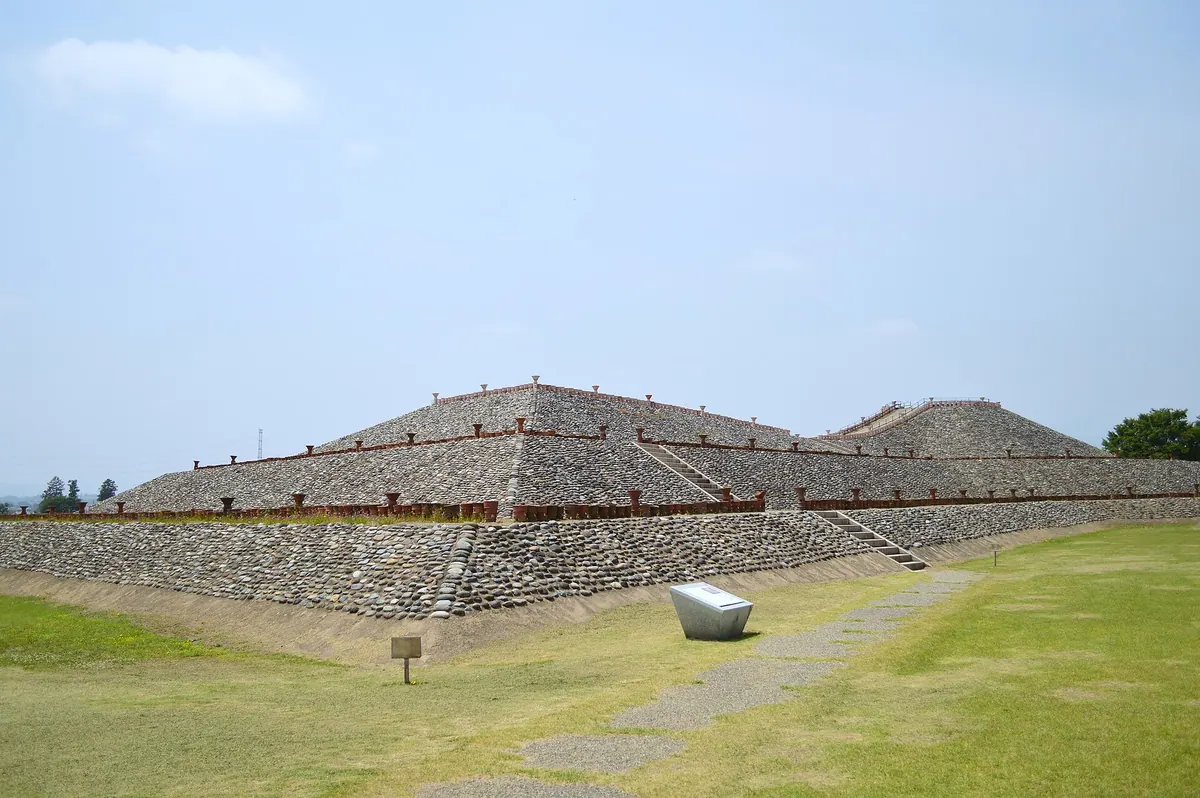
Explore ancient burial mounds from the 5th-6th centuries, a significant National Historic Site.
What it is
- A National Historic Site in Takasaki City, Gunma Prefecture.
- A cluster of three large keyhole-shaped burial mounds.
- Constructed from the late 5th century to early 6th century.
What to see
- Three large keyhole-shaped tumuli: Futagoyama, Hachimanzuka, Yakushizuka.
- Futagoyama Kofun is the largest, 108 meters long.
- Hachimanzuka Kofun is 102 meters long.
- Yakushizuka Kofun is estimated to be 105 meters long.
- A boat-shaped stone coffin is preserved at Yakushizuka Kofun.
- Excavated artifacts are displayed at Kamitsuke-no-Sato Museum.
03
Minamishimo Kofun Group
GUNMA · HISTORIC SITE 南下古墳群
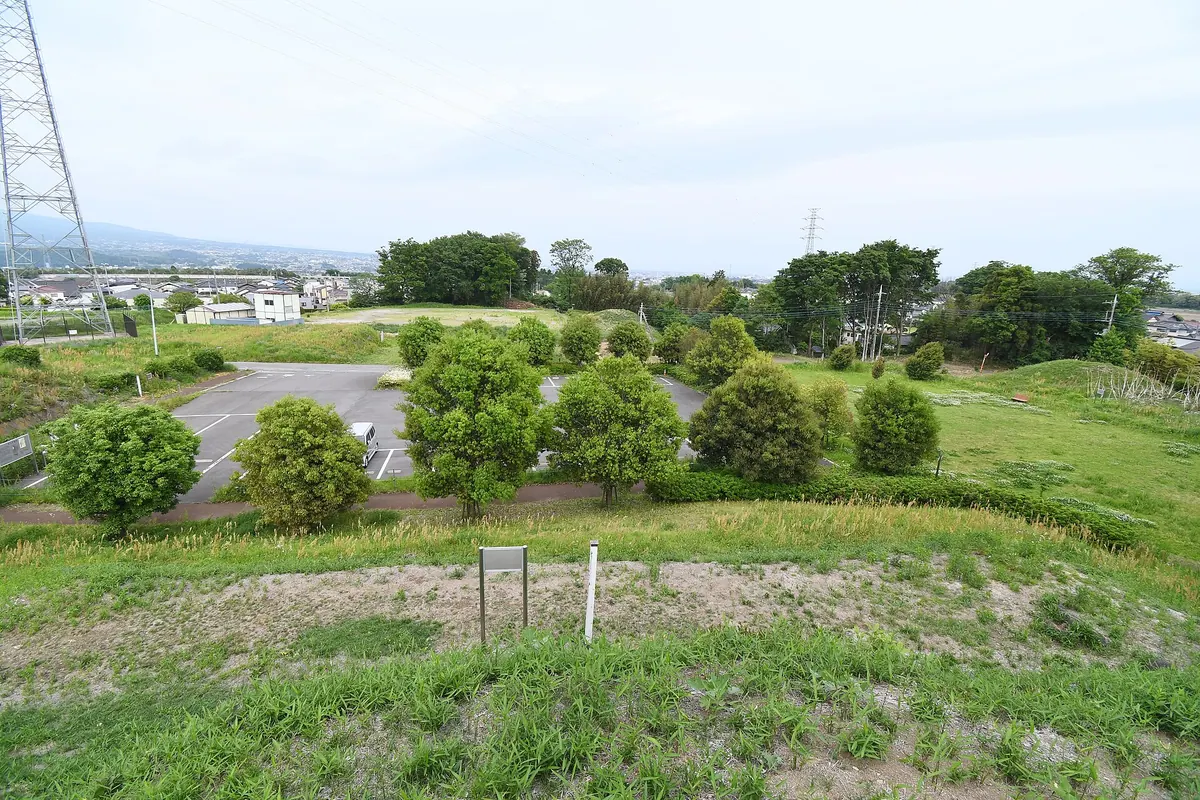
Explore ancient burial mounds with unique stone chambers from the late Kofun period.
What it is
- A group of ancient burial mounds (kofun).
- Dates from the late Kofun period, 6th to late 7th century.
- Designated a Gunma Prefecture Historic Site in 2023.
- Over 100 tumuli once existed, now only 9 remain.
What to see
- Nine remaining tumuli on a southern hillside.
- Five tumuli (A, B, C, D, E) have open stone chambers.
- All five tumuli have horizontal stone chambers for burial.
- Tumuli A and E have red working lines on their walls.
- Stone chamber interiors are restricted to visitors.
04
Hōtōzan Kofun
GUNMA · HISTORIC SITE 宝塔山古墳
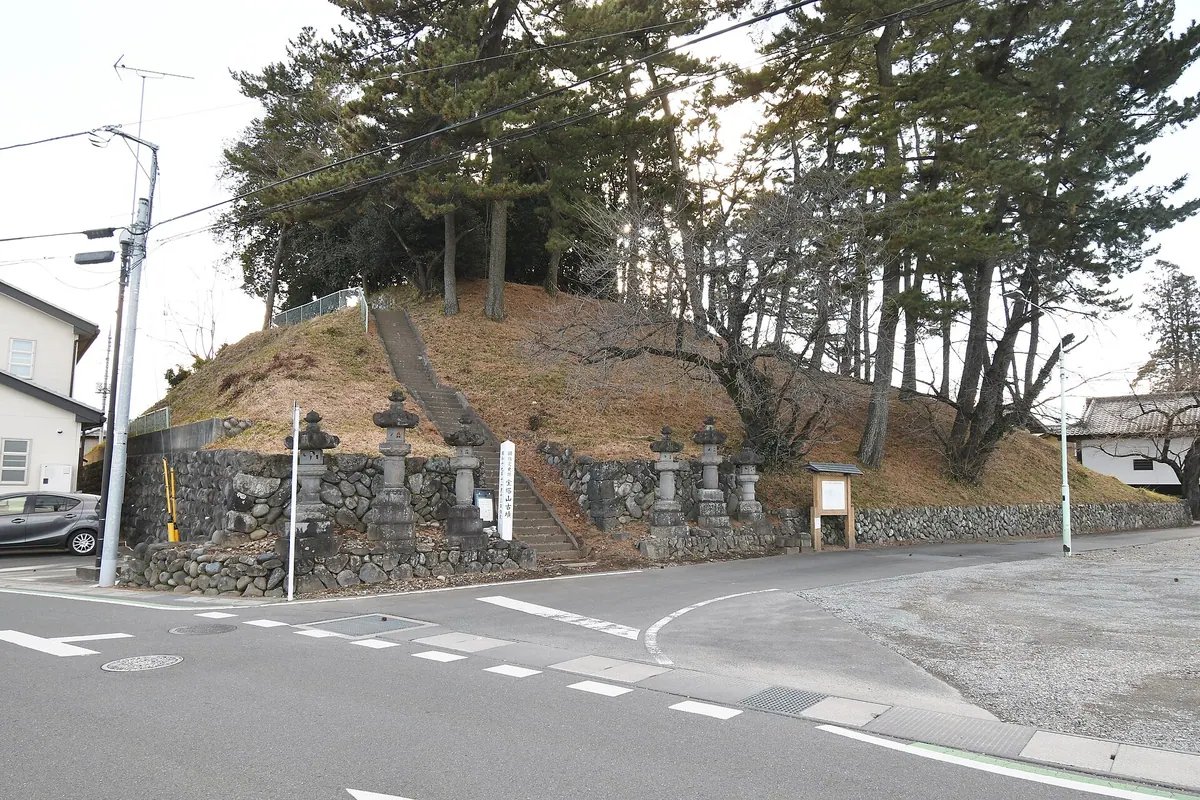
Explore a unique 7th-century square burial mound with a rare house-shaped sarcophagus.
What it is
- A square-shaped kofun, an ancient burial mound.
- Part of the larger Sōja Kofun group.
- Designated a National Historic Site.
- Dates to the mid-7th century.
What to see
- A mound 66 meters on each side, 12 meters high.
- Three distinct construction stages of the mound.
- A wide moat, 18 meters across, surrounding the mound.
- A double-chambered horizontal stone burial chamber.
- A rare house-shaped sarcophagus inside the chamber.
- The Akimoto clan cemetery on top of the mound.
05
Jaketsuzan Kofun
GUNMA · HISTORIC SITE 蛇穴山古墳
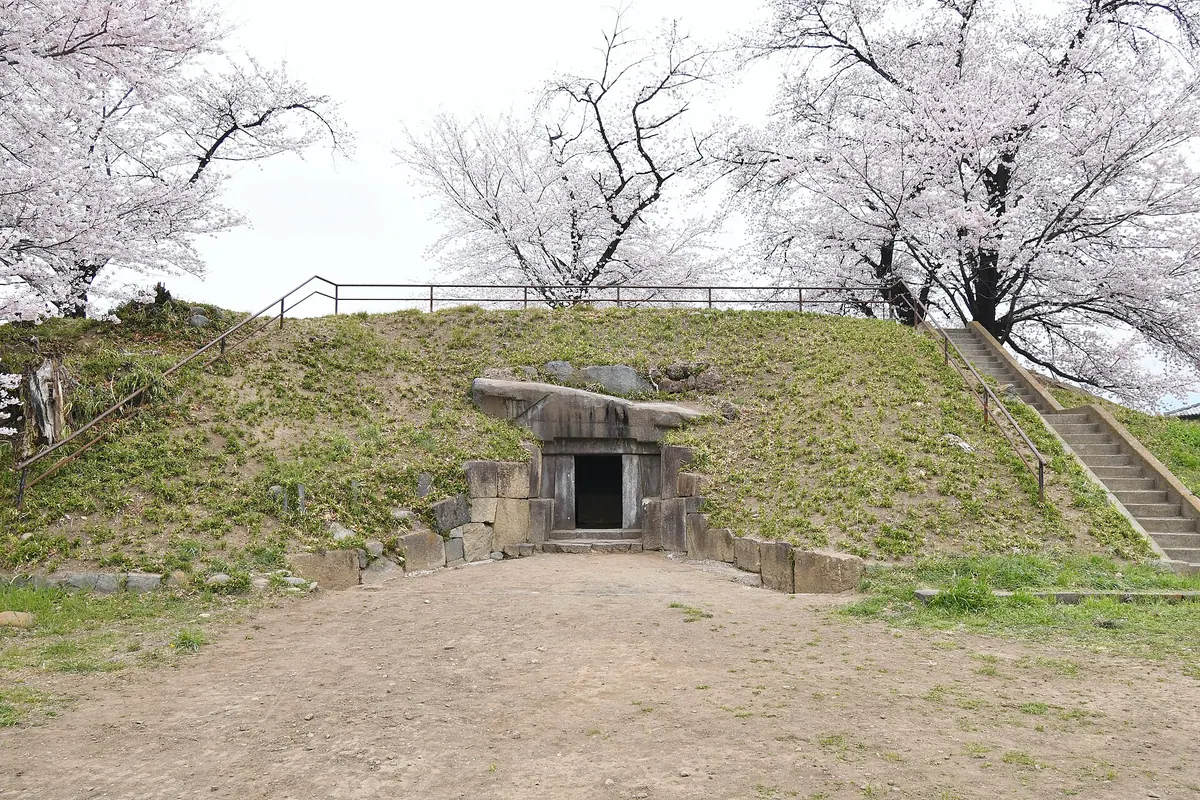
Jaketsuzan Kofun is a unique ancient tomb with a snake carving, offering a glimpse into Japan's past.
What it is
- A square-shaped kofun, an ancient burial mound.
- Part of the Sōja Kofun Group.
- Designated a National Historic Site since 1974.
- Named for a snake carving in its stone chamber.
What to see
- The mound measures 44 meters per side and 5 meters high.
- A double-sleeved horizontal stone burial chamber.
- Stone chamber constructed with cut and fitted stones.
- The stone chamber opens to the south-southwest.
When to go
- Constructed in the late 7th century.
06
Kannonzuka Kofun
GUNMA · HISTORIC SITE 八幡観音塚古墳
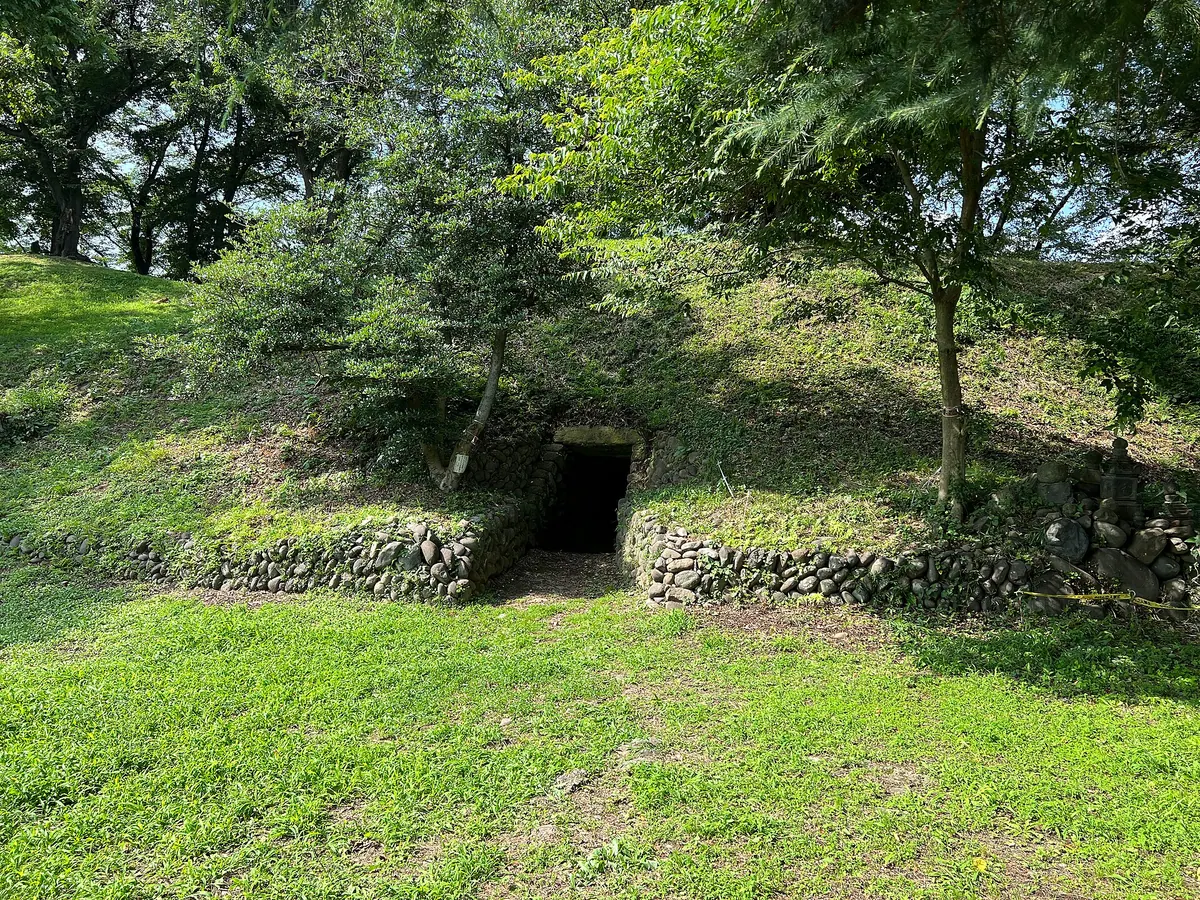
Explore a large, ancient keyhole-shaped tomb with a massive stone chamber and excavated artifacts.
What it is
- A keyhole-shaped tumulus, a National Historic Site.
- Built as a burial mound in ancient Japan.
- Contains a large horizontal stone chamber.
What to see
- The 105-meter long keyhole-shaped tumulus.
- Posterior circular part: 70 meters diameter, 12 meters high.
- Anterior square part: 105 meters wide, 14 meters high.
- Horizontal stone chamber is 15.8 meters long.
- Largest stone in chamber weighs about 50 tons.
- Excavated artifacts are Important Cultural Properties.
07
Watanuki Kannon-yama Kofun
GUNMA · HISTORIC SITE 綿貫観音山古墳
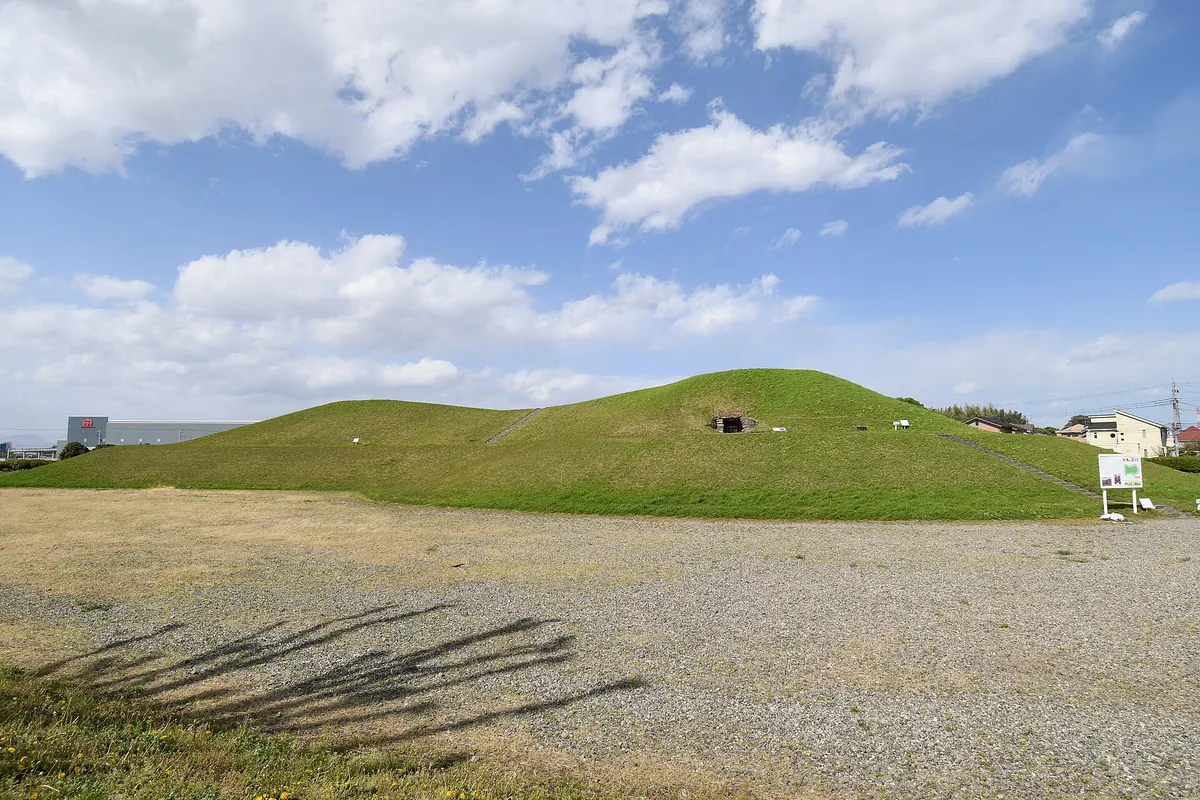
Explore a large 6th-century burial mound with a unique design and significant artifacts.
What it is
- A Kofun (ancient burial mound) in Watanuki, Takasaki City.
- Part of the Watanuki Kofun group.
- Designated as a National Historic Site.
- Built in the late 6th century.
What to see
- A 97-meter long burial mound.
- Posterior circular part: 61 meters diameter, 9.6 meters high.
- Anterior square part: 64 meters wide, 9.4 meters high.
- A double horseshoe-shaped moat.
- A double-sleeved horizontal stone burial chamber.
- Largest stone chamber in Gunma Prefecture.
08
Motoshima Shōgunzuka Kofun
GUNMA · HISTORIC SITE 元島名将軍塚古墳
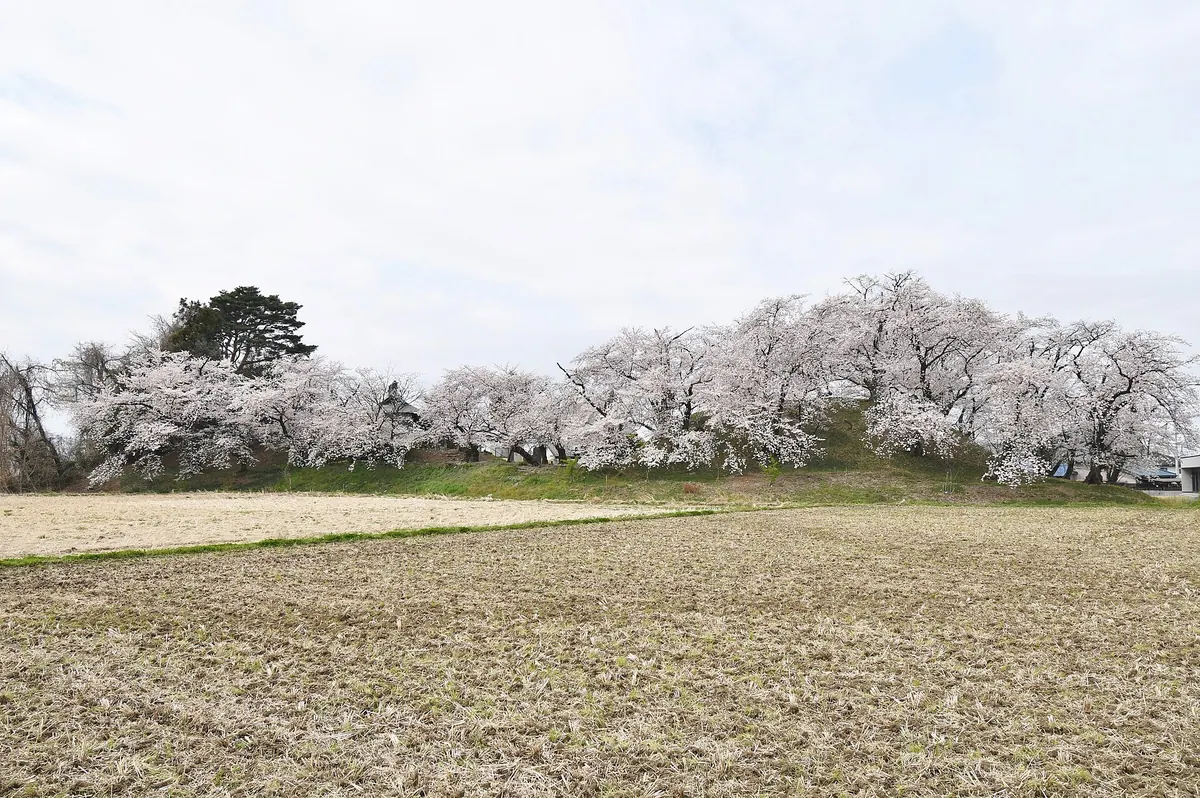
Explore a large ancient burial mound with unique shape and historical artifacts.
What it is
- An ancient burial mound, or kofun, in Takasaki City.
- Designated a Takasaki City historic site in 1973.
- Dates back to the Kofun period.
What to see
- A zempō-kōhō-fun shaped tumulus, 91-96 meters long.
- Rear part is 45 meters wide and 8.5 meters high.
- Front part is 32 meters wide and 5 meters high.
- A surrounding moat follows the tumulus shape.
- Fukiishi, river stones, cover the mound.
- Excavated artifacts include mirrors, bracelets, and swords.
09
Akabori Chausuyama Kofun
GUNMA · HISTORIC SITE 赤堀茶臼山古墳
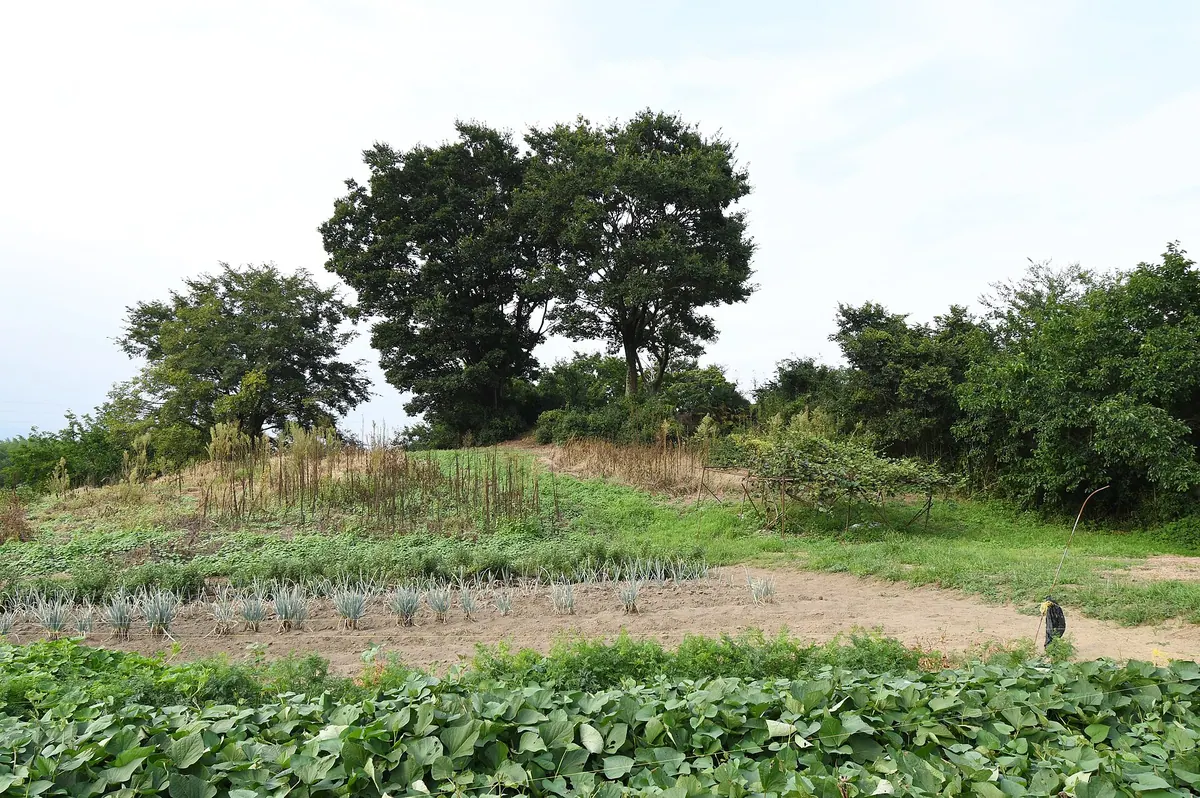
Explore a unique scallop-shaped burial mound from the 5th century, revealing ancient Japanese history.
What it is
- A scallop-shaped kofun, an ancient burial mound.
- Dates to the mid-5th century Kofun period.
- Designated historic site of Isesaki City.
What to see
- A kofun with a total length of 62.4 meters.
- Posterior circular part has a diameter of 50.2 meters.
- Anterior rectangular part has a length of 18 meters.
- Two charcoal burial chambers are present.
- Excavated artifacts include a mirror, sword, and iron axe.
- Eight house-shaped Haniwa were excavated.
10
Nakatsuka Kofun (Kiryu)
GUNMA · HISTORIC SITE 中塚古墳
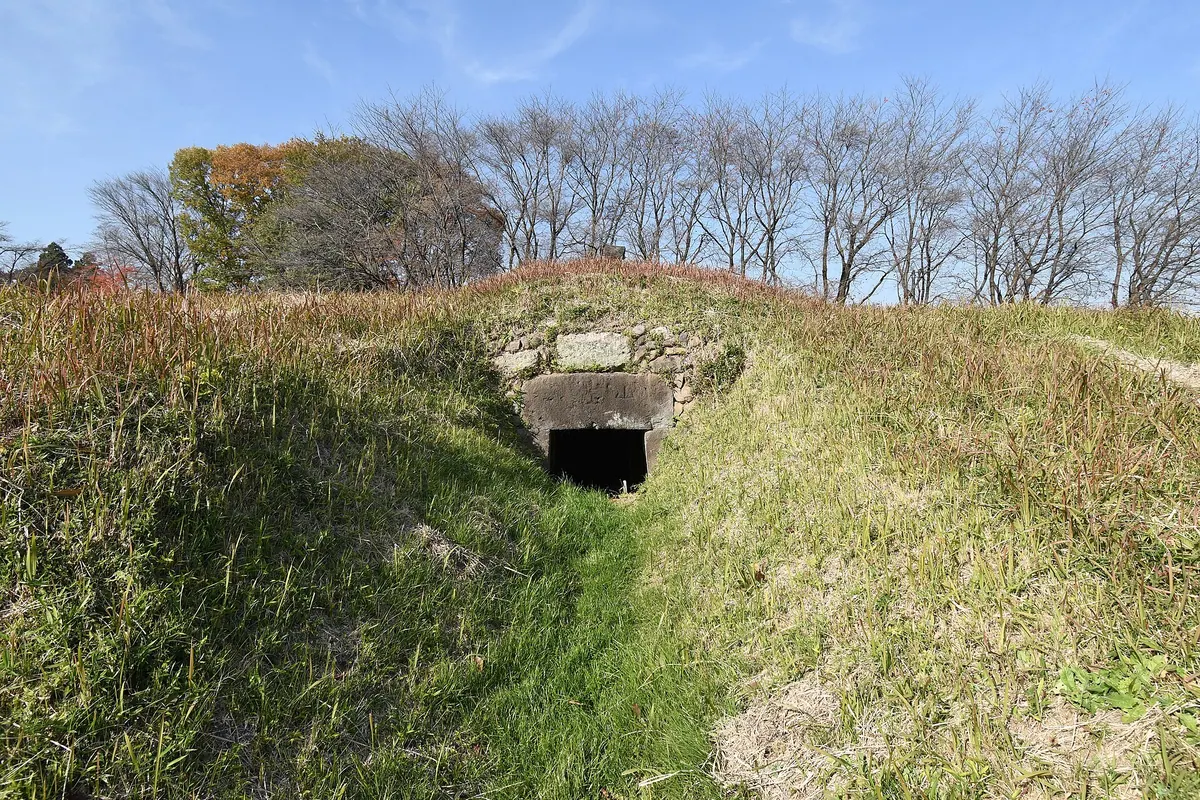
Explore a 7th-century square burial mound, a designated historic site in Gunma Prefecture.
What it is
- A tumulus in Kiryu City, Gunma Prefecture.
- A square-shaped kofun, built around the late 7th century.
- Designated a Gunma Prefecture historic site.
What to see
- A kofun measuring approximately 37 meters per side.
- The mound surface has fukiishi (river stones).
- A moat surrounds the mound.
- A double-sleeved horizontal stone burial chamber.
- The stone chamber is 7.67 meters long.
- The stone chamber opens to the south-southeast.
11
Kanai Higashiura site
GUNMA · HISTORIC SITE 金井東裏遺跡
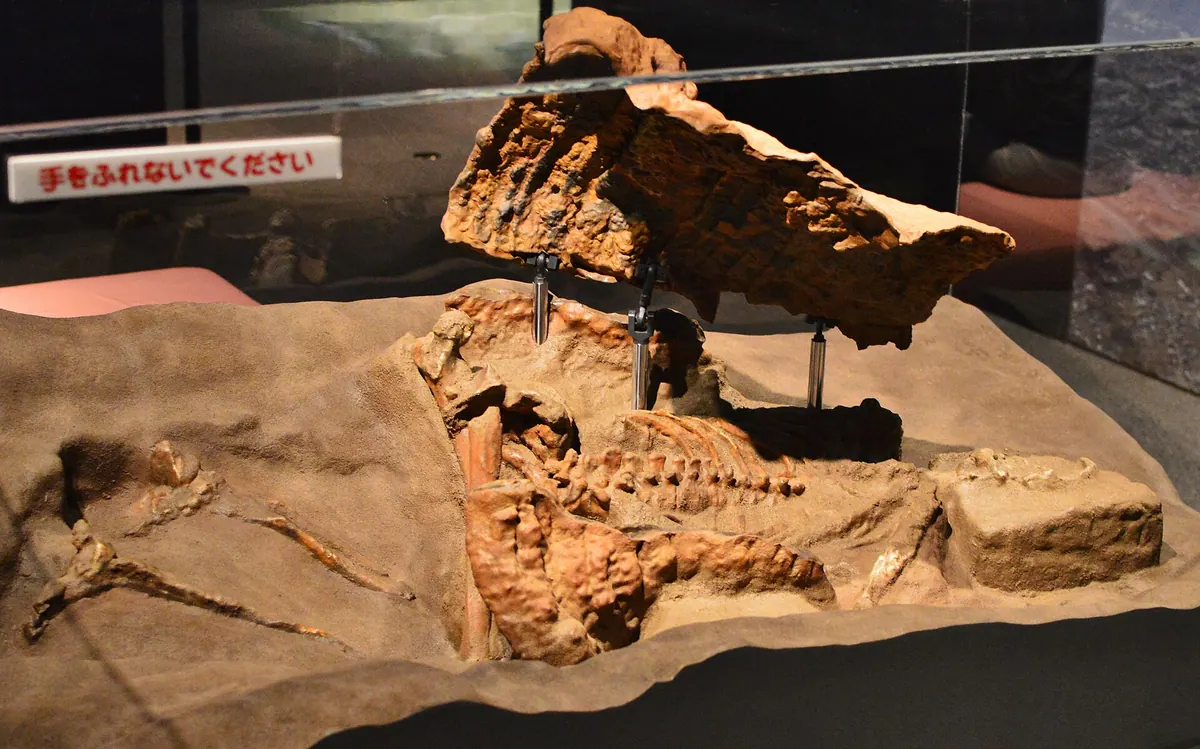
See rare Kofun-era remains, including a person in armor, preserved by a volcanic eruption.
What it is
- An archaeological site with remains from Jomon to Kofun periods.
- Excavations began in 2012.
- It is one of the Kanai archaeological sites.
What to see
- A Kofun period person wearing armor, buried by pyroclastic flow.
- A female skeleton with a necklace and infant bones.
- Ritual remains and pit dwellings.
- Two round burial mounds from the mid-to-late 5th century.
- Artifacts designated as national Important Cultural Properties.
12
Nishiyama Kofun
GUNMA · HISTORIC SITE 西山古墳
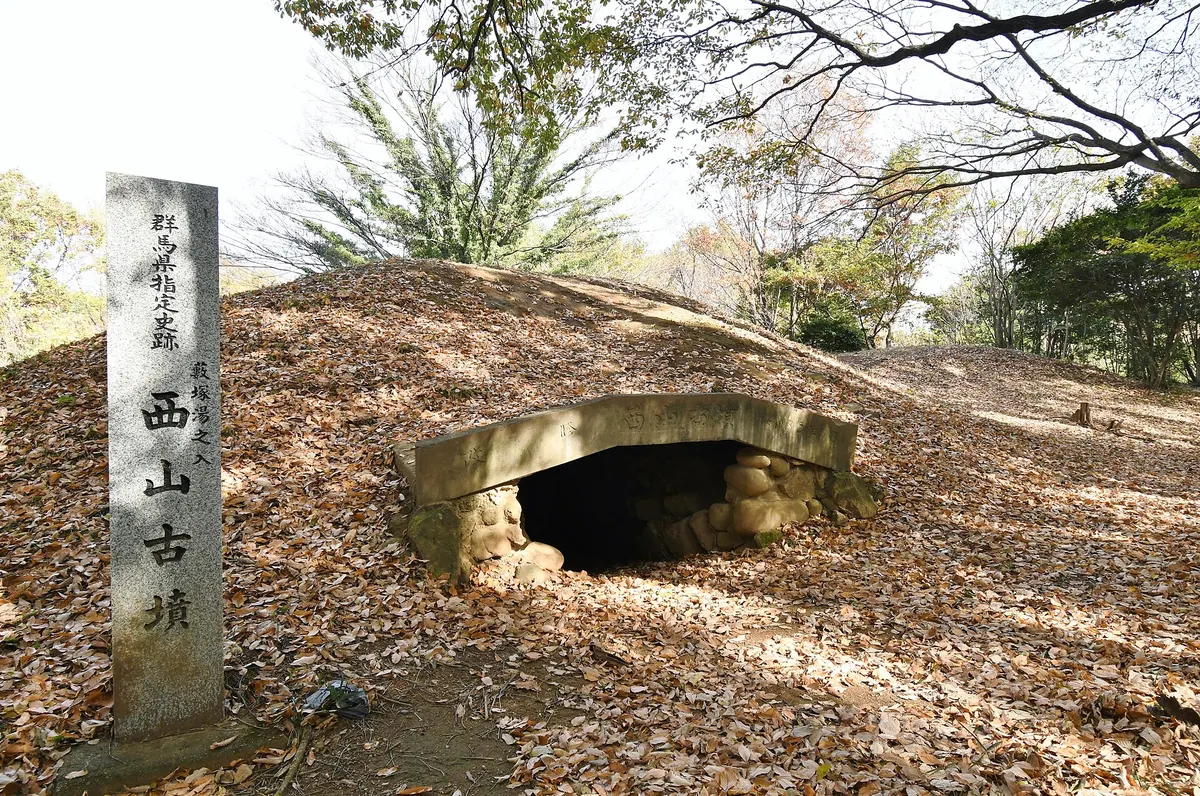
Nishiyama Kofun is a keyhole-shaped burial mound, a designated historic site in Gunma.
What it is
- A tumulus in Ota City, Gunma Prefecture.
- Part of the Yabuzuka Kofun Group.
- A Gunma Prefecture designated historic site.
What to see
- A keyhole-shaped tumulus, 34 meters long.
- Rear circular part is 18 meters in diameter, 4 meters high.
- Front rectangular part is 20 meters wide, 2 meters high.
- A sleeveless horizontal stone burial chamber.
- Stone chamber opens to the south.
- Stone chamber built with local tuff stone.
13
Oyama Kofun
GUNMA · HISTORIC SITE 王山古墳
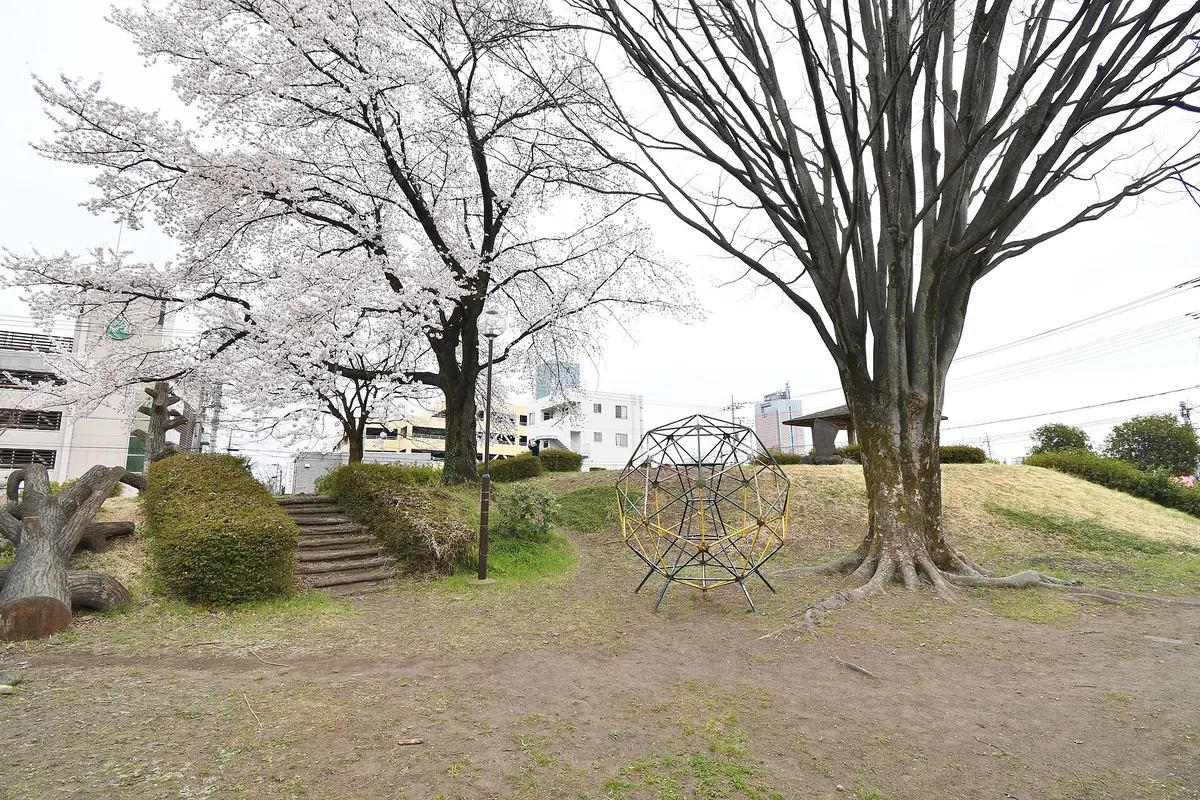
Explore a large 6th-century keyhole-shaped burial mound with unique features in Gunma Prefecture.
What it is
- A kofun, an ancient burial mound.
- Part of the Soja Kofun Group.
- Designated a Maebashi City Historic Site.
- Built around the early 6th century.
What to see
- A keyhole-shaped mound.
- Fukiishi (river stones) on the mound's exterior.
- Cylindrical and figural haniwa (clay figures) found.
- A 24-meter wide moat surrounds the mound.
- A two-sleeved horizontal stone burial chamber.
- The stone chamber is 16.45 meters long.
14
Ōta Tenjin-yama Kofun
GUNMA · HISTORIC SITE 太田天神山古墳
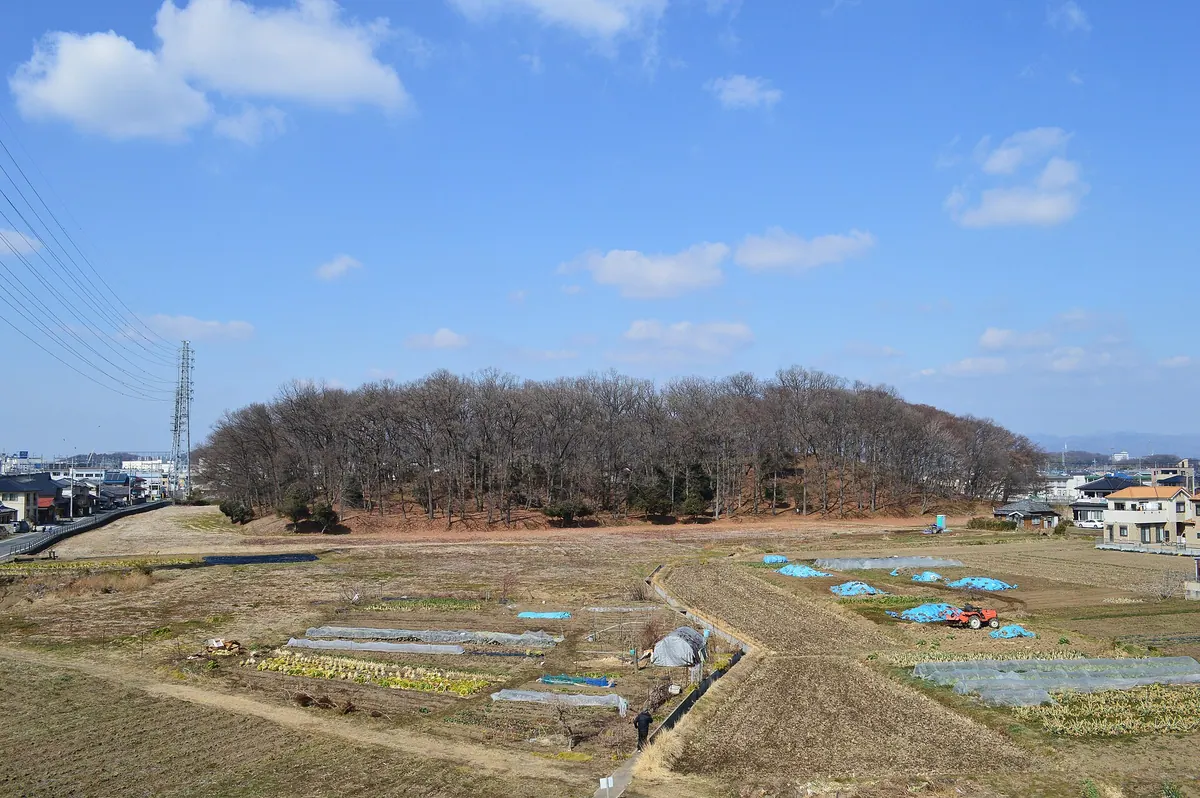
Explore Eastern Japan's largest keyhole-shaped kofun, a 5th-century burial mound, just a short walk from Ota Station.
What it is
- A kofun, or ancient burial mound, in Gunma Prefecture.
- Designated a National Historic Site in 1941.
- The largest kofun in Eastern Japan.
- Built in the 5th century.
What to see
- A keyhole-shaped mound, 364 meters long.
- The only kofun over 200 meters in Eastern Japan.
- Two smaller accompanying burial mounds.
- Located on a plateau in Ota City.
Getting there
- 15 minutes walk from Ota Station.
15
Shinoyama Shell Mound
GUNMA · HISTORIC SITE 篠山貝塚
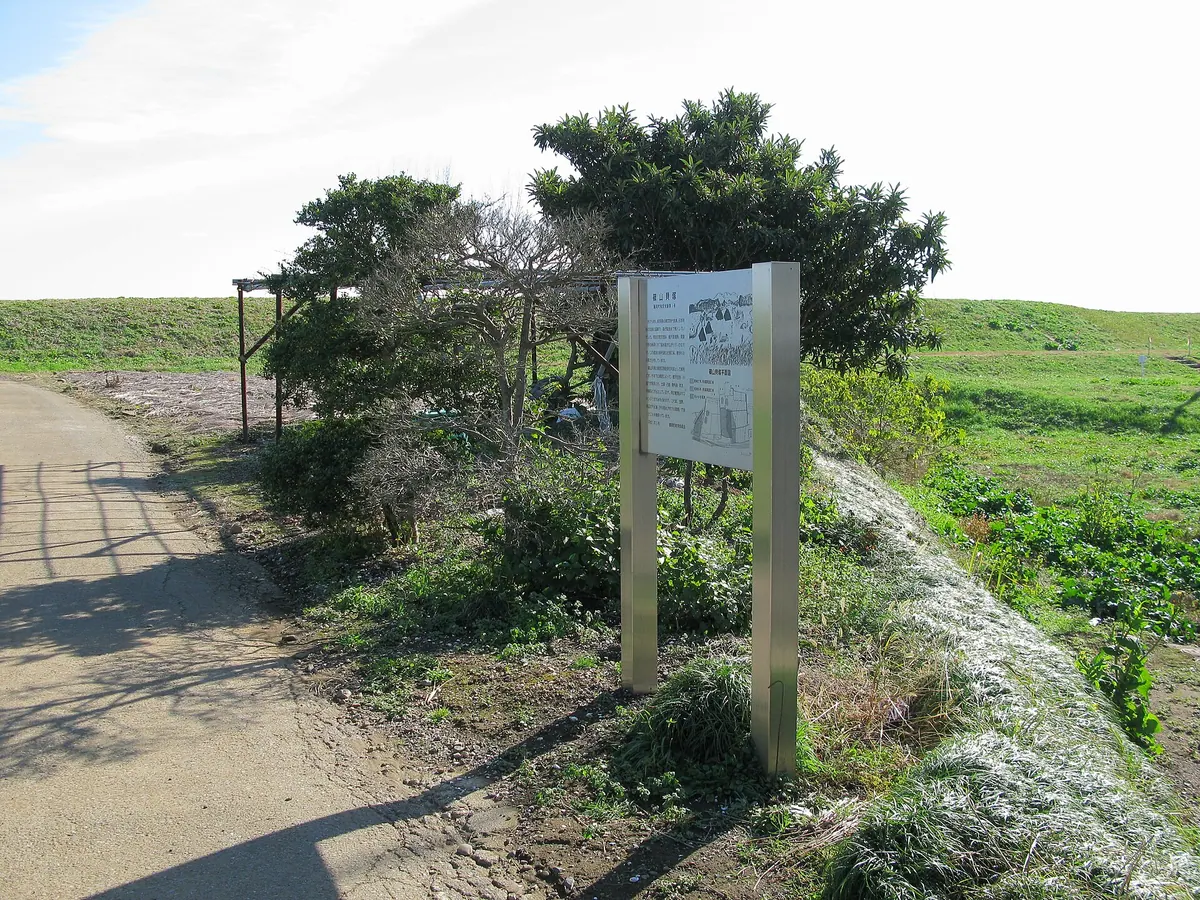
Explore a large Jomon shell mound with ancient tools and pottery, revealing early Japanese life.
What it is
- Jomon period settlement site.
- Designated a Tochigi City historic site.
- Excavated by Tochigi Prefecture and Meiji University.
What to see
- Horseshoe-shaped shell mound, 100m north-south, 70m east-west.
- Contains freshwater clams and marine shells.
- Early Sekiyama pottery was found.
- Deer and wild boar bones were discovered.
- Bone tools like needles and harpoons were found.
- Shell bracelets were also found.
16
Sasamori Kofun
GUNMA · HISTORIC SITE 笹森古墳
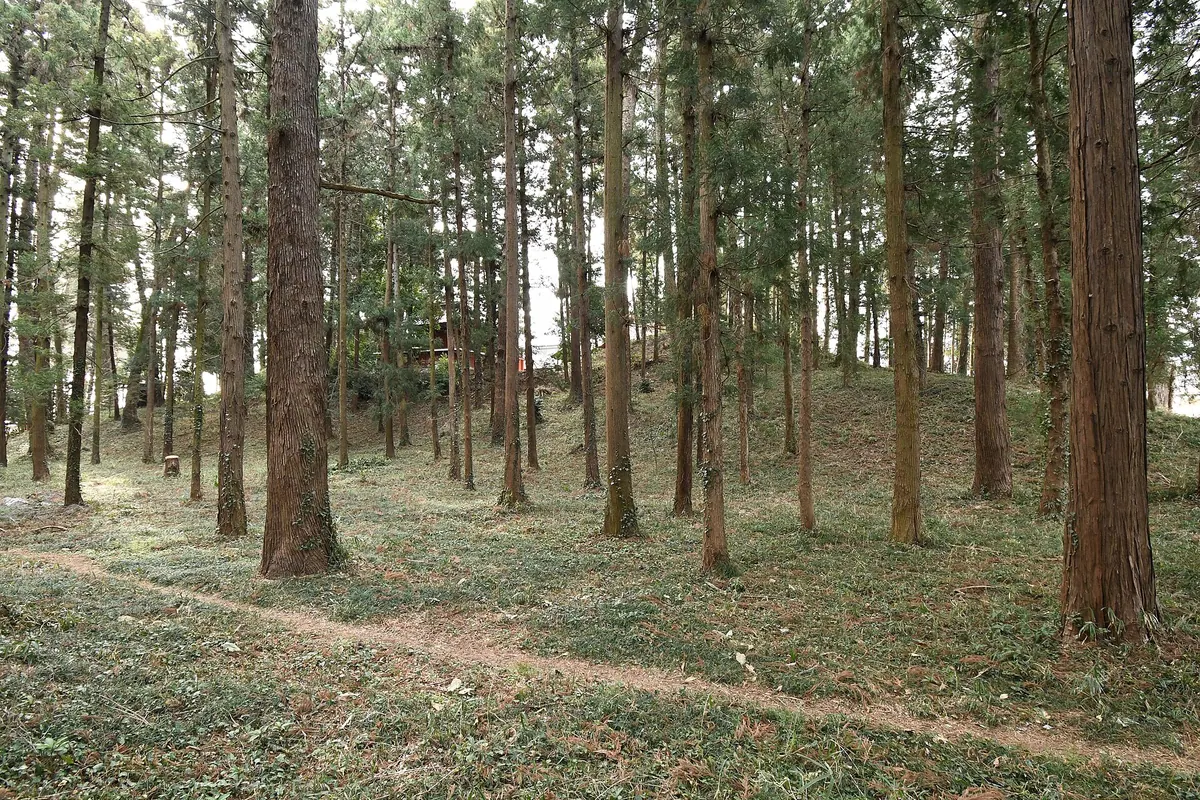
Explore a large 6th-century keyhole-shaped burial mound with an impressive stone chamber.
What it is
- A keyhole-shaped burial mound.
- Designated a Gunma Prefecture Historic Site.
- Estimated to be built in the late 6th century.
What to see
- A 101-meter-long tumulus, largest in the Kabura River basin.
- The mound has two tiers.
- A 16-meter-long horizontal stone chamber.
- Second largest stone chamber in Gunma Prefecture.
When to go
- Stone chamber is open to the public once a year.
17
Tomiyama Kofun
GUNMA · HISTORIC SITE 遠見山古墳
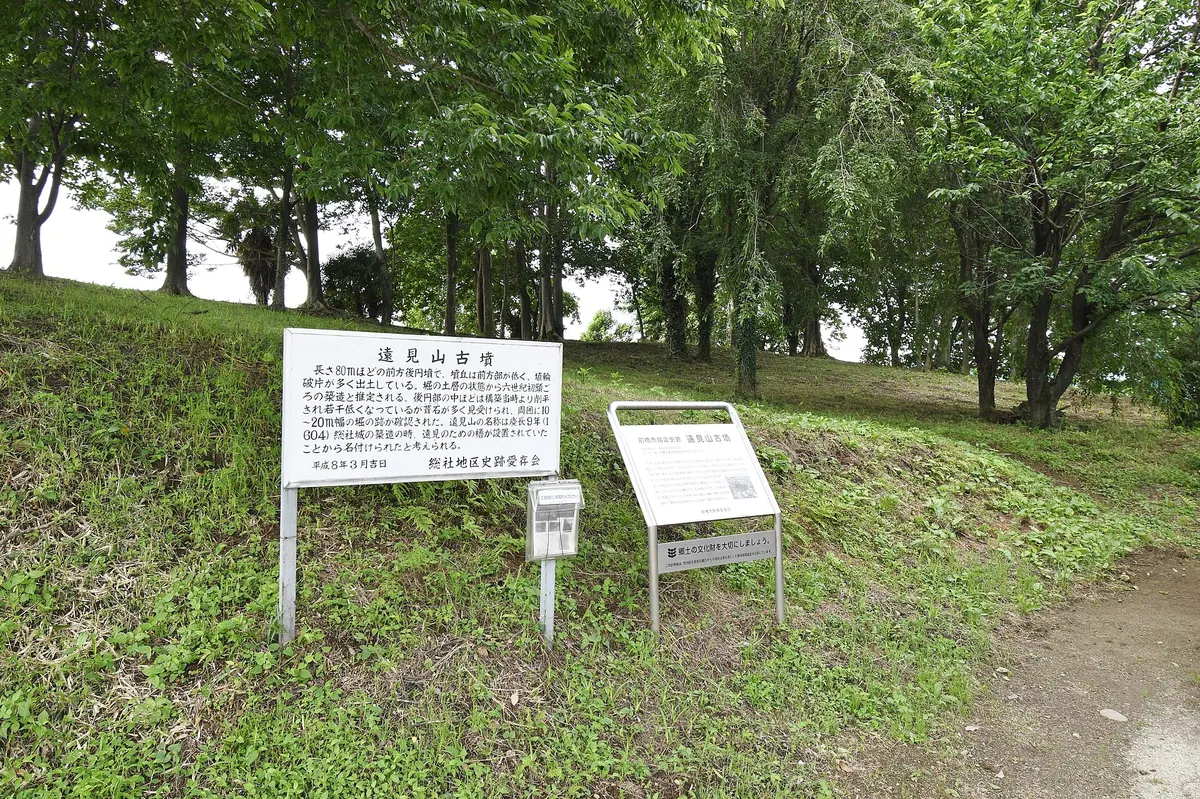
Explore Tomiyama Kofun, a 5th-century keyhole-shaped tumulus and National Historic Site.
What it is
- A keyhole-shaped tumulus, part of the Soja Kofun Group.
- Designated as a National Historic Site.
- Dates to the latter half of the 5th century.
- Oldest kofun in the Soja Kofun Group.
What to see
- The tumulus has a total length of 106 meters.
- Rear circular part has a diameter of 52.5 meters.
- Front rectangular part has a width of 58.0 meters.
- Haniwa artifacts are at Maebashi City Soja History Museum.
18
Yaze Site
GUNMA · HISTORIC SITE 矢瀬遺跡
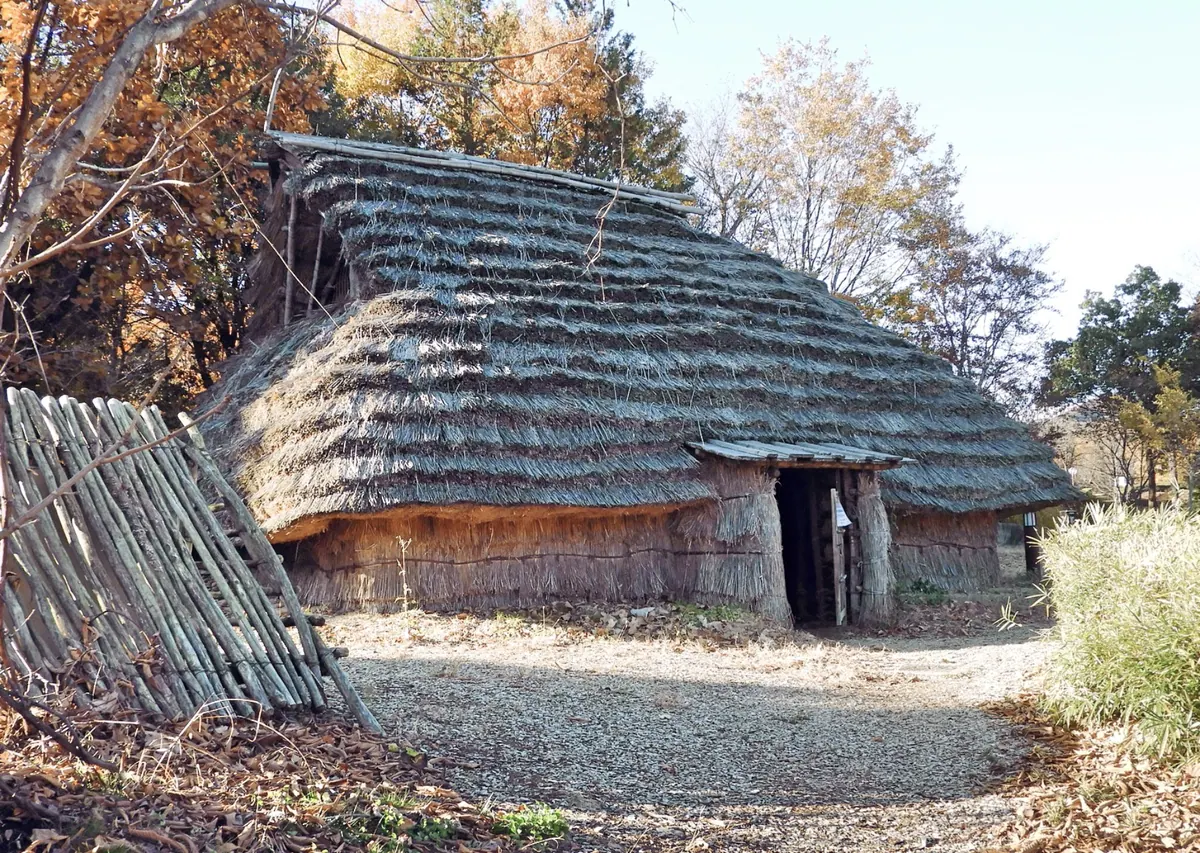
Yaze Site is a National Historic Site showcasing a large Jomon period village.
What it is
- A Jomon period archaeological site.
- Designated as a National Historic Site.
- Located on a river terrace along the Tone River.
What to see
- 22 pit dwellings.
- Communal work area with stone arrangements and waterways.
- Nearly 110 stone circle graves.
- Ritual site with large wooden pillars.
- Artifacts displayed at Minakami Town Tsukuyono Museum.
- Developed as Roadside Station Tsukuyono Yaze Park.
19
Irino Site
GUNMA · HISTORIC SITE 入野遺跡
Explore ancient pit dwellings and artifacts from Japan's Jomon to Kofun periods.
What it is
- A complex archaeological site discovered in 1951.
- Designated a Gunma Prefecture Historic Site.
- Features remains from Jomon to Kofun periods.
What to see
- Seventeen pit dwellings from the late Kofun period.
- One pit dwelling from the early Jomon period.
- One pit dwelling from the late Yayoi period.
- Four pit dwellings from the early Kofun period.
- Many earthenware and stone tools discovered.
20
Urushiyama Kofun
GUNMA · HISTORIC SITE 漆山古墳
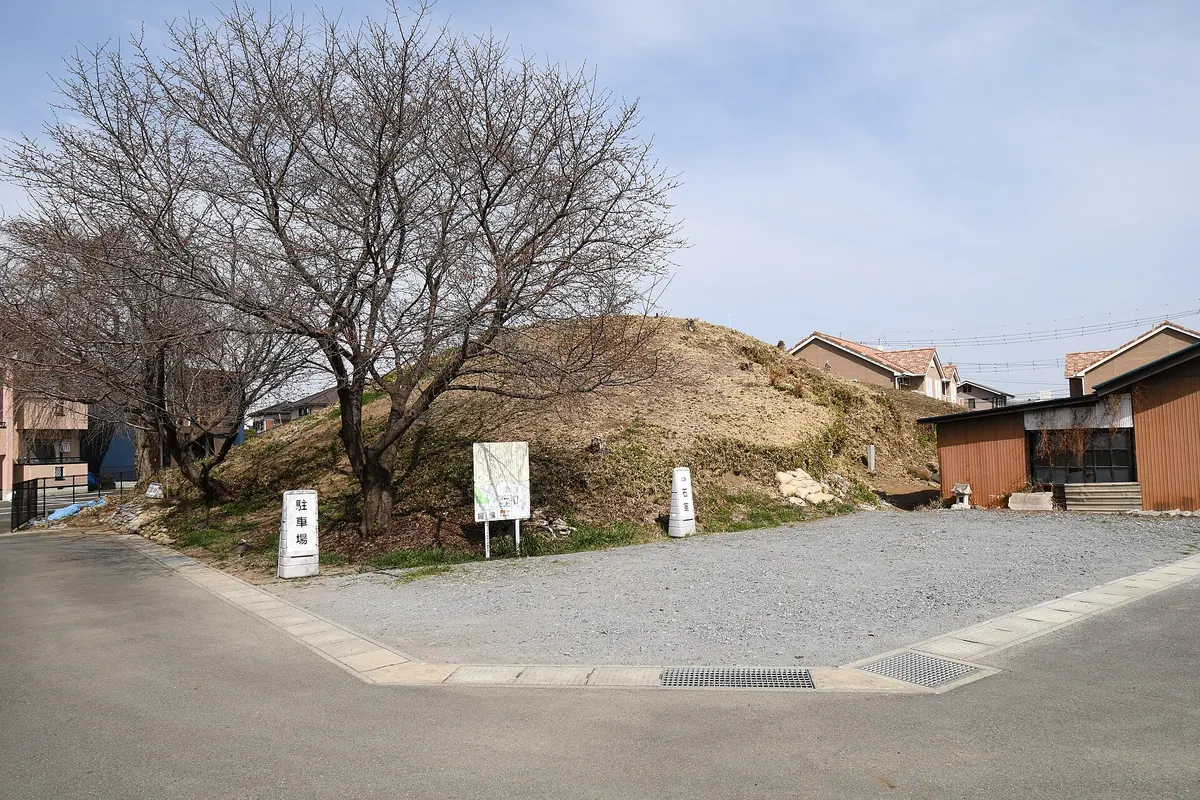
Explore a keyhole-shaped burial mound from ancient Japan, revealing artifacts and a unique stone chamber.
What it is
- A keyhole-shaped burial mound, or kofun.
- Designated a historic site by Takasaki City.
- Constructed from the late 6th to early 7th century.
What to see
- The tumulus, estimated over 70 meters long.
- Fragments of cylindrical and figural Haniwa.
- A shield-shaped moat surrounding the tumulus.
- A double-sleeved horizontal stone burial chamber.
- Excavated human teeth, weapons, and horse fittings.