

20 Historic sites in Kanagawa worth your time
Japan Gems
Kanagawa Prefecture is home to 24 heritage sites, including the Ōmachi Shakadō Pass Site and Hisagozuka Kofun. These sites offer a glimpse into the region's past.
Kanagawa has 33 historic sites on Japan Gems. Below are the 20 we can tell you the most about — each one written up in English from Japanese sources, with what to see and how to get there. See all historic sites in Kanagawa.
01
Hiyoshidai Underground Bunker
KANAGAWA · HISTORIC SITE 日吉台地下壕
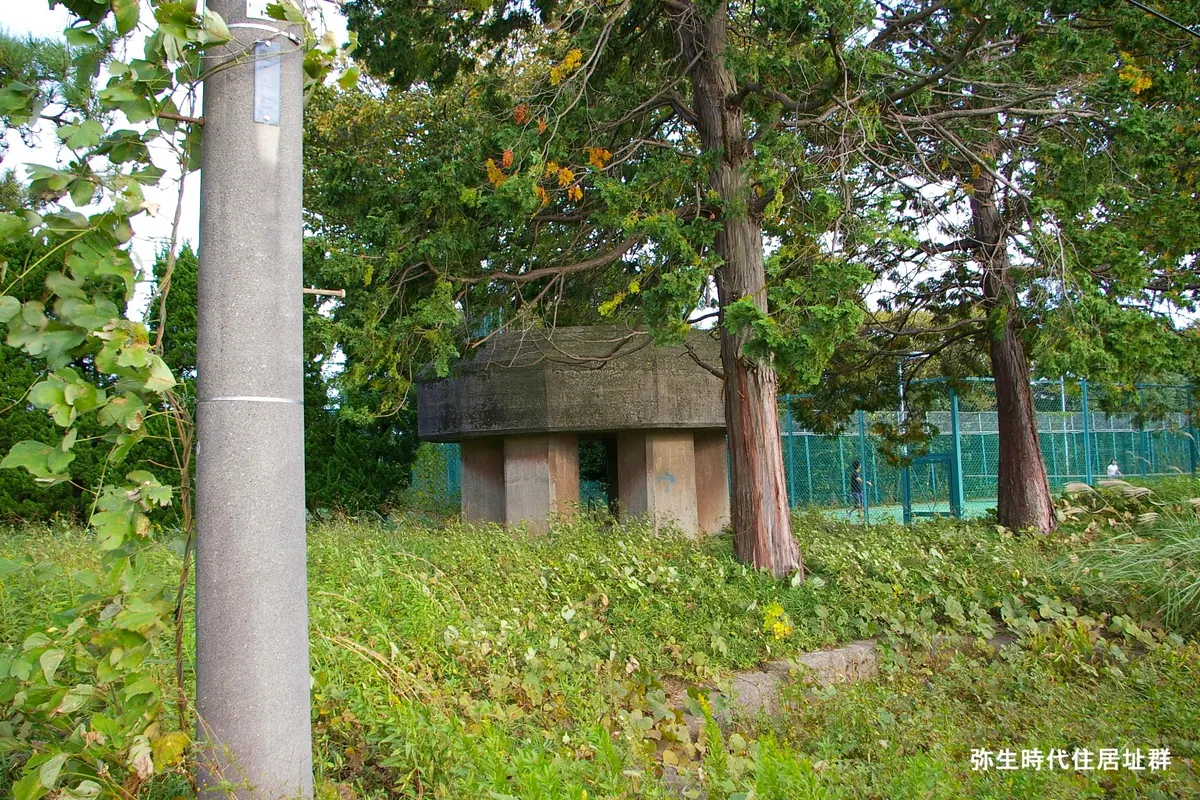
Explore a preserved World War II Imperial Japanese Navy bunker, offering a glimpse into wartime history.
What it is
- Underground bunker built by the Imperial Japanese Navy.
- Constructed during World War II, starting in 1944.
- Served as an underground fortress for naval organizations.
- Part of the Hiyoshidai archaeological site group.
What to see
- Concrete tunnels excavated into a plateau.
- Former Combined Fleet Headquarters.
- Former Navy Ministry Personnel Bureau.
- Former Aviation Headquarters.
When to go
- Regular tours are conducted by a preservation society.
Getting there
- Located under Keio University Hiyoshi Campus.
02
Ōmachi Shakadō Pass Site
KANAGAWA · HISTORIC SITE 大町釈迦堂口遺跡
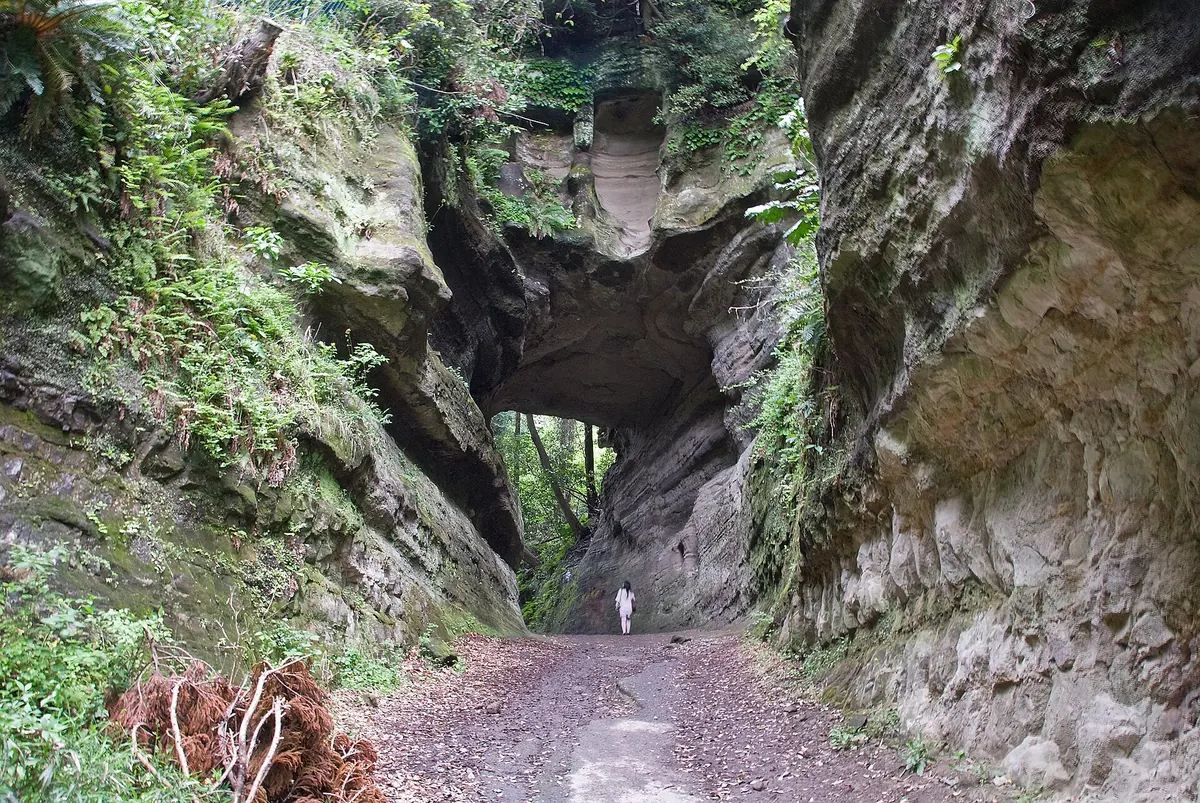
Explore an archaeological site with unique cave tombs, revealing medieval Kamakura's religious life.
What it is
- Archaeological site in Kamakura City.
- Designated a National Historic Site in 2010.
- Part of the Japan Heritage 'Iza, Kamakura'.
- Valuable for understanding medieval religious practices.
What to see
- Flat area with evidence of 13th to 15th century buildings.
- Hillside with groups of yagura cave tombs.
- Distinct Jizo-yagura and Nichigetsu-yagura.
- Sixty-four yagura confirmed on the hillside.
- Yagura are horizontal cave tombs and Buddhist halls.
- Three large celadon bowls, over 20 cm, were excavated.
03
Akada No. 2 Burial Mound
KANAGAWA · HISTORIC SITE 赤田2号墳
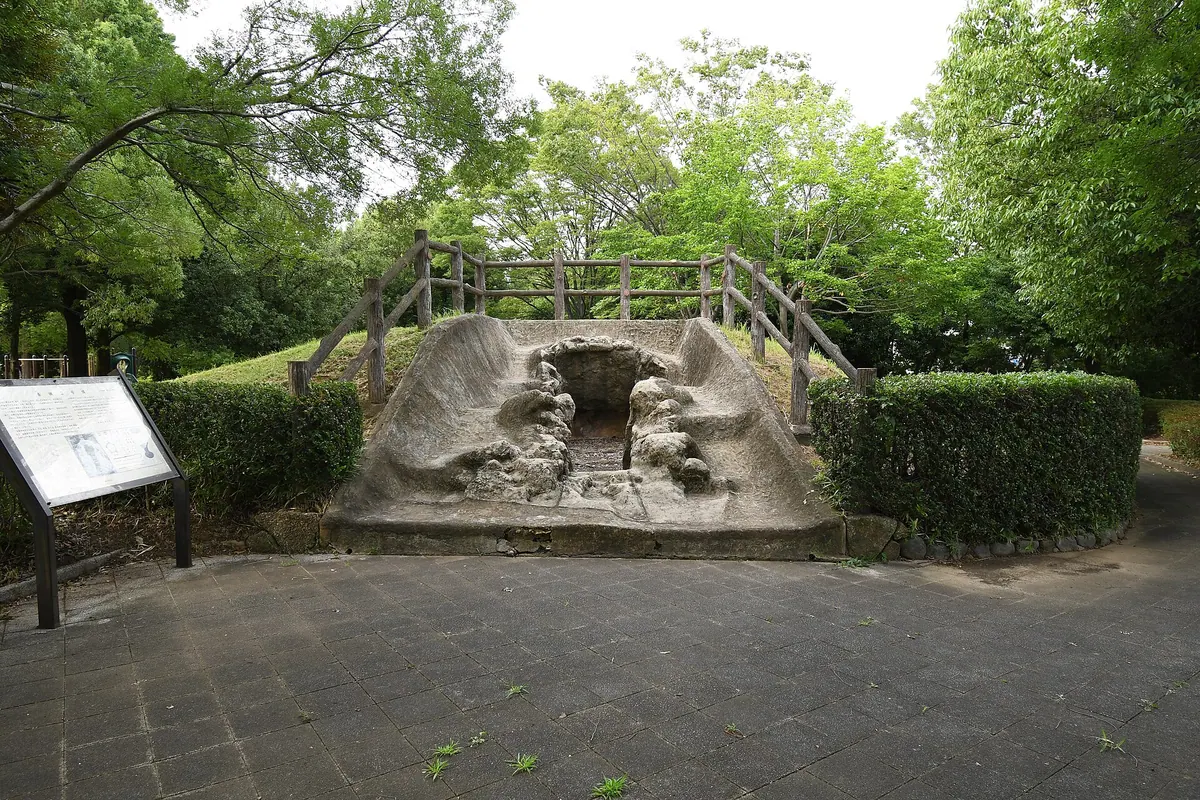
See a life-size replica of an ancient burial mound and its excavated treasures.
What it is
- A replica of a 6th-century circular burial mound.
- The original was part of the Akada Kofun Group.
- It was destroyed due to urban development.
What to see
- A life-size replica of the 20m diameter tumulus.
- The replica shows the burial chamber's two rooms.
- It reproduces the state at the time of excavation.
- An information board provides details.
- Excavated weapons, beads, earrings, and Sue ware.
Getting there
- Near Eda Station on the Tokyu Den-en-toshi Line.
04
Kasedai Kofun Cluster
KANAGAWA · HISTORIC SITE 加瀬台古墳群
Explore ancient burial mounds, including Kawasaki's largest keyhole tomb, offering a glimpse into Japan's past.
What it is
- A cluster of ancient burial mounds, or kofun.
- Built from the late 4th to late 7th centuries.
- Located on a 30-meter-high plateau called Kaseyama.
- Part of the larger Hiyoshi-Kase Kofun Group.
What to see
- Seven kofun remain within Yumemigasaki Zoo.
- Kawasaki City's largest keyhole-shaped tomb mound.
- Kofun No. 3 has a double-chambered stone burial chamber.
- Kofun No. 4 is a circular kofun from the early 5th century.
- The Minamikase Shell Mound is also on Kaseyama.
05
Kanzaki Site
KANAGAWA · HISTORIC SITE 神崎遺跡
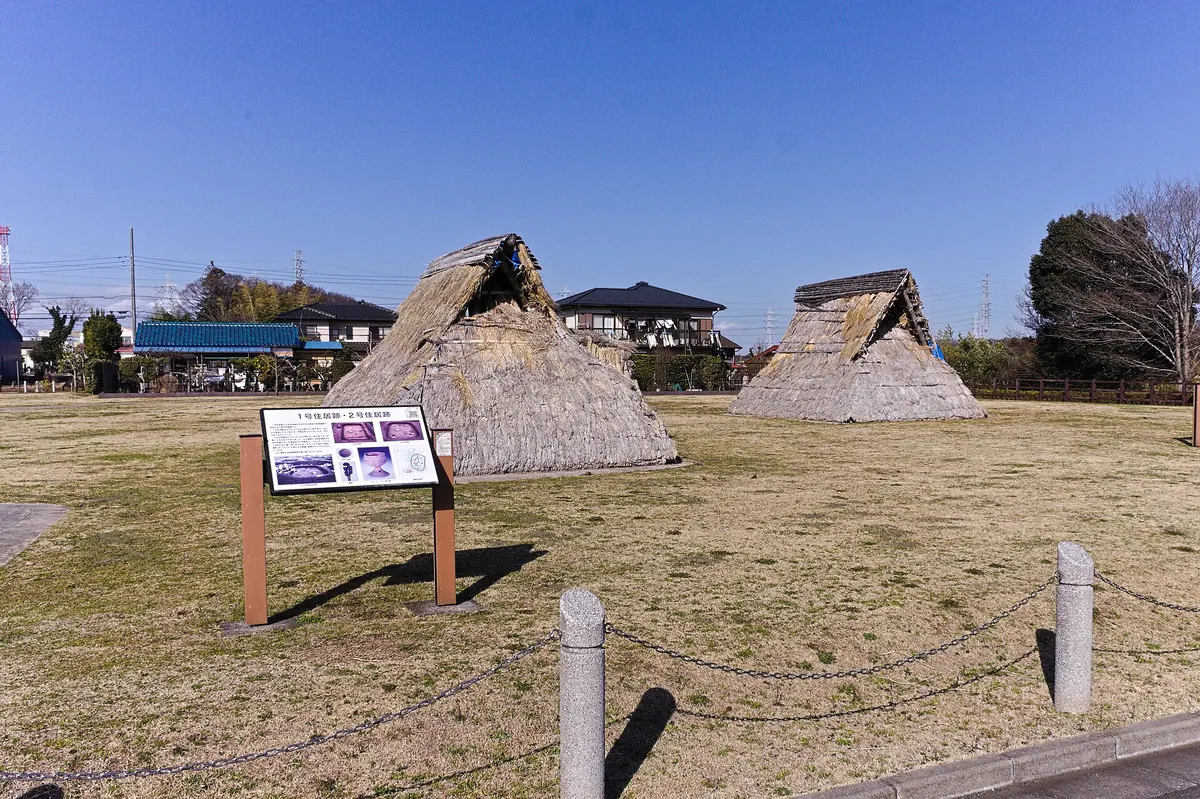
Explore a 2nd-century Yayoi period village, a National Historic Site with excavated artifacts and a museum.
What it is
- A late Yayoi period settlement, around the 2nd century.
- Designated a National Historic Site in 2011.
- Developed as an urban historical park.
- Features a museum opened in 2016.
What to see
- An oval-shaped moat, 103 by 65 meters.
- Nine dwelling sites within the moat.
- Bronze arrowheads and spherical clay products.
- Excavated pottery from western Shizuoka and eastern Aichi.
- Artifacts designated Prefectural Important Cultural Property.
06
Hōjō-shi Tokiwa-tei ato
KANAGAWA · HISTORIC SITE 北条氏常盤亭跡
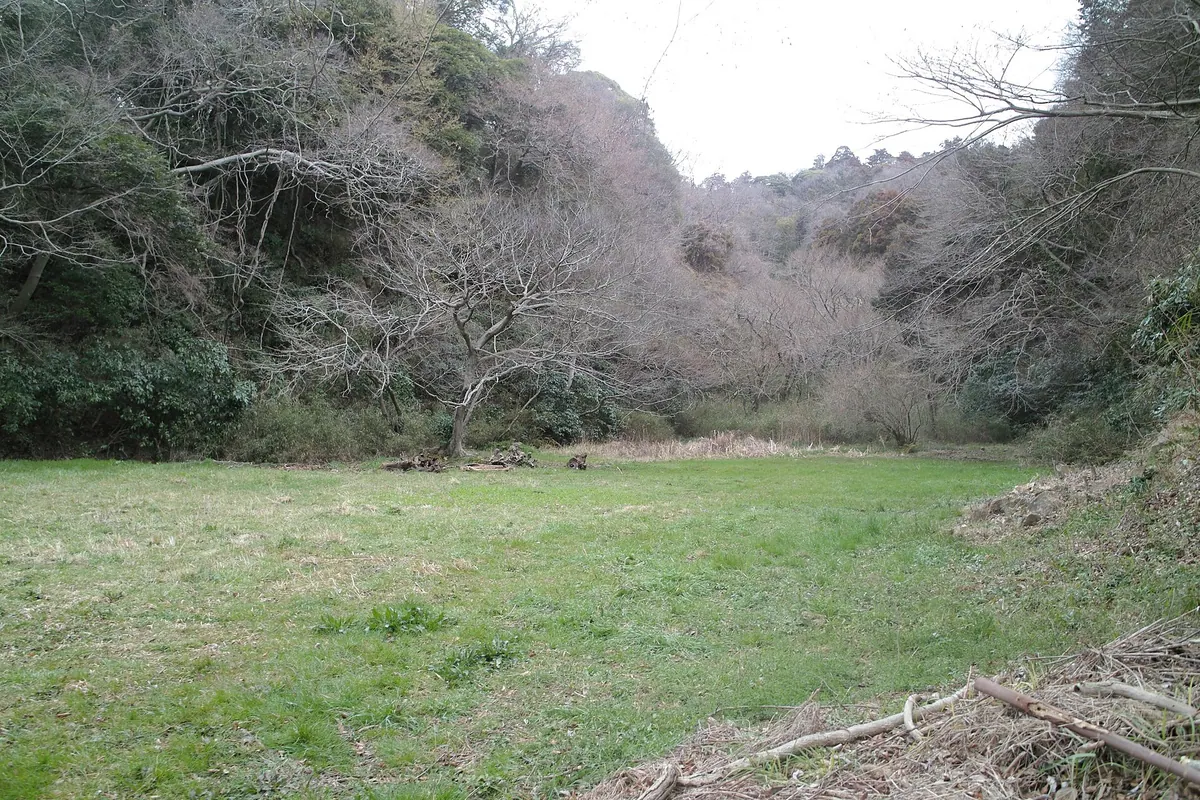
Explore the excavated remains of a Kamakura period samurai residence, a national cultural property.
What it is
- Former residence of the Tokiwa clan, a national cultural property.
- Site of residences for Hojo Masamura and Hojo Yoshimasa.
- Built by Hojo clan members during the Kamakura period.
- Building remains confirmed by 1977 excavation.
What to see
- Excavated building remains of a samurai residence.
- Site utilized a valley topography.
- Observe the tiered structure of the former residences.
- A yagura is at the cliff line behind Tachindai.
07
Ichigao Kofun Group
KANAGAWA · HISTORIC SITE 市ヶ尾横穴古墳群
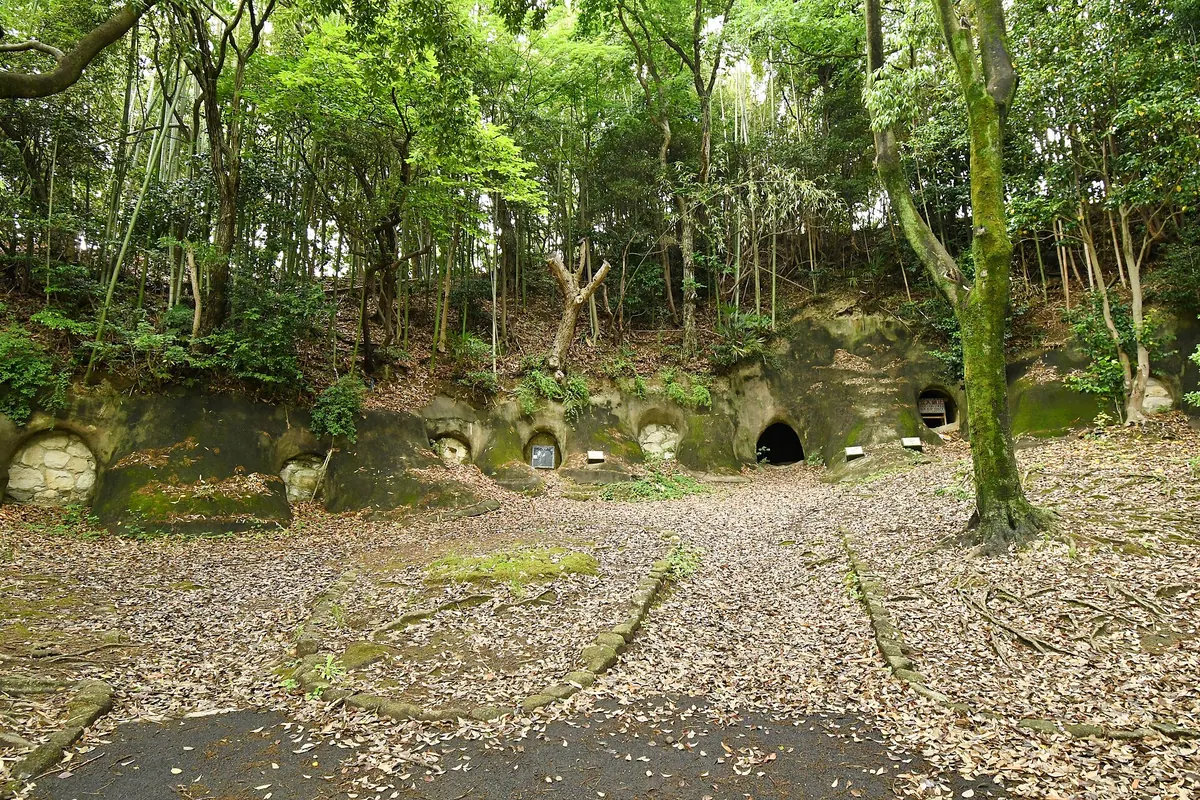
Explore ancient burial mounds from the 6th and 7th centuries, offering a glimpse into early Japanese history.
What it is
- A group of ancient burial mounds, discovered in 1933.
- Designated a Kanagawa Prefectural Historic Site in 1957.
- Developed as Ichigao Historic Park in 1978.
- Dates from the late Kofun period, 6th to 7th centuries.
What to see
- Twelve tombs in Group A and seven tombs in Group B.
- Believed to be the tombs of influential farmers.
- Grave goods like Sue ware and Haji ware were found.
- A walking path is maintained within the park.
08
Karuizawa Kofun
KANAGAWA · HISTORIC SITE 軽井沢古墳
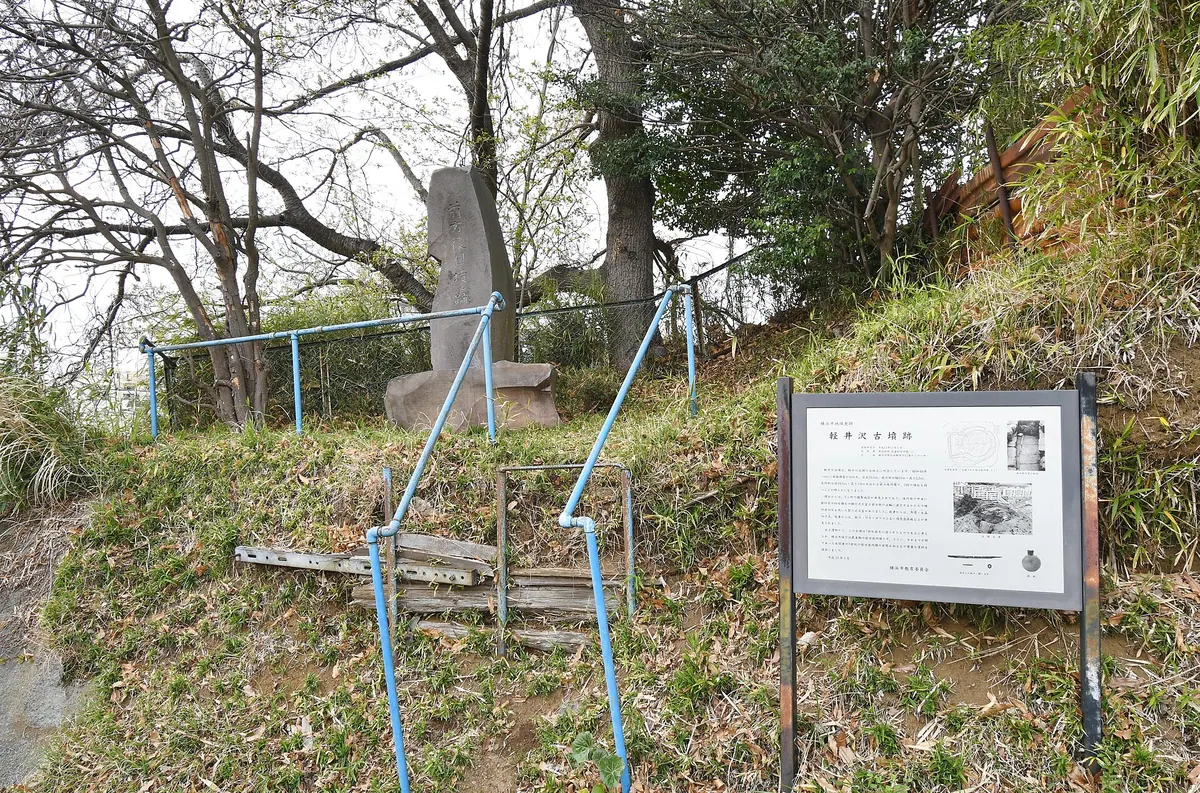
Explore the lost site of a 7th-century keyhole-shaped burial mound in Yokohama.
What it is
- A lost keyhole-shaped tumulus from the early 7th century.
- A registered historic site of Yokohama City.
- Built on a hill in eastern Kanagawa Prefecture.
What to see
- The site of a large burial mound, now lost.
- Traces of a 3-meter-wide surrounding moat.
- Two types of burial facilities were found.
- Excavated artifacts included earrings and crystal beads.
- Iron swords, knives, glass beads, and Sue ware were also found.
09
Miyanomae Tunnel Tomb Cluster
KANAGAWA · HISTORIC SITE 宮ノ前横穴墓群
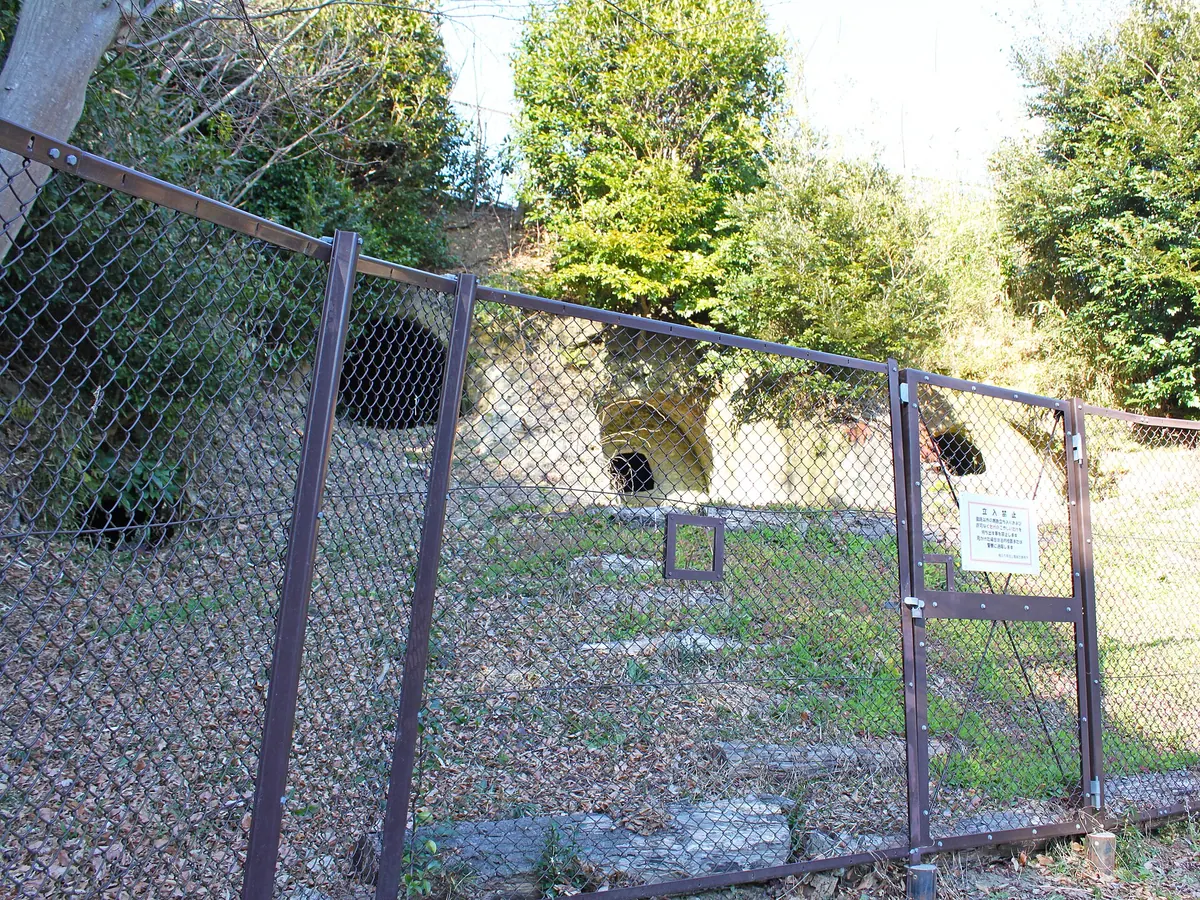
Explore ancient tunnel tombs, including unique 'Kamakura-style' designs, within a peaceful citizen's forest.
What it is
- An ancient tunnel tomb site.
- One of 20 groups along the Itachi River.
- Contains 25 tunnel tombs in total.
- Excavated in 1958-1959.
What to see
- Two groups of tunnel tombs.
- Unique 'Kamakura-style' tunnel tombs with a small 'coffin room'.
- Tombs in western A group without a 'coffin room'.
- View tombs through fences along a path.
When to go
- Developed as a citizen's forest from 2013.
10
Ōtsuka-Saikachido Site
KANAGAWA · HISTORIC SITE 大塚・歳勝土遺跡
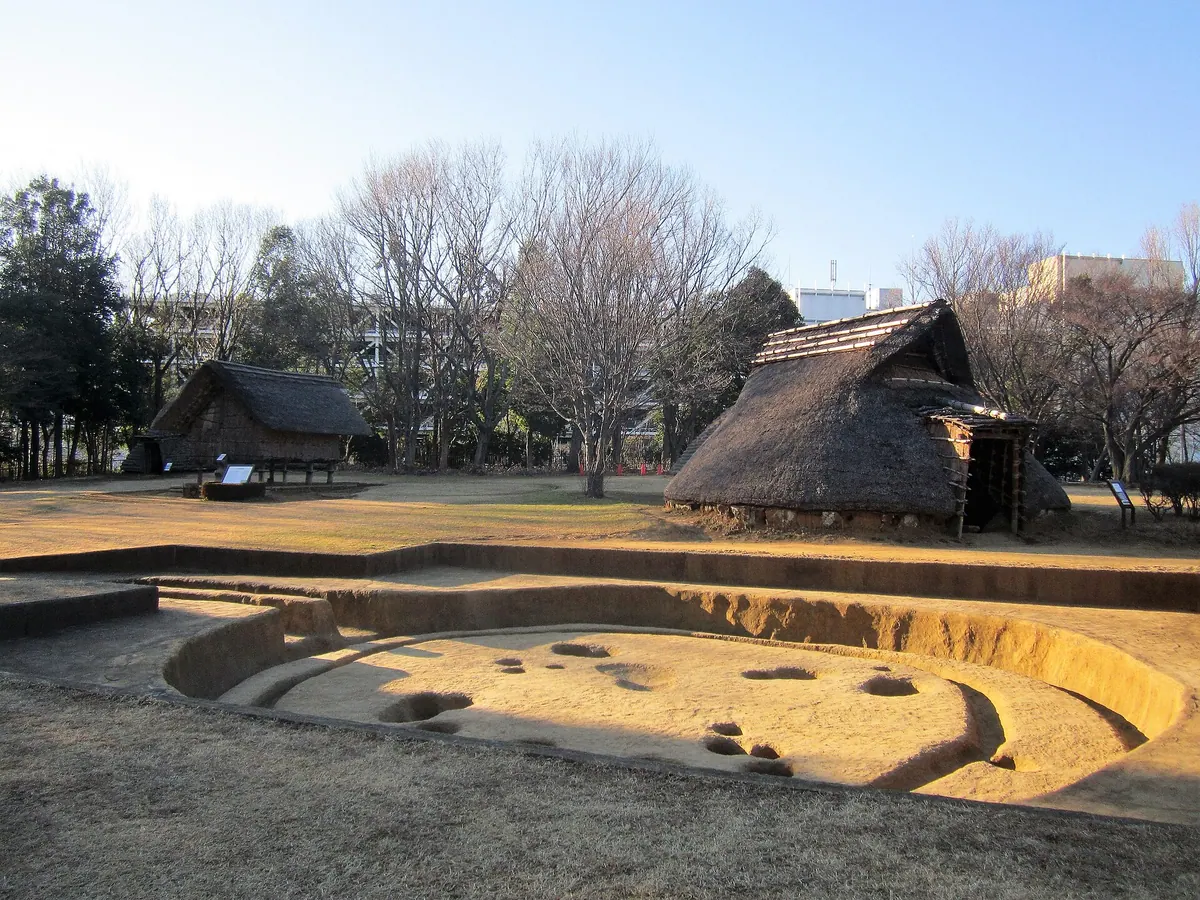
Explore a restored Yayoi-period moated settlement and burial ground, a designated National Historic Site.
What it is
- A middle Yayoi period archaeological site.
- Consists of a settlement and a burial ground.
- Discovered in 1972, designated National Historic Site in 1986.
- Part of the Kohoku New Town group of ruins.
What to see
- Restored Yayoi period moated settlement on a plateau.
- Seven restored pit dwellings.
- One restored raised-floor building.
- 250 meters of restored moated area.
- Five restored square-ditched tombs.
- Official site
- www.rekihaku.city.yokohama.jp
11
Osarubatake no Ōkirigishi
KANAGAWA · HISTORIC SITE お猿畠の大切岸
Explore a 14th-century quarry cliff, part of a historic pass, with a legend of Nichiren.
What it is
- An artificial cliff formation, 800 meters long.
- Part of the National Historic Site Nagoe Kiridoshi.
- A large-scale quarry from the 14th-15th centuries.
- Named from a legend about Nichiren and three white monkeys.
What to see
- The 5-10 meter high cliff formation.
- Nearby Nagoe Kiridoshi, one of Kamakura's Seven Entrances.
- Fassho-ji Temple to the south.
- A cave at Fassho-ji where Nichiren reportedly hid.
12
Jitōyama Kofun
KANAGAWA · HISTORIC SITE 地頭山古墳
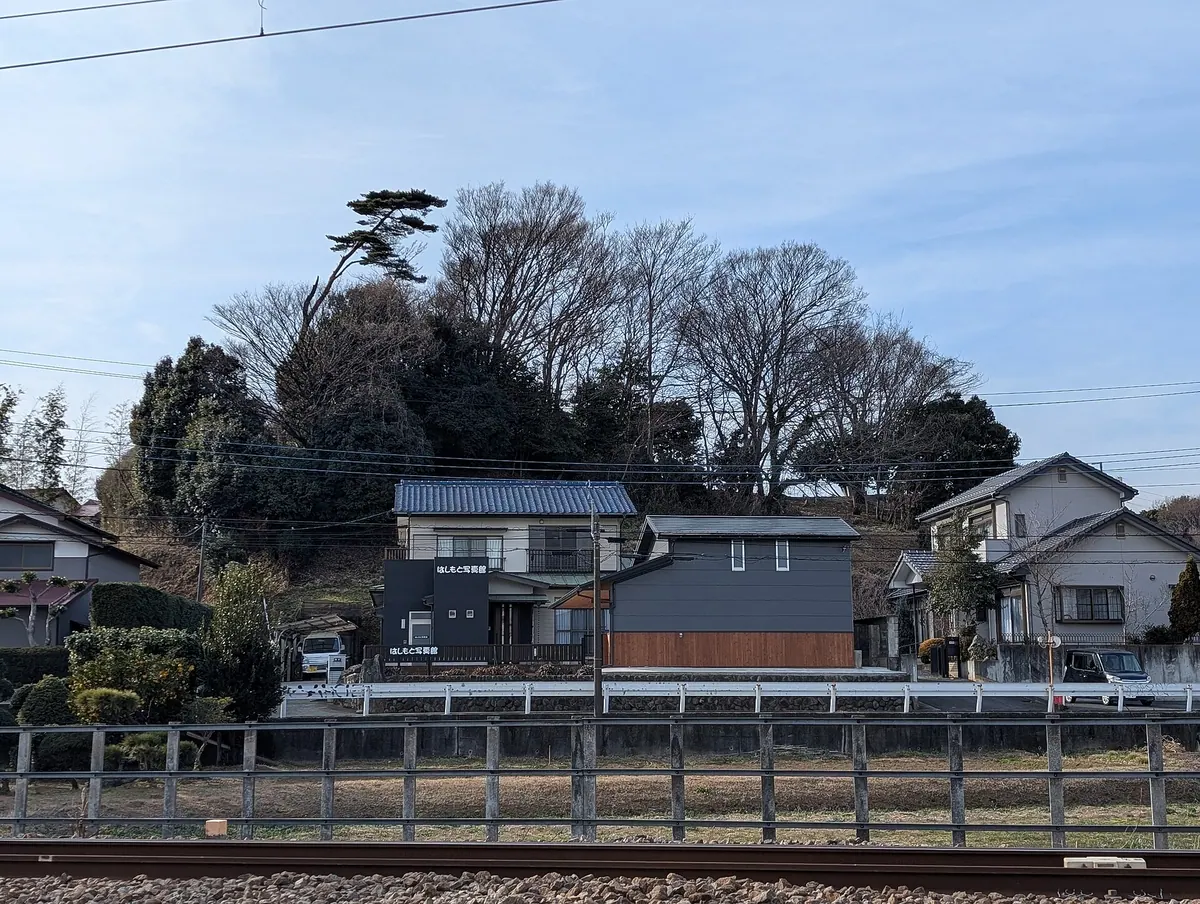
Explore a 5th-century keyhole-shaped tomb, remarkably preserved despite modern highway construction.
What it is
- A large keyhole-shaped tomb mound from the Kofun period.
- Likely constructed between the early to mid-5th century.
- Discovered in 1977 during highway construction.
- Its size ranks 3rd to 4th in Kanagawa Prefecture.
What to see
- The keyhole-shaped tomb mound, approximately 72 meters long.
- A tunnel of National Route 246 runs directly beneath it.
- The Funako Dōmon tunnel, designed to preserve the kofun.
13
Saifuku-ji Kofun
KANAGAWA · HISTORIC SITE 西福寺古墳
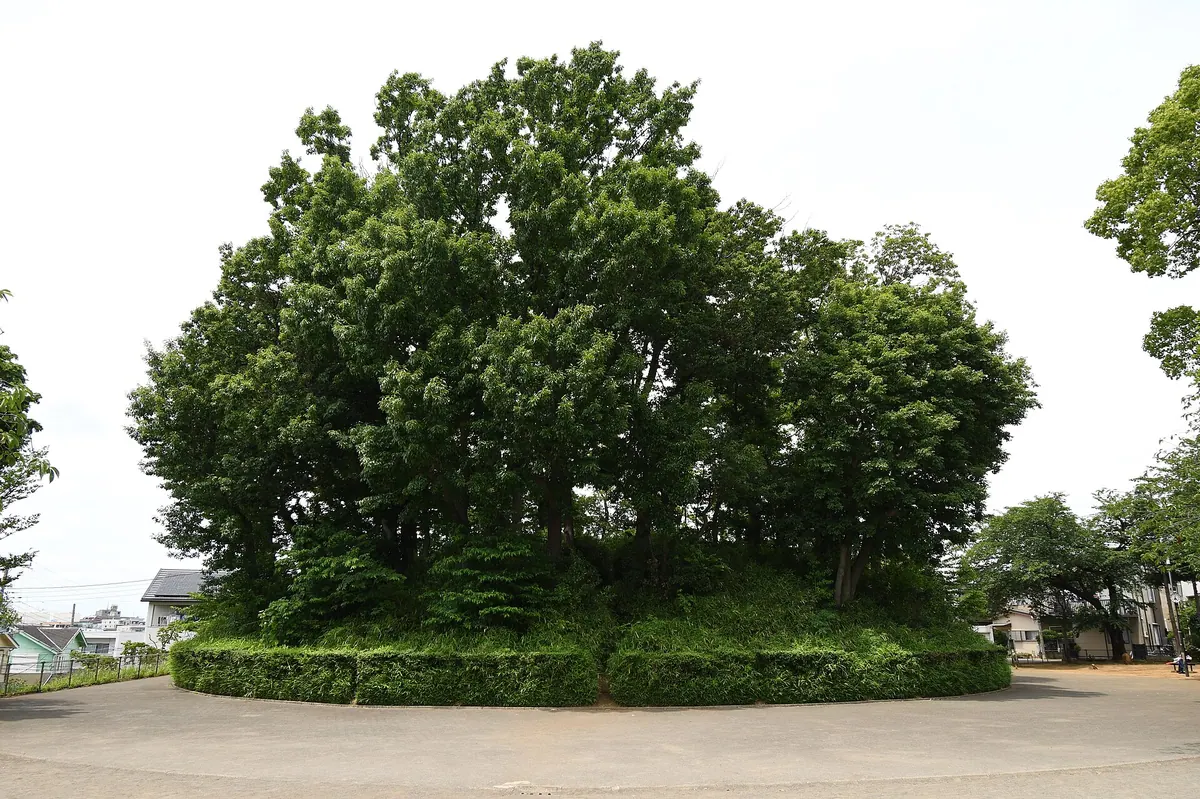
See an ancient burial mound from the 5th-6th century, with unique Haniwa figures.
What it is
- A circular burial mound, part of a larger kofun group.
- Dates to the late 5th to early 6th century.
- Designated a historic site by Kawasaki City and Kanagawa Prefecture.
What to see
- A circular mound, 35 meters in diameter, 5.5 meters high.
- Cylindrical and figural Haniwa were found on the surface.
- A dry moat, 6.0-7.5 meters wide, surrounds the mound.
- Preserved within Kajigaya No. 3 Children's Park.
14
Matsugasaki Cave Tomb Cluster
KANAGAWA · HISTORIC SITE 松ヶ崎横穴墓群
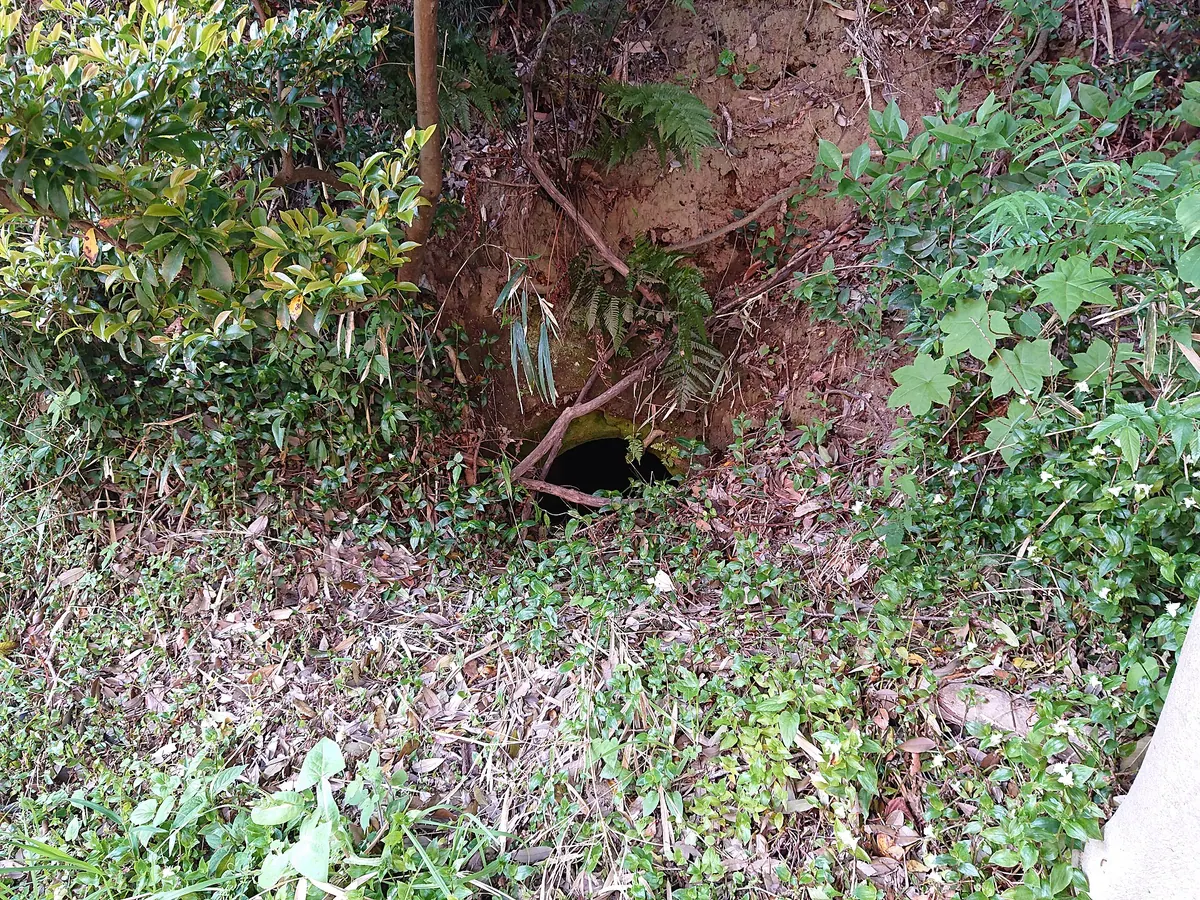
Explore ancient Kamakura-style cave tombs, a unique glimpse into Japan's Kofun and Nara periods.
What it is
- A cluster of cave tombs from the Kofun to early Nara periods.
- Part of the Konandai archaeological site group.
- Registered as a Yokohama City local historic site.
- Designated a local historic site on November 13, 2015.
What to see
- Tombs with a long trapezoidal floor and kamaboko-shaped ceiling.
- Small 'coffined chambers' dug into the back walls.
- See the unique 'Kamakura-style cave tomb' design.
15
Kamigo Fukada Site
KANAGAWA · HISTORIC SITE 上郷深田遺跡
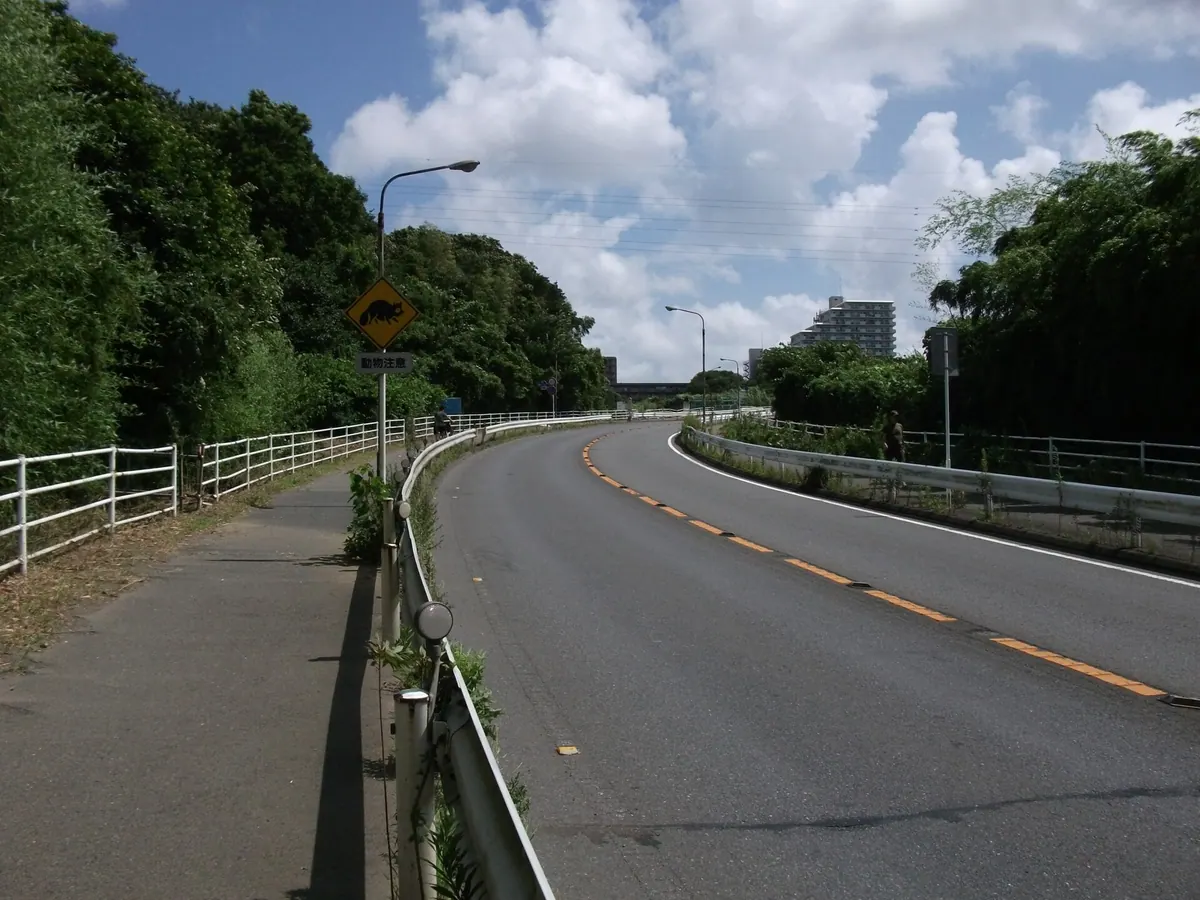
Explore an ancient iron-making site, the only one of its kind in Kanagawa Prefecture.
What it is
- An ancient iron-making site.
- Dates from the Asuka to Heian periods.
- Only remaining iron-making site in Kanagawa Prefecture.
What to see
- Eighteen iron-making furnaces were found.
- One copper-making furnace was discovered.
- One pit dwelling with a blacksmith's furnace.
- Five pit dwellings were identified.
- Excavated earthenware, Sue ware, tuyeres, and molds.
- Site is preserved underground.
16
Santonodai Site
KANAGAWA · HISTORIC SITE 三殿台遺跡
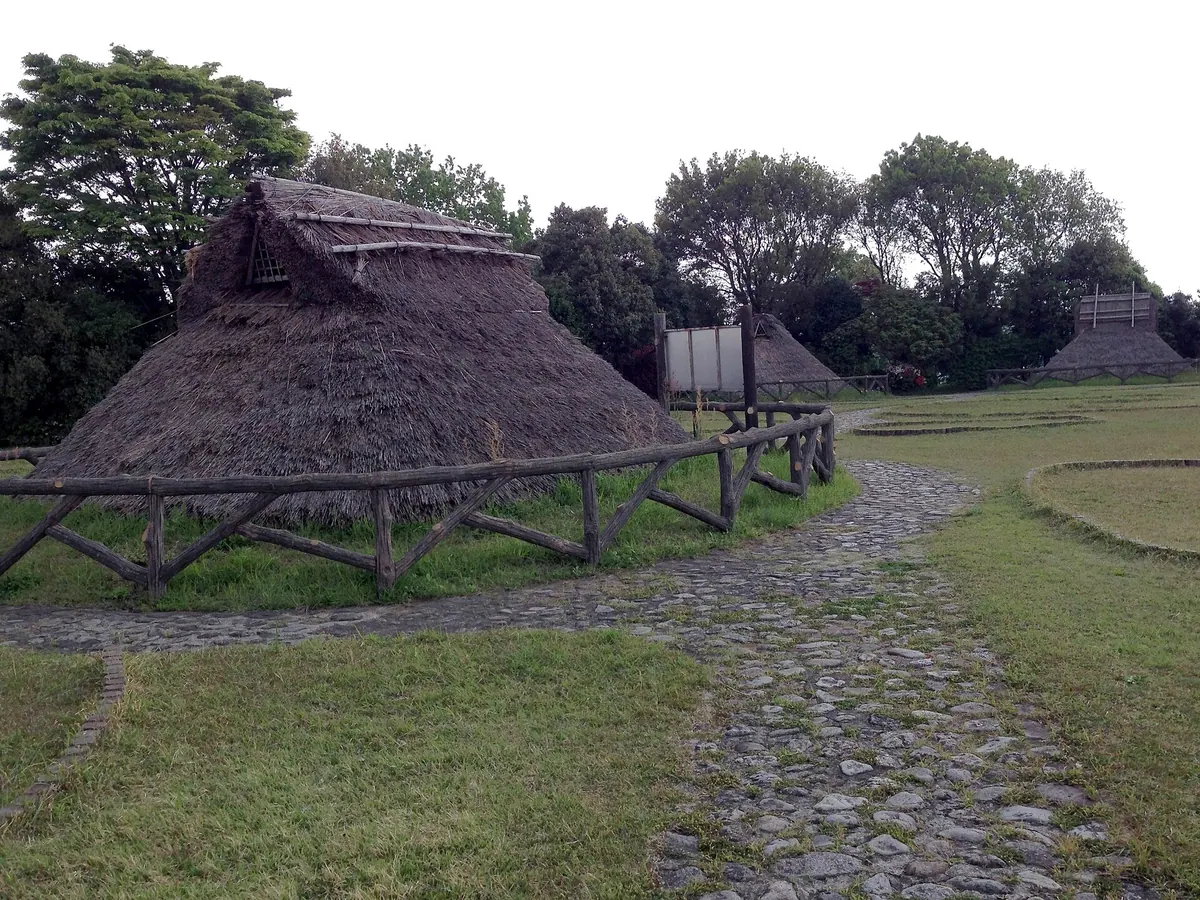
Explore an ancient archaeological site with reconstructed dwellings and a museum.
What it is
- A large complex archaeological site.
- Designated a National Historic Site.
- Spans from the Jomon to Kofun periods.
- Preserves the site in its original location.
What to see
- Over 250 pit dwellings, mostly Yayoi period.
- Reconstructed ancient buildings.
- Protective facilities over excavations.
- Yokohama City Santonodai Archaeological Museum.
- Excavated artifacts displayed in the museum.
- Official site
- www.rekihaku.city.yokohama.jp
17
Katsusaka Site
KANAGAWA · HISTORIC SITE 勝坂遺跡
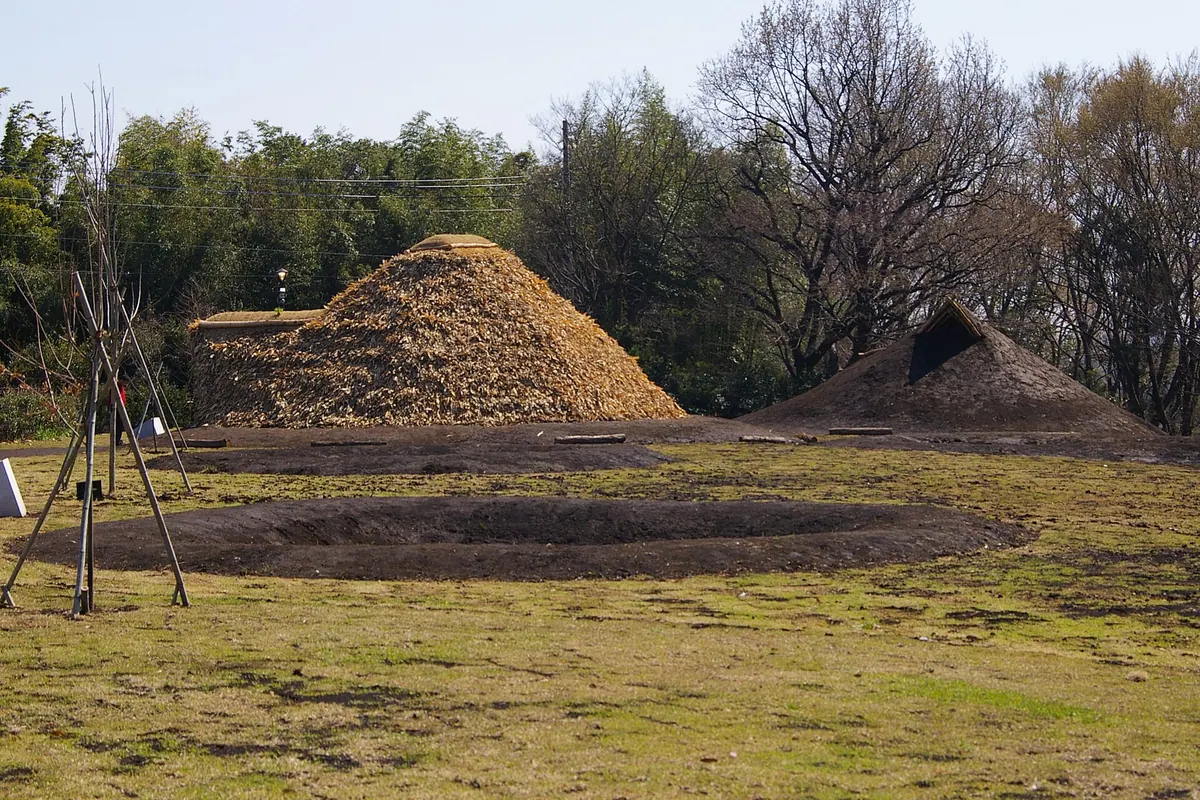
Explore a large Jomon period settlement and its unique pottery, a designated National Historic Site.
What it is
- A Jomon period ruin, a large settlement.
- Designated a National Historic Site.
- Katsusaka pottery is named after this site.
- Discovered by Kashiwa Oyama in 1926.
What to see
- Jomon period earthenware and stone axes.
- Sagamihara City designated cultural properties.
- Katsusaka Historic Site Park.
Getting there
- About 1.5 kilometers from Shimomizo Station.
- Official site
- www.city.sagamihara.kanagawa.jp
18
Nakazato Archaeological Site
KANAGAWA · HISTORIC SITE 中里遺跡 (小田原市)
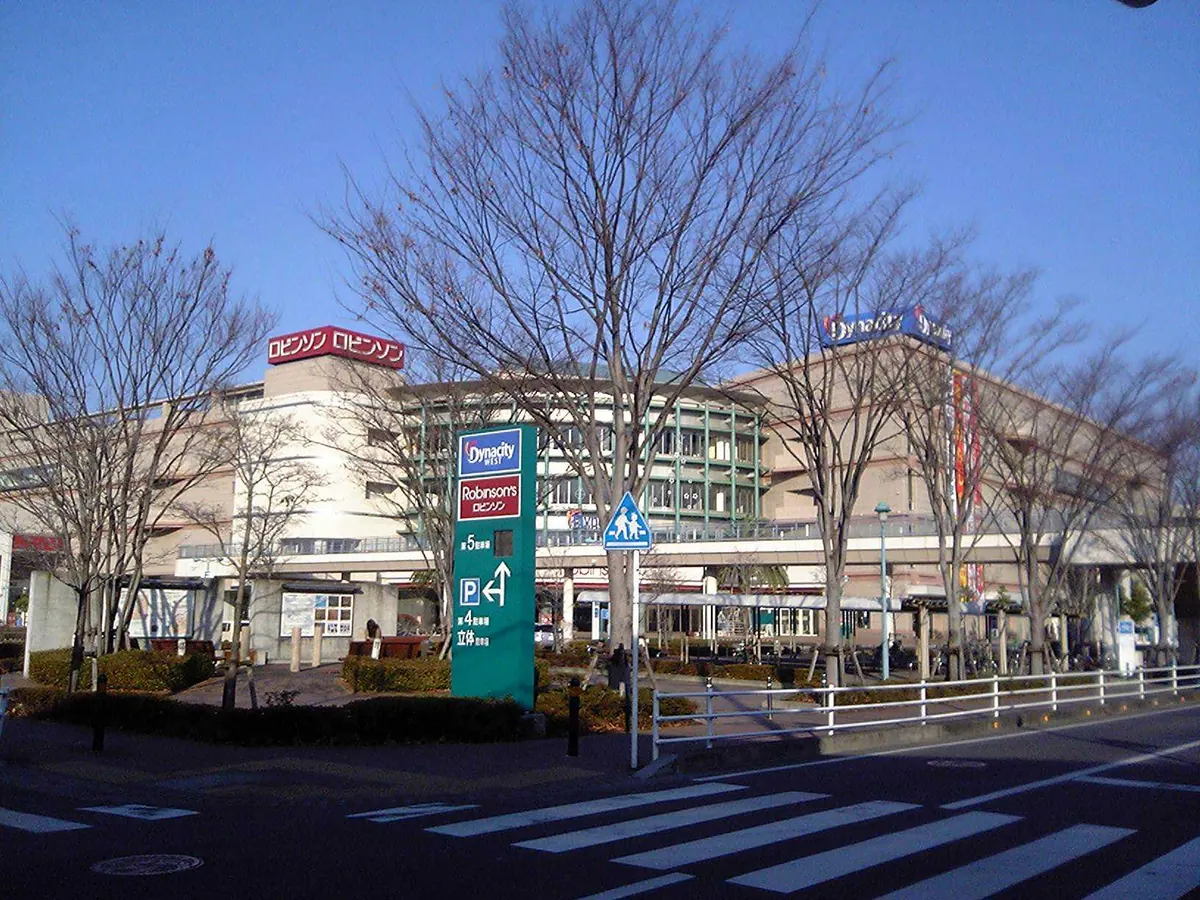
Explore an early Yayoi period settlement with numerous pit dwellings and important artifacts.
What it is
- A Yayoi period settlement site.
- Considered an early Yayoi period settlement in Kanto.
- Part of the site was discovered in 1952.
What to see
- 102 pit dwellings and 73 pillar-supported buildings.
- Square-ditched tombs.
- Pottery from the eastern Seto Inland Sea.
- A moated settlement part.
- A pocket park with a monument.
- 141 artifacts designated important cultural properties.
19
Hiyoshidai Archaeological Sites
KANAGAWA · HISTORIC SITE 日吉台遺跡群
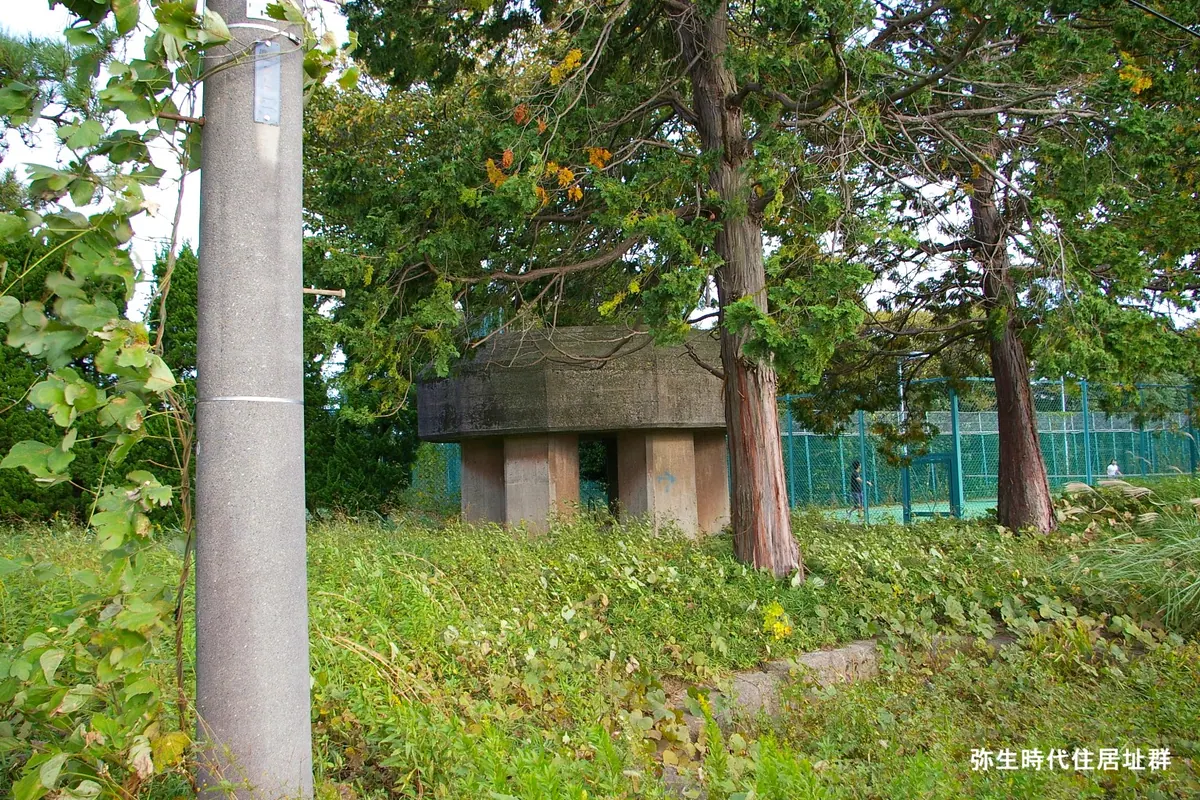
Explore ancient burial mounds and wartime shelters at this unique archaeological site.
What it is
- A group of multiple archaeological ruins.
- Includes settlements from Yayoi and Kofun periods.
- Also contains modern war ruins.
- Centered around Keio University Hiyoshi Campus.
What to see
- Settlement ruins from Yayoi and Kofun periods.
- Kofun clusters and horizontal cave tombs.
- Hiyoshidai underground shelter from World War II.
- Pit dwellings excavated from the Yayoi period.
20
Akada Burial Mounds
KANAGAWA · HISTORIC SITE 赤田古墳群
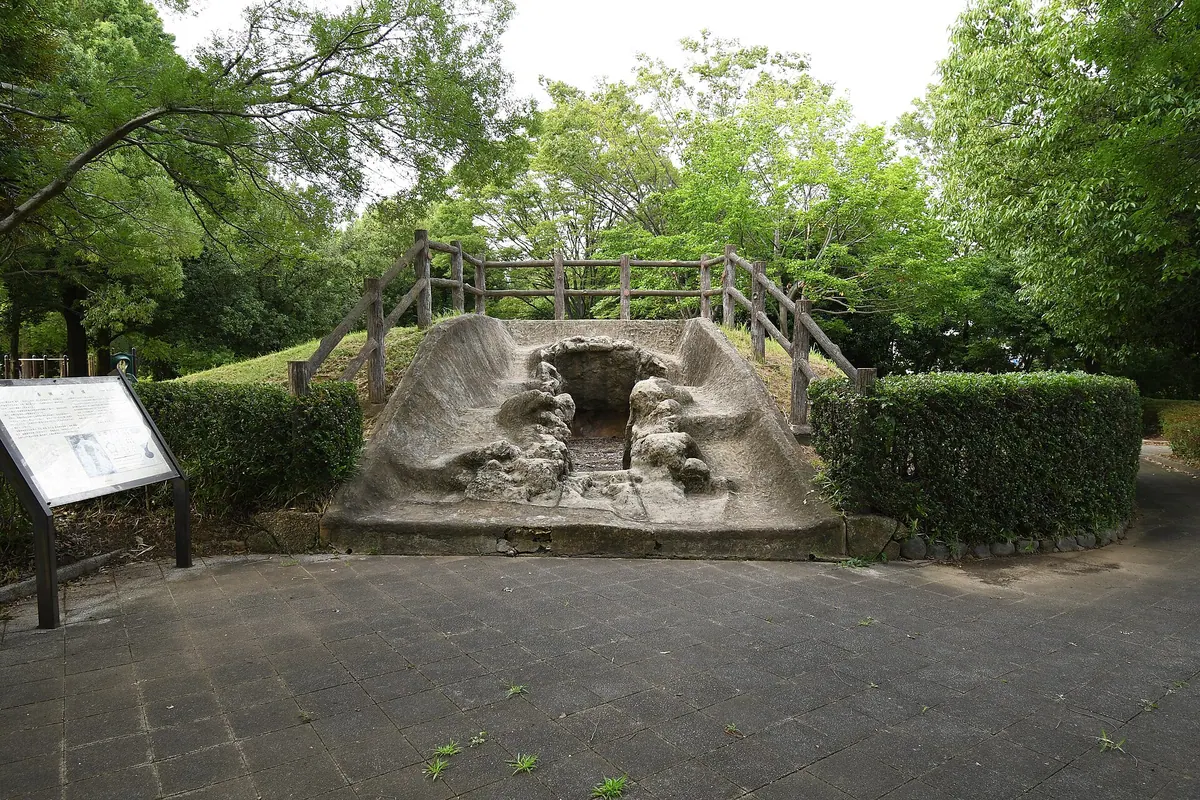
Explore a replica ancient tomb and learn about early Japanese burial practices.
What it is
- A group of ancient burial mounds and cave tombs.
- Built between the late 5th and mid-7th centuries.
- Original structures have disappeared over time.
What to see
- Life-size replica of Kofun #2 in Akada Nishi Park.
- Kofun #1, #2, and #3 had horizontal stone chambers.
- Kofun #4 had a pit burial, possibly a wooden coffin.
- Artifacts included iron swords, arrowheads, and beads.