
Shusse Inari Shrine
出世稲荷神社
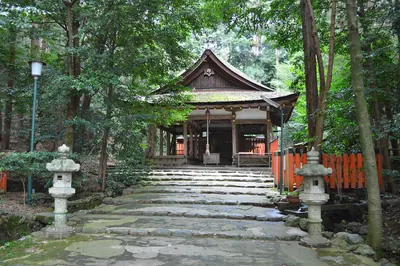
This shrine, associated with success, is where samurai ruler Hideyoshi worshipped, now in a new location.
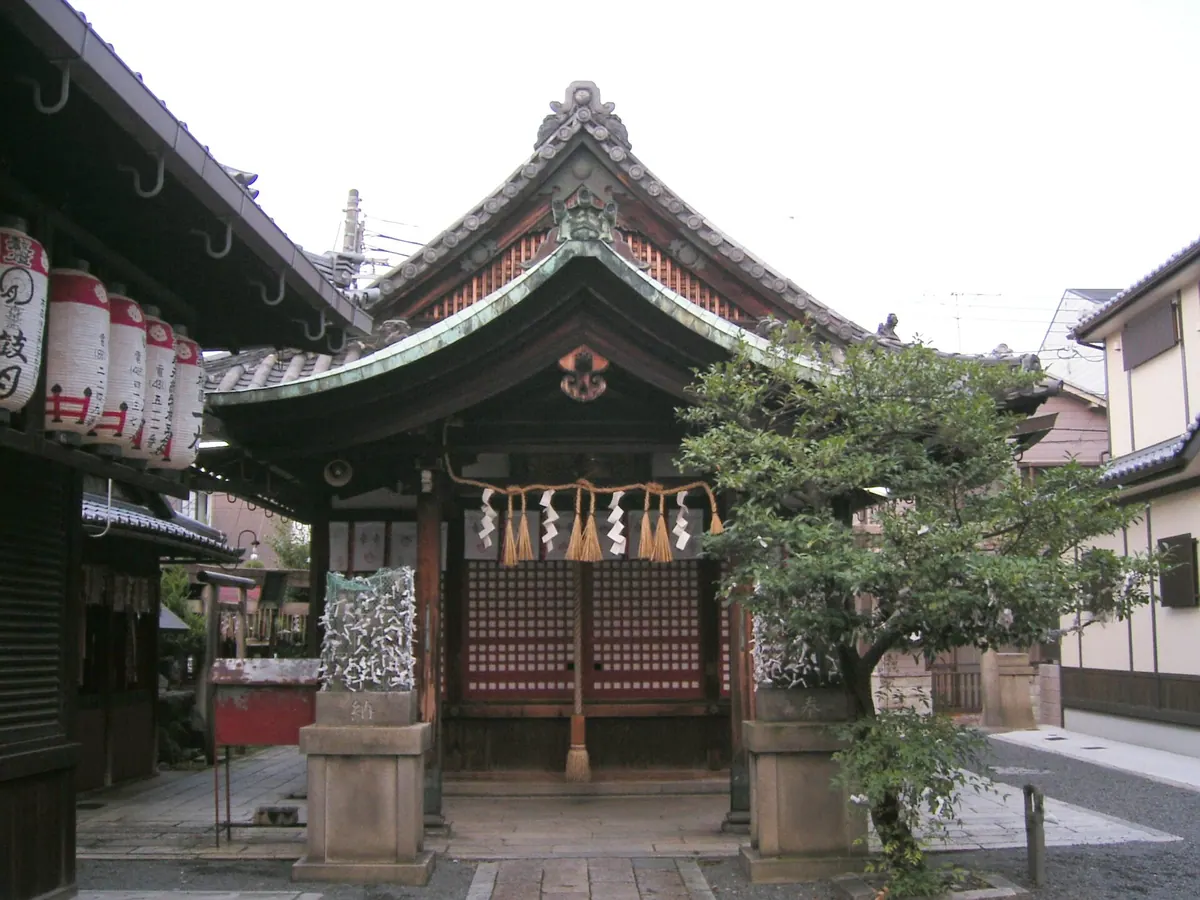
What it is
- Original Inari Shrine, renamed by Emperor Go-Yozei.
- Associated with success and promotion.
- Toyotomi Hideyoshi worshipped here until his death.
When to go
- Moved to present location in July 2012.
In detail
The original Inari Shrine was built in Kyoto close to the palace of Toyotomi Hideyoshi (1537–1598), the samurai ruler of the Sengoku period (1467–1600) who is regarded as Japan’s second great unifier. Hideyoshi invited Emperor Go-Yozei (1571–1617) to pray with him at the shrine when he visited Kyoto in 1587. According to lore, after praying, the emperor declared that the shrine would henceforth be known as Shusse Inari Shrine. Shusse means “promotion,” and this renaming is reflective of Hideyoshi’s famously rise from a peasant famer’s son to one of the most powerful men in Japan.
The shrine is often mistakenly referred to as a place dedicated to the worship of Hideyoshi, when in fact, it is where he worshipped until his death in 1598. It has been moved a number of times and came to its present location in July 2012. To this day, it remains associated with success. Worshippers come to pay their respects and seek good fortune in their businesses and personal lives.
Text: 観光庁 地域観光資源の多言語解説文データベース. Reproduced unchanged. The notes above were written from that text by Japan Gems.
Where it is
京都府京都市左京区大原来迎院町148 Open in Google Maps
この施設の関係者の方へ
このページは公開情報をもとに Japan Gems が作成し、訪日外国人向けに英語で掲載しています。 写真や情報の追加・修正を承っています。お店の写真に差し替えることもできます。
このページの情報を更新する