
Toyota Municipal Museum of Art
豊田市美術館
This art museum on a hill offers diverse art, architecture, and a teahouse, making it worth visiting.
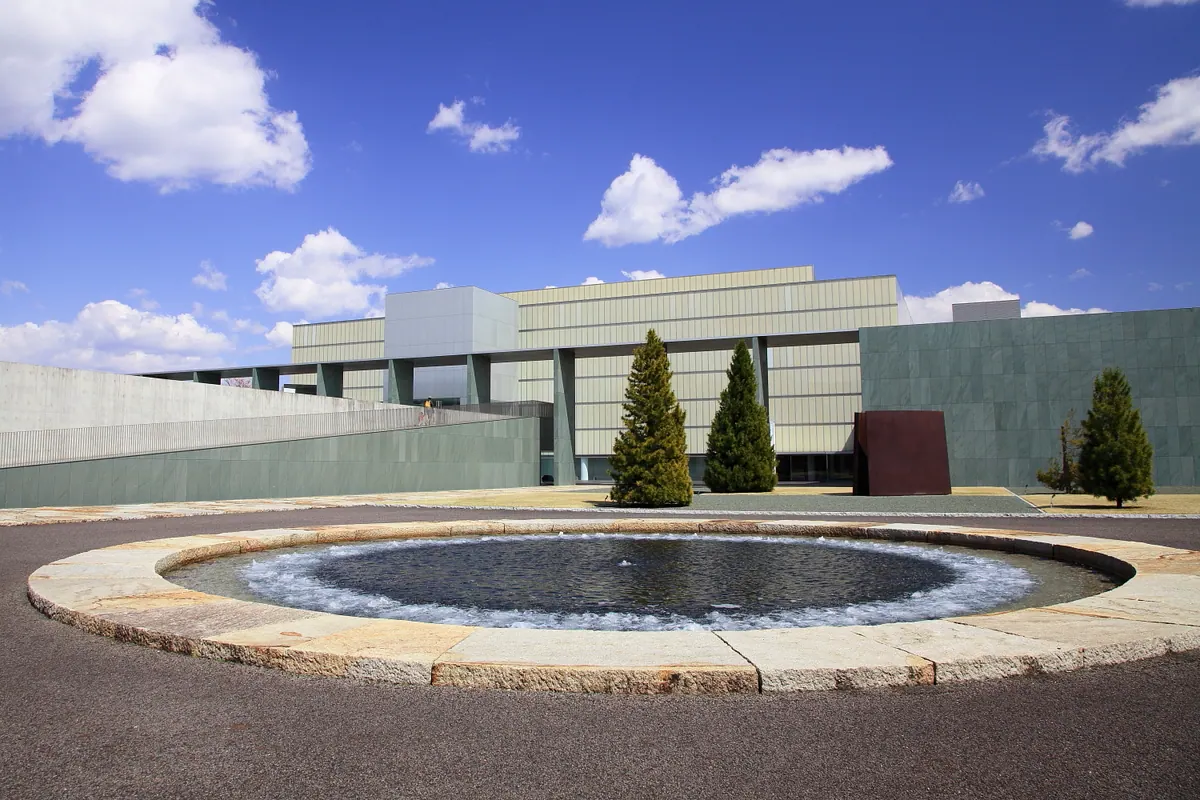
What it is
- Art museum opened in 1995.
- Stands on a hill overlooking the city.
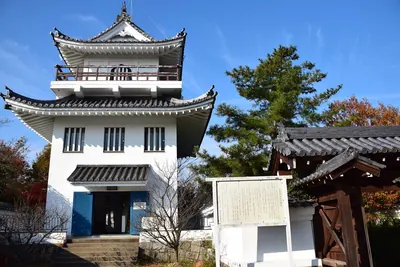
- Site once occupied by Koromo Castle.
What to see
- Main building designed by Taniguchi Yoshio.
- Works by Klimt, Brancusi, Imamura Shiko, Nara Yoshitomo.
- Modern and contemporary furniture collection.
- Sculpture garden designed by Peter Walker.
- Outdoor sculpture terrace with reflection pool.
- Dojien Teahouse for matcha and sweets.
When to go
- Several ambitious special exhibitions held annually.
In detail
The Toyota Municipal Museum of Art is one of the city’s major attractions. Opened in 1995, it stands on a hill overlooking the city on the site once occupied by Koromo Castle. The museum is noted for its ambitious special exhibitions, held several times a year. It also holds rotating permanent exhibitions of work from its own collection, along with smaller shows featuring young contemporary artists.
The museum collection includes works by early modern Western artists such as Gustav Klimt and Constantine Brancusi, and Japanese artists such as Imamura Shiko (1880–1916), and Kishida Ryusei (1891–1929), as well as more contemporary figures such as Nara Yoshitomo (b. 1959) and the Icelandic-Danish artist Olafur Eliasson. The museum is also known for its collection of modern and contemporary furniture designed by Le Corbusier, Donald Judd, and more.
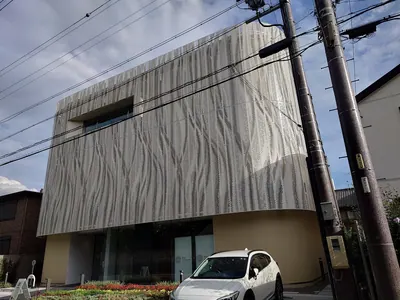
The building complex itself is a work of art. The main building was designed by Taniguchi Yoshio (b. 1937), who later led the Museum of Modern Art renovation in New York. The building is designed to reveal itself gradually as visitors approach, with winding paths and trees hiding it from view. On the ground floor is the temporary exhibition space and the permanent collection rooms, as well as the gift shop, which is laid out in a straight line. The ground-floor rooms have no natural light, making them ideal for showing works that are sensitive to sunlight. The staircase leading up to the second floor has one wall covered with the names of philosophers, artists, and political leaders throughout history. The upper floors have high ceilings and plenty of natural light, and are used mainly to house contemporary art and sculpture. The building is designed to give visitors a sense of progression as they ascend from the darker bottom floor up to the brighter second and third floors. This shift is most noticeable in the third-floor corridor, with its gentle upward slope.
The museum offers many activities beyond the visual arts. A restaurant run by the renowned French restaurant Kochuten in Nagoya serves Japanese-style Western food, desserts, and drinks, with a sweeping view of the city. A sculpture garden was designed by Peter Walker (b. 1932), the American landscape architect. The large outdoor sculpture terrace overlooking the city has a reflection pool that creates shifting images of the building and the outdoor artworks.
The Dojien Teahouse is a faithful rendition of a traditional teahouse, designed by Taniguchi to highlight the similarities between traditional Japanese and modern architecture, such as minimalism, clean lines, and a flexible use of space. Here you can enjoy matcha green tea alongside traditional seasonal sweets served in an informal style.
The Takahashi Setsuro Gallery, also designed by Taniguchi, is housed in a separate wing of the museum dedicated to the works of pioneering lacquer artist Takahashi Setsuro (1914–2007).
Text: 観光庁 地域観光資源の多言語解説文データベース. Reproduced unchanged. The notes above were written from that text by Japan Gems.
Where it is
愛知県豊田市小坂本町8-5-1 Open in Google Maps
この施設の関係者の方へ
このページは公開情報をもとに Japan Gems が作成し、訪日外国人向けに英語で掲載しています。 写真や情報の追加・修正を承っています。お店の写真に差し替えることもできます。
このページの情報を更新する