

20 Museums in Aomori worth your time
Japan Gems
Aomori Prefecture offers a variety of museums, from the Nebuta Museum Wa Rasse to the Korekawa Archaeological Institution. Visitors can explore diverse cultural and historical exhibits.
Aomori has 26 museums on Japan Gems. Below are the 20 we can tell you the most about — each one written up in English from Japanese sources, with what to see and how to get there. See all museums in Aomori.
01
Aomori City Forestry Museum
AOMORI · MUSEUM 青森市森林博物館
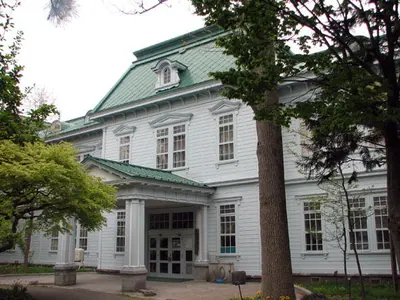
A historic wooden Renaissance-style building showcasing Aomori's forestry heritage, forest ecosystems, and vintage railway equipment.
What it is
- A Renaissance style wooden Western building constructed in 1908 using local Aomori Hiba wood.
- The former headquarters of the Aomori Regional Forestry Office turned into a public museum.
- A facility dedicated to forest ecosystems and the history of mountain skiing.
- The former director's office served as a filming location for the movie Hakkodasan.
What to see
- A forest railway preservation hall located on the museum grounds.
- A preserved diesel locomotive from the Ohata Forest Railway.
- Exhibits detailing the history of mountain skiing and local forest ecosystems.
- The historic architecture of the 1908 Western-style wooden structure.
When to go
- Open from 9:00 AM to 5:00 PM during the summer season.
- Closed every Monday and during the New Year holidays.
- Adult admission is available for 250 yen.
Getting there
- The museum is a ten minute walk from Aomori Station.
- Official site
- www.aomori-shi.shinrinhakubutsukan.jp
02
Hirosaki Museum of Contemporary Art
AOMORI · MUSEUM 弘前れんが倉庫美術館
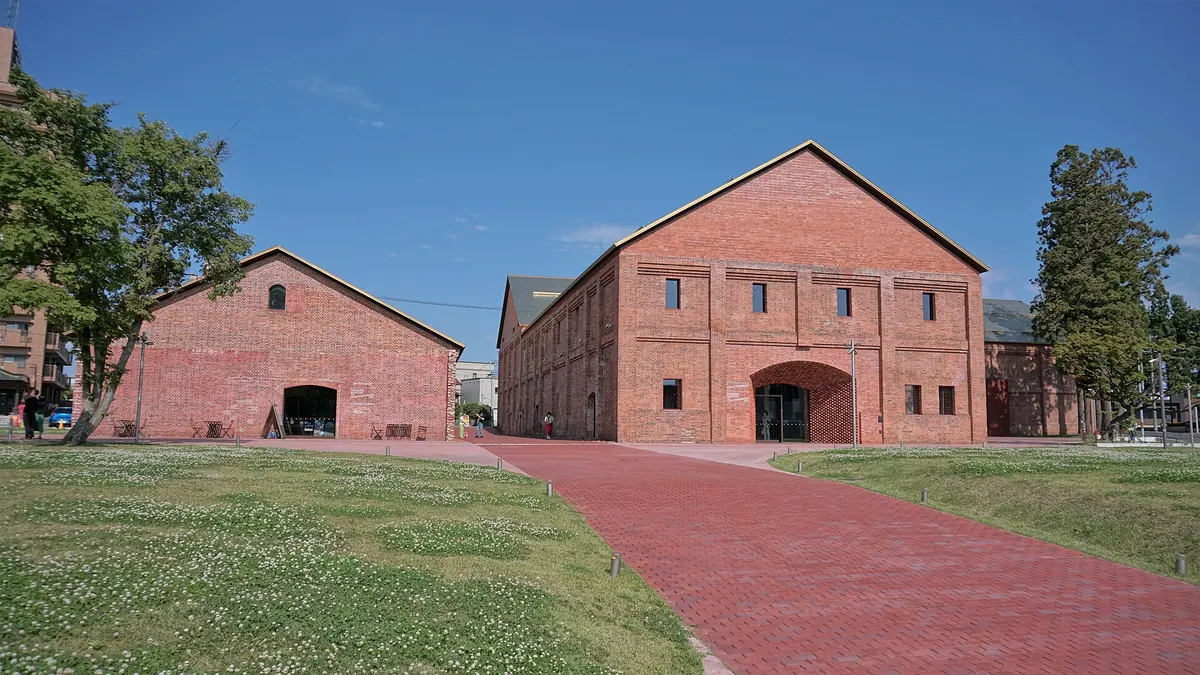
This contemporary art museum, housed in a renovated brick warehouse, showcases modern works.
What it is
- A public art museum in Hirosaki, Aomori Prefecture.
- Part of the 'AOMORI GOKAN' group of five museums.
- Renovated the historic Yoshino-cho Brick Warehouse.
- Opened in 2020 with Tsuyoshi Tane's architectural design.
What to see
- The renovated Yoshino-cho Brick Warehouse building.
- Exhibits by artists like Yoshitomo Nara.
- Works by Jean-Michel Othoniel are on display.
- Warehouse constructed during Meiji and Taisho periods.
When to go
- Open daily from 9:00 to 17:00.
- Closed on Tuesdays and during New Year holidays.
Getting there
- A 20-minute walk from JR Hirosaki Station.
- Address
- 〒036-8188 青森県弘前市吉野町2-1 Map
- Official site
- www.hirosaki-moca.jp
03
Shūji Terayama Museum
AOMORI · MUSEUM 三沢市寺山修司記念館
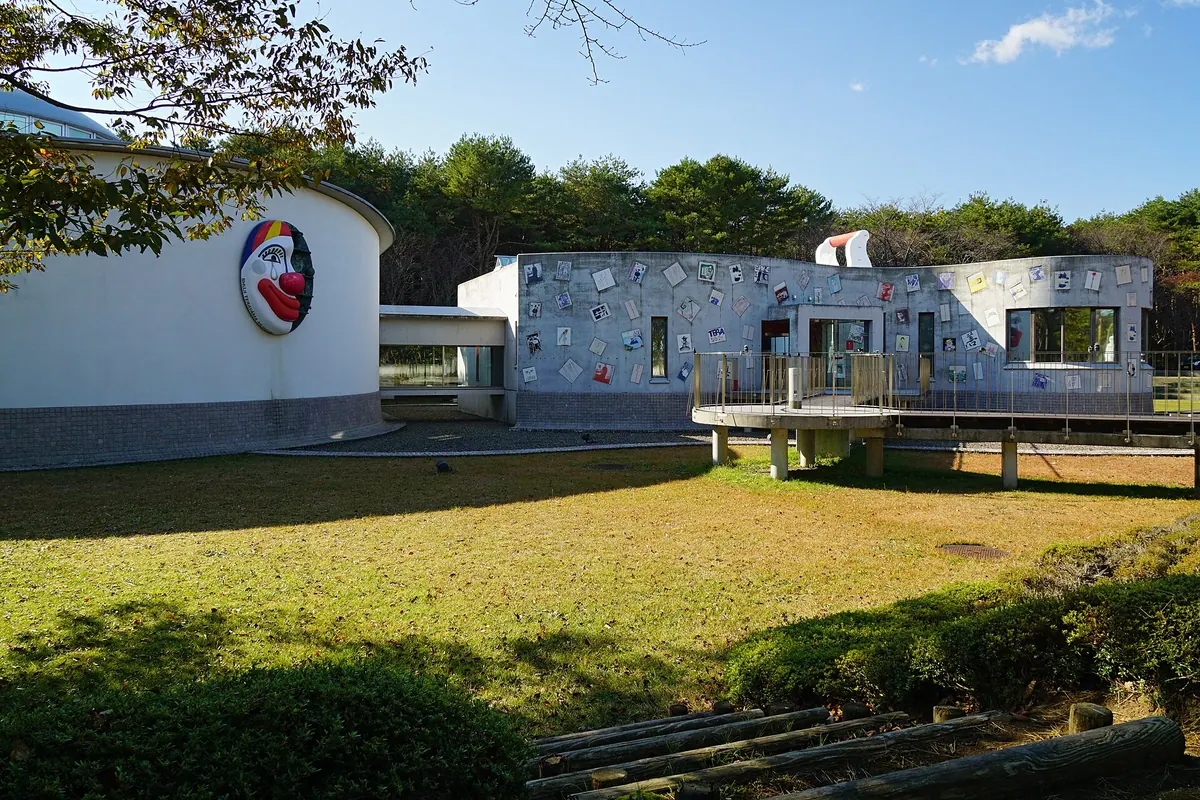
Explore the unique world of Shuji Terayama, a renowned artist, through his personal effects and recreated sets.
What it is
- A memorial and literary museum.
- Built by Misawa City to preserve Shuji Terayama's belongings.
- Opened on July 27, 1997.
What to see
- Building has an exhibition wing and a foyer wing.
- Foyer wing exterior has 149 ceramic panels.
- Interior recreates sets from plays and films.
- 11 desks with drawers for viewing with a flashlight.
- A literary monument was erected in 1989.
When to go
- Open from 9:00 to 17:00.
- Closed on Mondays and during New Year holidays.
Getting there
- Located in Misawa Citizen's Forest Park.
- Misawa City Historical Folk Museum is adjacent.
04
Nebuta Museum Wa Rasse
AOMORI · MUSEUM ねぶたの家 ワ・ラッセ
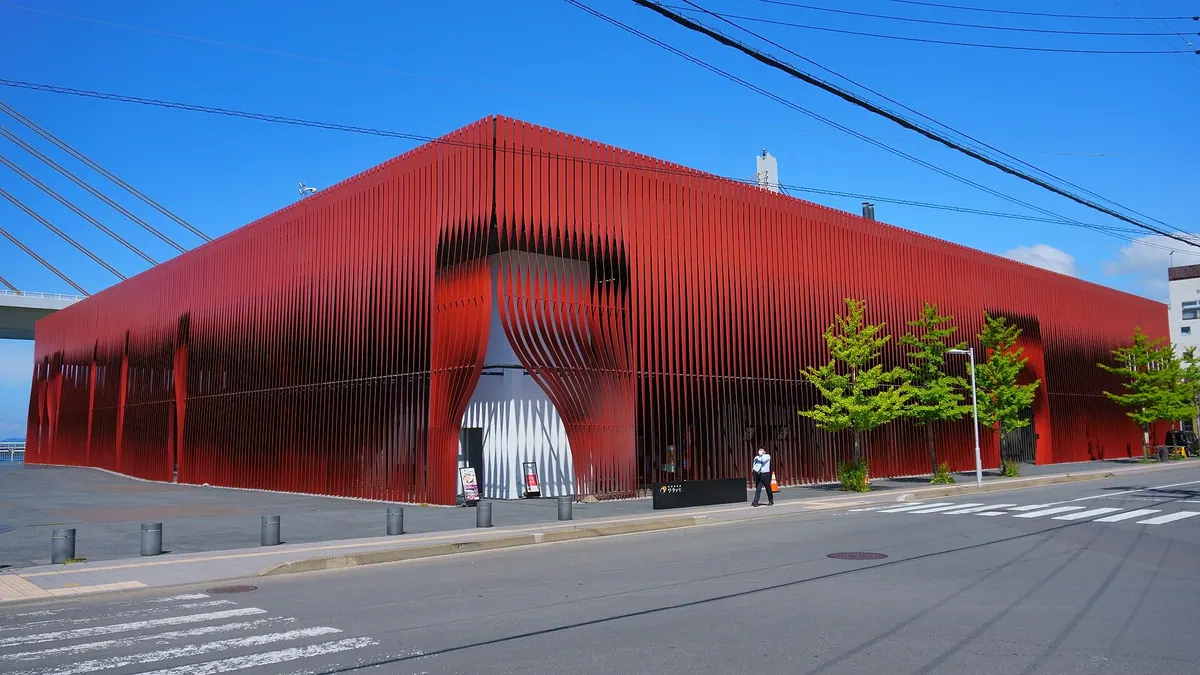
This museum offers in-depth knowledge about the Nebuta Festival, with award-winning floats and interactive exhibits.
What it is
- Museum dedicated to the Nebuta Festival.
- Opened in January 2011.
- Name means laughter and festival chant.
- Provides in-depth knowledge and insider information.
What to see
- Large black and red building by Aomori Bay.
- Dark interior with traditional hayashi music.
- Displays explaining festival history and float design.
- Four award-winning Nebuta floats in Nebuta Hall.
- Preliminary sketches by Nebuta artisans.
- Touch floats and try constructing sample pieces.
When to go
- Open year-round.
Getting there
- One minute on foot from Aomori Station.
- Official site
- www.nebuta.jp
05
Hachinohe City Museum
AOMORI · MUSEUM 八戸市博物館
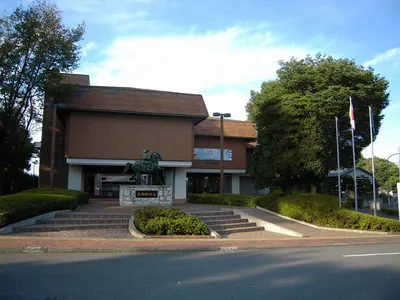
Hachinohe City Museum: explore local history and culture, from ancient artifacts to samurai heritage.
What it is
- A municipal museum in Hachinohe City.
- Opened in July 1983 as a 50th anniversary project.
- Located on the site of Nejo Castle ruins.
What to see
- 10,000 items from Jomon to Azuchi-Momoyama periods.
- Important Cultural Property: Tango-daira Kofun Group items.
- Documents and armor of the Nejo Nambu clan.
- A restored model of Hachinohe Castle.
- Exhibits on fishing tools and beach huts of Hachinohe.
- Intangible exhibition room with folk tales and local dialects.
Getting there
- About a 10-minute drive from Hachinohe IC.
- Address
- 〒039-1166 青森県八戸市大字根城字東構35-1 Map
- Official site
- www.hachinohe.ed.jp
06
Korekawa Archaeological Institution (Korekawa Jōmon Kan)
AOMORI · MUSEUM 八戸市埋蔵文化財センター 是川縄文館
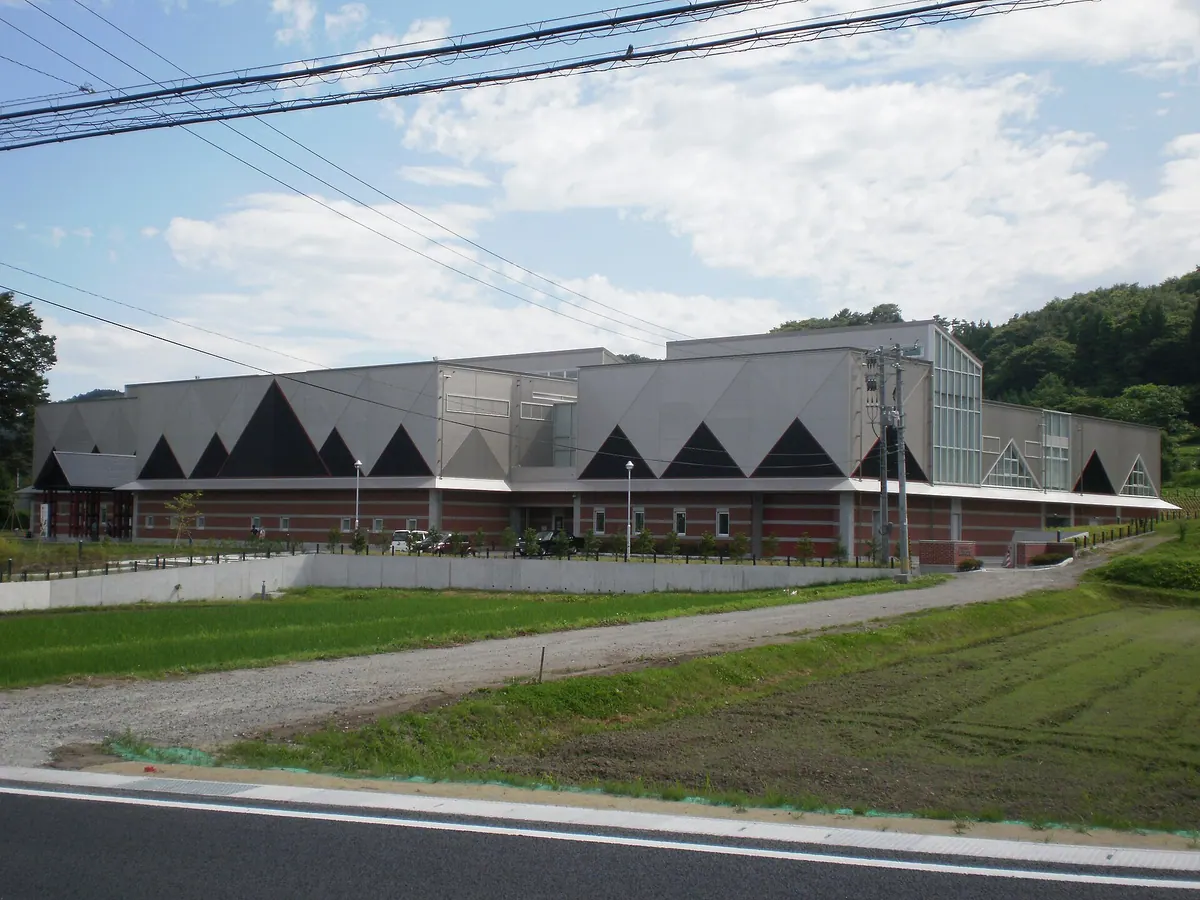
See Jomon-era artifacts, including a National Treasure dogu, at this archaeological institution.
What it is
- Archaeological institution in Korekawa, Hachinohe City.
- Preserves and manages buried cultural properties.
- Opened on July 10, 2011.
- Disseminates Jomon culture from Hachinohe and Tohoku.
What to see
- Exhibits excavated items from Korekawa and Kazahari sites.
- Gasho Dogu (praying dogu) is a National Treasure.
- Displays Jomon pottery and lacquerware.
- Houses the Izumiyama Collection.
Getting there
- About 200 meters northwest of Hachinohe City Jomon Learning Center.
- About 10 minutes by car from Hachinohe IC.
- Address
- 青森県八戸市大字是川字横山1 Map
- Official site
- www.korekawa-jomon.jp
Read more about Korekawa Archaeological Institution (Korekawa Jōmon Kan)
07
Mt. Hakkōda Snow March Memorial Museum
AOMORI · MUSEUM 八甲田山雪中行軍遭難資料館
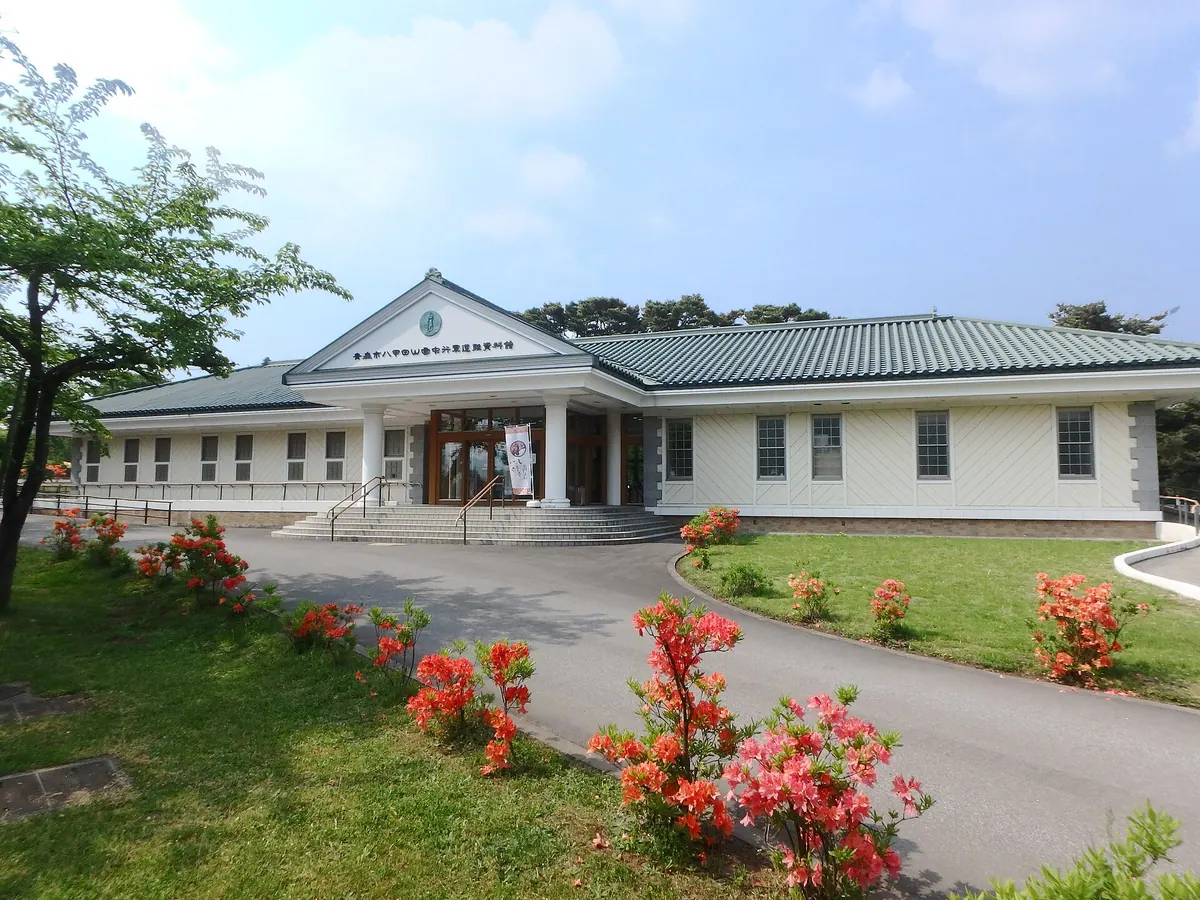
This museum commemorates the tragic 1902 Hakkōda incident, offering a poignant look into history.
What it is
- A museum dedicated to the 1902 Hakkōda incident.
- Opened on June 23, 1978.
- Managed by the Aomori City Culture and Tourism Promotion Foundation.
What to see
- Replica of Corporal Goto Fusanusuke's bronze statue at the entrance.
- Artifacts and documents from the Hakkōda incident.
- Exhibits on the nature of Hakkōda.
When to go
- Open 9:00 to 18:00 from April to October.
Getting there
- Located in Kōhata Cemetery in Aomori City.
- Adjacent to the army cemetery within Kōhata Cemetery.
- Official site
- www.moyahills.jp
08
Tachineputa Museum
AOMORI · MUSEUM 立佞武多の館
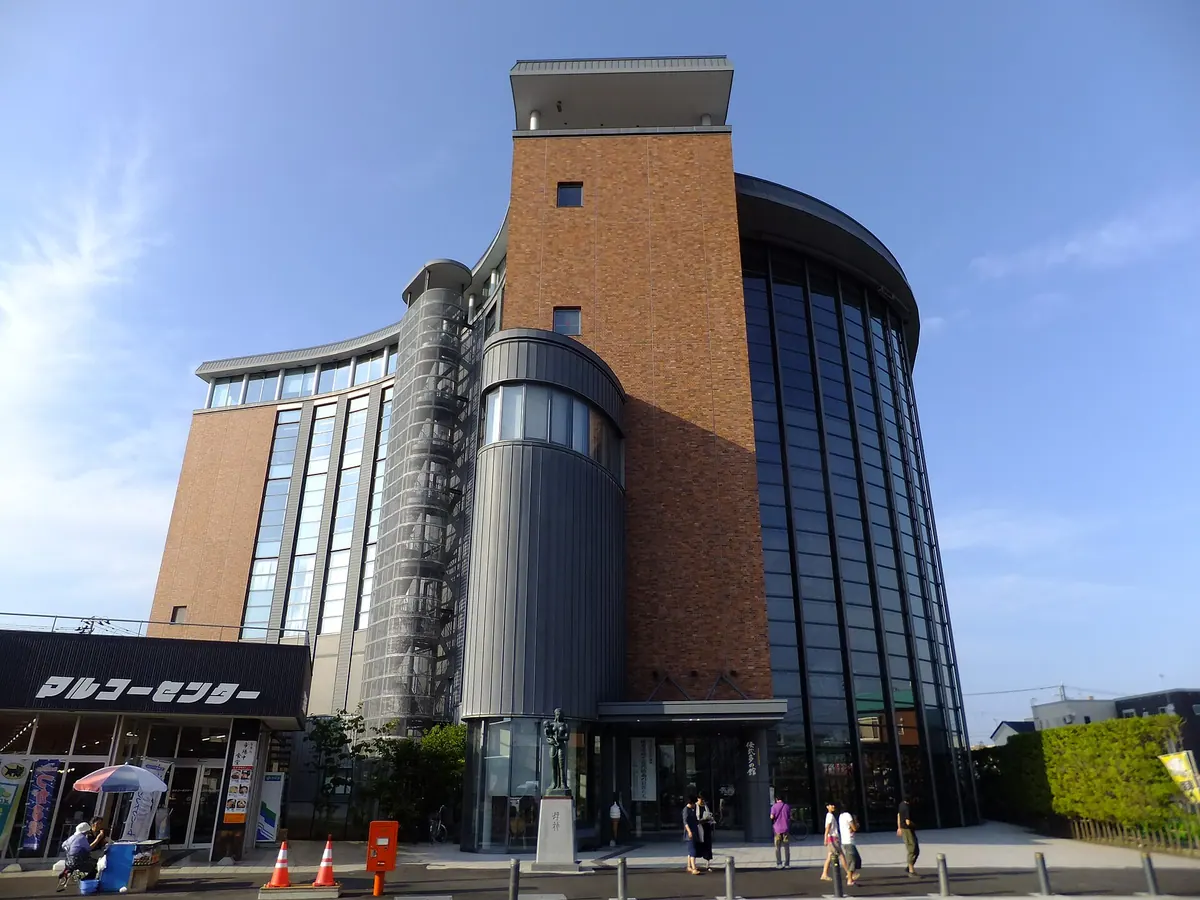
See towering Tachineputa festival floats year-round and learn about their creation.
What it is
- A cultural facility in Goshogawara City, Aomori Prefecture.
- Opened in 2004, construction began in 2002.
- Permanently displays and stores Goshogawara Tachineputa floats.
What to see
- Three large Tachineputa floats in an atrium space.
- Movable wall in the exhibition room is 23 meters high.
- Art exhibition gallery on the 2nd floor.
- Tachineputa floats produced in the workshop on the 3rd floor.
When to go
- Closed on January 1st.
Getting there
- 5-minute walk from Goshogawara Station.
- Official site
- www.tachineputa.jp
09
Aomori Prefectural Museum
AOMORI · MUSEUM 青森県立郷土館
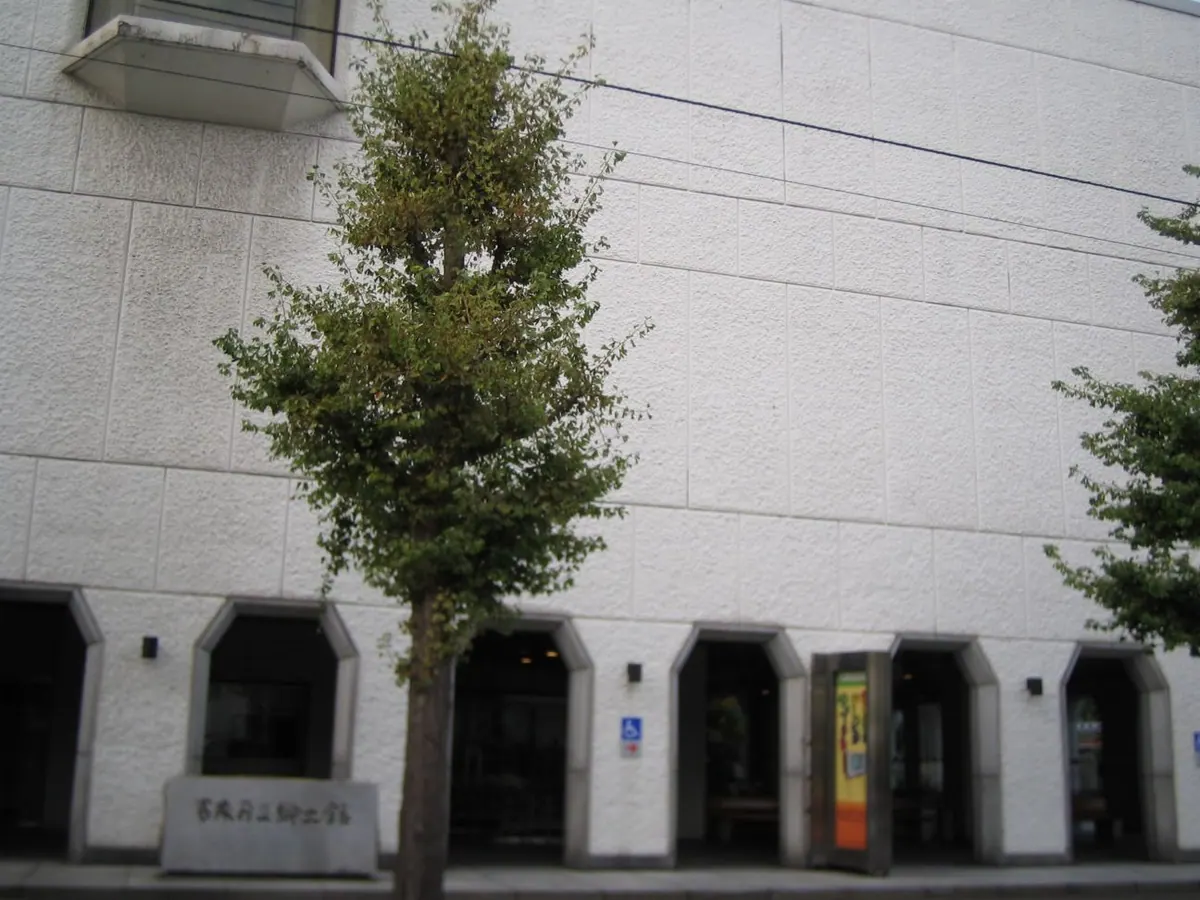
Aomori's only general museum, currently closed, with a large collection of local artifacts.
What it is
- Aomori Prefecture's only general museum.
- Opened in September 1973.
- Holds about 100,000 items as of 2017.
- Currently closed since October 2020.
What to see
- Displays items on nature, history, and folklore.
- Houses artifacts from Sannai-Maruyama Site.
- Features abundant archaeological materials.
- Former 59th Bank Aomori Branch building is part of the museum.
- Former bank building survived the 1945 Aomori air raid.
- Part of the building is a registered tangible cultural property.
- Address
- 〒030-0802 青森県青森市本町2丁目8−14 Map
- Official site
- www.kyodokan.com
10
Hirosaki City Museum
AOMORI · MUSEUM 弘前市立博物館
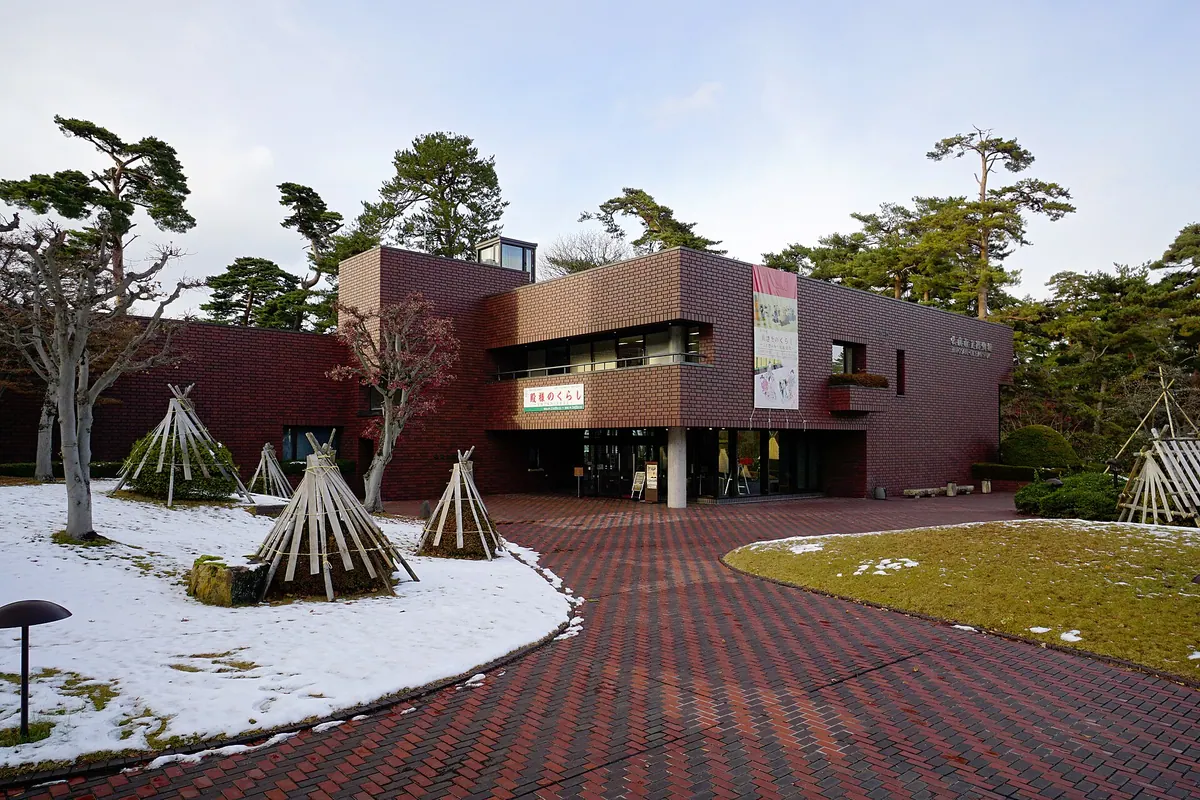
Hirosaki City Museum, within Hirosaki Park, showcases local history and art in a notable building.
What it is
- A museum in Hirosaki City, Aomori Prefecture.
- Dedicated to local history and art craft materials.
- Opened on April 20, 1977.
- Designed by architect Kunikazu Maekawa.
What to see
- The building was selected for 100 Best Public Buildings.
- Exhibits approximately 20,000 historical and art items.
- See the Boar-shaped Clay Figurine on permanent display.
- The figurine is a National Important Cultural Property.
Getting there
- Located within Hirosaki Park.
- Address
- 青森県弘前市大字下白銀町1-6弘前公園内 Map
- Official site
- www.city.hirosaki.aomori.jp
11
Tsugaru-han Neputa Village
AOMORI · MUSEUM 津軽藩ねぷた村
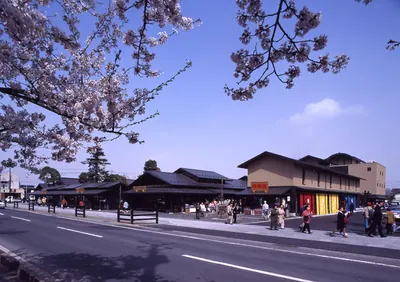
Experience Hirosaki's Neputa festival year-round and explore traditional crafts and a historic garden.
What it is
- A cultural facility in Hirosaki City, Aomori Prefecture.
- Opened in 1981, renovated in 1988 and 2002.
- Dedicated to the Hirosaki Neputa festival.
- Only Neputa facility in Michelin Green Guide Japon.
What to see
- Permanent exhibition hall for Hirosaki Neputa floats.
- Japanese garden called Yokien, a registered monument.
- Snow country tea room, Yokian, a designated cultural property.
- Craft workshop, Kura Kobo Takumi, a historic building.
- Official site
- www.neputamura.com
12
Osamu Dazai Memorial Museum
AOMORI · MUSEUM 太宰治記念館 「斜陽館」
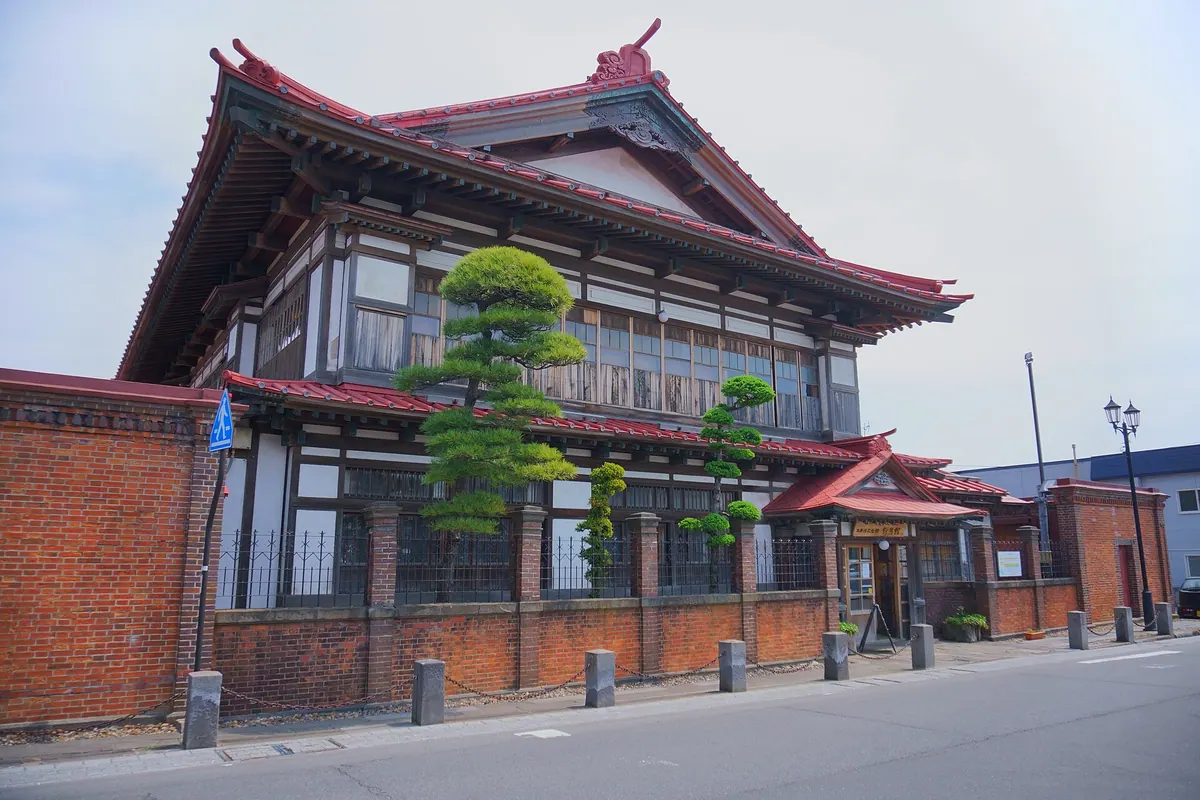
Explore the birthplace of Osamu Dazai, a nationally recognized cultural property and museum.
What it is
- Osamu Dazai's birthplace, built in 1907.
- Designed by Sakichi Horie for Dazai's father.
- A facility of Goshogawara City.
- Renovated and reopened as a museum in 1998.
What to see
- A two-story wooden building, designated Important Cultural Property.
- Exhibits of Osamu Dazai's literary materials.
- Materials related to the Tsushima family.
Getting there
- 7-minute walk from Kanagi Station on the Tsugaru Railway Line.
- Official site
- www.kanagi-gc.net
13
Mutsu Science Museum
AOMORI · MUSEUM むつ科学技術館
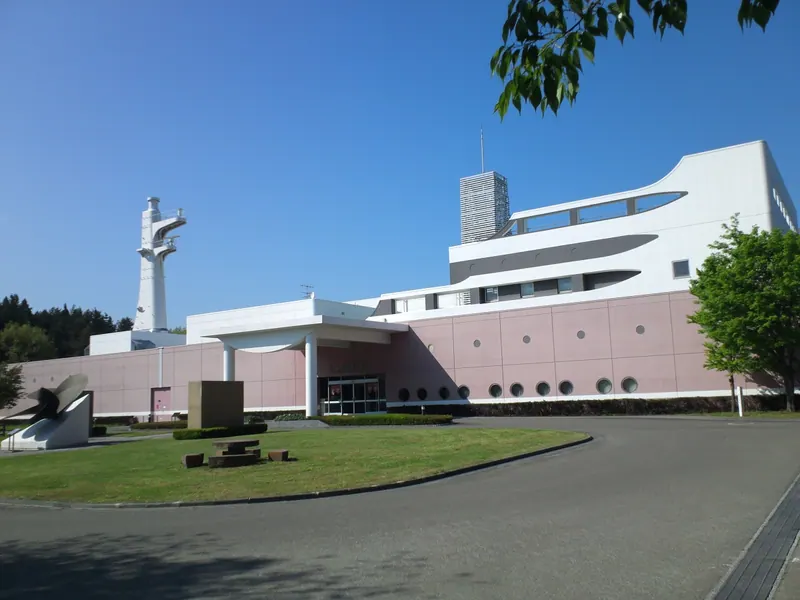
A science museum commemorating Japan's only nuclear ship, featuring its sealed reactor and stern.
What it is
- A science museum built on July 20, 1996.
- Commemorates the development of the nuclear ship Mutsu.
- Its predecessor was the Atomic Energy Exhibition Hall.
What to see
- Exhibits the sealed reactor of the Mutsu.
- Main building shape mimics the Mutsu hull.
- Indoor exhibits include 33 items from Exploratorium.
- Displays the Mutsu's stern outdoors.
Getting there
- Adjacent to Sekinehama Port in Mutsu City.
- Official site
- jmsfmml.or.jp
14
seikan-tunnel-museum
AOMORI · MUSEUM 青函トンネル記念館
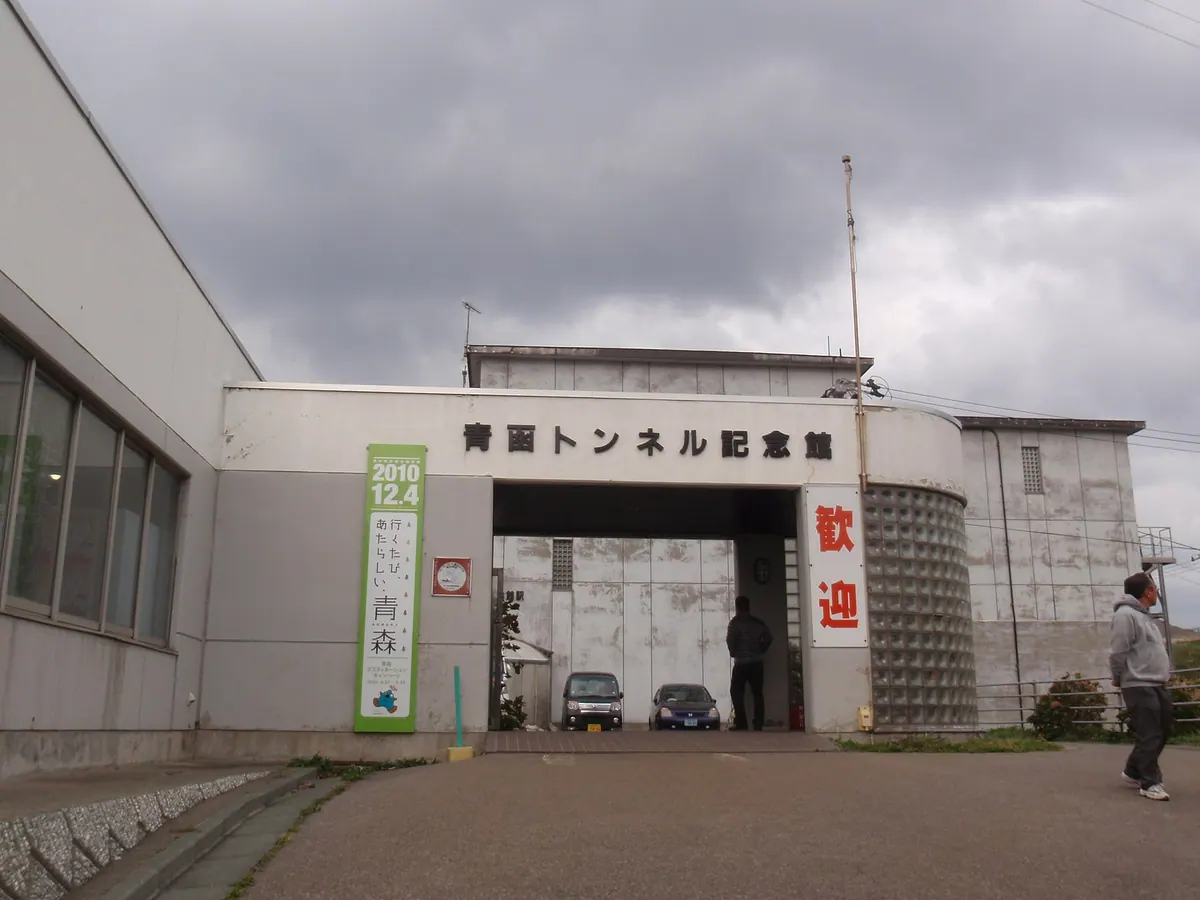
Explore the engineering marvel of the Seikan Tunnel and its history at this unique museum.
What it is
- A roadside station on National Route 339.
- Registered as a roadside station on August 27, 1999.
- Consists of two exhibition facilities.
- The Seikan Tunnel Memorial Hall was completed on March 11, 1988.
What to see
- The Wind Park Exhibition Hall.
- Seikan Tunnel's experience tunnel.
- Cable car connecting the museum to the tunnel.
When to go
- Closed annually from early November to late April.
- Official site
- seikan-tunnel-museum.jp
15
Former Main Branch of the 59th National Bank
AOMORI · MUSEUM 旧第五十九銀行本店本館
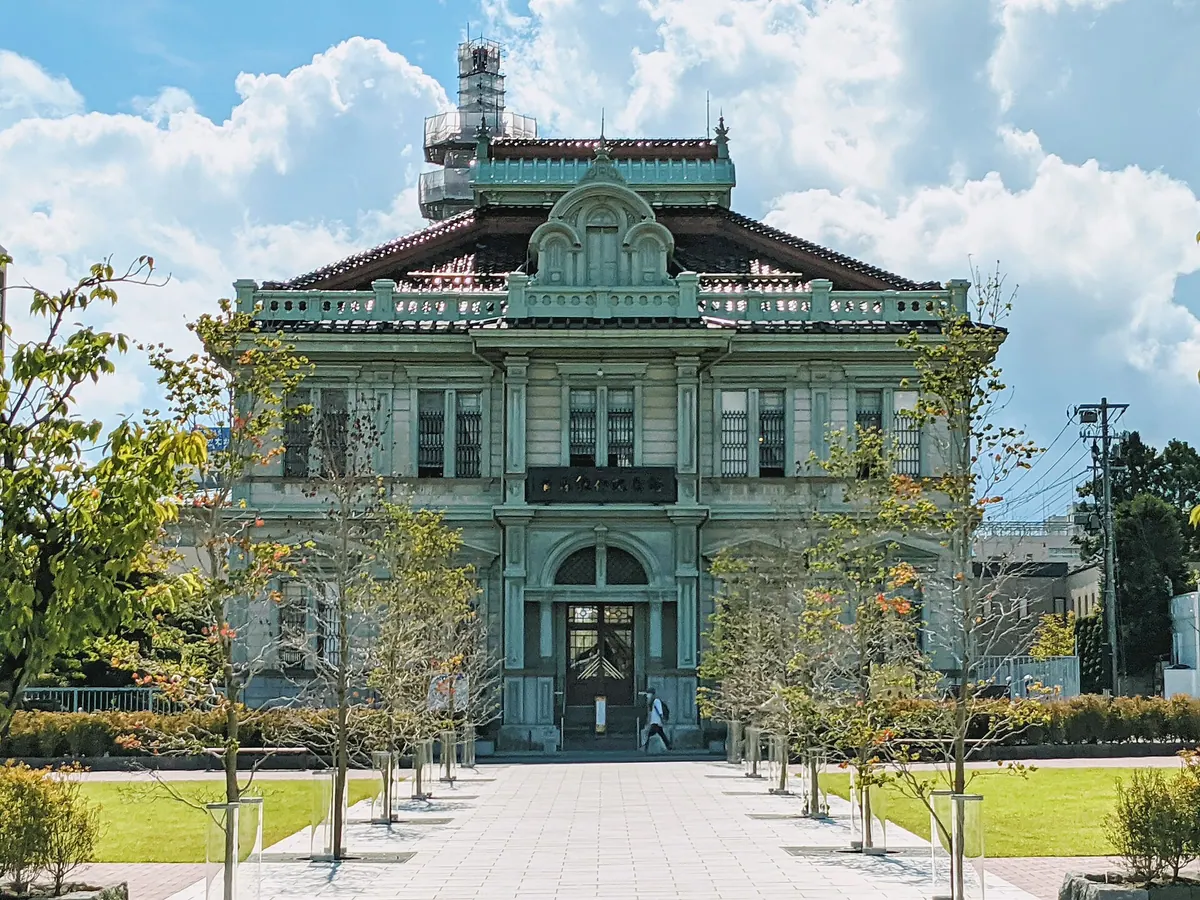
Explore a beautifully preserved Renaissance-style bank building, now a museum, showcasing early 20th-century Japanese architecture.
What it is
- A historic bank building in Hirosaki City, Aomori Prefecture.
- Constructed in 1904 as the 59th National Bank's main branch.
- Open to the public as a museum since 1967.
- Designated a National Important Cultural Property in 1972.
What to see
- A two-story wooden structure.
- Exterior designed in Renaissance style.
- Roof features a decorative tower and a balustrade.
- Building incorporates fire-resistant construction.
- Official site
- www.city.hirosaki.aomori.jp
Read more about Former Main Branch of the 59th National Bank
16
Hirosaki City Local Literature Museum
AOMORI · MUSEUM 弘前市立郷土文学館
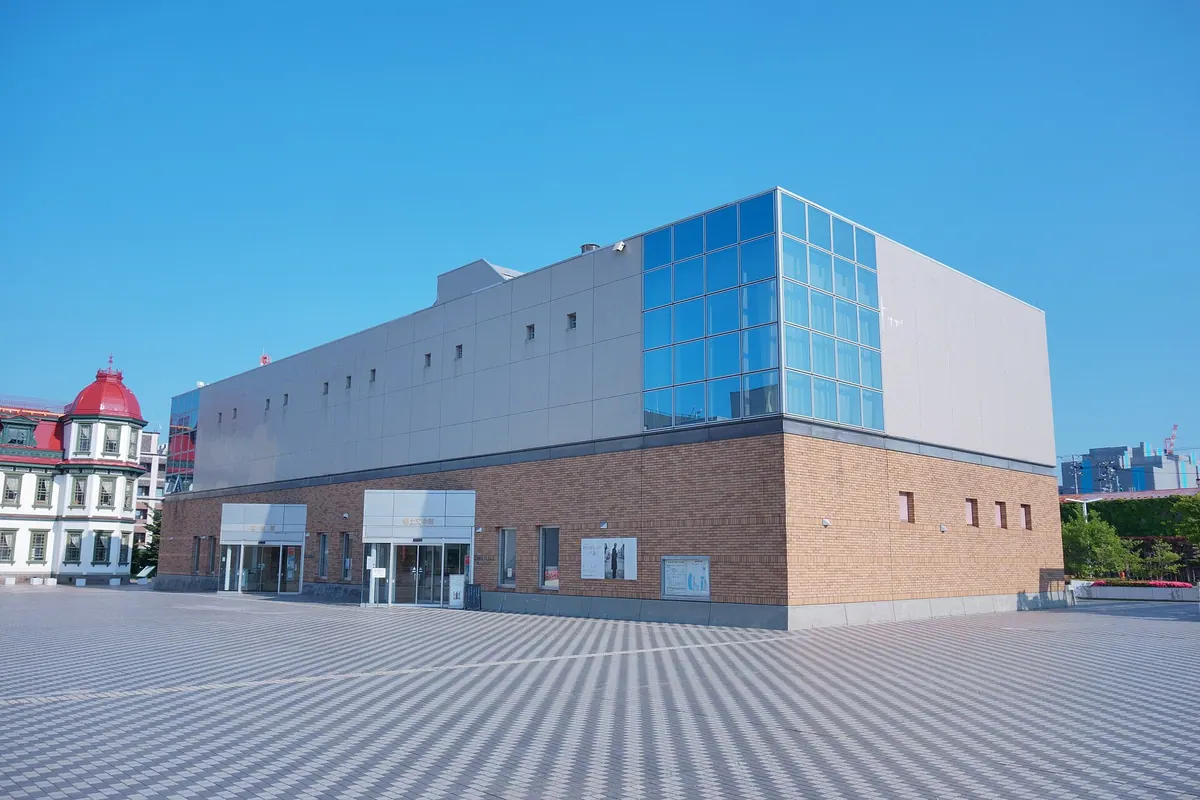
Explore Hirosaki's literary heritage and local authors at this museum, a 30-minute walk from Hirosaki Station.
What it is
- Opened July 1, 1990.
- Built for a 100th anniversary project.
- Dedicated to Hirosaki-related authors.
What to see
- Displays materials from nine local authors.
- Yojiro Ishizaka Memorial Room.
- Dialect poetry corner.
- Regular special exhibitions.
When to go
- Open 9:00 to 17:00.
- Closed for New Year holidays.
Getting there
- 30-minute walk from JR Hirosaki Station.
- Address
- 〒036-8551 青森県弘前市上白銀町1-1 Map
- Official site
- www.city.hirosaki.aomori.jp
17
Towada Art Center
AOMORI · MUSEUM 十和田市現代美術館
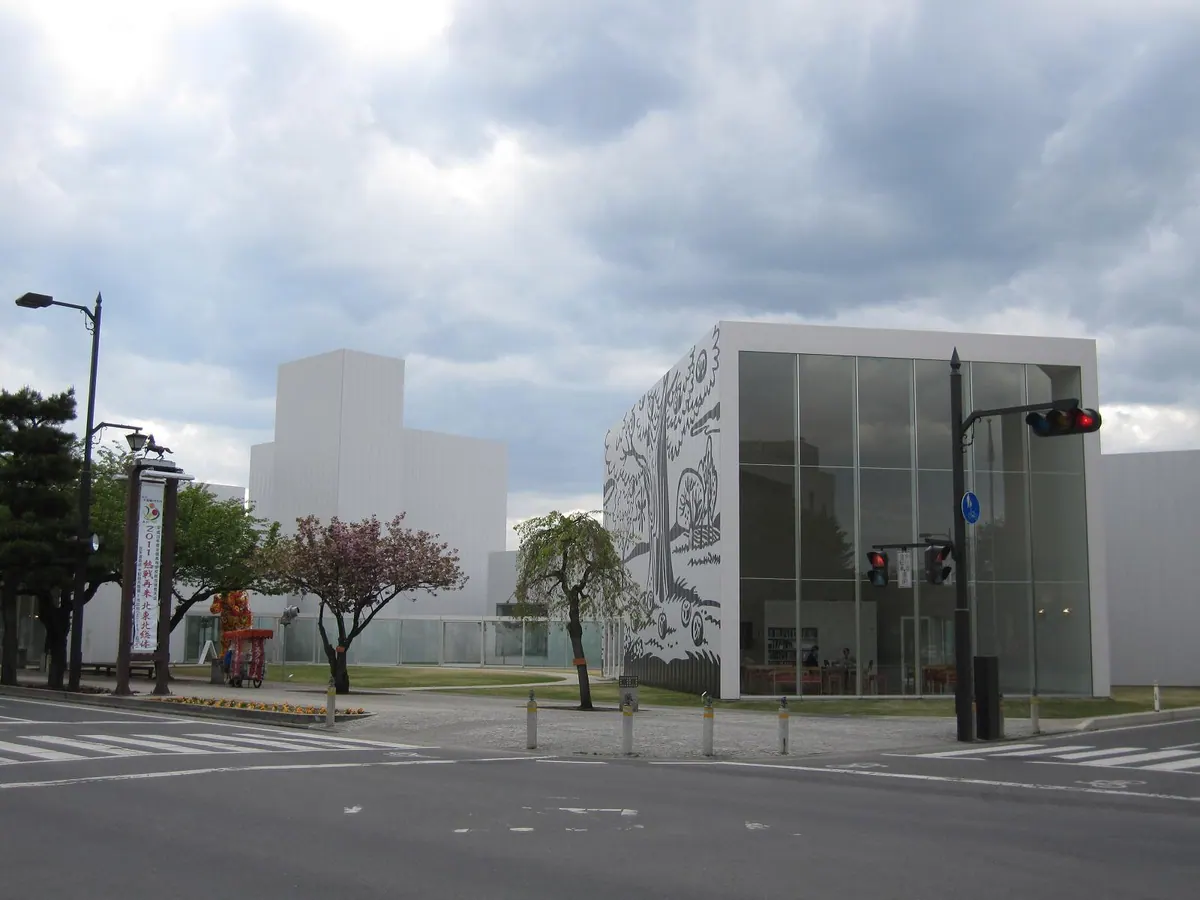
Towada Art Center: a contemporary art museum with large-scale installations worth an hour.
What it is
- A contemporary art museum in Towada, Aomori Prefecture.
- Opened on April 26, 2008.
- Part of the Arts Towada city development project.
- One of five museums forming "AOMORI GOKAN".
What to see
- 38 permanent works by 33 artists.
- Large-scale installations displayed inside and on grounds.
- Building designed by Ryue Nishizawa Architect and Associates.
- Exhibition spaces, a courtyard, and a cafe.
- Official site
- towadaartcenter.com
18
Michinoku Traditional Wooden Boat Museum
AOMORI · MUSEUM みちのく北方漁船博物館
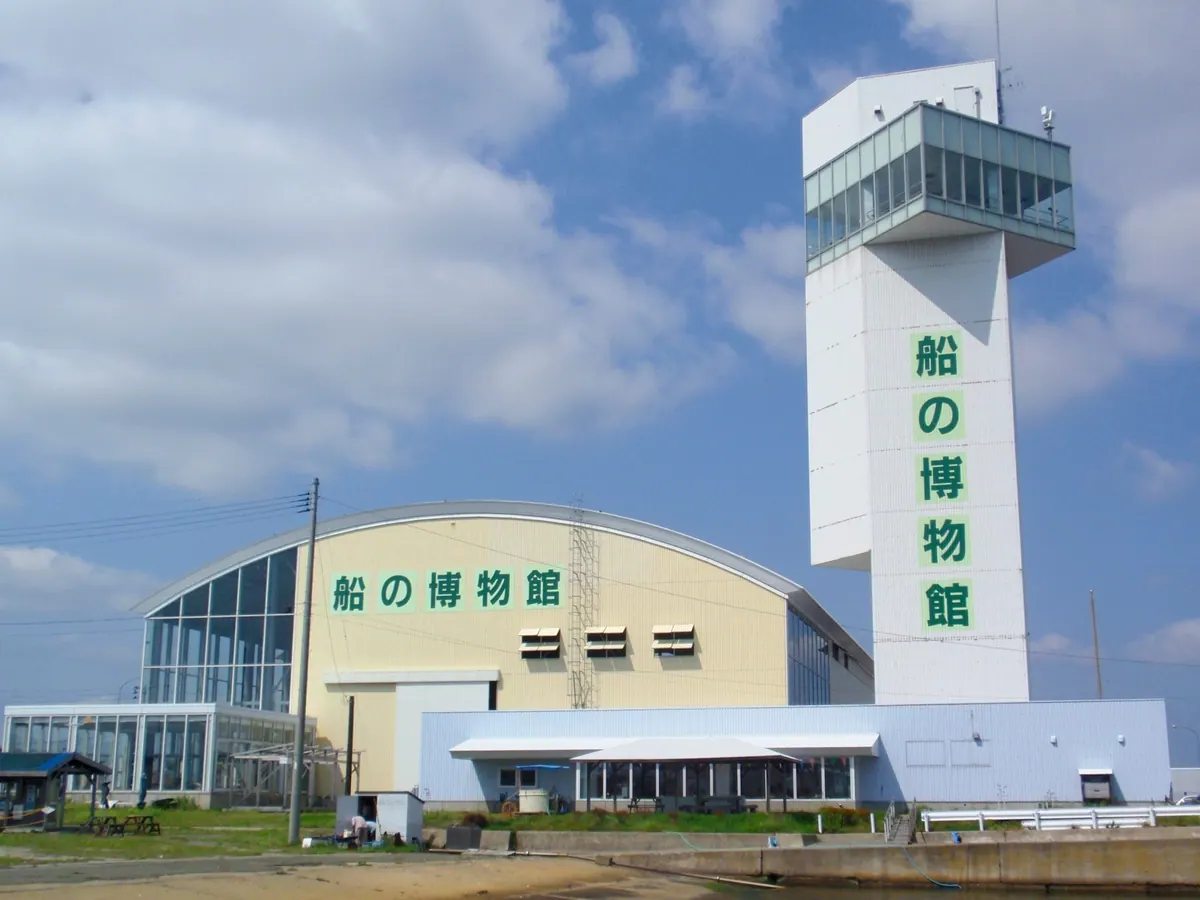
This museum showcases a nationally important collection of traditional wooden fishing boats.
What it is
- A museum dedicated to traditional wooden fishing boats.
- Founded in 1999 by a private foundation.
- Exhibits and researches fishing boats from Aomori and northern regions.
- Reopened in 2015 as Aomori Kitano Mahoroba Rekishikan.
What to see
- Collection of wooden fishing boats from Aomori and northern Japan.
- 67 Mudamahagi-type wooden fishing boats.
- Ships from various parts of the world.
19
Hachinohe Art Museum
AOMORI · MUSEUM 八戸市美術館
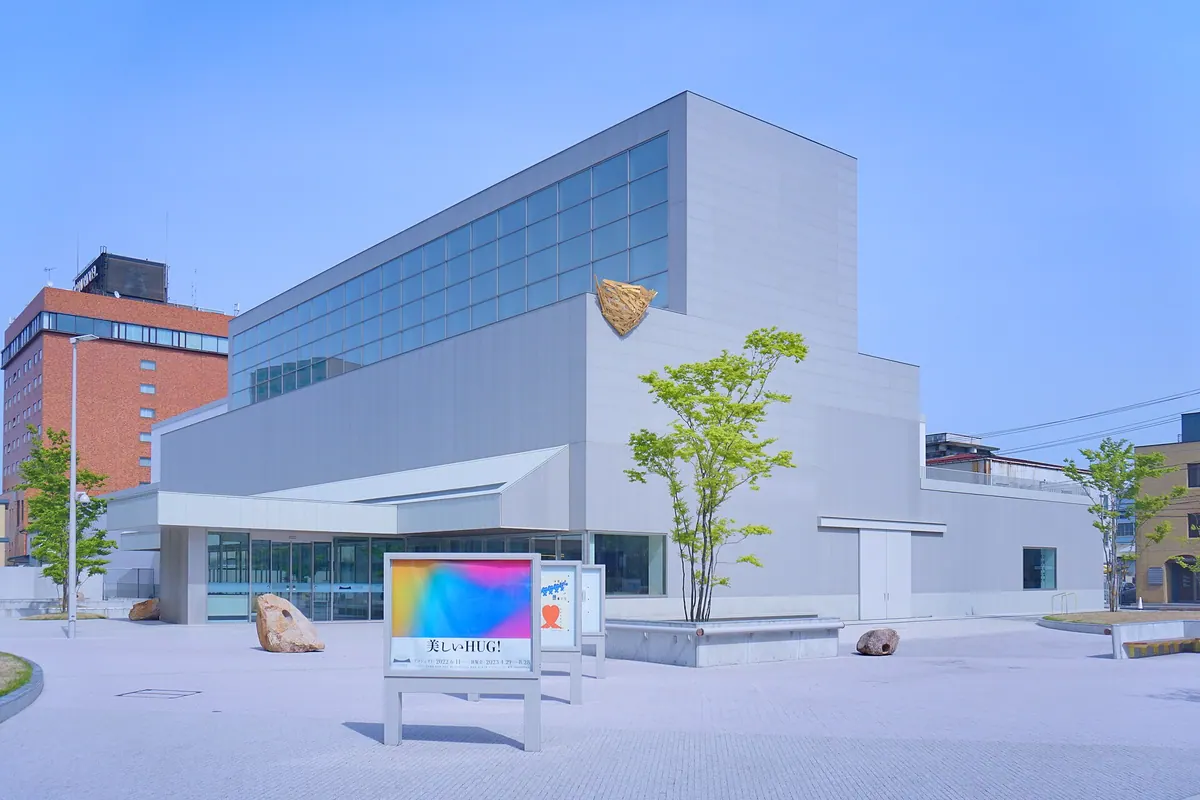
Hachinohe Art Museum showcases local art, a modern space for contemporary Japanese works.
What it is
- A municipal art museum in Hachinohe, Aomori Prefecture.
- Opened in 1986, reopened in 2021 after renovation.
- One of five museums forming "AOMORI GOKAN."
- Collects works by local artists, including Hiroaki Uyama.
What to see
- A collection of 2,808 art items as of 2018.
- Works by artists like Hiroaki Uyama and Takashi Oyamada.
- A new building with three steel-framed floors.
- Official site
- hachinohe-art-museum.jp
20
Takaokanomori Historical Museum of Hirosaki Clan
AOMORI · MUSEUM 高岡の森弘前藩歴史館
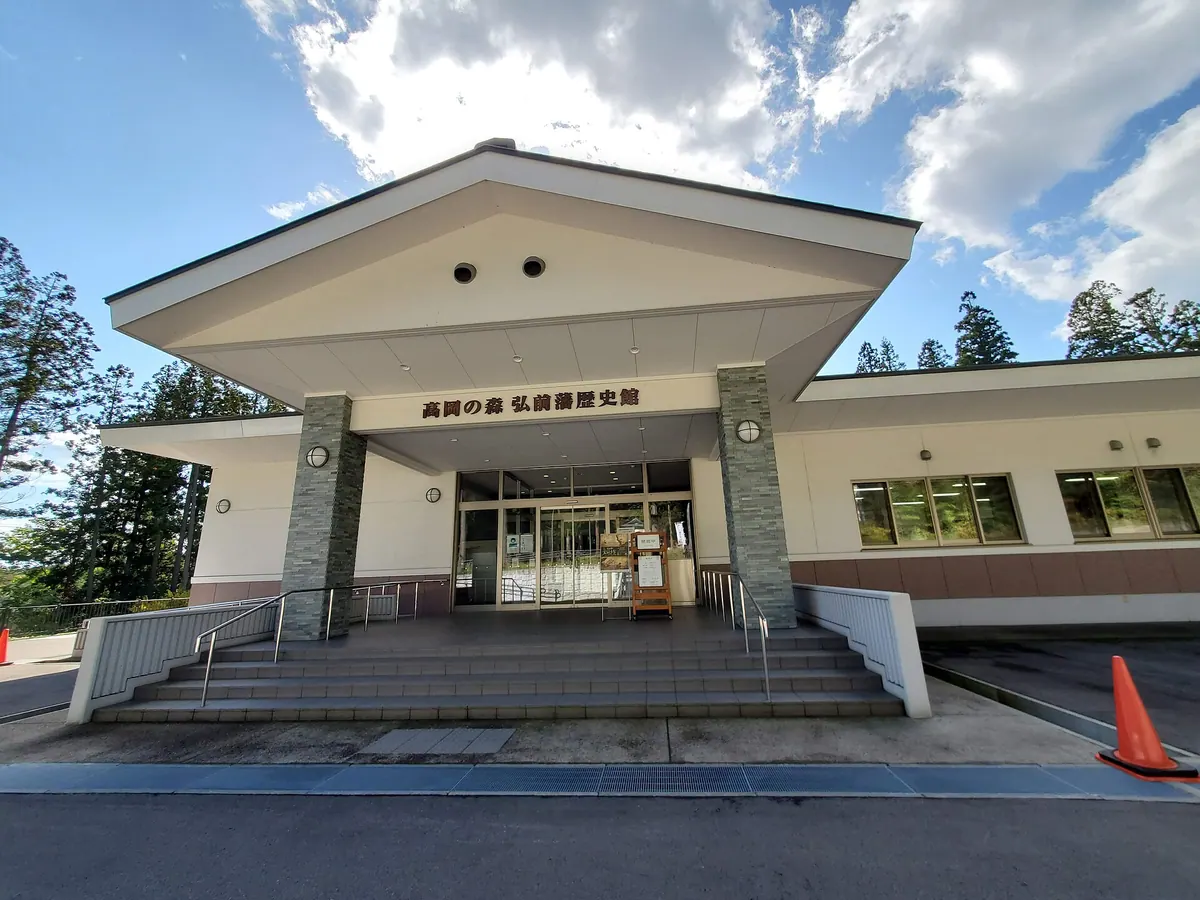
Modern museum showcasing the Tsugaru clan's history, including a Toyotomi Hideyoshi sword.
What it is
- A historical museum in Hirosaki City, Aomori Prefecture.
- Opened on April 1, 2018.
- Exhibits items related to the Tsugaru clan of the Hirosaki Domain.
- Located next to Takateru Shrine.
What to see
- About 5200 items are housed here.
- A sword believed to be from Toyotomi Hideyoshi.
- Dioramas of Tsugaru clan castles.
- Two-story reinforced concrete and steel-framed building.
Read more about Takaokanomori Historical Museum of Hirosaki Clan