

12 Castles in Hiroshima worth your time
Japan Gems
Hiroshima Prefecture is home to a variety of castles, including Yoshida-Kōriyama Castle and Fukuyama Castle. These sites offer a look into the region's historical architecture.
Hiroshima has 12 castles on Japan Gems. Below are the 12 we can tell you the most about — each one written up in English from Japanese sources, with what to see and how to get there. See all castles in Hiroshima.
01
Miyao Castle
HIROSHIMA · CASTLE 宮尾城
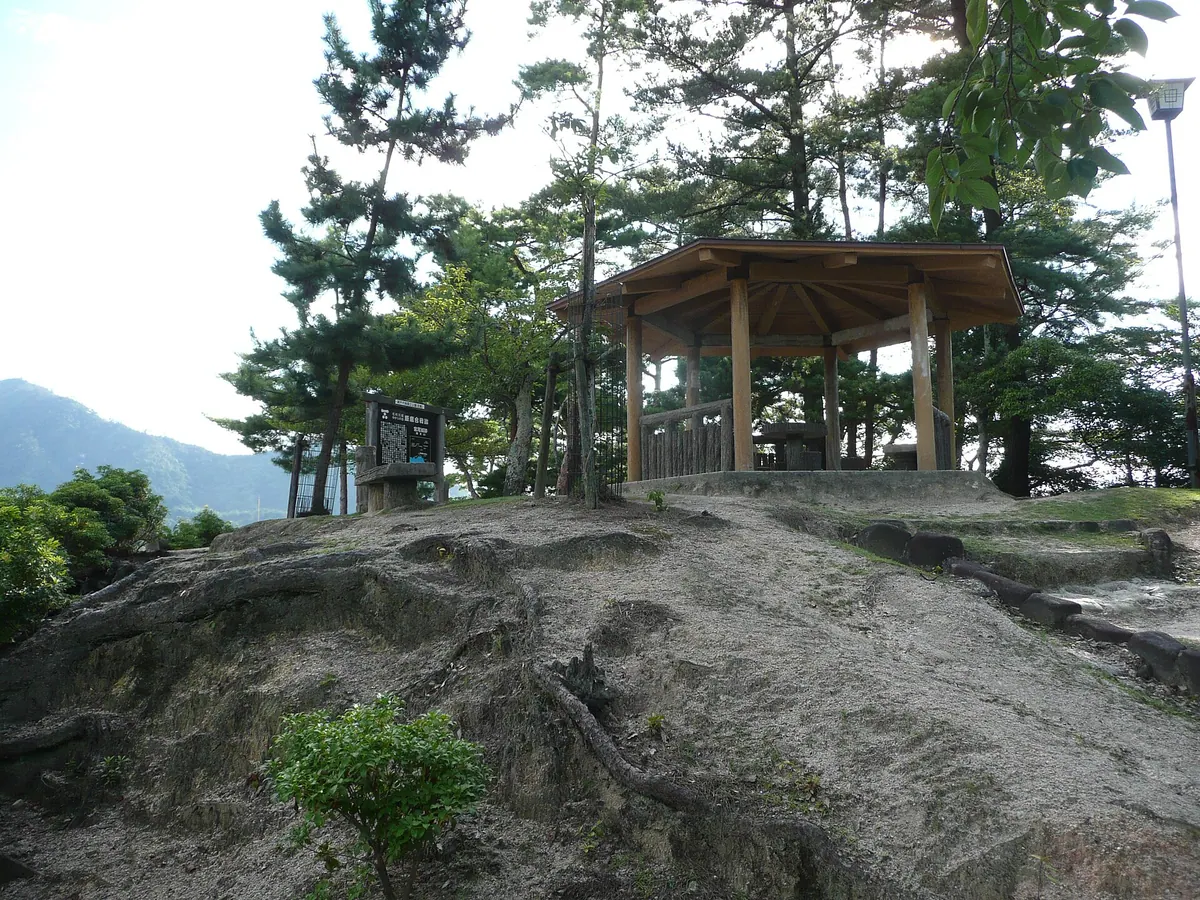
Miyao Castle is a historic island fortress, crucial to the Battle of Itsukushima.
What it is
- A Japanese castle, also known as Miyao-no-jo.
- Built on a 30-meter hill, part of Setonaikai National Park.
- Existed before the pivotal Battle of Itsukushima.
What to see
- The entire island is a Special Historic Site.
- The entire island is a Special Place of Scenic Beauty.
- Castle utilized a peninsula connected to Mt. Misen.
- Two high points formed the castle's center.
- Horikiri were built to cut off the two high points.
- Stone walls were used to solidify the ground.
02
Fukuyama Castle
HIROSHIMA · CASTLE 福山城
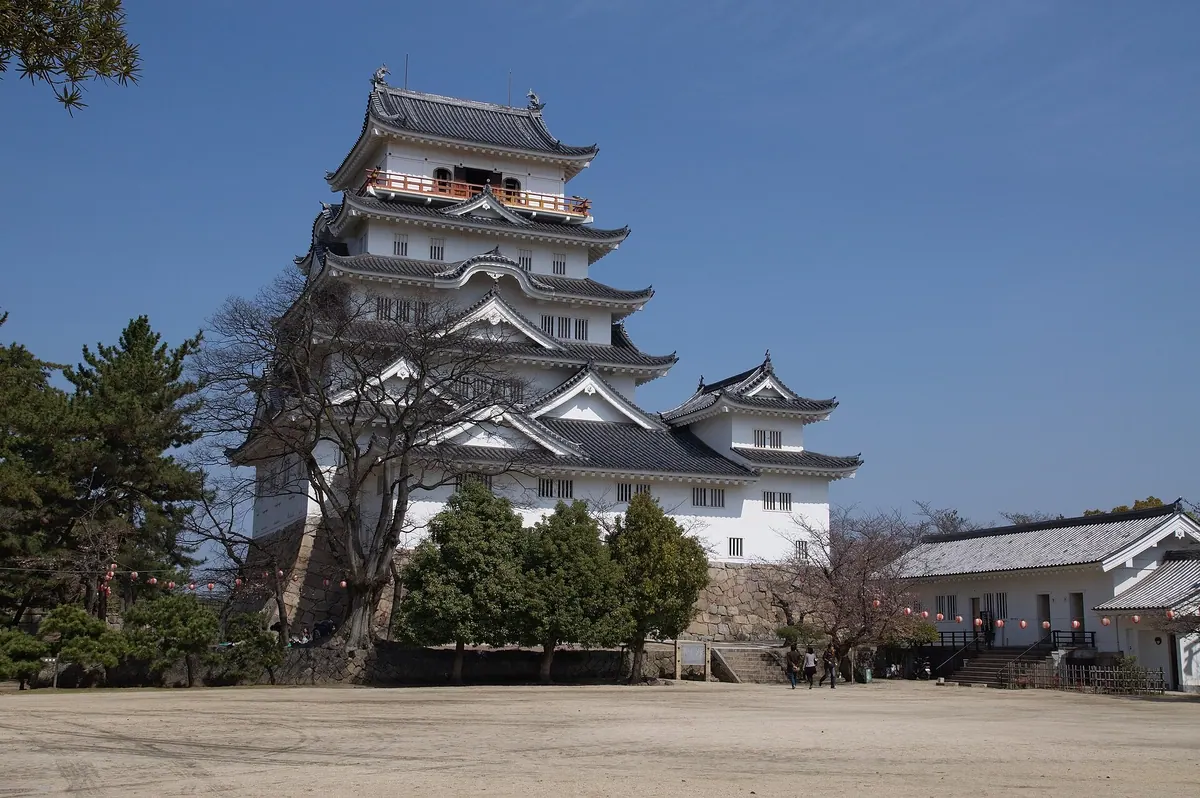
Fukuyama Castle is a reconstructed 17th-century castle, a National Historic Site worth visiting for its history.
What it is
- A Japanese castle in Hiroshima Prefecture.
- Completed in 1622, it was a large-scale early modern castle.
- Served as the domain office and lord's residence.
- Also known as Hisamatsu Castle and Iyo Castle.
What to see
- The castle ruins are a National Historic Site.
- The current castle tower was reconstructed in 1966.
- The castle tower area is a Scenic Important Building.
- It was selected as one of Japan's Top 100 Castles.
- Official site
- www.city.fukuyama.hiroshima.jp
03
Niitakayama Castle
HIROSHIMA · CASTLE 新高山城
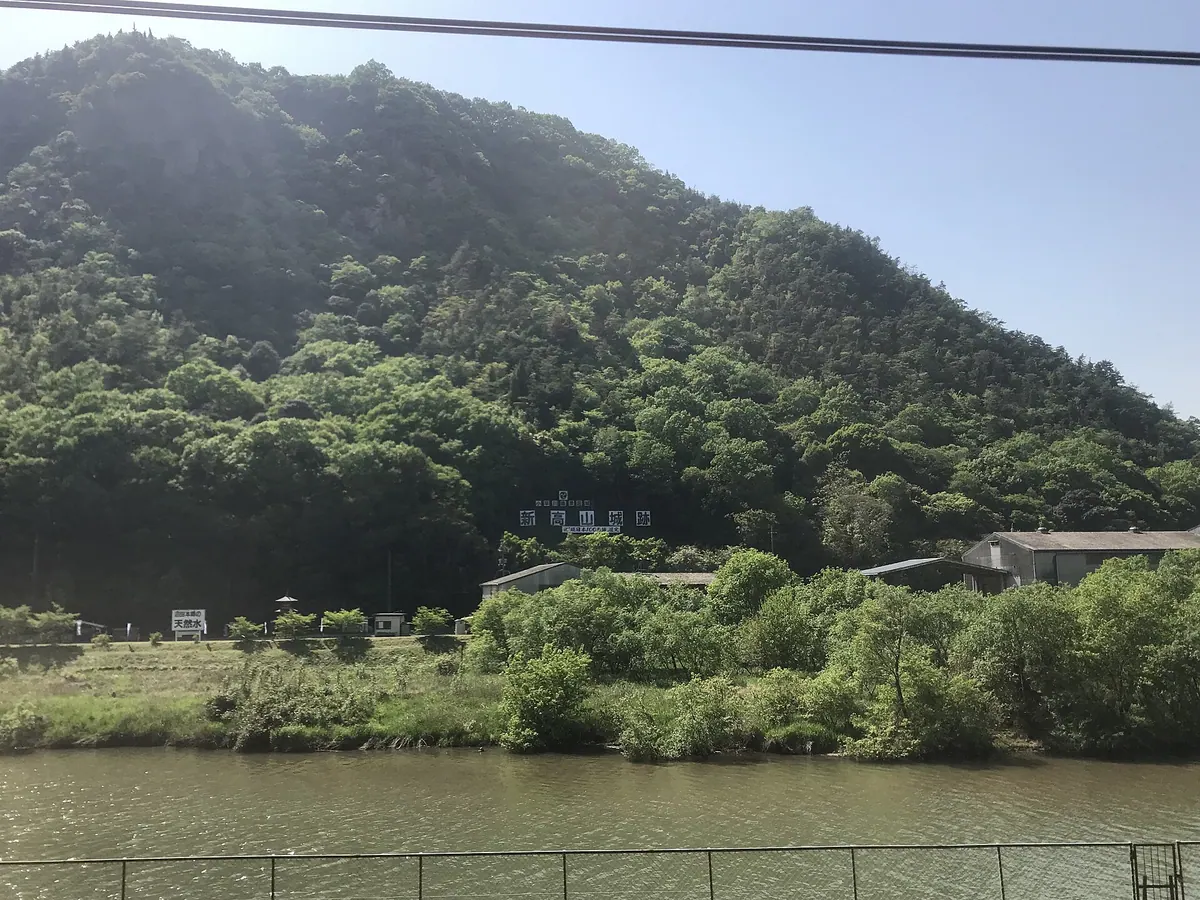
Explore extensive ruins of a mountaintop castle, once a powerful clan's base.
What it is
- A mountain castle, built on a 197.6m high peak.
- A fort was built here in 1276 by Kobayakawa Masahira.
- Expanded in 1552, it was the Kobayakawa clan's base until 1596.
- Designated a national historic site in Mihara City.
What to see
- Castle extends 400m east to west.
- Remains of various enclosures like Honmaru and Nakanomaru.
- Main enclosure has masugata earthwork remains.
- Look for building foundation stones.
04
Mihara Castle
HIROSHIMA · CASTLE 三原城
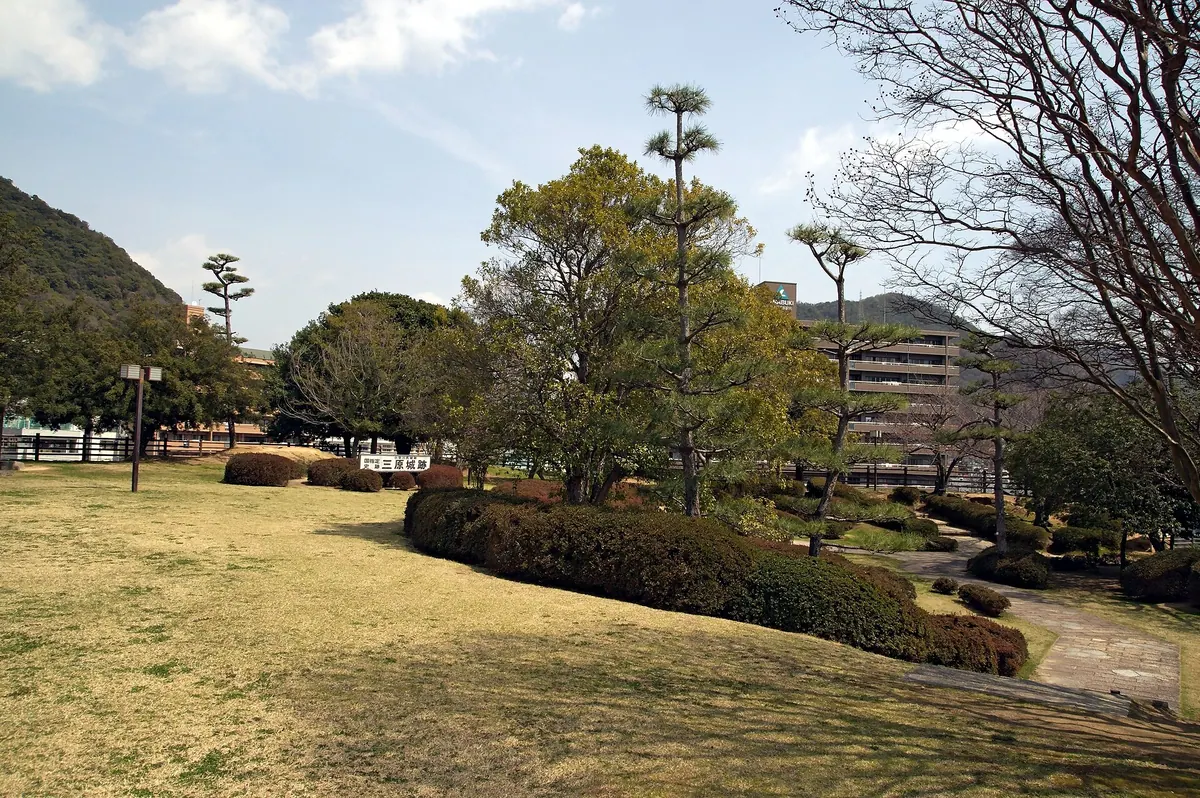
Explore Mihara Castle, a historic "Floating Castle" ruins, directly accessible from Mihara Station.
What it is
- A designated National Historic Site in Mihara, Hiroshima Prefecture.
- Also known as Ukishiro, or Floating Castle.
- Construction began in 1567 by Kobayakawa Takakage.
- Built to militarily control the Seto Inland Sea.
What to see
- The castle's main keep base.
- The Funairi-yagura ruins, located in Port Town Park.
Getting there
- Main keep base is accessible from JR Mihara Station concourse.
05
Chojayama Castle (Aki)
HIROSHIMA · CASTLE 長者山城 (安芸国)
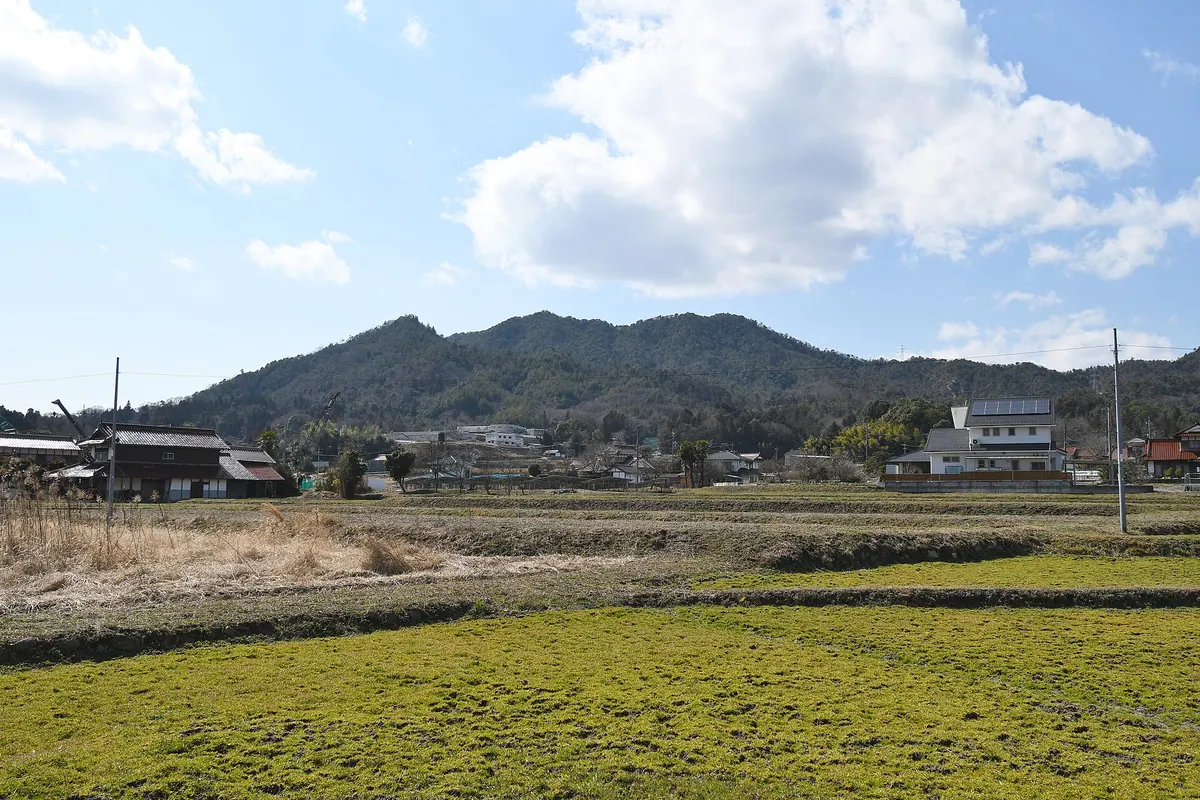
Explore Chojayama Castle, a recently discovered mountain castle with extensive earthwork walls and a unique stone gate.
What it is
- An ancient Japanese mountain castle.
- Discovered in 2019.
- Overlaps with the medieval Chojayashiki castle.
What to see
- Earthwork-style earthen mounds form the castle walls.
- Castle walls measure 2.4 kilometers in total length.
- A castle gate built with stone rows and masonry remains.
- The gate is known as Chojamon.
- L-shaped cuts are observed on the stone materials.
06
Yoshida-Kōriyama Castle
HIROSHIMA · CASTLE 吉田郡山城
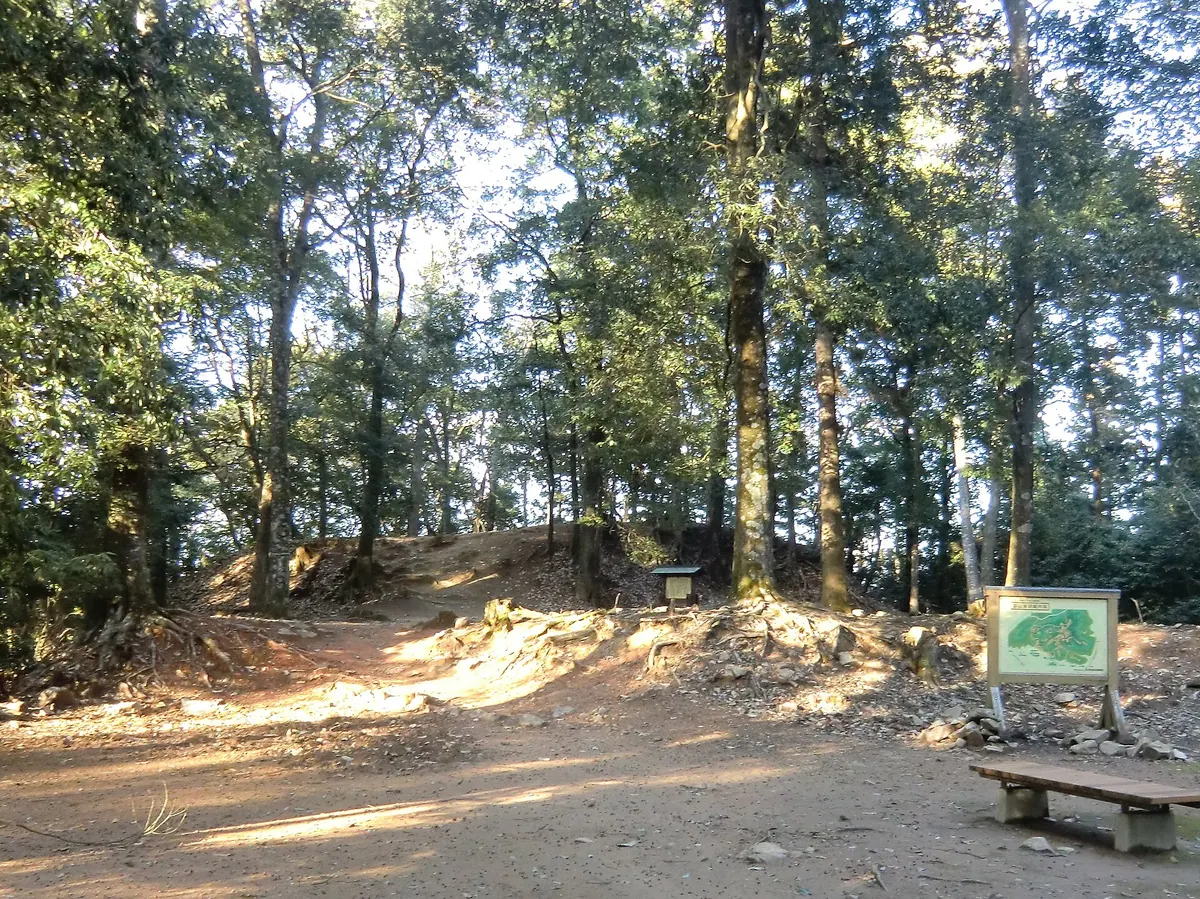
Explore a mountaintop castle ruin, once home to the Mōri clan, with over 270 enclosures.
What it is
- A Japanese castle ruin, a National Historic Site.
- Former residence of the powerful Mōri clan.
- Expanded as the Mōri clan grew in influence.
- Mōri Terumoto lived here before Hiroshima Castle.
What to see
- Over 270 castle enclosures.
- The main enclosure on the mountaintop.
- Remains of inner and outer moats.
- Mōri Motonari's tomb on the site.
07
Kamei Castle
HIROSHIMA · CASTLE 亀居城
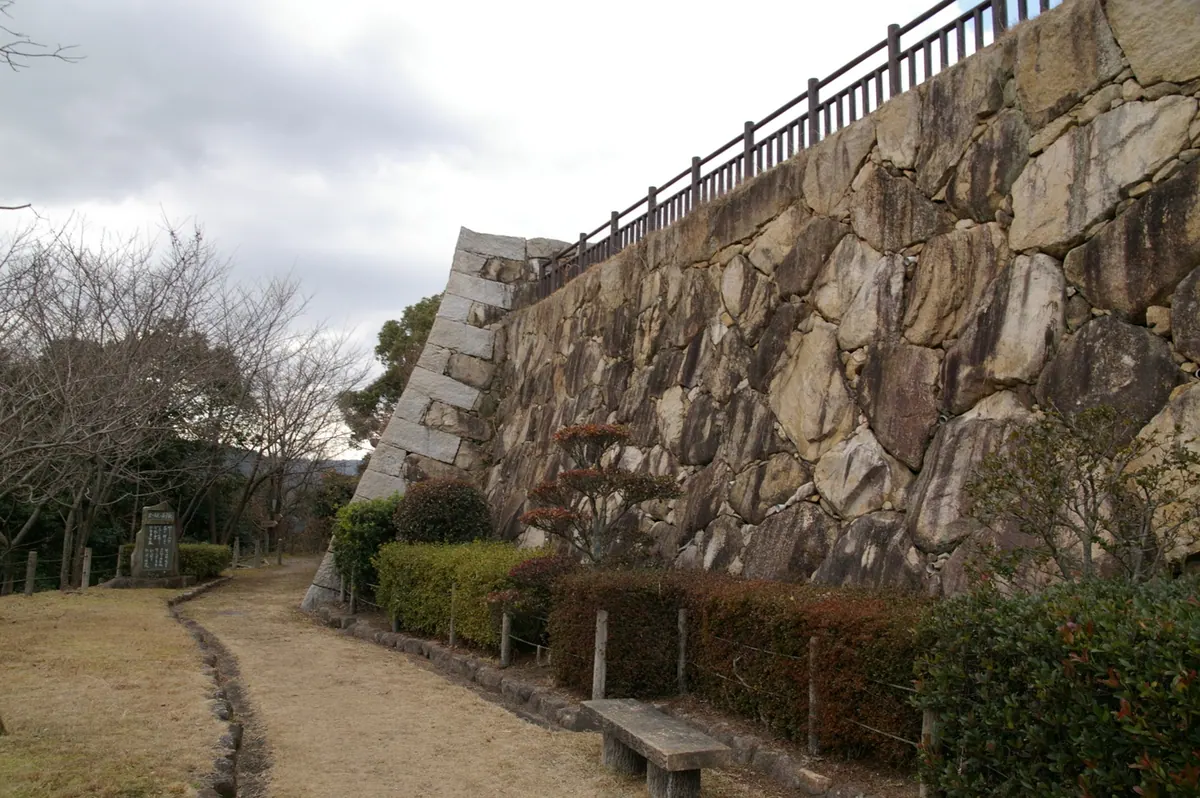
Kamei Castle is a historic hirayamajiro site, notable for its cherry blossoms and strategic past.
What it is
- A hirayamajiro type of Japanese castle.
- Built by Fukushima Masanori after the Battle of Sekigahara.
- Construction began in 1603 to deter the Mori clan.
- Designated a city historic site on November 4, 1983.
What to see
- The castle was built on a mountain 88 meters high.
- Now known as a cherry blossom viewing spot.
08
Hinoyama Castle
HIROSHIMA · CASTLE 日野山城
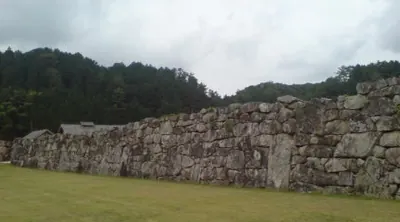
Explore Hinoyama Castle, a 16th-century mountain fortress and national historic site.
What it is
- A Japanese mountain castle, built around 1550.
- Designated a national historic site.
- Yoshikawa Motoharu made it his base.
- Expansion continued for three generations.
What to see
- Stone walls and stone ruins.
- Dry moats.
- The entire fortified mountain.
09
Tajihi-Sarugake Castle
HIROSHIMA · CASTLE 多治比猿掛城
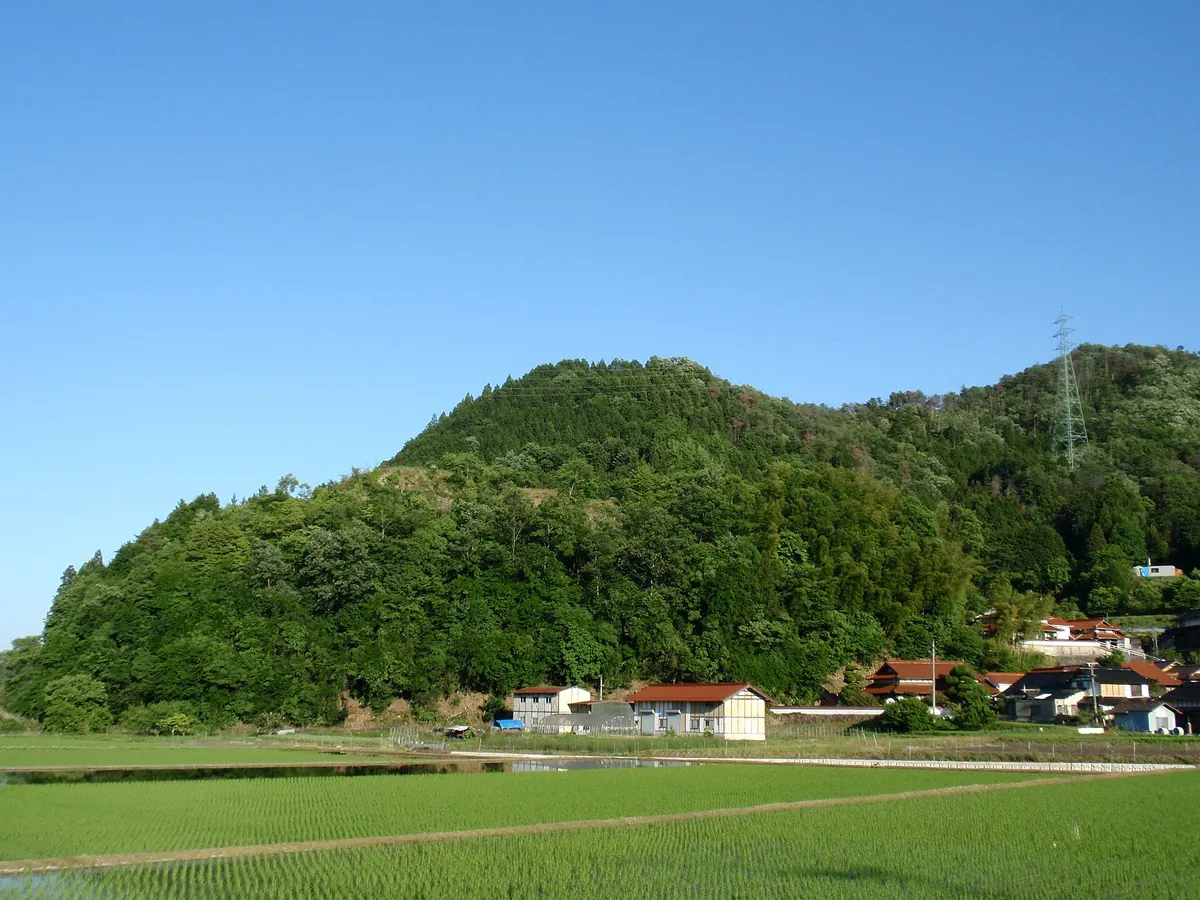
Explore the ruins of a significant branch castle of the Mori clan.
What it is
- A branch castle of Yoshida Koriyama Castle.
- Built in 1500 for Mori Hiromoto's retirement.
- A national historic site with Yoshida Koriyama Castle.
What to see
- Castle ruins with many kuruwa (baileys).
- The castle site is divided into four sections.
10
Ogurayama Castle
HIROSHIMA · CASTLE 小倉山城 (安芸国)
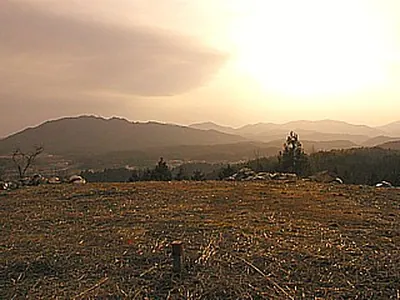
Explore Ogurayama Castle, a national historic site with significant Kikkawa clan history.
What it is
- A castle of the Kikkawa clan.
- Also known as Momijiyama Castle or Ogura Castle.
- Built by Kikkawa Tsunemi.
- Designated as a national historic site.
What to see
- Many castle remains still exist.
- The ruins are maintained as a historical park.
11
Fuchu Outpost Castle
HIROSHIMA · CASTLE 府中出張城
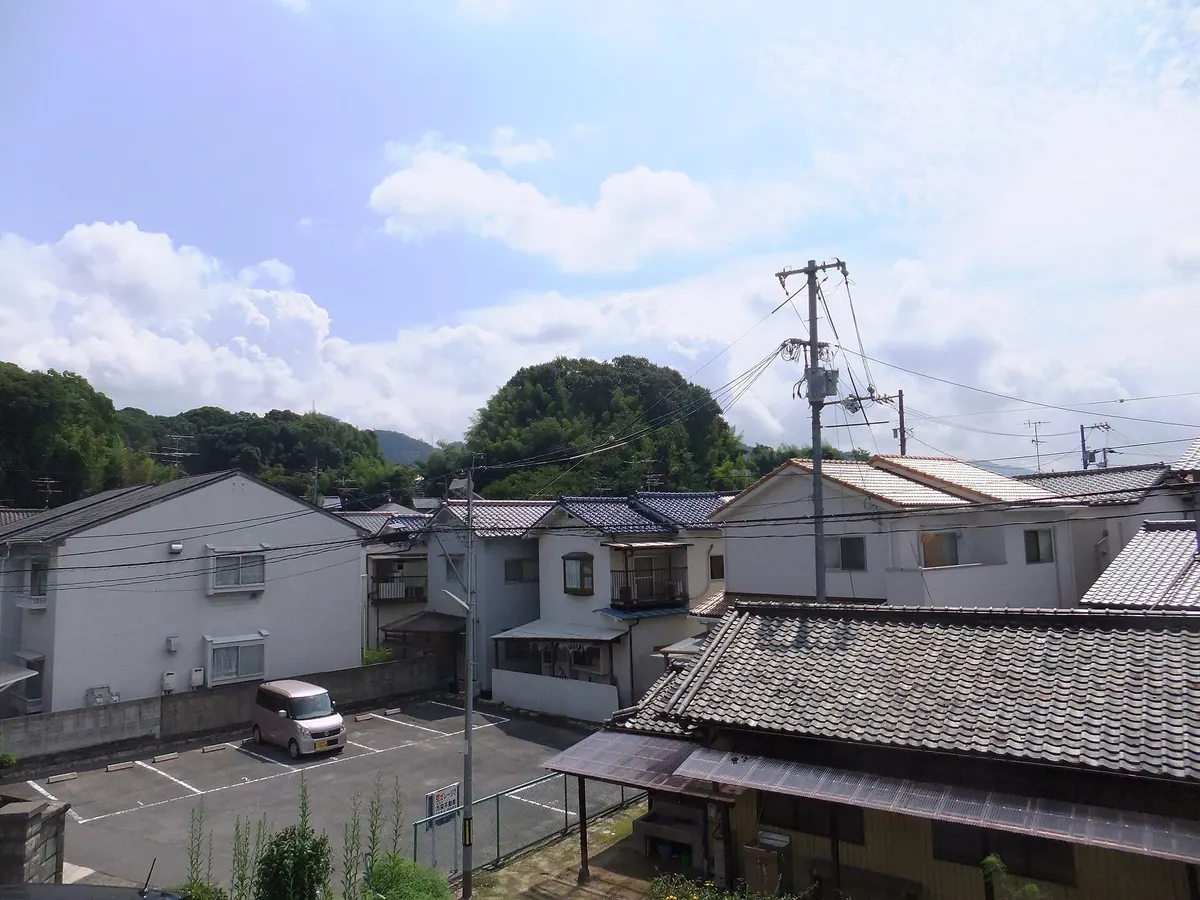
Fuchu Outpost Castle: a 14th-century castle with a hilltop keep, offering a glimpse into samurai history.
What it is
- A Japanese castle built around 1394-1428.
- Built by Shirai Tanetoki.
- Also called Fujo, Kokujo, and Geifujo.
- The Shirai clan collected tolls from merchant ships.
What to see
- The main keep was on a 35m high hill.
12
Takayama Castle
HIROSHIMA · CASTLE 高山城
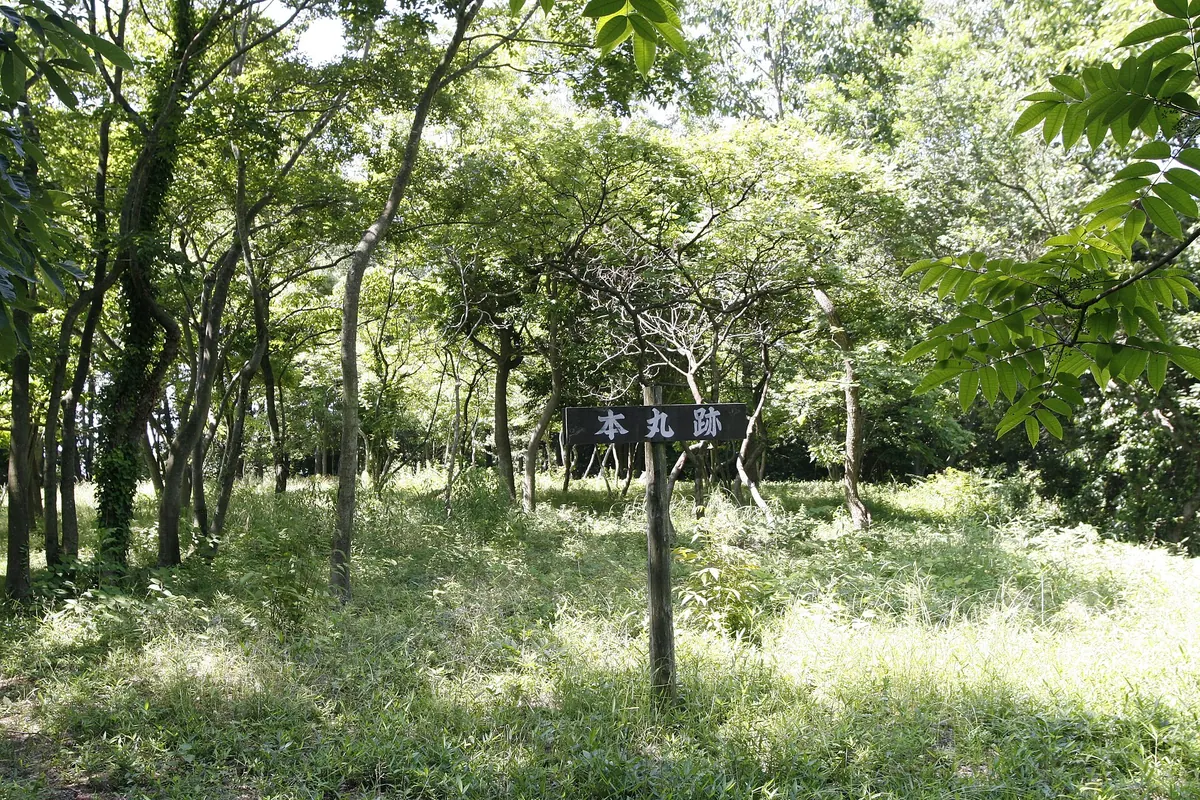
Explore the ruins of a 13th-century castle, a national historic site.
What it is
- A Japanese castle built in 1206.
- Constructed by Kobayakawa Shigehira.
- Residence of the Numata Kobayakawa clan.
- Abandoned in 1552.
What to see
- Castle ruins.
- A designated national historic site.