

10 Parks in Nara worth your time
Japan Gems
Nara Prefecture offers diverse parks, from the spacious Nara Prefectural Kashihara Park to the unique Morino Medicinal Herb Garden. These 10 parks provide a variety of outdoor experiences for your visit.
Nara has 10 parks on Japan Gems. Below are the 10 we can tell you the most about — each one written up in English from Japanese sources, with what to see and how to get there. See all parks in Nara.
01
Nara Park
NARA · PARK 奈良公園
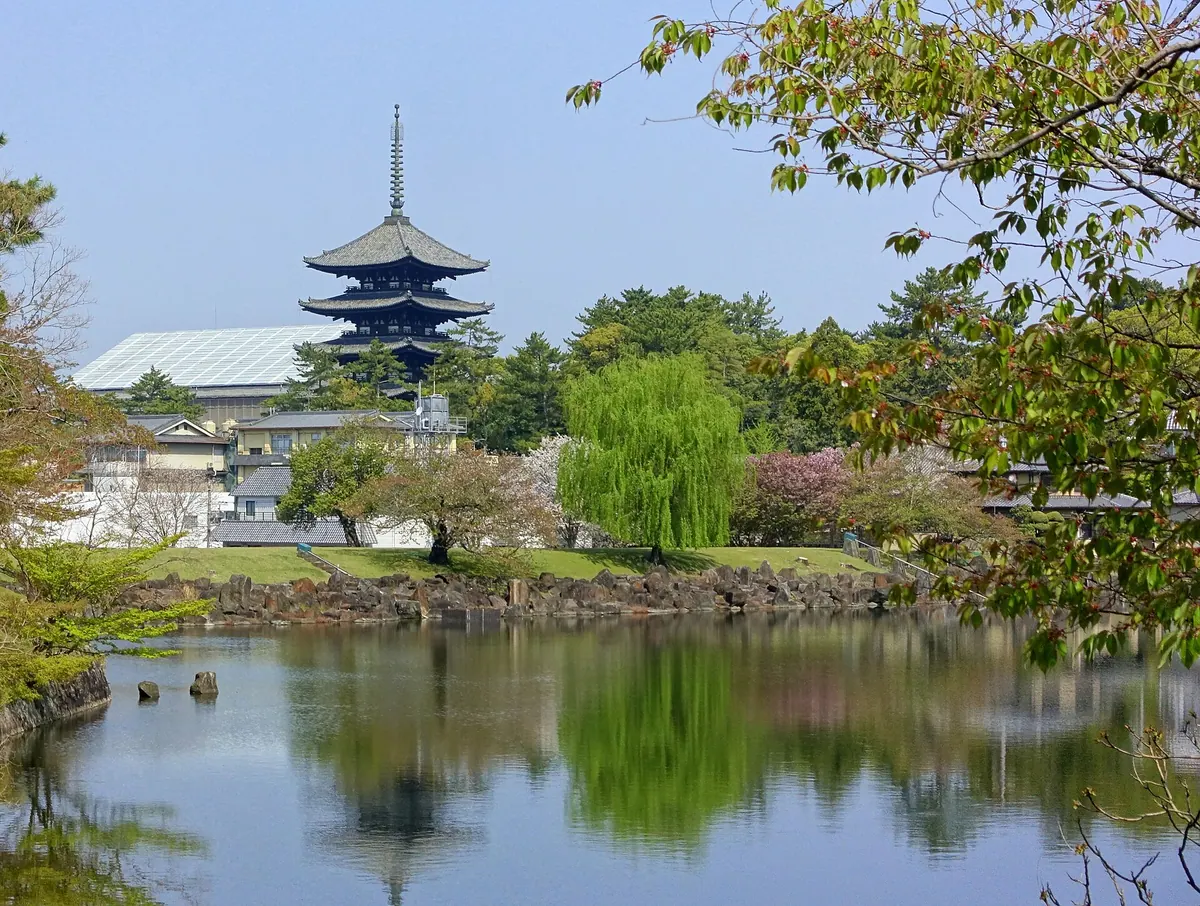
Nara Park is a vast urban park where wild deer roam freely among temples and cherry blossoms.
What it is
- A large urban park in Nara City, Nara Prefecture.
- Opened on February 14, 1880.
- Covers approximately 502 hectares.
- Contains many National Treasures and World Heritage sites.
What to see
- Approximately 1200 wild deer roam freely.
- Deer are a designated National Natural Monument.
- Todai-ji Temple, Kofuku-ji Temple, and Kasuga Grand Shrine.
- Mount Wakakusa, Mount Hana, and Mount Hoya.
- No fences or gates, and admission is free.
When to go
- Selected as one of Japan's Top 100 Cherry Blossom Spots.
Getting there
- Accessible from Kintetsu Nara Station.
- Accessible from JR Nara Station.
- Official site
- nara-park.com
02
Asuka Historical National Government Park
NARA · PARK 国営飛鳥歴史公園
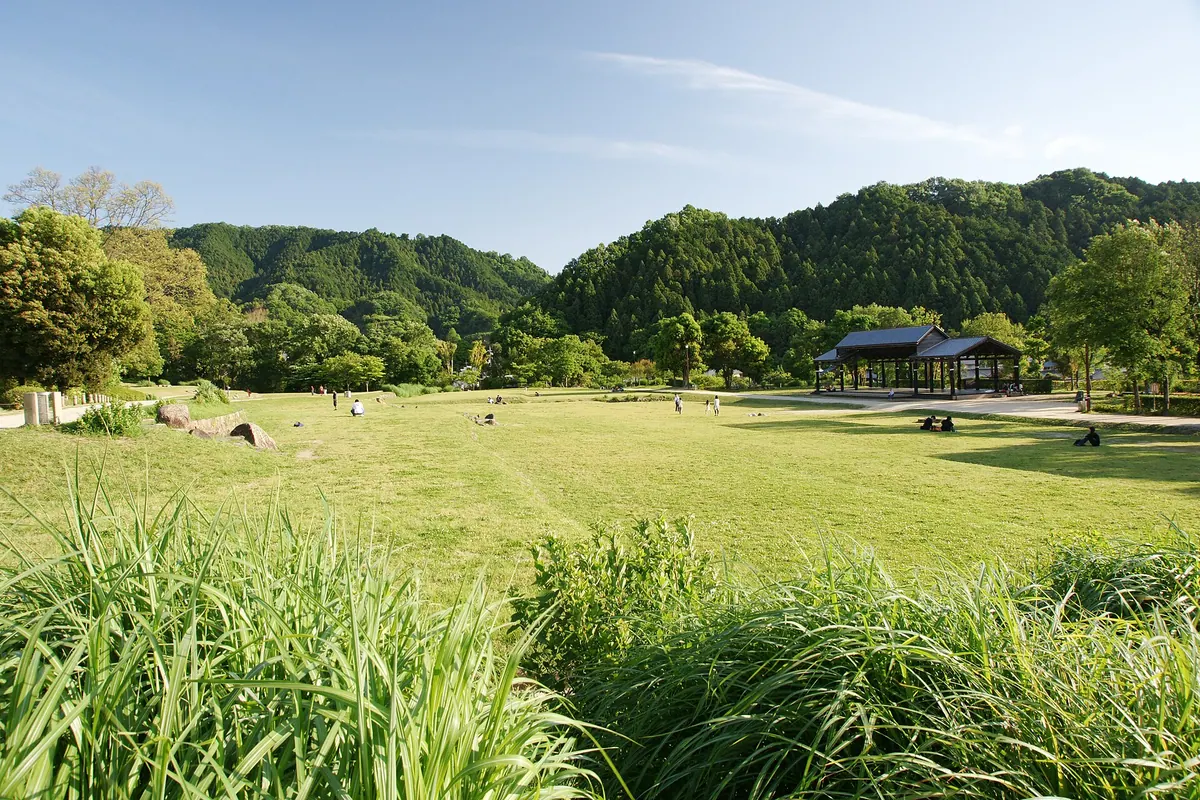
Explore ancient tombs and scenic views in a park preserving Japan's historic capital region.
What it is
- A national park in Asuka Village, Nara Prefecture.
- Established under the 1966 Ancient Capitals Preservation Law.
- Park project started in 1971.
- Comprises four main areas: Iwaido, Ishibutai, Takamatsuzuka, Amakashinooka.
What to see
- Ishibutai Tumulus in the Ishibutai Area.
- Takamatsuzuka Tumulus in the Takamatsuzuka Area.
- Amakashinooka Observatory in the Amakashinooka Area.
- Kitora Tumulus in the Kitora Tumulus Area.
- Kitora Tumulus Wall Painting Experience Building Shijin no Yakata.
When to go
- Attend events like Asuka Hikari no Kairo.
- Official site
- www.asuka-park.go.jp
03
Nara Palace Site Historical Park
NARA · PARK 平城宮跡歴史公園
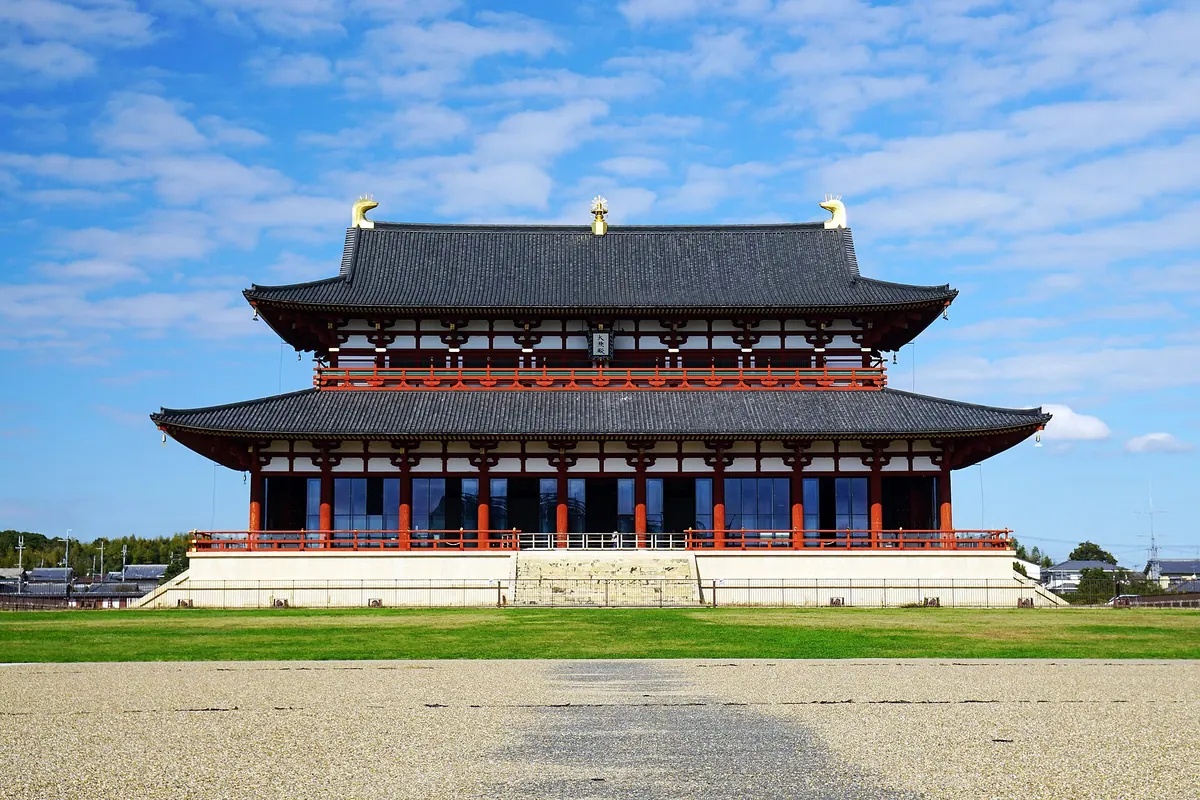
Explore the vast grounds of Japan's ancient capital, a significant World Heritage site.
What it is
- Site of Heijō-kyū, the imperial palace of ancient Nara.
- Registered as a World Heritage site in 1998.
- Japan's first archaeological World Heritage site.
- Designated a Special National Historic Site in 1952.
What to see
- Reconstructed Suzaku-mon Gate, completed in 1998.
- Reconstructed First Daigokuden, completed in 2010.
- Eastern Palace Garden, a Special National Place of Scenic Beauty.
- Vast 120-hectare site of the former palace.
- Address
- 〒630-8012 奈良県奈良市二条大路南3-5-1 Map
- Official site
- www.heijo-park.jp
04
Ikoma Sanroku Park
NARA · PARK 生駒山麓公園
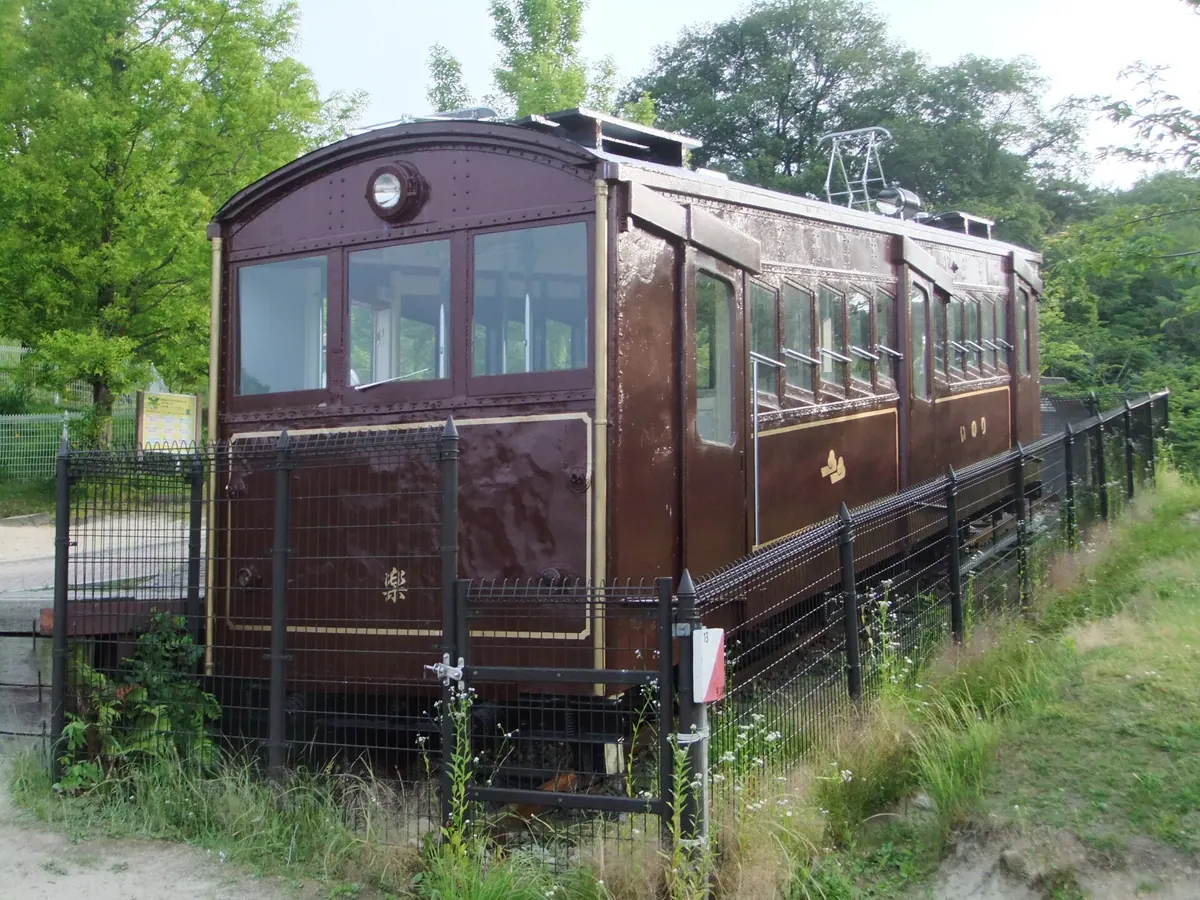
Ikoma Sanroku Park offers outdoor recreation and a preserved train on Mount Ikoma.
What it is
- An urban park on the northern part of Mount Ikoma.
- Opened in 1991 on the former site of Ikoma Tech.
- Total area is approximately 303,000 square meters.
What to see
- Field athletic course with 30 spots.
- Outdoor hot water pool.
- Five tennis courts.
- Multi-purpose ground with a 100m diameter.
- Preserved Kotsu 1 type train.
Getting there
- Nara Kotsu bus from Higashi-Ikoma Station.
- Official site
- www.ikoma36.jp
05
Yoshino-Kumano National Park
NARA · PARK 吉野熊野国立公園
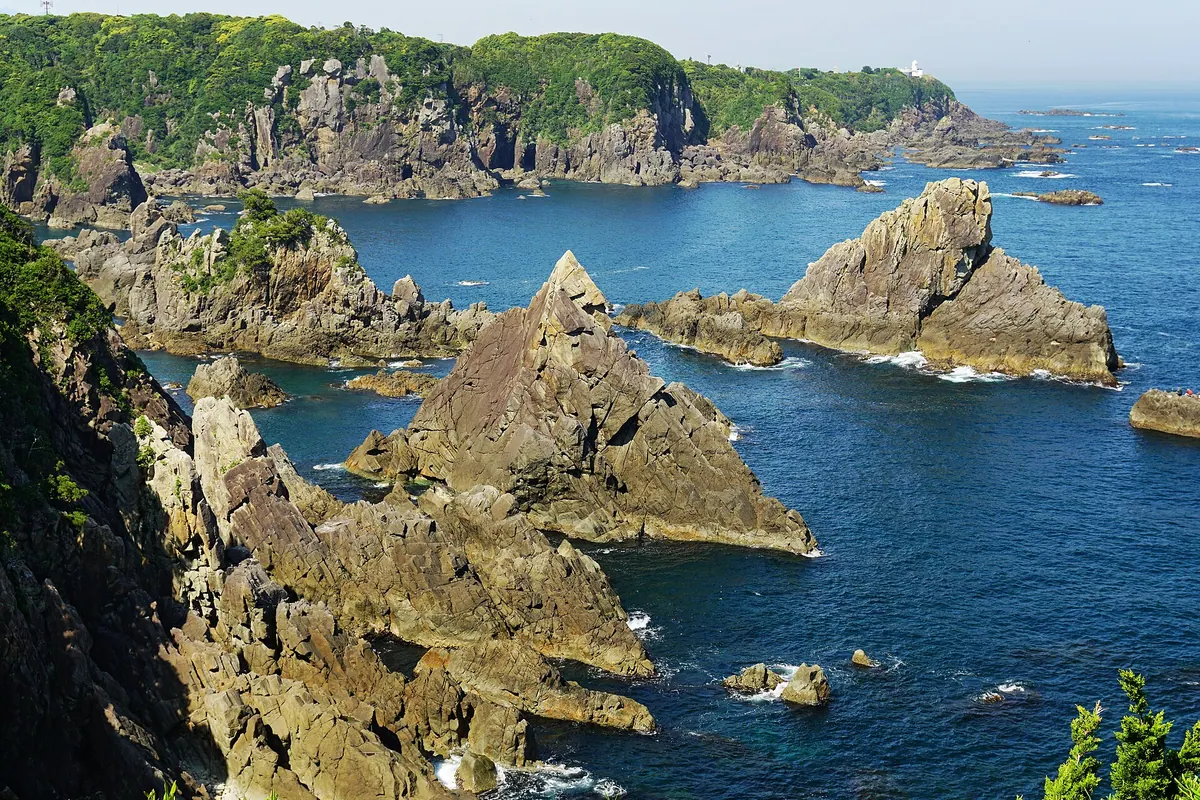
A large national park with diverse landscapes, sacred sites, and Japan's tallest waterfall.
What it is
- A national park designated on February 1, 1936.
- Spans three prefectures, over half in Nara.
- Covers 59,798 hectares, expanded in 2015.
What to see
- Mountains, rivers, and coastal areas.
- Yoshino and Omine mountains, Kumano River.
- Nachi Falls, Japan's longest single drop.
- Parts of 'Sacred Sites and Pilgrimage Routes'.
- Kushimoto Marine Park, Japan's first underwater park.
- Official site
- www.env.go.jp
06
Nara Prefectural Kashihara Park
NARA · PARK 奈良県立橿原公苑
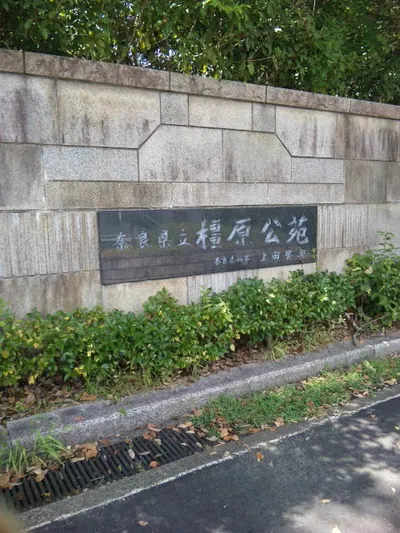
Athletic park established in 1952, offering sports facilities and a glimpse into local recreation.
What it is
- An athletic park in Kashihara City, Nara Prefecture.
- Established in 1952.
- Located east of Mount Unebi.
What to see
- Baseball field with 10,000-person capacity.
- Track and field stadium with 5,000-person capacity.
- Four all-weather tennis courts.
- Wooden single-story martial arts dojo.
Getting there
- 5-minute walk from Uneoboryo-mae Station.
- Address
- 奈良県橿原市畝傍町53 Map
- Official site
- www.pref.nara.jp
07
Man'yō Botanical Garden (Nara)
NARA · PARK 萬葉植物園
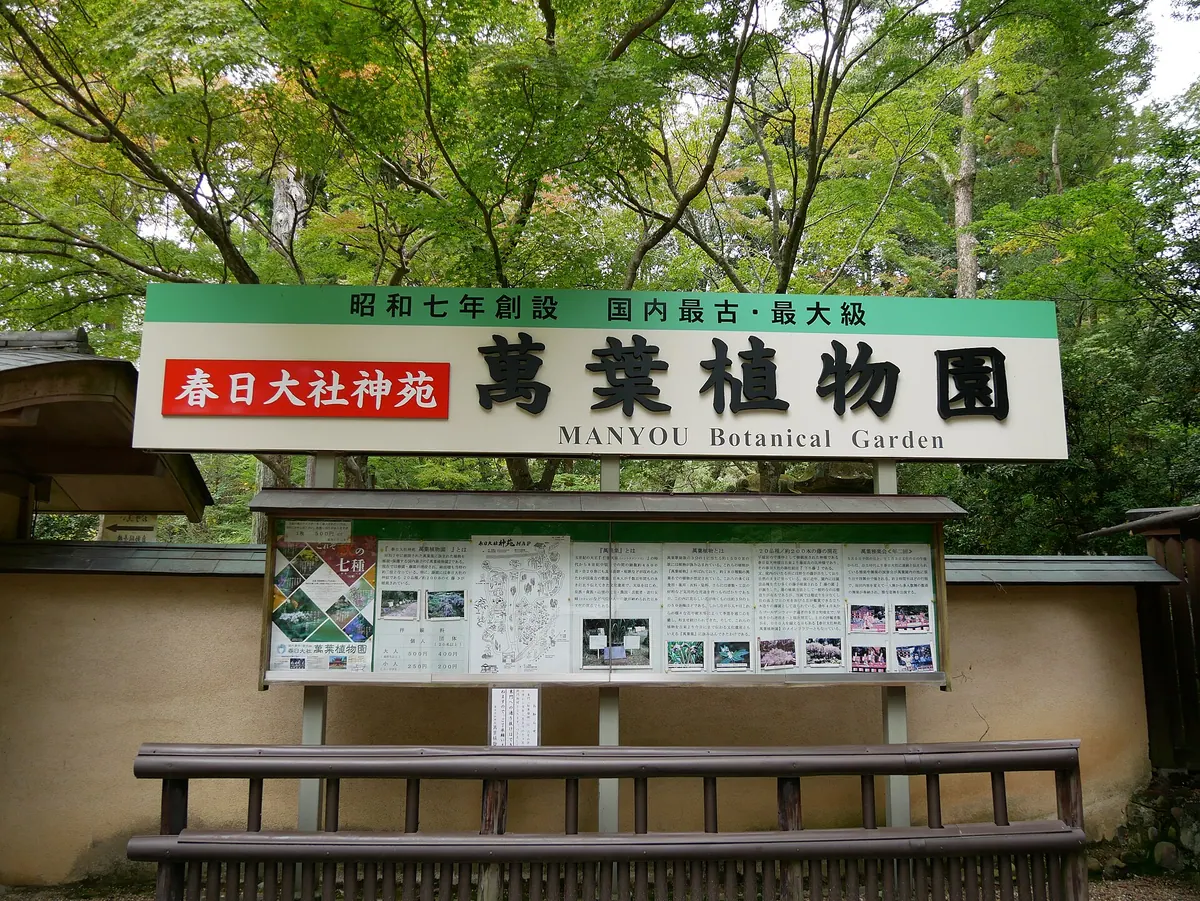
This garden displays 300 plant species from Japan's oldest poetry collection, offering historical and poetic context.
What it is
- Botanical garden established in 1932.
- Contains plants mentioned in the Man'yoshu, ancient Japanese poetry collection.
What to see
- Approximately 300 species of plants.
- Classical Japanese poems displayed alongside plants.
- Over 200 wisteria trees in twenty varieties.
When to go
- Wisteria flowers bloom between late April and early May.
- Official site
- www.kasugataisha.or.jp
08
Ikoma Sanjō Amusement Park
NARA · PARK 生駒山上遊園地
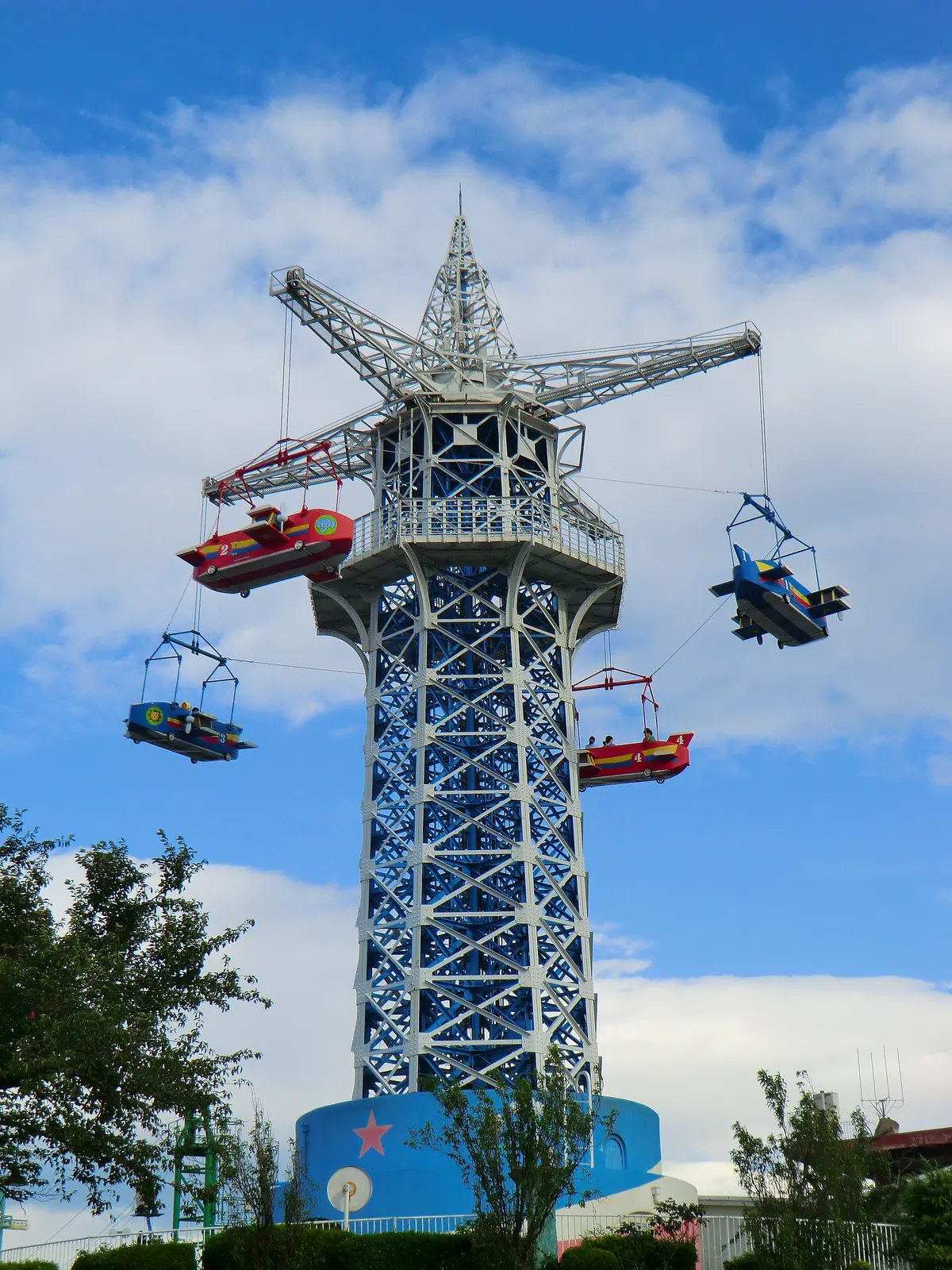
Historic amusement park on Mount Ikoma, offering free entry and panoramic views.
What it is
- Amusement park on Mount Ikoma.
- Opened in 1929.
- Owned by Kintetsu.
- Admission is free, but rides cost money.
What to see
- The Flying Tower, 30 meters tall.
- Oldest existing large-scale amusement ride in Japan.
- Flying Tower is a Civil Engineering Heritage Site.
When to go
- Closed during winter, from December to mid-March.
- Official site
- www.ikomasanjou.com
09
Morino Medicinal Herb Garden
NARA · PARK 森野旧薬園
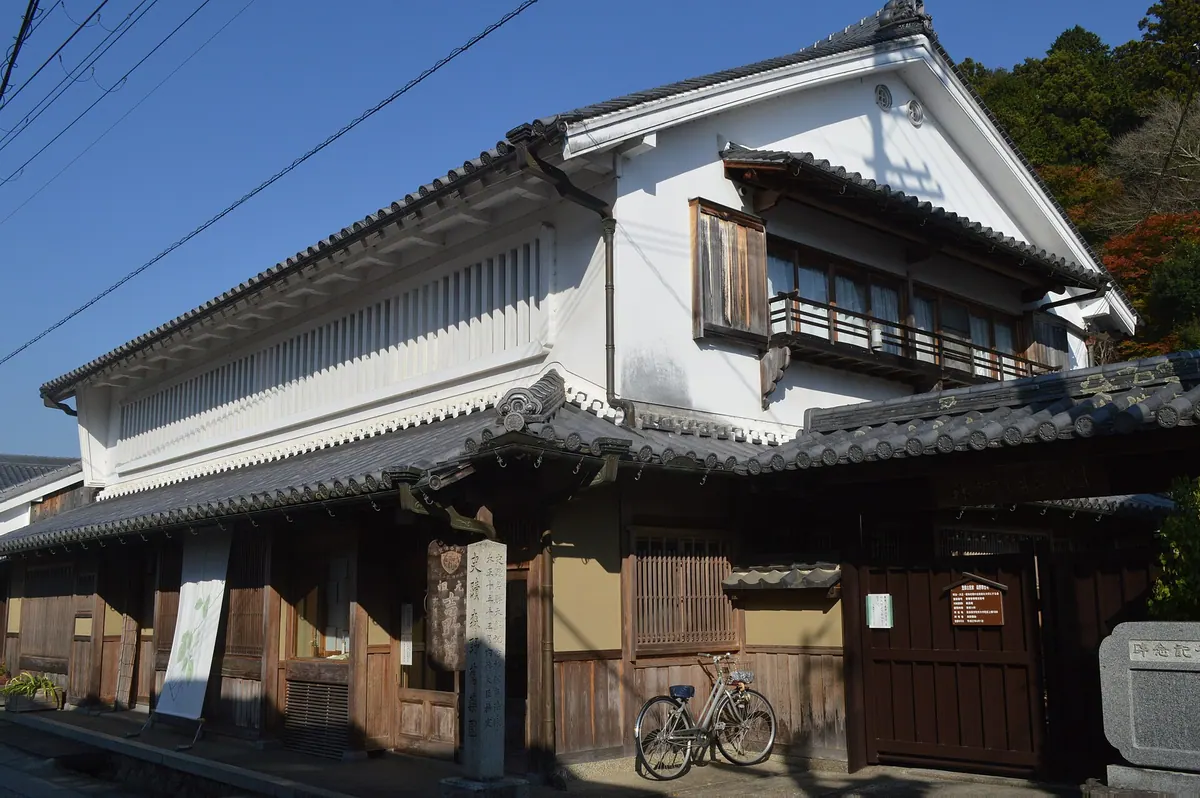
Japan's oldest private botanical garden, it showcases 250 medicinal herbs.
What it is
- Japan's oldest existing private botanical garden.
- Opened in the Kyoho era (1716-1736).
- Designated a national historic site in 1926.
- The Morino family manufactured kudzu powder.
What to see
- Approximately 250 types of medicinal herbs.
- Historic site designation markers.
- Illustrations from "Matsuyama Honzo" by Morino Tosuke.
- Official site
- morino-kuzu.com
10
Umami Kyūryō Park
NARA · PARK 馬見丘陵公園
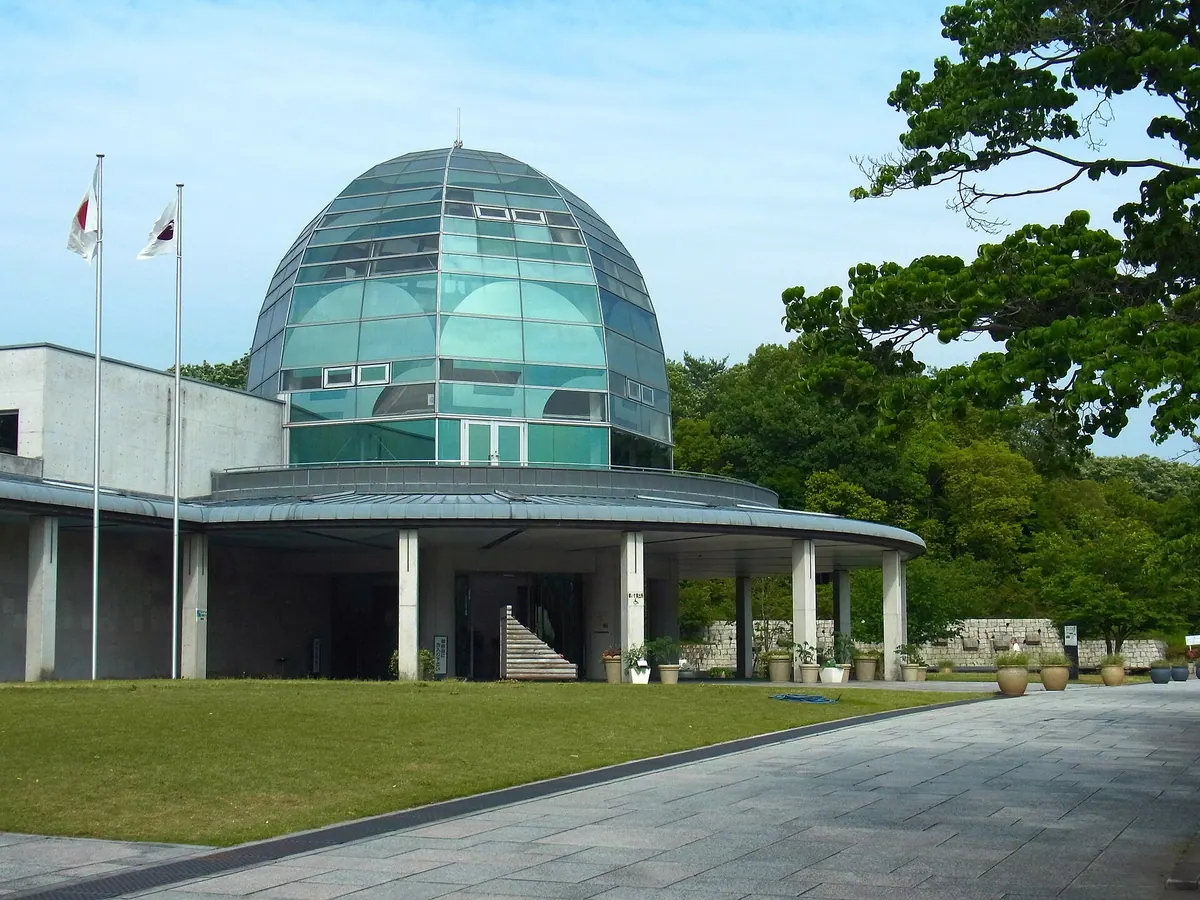
Umami Kyūryō Park preserves ancient burial mounds and offers a large, free green space.
What it is
- A Nara Prefectural urban park.
- Established to preserve the Umami Kofun Group.
- Project started in 1984, fully opened in June 2012.
- Second largest wide-area park in Nara Prefecture.
What to see
- Many kofun (ancient burial mounds).
- Park is divided into four main areas.
- Official site
- www.pref.nara.jp