
Gansen-ji Temple
岩船寺
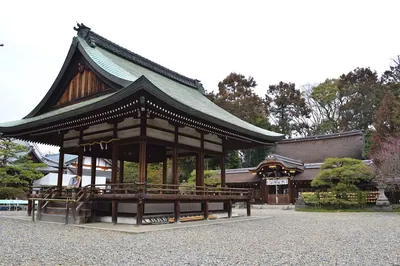
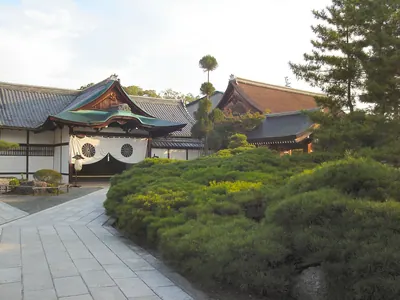
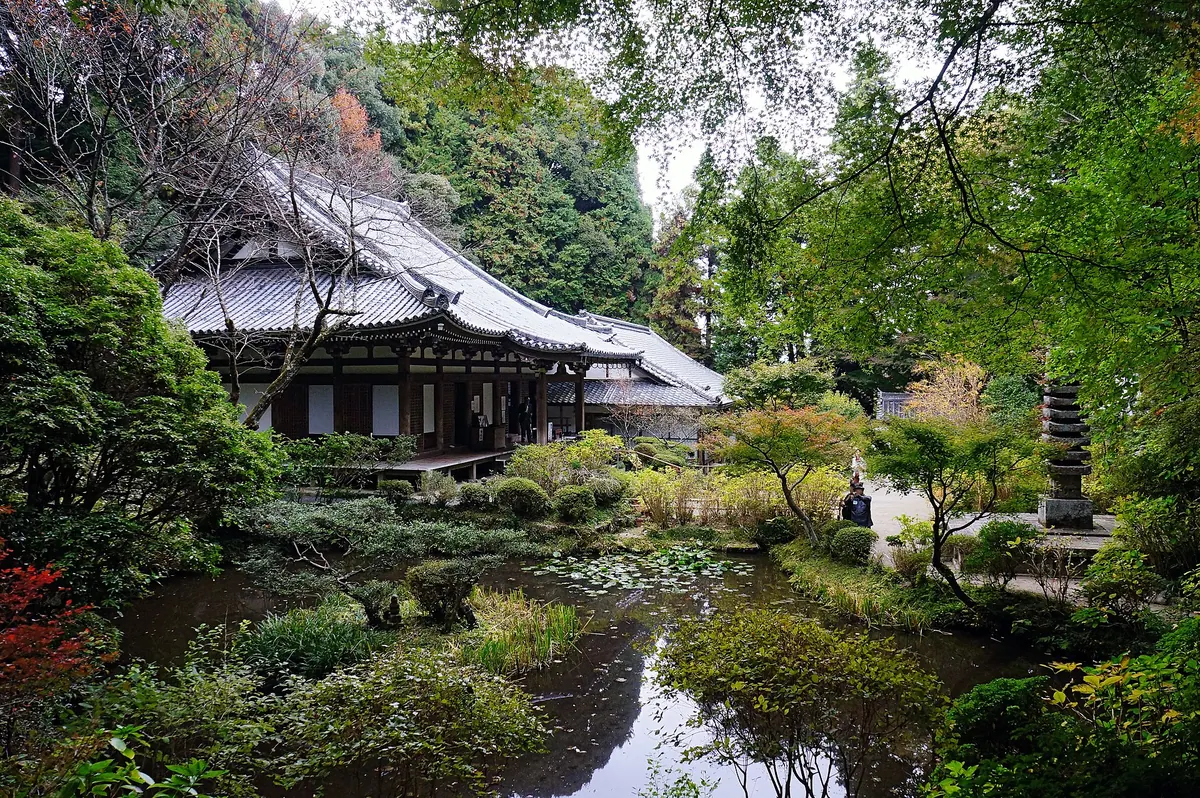
Gansen-ji Temple, known as the "Temple of Flowers," offers ancient statues and a pagoda.
What it is
- Temple in Kizugawa, Kyoto, surrounded by mountain forest.
- Founded in 729 by Buddhist priest Gyoki.
- Named Gansenji in 813 by Emperor Saga.
- Known as “Temple of Flowers” for its blooms.
What to see
- Over thirty varieties and five thousand hydrangea plants.
- Hydrangea symbol carved into the temple gate sign.
- Three-storied Pagoda, an Important Cultural Property.
- Nearly 3-meter tall wooden statue of Amida Nyorai.
- Many stone Important Cultural Properties around the grounds.
When to go
- Spring and summer for camellias, plum, cherry, hydrangeas, water lilies.
In detail
Gansenji Temple is located in the quiet mountain city of Kizugawa, Kyoto. Embraced on all sides by mountain forest, the temple grounds burst into bloom in the spring and summer with camellias, plum blossoms, cherry blossoms, hydrangeas, and water lilies This has earned the temple the nickname “Temple of Flowers.” It is particularly well-known for its hydrangeas of which there are over thirty varieties and five thousand plants. The connection to hydrangeas is so deep that a hydrangea symbol is carved into the sign at the temple gate. Because the base of the temple’s Three-storied Pagoda, an Important Cultural Property, is located at the foot of a hill, its top can be viewed up close from the hilltop. The temple’s principal deity, a nearly 3-meter tall wooden statue of Amida Nyorai, is thought to be the oldest of its kind.
History
According to temple legend, Gansenji traces its origins to 729 when, by imperial edict, a Buddhist priest named Gyoki, famous for his work of spreading Buddhism to the common people, established the temple. This temple is said to have been named Gansenji in 813 by Emperor Saga (786–842), who expanded the temple complex, building structures to give thanks for the birth of his male heir. At its most prosperous, the complex is believed to have stretched nearly one kilometer in all directions with a total of thirty-nine structures. Unfortunately, these were all destroyed in the fires of war in 1221.
In 1442, the three-storied pagoda was constructed and remains to this day. The main hall and principal deity were restored in the Edo period (1603–1868) via a donation from the Tokugawa family, the ruling clan of Japan at the time. The current main hall was rebuilt in 1966.
Treasures and Artifacts
Gansenji Temple has several Important Cultural Properties in its main hall and in the temple grounds. Perhaps the best-known are its principal deity, a nearly 3-meter tall wooden statue of the Amida Nyorai, the Lord of the Western Paradise, and its Three-storied Pagoda. Around the temple grounds are also many Important Cultural Properties made of stone, as the surrounding area is known for its quality granite.
Text: 観光庁 地域観光資源の多言語解説文データベース. Reproduced unchanged. The notes above were written from that text by Japan Gems.
Where it is
京都府木津川市加茂町岩船上ノ門43 Open in Google Maps
この施設の関係者の方へ
このページは公開情報をもとに Japan Gems が作成し、訪日外国人向けに英語で掲載しています。 写真や情報の追加・修正を承っています。お店の写真に差し替えることもできます。
このページの情報を更新する