
Hiyoshi Tōshō-gū
日吉東照宮
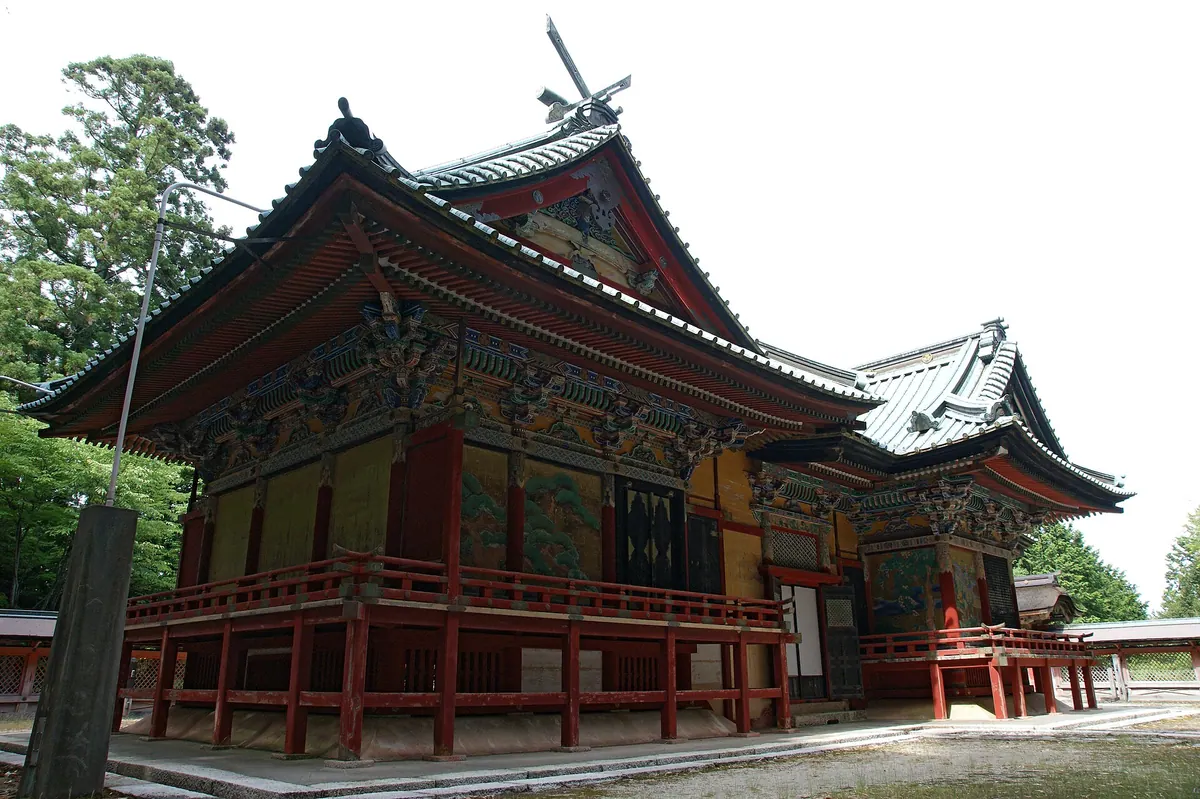
Hiyoshi Tōshō-gū enshrines Tokugawa Ieyasu, notable for its architecture and as a prototype for Nikko Tōshō-gū.
What it is
- Shrine enshrines deified Tokugawa Ieyasu, founder of Tokugawa shogunate.
- Established in 1623 by Tendai monk Tenkai.
- Rebuilt in 1634, prototype for Nikko Tōshōgū Shrine.
What to see
- Shrine building, gate, and fence are Important Cultural Properties.
- Exterior is faded, but interior colors and gold leaf are vivid.
- Early example of gongen-zukuri shrine architecture.
In detail
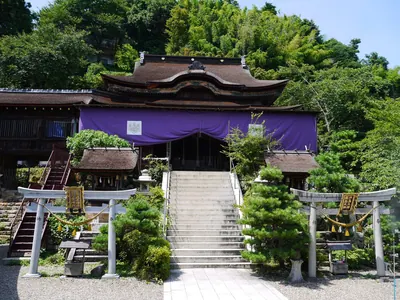
Hiyoshi Tōshōgū Shrine enshrines Tōshō Daigongen, the deified avatar of Tokugawa Ieyasu (1543–1616), founder of the Tokugawa shogunate (1603–1868). Tōshō Daigongen is the divine protector of Enryakuji Temple, which had close ties with Hiyoshi Taisha until 1868. Enryakuji is the headquarters of the Tendai school of Buddhism in Japan.
Hiyoshi Tōshōgū was established in 1623 by the influential Tendai monk Tenkai (1536–1643). It was rebuilt in 1634, and the new building was a prototype for the ornate Nikko Tōshōgū Shrine in Tochigi Prefecture, where Ieyasu is enshrined.
The shrine is one of the earliest examples of gongen-zukuri shrine architecture, which is characterized by a single roof over the worship hall, main sanctuary, and the connecting passageway in between. Although the building’s exterior is faded and worn, the colors and gold leaf of the interior remain vivid and bright.
The shrine building, gate, and fence are all designated Important Cultural Properties.
Text: 観光庁 地域観光資源の多言語解説文データベース. Reproduced unchanged. The notes above were written from that text by Japan Gems.
Where it is
Hiyoshi Tōshō-gū Open in Google Maps
この施設の関係者の方へ
このページは公開情報をもとに Japan Gems が作成し、訪日外国人向けに英語で掲載しています。 写真や情報の追加・修正を承っています。お店の写真に差し替えることもできます。
このページの情報を更新する