
Hokuto Site
北斗遺跡
This site shows 10,000 years of continuous settlement and how prehistoric society developed in the region.
What it is
- Archaeological site revealing 10,000+ years of settlement in Kushiro.
- Shows development of prehistoric society in the region.
- Hunter-gatherer society continued in Hokkaido, unlike Honshu.
What to see
- Exhibition hall with artifacts, diagrams, and dioramas.
- Full-sized model of a Satsumon-period pit dwelling inside the hall.
- Observatory with elevated view of the archaeological site.
- 102 circular and oval pits from Jomon and post-Jomon periods.
- 232 square pits from the Satsumon period.
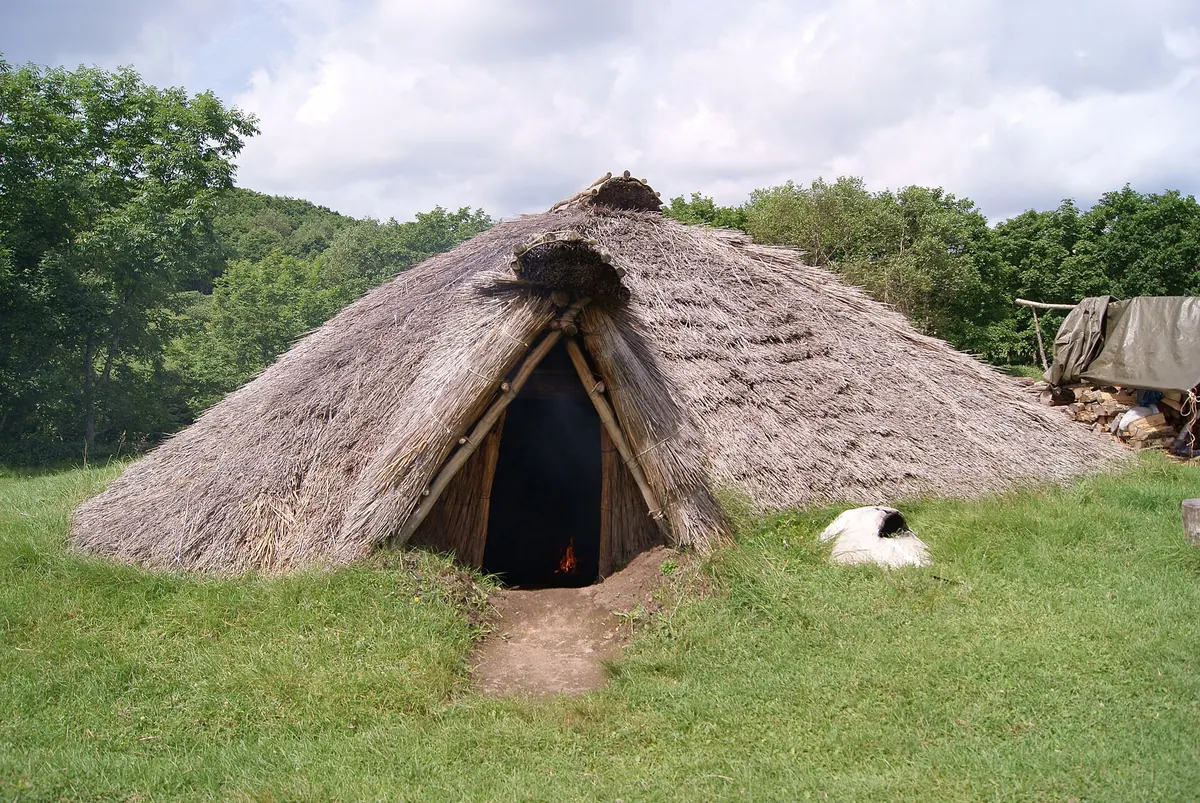
- Five full-sized models of Satsumon-style pit dwellings to enter.
When to go
- Open 10:00 a.m. to 4:00 p.m. from April to November.
- Closed on Mondays.
Getting there
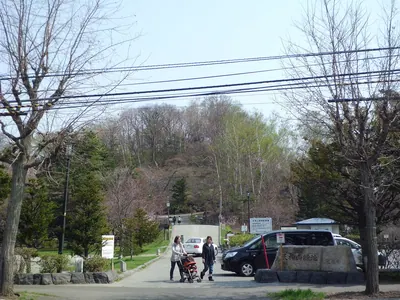
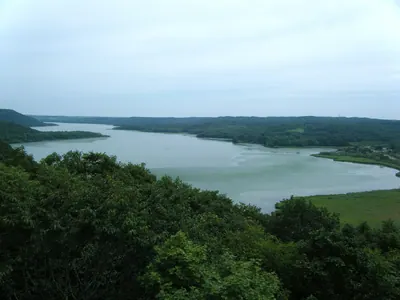
- Located on a plateau on the west side of the Kushiro Wetlands.
In detail
The Hokuto Archaeological Site reveals that Kushiro was continuously settled for over 10,000 years. Archaeological findings at the site, from stone tools and pottery shards to ironware and simple agricultural implements, show how prehistoric society developed in the region.
The site is located on a plateau on the west side of the Kushiro Wetlands. This area was settled from around 13,000 BCE all the way to the thirteenth century CE. At the end of the Jomon period, around 400 CE, residents of the islands of Honshu, Shikoku, and Kyushu adopted rice cultivation and later developed into an agrarian society. In Hokkaido, however, the climate was not suitable for rice cultivation. The hunter-gatherer society that characterized the Jomon period continued.
New technologies and materials were obtained through trade in the Satsumon period (700–1200 CE), but the hunter-gatherer lifestyle remained much the same. Iron tools have been found at the Hokuto Archaeological Site, indicating trade with Honshu.
The Exhibition Hall
The exhibition hall at the entrance to the site displays artifacts, diagrams, and dioramas of the geological and human history of the site. The exhibitions are arranged in chronological order, helping visitors understand the development of technology and the changing lifestyles of the inhabitants over thousands of years. A full-sized model of a Satsumon-period (700–1200 CE) pit dwelling inside the hall helps visitors visualize ancient life in the area.
The Exhibition Hall is open 10:00 a.m.–4:00 p.m. from April to November (closed on Mondays).
Visiting the Archaeological Site
Just beyond the exhibition hall, an observatory provides an elevated view of the Hokuto Archaeological Site. In front of the observatory, a path leads through the forest, up to the plateau. The plateau is pitted with shallow depressions, each around a meter deep, where pit dwellings once stood. There are 102 circular and oval pits that were dug in the Jomon and post-Jomon periods (13,000 BCE–700 CE), and 232 square pits from the Satsumon period (700–1200 CE).
There are five full-sized models of Satsumon-style pit dwellings at the site, which visitors can enter. Each dwelling is composed of a square, earthen pit around 1 meter deep, with sides of 5–10 meters long. Support poles hold a thatched roof, several meters high in the center, which slopes to the ground. The dwellings have a central hearth for heating and smoking food, a space for sleeping, and a small clay oven. Villages like this were usually built along rivers and coastlines, so the residents could fish as well as hunt and forage.
Text: 観光庁 地域観光資源の多言語解説文データベース. Reproduced unchanged. The notes above were written from that text by Japan Gems.
Where it is
Hokuto Site Open in Google Maps
この施設の関係者の方へ
このページは公開情報をもとに Japan Gems が作成し、訪日外国人向けに英語で掲載しています。 写真や情報の追加・修正を承っています。お店の写真に差し替えることもできます。
このページの情報を更新する