

14 Historic sites in Hokkaidō worth your time
Japan Gems
Hokkaidō has 12 heritage sites, including the Kitakogane Shell Mound and Fugoppe Cave. These sites offer a look at ancient life and cultures in Japan's northernmost prefecture.
Hokkaidō has 14 historic sites on Japan Gems. Below are the 14 we can tell you the most about — each one written up in English from Japanese sources, with what to see and how to get there. See all historic sites in Hokkaidō.
01
Hokuto Site
HOKKAIDō · HISTORIC SITE 北斗遺跡
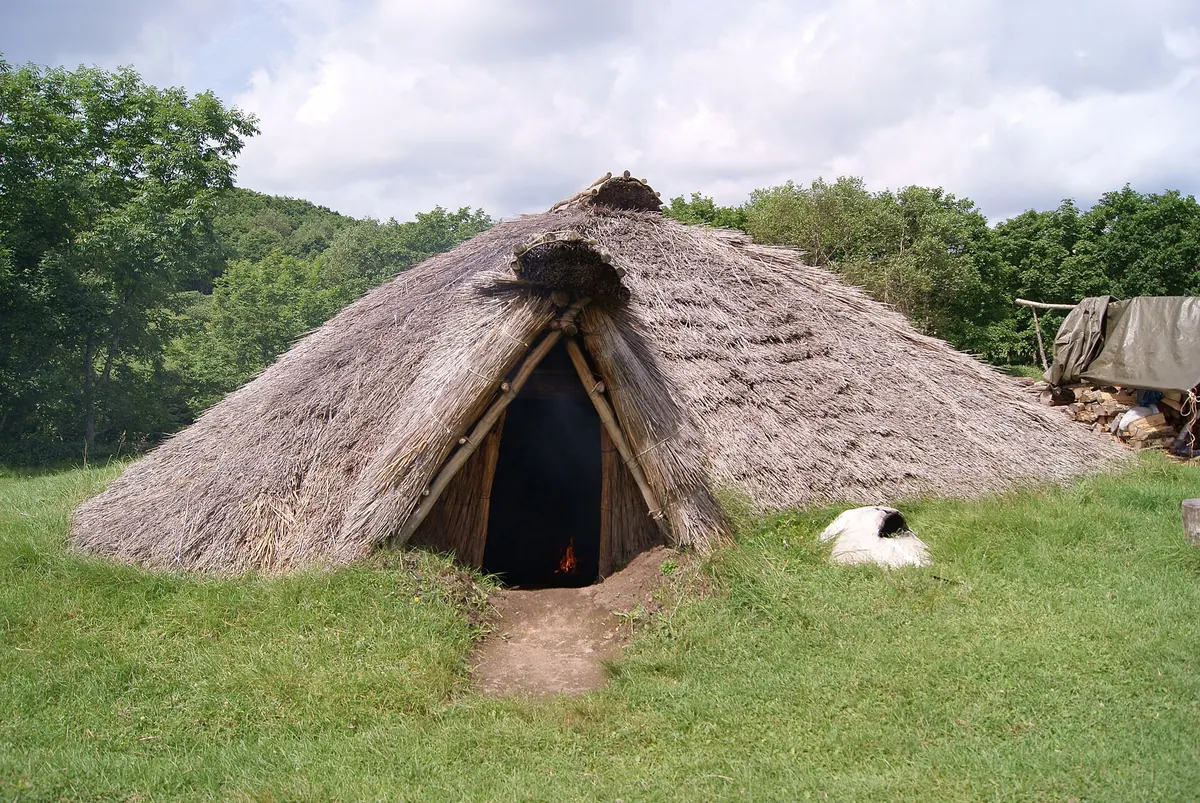
This site shows 10,000 years of continuous settlement and how prehistoric society developed in the region.
What it is
- Archaeological site revealing 10,000+ years of settlement in Kushiro.
- Shows development of prehistoric society in the region.
- Hunter-gatherer society continued in Hokkaido, unlike Honshu.
What to see
- Exhibition hall with artifacts, diagrams, and dioramas.
- Full-sized model of a Satsumon-period pit dwelling inside the hall.
- Observatory with elevated view of the archaeological site.
- 102 circular and oval pits from Jomon and post-Jomon periods.
- 232 square pits from the Satsumon period.
- Five full-sized models of Satsumon-style pit dwellings to enter.
When to go
- Open 10:00 a.m. to 4:00 p.m. from April to November.
- Closed on Mondays.
Getting there
- Located on a plateau on the west side of the Kushiro Wetlands.
- Official site
- www.city.kushiro.lg.jp
02
Kakinoshima Site
HOKKAIDō · HISTORIC SITE 垣ノ島遺跡
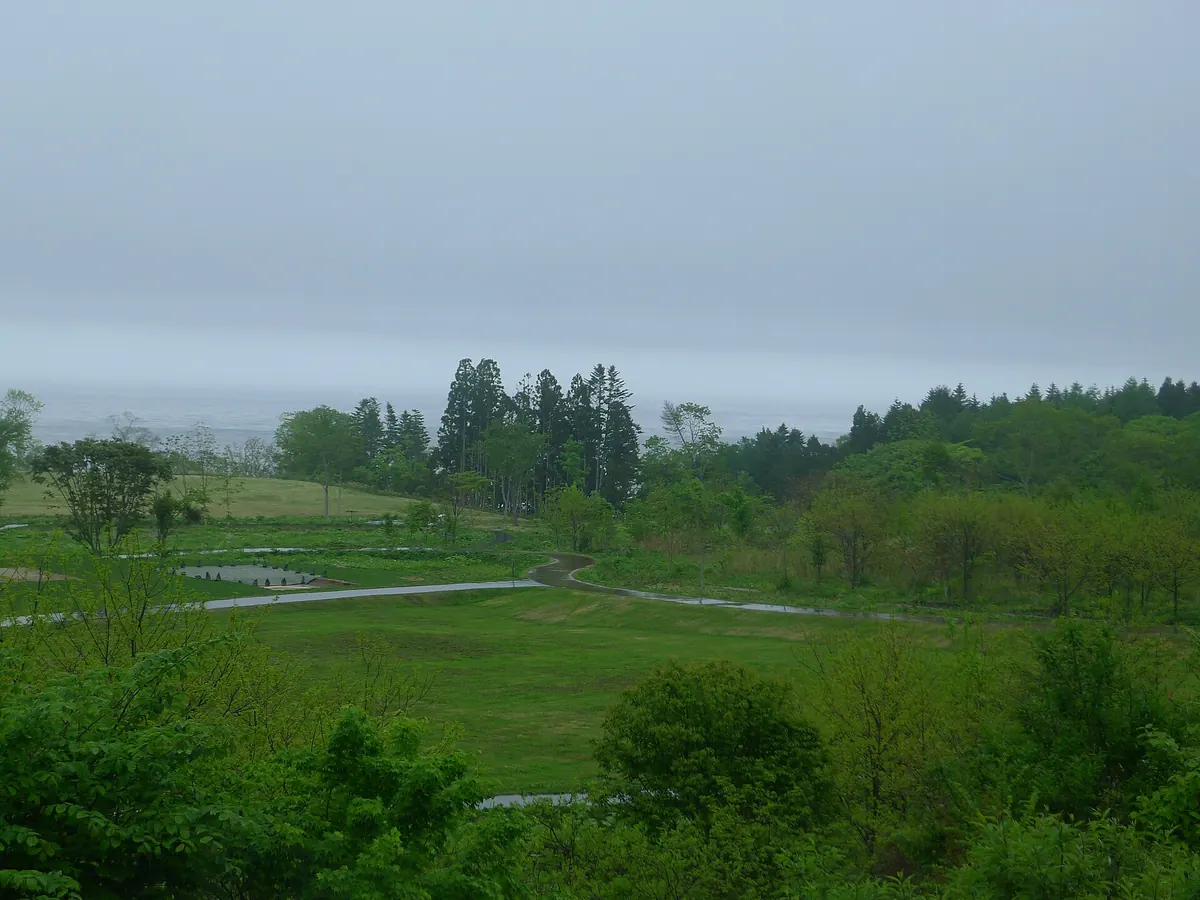
Explore a large Jomon archaeological site with ancient artifacts and a massive mound structure.
What it is
- Jomon period archaeological site in Hakodate City.
- Largest Jomon site in Hokkaido.
- Designated a national historic site in 2011.
- Registered as a World Cultural Heritage site in 2021.
What to see
- Site on a coastal terrace facing the Pacific Ocean.
- Large mound structure, over 120m long, built 4000 years ago.
- Over 200,000 unearthed artifacts.
- Seventeen foot-shaped clay tablets, 6500 years old.
- World's oldest lacquerware ornaments, 9000 years old.
- Official site
- www.city.hakodate.hokkaido.jp
03
Former Yoichi Fukuhara Fishery
HOKKAIDō · HISTORIC SITE 旧余市福原漁場
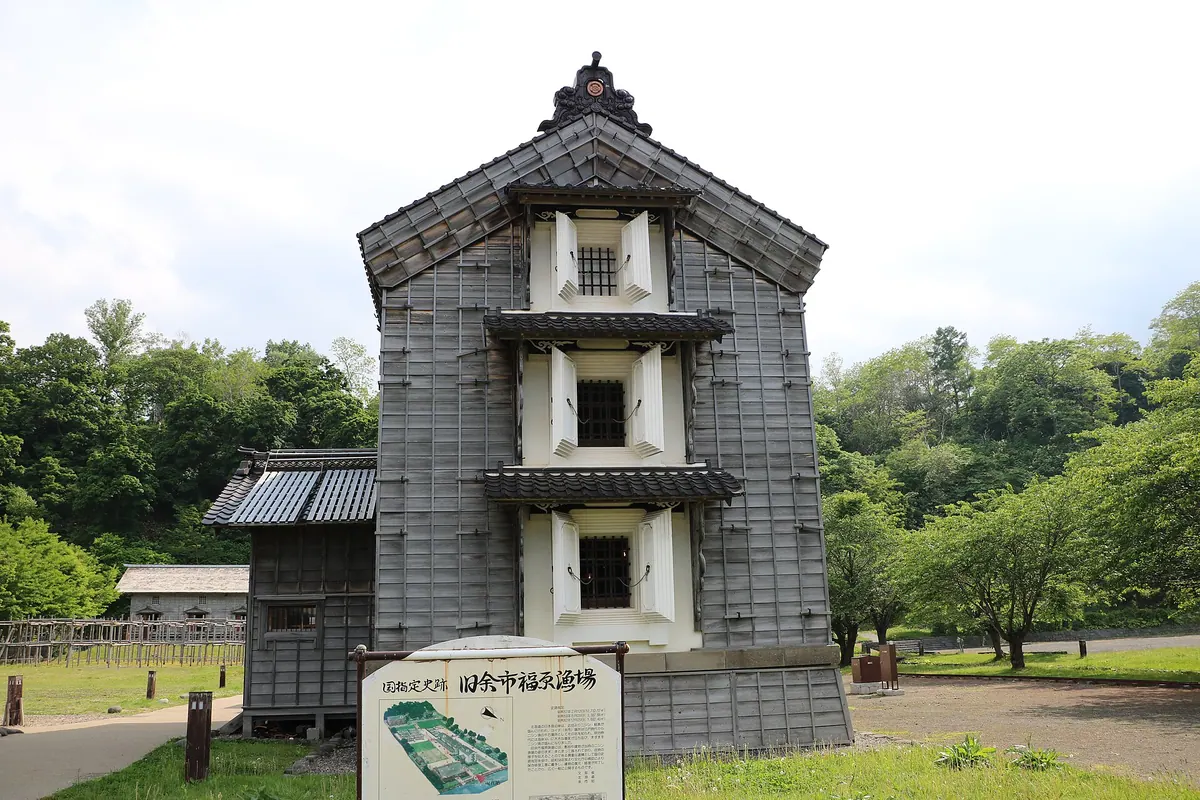
Explore a historic herring fishery ruin in Hokkaido, showcasing a pivotal industry from Edo to Meiji periods.
What it is
- A former herring fishery ruin.
- Operated by the Fukuhara family from Edo to Meiji periods.
- Construction is estimated around 1880.
- Designated a national historic site in 1982.
What to see
- The main building faces the coast.
- Document storage, rice miso warehouse, and net warehouse remain.
- Toilets and storage sheds also remain.
- Drying places for herring meal, kazunoko, and milt are preserved.
- Shows herring fishing during its peak.
04
Kitakogane Shell Mound
HOKKAIDō · HISTORIC SITE 北黄金貝塚
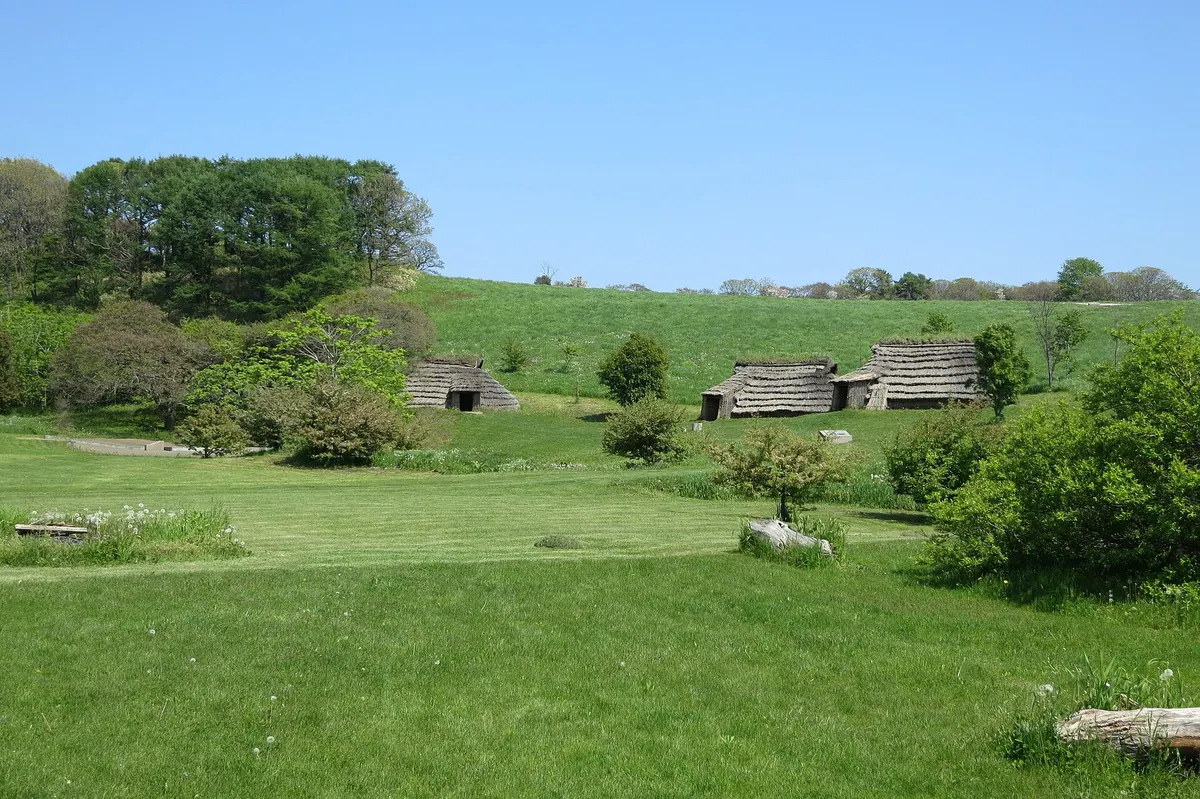
Explore a large Jomon-era settlement with shell mounds and reconstructed dwellings, now a World Heritage site.
What it is
- A large Jomon period settlement site.
- Designated a National Historic Site in 1987.
- Became a World Cultural Heritage site in 2021.
- Preserved as Kitakogane Shell Mound Park.
What to see
- Five identified shell mounds.
- Excavated shells, fish bones, and marine mammal bones.
- Fourteen graves with buried human remains.
- Evidence of animal rituals with deer skulls.
- Reconstructed pit dwellings.
- A spring that served as a water source.
05
Moyoro Shell Midden
HOKKAIDō · HISTORIC SITE モヨロ貝塚
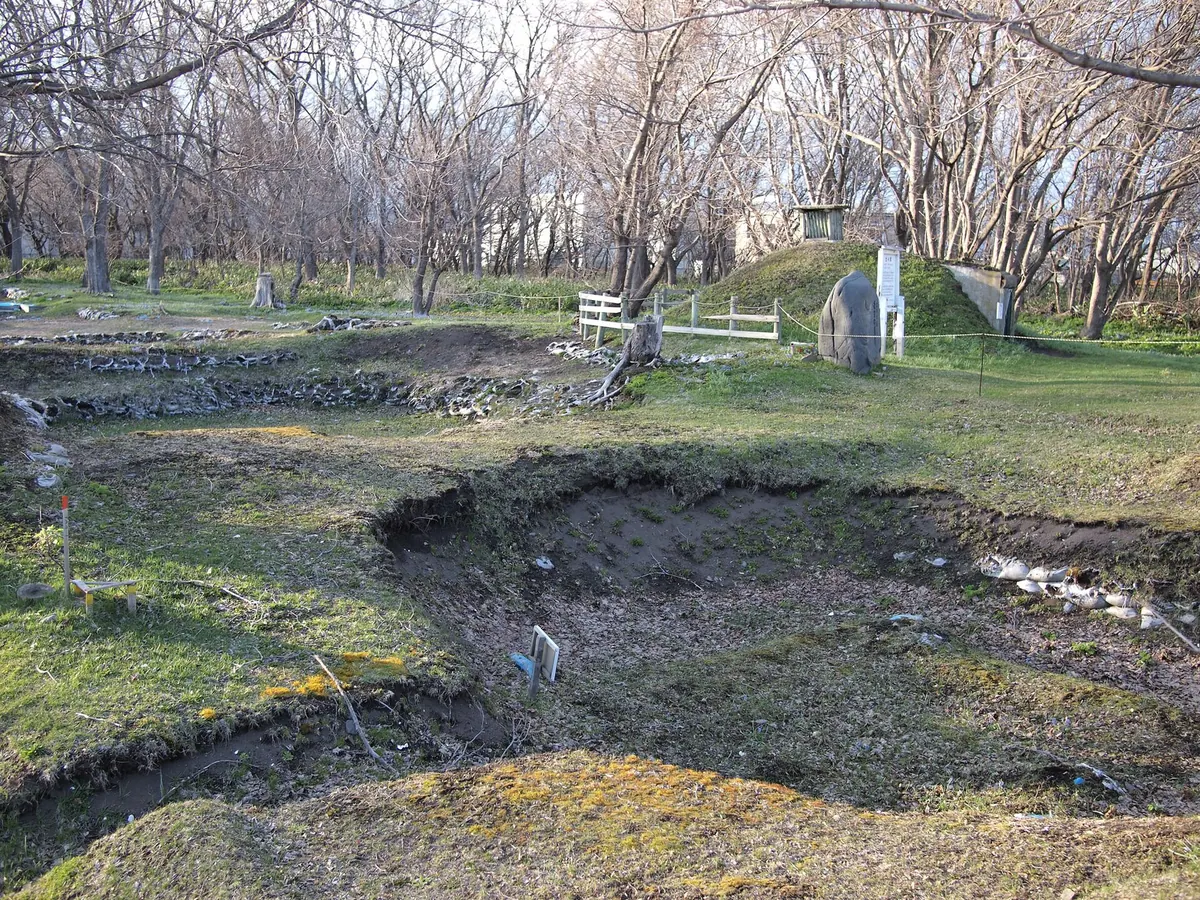
Explore an ancient Okhotsk culture site with shell middens and artifacts.
What it is
- A representative Okhotsk culture site.
- Designated as a National Historic Site.
- Named in 1918, meaning 'inside the inlet' in Ainu.
What to see
- Shell midden on a sand dune terrace.
- Remains of pit dwellings.
- Numerous flexed human remains.
- Bone tools, pottery, and stone tools.
- Iron swords and bronze bells from the continent.
Getting there
- Located on the left bank of the Abashiri River estuary.
06
historical remains of the Sendai clan's fort in Shiraoi
HOKKAIDō · HISTORIC SITE 白老仙台藩陣屋跡
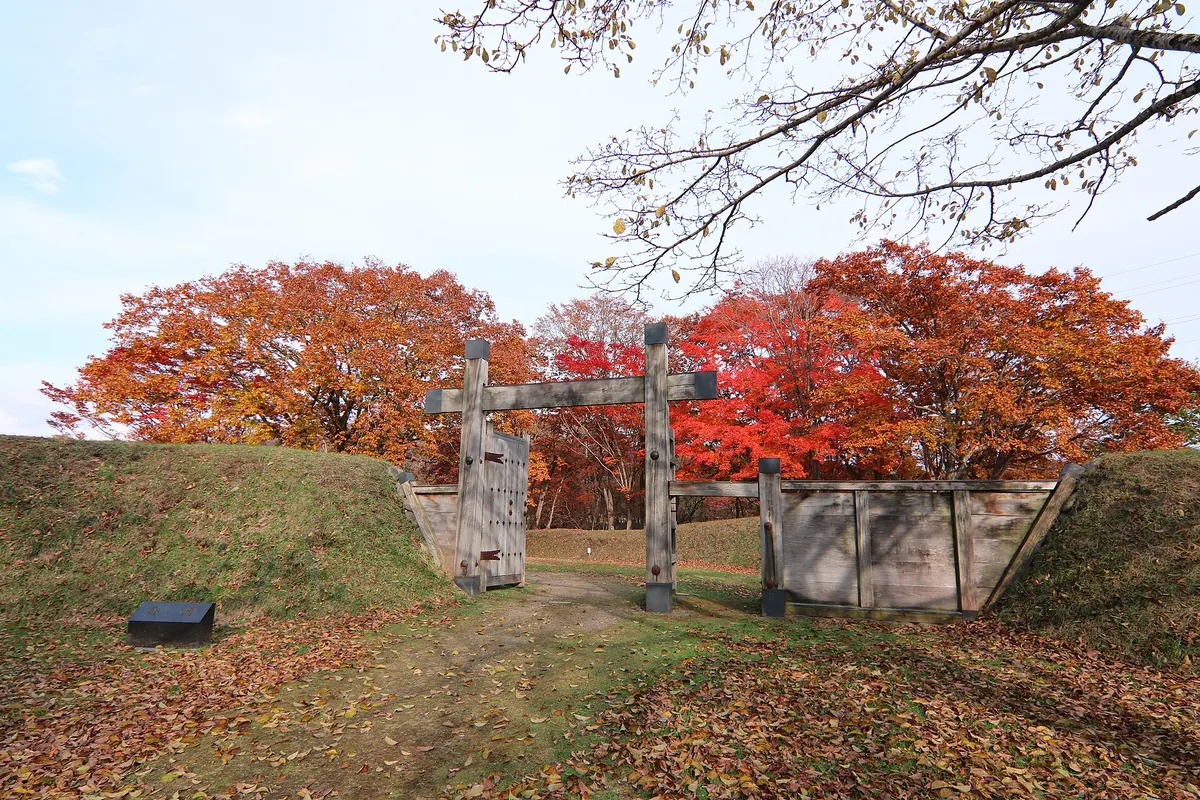
Explore Shiraoi Motojinya, a rare Edo-era fort, for a glimpse into Hokkaido's samurai history.
What it is
- National historic site of the Sendai clan's fort.
- Built in Shiraoi in 1856 by the Sendai clan.
- One of few Edo shogunate sites in Hokkaido.
- Related facility of Upopoy National Ainu Museum and Park.
What to see
- Site covers about 66,000 square meters.
- Original fort had six gates, a headquarters, and a treasury.
- Includes Shiogama Shrine and Shiraoi Motojinya Museum.
- Museum houses 300 items: maps, documents, and armor.
Read more about historical remains of the Sendai clan's fort in Shiraoi
07
Washinoki Site
HOKKAIDō · HISTORIC SITE 鷲ノ木遺跡
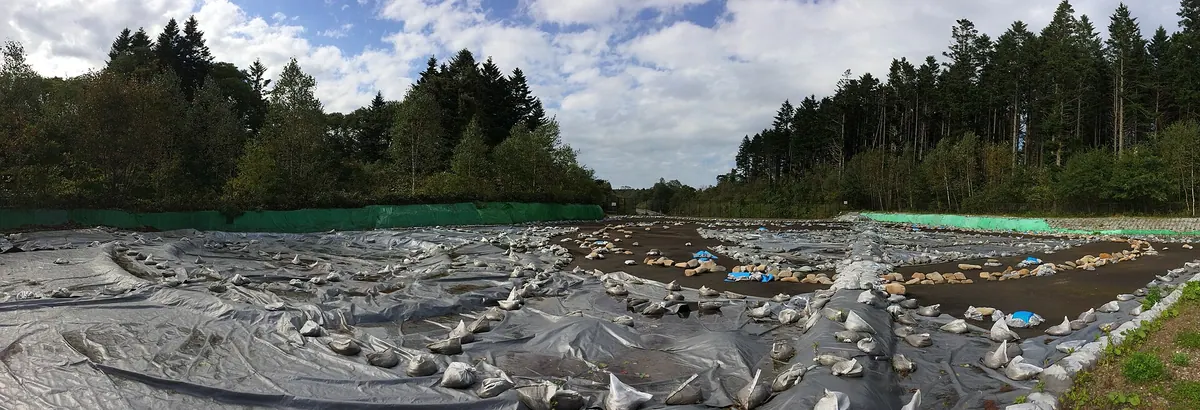
Explore a 4,000-year-old Jomon archaeological site with a large stone circle.
What it is
- A Jomon period archaeological site.
- Designated as a National Historic Site.
- Dates to the early late Jomon period, about 4,000 years ago.
What to see
- A stone circle with a double structure.
- The outer ring of the stone circle measures 36.9 by 33.8 meters.
- The stone circle contains 602 stones.
- A pit grave area south of the stone circle.
- Excavated squid-shaped earthenware.
- Pit dwellings and stone arrangements.
08
Tokoro Site
HOKKAIDō · HISTORIC SITE 常呂遺跡
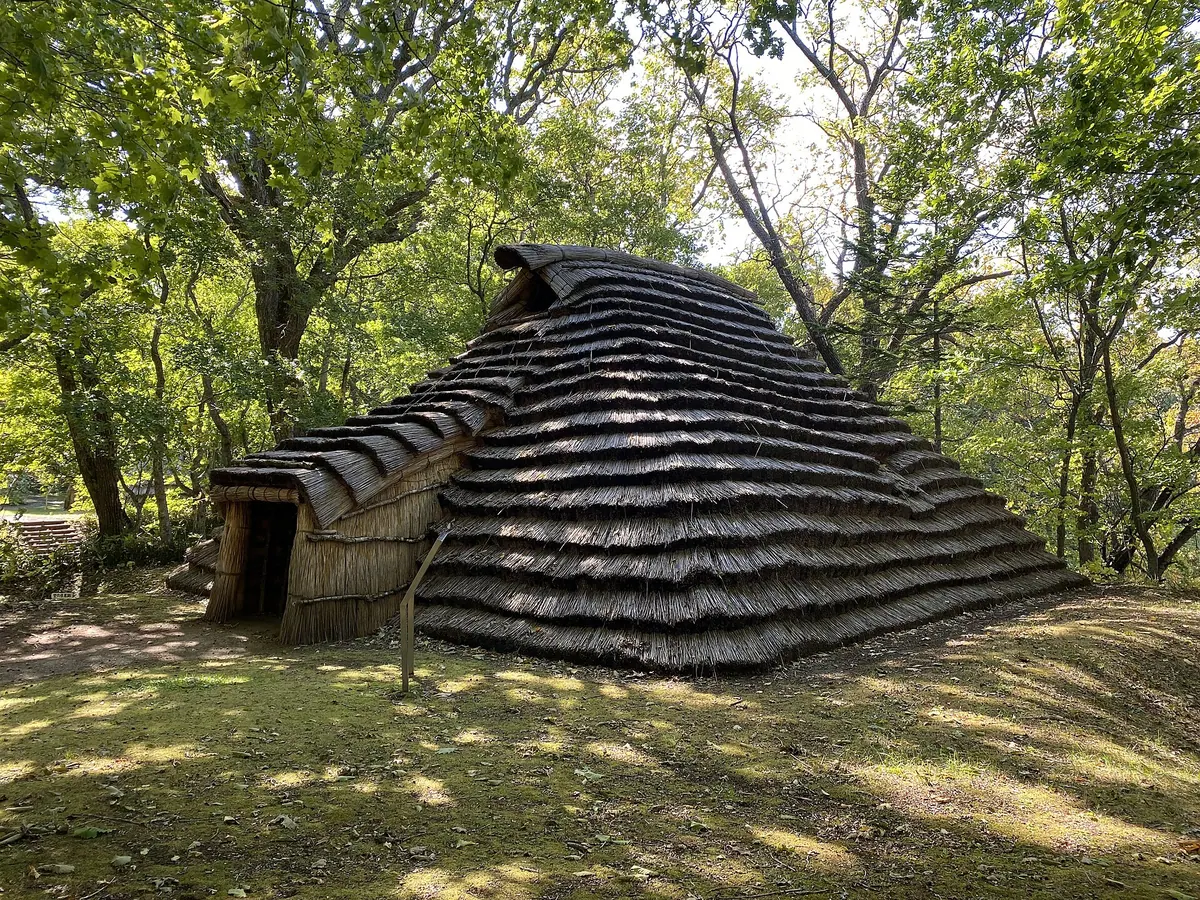
Explore Hokkaido's largest ancient settlement, spanning two significant prehistoric cultures.
What it is
- A complex archaeological site in Kitami City, Hokkaido.
- Spans the Satsumon and Okhotsk cultural periods.
- Designated a National Historic Site in 1987.
- Largest Satsumon culture settlement in Hokkaido.
What to see
- A sand dune 2.7 kilometers long.
- Over 2,000 detected pit dwellings.
- Okhotsk culture building remains.
- Pottery, stone tools, and ornaments.
- Surrounding area developed as "Tokoro Iseki no Mori".
09
Fugoppe Cave
HOKKAIDō · HISTORIC SITE フゴッペ洞窟
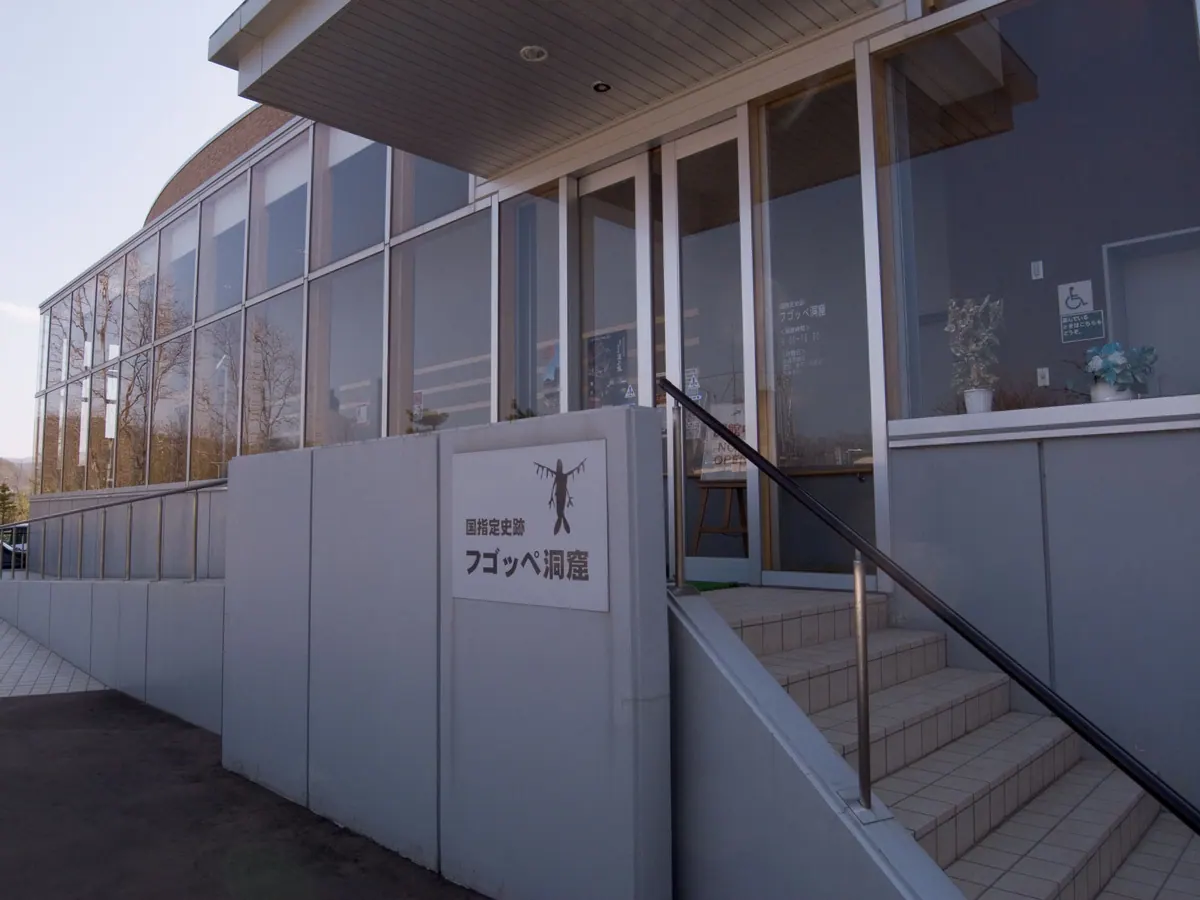
Fugoppe Cave is a Zoku-Jomon archaeological site with over 800 ancient rock carvings.
What it is
- A Zoku-Jomon period archaeological site.
- Discovered in 1950.
- Designated a National Historic Site in 1953.
- Managed by the Yoichi Fisheries Museum.
What to see
- A cave 5 meters wide, 6 meters deep, 7 meters high.
- Over 800 carvings of people, animals, and boats.
- Carvings protected and exhibited in a capsule facility.
- A 7-meter-thick layer of artifacts.
- Excavated thin pottery, stone tools, and bone tools.
- Official site
- www.town.yoichi.hokkaido.jp
10
Ōfune Site
HOKKAIDō · HISTORIC SITE 大船遺跡
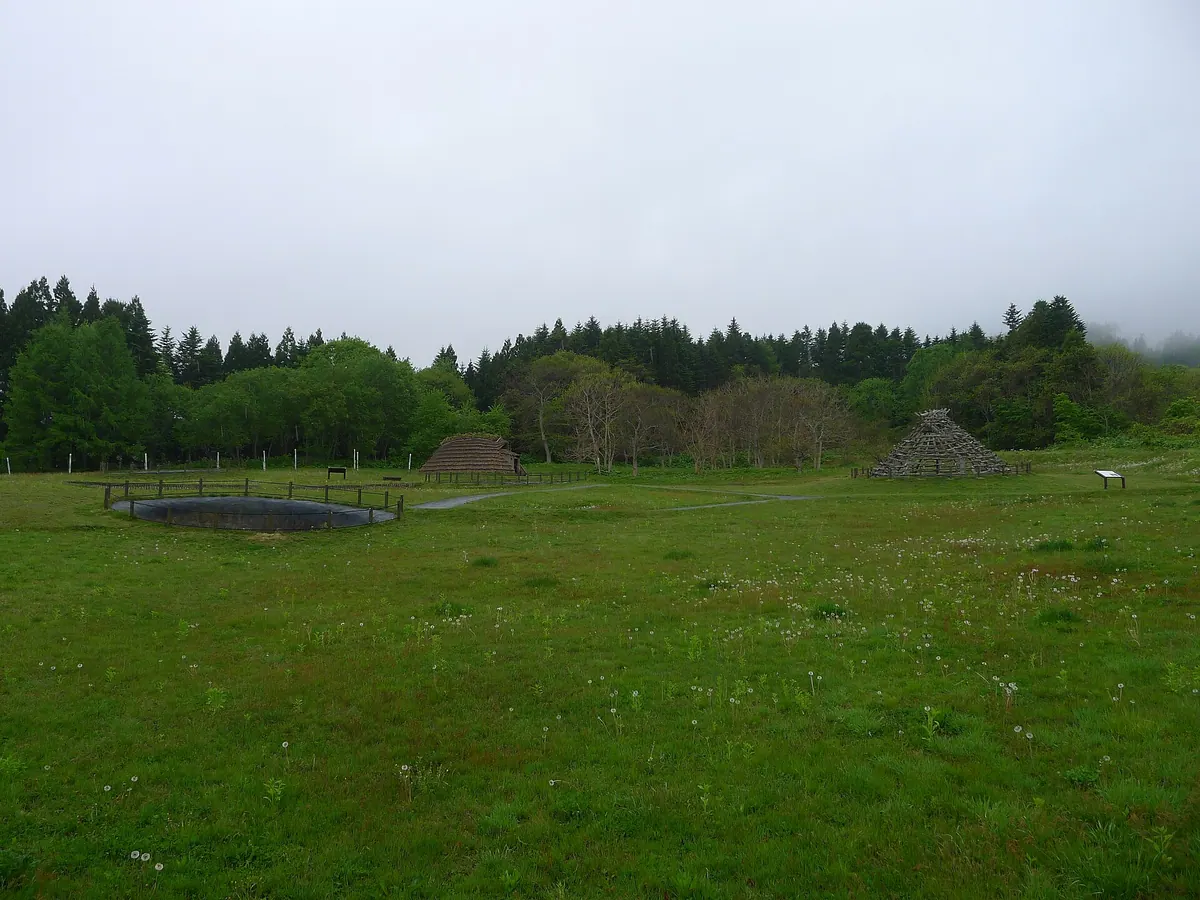
Explore a large Jomon-era settlement with pit dwellings and mounds, a designated World Heritage site.
What it is
- A Jomon period archaeological site.
- A large settlement from 5,200 to 4,000 years ago.
- Designated a National Historic Site in 2001.
- Became a World Cultural Heritage site in 2021.
What to see
- Over 100 pit dwelling remains.
- Large mound structures.
- Reconstructed pit dwellings.
- A Jomon forest.
- More than 100 pit graves to the southwest.
- Excavated artifacts at the Hakodate Jomon Culture Exchange Center.
- Official site
- jomon-japan.jp
11
Oshoro Stone Circle
HOKKAIDō · HISTORIC SITE 忍路環状列石
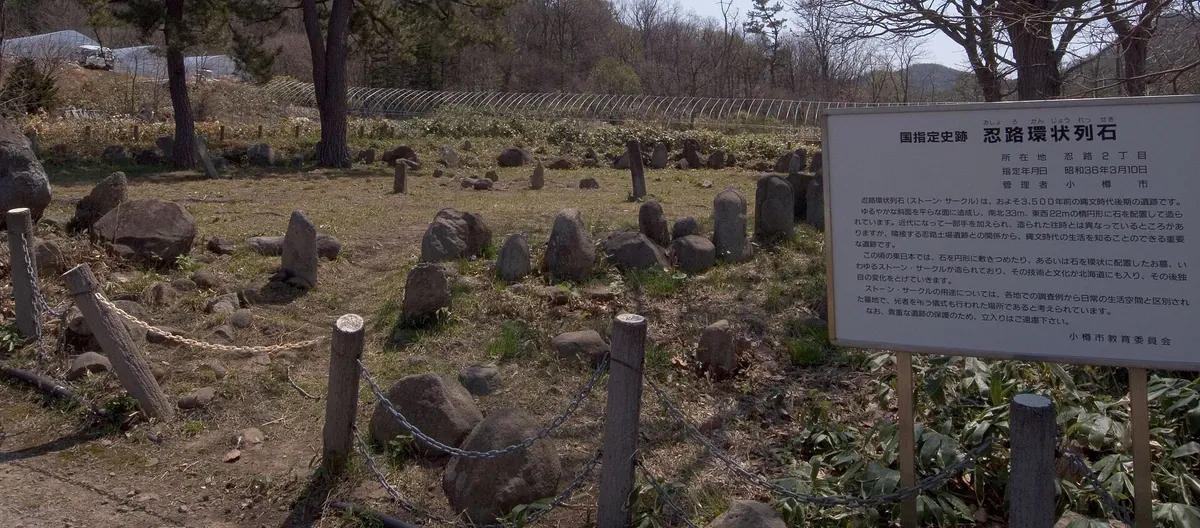
Explore Japan's first reported and largest stone circle, a 3500-year-old Jomon-period burial ground.
What it is
- A stone circle site in Otaru City, Hokkaido.
- First stone circle reported to academia in Japan.
- Designated a National Historic Site on March 10, 1961.
- Estimated to be from the late Jomon period, about 3500 years ago.
What to see
- The largest stone circle among over 80 in the area.
- Site measures 33 meters north-south and 22 meters east-west.
- Adjacent Oshoro Toba site has a giant wooden pillar.
12
Temiya Cave
HOKKAIDō · HISTORIC SITE 手宮洞窟
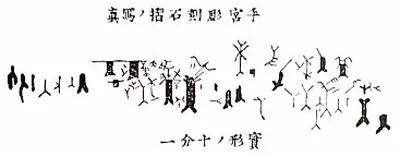
Ancient cave paintings in Otaru, Hokkaido, offer a unique glimpse into Japan's prehistoric art.
What it is
- A cave ruin in Otaru, Hokkaido.
- Known for cave paintings carved on its inner walls.
- Paintings date to around the 5th century.
- Discovered in 1866 by stonemason Chobei.
What to see
- Cave paintings depicting horned figures.
- Paintings show masked figures and quadrupeds.
- A bronze replica of the carvings.
- The Temiya Cave Museum built into a cliff face.
- Official site
- www.city.otaru.lg.jp
13
Ebetsu Kofun Cluster
HOKKAIDō · HISTORIC SITE 江別古墳群
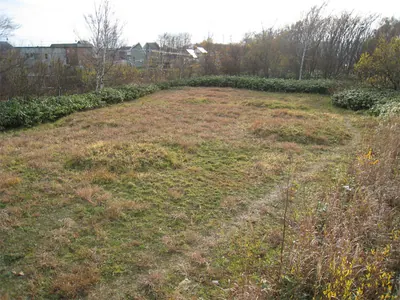
Japan's northernmost kofun burial mounds, a National Historic Site, offer a glimpse into ancient history.
What it is
- A cluster of kofun burial mounds.
- Designated a National Historic Site in 1998.
- Built between the 7th and 9th centuries.
- Northernmost kofun in Japan.
What to see
- 21 confirmed kofun burial mounds.
- Mounds range from 3 to 10 meters in diameter.
- Artifacts include Sue ware pottery.
- Iron arrowheads and knives were also found.
14
Kotoni Tondenhei Village Site and Barracks
HOKKAIDō · HISTORIC SITE 琴似屯田兵村兵屋跡
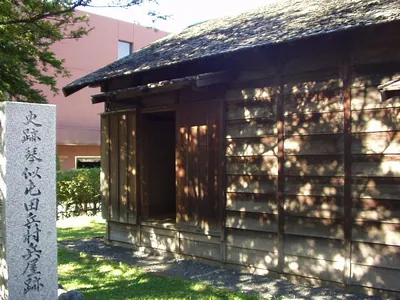
Explore a restored 1874 barracks, offering insight into Hokkaido's Tondenhei soldier settlements.
What it is
- A historic site in Sapporo, Hokkaido.
- A restored wooden building for Tondenhei soldiers from Honshu.
- Designated a national historic site in 1982.
- Important for understanding the Tondenhei village.
What to see
- The restored Barracks No. 133, built in 1874.
- White plaster walls and stoves, as proposed by Horace Capron.