
Jizō-in Temple
地蔵院
Jizoin Temple, known as "temple of bamboo," offers a moss garden and bright autumn foliage.
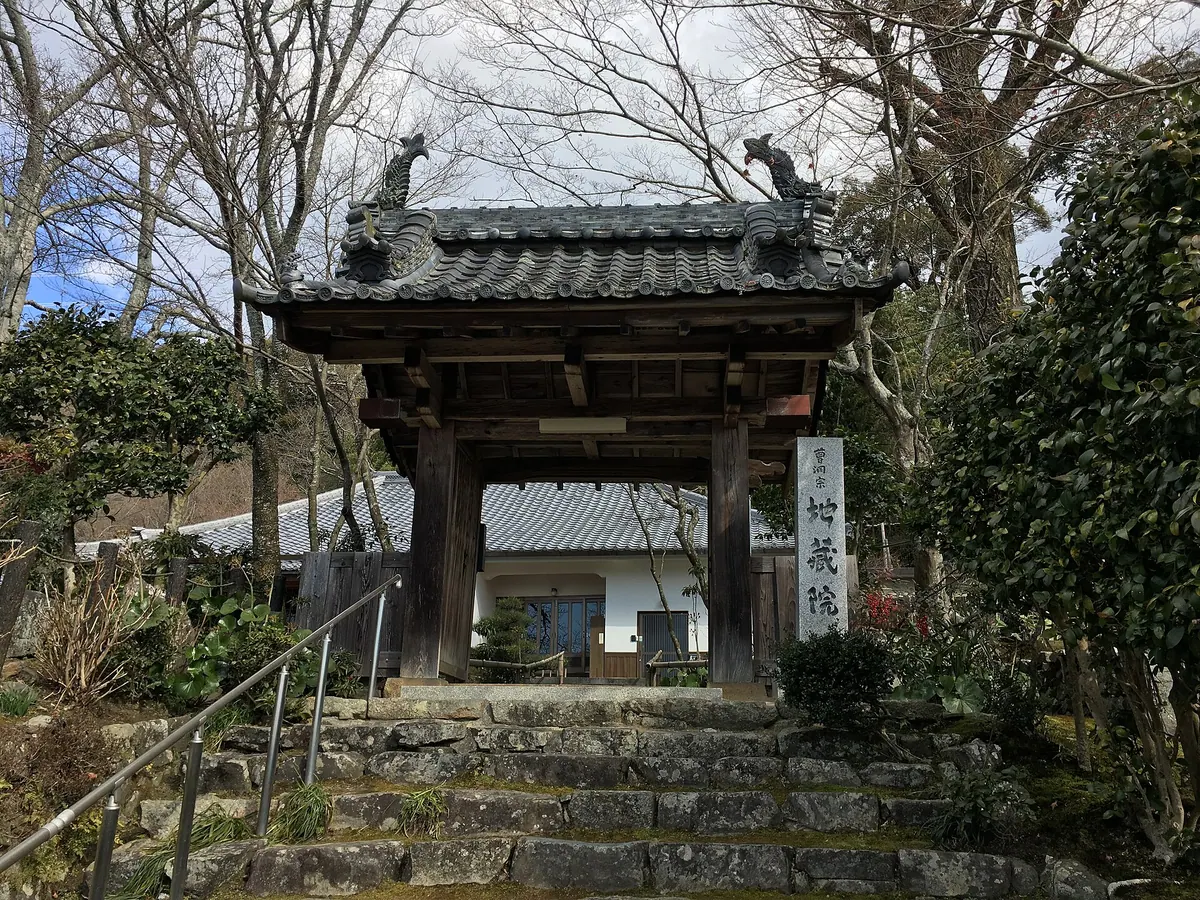
What it is
- Zen Buddhist temple of the Rinzai school.
- Built in 1367 by Hosokawa Yoriyuki.
- Nicknamed "temple of bamboo" for its dense grove.
- Rebuilt in 1686 after being burned down.
What to see
- Dense bamboo grove and maple-lined path.
- Hondo (Main Hall) enshrining Jizo Bodhisattva statue.
- Graves of temple founders and Ikkyu statue.
- Moss-covered garden and bright autumn foliage.
- Hojo (Abbot’s Quarters) with seasonal artwork.
- Garden of the Sixteen Arhats, a dry landscape garden.
When to go
- Autumn for bright autumn foliage.
In detail
The dense bamboo grove on the grounds of Jizoin Temple is the origin of its nickname, “temple of bamboo.” Jizoin was built in 1367 by Hosokawa Yoriyuki (1329–1392), a prominent official in the Ashikaga shogunate, who invited the Zen monk Hekitan Shuko (1291–1374) to serve as the founder. The temple was burned down in the Onin War (1467–1477) and abandoned until 1686, when it was rebuilt on a smaller scale. Apart from the bamboo, Jizoin is now best known for its moss-covered garden and bright autumn foliage. The temple belongs to the Rinzai school of Buddhism.
Temple Grounds
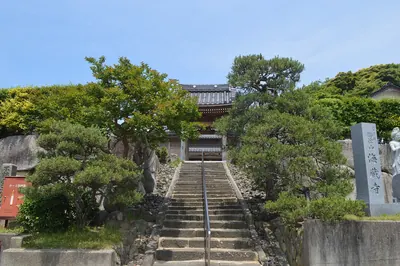
The path from the Somon Gate is lined with maple trees and the tall, thick-stalked moso variety of bamboo. The Hondo (Main Hall) is also called the Jizodo (Jizo Hall) and enshrines the principal object of worship: a statue of Jizo Bodhisattva, who is often associated with protecting travelers and children. The figure is said to have been carved in the Heian period (794–1185). To the left of the Hondo are graves of the temple founders and a statue of the poet-monk Ikkyu (1394–1481) with his mother. Ikkyu, believed to be an illegitimate son of the emperor, is said to have lived in hiding at Jizoin as a child.
Hojo (Abbot’s Quarters) and Garden
The detached Hojo building contains a variety of artwork, which changes depending on the season. This includes sliding screens with paintings and calligraphy by the current head of the Hosokawa family, a folding screen depicting the sixteenth-century Christian noblewoman Hosokawa Gracia, screens with Ten Ox-Herding Pictures illustrating stages of progression towards enlightenment, and a wood carving of a dragon preserved from the previous main hall. A small altar enshrines a statue of Bishamonten, the guardian deity of the north. One of the rooms has a heart-shaped inome (“boar’s eye”) window overlooking the bamboo, maples, and camellias behind the Hojo. The inome shape is believed to protect against fire because boars are the first animals to notice wildfires and flee.
In some Buddhist traditions, monks practice zazen (seated meditation) facing a wall or with eyes closed to prevent distraction, but the Rinzai school allows monks to sit on the veranda facing the garden when they meditate. The Garden of the Sixteen Arhats next to the Hojo is a dry landscape garden that became overgrown with moss when Jizoin lay in ruin. Arhats (rakan in Japanese) are saint-like figures who have achieved enlightenment and understand the truth of the Buddha’s teachings. In the garden, they are represented by large stones that are turned slightly to the left as if reverently looking toward Iwashimizu Hachimangu, an important mountaintop shrine south-south-east of the temple that was founded to protect Japan and the imperial family. Among the garden plants are a 500-year-old pine tree and a 350-year-old camellia.
A custom-built space behind sliding doors in the Hojo conceals a sleek black piano. On days when Jizoin holds special Temple Piano events, the chirping of birds and rustling of the wind in the garden provide a natural background to complement the sounds of music.
Text: 観光庁 地域観光資源の多言語解説文データベース. Reproduced unchanged. The notes above were written from that text by Japan Gems.
Where it is
京都府綴喜郡井手町大字井手小字東垣内16 Open in Google Maps
この施設の関係者の方へ
このページは公開情報をもとに Japan Gems が作成し、訪日外国人向けに英語で掲載しています。 写真や情報の追加・修正を承っています。お店の写真に差し替えることもできます。
このページの情報を更新する