
Keisoku-ji Temple
鶏足寺 (長浜市)
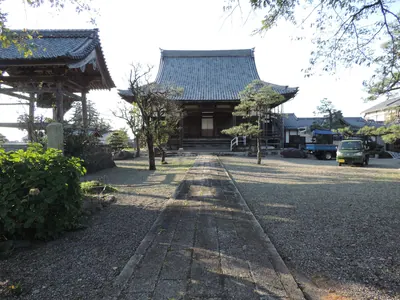
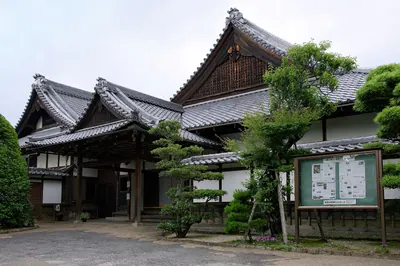
Keisokuji Temple is a temple known for its autumn scenery and Buddhist statues.
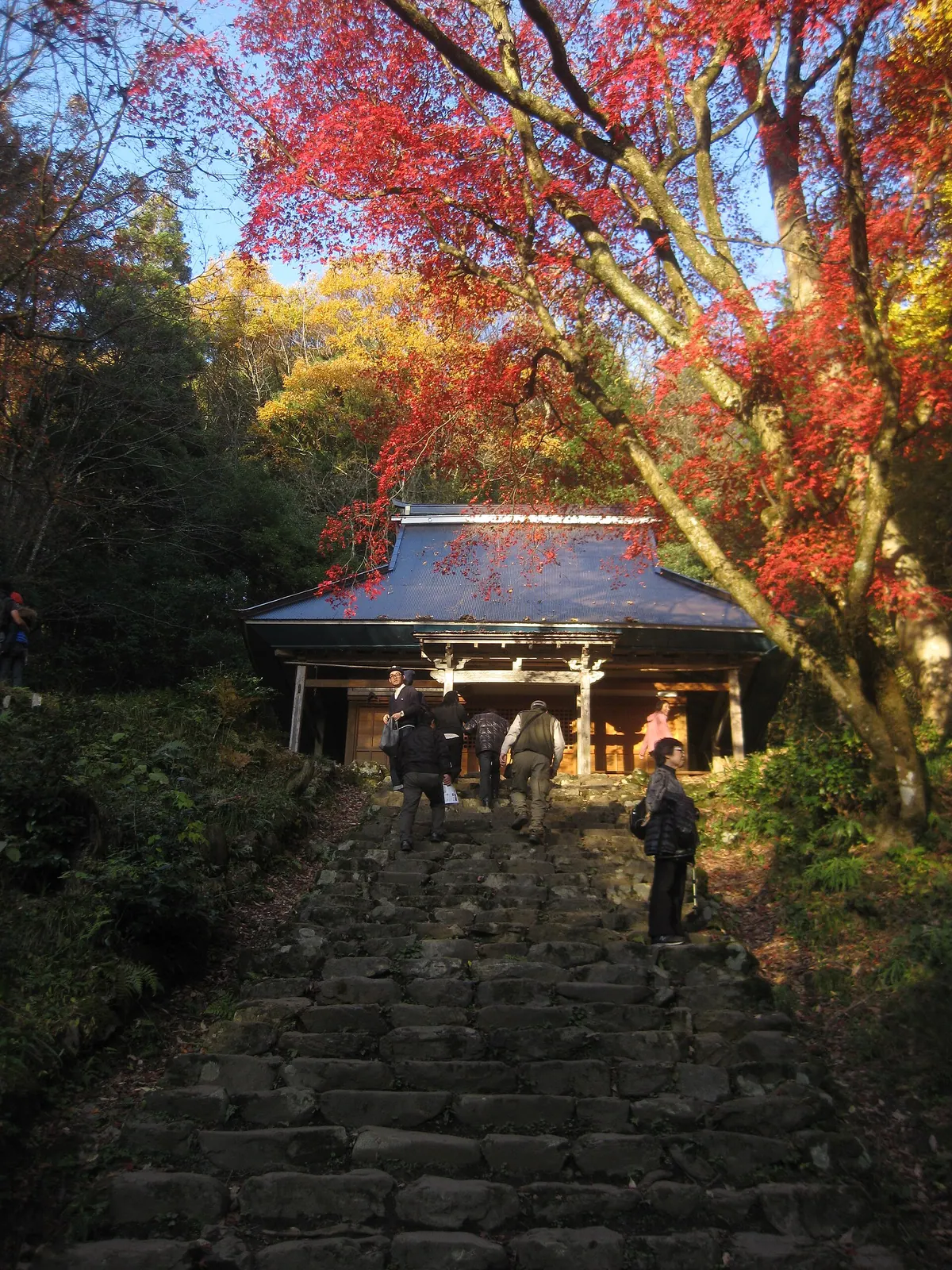
What it is
- Temple founded in 735 as Kokōsanji Temple.
- Renamed Keisokuji in 799 after a legend.
- One of many influential temples on Mt. Kodakamiyama.
What to see
- Autumn scenery with brightly colored maple leaves.
- Long stairs leading up to the temple.
- Buddhist statues from the 700s at repositories.
- Eleven-headed Kannon statue, an Important Cultural Property.
- Rare set of seven Yakushi Nyorai sculptures.
- Records from Azai family and Toyotomi Hideyoshi.
When to go
- Autumn for best scenery.
Getting there
- Stop at Kokōkaku and Yoshirokaku repositories for directions.
In detail
Keisokuji Temple is said to have been founded by the priest Gyōki (668–749) in 735 as Kokōsanji Temple. Not long after its creation, however, it was abandoned and fell into disrepair. According to legend, a chicken guided the priest Saichō (767–822) to the forgotten temple in 799, and it was renamed Keisokuji (literally, “chicken foot temple”). Keisokuji became one of many influential temples that dotted Mt. Kodakamiyama. Today, it is best known as a popular spot for autumn scenery. Each year, two rows of maple trees drop a blanket of brightly colored leaves onto the long stairs that lead up to the temple.
Keisokuji Temple is in the mountains and may be difficult to find. Travelers to the temple are encouraged to first stop at the Kokōkaku and Yoshirokaku repositories to receive directions from a local guide.
Buddhist Statuary: Kokōkaku and Yoshirokaku
Buddhist statues that were once venerated at the temples on Mt. Kodakamiyama are now kept at two repositories, Kokōkaku and Yoshirokaku. These facilities were created and are maintained through the volunteer efforts of local Nagahama residents. The statues, which date from as early as the 700s, include a sculpture of the eleven-headed form of Kannon, the bodhisattva of compassion. This statue was the principal object of worship at Keisokuji Temple and is an Important Cultural Property. Other highlights include a rare set of seven sculptures of Yakushi Nyorai, the Medicine Buddha. The seven sculptures represent the seven realms of the Pure Land, but this symbolism is more commonly conveyed as a single statue with six additional Buddhas carved into the mandorla behind it. In addition to sculptures, the repositories display records from both the Azai family and Toyotomi Hideyoshi (1537–1598), powerful daimyo who governed this area, showing their patronage of the temples of Mt. Kodakamiyama.
Text: 観光庁 地域観光資源の多言語解説文データベース. Reproduced unchanged. The notes above were written from that text by Japan Gems.
Where it is
Keisoku-ji Temple Open in Google Maps
この施設の関係者の方へ
このページは公開情報をもとに Japan Gems が作成し、訪日外国人向けに英語で掲載しています。 写真や情報の追加・修正を承っています。お店の写真に差し替えることもできます。
このページの情報を更新する