

20 Temples in Shiga worth your time
Japan Gems
Shiga Prefecture has 109 temples, including Hōmyō-in Temple and Ishiyama-dera Temple. Visitors can find a wide range of spiritual sites to explore.
Shiga has 120 temples on Japan Gems. Below are the 20 we can tell you the most about — each one written up in English from Japanese sources, with what to see and how to get there. See all temples in Shiga.
01
Eigen-ji Temple
SHIGA · TEMPLE 永源寺
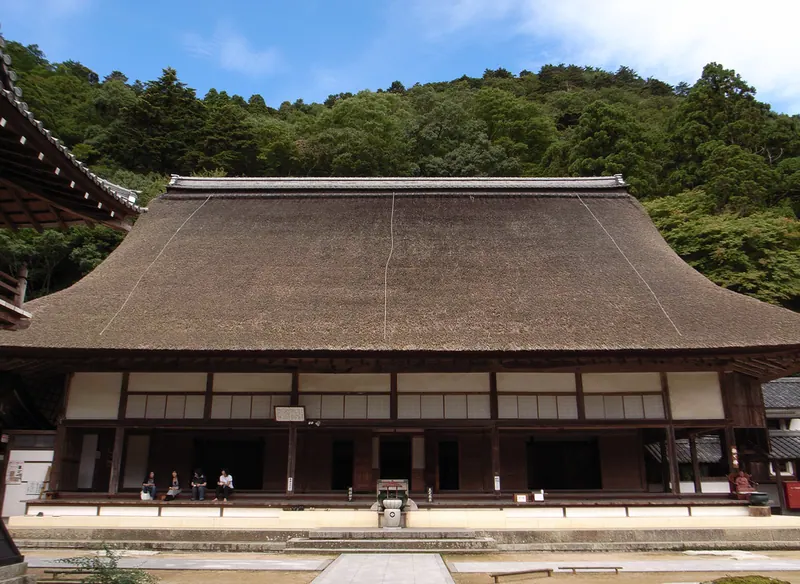
A historic Zen head temple founded in 1361, famous for its thatched roof and vibrant autumn colors in Shiga Prefecture.
What it is
- Head temple of the Rinzai Eigen-ji sect founded in 1361 by Sasaki Ujiyori.
- Dedicated to the Kannon Bodhisattva as the main deity.
- Established by the founding priest Jakushitsu Genko.
- Serves as the burial site for the lords of the Ii family.
What to see
- The Main Hall features a roof thatched with reeds from Lake Biwa.
- The Sanmon Gate is designated as a Shiga Prefecture Tangible Cultural Property.
- Vibrant autumn foliage throughout the temple grounds.
- The original site of the Eigenji cherry tree variety.
When to go
- October 1st for the memorial service of founding priest Jakushitsu Genko.
- Autumn season for the famous colorful maple leaves.
Getting there
- Take a bus from Yokaichi Station for a thirty-five minute journey to the temple.
- Official site
- eigenji-t.jp
02
Enryaku-ji Temple
SHIGA · TEMPLE 延暦寺
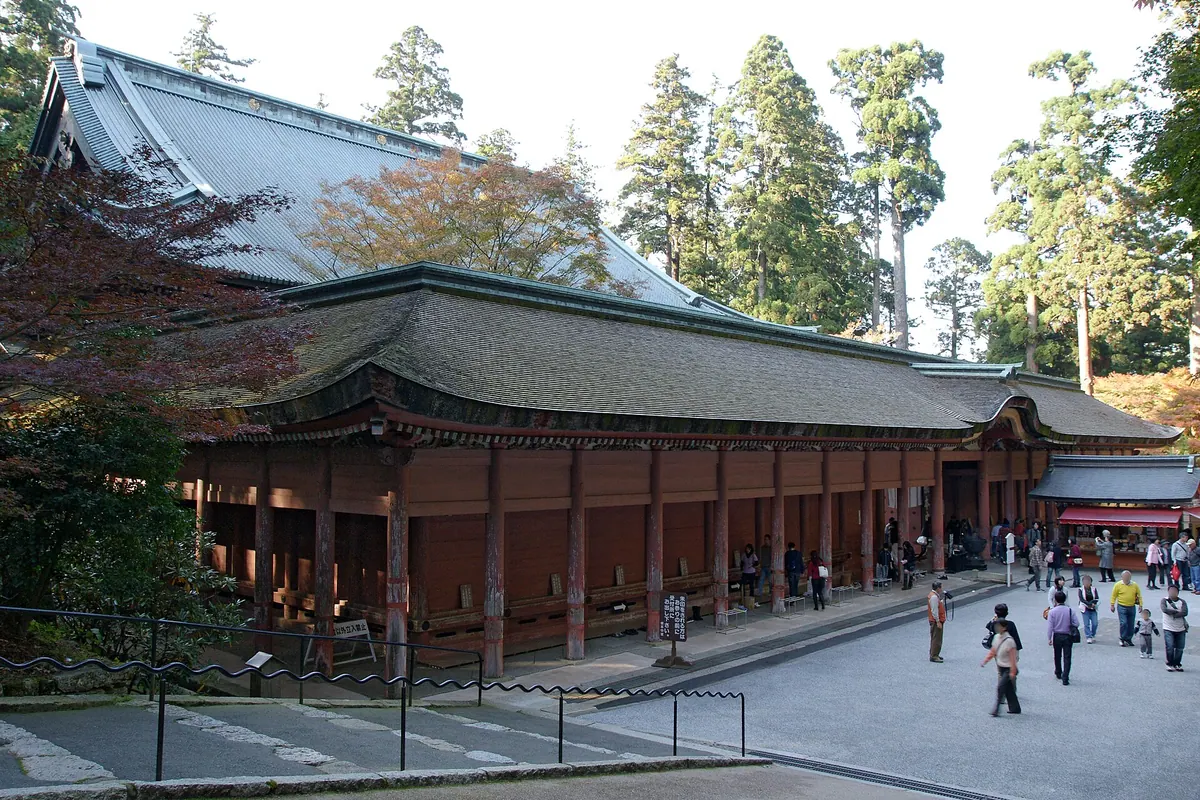
This historically important Buddhist temple on Mt. Hiei is a UNESCO World Heritage Site with 150 buildings.
What it is
- Historically important Buddhist site in Japan.
- Founded in 788 by Buddhist priest Saicho.
- Head temple of the Tendai school of Buddhism.
- Part of a UNESCO World Heritage Site.
What to see
- Sprawling temple grounds covering 1,700 hectares of forest.
- Konponchudo main hall with eternally burning flame.
- Statues of Yakushi Nyorai, including one by Saicho.
- Cherry trees and camellias in the Saito precinct.
- Vermilion Jogyodo and Hokkedo halls (Ninaido).
- Maple trees turning fiery red in autumn at Yokawa.
When to go
- Cherry blossoms bloom up to one month later than Otsu.
- Autumn for fiery red maple trees at Yokawa.
Getting there
- Saito precinct is roughly 1 kilometer north of Todo.
- Yokawa precinct accessible by shuttle bus from Todo precinct.
- Address
- 滋賀県大津市坂本本町4220 Map
- Official site
- www.hieizan.or.jp
03
Ishiyama-dera Temple
SHIGA · TEMPLE 石山寺
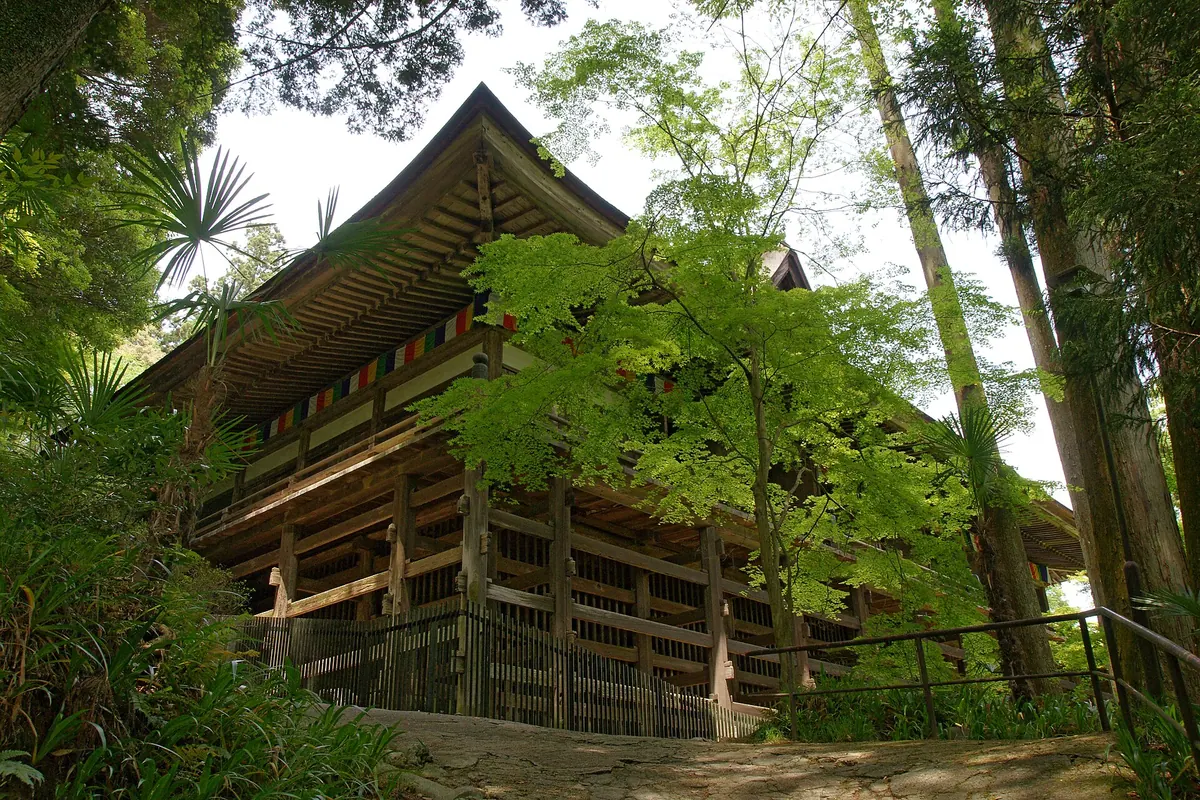
This Shingon Buddhist temple, built around a sacred rock, is where The Tale of Genji was written.
What it is
- Shingon Buddhist sanctuary, founded in 747.
- Established by priest Roben, who founded Todaiji Temple.
- Built around a Buddhist image Roben could not remove.
What to see
- Dark wollastonite rock outcrops in front of main hall.
- Oldest wooden two-story pagoda (tahoto) in Japan.
- Tahoto pagoda built in 1194, a National Treasure.
- Sculptures and paintings inside tahoto are Important Cultural Properties.
- View of full moon over Lake Biwa from temple's highest point.
- Giant straw sandal on 800-year-old Higashi Daimon gate.
When to go
- Autumn, when maple and cedar leaves change color.
- During moon viewings, associated with the full moon.
Getting there
- Located at the foot of Mt. Garan on west side of Seta River in Otsu.
- Address
- 滋賀県大津市石山寺1-1-1 Map
- Official site
- www.ishiyamadera.or.jp
04
Saikyō-ji Temple
SHIGA · TEMPLE 西教寺
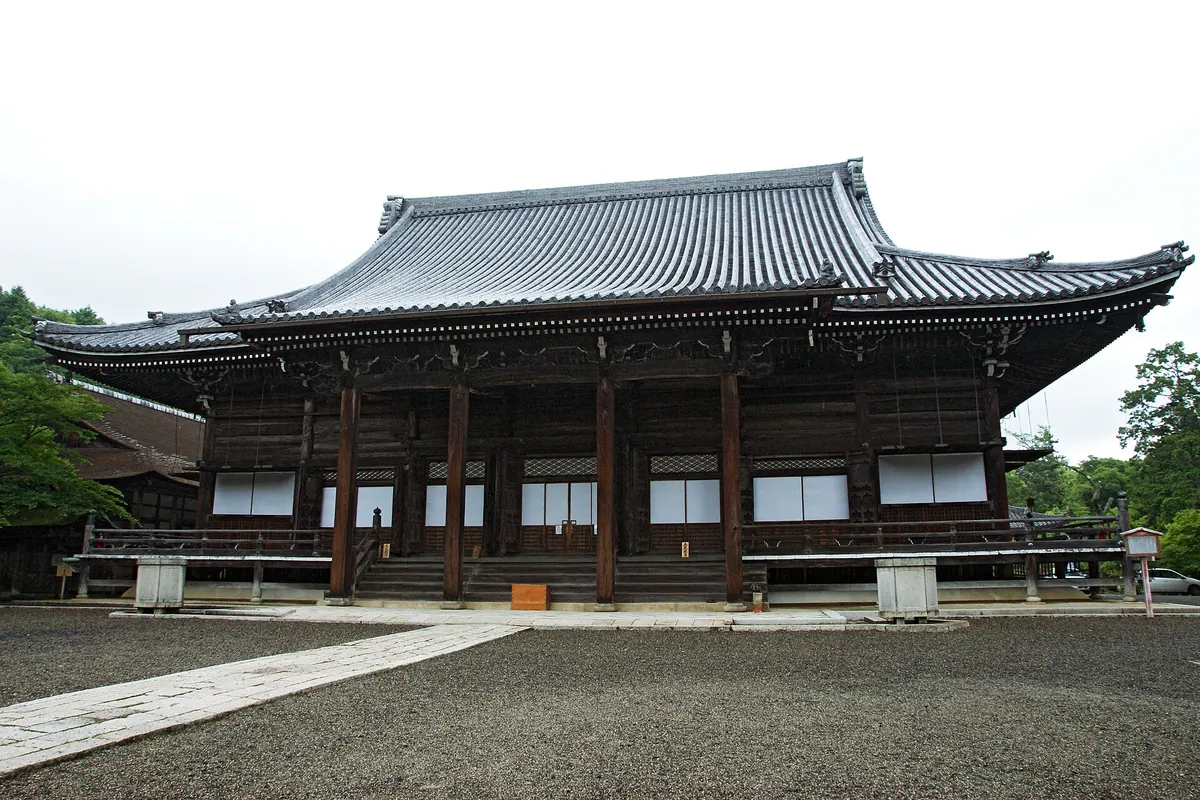
This temple, rebuilt after 1571, offers continuous chanting, a unique main hall, and a garden overlooking Lake Biwa.
What it is
- Temple at the foot of Mt. Hiei, overlooking Lake Biwa.
- Reputedly built in the seventh century by Prince Shotoku.
- Associated with priest Shinsei, founder of the Shinsei sect.
- Place to practice fudan nenbutsu, continuous recitation of Amida Buddha's name.
What to see
- Main hall (hondo) built in 1739 entirely from zelkova wood.
- 2.7-meter statue of Amida Buddha from the Heian period inside.
- Front transom with 16 wooden carvings of Buddha's disciples.
- Mischievous monkey statue, tribute to Mt. Hiei's native monkeys.
- Large guest hall (kyakuden) moved from Fushimi Castle.
- Guest hall has five rooms with paintings by the Kano school.
When to go
- Spring for cherry blossoms and azaleas.
- Autumn for colorful maple trees.
- Address
- 滋賀県大津市坂本5丁目13-1 Map
- Official site
- saikyoji.org
05
Sōan-ji Temple
SHIGA · TEMPLE 宗安寺
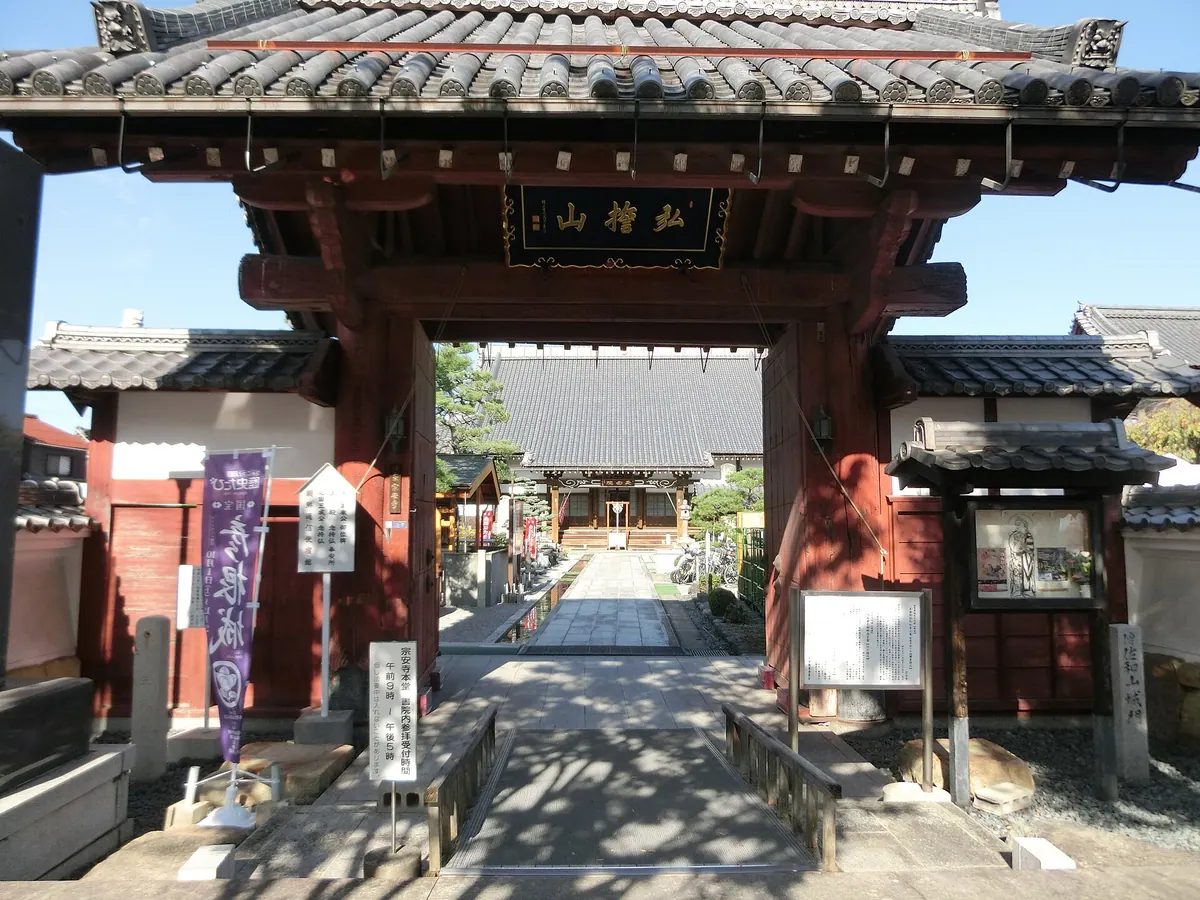
A historic Jodo Shu temple in Hikone featuring structures relocated from local castles and ties to the Tokugawa era.
What it is
- A Jodo Shu temple founded in 1590 and moved to Hikone in 1603
- The primary deity enshrined here is Amida Nyorai
- It served as a lodging for Korean envoys during the Edo period
- The grounds contain a burial mound for the head of Kimura Shigenari
What to see
- The red main gate which was originally part of Sawayama Castle
- A main hall relocated from Nagahama Castle in 1702
- The Higan Byakudō no Niwa garden located on the temple grounds
- A wooden Amida Nyorai statue designated as a prefectural cultural property
- A Buddha statue said to have been the personal deity of Yodo-dono
Getting there
- The temple is a twenty-minute walk from JR Hikone Station
06
Jōgan-ji Temple
SHIGA · TEMPLE 成願寺
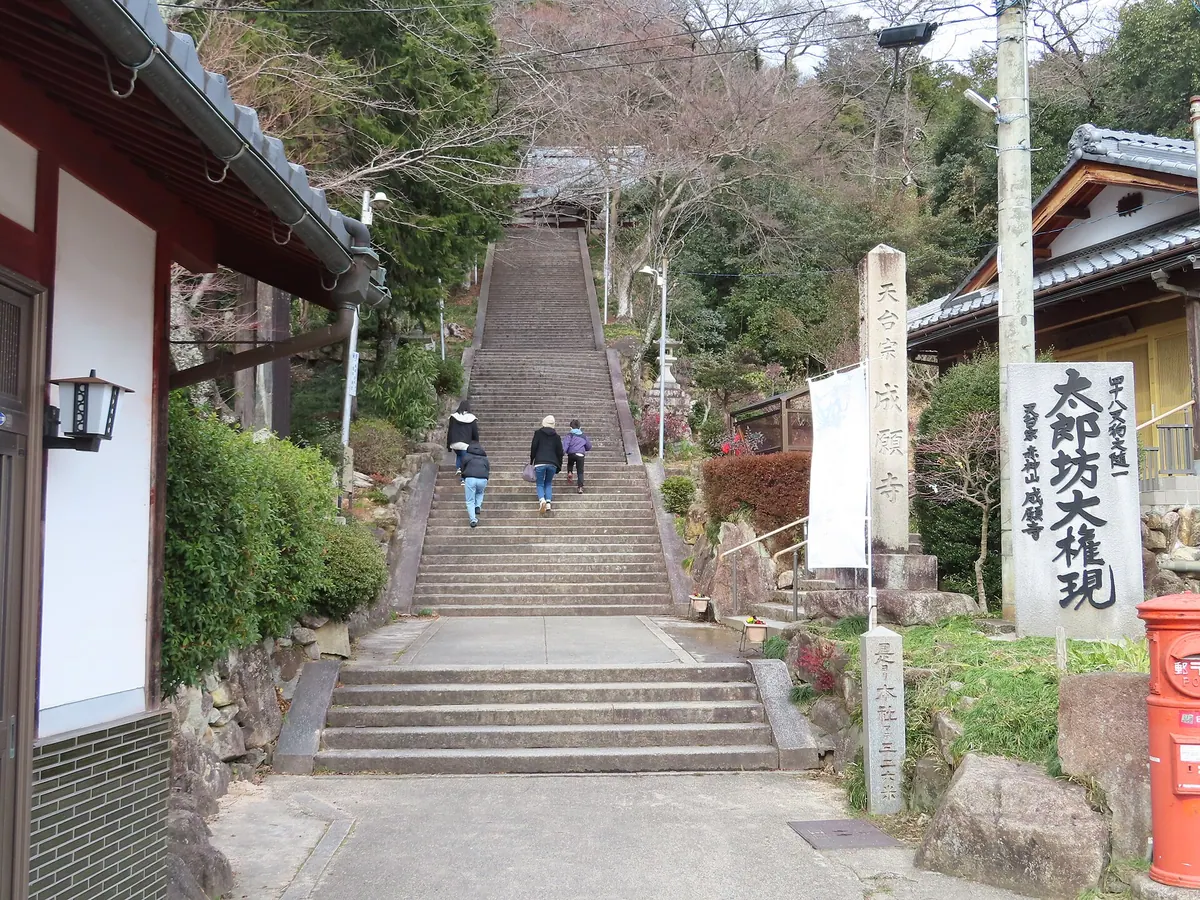
A historic Tendai temple on Mount Akagami featuring a rare wooden Yakushi Nyorai statue and structures rebuilt in 1640.
What it is
- A Tendai sect temple founded by Saicho in 799 on Mount Akagami.
- Dedicated to the main deity Yakushi Nyorai and also known as Tarobo Daigongen.
- Originally established as a shrine temple on the approach to Aga Shrine.
- Most buildings were destroyed by Oda Nobunaga in 1568 before being rebuilt later.
What to see
- The main hall and bell tower which date back to their reconstruction in 1640.
- A wooden seated Yakushi Nyorai statue designated as a Shiga Prefecture cultural property.
- A stone lantern recognized as a cultural property of Higashiomi City.
Getting there
- The temple is a twelve minute walk from Tarobogu-mae Station.
07
Sōji-ji Temple
SHIGA · TEMPLE 総持寺
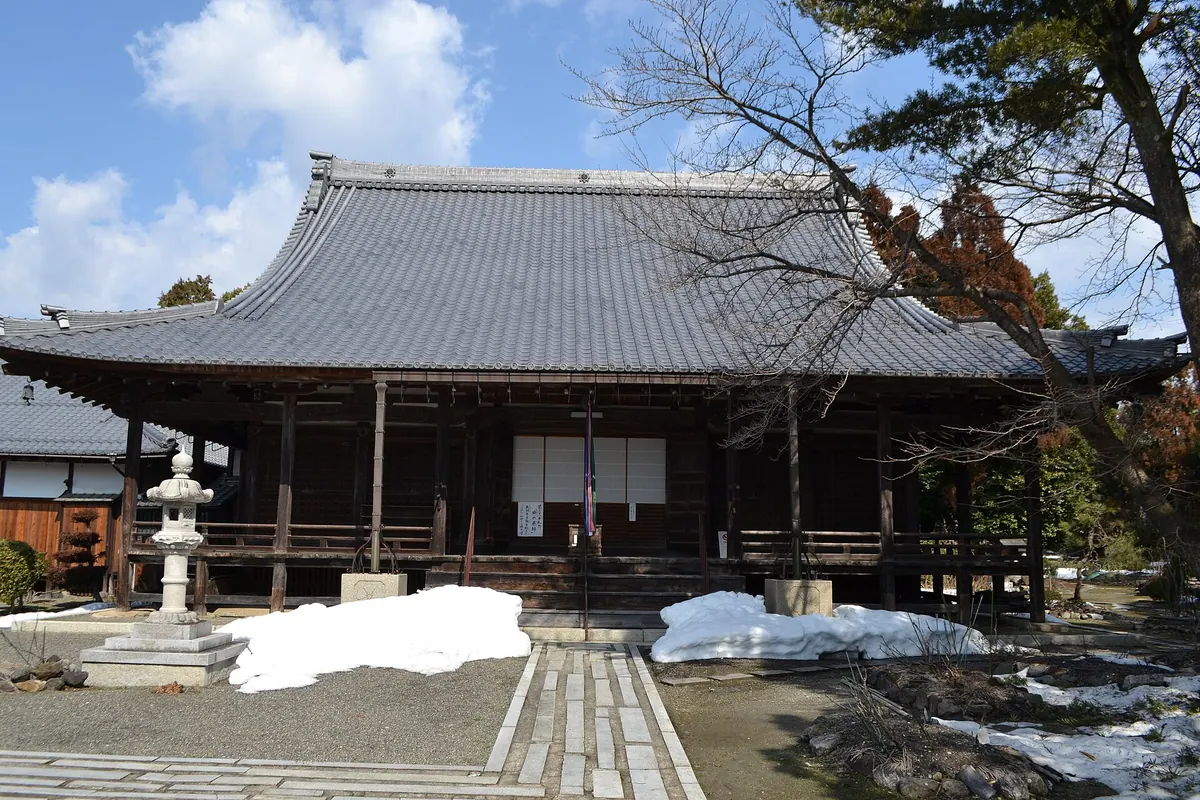
A historic Shingon temple in Nagahama famous for its scenic peony gardens and Heian-period Buddhist statues.
What it is
- A Shingon Buzan sect temple founded by the monk Gyoki in 741
- Dedicated to the main deity Yakushi Nyorai and commonly known as the Peony Temple
- Rebuilt with land donated by Toyotomi Hideyoshi after being burned by Oda Nobunaga
- The 31st site on the Saigoku Yakushi Pilgrimage route
What to see
- Approximately 500 peony plants blooming across the temple grounds
- A garden designated as a Shiga Prefectural Place of Scenic Beauty
- The Niomon gate which is a Shiga Prefectural Tangible Cultural Property
- A wooden Sho Kannon statue dating back to the Heian period
- A traditional garden said to be designed by Kobori Enshu
08
Keisoku-ji Temple
SHIGA · TEMPLE 鶏足寺 (長浜市)
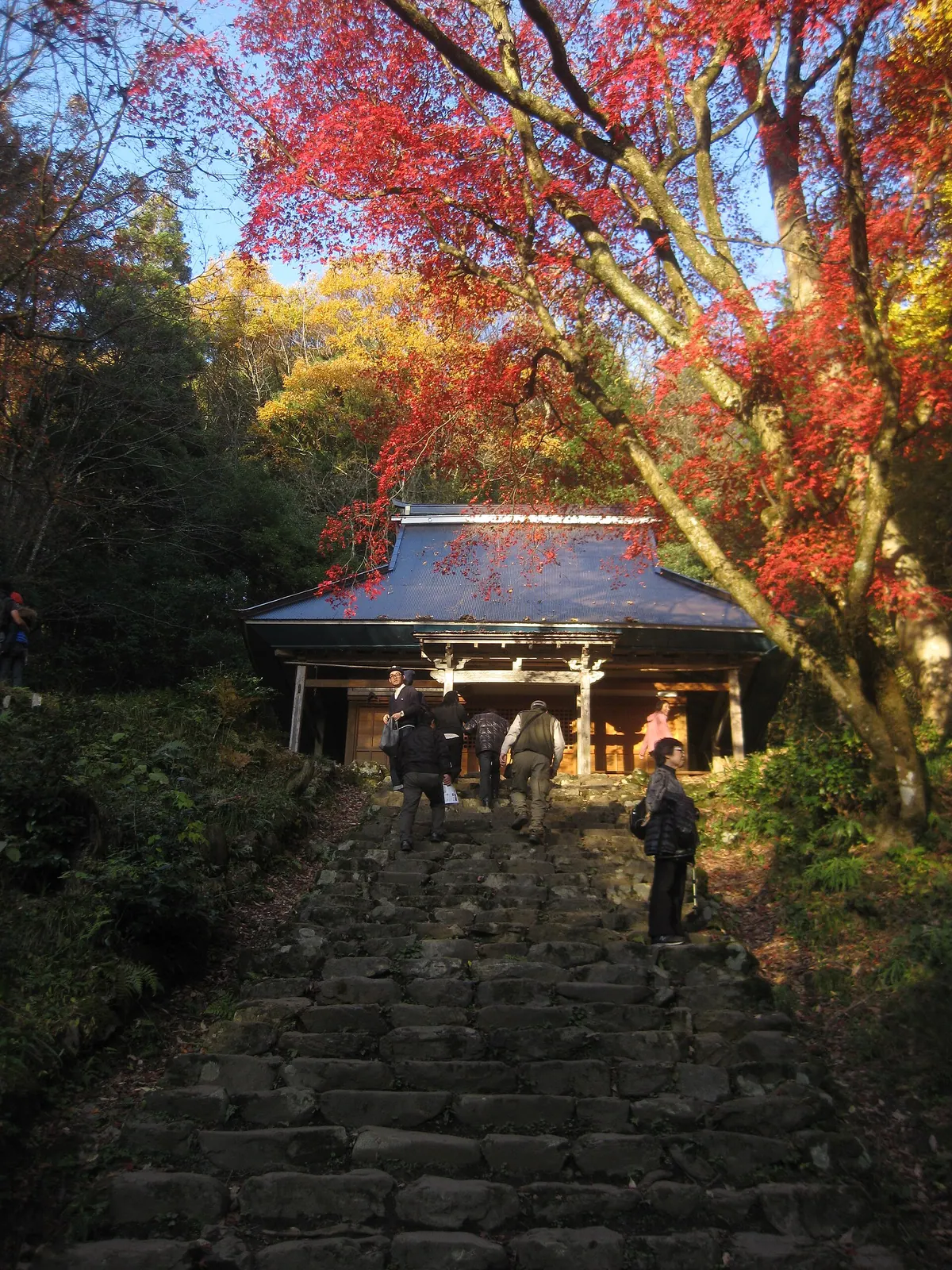
Keisokuji Temple is a temple known for its autumn scenery and Buddhist statues.
What it is
- Temple founded in 735 as Kokōsanji Temple.
- Renamed Keisokuji in 799 after a legend.
- One of many influential temples on Mt. Kodakamiyama.
What to see
- Autumn scenery with brightly colored maple leaves.
- Long stairs leading up to the temple.
- Buddhist statues from the 700s at repositories.
- Eleven-headed Kannon statue, an Important Cultural Property.
- Rare set of seven Yakushi Nyorai sculptures.
- Records from Azai family and Toyotomi Hideyoshi.
When to go
- Autumn for best scenery.
Getting there
- Stop at Kokōkaku and Yoshirokaku repositories for directions.
09
Kōgen-ji Temple
SHIGA · TEMPLE 向源寺
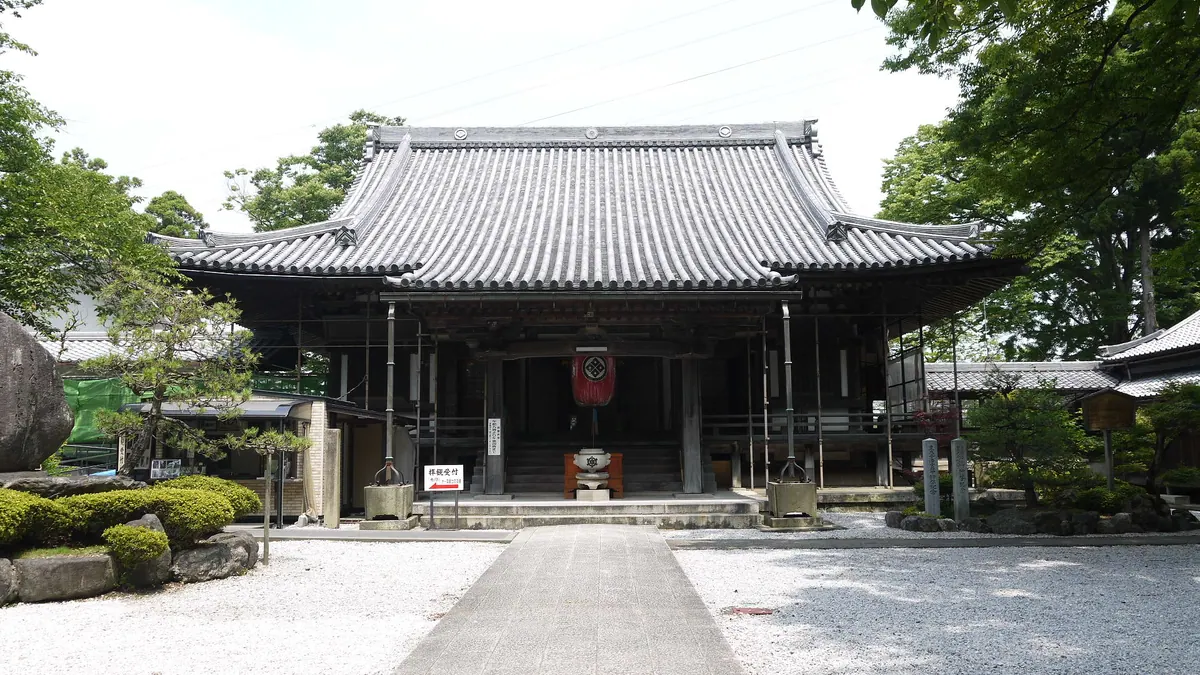
Kōgen-ji Temple houses a rare, ancient, and nationally treasured Eleven-faced Kannon statue.
What it is
- A Buddhist temple of the Shinshu Otani sect.
- Home to a National Treasure, the Eleven-faced Kannon statue.
- The statue dates from the early 9th century Heian period.
What to see
- The Eleven-faced Kannon statue, a National Treasure.
- The Kannon statue is carved from a single piece of cypress wood.
- The statue stands 194cm tall, including its top heads.
- The Dōganji Kannon-dō, where the statue is housed.
Getting there
- 10-minute walk from Takatsuki Station.
- Free parking available for cars and buses.
- Address
- 滋賀県長浜市高月町渡岸寺88 Map
- Official site
- douganji-kannon.sakura.ne.jp
10
Rokkakudō (Koka)
SHIGA · TEMPLE 六角堂
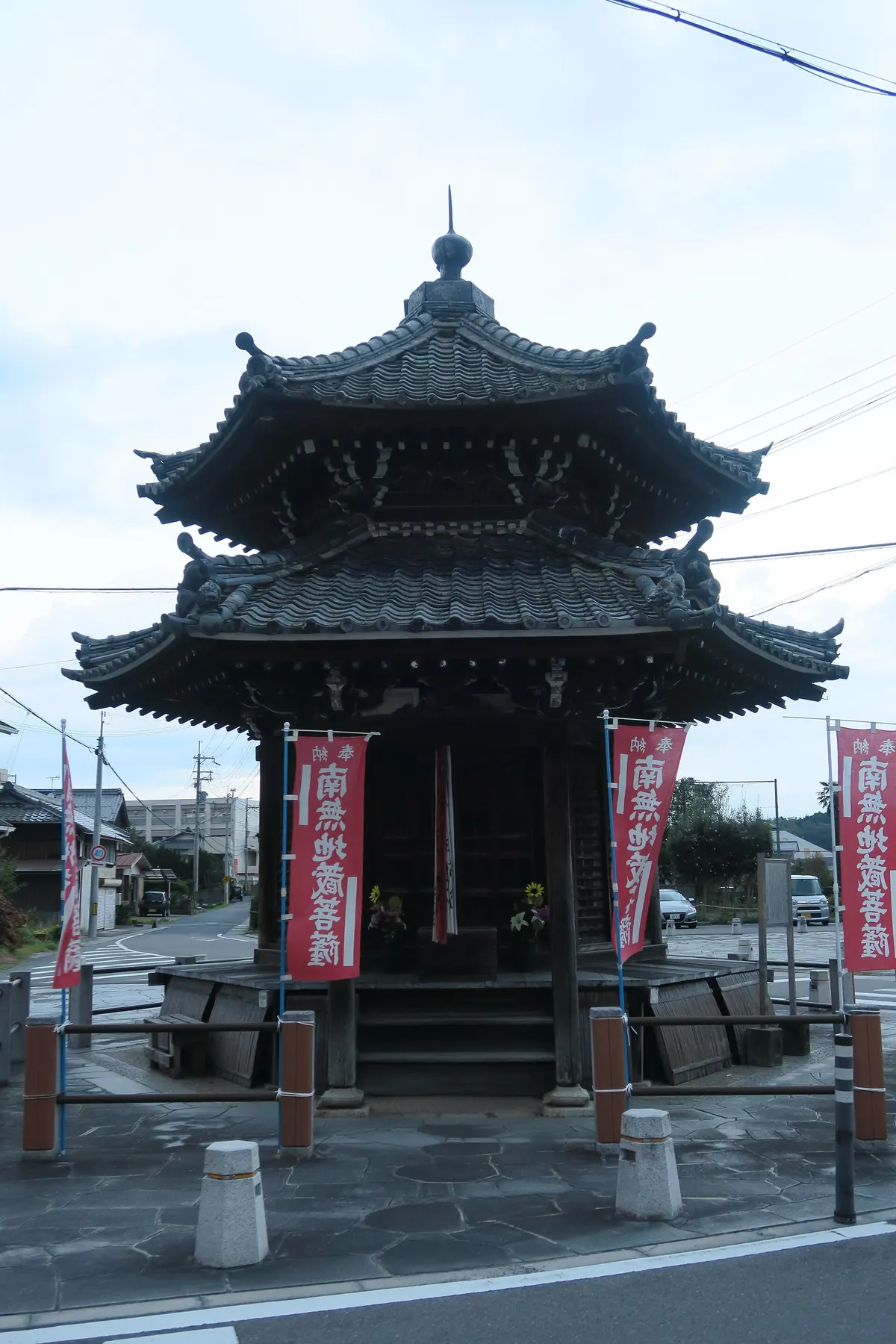
This Edo-period hexagonal Jizō-dō is a rare architectural gem, one of only two in the prefecture.
What it is
- A Jizō-dō with a hexagonal double pagoda.
- Dates to the Edo period, built by Ikeda Village carpenters.
- A Koka City designated cultural property.
- One of only two hexagonal halls in the prefecture.
What to see
- Hexagonal double pagoda, a rare architectural style.
- Key structural points use zelkova wood.
- A sacred jewel placed at the top.
- Roof corners have tiles with Chinese zodiac designs.
When to go
- Opened on the 24th of every month.
- First stop on the Soma no Rokujizo Pilgrimage.
- Address
- 滋賀県甲賀市甲南町寺庄1043 Map
11
Ganjo-ji Temple
SHIGA · TEMPLE 願成寺
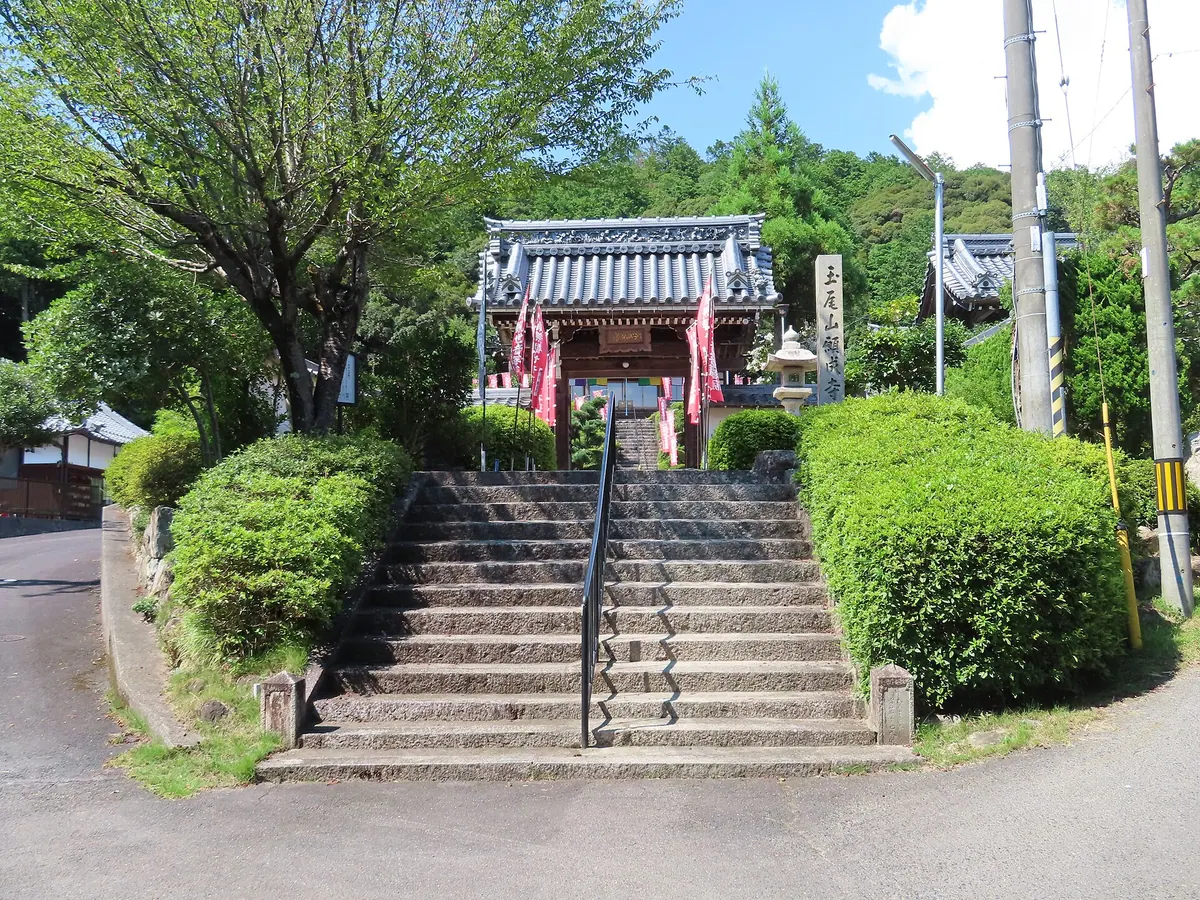
A 7th-century Soto Zen temple in Shiga housing a rare 72-centimeter mermaid mummy and a commemorative mermaid statue.
What it is
- A Soto Zen temple founded by Prince Shotoku in 619.
- The temple was originally part of the Tendai sect before being restored in 1624.
- The main deity is a standing statue of Sho-Kannon.
- It was rebuilt after being destroyed by fire in 1571.
What to see
- A mermaid mummy measuring approximately 72 centimeters in length housed inside a wooden shrine.
- The mummy features scales on its lower body and has no teeth.
- A mermaid statue on the grounds commemorating the first Mermaid Summit held in 2000.
12
Mii-dera Temple
SHIGA · TEMPLE 園城寺
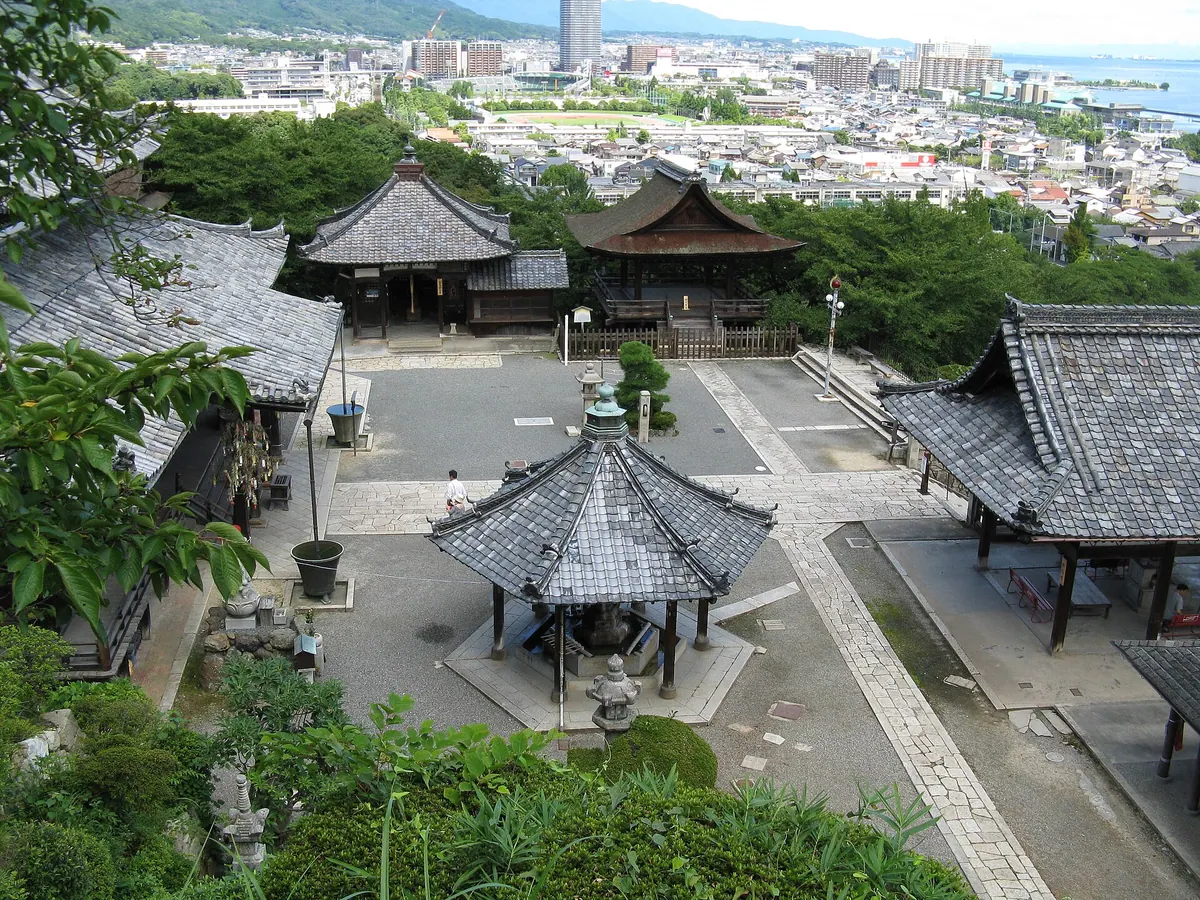
Mii-dera Temple is an ancient Tendai temple with important Buddhist art and architecture.
What it is
- Head temple of the Tendaijimon sect.
- Founded in the 7th century by the Otomo clan.
- Revived in the 9th century by the monk Enchin.
- Certified as a Japan Heritage site in 2015.
What to see
- Principal image is Miroku Bosatsu.
- The Yellow Fudo is one of Japan's Three Fudo.
- Kannon-do is the 14th site of Saigoku Kannon Pilgrimage.
- The 'Evening Bell of Miidera' is one of the Omi Hakkei.
- Current Kondo was donated by Kodai-in in 1599.
- Bell tower houses one of Japan's Three Famous Bells.
- Address
- 滋賀県大津市園城寺町246 Map
- Official site
- www.shiga-miidera.or.jp
13
Former Byakugō-in Garden
SHIGA · TEMPLE 旧白毫院庭園
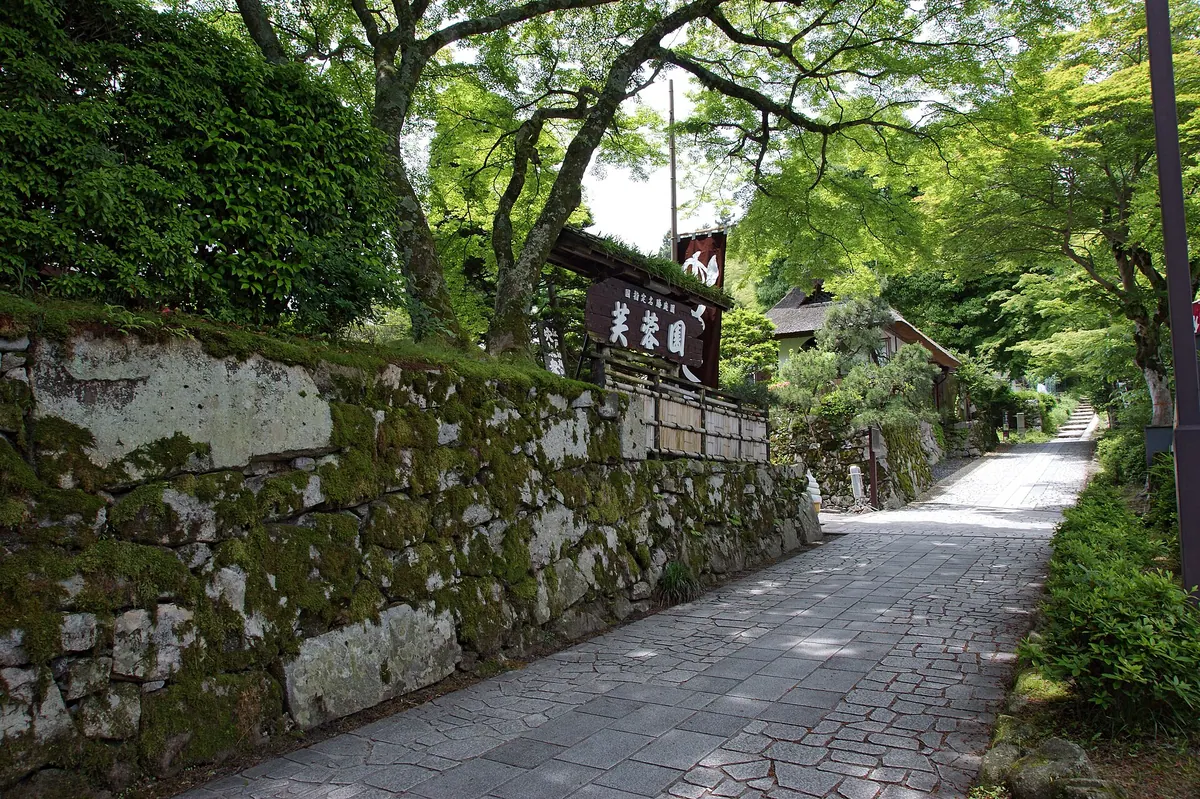
Explore a preserved Edo-period strolling garden with a unique stonemason-built cave.
What it is
- A Japanese garden in Otsu City, Shiga Prefecture.
- A national scenic spot.
- A traditional building in a preservation district.
- A strolling garden built in the early Edo period.
What to see
- The garden retains its pre-Edo period landscape.
- A cave built by Anoshu stonemasons.
- The cave has three entrances.
- A Mt. Fuji-shaped mound inside the cave.
Getting there
- 5-minute walk from Sakamoto-Hieizanguchi Station.
- 15-minute walk from Hieizan-Sakamoto Station.
- Address
- 滋賀県大津市坂本4丁目5番17号 Map
14
Saimyō-ji Temple
SHIGA · TEMPLE 西明寺
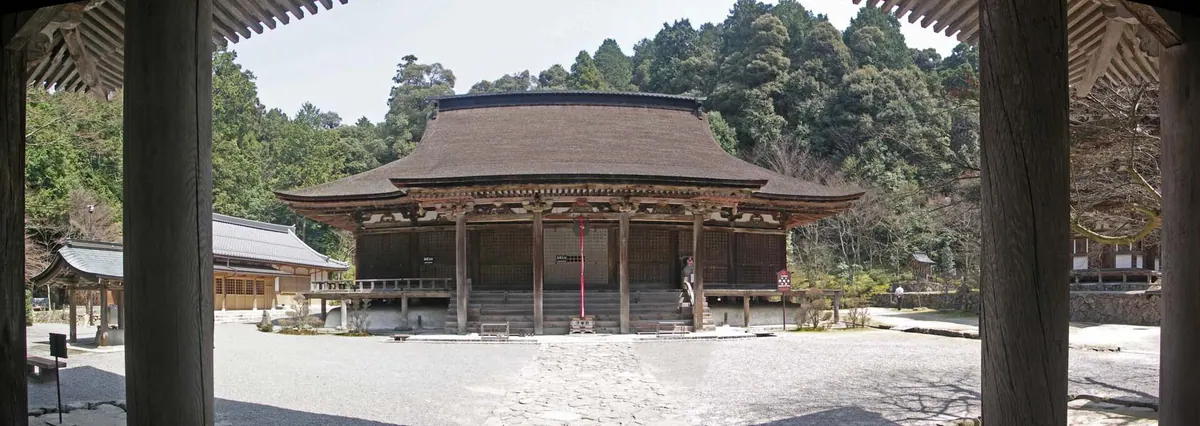
Saimyō-ji Temple: a Tendai temple with National Treasure architecture and beautiful autumn leaves.
What it is
- Tendai sect temple, founded by Sanshū Shōnin.
- Principal image is Yakushi Nyorai.
- One of the Kotō Sanzan temples.
- 32nd temple of the Saigoku Yakushi 49 Sacred Sites.
What to see
- Main hall is a National Treasure.
- Three-story pagoda is a National Treasure.
- Niōmon gate is an Important Cultural Property.
- Stone pagoda is an Important Cultural Property.
- Main hall garden is a National Scenic Spot.
When to go
- Temple grounds are known for autumn leaves.
- Address
- 滋賀県犬上郡甲良町大字池寺26 Map
- Official site
- www.saimyouji.com
15
Tokugen-in Temple
SHIGA · TEMPLE 徳源院
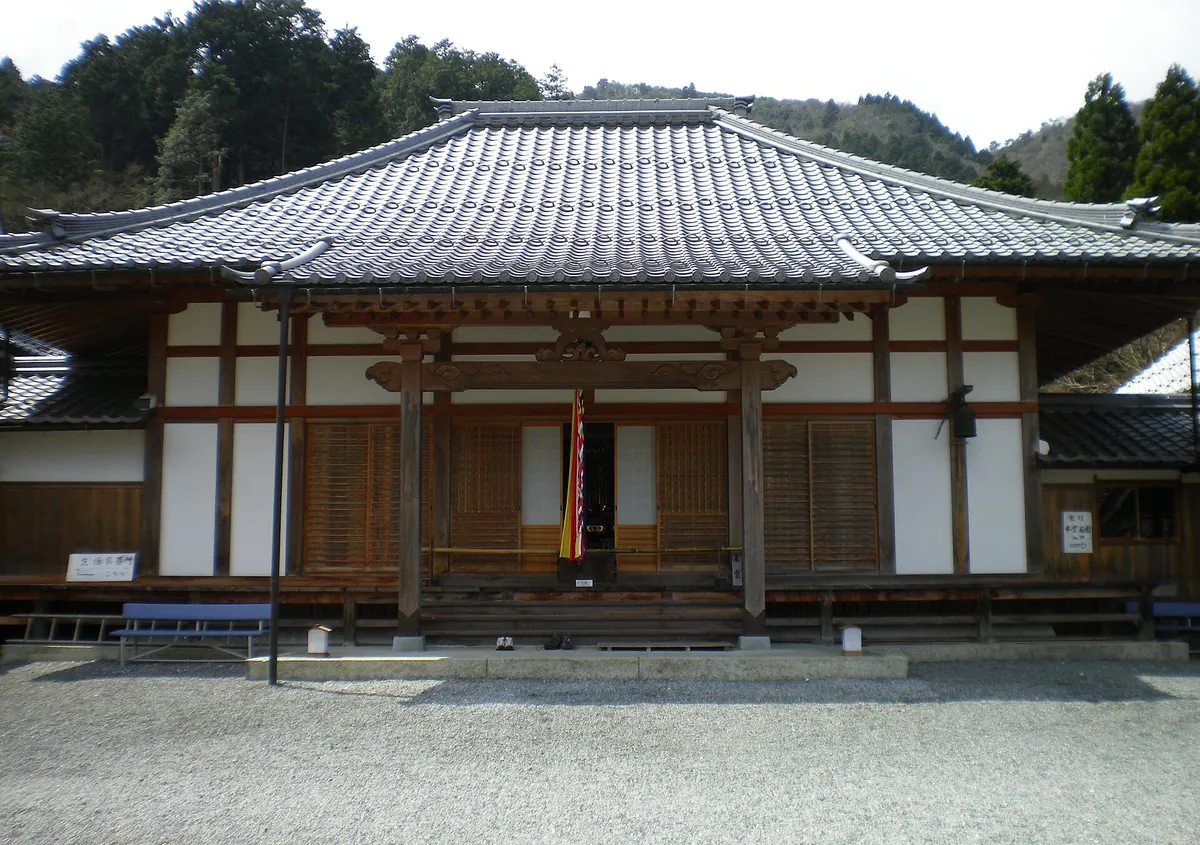
Tokugen-in Temple is a historic Tendai temple with a scenic garden and important family graveyard.
What it is
- Tendai sect temple, also known as Seiryū-ji.
- Founded in 1286 by Kyōgoku Ujinobu.
- Family temple of the Kyōgoku clan.
- Main deity is Shō Kannon Bosatsu.
What to see
- Kyōgoku family graveyard is a national historic site.
- Three-story pagoda is a tangible cultural property.
- Garden is a scenic spot designated by Shiga Prefecture.
- Wooden standing statue of Shō Kannon Bosatsu.
Getting there
- 29-minute walk from JR Tōkaidō Main Line Kashiwabara Station.
- Address
- 滋賀県米原市清滝288 Map
16
Kawarayazen-ji Temple
SHIGA · TEMPLE 瓦屋寺
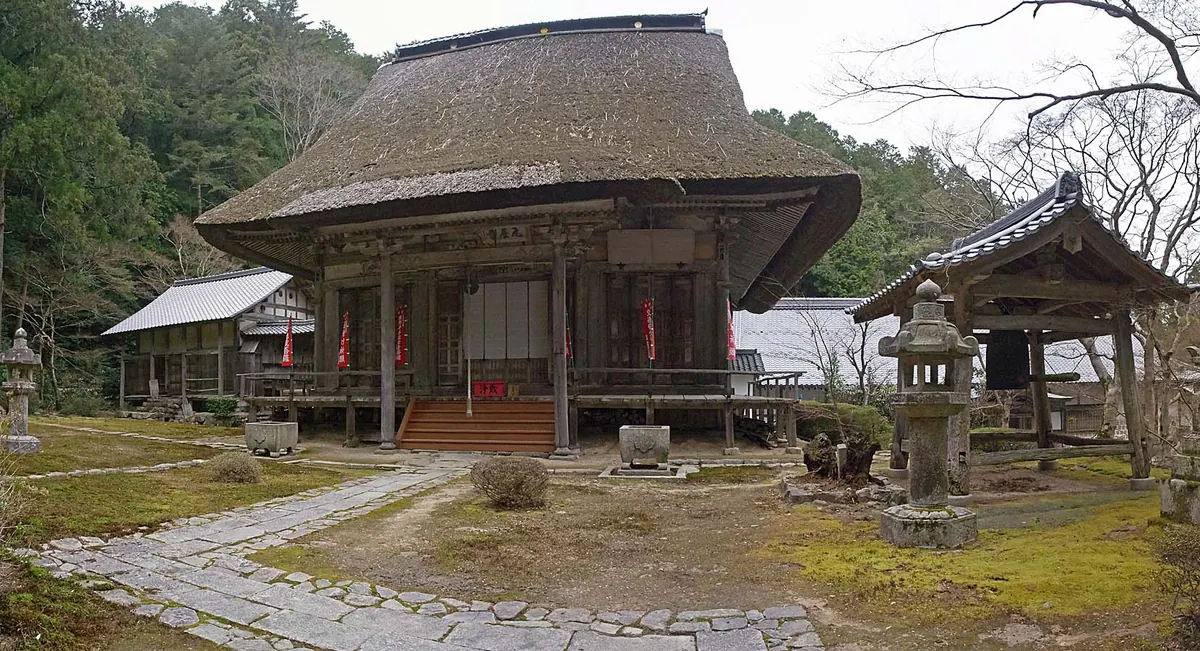
Ancient Rinzai temple with important cultural properties and a scenic mountain setting.
What it is
- Rinzai sect Myoshin-ji school temple.
- Main deity is Senju Kannon.
- Also called Kawarayazen-ji.
- Located on Mt. Mitsukuri.
What to see
- Main hall is a registered tangible cultural property.
- Jizo-do hall is a registered tangible cultural property.
- Kuri is a registered tangible cultural property.
- Bell tower is a registered tangible cultural property.
- Wooden standing statue of Senju Kannon is an Important Cultural Property.
- Ancient roof tiles from the late Asuka period.
- Address
- 滋賀県東近江市建部瓦屋寺町436 Map
- Official site
- www.kawarayaji.com
17
Enman-in Temple
SHIGA · TEMPLE 円満院
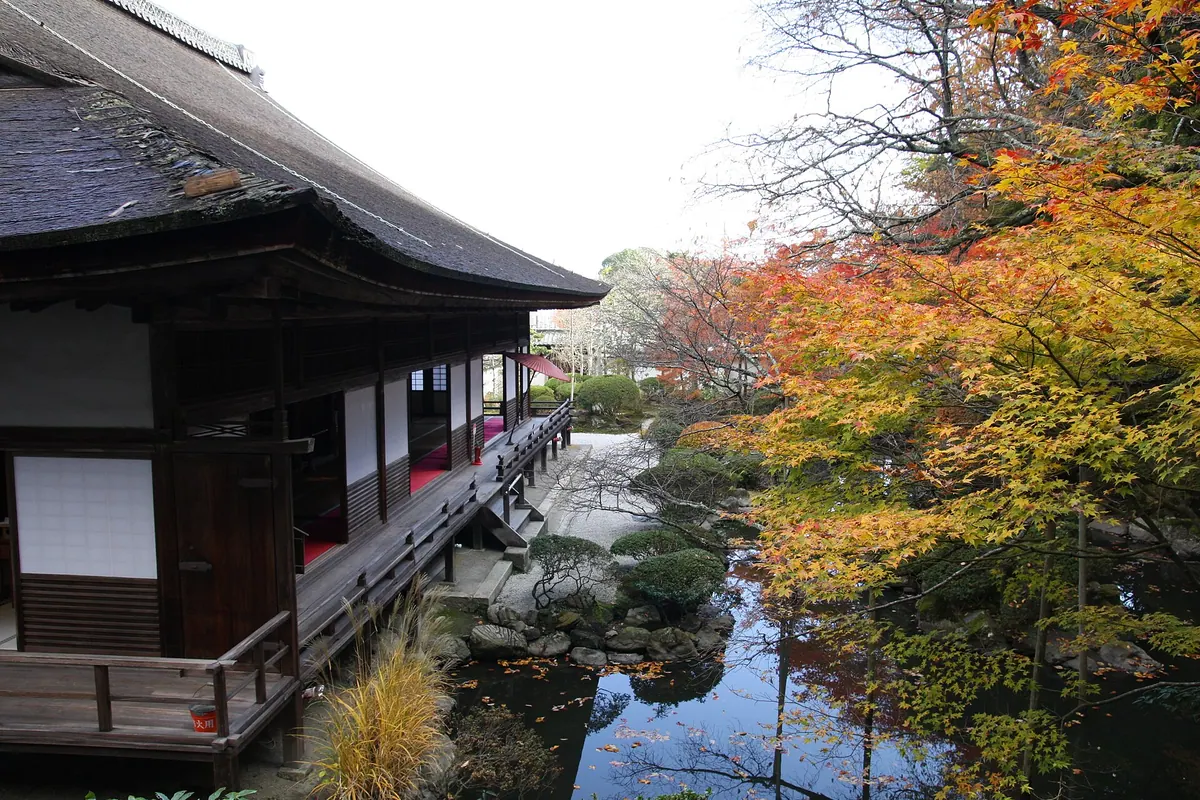
Visit Enman-in Temple to see a historic Monzeki temple, its Important Cultural Property Shinden, and a scenic garden.
What it is
- A Tendai-sect temple in Otsu City, Shiga Prefecture.
- It is a Monzeki temple.
- The principal image is Fudo Myoo.
- It is the 25th temple of the Kinki 36 Fudo Pilgrimage.
What to see
- The main hall and a guesthouse.
- The Shinden, a nationally designated Important Cultural Property.
- An Otsu-e Museum on the temple grounds.
- The garden, a nationally designated Place of Scenic Beauty.
- The garden, known as "Mii no Meitei."
- A pond-viewing garden attributed to Soami.
- Address
- 滋賀県大津市園城寺町33 Map
- Official site
- enman-inn.com
18
Minakuchi church
SHIGA · TEMPLE 日本基督教団水口教会
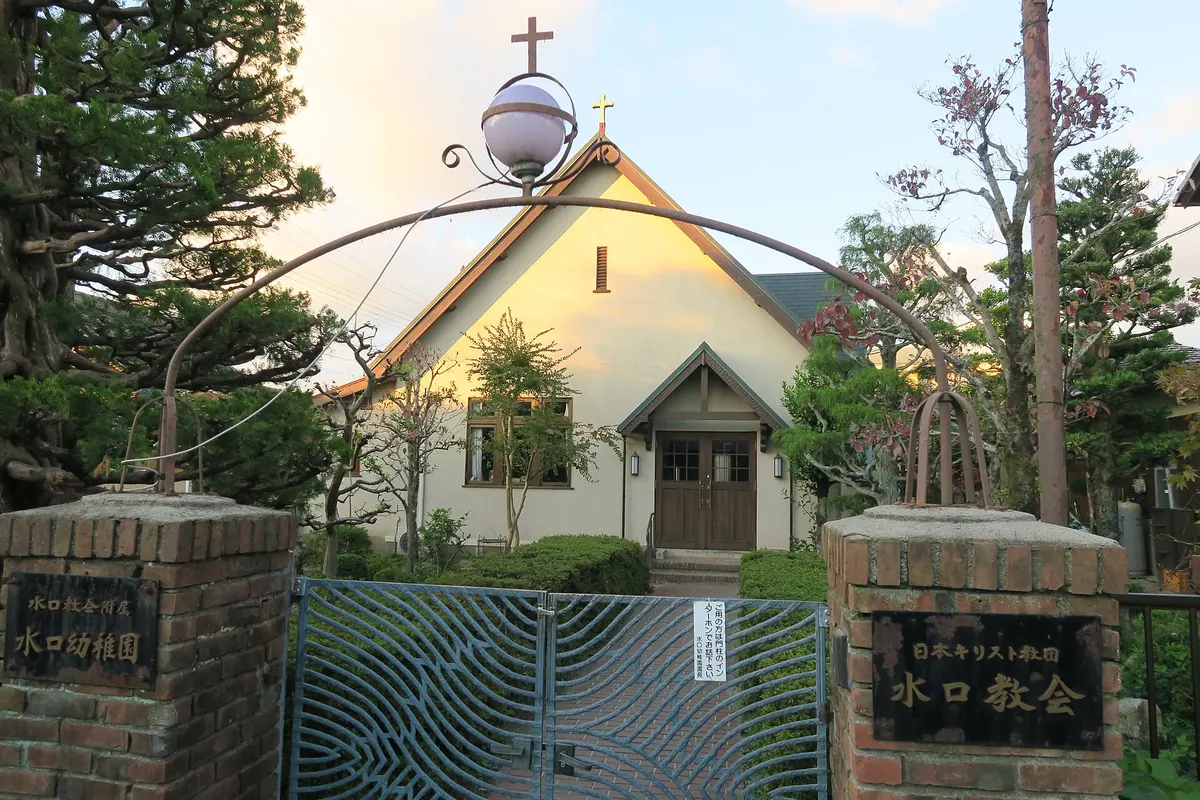
Historic Christian church designed by William Merrell Vories, a registered cultural property.
What it is
- Christian church in Koka City, Shiga Prefecture.
- Lectures began around 1883, lecture hall opened 1890.
- William Merrell Vories became involved in 1921.
- Chapel, gateposts, and rectory built in 1930.
What to see
- Wooden, single-story chapel building.
- Brick gateposts, 1.5 meters high.
- Chapel and gateposts are registered cultural properties.
- Rectory also designed by Vories.
Getting there
- 5-minute walk from Minakuchi-Ishibashi Station.
19
Handō-ji Temple
SHIGA · TEMPLE 飯道寺
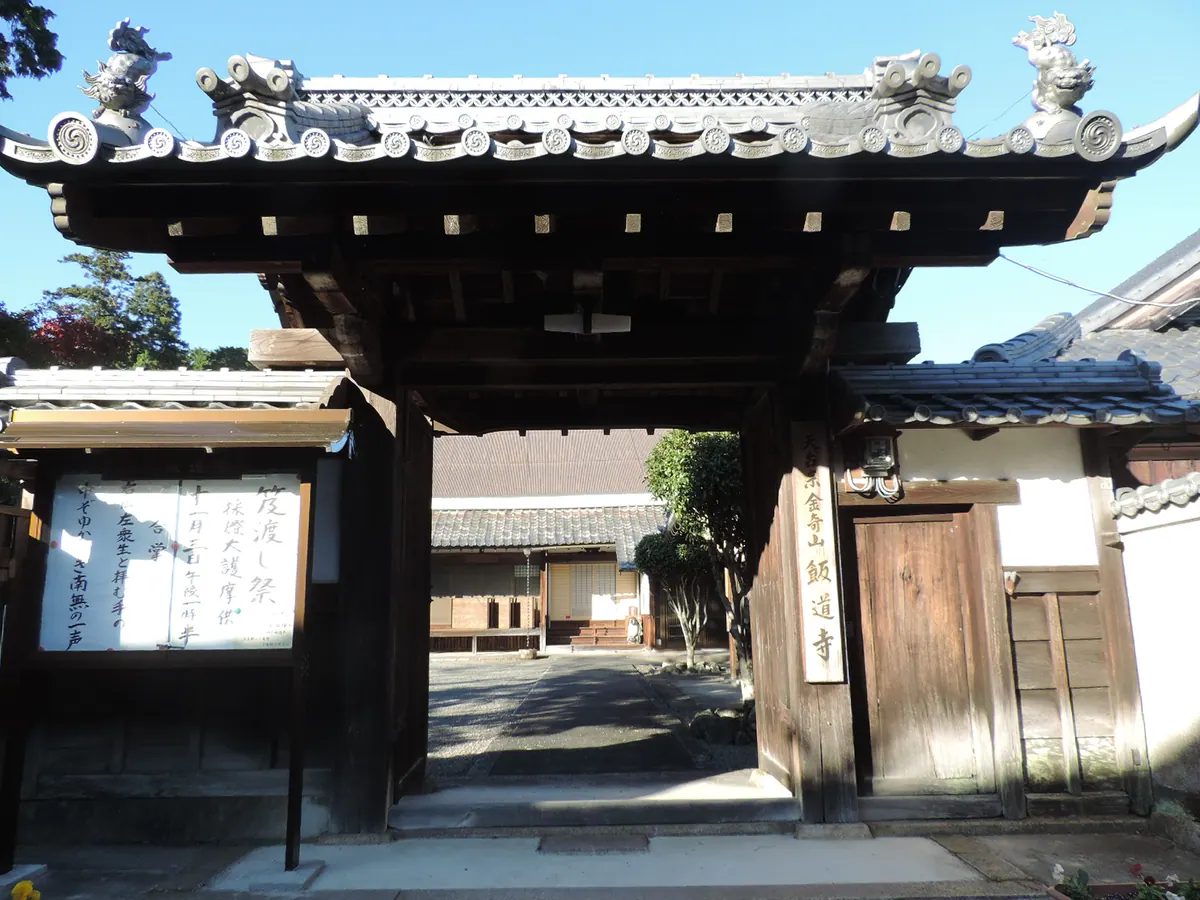
Handō-ji Temple is a Tendai temple with important statues and a mandala, linked to Koka's medicine sales.
What it is
- It is a Tendai sect temple.
- It was a powerful Shugendo temple in medieval times.
- The temple was re-established in 1892.
- It is associated with Koka's itinerant medicine sales.
What to see
- Wooden seated statue of Amitabha Nyorai.
- Wooden standing statue of Eleven-faced Kannon.
- Wooden standing statue of Jizo Bosatsu.
- These three statues are Important Cultural Properties.
- Silk painting of the Ryokai Mandala.
- The mandala is a municipal cultural property.
- Address
- 滋賀県甲賀市水口町三大寺1019 Map
20
Shōjuraigō-ji Temple
SHIGA · TEMPLE 聖衆来迎寺
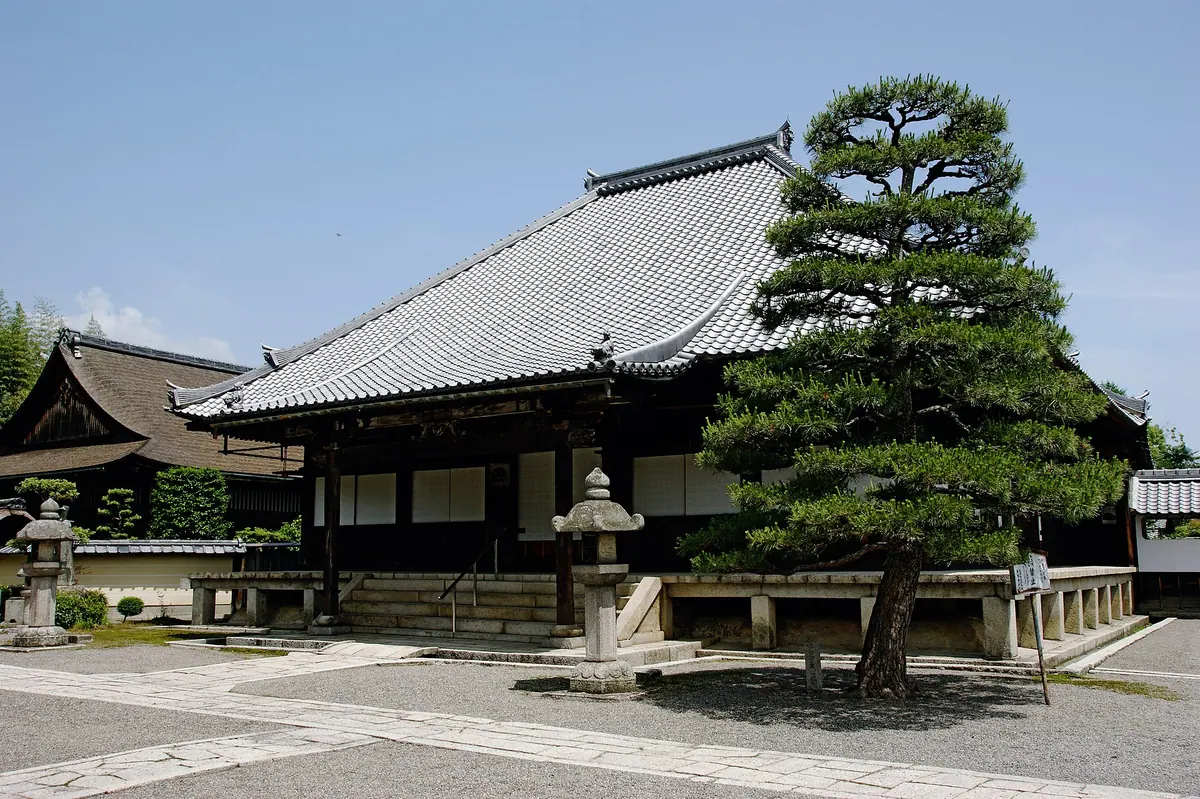
A Tendai temple in Otsu City, founded by Saichō, with important cultural properties and a scenic garden.
What it is
- A Tendai sect temple, also known as Raigō-ji.
- Main deities are Amida, Shaka, and Yakushi Nyorai.
- Traditionally founded by Saichō.
- Its mountain name is Shiunzan.
What to see
- National Treasure 'Rokudō-e' scrolls.
- Main hall, rebuilt in 1665, is an Important Cultural Property.
- Guest hall, built in 1639, is an Important Cultural Property.
- Front gate relocated from Sakamoto Castle.
- Shiga Prefecture designated scenic garden.
- Grave of Mori Yoshinari.
- Address
- 滋賀県大津市比叡辻2丁目4-17 Map