
Nariai-ji Temple
成相寺
This temple, 350 meters above sea level, offers views of the Amanohashidate sandbar.
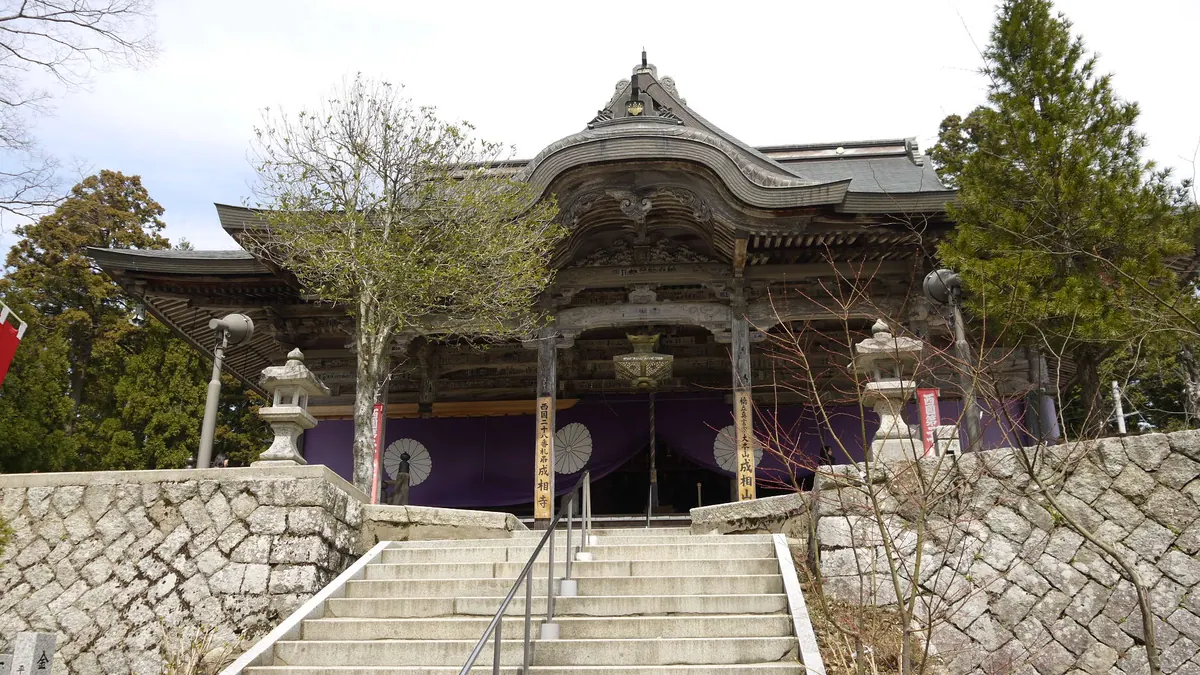
What it is
- Shingon Buddhist temple.
- Established in 704 by Emperor Monmu.
- Part of the 33 Kannon Temples pilgrimage route.
- Dedicated to Kannon Bodhisattva, deity of compassion.
What to see
- Principal image: Kannon Bodhisattva statue.
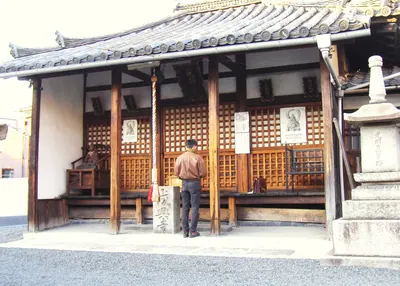
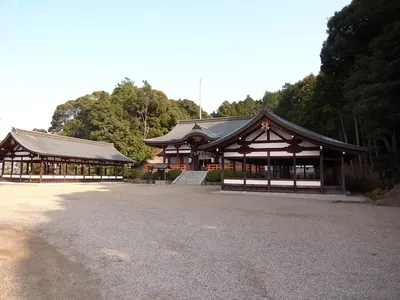
- Main hall with elegantly curved and gabled roof.
- Ancient cemetery.
- Bell tower.
- Five-story pagoda built in the 1990s.
- Observation deck with views of Amanohashidate sandbar.
Getting there
- Located 350 meters above sea level on a mountain.
In detail
Nariaiji is a Shingon Buddhist temple located 350 meters above sea level on a mountain overlooking the Amanohashidate sandbar. The mountain was long revered as a sacred place and worshipped in the Shugendo tradition of mountain asceticism. Beginning in the Heian period (794–1185), Nariaiji was frequented by aristocrats and others making the 33 Kannon Temples in Western Japan pilgrimage route, and it is considered the original grounds for viewing Amanohashidate.
The temple was established in 704 under orders from Emperor Monmu (r. 697–707). Its principal image is a statue of the Kannon Bodhisattva, deity of compassion. According to legend, while training on the mountain a monk became trapped without food by deep snow. After praying to the Kannon statue he awoke to find a fallen deer, which sustained him and was considered a sacrifice from the statue itself.
Due to wars and natural disasters Nariaiji has been destroyed and reconstructed several times. Early versions of the temple can be seen in artwork, including the View of Amanohashidate painting by Sesshu Toyo (1420–1506), which shows the temple before it was destroyed by fire in 1507, and the Nariaiji Sankei Mandala from later in the sixteenth century. The main hall, with its elegantly curved and gabled roof, was reconstructed in its current location in the late eighteenth century. The temple includes an ancient cemetery, a bell tower, and a five-story pagoda that was built in the 1990s. Although Amanohashidate is no longer visible from the temple itself, the former temple grounds has an observation deck with commanding views of the sandbar.
Text: 観光庁 地域観光資源の多言語解説文データベース. Reproduced unchanged. The notes above were written from that text by Japan Gems.
Where it is
〒629-2241 京都府宮津市成相寺339 Open in Google Maps
この施設の関係者の方へ
このページは公開情報をもとに Japan Gems が作成し、訪日外国人向けに英語で掲載しています。 写真や情報の追加・修正を承っています。お店の写真に差し替えることもできます。
このページの情報を更新する