
Nata-dera Temple
那谷寺
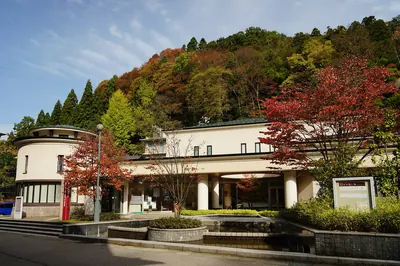
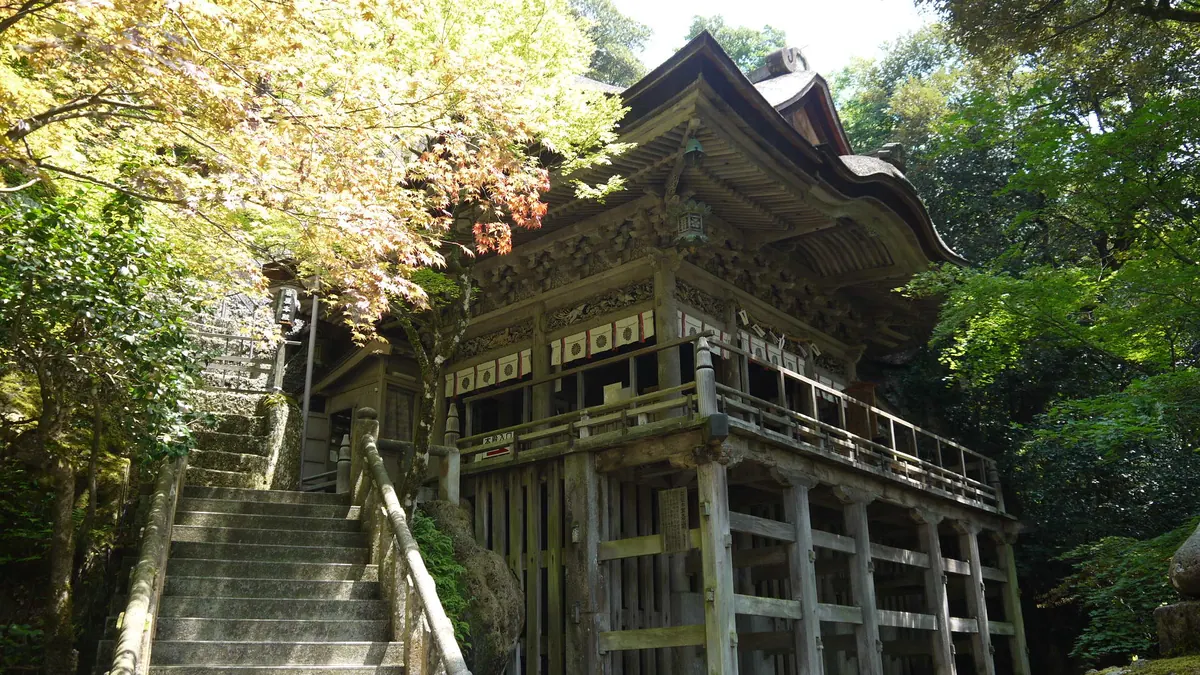
Nata-dera Temple, built into natural caves, is a sacred site revered for over 2,000 years.
What it is
- Buddhist temple dedicated to Kannon, bodhisattva of mercy.
- Founded in 717 by the monk Taicho.
- Revered sacred place for over 2,000 years.
- Combines Buddhist, Hakusan mountain worship, Shinto, and nature worship.
What to see
- Natural rock formations, cliffs, and caves.
- Mossy forests, traditional gardens, and carp-filled ponds.
- Intricately carved wooden halls and pagodas.
- Kondo main hall with 7.8-meter-tall Kannon statue.
- Kutani porcelain tiles surrounding the Kannon statue.
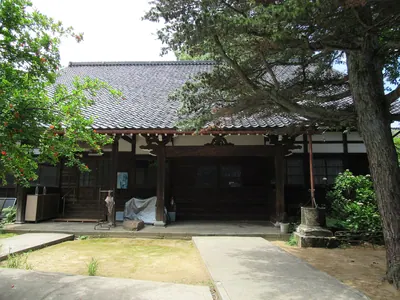
- Reception hall (shoin) and its garden (separate fee).
In detail
The natural rock formations at Natadera Temple have been revered as a sacred place for well over 2,000 years. The cliffs and caves were shaped by volcanic eruptions and eroded by ocean currents. They tower above the temple’s mossy forests, traditional-style gardens, and carp-filled ponds, earning Natadera a star in the Michelin Green Guide.
Natadera’s caves were thought of as sites of reincarnation according to followers of the Hakusan faith, who worshipped deities living on Mt. Hakusan. The monk Taicho (682–767) climbed Mt. Hakusan in 717 seeking these deities. While meditating on the highest peak, he was visited by a manifestation of Kannon, the bodhisattva of mercy in the Buddhist pantheon. He was inspired to build Natadera Temple in honor of Kannon and began construction that same year.
Today, Natadera is a Buddhist temple enshrining Kannon. The temple continues to be an expression of Taicho’s belief in the harmony between nature and human life, with the temple built directly into the natural caves. Its incorporation of non-Buddhist architectural elements, including the torii gates usually found at shrines, marks the syncretic mix of Buddhism, Hakusan mountain worship, Shinto, and nature worship practiced at Natadera.
Natadera’s wooden halls and pagodas are intricately carved with Chinese zodiac animals, peonies, and chrysanthemums. The kondo main hall, used for most Buddhist services, houses a 7.8-meter-tall statue of Kannon surrounded by local Kutani porcelain tiles.
For a separate admission fee, you can visit the reception hall (shoin), built in 1637 by Lord Maeda Toshitsune (1594–1658), and its peaceful garden.
Text: 観光庁 地域観光資源の多言語解説文データベース. Reproduced unchanged. The notes above were written from that text by Japan Gems.
Where it is
石川県小松市那谷町ユ122 Open in Google Maps
この施設の関係者の方へ
このページは公開情報をもとに Japan Gems が作成し、訪日外国人向けに英語で掲載しています。 写真や情報の追加・修正を承っています。お店の写真に差し替えることもできます。
このページの情報を更新する