
Wakō Museum
和鋼博物館
This museum explains the traditional Japanese steelmaking process that produces steel for fine swords.
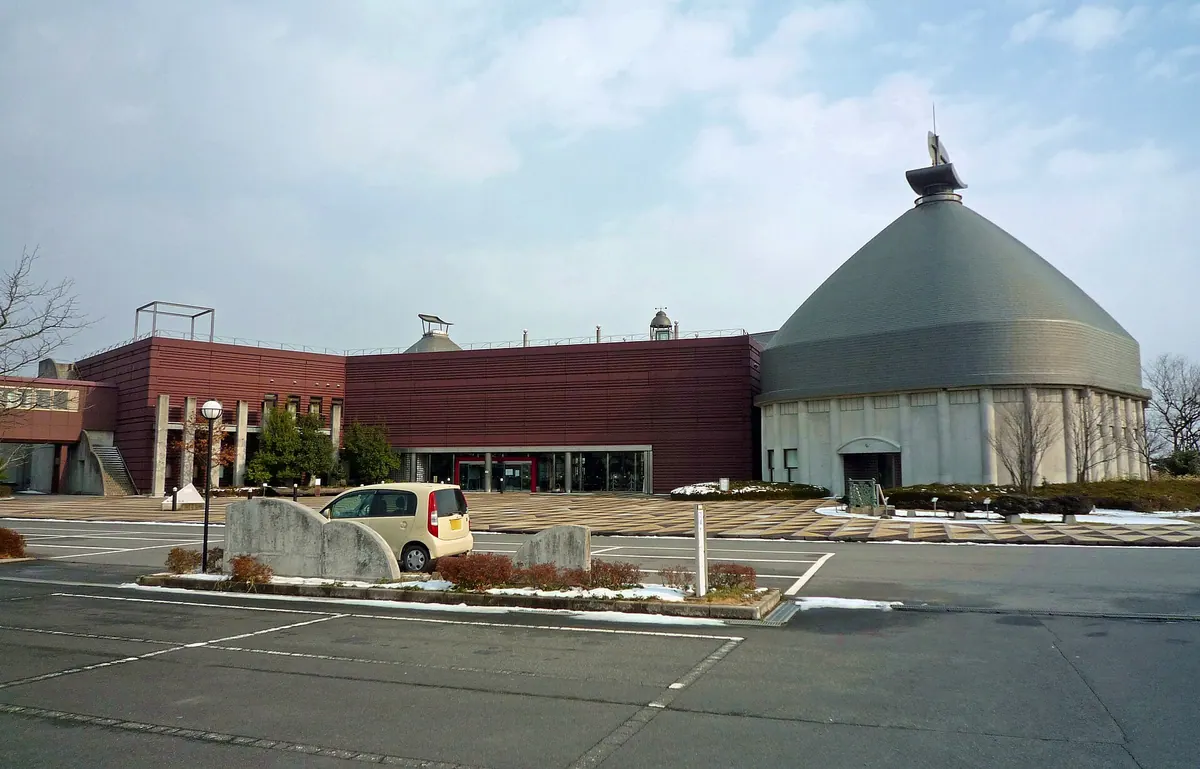
What it is
- Museum established in 1993.
- Devoted to traditional Japanese steelmaking, the tatara process.
- Inspired by metallurgist Tawara Kuniichi, who coined "wako".
What to see
- Informative full-size dioramas.
- Videos explaining the tatara process.
- Participatory displays about steelmaking.
- Explanations of tamahagane steel for swords.
In detail
The Wako Museum, established in 1993, is devoted to the history of the traditional Japanese steelmaking technology known as the tatara process. The museum uses informative full-size dioramas, videos, and participatory displays to explain the only method capable of producing the special tamahagane steel that is used to make fine Japanese swords. The Wako Museum was inspired by the influential scientific research of famed Japanese metallurgist Tawara Kuniichi, who held a doctoral degree in engineering and coined the word wako, or “Japan steel,” in 1914.
The city of Yasugi is located at the base of the Chugoku Mountains, which are rich in iron sand, which was the raw material for making traditional high-quality Japanese steel. Combined with the presence of a good port, this allowed Yasugi to become a major steelmaking center. At one time, from the mid-eighteenth through the mid-nineteenth centuries, the city supplied more than 80 percent of the steel used throughout Japan.
A Gravity-Powered Process
The tatara process begins with the iron sand that comes from the natural weathering of granite that contains small particles of iron. In some cases, the iron particles settle naturally into the muddy sediment of rivers and streams. The preferred source for the highest-quality iron sands, however, is an exposed cliff face. A gravity-separation process called kanna-nagashi was developed in the early seventeenth century, in which streams were diverted to form a series of sluices and ponds that separated the heavy iron sand from the rock and mud. This was done only during winter months, when the water was not needed for agriculture.
Tatara steelmaking also required vast quantities of high-quality charcoal, and the Chugoku Mountains were blessed with forests of desirable hardwood trees. One round of steelmaking, called hito-yo, or “one lifetime,” consumes 12 tons of charcoal, the product of 1 hectare of forest trees. During the peak tatara production period in the early nineteenth century, some 60 hectares of mountain forest were destroyed every year. This huge environmental impact was mitigated by restorative forestry practices, but replenishing the natural supply eventually proved difficult.
A New Furnace Every Year
The tatara steelmaking process used a tatara clay furnace aerated with large, human-powered “seesaw” bellows that were connected by fan-like arrays of bamboo air pipes. For each steelmaking operation, a new clay furnace was constructed over a subfloor system of air vents that helped eliminate humidity, which could affect the quality of the steel. The prized tama-hagane formed at the end of the process was one small portion of the 3-ton lump of crude iron which also contained steel of lesser quality. Producing the crude iron took three days of constant fueling with charcoal, aeration, and drawing off of slag, after which the clay furnace was destroyed in order to remove the steel. This process is still conducted several times a year in an almost identical fashion to produce the steel for new swords.
Preserving the Tradition
Until the introduction of the coal-fired blast furnace in the mid-nineteenth century, variations of the tatara method were used throughout Japan to produce iron and steel. The greater economic efficiencies of the blast furnace gradually reduced the viability of the traditional method, and it virtually had disappeared by 1945. Swordsmiths and others who consider tatara steel production a priceless cultural legacy revived the process in recent years.
Text: 観光庁 地域観光資源の多言語解説文データベース. Reproduced unchanged. The notes above were written from that text by Japan Gems.
Where it is
島根県安来市安来町1058 Open in Google Maps
この施設の関係者の方へ
このページは公開情報をもとに Japan Gems が作成し、訪日外国人向けに英語で掲載しています。 写真や情報の追加・修正を承っています。お店の写真に差し替えることもできます。
このページの情報を更新する