
Ichinono Ōji Shrine
市野々王子
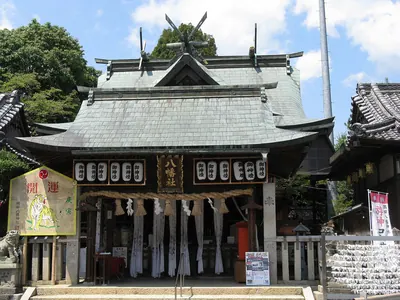
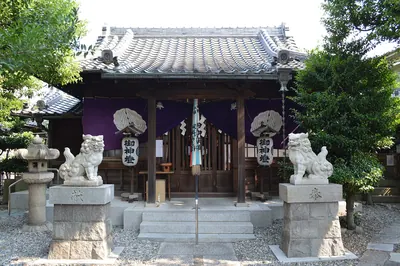
This historic shrine, possibly a former marketplace, features unique stone walls and may be the original site of an ancient pilgrimage stop.
What it is
- One of the oldest oji (subsidiary shrines) in Kumano.
- Appears in pilgrimage diaries from the early twelfth century.
- Became a village shrine, Ichinono-oji-jinja, in 1873.
- Name suggests the site originally doubled as a marketplace.
What to see
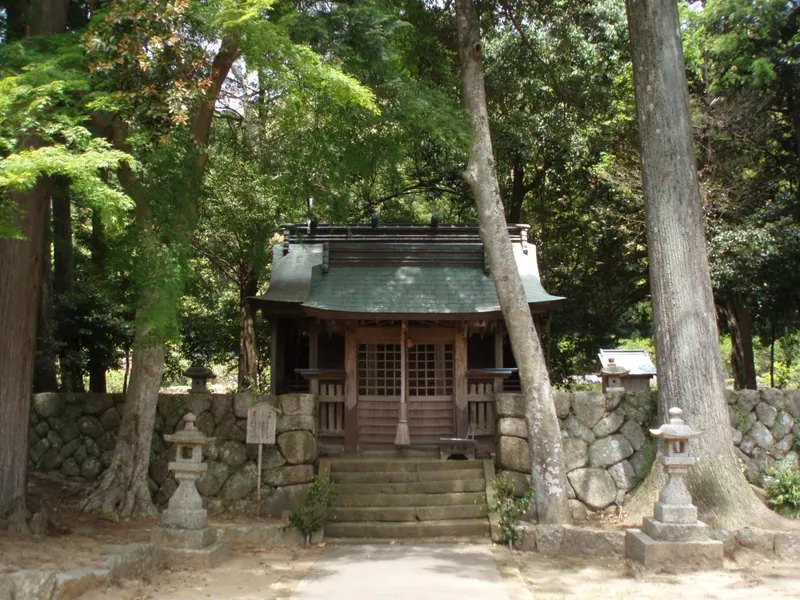
- Massive stone walls of the gokura (village storehouse).
- Gokura walls form a small open-air maze.
- Small patch of hallowed ground called Osugi-yashiro.
- Osugi-yashiro contains old foundation stones.
- Osugi-yashiro has a rock that is a shintai of Amaterasu-no-Okami.
Getting there
- Osugi-yashiro is about 100 meters away from the shrine.
In detail
(219 ww [<250], sign)
Ichinono-oji was one of the oldest oji (subsidiary shrines) in Kumano, appearing in pilgrimage diaries from the early twelfth century. Ichi means “market,” and the name suggests that the site originally doubled as a marketplace.
Ichinono-oji-jinja Shrine
In 1873, Ichinono-oji became a village shrine called Ichinono-oji-jinja. Beside the shrine stand the massive stone walls of the gokura (village storehouse), which was only roofed when necessary. It was divided into several rooms, so the walls seem to form a small open-air maze. Rice belonging to Kumano Nachi Taisha Grand Shrine was once stored here.
There is some debate over whether Ichinono-oji-jinja Shrine stands on the oji’s original site. About 100 meters away is a small patch of hallowed ground called Osugi-yashiro. Osugi-yashiro contains old foundation stones and a rock that is a shintai (the physical object in which a deity resides) of the sun goddess Amaterasu-no-Okami. Tradition holds that Osugi-yashiro is the original site of Ichinono-oji.
About Oji
Oji were subsidiary shrines of the three Kumano grand shrines. They were located along the pilgrimage route, and while some were simple places of worship, others offered accommodation and even baths to weary pilgrims. They developed out of traveler’s shrines tended by ascetics in ancient times, and became independent shrines or simply fell into disuse early in the Meiji era (1868–1912).
Text: 観光庁 地域観光資源の多言語解説文データベース. Reproduced unchanged. The notes above were written from that text by Japan Gems.
Where it is
和歌山県東牟婁郡那智勝浦町市野々1993 Open in Google Maps
この施設の関係者の方へ
このページは公開情報をもとに Japan Gems が作成し、訪日外国人向けに英語で掲載しています。 写真や情報の追加・修正を承っています。お店の写真に差し替えることもできます。
このページの情報を更新する