

20 Shrines in Wakayama worth your time
Japan Gems
Wakayama Prefecture is home to 73 shrines, including Shinoda Shrine and Suda Hachiman Shrine. Visitors can find a wide variety of spiritual sites across the region.
Wakayama has 75 shrines on Japan Gems. Below are the 20 we can tell you the most about — each one written up in English from Japanese sources, with what to see and how to get there. See all shrines in Wakayama.
01
Kishū Tōshō-gū
WAKAYAMA · SHRINE 紀州東照宮
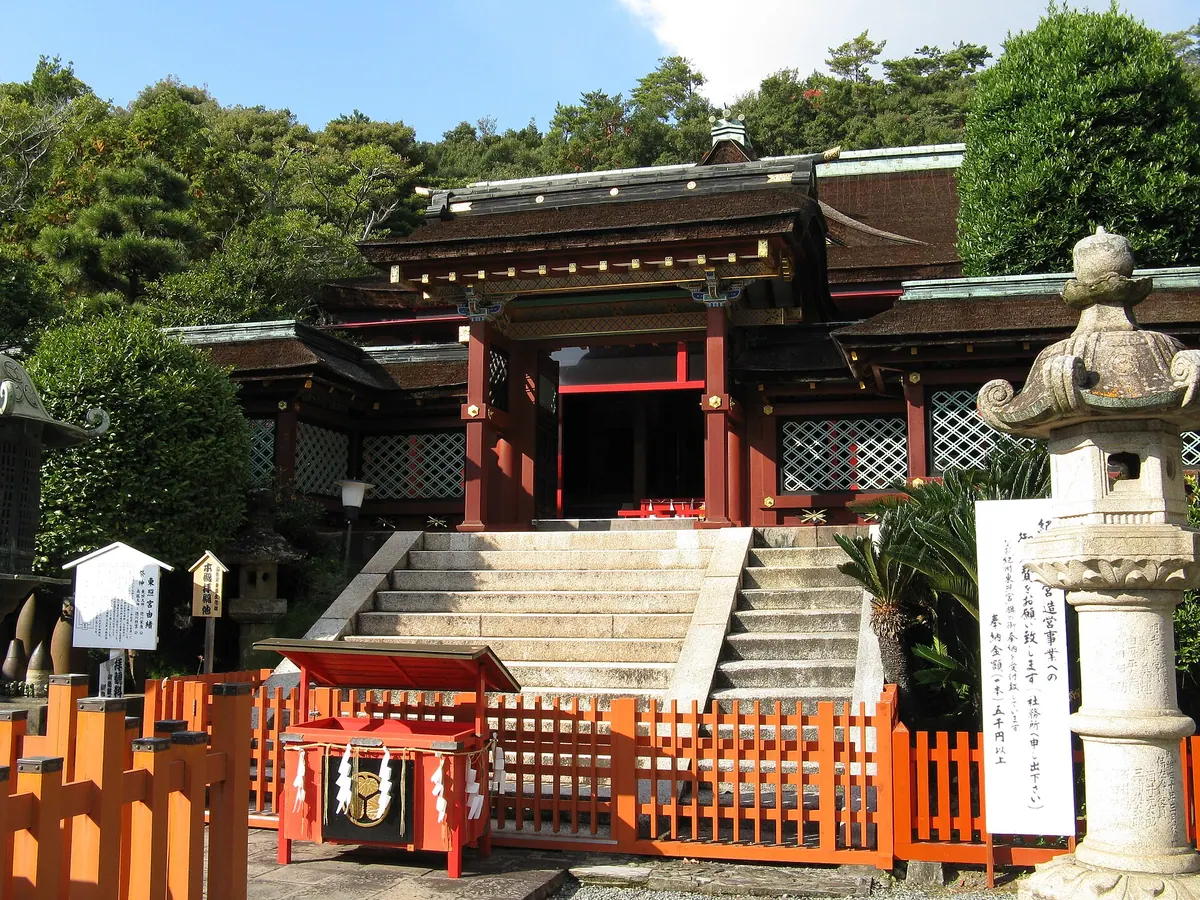
A historic 1621 shrine on Mount Saika featuring elaborate carvings and murals dedicated to the first Tokugawa shogun.
What it is
- A Shinto shrine founded in 1621 by Tokugawa Yorinobu.
- The site enshrines the spirits of Tokugawa Ieyasu and Tokugawa Yorinobu.
- The main buildings are constructed in the traditional Gongen-zukuri architectural style.
- The grounds are part of a nationally designated historic site on Mount Saika.
What to see
- A steep stone staircase consisting of 108 steps leading up the mountainside.
- The main hall and gate which are designated Important Cultural Properties.
- Intricate sculptures decorating the main hall created by artist Hidari Jingoro.
- Interior murals painted by the famous artist Kano Tanyu.
- Views from the shrine complex situated atop Mount Saika.
When to go
- The Waka Matsuri festival takes place on the second Sunday of May.
Getting there
- The shrine is accessible by bus from JR Wakayama Station.
- Official site
- kishutoshogu.org
02
Awashima Shrine
WAKAYAMA · SHRINE 淡嶋神社

Awashima Shrine: a unique shrine in Wakayama known for its doll memorial services and thousands of dolls.
What it is
- Head shrine for Awashima, Awashima, and Awaji Shrines nationwide.
- Dedicated to Sukunahikona-no-mikoto and Ohonamuji-no-mikoto.
- Known for doll memorial services.
- Also known for needle memorial services.
What to see
- Over 20,000 dolls displayed throughout the grounds.
- A needle mound is located within the grounds.
- Konden-zukuri Maru-saya Tachi (National Important Cultural Property).
- Daien-yamagata Hoshi Kabuto (National Important Cultural Property).
When to go
- Hina Festival (Hina Nagashi) on March 3rd.
Getting there
- Take the Nankai Kada Line to Kada Station.
- It is a 20-minute walk from Kada Station.
- Address
- 和歌山県和歌山市加太 Map
- Official site
- www.kada.jp
03
Kumano Sansho Ōmiwasha
WAKAYAMA · SHRINE 熊野三所大神社

This historic shrine, a short walk from Nachi Station, offers cultural properties and a glimpse into ancient pilgrimage.
What it is
- A historic shrine in Nachikatsuura Town, Wakayama Prefecture.
- Also known as Ōmiwa Yashiro or Hamanomiya Ōmiwa Shiro.
- Dedicated to three deities: Fumusumi Okami, Ketsumiko Okami, Hayatama Okami.
- Stands on the site of Hamanomiya Oji, one of 99 Oji shrines.
What to see
- Three principal deity statues are Important Cultural Properties.
- Three wooden seated statues are Important Cultural Properties.
- One stone lantern is a town-designated cultural property.
- Adjacent to Fudarakusan-ji Temple.
- Part of the Kumano Sankeido National Historic Site.
Getting there
- 3-minute walk from JR Kisei Line Nachi Station.
04
Ichinono Ōji Shrine
WAKAYAMA · SHRINE 市野々王子
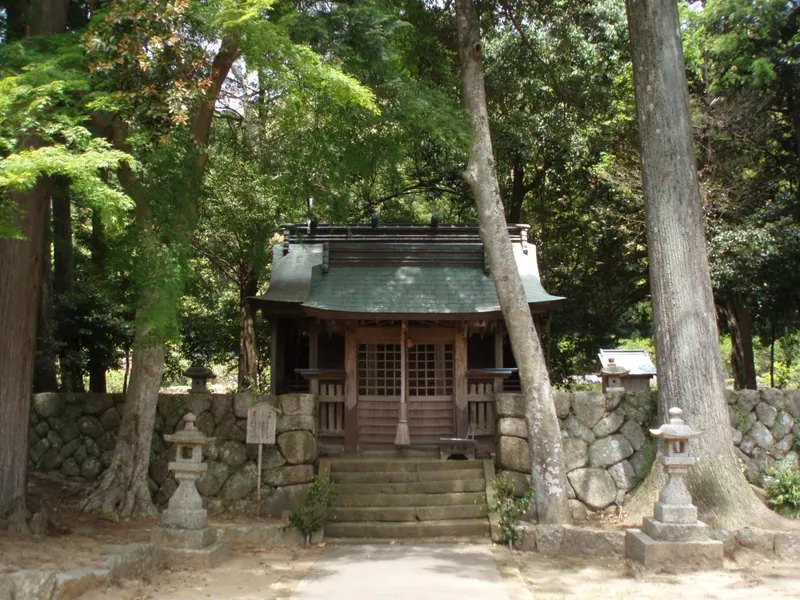
This historic shrine, possibly a former marketplace, features unique stone walls and may be the original site of an ancient pilgrimage stop.
What it is
- One of the oldest oji (subsidiary shrines) in Kumano.
- Appears in pilgrimage diaries from the early twelfth century.
- Became a village shrine, Ichinono-oji-jinja, in 1873.
- Name suggests the site originally doubled as a marketplace.
What to see
- Massive stone walls of the gokura (village storehouse).
- Gokura walls form a small open-air maze.
- Small patch of hallowed ground called Osugi-yashiro.
- Osugi-yashiro contains old foundation stones.
- Osugi-yashiro has a rock that is a shintai of Amaterasu-no-Okami.
Getting there
- Osugi-yashiro is about 100 meters away from the shrine.
- Address
- 和歌山県東牟婁郡那智勝浦町市野々1993 Map
05
Wakaura Tenmangū
WAKAYAMA · SHRINE 和歌浦天満宮
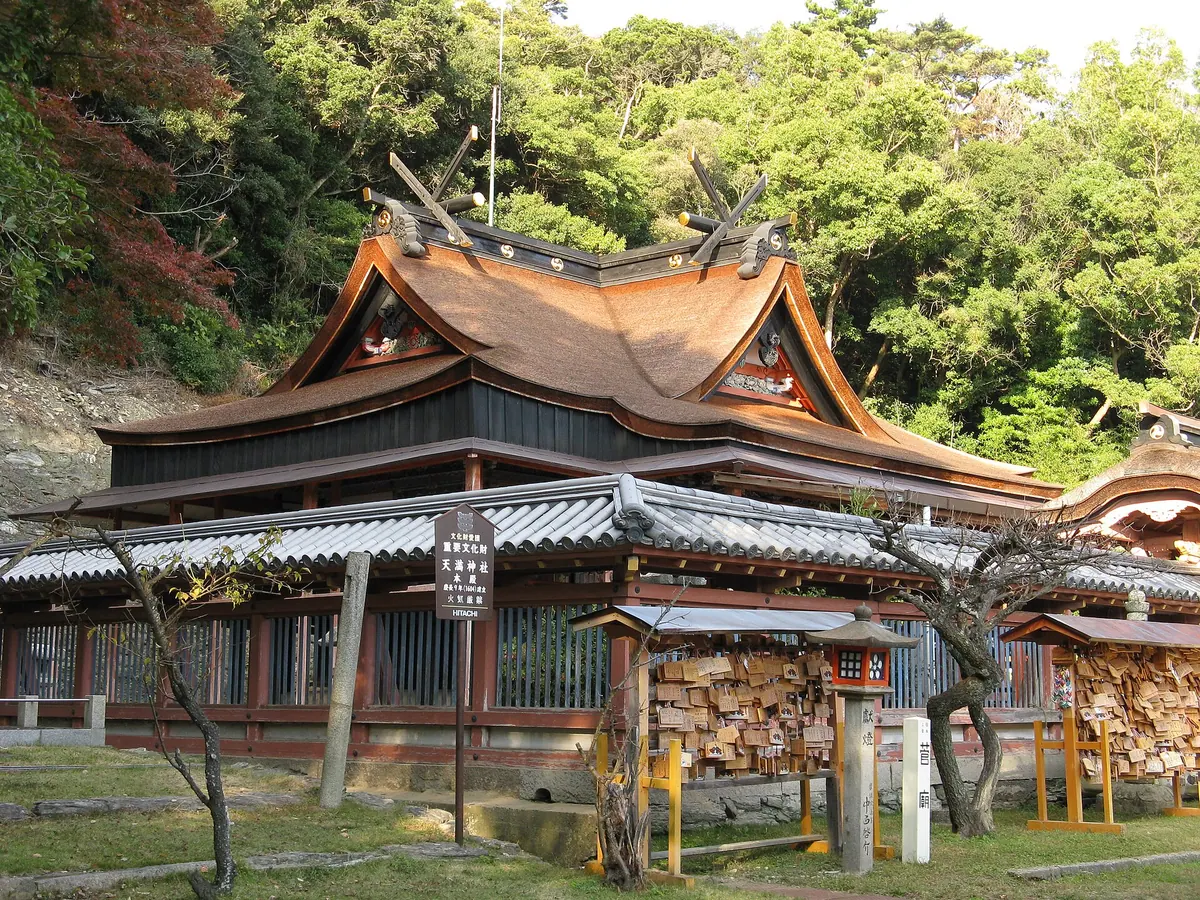
Historic hillside shrine dedicated to Sugawara no Michizane, with important cultural properties and scenic views.
What it is
- A shrine in Wakayama City, Wakayama Prefecture.
- Dedicated to Sugawara no Michizane, a scholar and politician.
- One of Japan's three Sugan-byo shrines.
- Also known as Tsunashiki Tenjin.
What to see
- Main hall, rebuilt in 1606, is an Important Cultural Property.
- Tower gate, rebuilt in 1605, is an Important Cultural Property.
- Shrine grounds are part of a National Historic Site.
- Located on the hillside of Wakaura Tenjin-yama.
When to go
- Brush memorial service is held on August 20th.
Getting there
- Accessible by Wakayama Bus from Wakayama Station.
- Official site
- wakamatsuri.com
06
Susami Ōji Shrine
WAKAYAMA · SHRINE 周参見王子神社

Visit this shrine to see a unique collection of historical ship ema, reflecting local maritime heritage.
What it is
- A shrine built in 1546 by Fujiwara Ujiyasu.
- Originally named Nyakuichi Ōji Gongen-sha.
- Home to the Susami Town History and Folklore Museum.
What to see
- Fifty-five ema dedicated from late Edo to Meiji periods.
- About 60% of the ema are ship ema.
- Ema are designated town cultural properties.
- Ema are preserved and exhibited in the museum.
- The museum exhibits historical and folk materials.
When to go
- Museum is open Tuesdays and Saturdays.
- Museum hours are 9 AM to 4 PM.
Getting there
- Accessible from JR Kisei Main Line Susami Station.
- Address
- 和歌山県西牟婁郡すさみ町周参見山崎2290番地 Map
07
Hamanomiya (Wakayama)
WAKAYAMA · SHRINE 濱宮
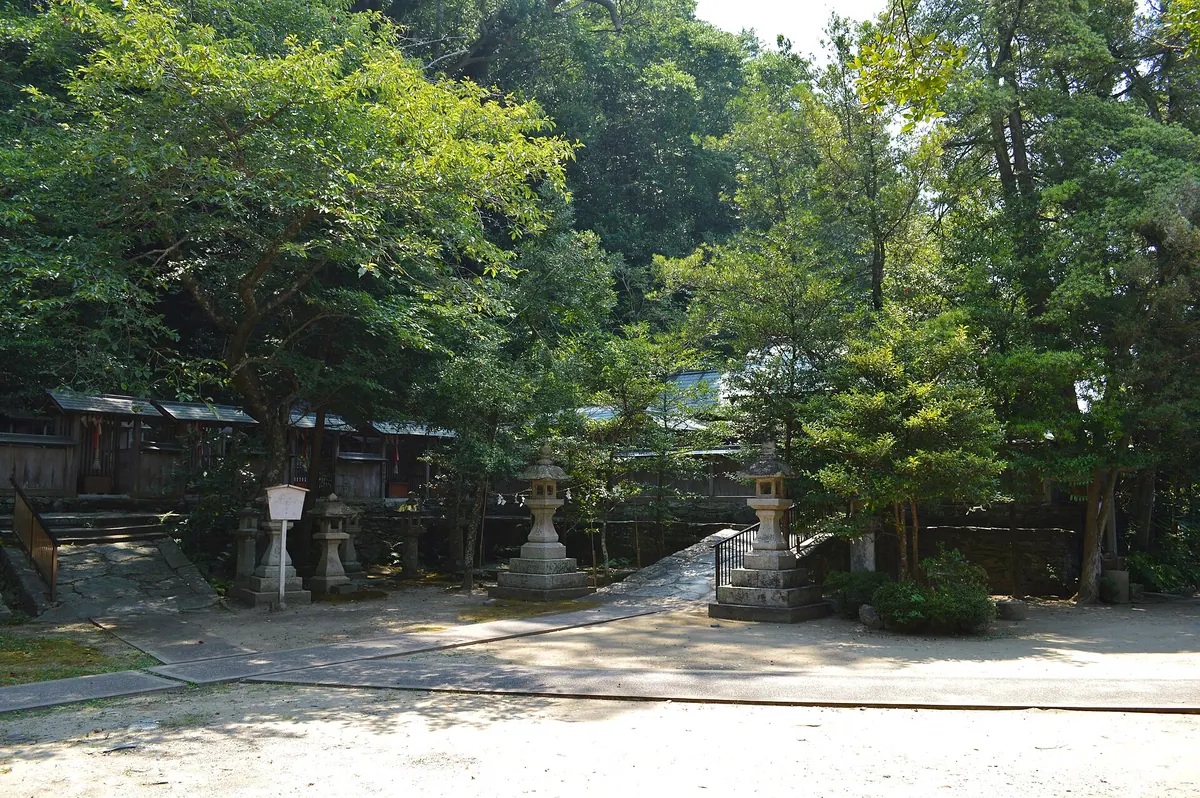
Visit this historic coastal shrine to see unique architecture and ancient deities.
What it is
- A shrine located in Kemi, Wakayama City.
- Formerly a village shrine and auxiliary shrine of Hinokuma Kunikakasu Jingu.
- Believed to be one of the Moto-Ise, Nagusa Hamanomiya.
- Rebuilt after 1619, remodeled during the Kyoho era.
What to see
- The main hall, consisting of two shrines.
- Shrine buildings remodeled in the style of Ise Jingu.
- The first shrine enshrines Amaterasu Sumeru Okami.
- The second shrine enshrines Amakakasu Okami and Kunikakasu Okami.
- Located on the coast, formerly Nagusa no Hama.
When to go
- Annual festival is held on April 16.
- Address
- 和歌山県和歌山市毛見1303 Map
08
Susa Shrine
WAKAYAMA · SHRINE 須佐神社 (田辺市)
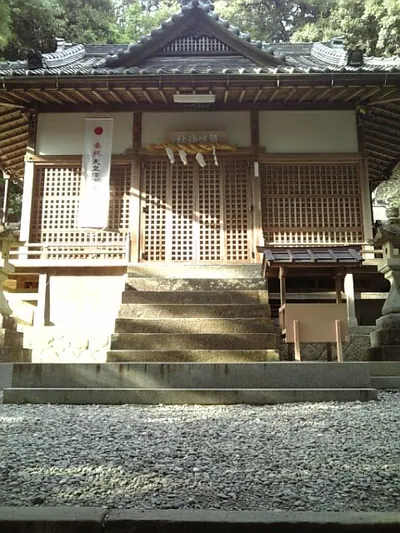
Susa Shrine is a historic site dedicated to Susanoo-no-Mikoto, offering cultural insights and scenic views.
What it is
- Dedicated to the deity Susanoo-no-Mikoto.
- Also enshrines Inadahime-no-Mikoto and other deities.
- Formerly served as a village shrine.
- Spared from war by Toyotomi Hideyoshi in 1587.
What to see
- Current shrine stands in front of Tenno Pond.
- Iwakura rock formation on Mt. Iwafune summit.
- Several auxiliary shrines on the grounds.
- Part of the "Southern Mandala Landscape" scenic spot.
When to go
- Summer festival is held on July 7th.
- Niiname-sai festival takes place on November 23rd.
- Maro Lion Dance is an intangible folk cultural property.
- Address
- 和歌山県田辺市中万呂5 Map
09
Shiide Itsukushima Shrine
WAKAYAMA · SHRINE 椎出厳嶋神社
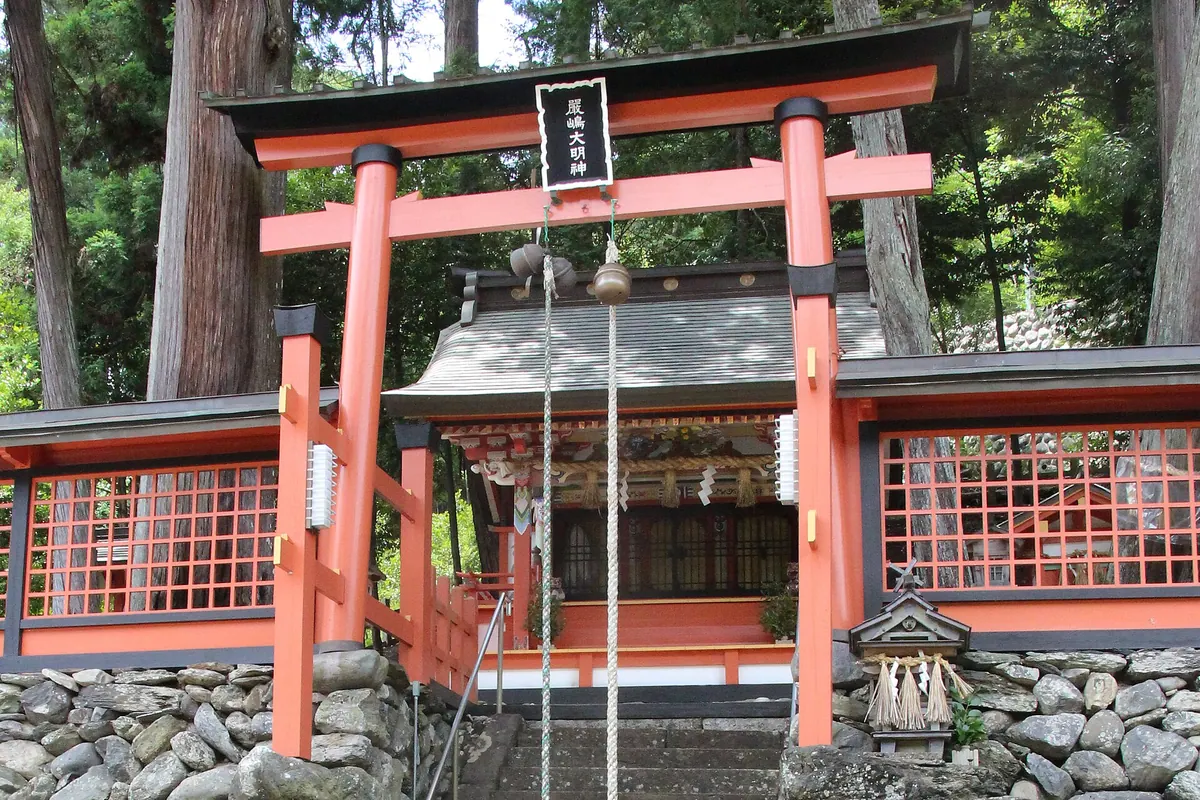
A vermilion shrine in Wakayama known for its vibrant Edo-period demon dance festival.
What it is
- Originally the tutelary deity of Shiide Village.
- Merged with Itsukushima Shrine in Kamikosawa in 1911.
- Known as Benzaiten-sha during the Edo period.
- Famous for the Shiide Oni no Mai dance.
What to see
- Shrine building painted in vivid vermilion.
- Colorful images of elephants, tigers, lions, and rabbits.
- Jizoji Temple is adjacent to the shrine.
When to go
- Oni no Mai festival held annually on August 16th.
- Festival has been held since the Edo period.
Getting there
- 3-minute walk from Koya-Shita Station.
- Address
- 和歌山県伊都郡九度山町椎出3 Map
10
Asuka Shrine
WAKAYAMA · SHRINE 阿須賀神社

This ancient UNESCO World Heritage site on the Kumano Kodo pilgrimage route venerates Mt. Horai.
What it is
- UNESCO World Heritage Site and ancient place of worship.
- One of the most important sites of the Kumano faith.
- Venerates Mt. Horai, a mountain with two millennia of worship.
- Enshrines Chinese scholar Jofuku (Xu Fu).
What to see
- Mt. Horai, a sacred mountain.
- Over 190 kakebotoke (hanging tablets) in the museum.
- Kakebotoke date to Yayoi and Kofun periods.
- Shrine and mountain are on the Kumano Kodo pilgrimage route.
Getting there
- Located at the foot of Mt. Horai.
- On the banks of the Kumano River, Wakayama Prefecture.
11
Hinokuma Jingū
WAKAYAMA · SHRINE 日前神宮・國懸神宮
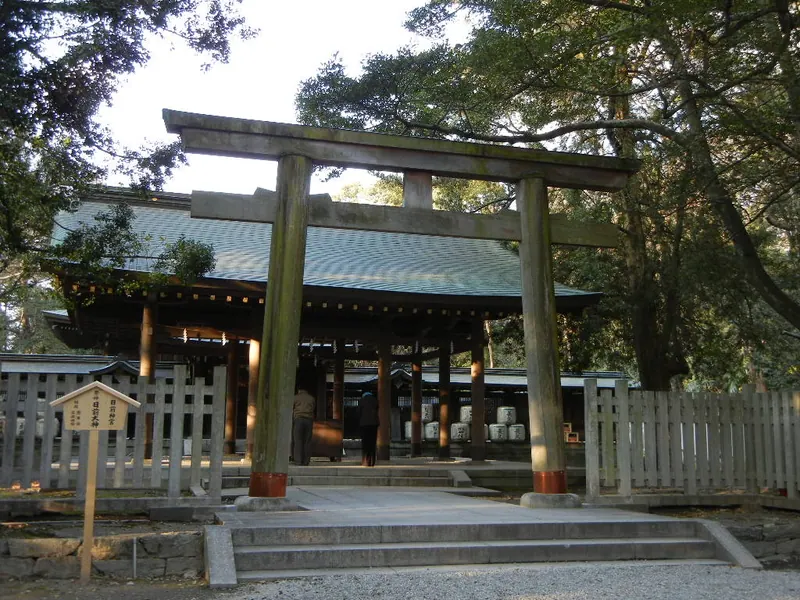
Visit Nichizengu, two ancient shrines side-by-side, for a glimpse into Japan's spiritual heritage.
What it is
- Two shrines, Hinokuma Jingu and Kunikakasu Jingu, side-by-side.
- Collectively known as Nichizengu or Nagusamiya.
- Both are ancient Shikinaisha and Ichinomiya of Kii Province.
- Hinokuma Okami and Kunikakasu Okami are the main deities.
What to see
- Hinokuma Jingu is on the left from the entrance.
- Kunikakasu Jingu is on the right from the entrance.
- See Higata no Kagami, the divine body of Hinokuma Okami.
- See Hiboko no Kagami, the divine body of Kunikakasu Okami.
- Shrine buildings restored by Tokugawa Yorinobu in the Edo period.
- Address
- 和歌山県和歌山市秋月365 Map
- Official site
- hinokuma-jingu.com
12
Suga Shrine
WAKAYAMA · SHRINE 須賀神社
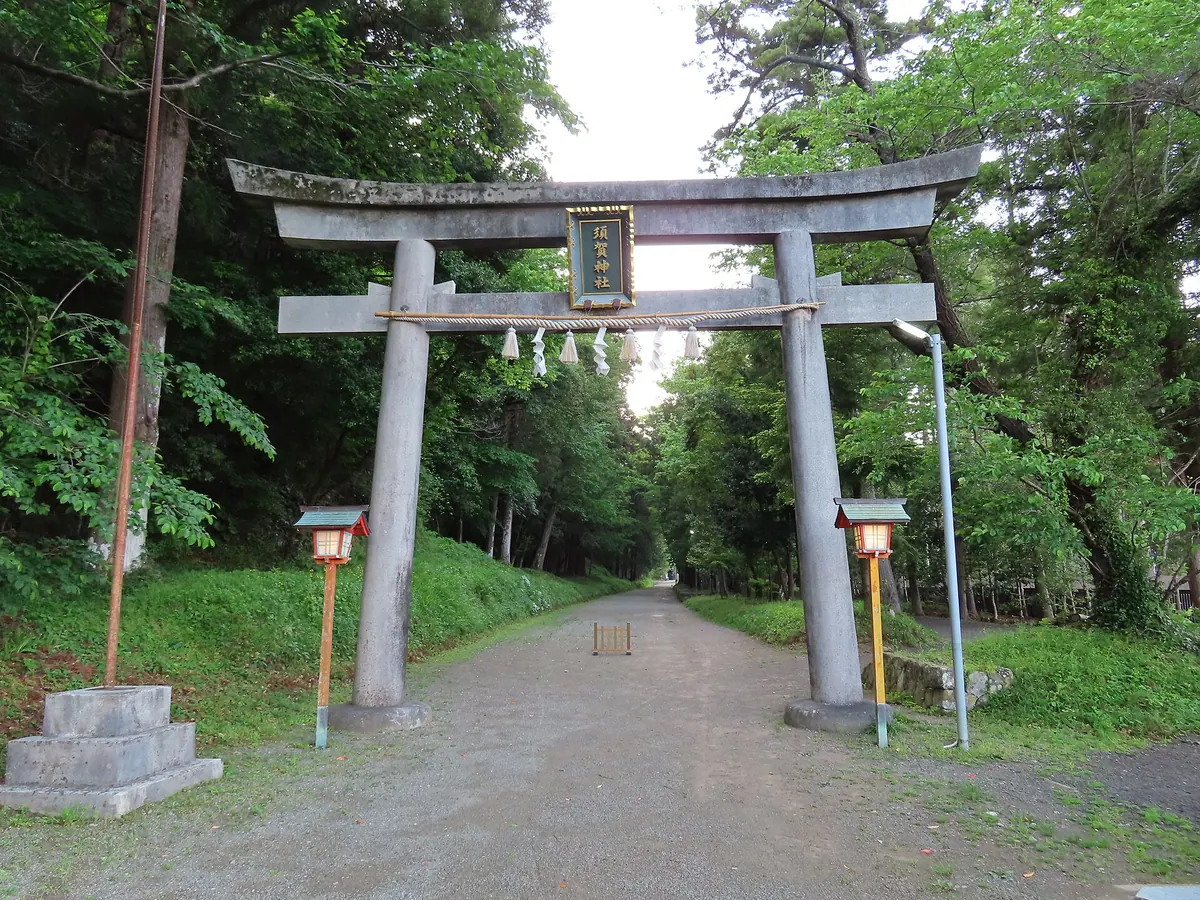
Suga Shrine is a historic shrine in Wakayama, known for its vibrant autumn horse festival.
What it is
- Dedicated to Susanoo-no-Mikoto and other deities.
- Originally named Gion Goryo-gu.
- Served as the guardian shrine of Nanbu-sho.
- Renamed Suga Shrine in 1868.
What to see
- Main shrine building is a Tangible Cultural Property.
- Current shrine buildings date from the mid-Edo period.
When to go
- Autumn festival on October 8th and 9th.
- Festival includes horse racing and Yabusame.
- Autumn festival is a cultural property.
Getting there
- About 10 minutes by car from Minabe IC.
- Address
- 和歌山県日高郡みなべ町西本庄242 Map
13
Fujishiro Ōji Shrine
WAKAYAMA · SHRINE 藤白神社
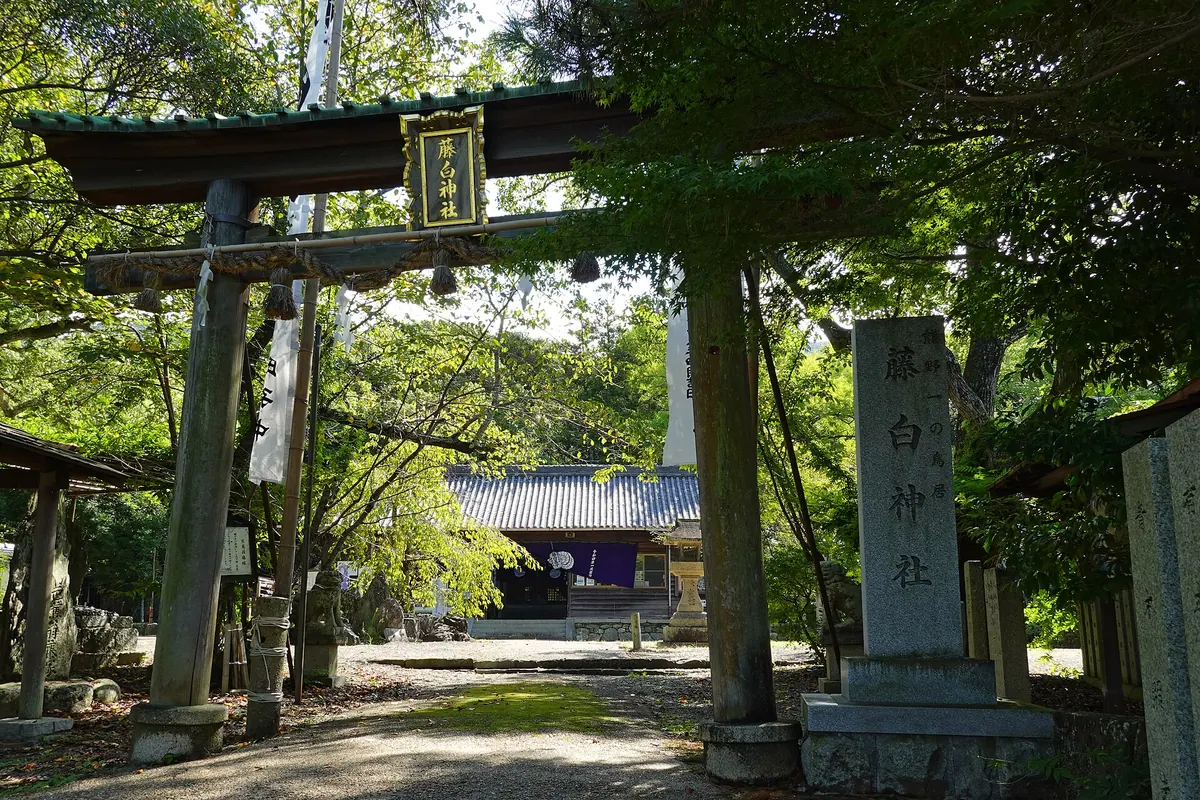
Visit this historic shrine, a national site and birthplace of the Suzuki surname.
What it is
- One of five special Ōji shrines.
- Main deity is Nigihayahi-no-Mikoto.
- Birthplace of the Suzuki surname.
- Shrine grounds and Suzuki Residence are a national historic site.
What to see
- Main hall is a Prefectural Tangible Cultural Property.
- Pond-stroll garden from the late Muromachi period.
- Three wooden seated statues are Prefectural Cultural Properties.
- Suzuki Residence restoration completed in March 2023.
When to go
- Fujishiro Lion Dance is a Prefectural Intangible Folk Cultural Property.
- Address
- 和歌山県海南市藤白466 Map
- Official site
- fujishiro-jinja.net
14
Yanomiya Shrine
WAKAYAMA · SHRINE 矢宮神社
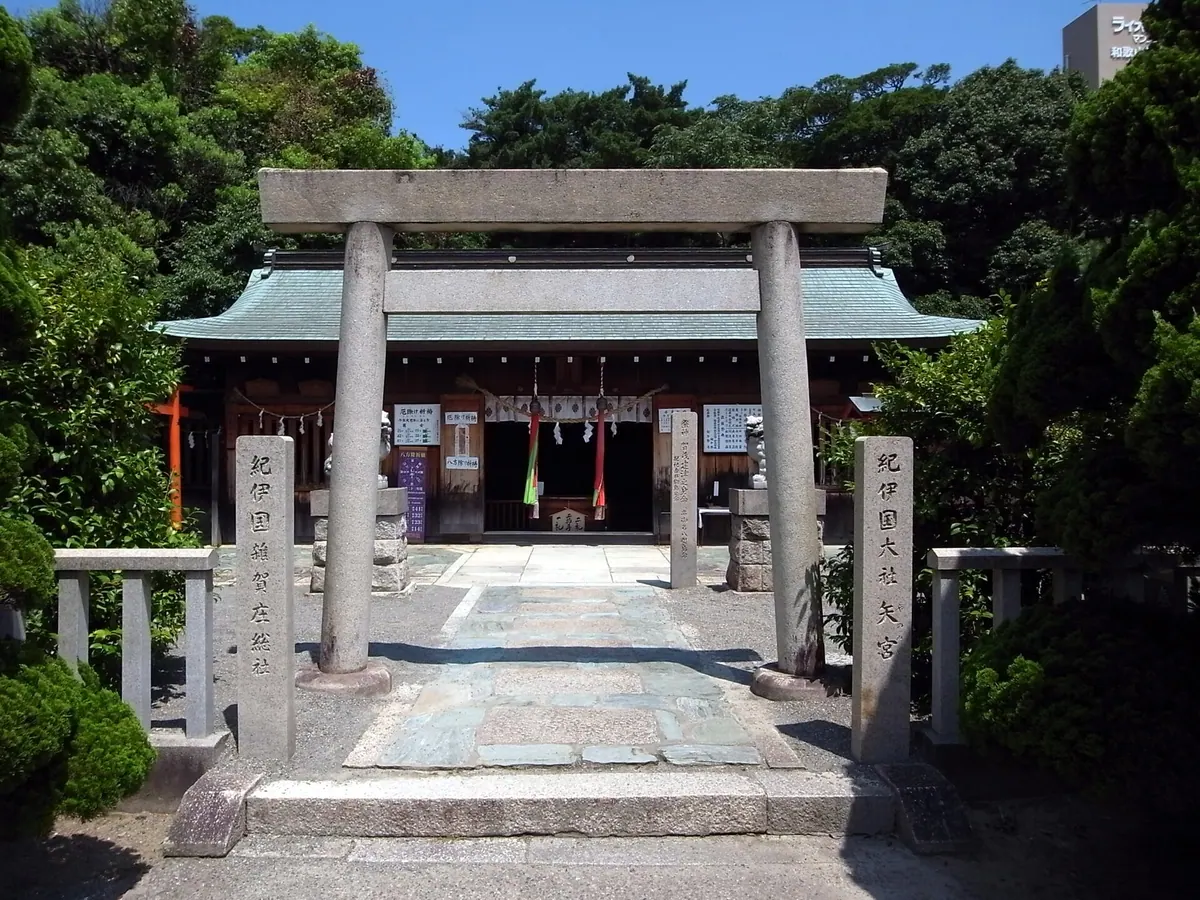
Yanomiya Shrine: an ancient shrine in Wakayama, rebuilt by Tokugawa, with a rich history.
What it is
- Shrine dedicated to Kamotaketsunomikoto, also Yatagarasunomikoto.
- Founded during the reign of Empress Suiko.
- Rebuilt in 1637 by Tokugawa Yorinobu.
- Revered by Kishu domain lords until the Meiji Restoration.
What to see
- The main shrine building.
- An Inari Shrine on the grounds.
- A Konpira Shrine on the grounds.
When to go
- Main festival is held on October 13th.
Getting there
- Wakayama Bus from Nankai Wakayamashi Station.
- Wakayama Bus from JR Wakayama Station.
- Address
- 和歌山県和歌山市関戸1丁目5-27 Map
15
Shinoda Shrine
WAKAYAMA · SHRINE 信太神社
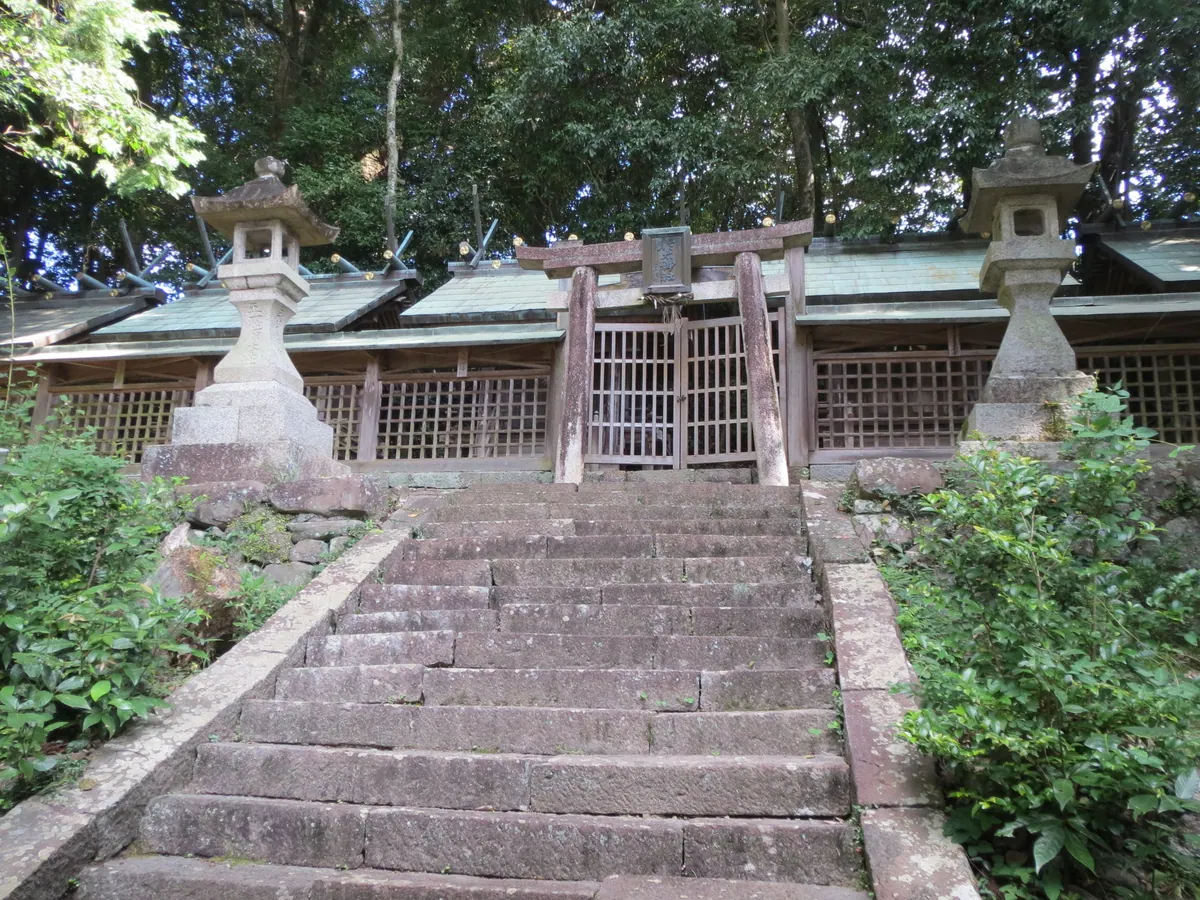
Shinoda Shrine offers a glimpse into ancient Japanese worship and a remarkable natural monument.
What it is
- A shrine in Hashimoto City, Wakayama Prefecture.
- Renovated in 979.
- Dedicated to Amaterasu, Ninigi, Nigihayahi, Emperor Jimmu, and Iwanagahime.
- Known for mole suppression.
What to see
- A camphor tree, a designated natural monument.
- The camphor tree is approximately 25 meters tall.
- The camphor tree has a trunk circumference of about 7 meters.
- The camphor tree is an estimated 400 years old.
- The main hall is a wooden copper-plated roof structure.
- The shrine office is a wooden tiled-roof building.
- Address
- 和歌山県橋本市高野口町九重283番地 Map
16
Niusakadono Shrine
WAKAYAMA · SHRINE 丹生酒殿神社

This shrine, dedicated to Koyasan's guardian goddess, is notable for its ancient sake offering tradition.
What it is
- Quiet building enshrining Niutsuhime, guardian goddess of Koyasan.
- Mountain behind is where goddess first descended to earth.
- Believed to be one of the first shrines to offer sake to gods.
- Established in its current iteration in 1873.
What to see
- Towering ginkgo tree, over 800 years old.
When to go
- Fall, when ginkgo tree drops yellow leaves.
Getting there
- 25-minute walk from Myoji Station.
- Starting point of Mitanizaka Trail to Niutsuhime Shrine.
- Address
- 和歌山県伊都郡かつらぎ町三谷631番地 Map
17
Susa Shrine
WAKAYAMA · SHRINE 須佐神社 (有田市)
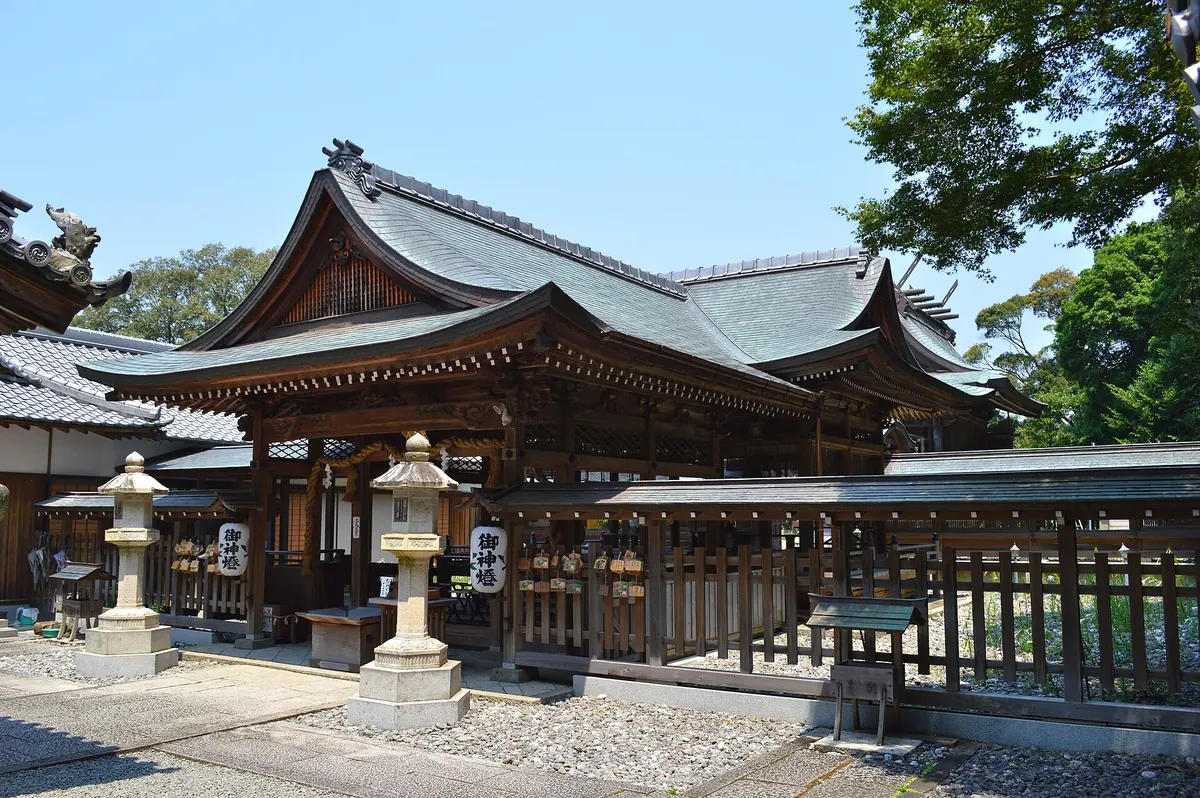
Susa Shrine is an ancient shrine in Wakayama, home to important cultural properties and a unique divination ritual.
What it is
- An ancient Shikinaisha shrine in Wakayama Prefecture.
- Dedicated to the deity Susanoo-no-Mikoto.
- First mentioned in historical literature in 806.
What to see
- Main hall is a copper-plated Ichi-kensha Sumikiiri Kasuga-zukuri style.
- Main hall is an Arida City designated cultural property.
- A tachi sword is a National Important Cultural Property.
- Another tachi sword is an Arida City designated cultural property.
When to go
- January 15 for the rice porridge divination ritual.
- Address
- 和歌山県有田市千田1641 Map
18
Kokawa Ubusuna Shrine
WAKAYAMA · SHRINE 粉河産土神社
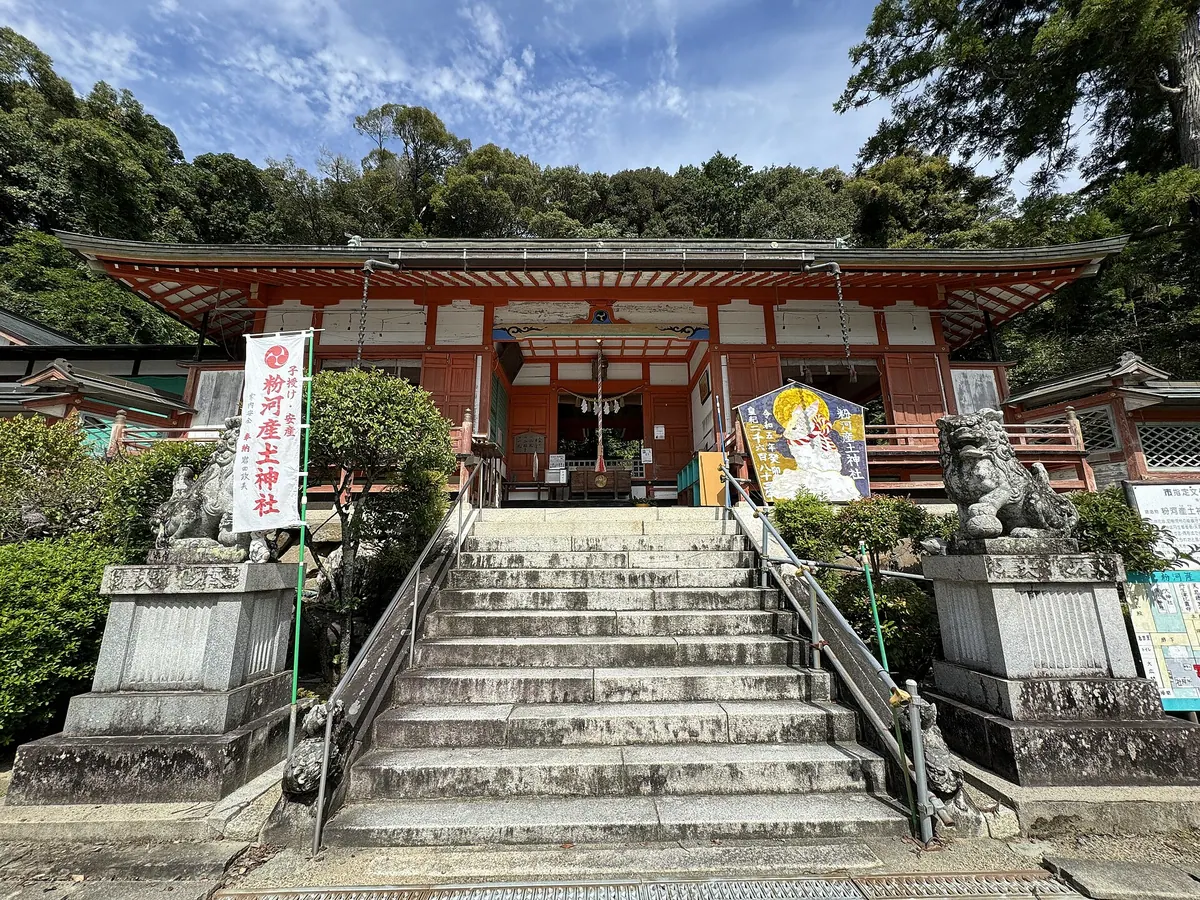
Ancient shrine dedicated to a unique deity, with historic buildings and a famous festival.
What it is
- Shrine founded in 783 by Otomo Funanushi.
- Also known as Tanomoshi-no-Miya.
- Main deity is Niu-tsuhime-no-Mikoto.
- Located within Kokawa-dera Temple grounds.
What to see
- First Main Hall is a designated cultural property.
- Second Main Hall is a designated cultural property.
- Tenpuku Shrine is a designated cultural property.
When to go
- Kokawa Festival is one of Kishu's three major festivals.
- Festival procession is a designated intangible folk cultural property.
- Address
- 和歌山県紀の川市粉河2788 Map
19
Ogura Shrine
WAKAYAMA · SHRINE 小倉神社 (和歌山市)

A historic shrine in Wakayama City dedicated to Izanagi no Mikoto and other deities, formerly known as Zao Gongen.
What it is
- A general shrine for the former Ogura district located on Mount Kikko.
- The main enshrined deity is Izanagi no Mikoto alongside four other major deities.
- Sakanoue no Tamuramaro invited the deity to this site from Kinpu Shrine.
- Renamed to Ogura Shrine in 1909 after being known as Zao Gongen and Akira Shrine.
What to see
- The shrine grounds situated on the site also known as Mount Kikko.
- Enshrined figures including Izanami no Mikoto, Isotakeru no Mikoto, and Hiruko no Mikoto.
20
Kirime Ōji Shrine
WAKAYAMA · SHRINE 切目王子
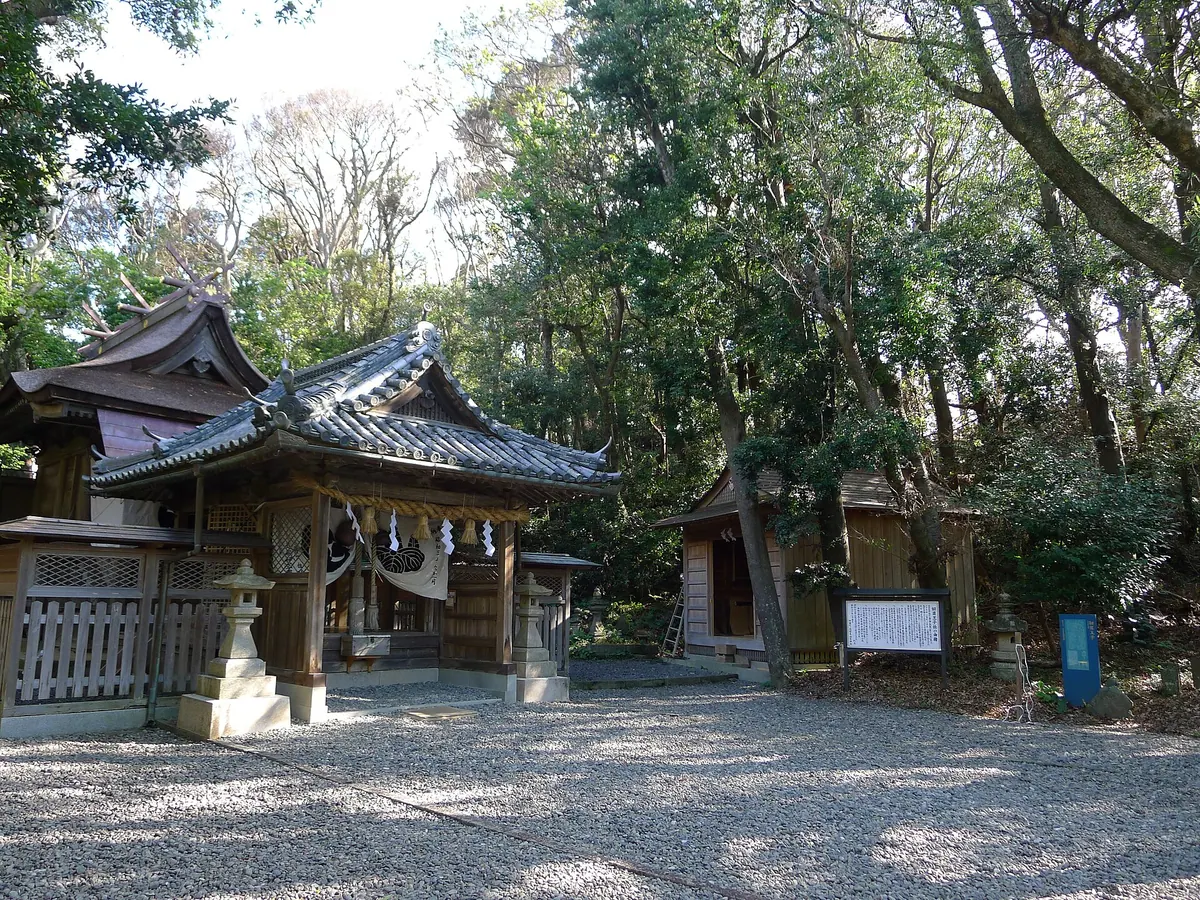
Kirime Ōji Shrine is a historic Kumano pilgrimage site with a unique sacred tree.
What it is
- A shrine in Inami Town, Wakayama Prefecture.
- One of the Kumano Sanjūrokubu Ōji pilgrimage sites.
- Dedicated to the Eleven-faced Kannon deity.
- Designated a National Historic Site in 2022.
What to see
- The current worship hall, rebuilt in 1908.
- The sacred Nagi tree.
- A giant, 16-meter-tall Horutonoki tree.
- The Horutonoki tree is approximately 300 years old.
Getting there
- 15-minute walk from Kirime Station.
- Kirime Station is on the JR Kisei Main Line.
- Address
- 和歌山県日高郡印南町西ノ地328 Map