
Shōsei Garden
渉成園
This garden, designed by Ishikawa Jozan, offers carefully composed views and diverse plant and animal life.
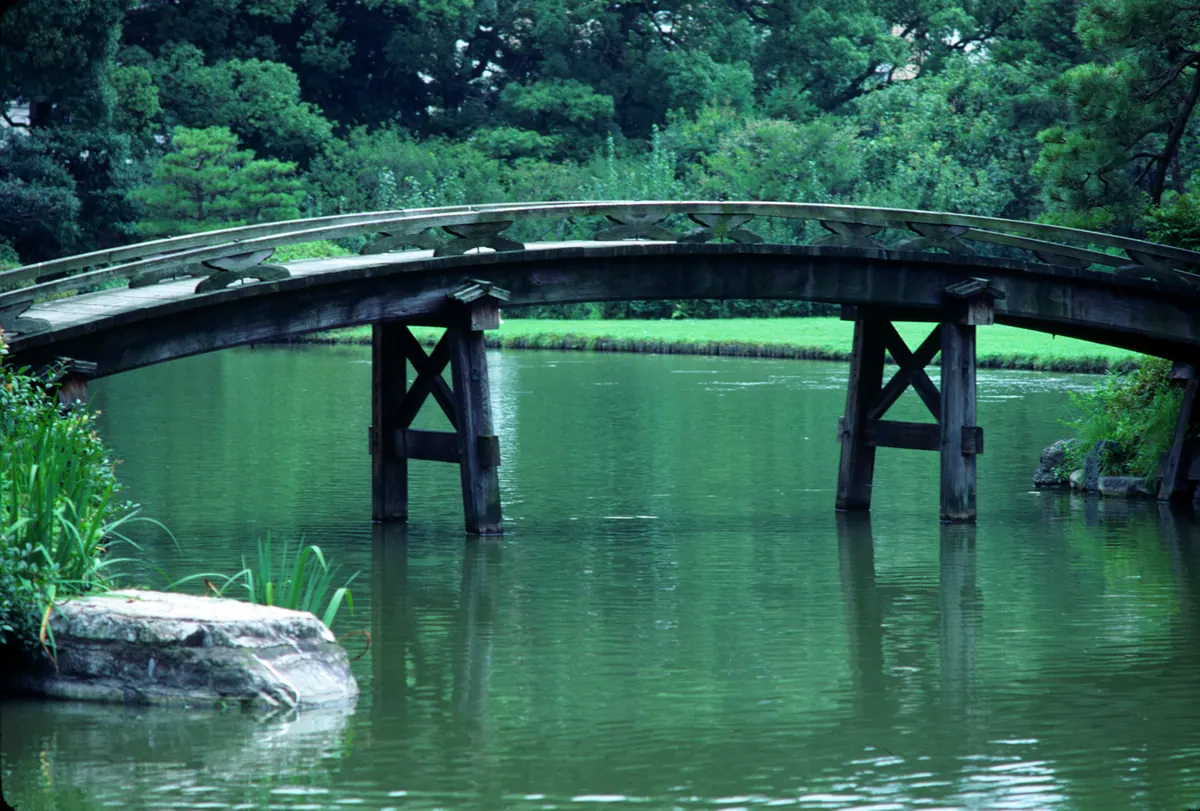
What it is
- Retirement residence for head priests of Higashi Honganji Temple.
- Constructed in mid-seventeenth century on donated land.
- Designed by classical scholar Ishikawa Jozan.
What to see
- Eight-acre grounds centered on a pond.
- Carefully composed views from walking paths.
- Views incorporate elements beyond the walls.
- Former residential quarters, teahouses, and reception facilities.
- Habitat for birds, butterflies, and dragonflies.
- Rare plants like mizuaoi, a water hyacinth.
When to go
- Mizuaoi flowers bloom in autumn.
In detail
Shoseien Garden traditionally served as a retirement residence for head priests of Higashi Honganji Temple, to which the garden belongs. The estate was originally constructed in the mid-seventeenth century on land donated to the temple by shogun Tokugawa Iemitsu (1604–1651). It was designed by the classical scholar, poet, and calligrapher Ishikawa Jozan (1583–1672), whose name for the garden comes from a work by the Chinese poet Tao Yuanming (365–427).
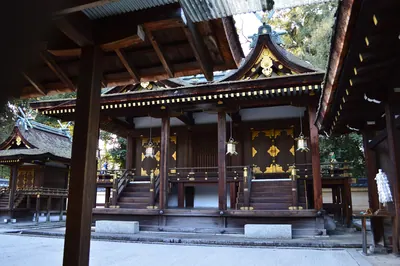
The eight-acre grounds center on a pond and feature a number of carefully composed views. Some of the views incorporate elements of the landscape beyond the walls and can be enjoyed from the walking paths that crisscross the garden. In addition to the former residential quarters, the buildings in the garden include teahouses and reception facilities. Serving as a venue for entertaining guests visiting Higashi Honganji is a traditional function of Shoseien that continues today.
The garden has been destroyed by fire several times over the centuries, most recently in 1864. Its current configuration and most of the buildings are the result of rebuilding completed in the 1890s. Shoseien was designated a Place of Scenic Beauty by the Japanese government in 1936, and has more recently been noted for its diversity of plant and animal life. The grounds provide a habitat for several species of birds, butterflies, and dragonflies, as well as rare plants such as mizuaoi (Monochoria korsakowii), a type of water hyacinth with bluish-purple flowers that bloom in autumn.
Text: 観光庁 地域観光資源の多言語解説文データベース. Reproduced unchanged. The notes above were written from that text by Japan Gems.
Where it is
Shōsei Garden Open in Google Maps
この施設の関係者の方へ
このページは公開情報をもとに Japan Gems が作成し、訪日外国人向けに英語で掲載しています。 写真や情報の追加・修正を承っています。お店の写真に差し替えることもできます。
このページの情報を更新する