
Yōgen-in Temple
養源院
Yogen'in is a Buddhist temple with important art and a unique heritage as a memorial to fallen samurai.
What it is
- Buddhist temple founded in 1594.
- Memorial to fallen samurai.
- Repository of important early Edo period art.
What to see
- Bloodstained floorboards from a castle.
- Panel paintings by Tawaraya Sotatsu.
- Paintings of guardian lions by Kano Sanraku.
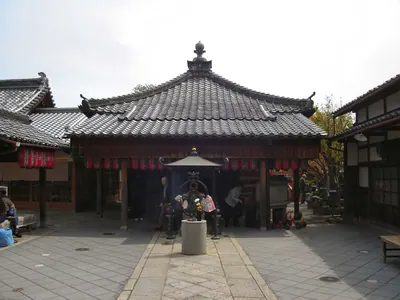
- Main Hall, Gomado Hall, inner gate, Bell Hall.
- Cherry and maple trees on the grounds.
In detail
Overview and History
Yogen’in is a Buddhist temple. Established in 1594, it has a unique heritage as both a memorial to fallen samurai and a repository of important art from the early Edo period (1603–1867).
Yogen’in is associated with several figures who played major roles in Japanese history in the late sixteenth century, a time when warlords vied for dominance. Yododono (1567–1615), the second wife of warlord and national unifier Toyotomi Hideyoshi (1537–1598), founded the temple as a memorial to her father, the samurai Azai Nagamasa (1545–1573). “Yogen’in” is Azai’s posthumous Buddhist name.
In 1619, the temple was destroyed by fire, but Yododono’s younger sister Oeyo (1573–1626) had it rebuilt two years later. Oeyo married the second Tokugawa shogun, Tokugawa Hidetada (1579–1632), and decided to commemorate the deaths of certain renowned Tokugawa loyalists by enshrining bloodstained floorboards from the castle where they perished as objects of worship at Yogen’in.
Yogen’in is renowned for its beautiful works of art. These include panel paintings by Tawaraya Sotatsu (c. 1570–1640), co-founder of the Rinpa school, which feature fanciful elephants and mythical beasts. The temple’s Main Hall contains works by Kano Sanraku (1559–1635) depicting guardian lions (shishi) rendered in vivid colors and dynamic poses against a background of gold leaf.
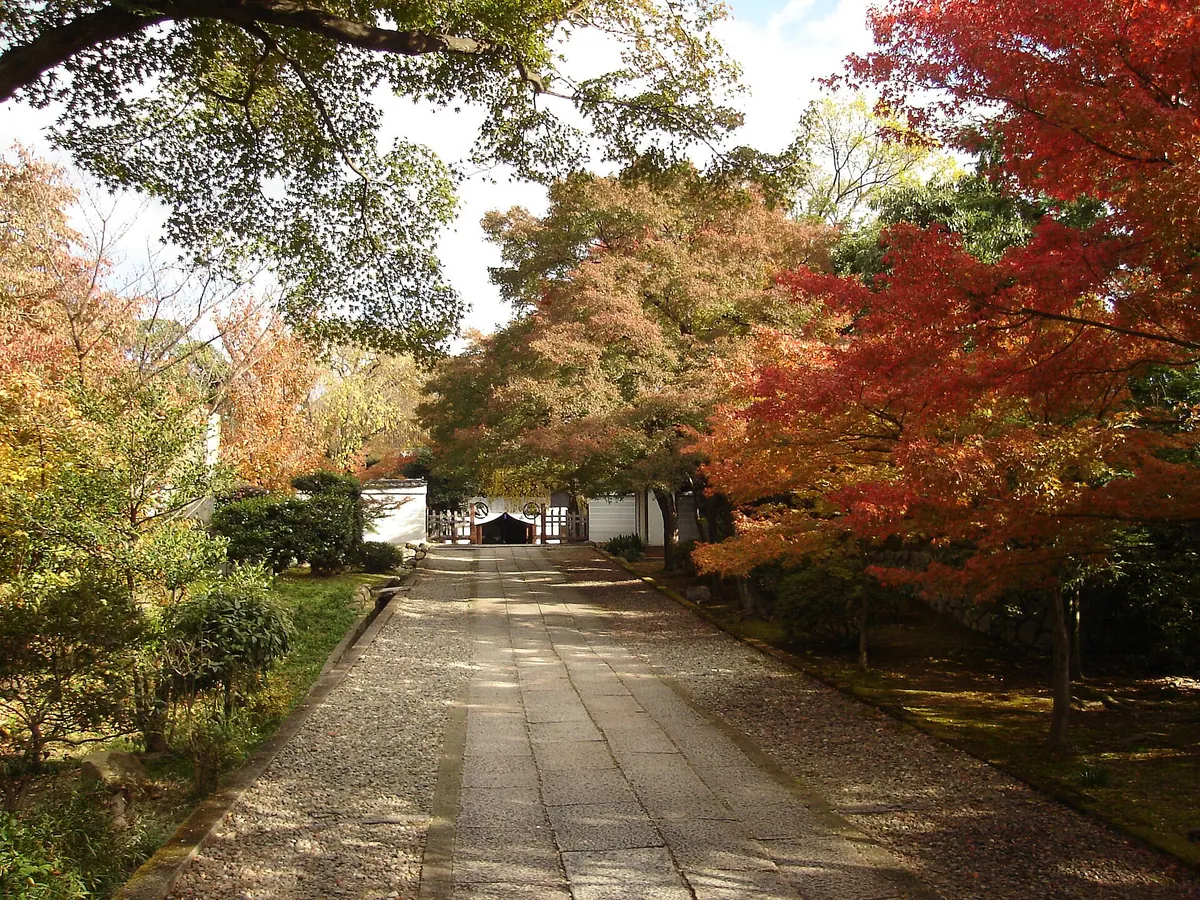
The temple’s Main Hall, Gomado Hall, inner gate, and Bell Hall are designated Important Cultural Properties. The grounds are a compact oasis of natural beauty with seasonal interest from plantings such as cherry and maple trees.
Text: 観光庁 地域観光資源の多言語解説文データベース. Reproduced unchanged. The notes above were written from that text by Japan Gems.
Where it is
京都府京都市東山区三十三間堂廻り町656 Open in Google Maps
この施設の関係者の方へ
このページは公開情報をもとに Japan Gems が作成し、訪日外国人向けに英語で掲載しています。 写真や情報の追加・修正を承っています。お店の写真に差し替えることもできます。
このページの情報を更新する