
Dōmyō-ji
道明寺
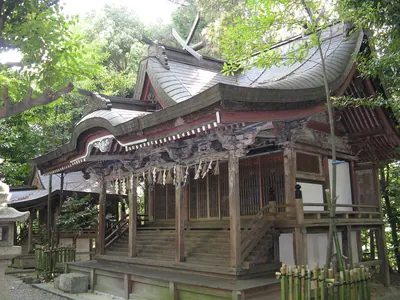
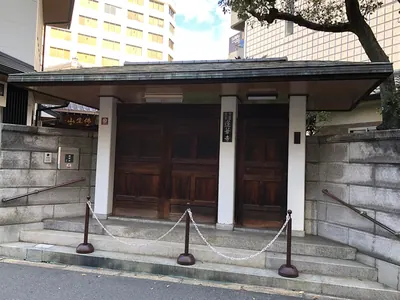
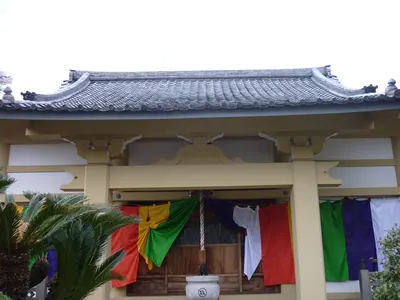
Dōmyō-ji is a Buddhist convent with a rock garden and a thousand-year-old Kannon statue.
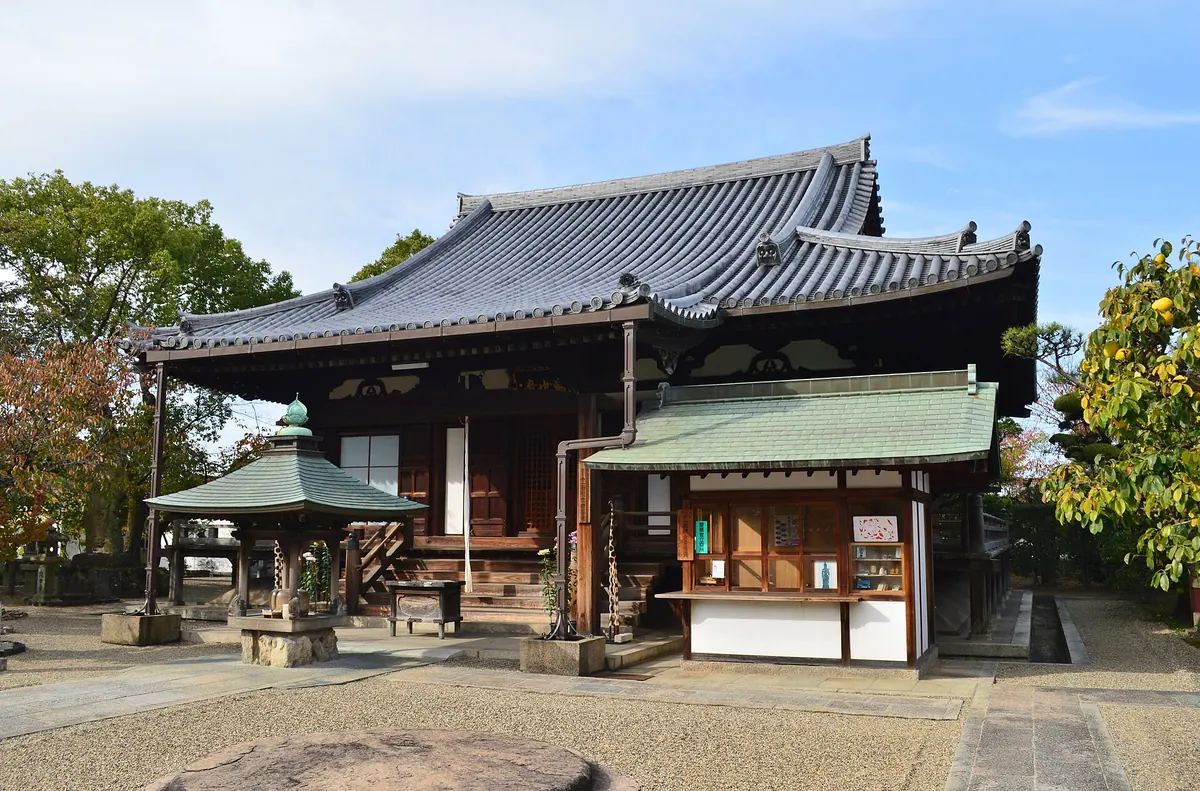
What it is
- One of few Buddhist convents still operating in Japan.
- Dedicated to Kannon, the bodhisattva of compassion.
What to see
- Impeccably tended rock garden.
- Thousand-year-old statue of Kannon.
- Kannon statue carved from a single piece of cypress.
- Kannon depicted atop a lotus blossom with a 10-headed crown.
- Amida Buddha head above Kannon's 10 heads.
When to go
- Kannon statue displayed on the 18th of each month.
- Kannon statue displayed on the 25th of each month.
In detail
Dōmyōji is one of the few Buddhist convents still in operation in Japan. Within its grounds are an impeccably tended rock garden and a thousand-year-old statue of Kannon.
Kannon, the bodhisattva of compassion, is the central object of worship at Dōmyōji. The statue is believed to have been carved by Sugawara no Michizane (845–903), the noted scholar and poet who was later deified as the Shinto kami of learning, Tenjin. The statue is approximately a meter high and carved from a single piece of Japanese cypress. Kannon is depicted atop a lotus blossom and is wearing a crown made of 10 incarnations of Kannon’s head. Each head represents a stage on the bodhisattva’s path. Above the 10 heads of Kannon is the head of Amida Buddha, representing full enlightenment. The statue is displayed to the public on the 18th and 25th of each month.
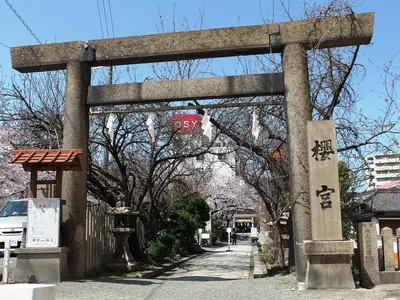
It might seem strange that a man who later became a Shinto deity carved a Buddhist statue. But from the sixth century, when Buddhism was introduced to Japan, to the end of the nineteenth century, Buddhism and Shinto were not seen as distinct religious traditions. Shinto kami were believed to be Buddhist deities and Buddhist deities had Shinto kami avatars. In fact, some of Dōmyōji’s buildings were moved from nearby Dōmyōji Tenmangū Shrine when laws enacted in 1868 forced the Buddhism and Shinto to separate.
Text: 観光庁 地域観光資源の多言語解説文データベース. Reproduced unchanged. The notes above were written from that text by Japan Gems.
Where it is
大阪府藤井寺市道明寺1丁目14-31 Open in Google Maps
この施設の関係者の方へ
このページは公開情報をもとに Japan Gems が作成し、訪日外国人向けに英語で掲載しています。 写真や情報の追加・修正を承っています。お店の写真に差し替えることもできます。
このページの情報を更新する