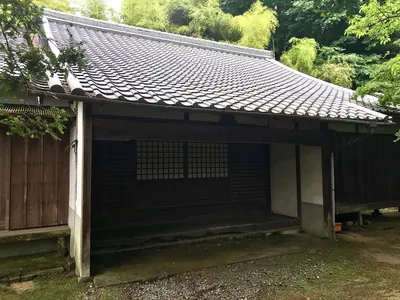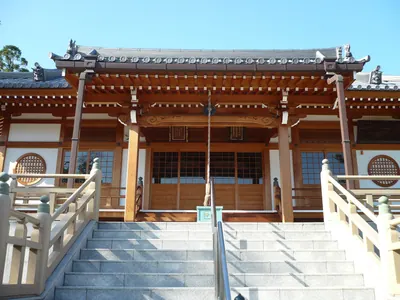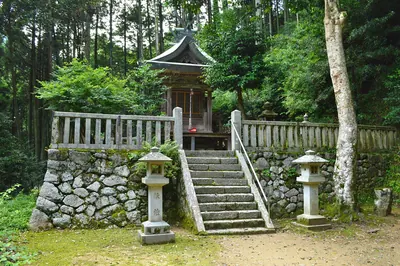

Gangō-ji Temple
元興寺
Gangō-ji Temple houses statues of Kannon, Fudō Myō-ō, and Bishamonten, representing Buddhist teachings and beliefs.
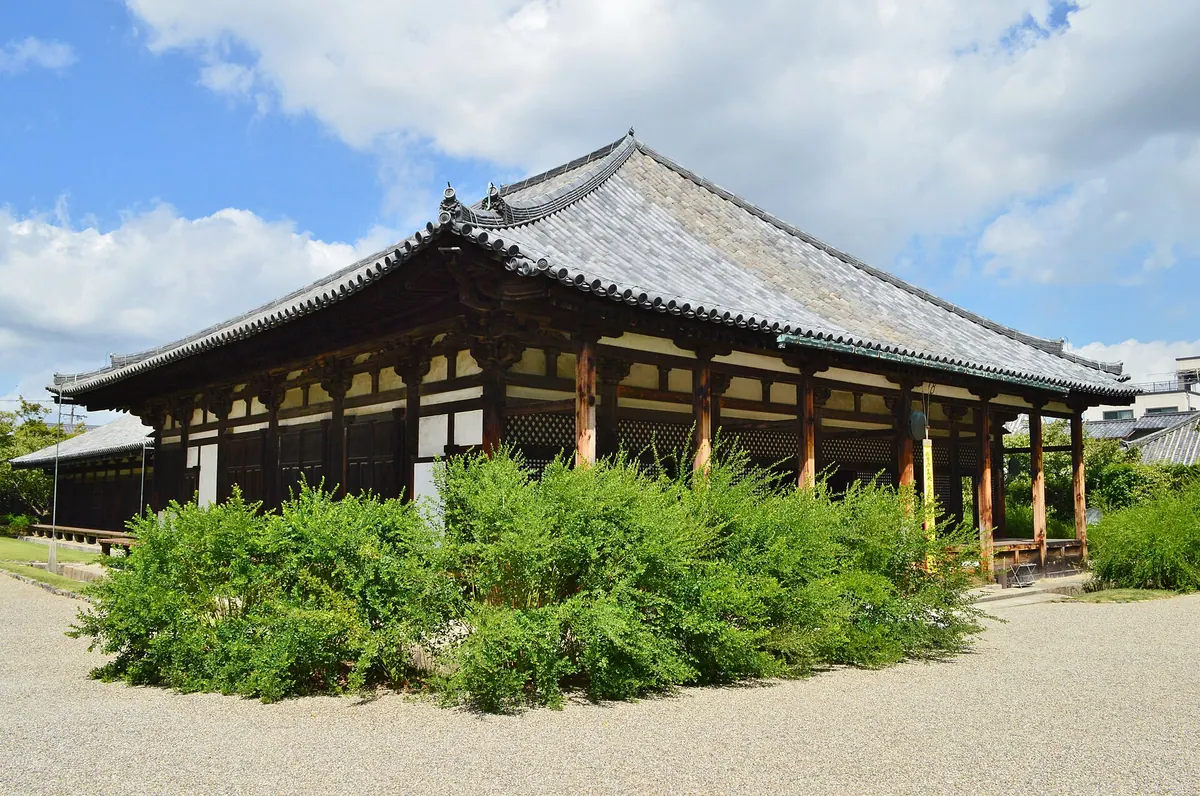
What it is
- Temple with statues of Buddhist deities.
- Dedicated to Kannon, Fudō Myō-ō, and Bishamonten.
What to see
- 14th-century seated statue of Kannon with six arms.
- Kannon holds a dharma wheel, jewel, and lotus bud.
- Early 13th-century statue of Fudō Myō-ō.
- Fudō Myō-ō holds a sword and a rope.
- Early 13th-century statue of Bishamonten.
- Bishamonten is armored and tramples a demonic figure.
In detail
Seated Statue of Kannon with Dharma Wheel and Wish-Fulfilling Jewel (14th century)
This statue depicts a six-armed manifestation of Kannon, the Bodhisattva of Compassion. Kannon holds three items: a dharma wheel, a wish-fulfilling jewel (hōju), and a closed lotus bud. These objects represent the liberating power of Buddhist teaching, Kannon’s vow to save all sentient beings from suffering, and each being’s potential to escape the endless cycle of death and rebirth. Worship of Kannon is connected to worship of the sixth-century regent Shōtoku Taishi (572–622), who came to be viewed as a manifestation of Kannon after his death. Although the statue ostensibly depicts Kannon, it is believed to represent Shōtoku Taishi.
Statue of Fudō Myō-ō (early 13th century)
This statue depicts Fudō Myō-ō, one of the Five Wisdom Kings (myō-ō). Fudō Myō-ō is considered an emanation of Dainichi, the Cosmic Buddha, who is central to Esoteric Buddhism. Fudō Myō-ō is a wrathful deity, often depicted surrounded by fire and seated or standing on a rock to express his unyielding (fudō) nature. He holds a sword to cut through ignorance and a rope to bind those who are driven by worldly desires.
Statue of Bishamonten (early 13th century)
This statue depicts Bishamonten (also known as Tamonten), one of the Four Heavenly Kings who guard the four cardinal directions. Bishamonten is guardian of the north. Originally a Hindu deity, Bishamonten has associations with luck and prosperity, but he is most often portrayed clad in armor and trampling an amanojaku, a demonic figure that represents ignorance of the Buddha’s teaching.
Text: 観光庁 地域観光資源の多言語解説文データベース. Reproduced unchanged. The notes above were written from that text by Japan Gems.
Where it is
奈良県奈良市中院町11 Open in Google Maps
この施設の関係者の方へ
このページは公開情報をもとに Japan Gems が作成し、訪日外国人向けに英語で掲載しています。 写真や情報の追加・修正を承っています。お店の写真に差し替えることもできます。
このページの情報を更新する