
Harunotsuji Site
原の辻遺跡
Harunotsuji was an ancient trading capital, strategically located, with reconstructed buildings and artifacts to see.
What it is
- Capital of the kingdom of Iki, 200 BCE to 350 CE.
- A mercantile hub for trade with Korea, China, and Japan.
What to see
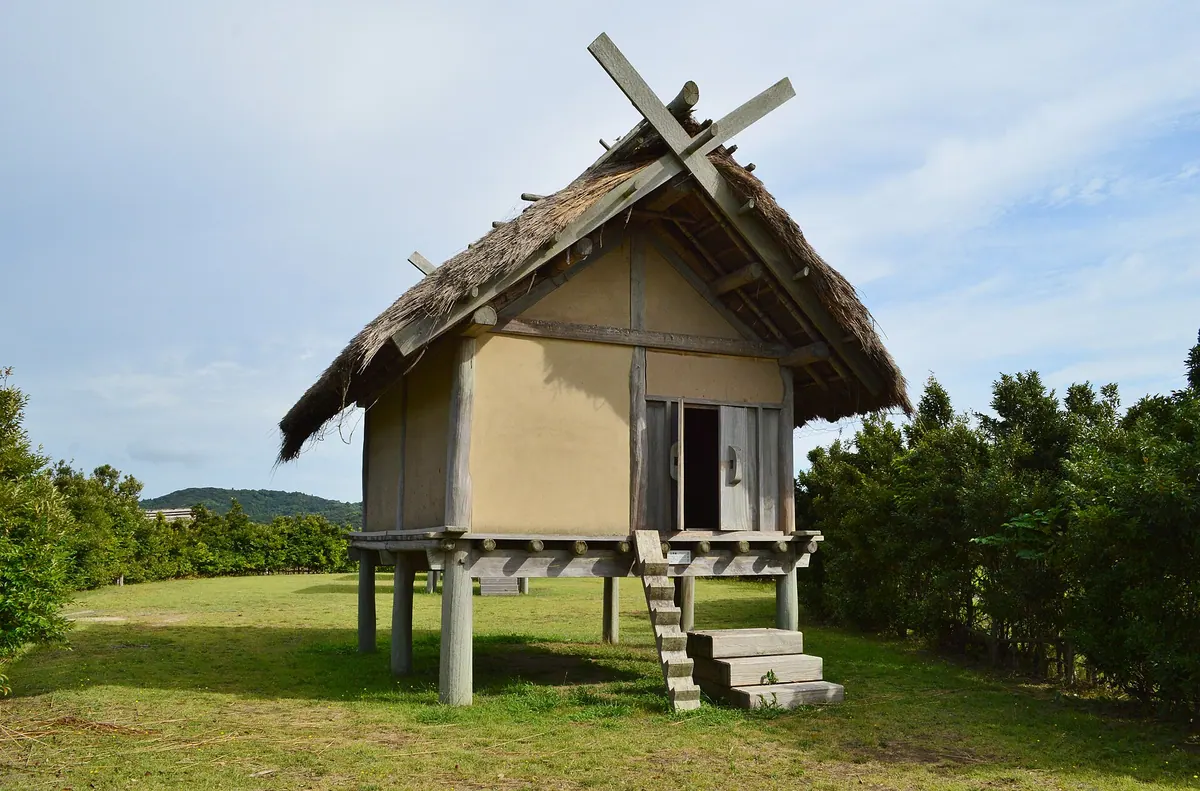
- Reconstructed buildings from the 1st to 3rd centuries.
- Foundations of 300 structures.
- Two or three moats that encircled the town.
- Dwellings built in shallow pits.
- Elevated storehouses and watchtowers.
- A temple complex at the highest point.
In detail
Harunotsuji was the capital of the kingdom of Iki from around 200 BCE to 350 CE. The settlement flourished as a mercantile hub where the people of Iki traded goods and information with traders and travelers from the Korean Peninsula, China, and mainland Japan.
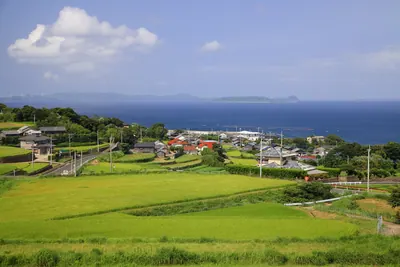
Harunotsuji was built on the largest plain on the island, an inhospitable place battered by strong winds throughout the winter. A large wharf on the Hatahoko River functioned as the gateway to the settlement and was accessible only by small boats that had to travel upstream to their destination from the nearest bay, where larger vessels anchored. These features suggest that the site of the capital was chosen for strategic purposes, and its population of traders and farmers is thought to have been brought in for political reasons.
Visitors approaching Harunotsuji from the wharf would first pass over two—in some places three—moats that encircled the town. They would proceed past dwellings built in shallow pits, elevated storehouses, and watchtowers on their way uphill toward the center of the settlement. The highest point was occupied by a temple complex, where shamans conferred with the deities of the sky to predict the future. The gates to the temple, marking the border between the sacred and secular worlds, were decorated with figurines of birds (tori), considered messengers of the gods. Some theorize that this type of gateway is the origin of the Shinto torii gate.
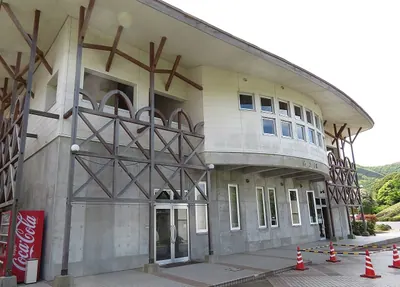
The significance of Harunotsuji is thought to have declined in the mid-fourth century, perhaps as a result of changes in trade routes and the kingdom of Iki being absorbed by forces from mainland Japan. The foundations of some 300 structures have been discovered at the site, and 17 buildings from the first to third centuries have been reconstructed. Artifacts unearthed from the site, including Korean pottery, Chinese coins, a copper weight used in trading, and a stone carved into the shape of a human face, are on display at the adjacent Ikikoku Museum.
Text: 観光庁 地域観光資源の多言語解説文データベース. Reproduced unchanged. The notes above were written from that text by Japan Gems.
Where it is
Harunotsuji Site Open in Google Maps
この施設の関係者の方へ
このページは公開情報をもとに Japan Gems が作成し、訪日外国人向けに英語で掲載しています。 写真や情報の追加・修正を承っています。お店の写真に差し替えることもできます。
このページの情報を更新する