

13 Historic sites in Nagasaki worth your time
Japan Gems
Harunotsuji Site and Senpukuji Cave are among eleven heritage sites in Nagasaki Prefecture. These sites offer a look into the region's past.
Nagasaki has 13 historic sites on Japan Gems. Below are the 13 we can tell you the most about — each one written up in English from Japanese sources, with what to see and how to get there. See all historic sites in Nagasaki.
01
Fukui Cave
NAGASAKI · HISTORIC SITE 福井洞窟
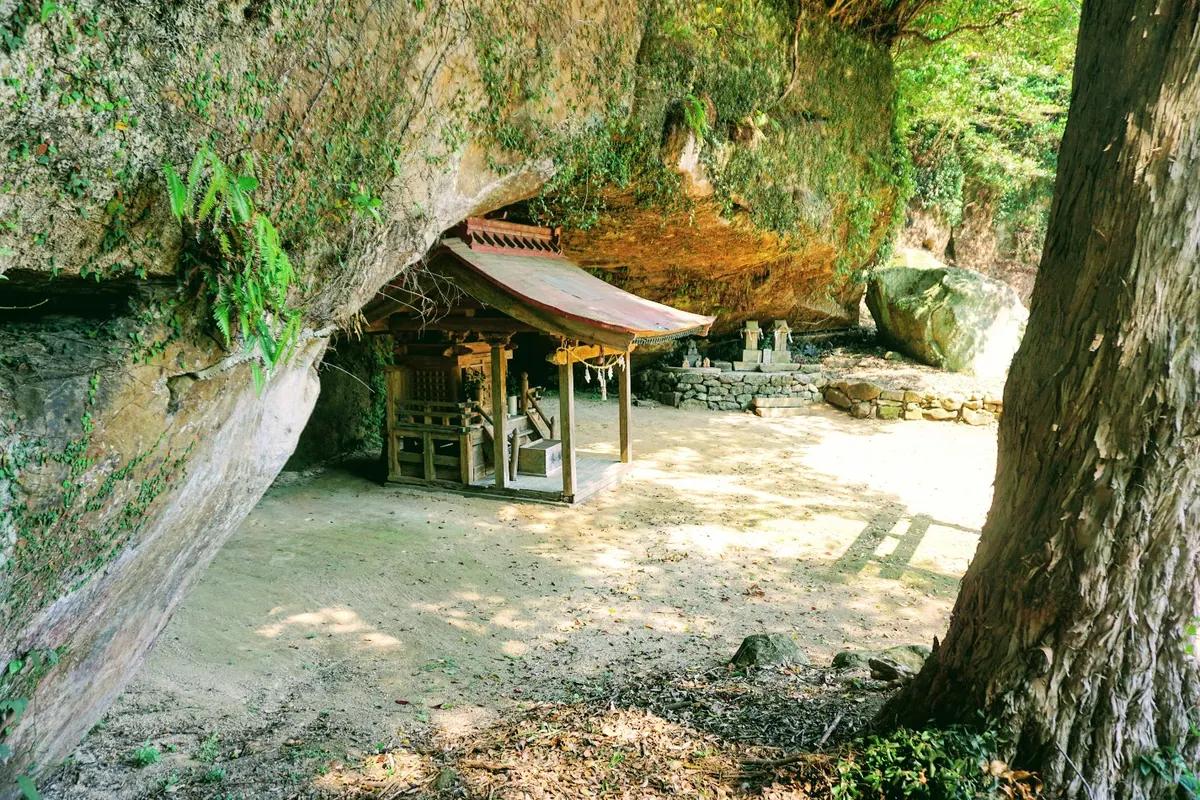
Fukui Cave is a Special National Historic Site with Japan's oldest Paleolithic pottery.
What it is
- A rock shelter site from Late Paleolithic to Incipient Jomon periods.
- First Paleolithic site designated a Special National Historic Site.
- Discovered by local historian Junichi Matsuse.
- Designated a Special National Historic Site on October 11, 2024.
What to see
- The cave is 12 meters wide, 6 meters deep, and 3 meters high.
- It faces west at an altitude of 80 meters.
- Located within the Inari Shrine grounds.
- Seven layers of artifact-bearing strata are present.
- Pottery from layers 2-4 are Japan's oldest Paleolithic pottery.
- Official site
- www.fukuicave.jp
02
Tateyama Air-raid Shelter
NAGASAKI · HISTORIC SITE 立山防空壕
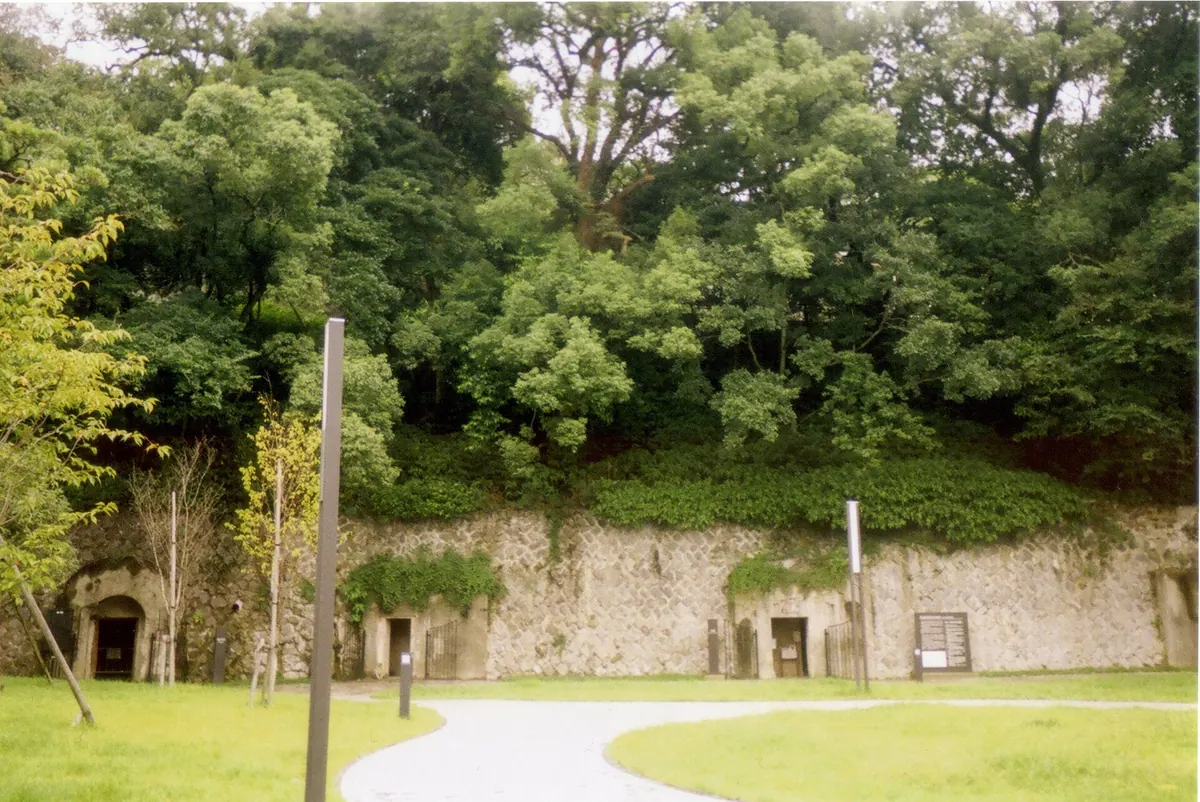
Explore a preserved air-raid shelter that served as Nagasaki's wartime defense headquarters.
What it is
- Air-raid shelter for Nagasaki Prefectural Air Defense Headquarters.
- Governor directed emergency responses from this location.
- Governor reported atomic bomb damage from here.
- Renovated in 2005 for public viewing.
What to see
- View the governor's office and staff rooms.
- See the communication room and messenger room.
- Explanations about the headquarters are displayed.
- Items found inside the shelter are exhibited.
Getting there
- Adjacent to the Nagasaki Museum of History and Culture.
03
Sōroku Kofun
NAGASAKI · HISTORIC SITE 双六古墳
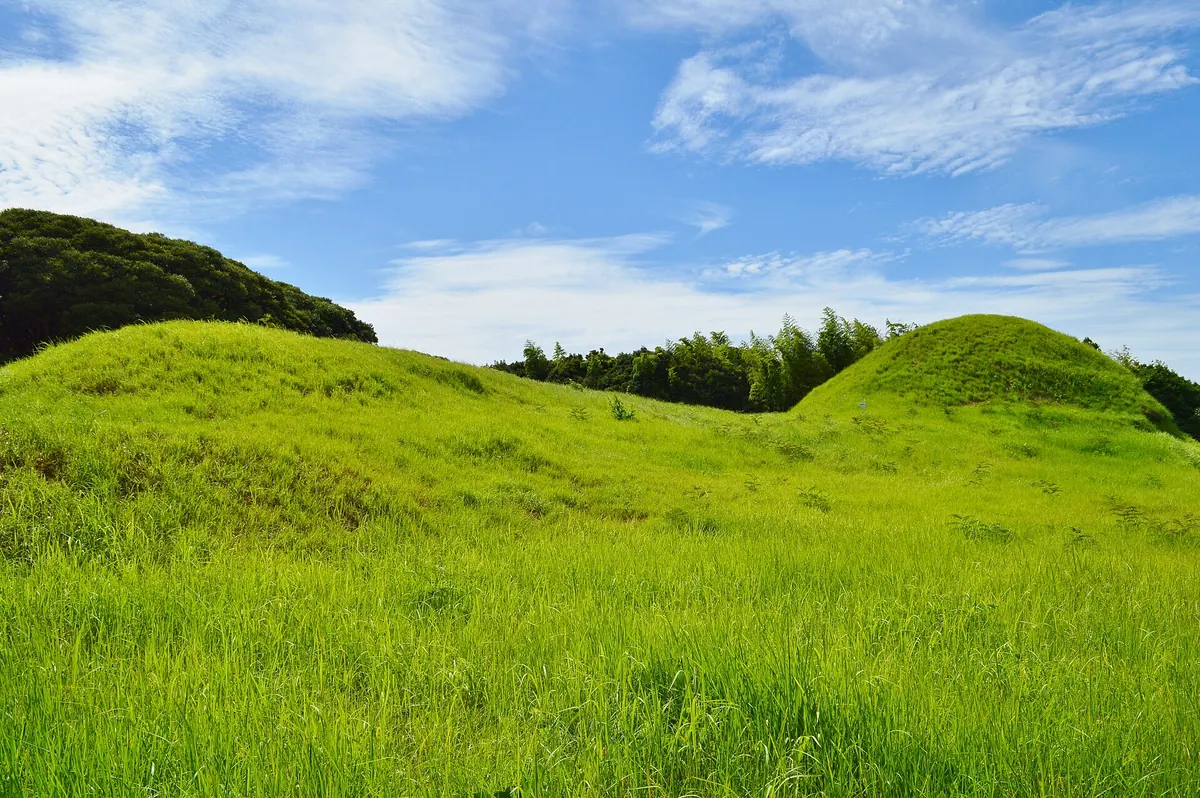
Sōroku Kofun is a keyhole-shaped burial mound, the largest in Nagasaki, with important artifacts.
What it is
- A keyhole-shaped tumulus, part of the Iki Kofun Group.
- Largest kofun in Iki Island and Nagasaki Prefecture.
- Construction estimated around the late 6th century.
- Excavated artifacts are National Important Cultural Properties.
What to see
- The 91-meter long keyhole-shaped tumulus.
- Posterior circular part has a 43-meter diameter.
- Anterior rectangular part is 55 meters long.
- Multi-chambered horizontal stone chamber, 11 meters long.
- Artifacts include Sue ware, Haji ware, and iron products.
04
Ōtsukayama Burial Mound
NAGASAKI · HISTORIC SITE 大塚山古墳
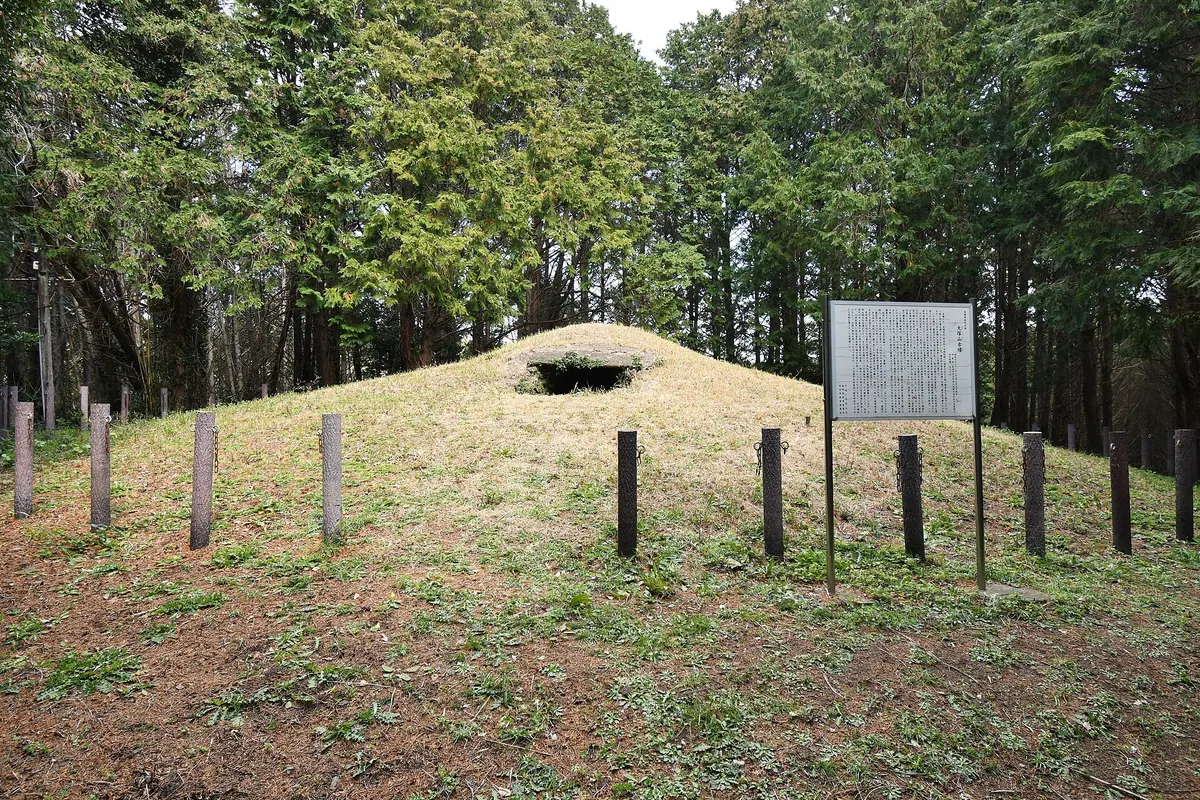
Explore Iki Island's oldest kofun, a 5th-century burial mound with a unique red-pigmented stone chamber.
What it is
- A kofun, or ancient burial mound, in Iki City.
- Designated a Nagasaki Prefecture historic site.
- Estimated to have been built in the late 5th century.
- Oldest among 260 kofun on Iki Island.
What to see
- A round burial mound on a 74-meter-high mountain peak.
- Mound measures 14 meters in diameter, 2 meters in height.
- Pit-style horizontal stone burial chamber.
- Chamber opens to the southwest.
- Walls made of basalt slab stones.
- Red pigment applied to the chamber walls.
05
Sasazuka Kofun
NAGASAKI · HISTORIC SITE 笹塚古墳
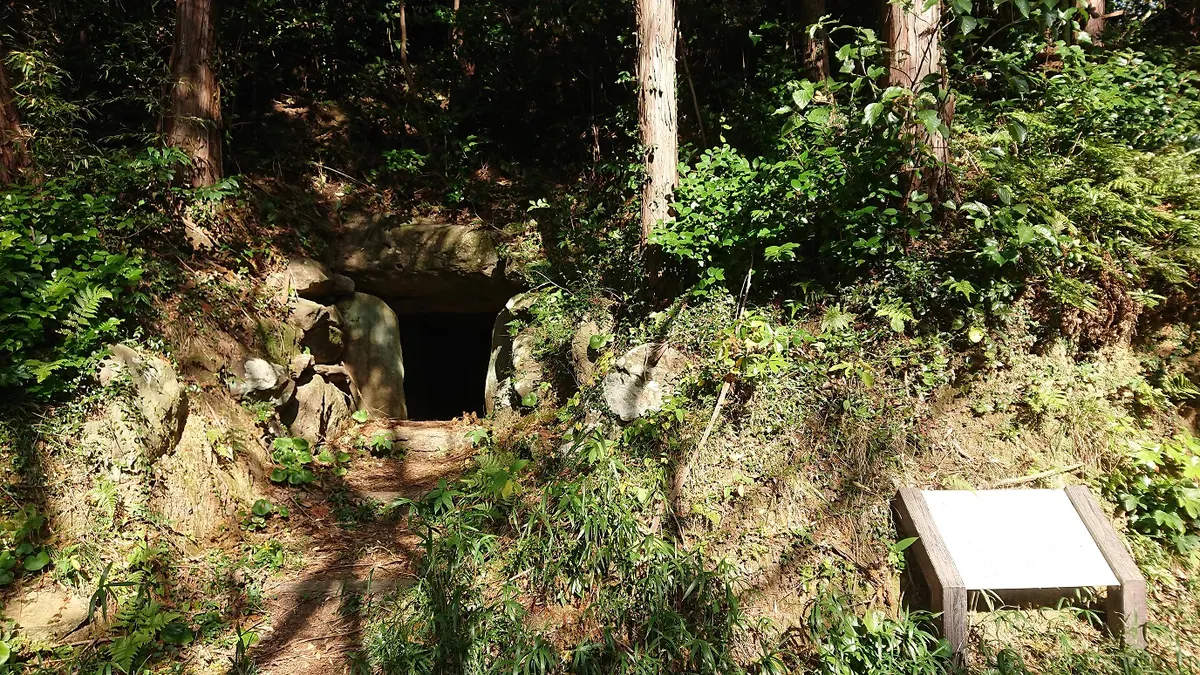
Explore a large 6th-century circular burial mound with unique artifacts.
What it is
- A circular burial mound, Sasazuka Kofun.
- Part of the Iki Kofun Group national historic site.
- Constructed in the late 6th century.
What to see
- Two-tiered circular mound, 66 meters in diameter.
- Multi-chambered horizontal stone chamber, 14.8 meters long.
- Tuff composite box-shaped stone coffin in the innermost chamber.
- Excavated artifacts are important cultural properties.
- Turtle-shaped gilt bronze ornament, unique in Japan.
- Sue ware, Haji ware, and iron products.
06
Kakegi Kofun
NAGASAKI · HISTORIC SITE 掛木古墳
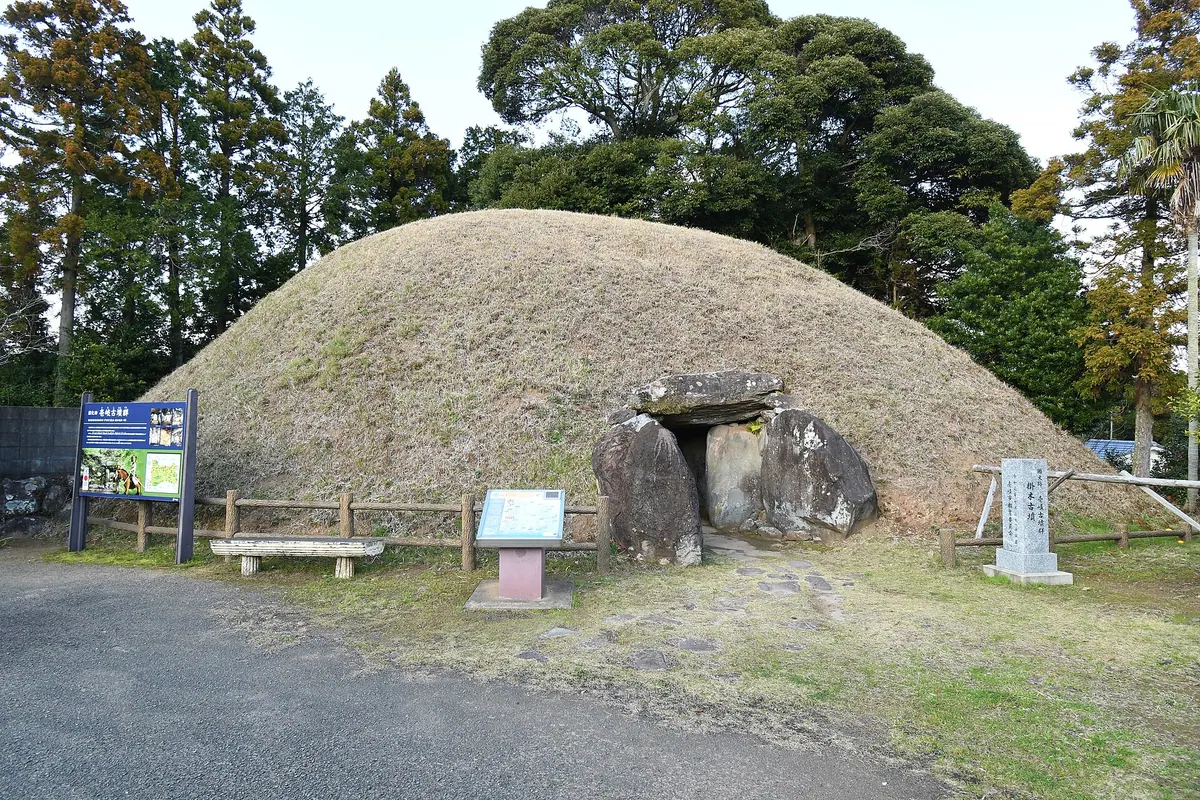
Explore a large 6th-century circular tomb with a unique stone chamber and sarcophagus.
What it is
- A large circular tumulus built on a hill.
- Part of the Iki Kofun Group in Iki City.
- Constructed around the late 6th century.
- Designated a national historic site in 2009.
What to see
- A double-sleeved horizontal stone chamber.
- The stone chamber is 13.6 meters long with three rooms.
- Basalt megaliths form the stone chamber walls.
- A house-shaped sarcophagus made of tuff.
- Fragments of bronze mirrors and gold rings.
- Iron products found as grave goods.
07
Site of the Former Urakami Branch of Nagasaki Prison
NAGASAKI · HISTORIC SITE 長崎刑務所浦上刑務支所跡
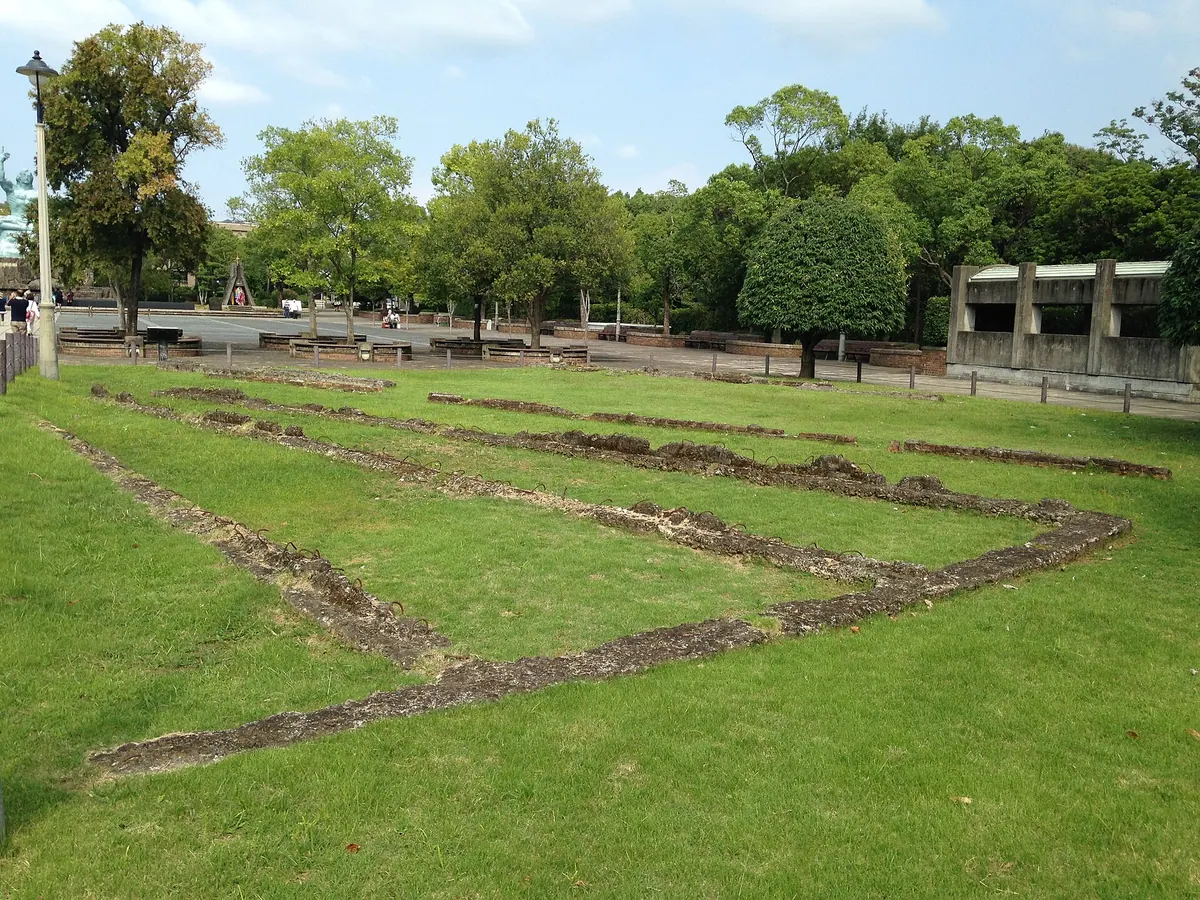
This site preserves prison ruins, a stark reminder of the atomic bombing's devastation and human cost.
What it is
- A relic of the former Urakami Branch of Nagasaki Prison.
- Established in September 1927.
- All 134 people inside died during the atomic bombing.
- Preserves remains of a facility 100 meters from the atomic bomb hypocenter.
What to see
- Concrete outer wall foundation remains outside Peace Park's 'Zone of Prayer'.
- Red brick detention center foundation remains on the park's south side.
- Preserved remains cover approximately 1100 square meters.
Read more about Site of the Former Urakami Branch of Nagasaki Prison
08
Ōnodai Dolmen Cluster
NAGASAKI · HISTORIC SITE 大野台支石墓群
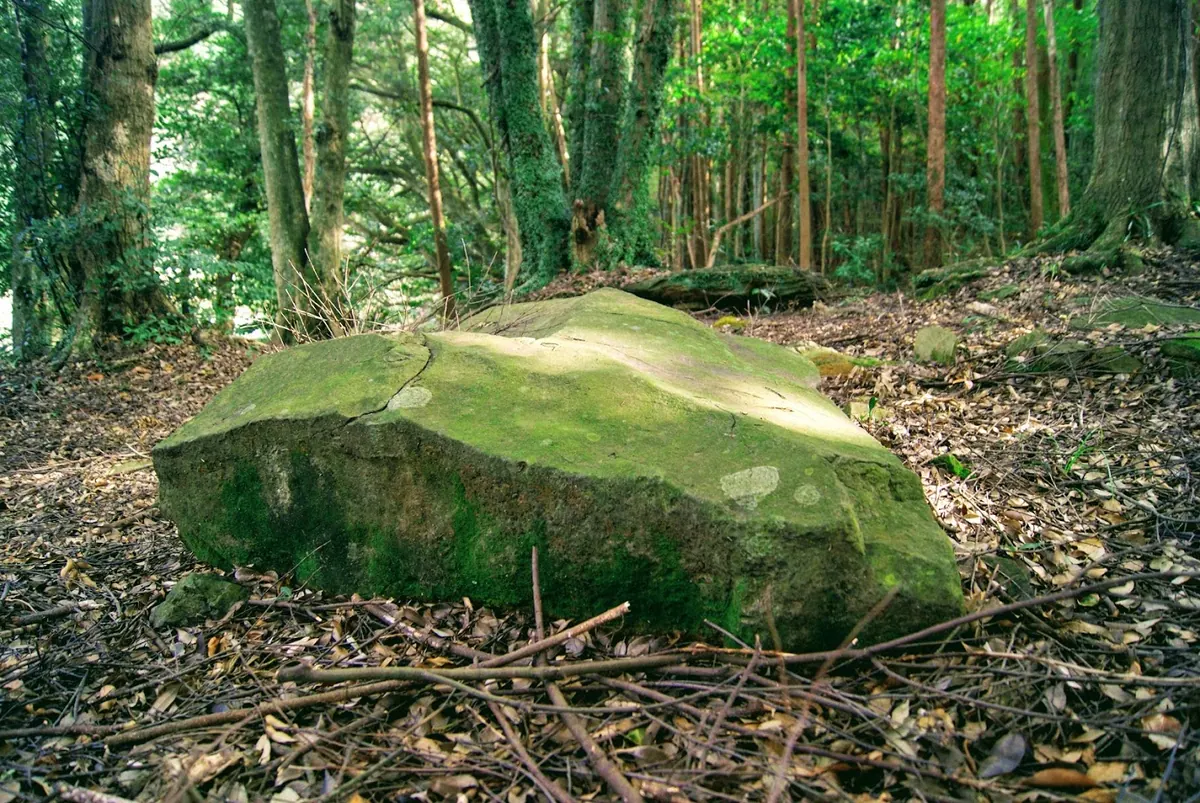
Explore Japan's largest dolmen cluster, a National Historic Site revealing ancient burial practices.
What it is
- A ruin from the Jomon to Yayoi periods.
- Designated as a National Historic Site.
- One of the largest dolmen clusters in Japan.
- Stone coffins were discovered in 1963.
What to see
- 71 dolmens with box-shaped stone coffins.
- Eight stone coffins and one jar coffin tomb.
- Pottery from the late Jomon to early Yayoi periods.
- The cluster spans 250 meters east-west and 200 meters north-south.
- It is divided into four main areas.
09
Neso Kofun Cluster
NAGASAKI · HISTORIC SITE 根曽古墳群
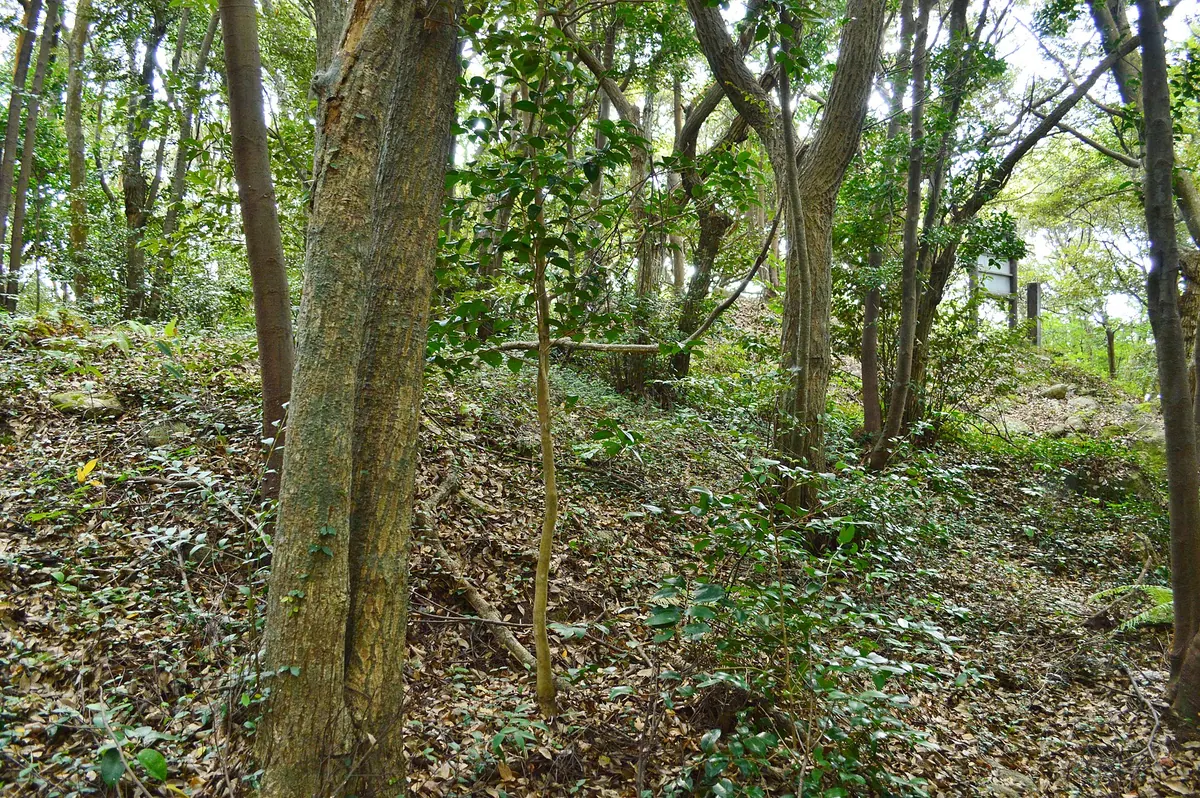
Explore ancient burial mounds, including rare keyhole shapes, offering a glimpse into 6th-century Japan.
What it is
- A cluster of six ancient burial mounds, or kofun.
- Constructed around the 6th century on Tsushima Island.
- Five tumuli are designated as National Historic Sites.
- Discovered starting in 1922.
What to see
- Three rare keyhole-shaped tumuli.
- Tumulus No. 1, a 30-meter-long keyhole-shaped mound.
- Tumulus No. 2, the largest at 36 meters long.
- Tumulus No. 6, a circular tumulus 5 meters in diameter.
10
Harunotsuji Site
NAGASAKI · HISTORIC SITE 原の辻遺跡
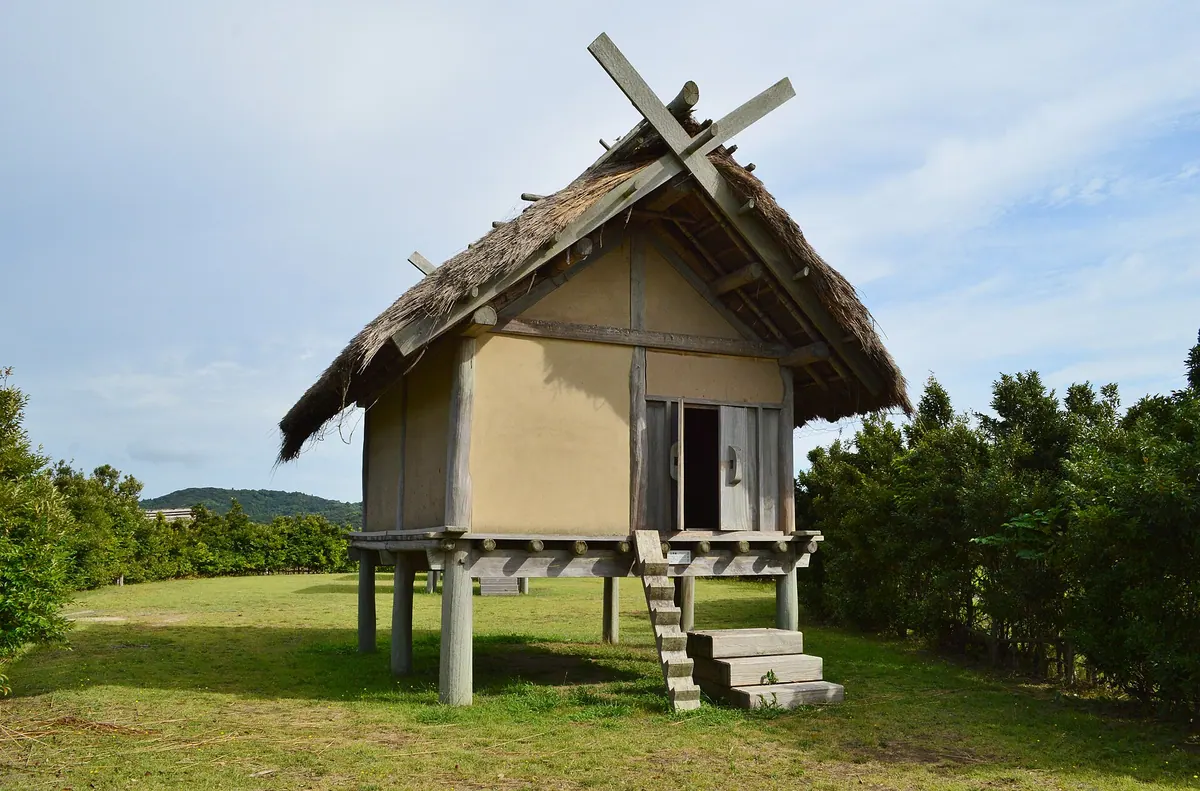
Harunotsuji was an ancient trading capital, strategically located, with reconstructed buildings and artifacts to see.
What it is
- Capital of the kingdom of Iki, 200 BCE to 350 CE.
- A mercantile hub for trade with Korea, China, and Japan.
What to see
- Reconstructed buildings from the 1st to 3rd centuries.
- Foundations of 300 structures.
- Two or three moats that encircled the town.
- Dwellings built in shallow pits.
- Elevated storehouses and watchtowers.
- A temple complex at the highest point.
11
Senpukuji Cave
NAGASAKI · HISTORIC SITE 泉福寺洞窟
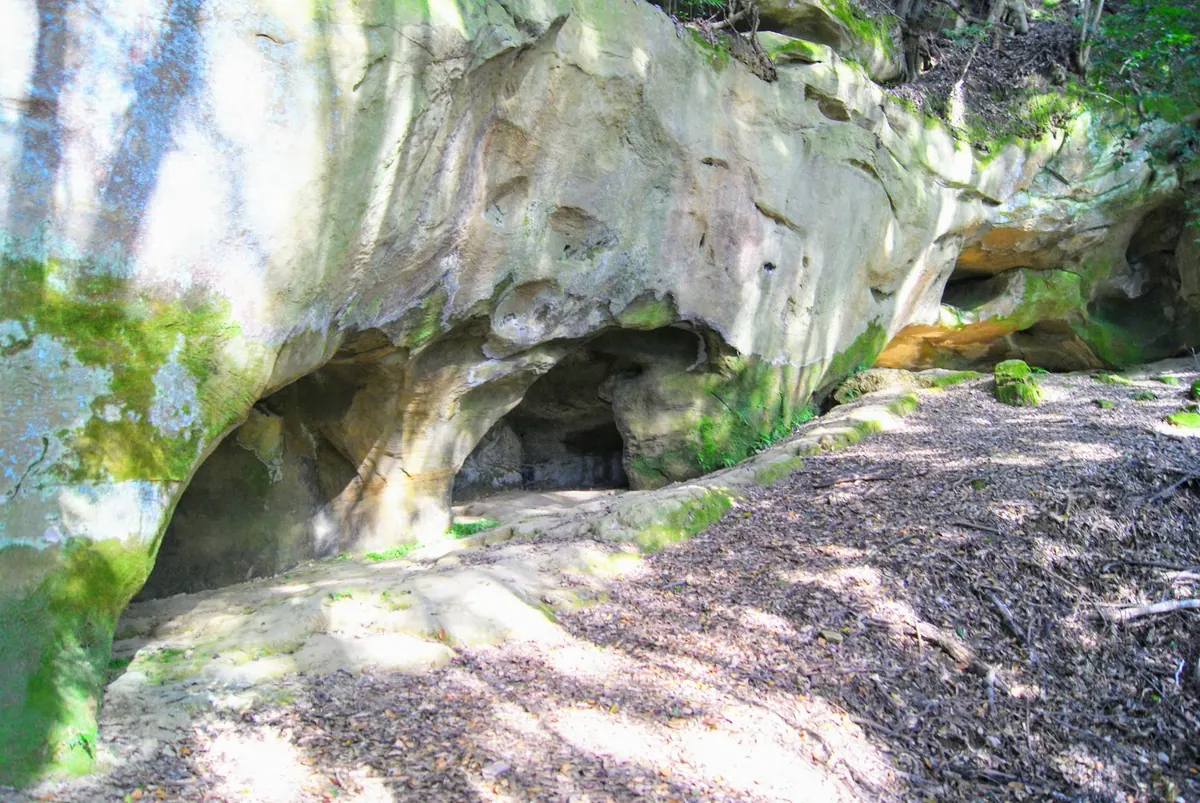
Explore an ancient rock shelter where Japan's oldest pottery was found.
What it is
- A rock shelter site used from Paleolithic to Yayoi periods.
- Designated a National Historic Site in 1986.
- Discovered by students in 1969.
What to see
- Four caves opening in a sandstone cliff.
- Artifacts from Late Paleolithic to Heian periods.
- World's oldest bean-pattern pottery was discovered here.
- Excavated items are National Important Cultural Properties.
12
Deizuka Kofun
NAGASAKI · HISTORIC SITE 出居塚古墳
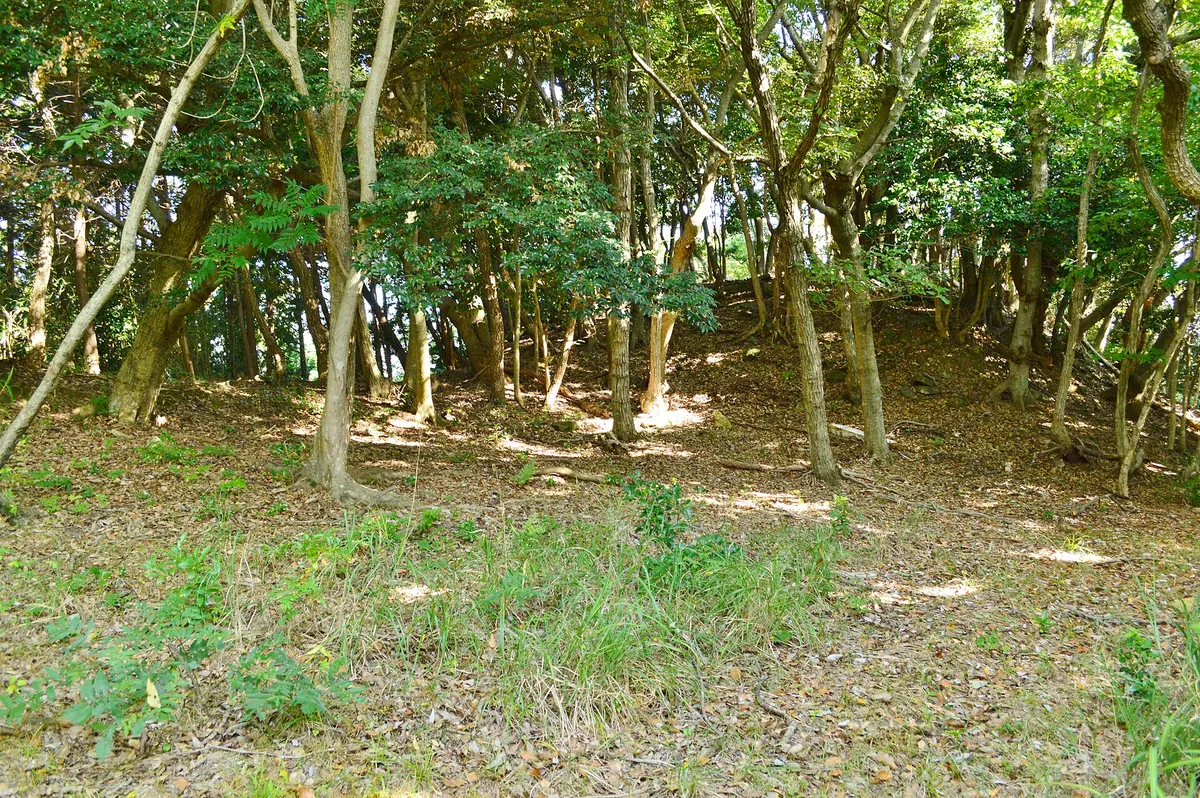
Explore Tsushima's oldest and largest kofun, a unique ancient tomb with rare artifacts.
What it is
- Ancient burial mound, also called Tsurunoyama Kofun.
- Oldest and largest kofun in Tsushima.
- Constructed around the late 4th century.
- Designated a Nagasaki Prefecture historic site.
What to see
- Unique square-front, square-rear kofun shape.
- Mound measures 40 meters in length.
- Pit-style stone burial chamber.
- Excavated bronze arrowheads and jade magatama.
13
Takashima Kōzaki Site
NAGASAKI · HISTORIC SITE 鷹島神崎遺跡
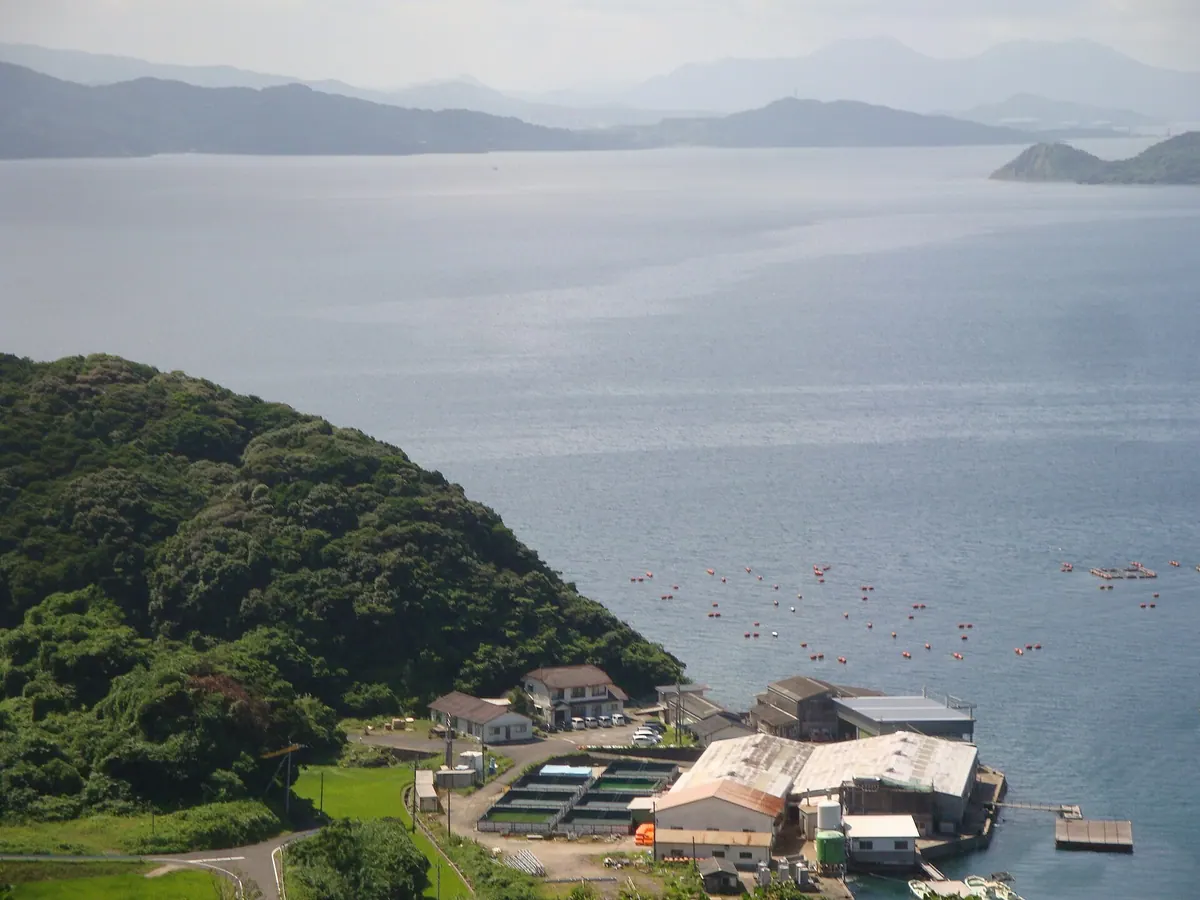
Japan's first underwater historic site, revealing a sunken Mongol warship and artifacts.
What it is
- An underwater archaeological site.
- Designated a national historic site on March 27, 2012.
- First underwater site with national historic site status.
What to see
- Artifacts include weapons, ceramics, and ship components.
- A keel approximately 12 meters long was found.
- A sunken Mongol warship from the Mongol invasions.