
Katō Shrine
English 繁體中文
加藤神社
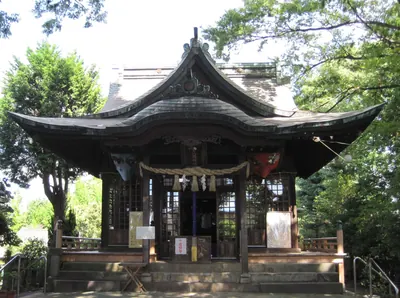
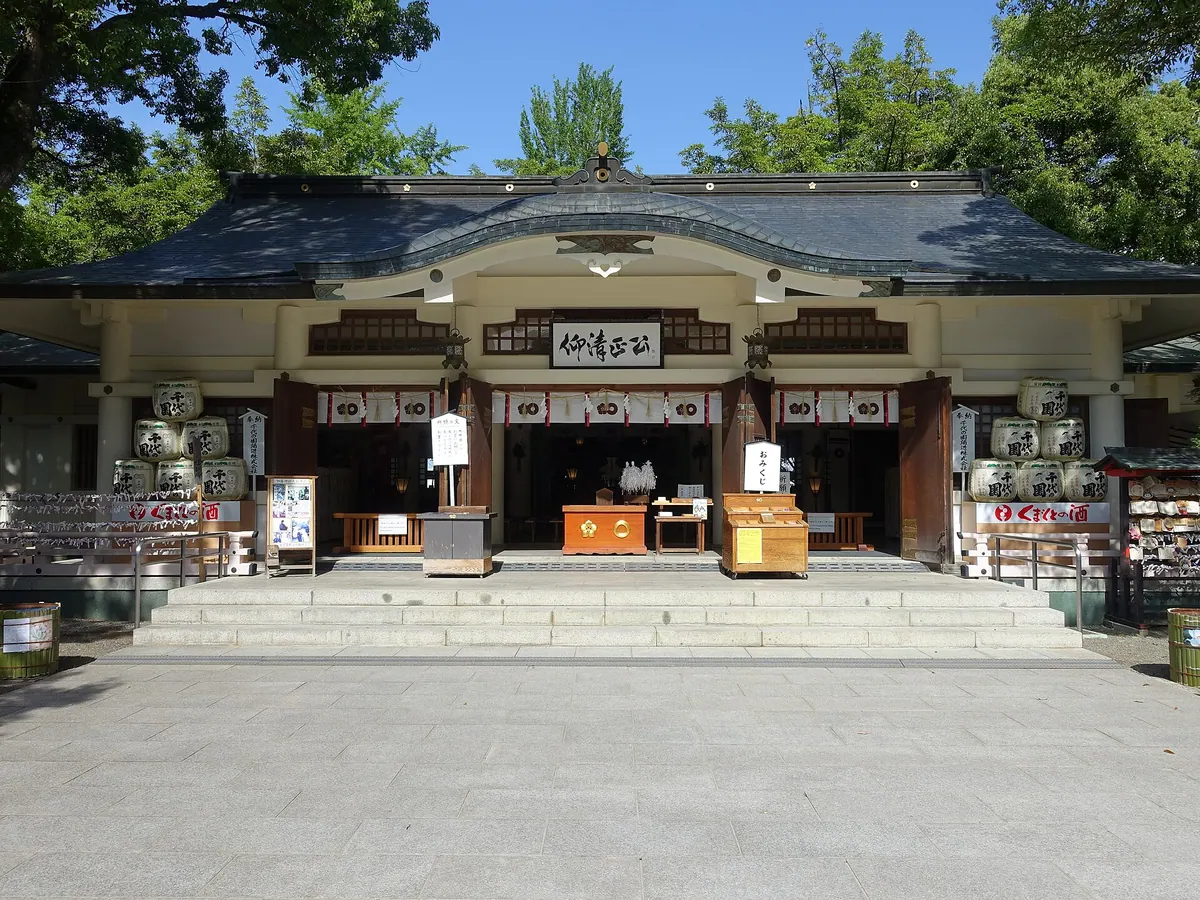
This shrine honors Kato Kiyomasa, a deity for good luck, builders, and competitive sports.
What it is
- Shrine dedicated to Kato Kiyomasa, first lord of Higo (Kumamoto) domain.
- Founded in 1871, after the end of samurai rule.
- Rebuilt and renamed Kato Shrine in 1884.
- Moved several times, returned to castle complex in 1962.
What to see
- Wonderful view of the two castle keeps.
- Ancient ginkgo tree, said to be planted by Kato Kiyomasa.
- Stone bridge brought back from Korea by Kiyomasa.
- Shrine built of concrete to minimize fire risk.
When to go
- New Year, when 400,000 people visit over three days.
Getting there
- Located just north of the original castle site.
In detail
Kato Kiyomasa (1562–1611), the first-generation lord of the Higo (Kumamoto) domain, is enshrined here in Kato Shrine as a deity. His actual grave is located at Honmyoji Temple, in the western part of the city.
Every New Year, some 400,000 people visit Kato Shrine over a three-day period to pray to Seishoko-san, the local name for the deity, for good luck. Kiyomasa was lord of the northern half of Kumamoto from 1588, and of the whole province from 1600. He initiated large-scale flood-control projects that tamed local rivers, made the area safer and more fertile, and laid the foundations of modern-day Kumamoto.
A Deity for Builders and Fighters
Kato Kiyomasa is revered by architects and builders, who admire his genius in civil engineering and construction. Among people in competitive sports in Japan, such as kendo and baseball, Kiyomasa is famous for never having been defeated in battle, either during the invasions of Korea (1592–1598) or at the pivotal Battle of Sekigahara in 1600, which led to the establishment of the Tokugawa shogunate (1603-1867). People also pray to Kiyomasa for help in overcoming illness or passing difficult school exams, not least because the family name, Kato, is a homonym for the phrase “We will win.”
Kato Shrine has been moved several times over its roughly 150-year history. It was founded in 1871 soon after the creation of the new Meiji government after the end of samurai rule. Known as the Nishikiyama Shrine, it was located at the heart of the castle between the two castle keeps and the Uto Turret. In 1874, the shrine was moved to Kyomachi, just northeast of the castle walls, after a division of the imperial army was garrisoned at the castle, so that civilians visiting the shrine would not have to enter the camp. It was rebuilt and renamed Kato Shrine in 1884 after being destroyed in a fire. The construction of a major new road forced the shrine to be moved again in 1962. This time it was returned to the castle complex, just north of its original site. The Hazekata Gate was moved to make way for its return. The new shrine was built of concrete to minimize fire risk, and suffered very little damage in the 2016 earthquake.
Honoring the Retainers
There is a wonderful view of the two castle keeps from the shrine. The ancient ginkgo tree at the shrine is said to have been planted by Kato Kiyomasa and there is a stone bridge that he brought back from Korea. Crossing the bridge is believed to enhance one’s chances of success on the journey of life. Two of Kiyomasa’s retainers who committed suicide out of loyalty upon their lord’s death in 1611 are also honored at Kato Shrine. They are Kanjin Kinkan, a Korean whom Kiyomasa brought back from the invasion of Korea and placed in charge of his accounts, and Oki Kaneyoshi.
Text: 観光庁 地域観光資源の多言語解説文データベース. Reproduced unchanged. The notes above were written from that text by Japan Gems.
Where it is
熊本県熊本市中央区本丸2-1 Open in Google Maps
この施設の関係者の方へ
このページは公開情報をもとに Japan Gems が作成し、訪日外国人向けに英語で掲載しています。 写真や情報の追加・修正を承っています。お店の写真に差し替えることもできます。
このページの情報を更新する