

20 Shrines in Kumamoto worth your time
Japan Gems
Kumamoto Prefecture is home to 56 shrines, including Oguni Ryo Shrine and Ishigami Hachimangū. Visitors can find a wide variety of spiritual sites across the prefecture.
Kumamoto has 62 shrines on Japan Gems. Below are the 20 we can tell you the most about — each one written up in English from Japanese sources, with what to see and how to get there. See all shrines in Kumamoto.
01
Aso Shrine
KUMAMOTO · SHRINE 阿蘇神社
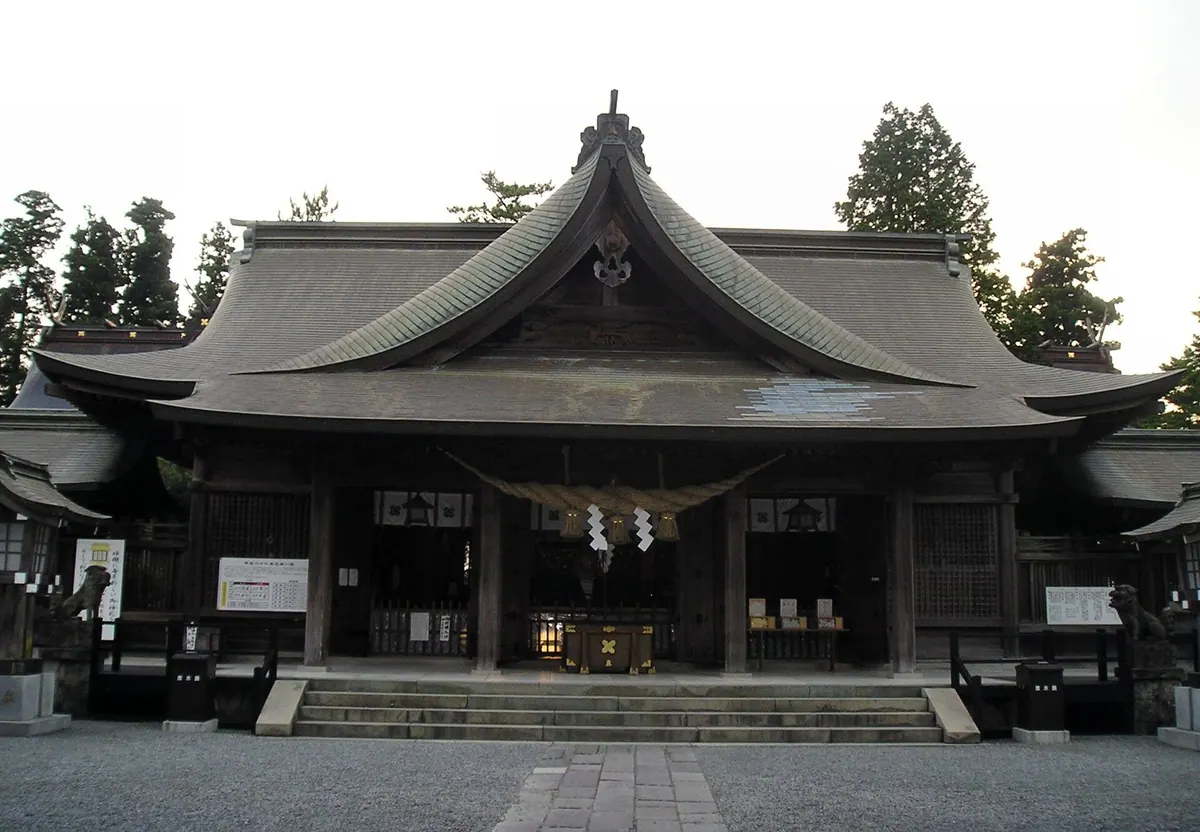
This ancient head shrine features a massive gate and unique horizontal approach, recently restored after the 2016 Kumamoto earthquake.
What it is
- The head shrine for approximately 450 Aso shrines across Japan.
- Enshrines twelve deities including Takeiwatatsu-no-mikoto, a grandson of Emperor Jimmu.
- The Aso clan has served as high priests here since ancient times.
- Six shrine buildings are designated as National Important Cultural Properties.
What to see
- A rare horizontal approach road leading to the shrine grounds.
- The two-story Romon gate, ranked as one of the three largest in Japan.
- Restored worship hall and gate following completion of earthquake repairs in 2024.
When to go
- The Onda Festival, a national important intangible folk property, is held here.
Getting there
- The shrine is an 18-minute walk from Miyaji Station.
- Official site
- asojinja.or.jp
02
Yamamoriaso Shrine
KUMAMOTO · SHRINE 山森阿蘇神社
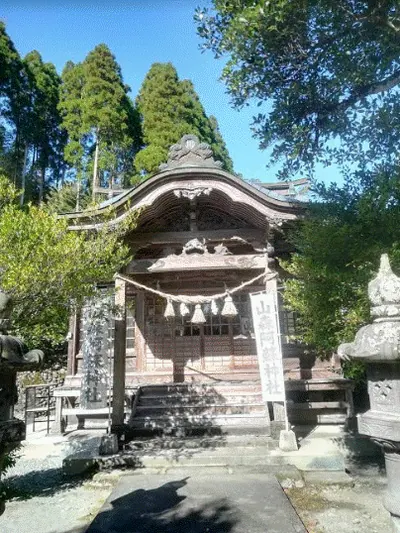
A historic shrine in Nagomi featuring an 800-year-old sacred camphor tree and a 270-year-old tradition of children's kagura dance.
What it is
- A religious site in Nagomi Town affiliated with the Aso Shrine system.
- Founded in November 1200 by Sakanashi Yagosuke.
- The shrine enshrines the deity Hikomiko-no-kami.
- Home to a children's kagura performance tradition spanning 270 years.
What to see
- A giant camphor tree standing approximately twenty-five meters tall.
- A prefectural natural monument with a trunk circumference of 6.5 meters.
- A sacred tree associated with local legends of a white snake.
- Nine different kagura dances performed by various groups of children.
When to go
- Visit in November to commemorate the month of the shrine's founding.
- The children's kagura is a designated cultural asset performed on specific festival days.
03
Yatsushiro Shrine
KUMAMOTO · SHRINE 八代神社
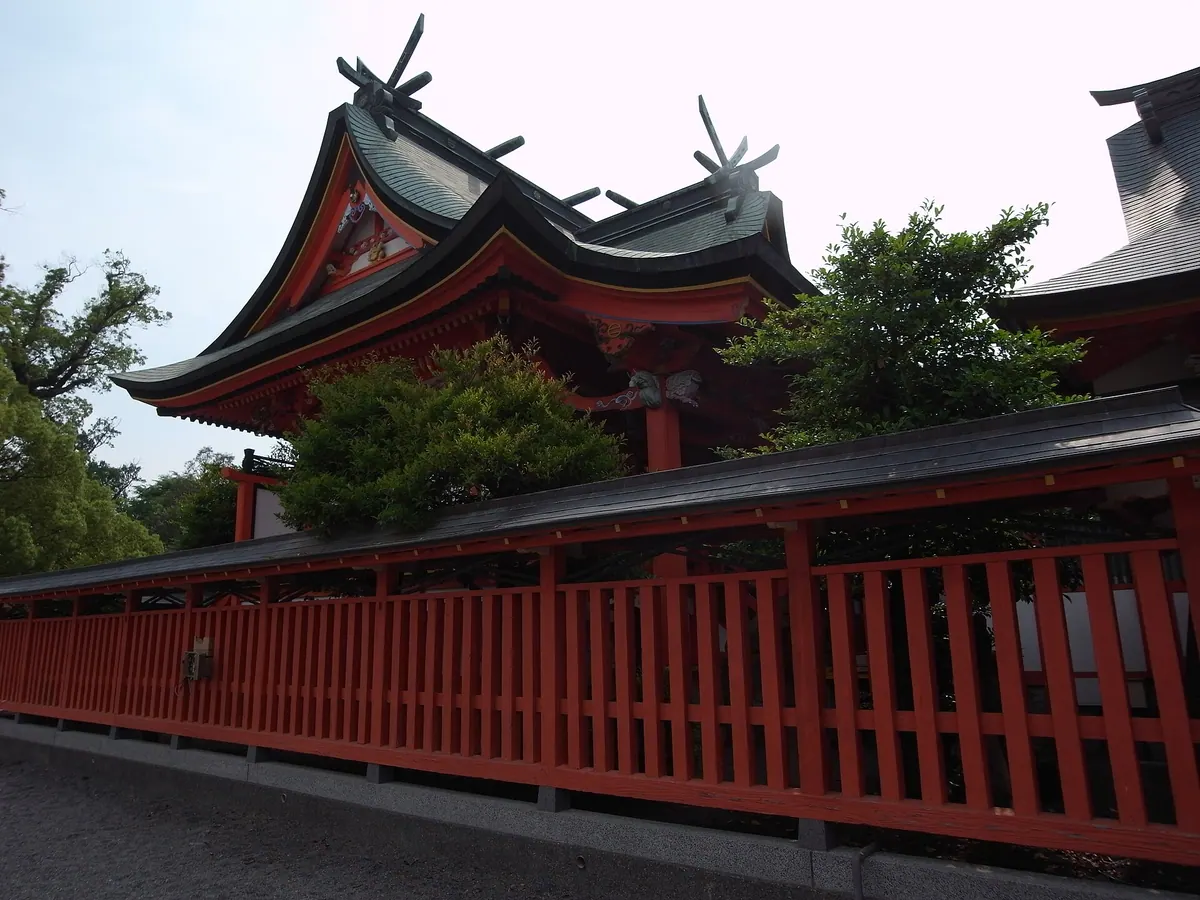
One of Japan's three major Myoken shrines, famous for its UNESCO-recognized autumn festival featuring a unique turtle-snake creature.
What it is
- One of the three major Myoken shrines in Japan, established by imperial decree in 1186.
- Dedicated to the deities Amenominakanushi-no-kami and Kuninotokotachi-no-mikoto.
- Formerly known as Myoken-gu before being renamed in 1871.
- An ancient spiritual site with an upper shrine founded on Mount Yokodake in 795.
What to see
- The Kida or Genbu, a traditional creature resembling a mix of a turtle and a snake.
- Reifu Shrine, an external branch located two hundred meters to the east.
- UNESCO Intangible Cultural Heritage displays during the annual Myoken Festival.
When to go
- November 22 and 23 for the annual Myoken Festival.
- May 31 to June 1 to witness the Himuro Festival.
04
Okadome Kumanoza Shrine
KUMAMOTO · SHRINE 岡留熊野座神社
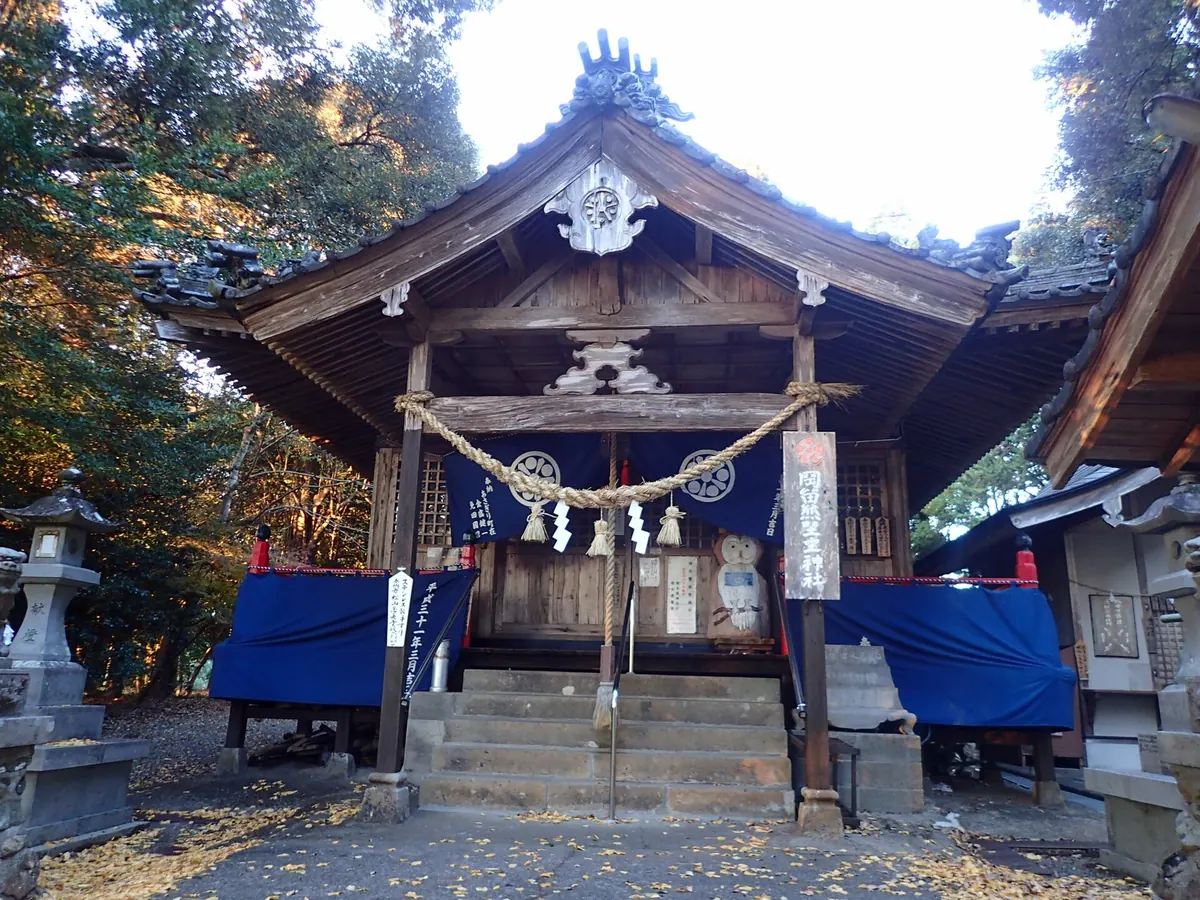
A Japan Heritage shrine founded in 1280, known as the Shrine of Happiness and featuring historic divine statues.
What it is
- Founded in 1280 by Sagara Yoritoshi in Asagiri Town.
- Enshrines the deities Izanagi, Izanami, and Hayatamao no Okami.
- Designated as a Japan Heritage site in 2015.
- Known locally by the alternative name Kofuku Jinja.
What to see
- The current main building which was constructed in 1931.
- Six divine statues enshrined within the old sanctuary.
- A gabled structure called Nisho Gongen from the former main building.
- A sub-shrine on the grounds dedicated to the rain god.
- A torii gate located near the local train station.
Getting there
- Five minute walk from Okadome Kofuku Station.
- Thirty minutes by car from the Hitoyoshi Interchange.
05
Kumamoto Castle Inari Shrine
KUMAMOTO · SHRINE 熊本城稲荷神社
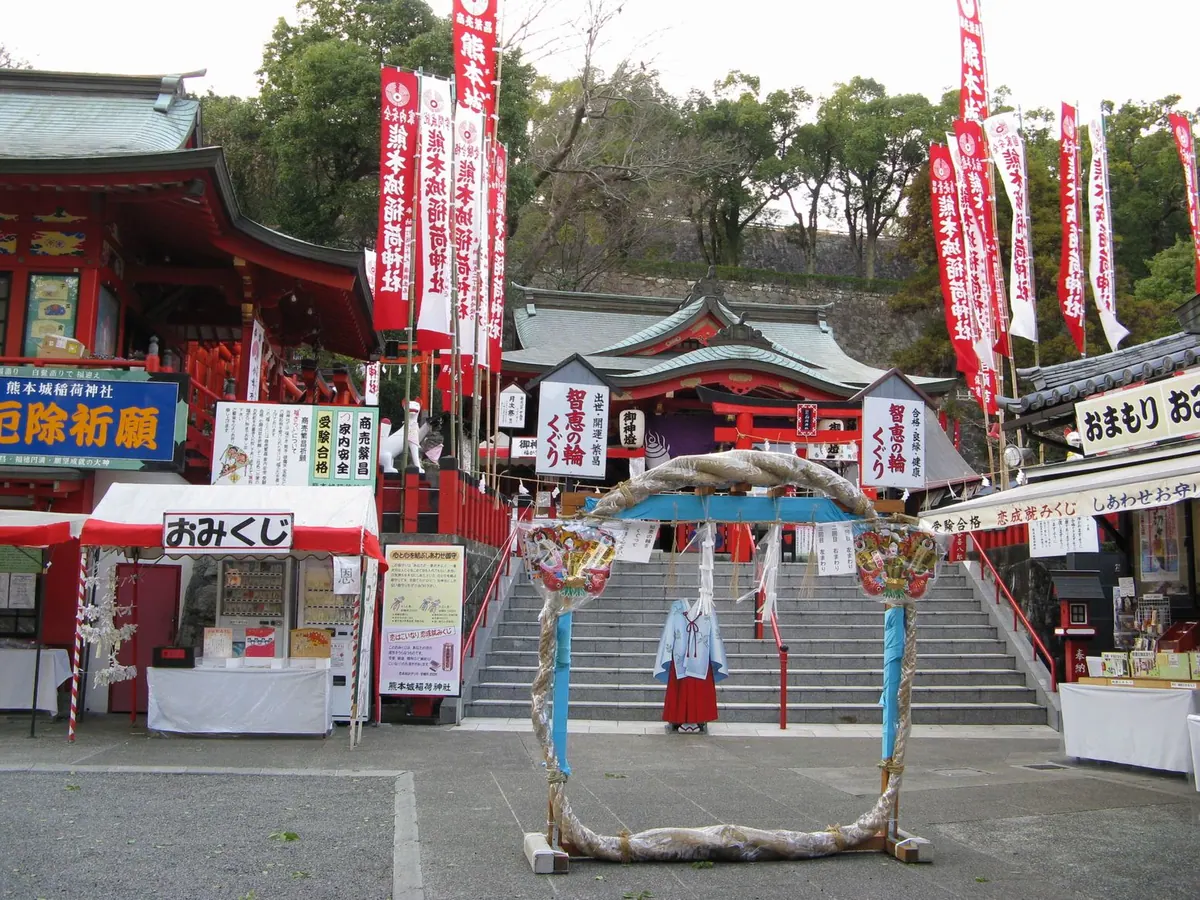
Kumamoto Castle Inari Shrine is a historic guardian shrine worth visiting for its unique castle backdrop.
What it is
- A shrine in Kumamoto City, also known as Shirahige-san.
- Kato Kiyomasa enshrined Inari Okami here in 1588.
- It was established as a guardian deity for Kumamoto Castle.
- Revered as a guardian deity of daily life.
What to see
- The stone walls of Kumamoto Castle's main keep rise behind the main hall.
- Kumamoto Daijingu Shrine is located to its north.
When to go
- Hatsuumataisai festival is on the first Day of the Horse in February.
Getting there
- 150m northwest from Kumamoto Castle/City Hall tram stop.
- Immediately accessible from the City Hall bus stop.
- Kumamoto Electric Railway and Kumamoto Bus stops are nearby.
- Official site
- k-inari.com
06
Oomiya Shrine (yamagashi)
KUMAMOTO · SHRINE 大宮神社 (山鹿市)
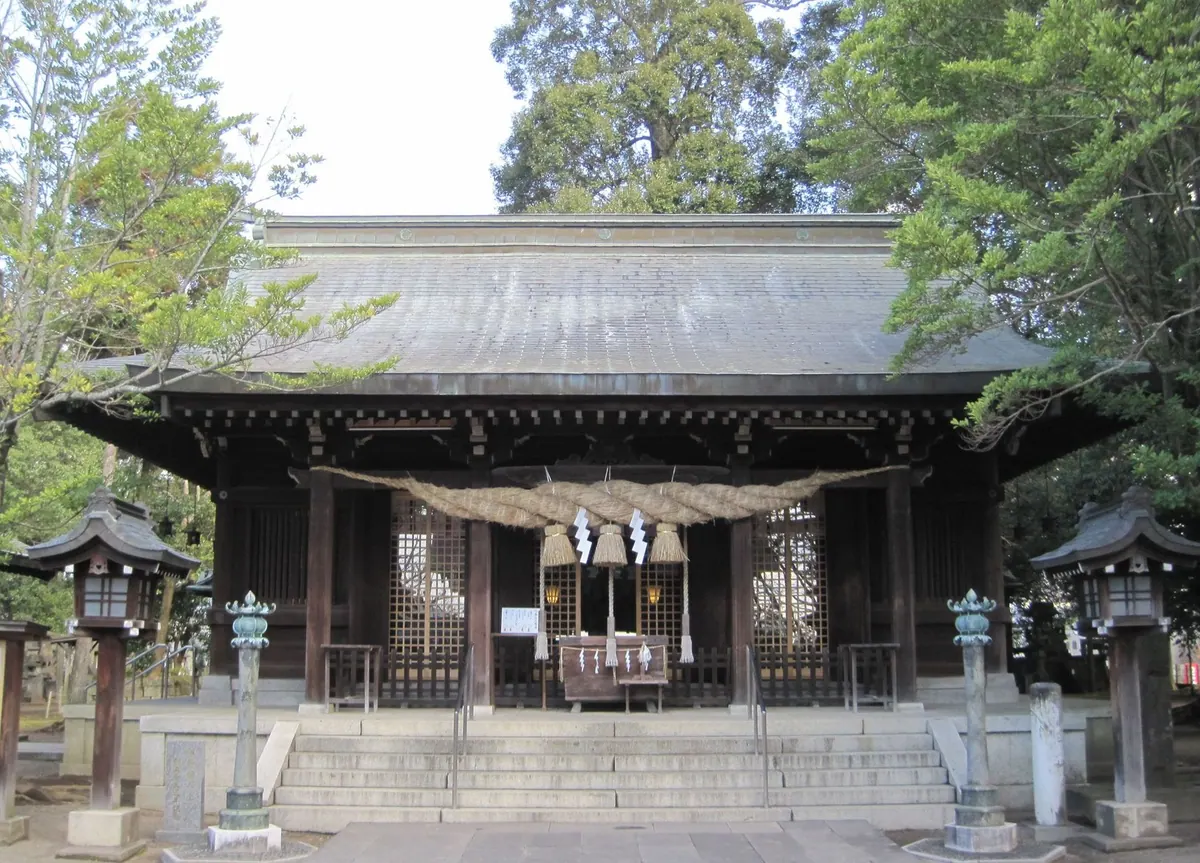
This shrine, dedicated to Mt. Aso's guardian deity, is worth visiting for its unique paper lantern exhibits.
What it is
- Shrine dedicated to guardian deity of Mt. Aso.
- Also dedicated to legendary Emperor Keiko.
- Site of important rituals for Yamaga Lantern Festival.
What to see
- Lantern Hall displays Yamaga toro lanterns.
- See golden and silver lanterns worn by dancers.
- Lanterns shaped like shrines, castles, birdcages, dolls.
- All lanterns crafted from washi paper and glue.
- Photographs of Thirty-Six Immortals of Poetry by Tosa Mitsuoki.
- Smaller shrines dedicated to various Shinto deities.
When to go
- Yamaga Lantern Festival in August for main rituals.
- Lantern Hall displays new toro for one year.
- Address
- 熊本県山鹿市山鹿196 Map
07
Katō Shrine
KUMAMOTO · SHRINE 加藤神社
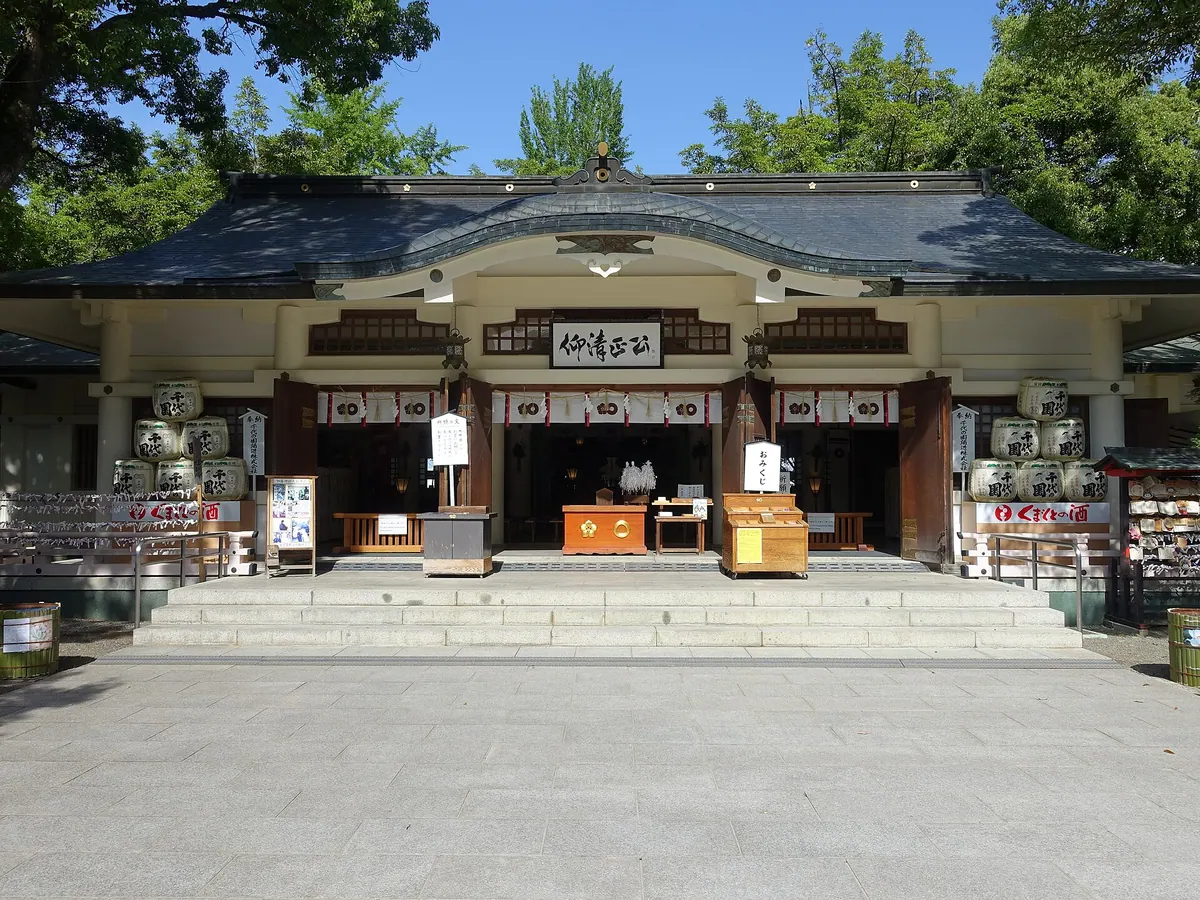
This shrine honors Kato Kiyomasa, a deity for good luck, builders, and competitive sports.
What it is
- Shrine dedicated to Kato Kiyomasa, first lord of Higo (Kumamoto) domain.
- Founded in 1871, after the end of samurai rule.
- Rebuilt and renamed Kato Shrine in 1884.
- Moved several times, returned to castle complex in 1962.
What to see
- Wonderful view of the two castle keeps.
- Ancient ginkgo tree, said to be planted by Kato Kiyomasa.
- Stone bridge brought back from Korea by Kiyomasa.
- Shrine built of concrete to minimize fire risk.
When to go
- New Year, when 400,000 people visit over three days.
Getting there
- Located just north of the original castle site.
- Address
- 熊本県熊本市中央区本丸2-1 Map
- Official site
- www.kato-jinja.or.jp
08
Kaizukatō Shrine (Yatsushiro)
KUMAMOTO · SHRINE 貝洲加藤神社
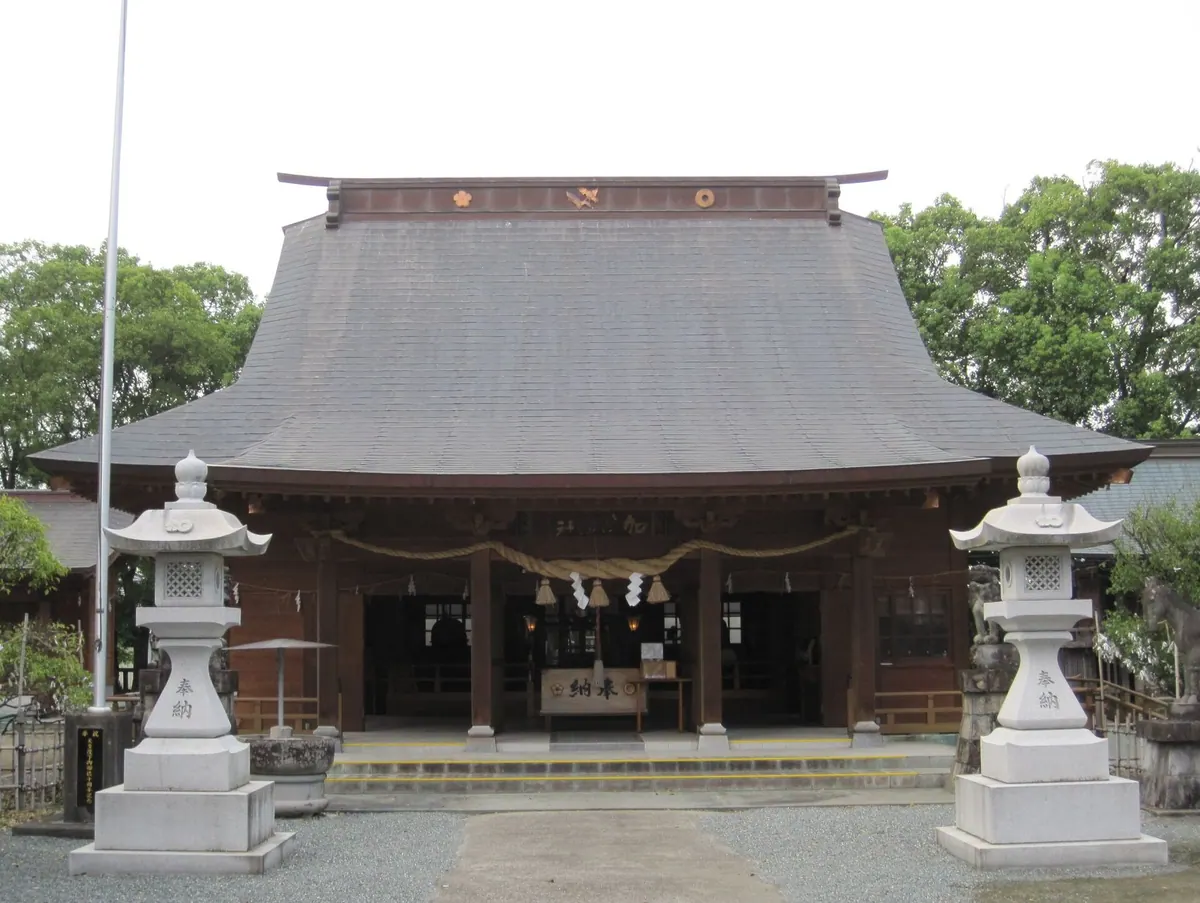
A historic shrine dedicated to Kato Kiyomasa, built in 1822 to celebrate the success of local land reclamation projects.
What it is
- A shrine dedicated to the spirit of the famous warrior Kato Kiyomasa.
- Founded in 1822 by Kanogoki Ryohei to honor successful land reclamation.
- The site transitioned from a Buddhist temple to a Shinto shrine.
- Designated as a village shrine in 1870.
What to see
- The main shrine grounds where the spirit was invited from Honmyoji Jochi-byo.
- Kaizuka Shrine, which serves as an auxiliary shrine on the premises.
- Wago Shrine, another auxiliary shrine located within the grounds.
When to go
- The annual grand festival takes place on September 24.
09
Wakamiya Shrine
KUMAMOTO · SHRINE 若宮神社
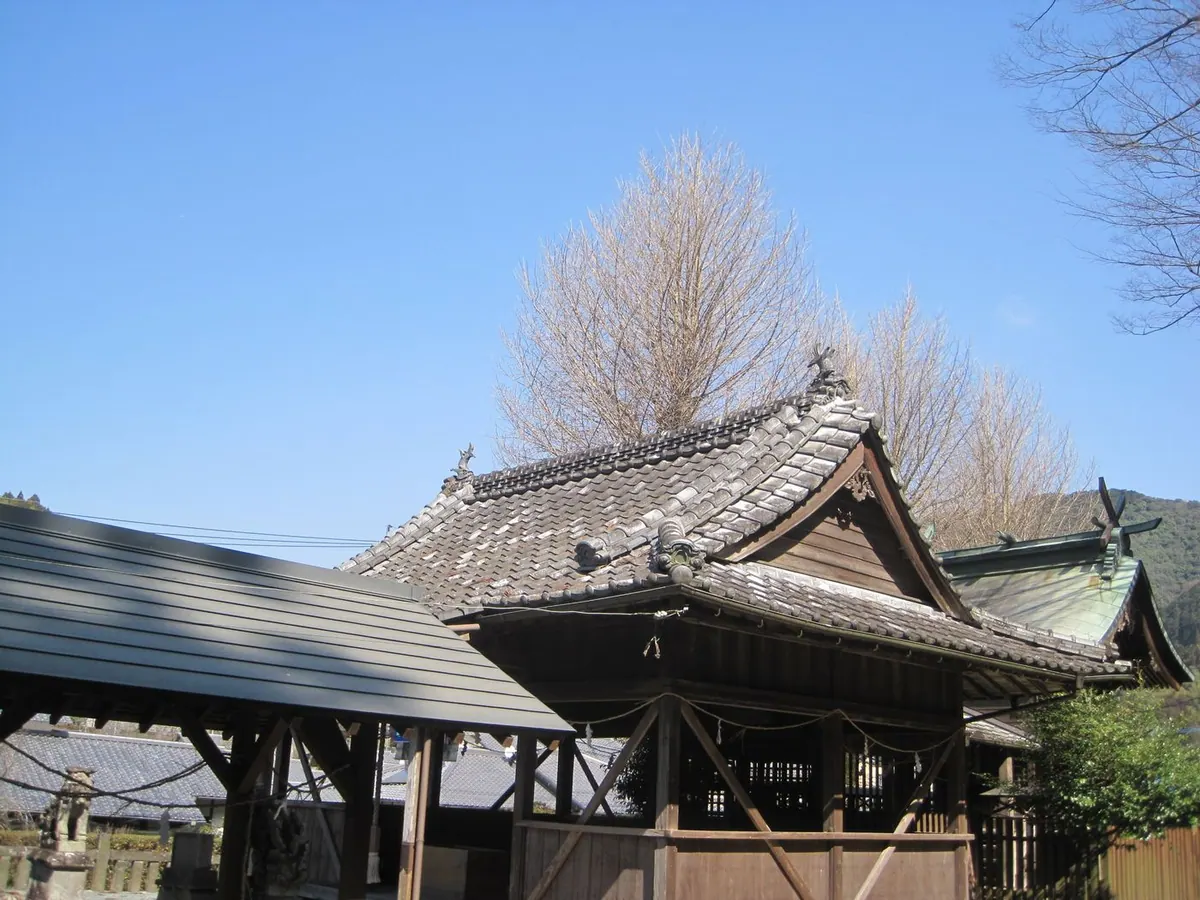
A historic district shrine in Yatsushiro featuring ancient stone monuments and artifacts dating back to the 16th century.
What it is
- A former district shrine dedicated to Takeiwatatsu-no-mikoto and Himemiko-myojin
- Established during the Tensho era and moved to its current location in 1753
- Serves as the guardian deity for the Taneyama district
- Houses an object of worship with a written record dating back to 1626
What to see
- A stone pagoda on the grounds dating back to the year 1500
- Stone lanterns crafted by Hashimoto Kangoro in 1851
When to go
- The annual festival is held every year on July 25
- The autumn festival takes place on October 9
10
Ukishima Shrine (Kashima)
KUMAMOTO · SHRINE 浮島神社 (嘉島町)
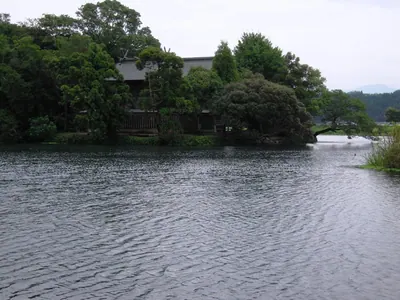
Ukishima Shrine, founded in 1001, offers a serene escape with its sacred pond and unique golden stone.
What it is
- Shrine founded in 1001 by Saburo Naohisa Io.
- Enshrines Izanagi-no-Mikoto and Izanami-no-Mikoto.
- The Io family has served as priests for over a thousand years.
What to see
- A large golden stone called 'Kabuto-ishi' in the pond.
- Pond is 6,000 tsubo with 150,000 tons of spring water daily.
- Designated one of the '100 Famous Waters of the Heisei Era'.
When to go
- Main festival is held on September 15th.
Getting there
- 10-minute walk from Shimorokuka bus stop.
- Parking available for cars and large buses.
- Address
- 熊本県上益城郡嘉島町井寺2827 Map
11
Aoi Aso Shrine
KUMAMOTO · SHRINE 青井阿蘇神社
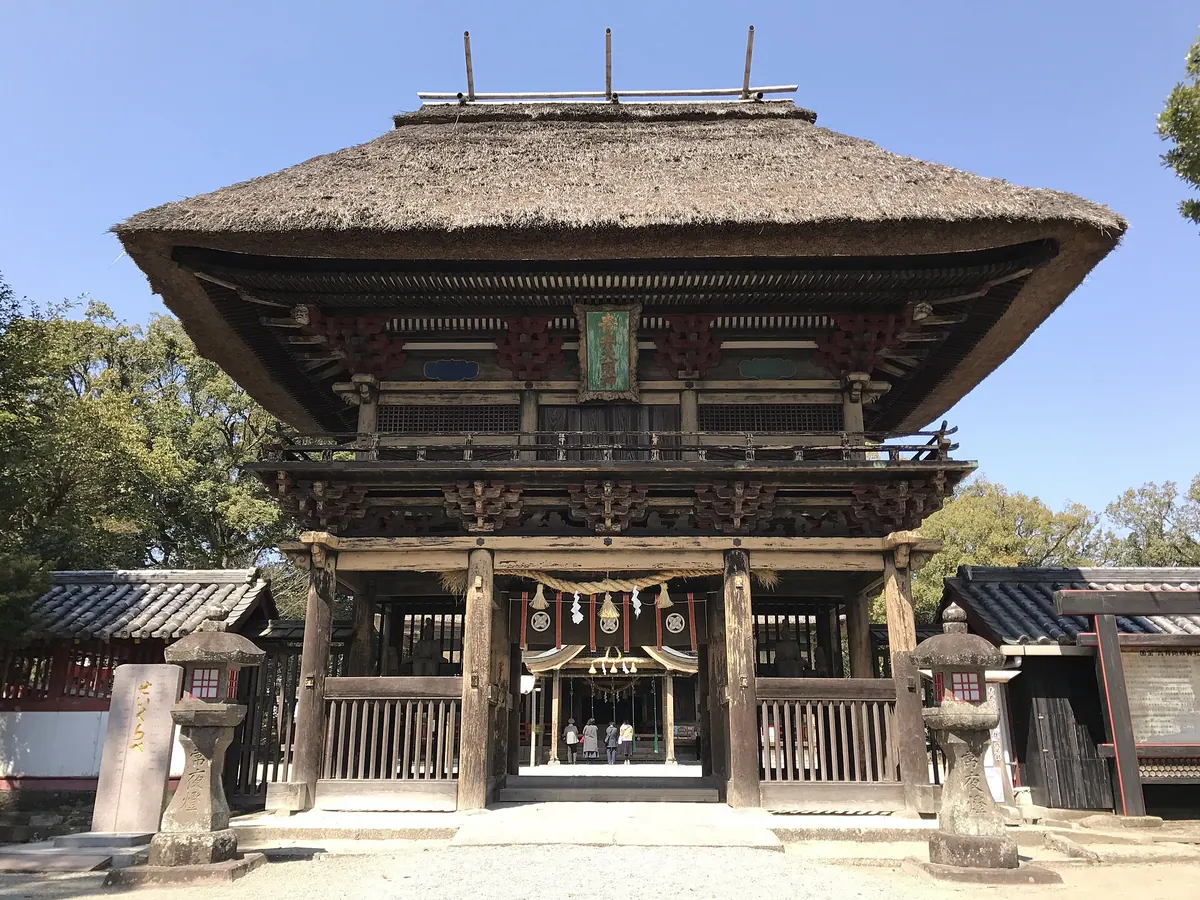
Aoi Aso Shrine is a historic shrine with rare thatched-roof National Treasure buildings, easily accessible from Hitoyoshi Station.
What it is
- Ancient shrine founded in 806 AD.
- Dedicated to three Shinto deities.
- First thatched-roof shrine designated a National Treasure.
- Certified as a Japan Heritage cultural property.
What to see
- Five National Treasure buildings, including the main hall.
- Main hall, corridor, offering hall, worship hall, and tower gate.
- Buildings constructed between 1610 and 1613.
- Sacred camphor tree, 18 meters around the base.
- Monument to sumo wrestler Kumagatake Inosuke.
Getting there
- 4-minute walk from Hitoyoshi Station.
- Address
- 熊本県人吉市上青井町118 Map
- Official site
- www.aoisan.jp
12
Bairin-tenmangū
KUMAMOTO · SHRINE 梅林天満宮
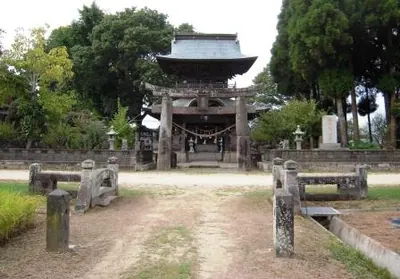
Historic shrine dedicated to Sugawara no Michizane, known for its Edo-period architecture and horseback archery festival.
What it is
- Shinto shrine in Tamana City, Kumamoto Prefecture.
- Invited from Dazaifu Tenmangū in 936.
- Enshrined deity is Sugawara no Michizane.
- Formerly a village shrine.
What to see
- Main hall, worship hall, tower gate, and torii.
- Buildings constructed in the late Edo period.
- Registered national tangible cultural properties since 2003.
- Yabusame (horseback archery) on a 400-meter track.
When to go
- Autumn Grand Festival held annually on November 25.
- Yabusame is dedicated at the festival.
- Address
- 熊本県玉名市津留499 Map
- Official site
- bairin-tenmangu.jp
13
Oyama Suwa-jinja
KUMAMOTO · SHRINE 小山諏訪神社
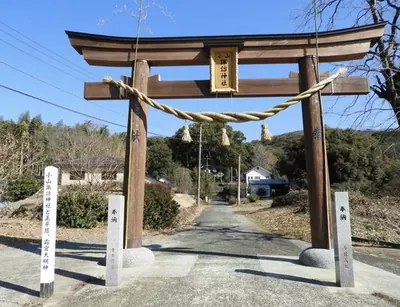
Visit this shrine to see a historic pagoda and a large camphor tree.
What it is
- A Shinto shrine in Kumamoto City.
- Dedicated to three deities including Takeminakata-no-kami.
- Main shrine is Suwa Grand Shrine in Nagano Prefecture.
What to see
- A large camphor tree in front of the worship hall.
- The Shōhei Pagoda, a tangible cultural property.
- Pagoda was created in 1357 by Fujiwara Suketsugu.
- Pagoda features carvings of a rising dragon and a hermit.
Getting there
- Accessible by car from Hikarinomori Station.
- Accessible by car from Sanrigi Station.
- Address
- 熊本県熊本市東区小山6-25 Map
14
Kokuzō Shrine
KUMAMOTO · SHRINE 国造神社
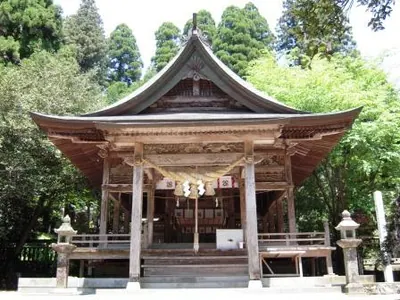
Kokuzo Shrine is an ancient shrine in Kumamoto, home to historic tombs and a significant cultural property.
What it is
- One of Kumamoto Prefecture's oldest shrines.
- Also known as Hokugu (North Shrine).
- Dedicated to Haya-Mikata-no-Mikoto.
- Current building constructed in 1672.
What to see
- Haya-Mikata-no-Mikoto's tomb, Kami-Mikura Kofun.
- Ame-no-Miyahime-no-Mikoto's tomb, Shimo-Mikura Kofun.
- Megalithic tumuli from the late 6th century.
- Former site of Teno-no-Sugi, a giant cedar tree.
- Designated Important Intangible Folk Cultural Property.
When to go
- Main festival day is July 26.
- Address
- 熊本県阿蘇市一の宮町手野2100 Map
15
Sakurayama Shrine
KUMAMOTO · SHRINE 桜山神社
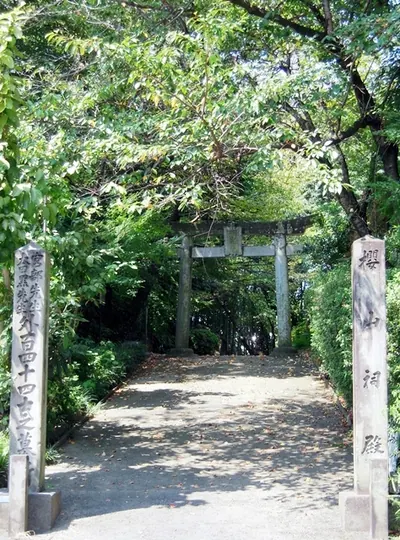
Sakurayama Shrine honors historical figures and offers a glimpse into local history.
What it is
- A shrine founded in 1885, renamed Sakurayama Shrine in 1948.
- It enshrines Amaterasu Omikami and Toyouke Okami.
- Also dedicated to Hayashi Oen and Higo Kinno-to loyalists.
What to see
- The Kamikaze-ren Museum is on the shrine grounds.
- Museum exhibits about 500 items related to Kamikaze-ren.
- Hayashi Oen's grave is located within the grounds.
- Graves of Otaguro Tomoo and Kaya Harukata are also present.
When to go
- The Kamikaze-ren Museum closes on August 31, 2024.
- Address
- 熊本市中央区黒髪5-7-57 Map
16
Kikuchi Shrine
KUMAMOTO · SHRINE 菊池神社
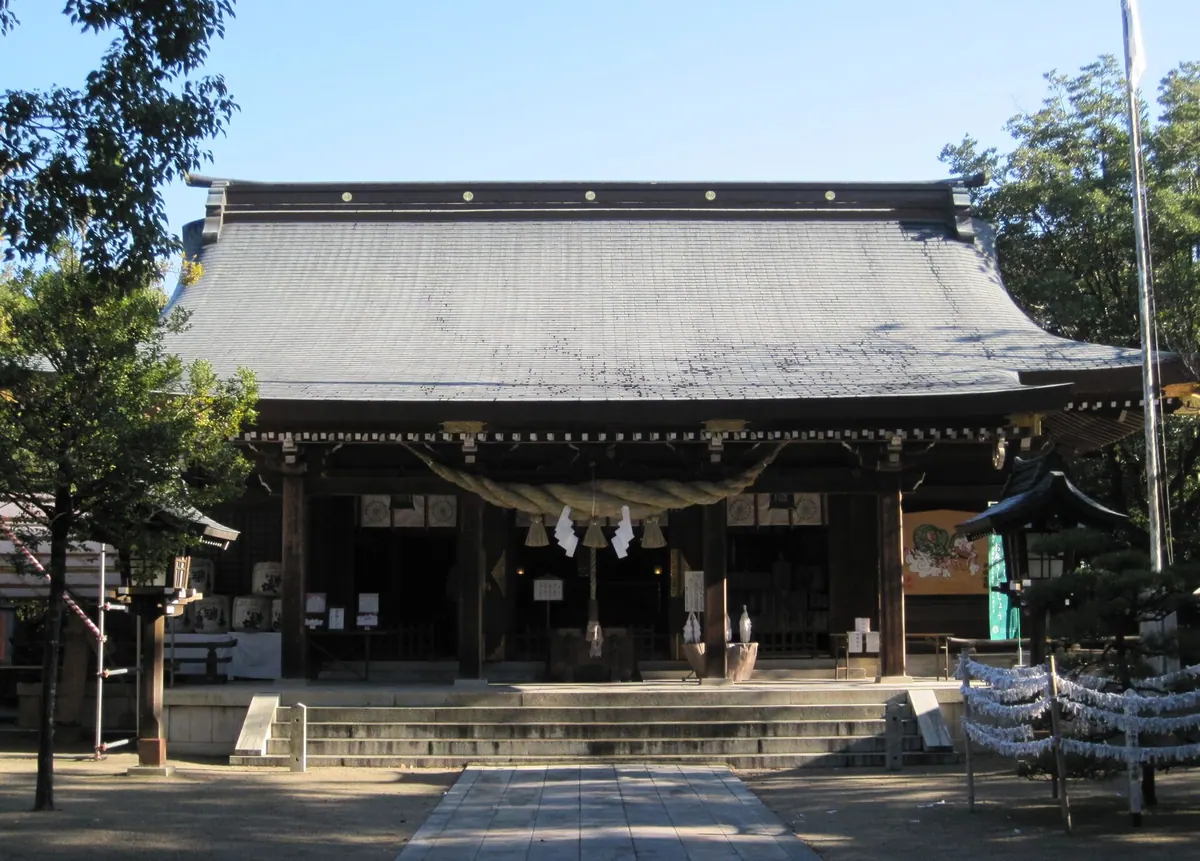
Kikuchi Shrine honors the Kikuchi clan, offering history and cherry blossoms.
What it is
- Shrine dedicated to three generations of the Kikuchi clan.
- One of the Kenmu Restoration Fifteen Shrines.
- Enshrinement ceremony held on April 28, 1870.
- Built on the site of Kikuchi Castle.
What to see
- Main deities: Kikuchi Taketoki, Takemitsu, and Takemasa.
- Twenty-six other Kikuchi clan members are enshrined.
- Kikuchi History Museum on the shrine grounds.
- Museum displays 500 years of Kikuchi clan artifacts.
When to go
- Famous cherry blossom viewing spot.
- Address
- 熊本県菊池市隈府1257 Map
17
Izumi Shrine
KUMAMOTO · SHRINE 出水神社
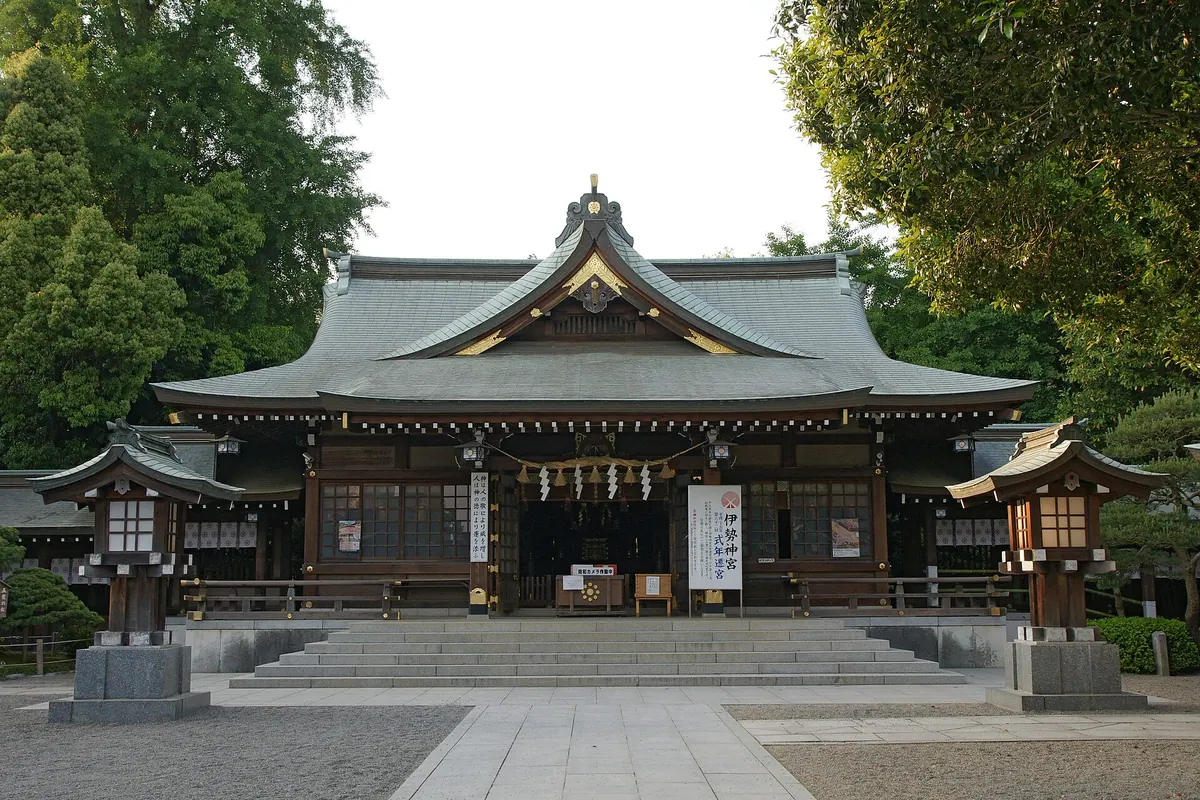
This shrine honors the Hosokawa family, who brought peace and prosperity to the region.
What it is
- Shrine in the northwest corner of Suizenji Jojuen Garden.
- Built in 1878 to revitalize Kumamoto after the Satsuma Rebellion.
- Dedicated to the Hosokawa family, who ruled for over 240 years.
- Honors 11 generations of Hosokawa, including Hosokawa Gracia.
What to see
- Chozuya: stone basin for handwashing.
- Water of longevity from an underground spring.
- Baroquely shaped pine tree, once a bonsai of Hosokawa Tadatoshi.
- Torii gate by the pond, reconstructed in wood after 2016 earthquake.
- Address
- 熊本県熊本市中央区水前寺公園8-1 Map
- Official site
- www.suizenji.or.jp
18
Yatsushiro-gū
KUMAMOTO · SHRINE 八代宮
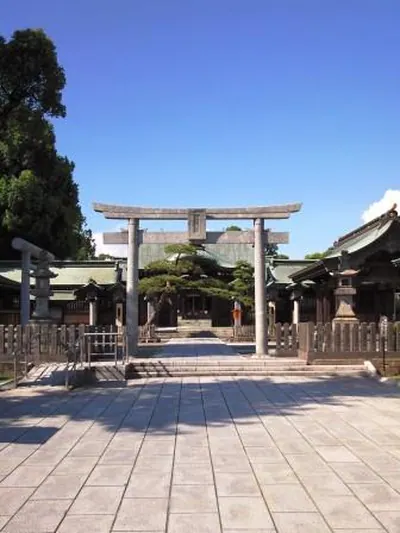
Yatsushiro-gū is a Shinto shrine dedicated to imperial princes, built on a castle site.
What it is
- A Shinto shrine in Yatsushiro City, Kumamoto Prefecture.
- Dedicated to Imperial Prince Kaneyoshi and Imperial Prince Narinaga.
- One of the Kenmu Restoration Fifteen Shrines.
- Established by order of the Grand Council of State in 1880.
What to see
- Built on the site of Matsue Castle (Yatsushiro Castle).
When to go
- Annual festival is held on August 3rd.
Getting there
- Accessible by bus from JR Kyushu Yatsushiro Station.
- Address
- 熊本県八代市松江城町7-34 Map
- Official site
- selectroyal.com
19
Einoo Shrine
KUMAMOTO · SHRINE 永尾神社
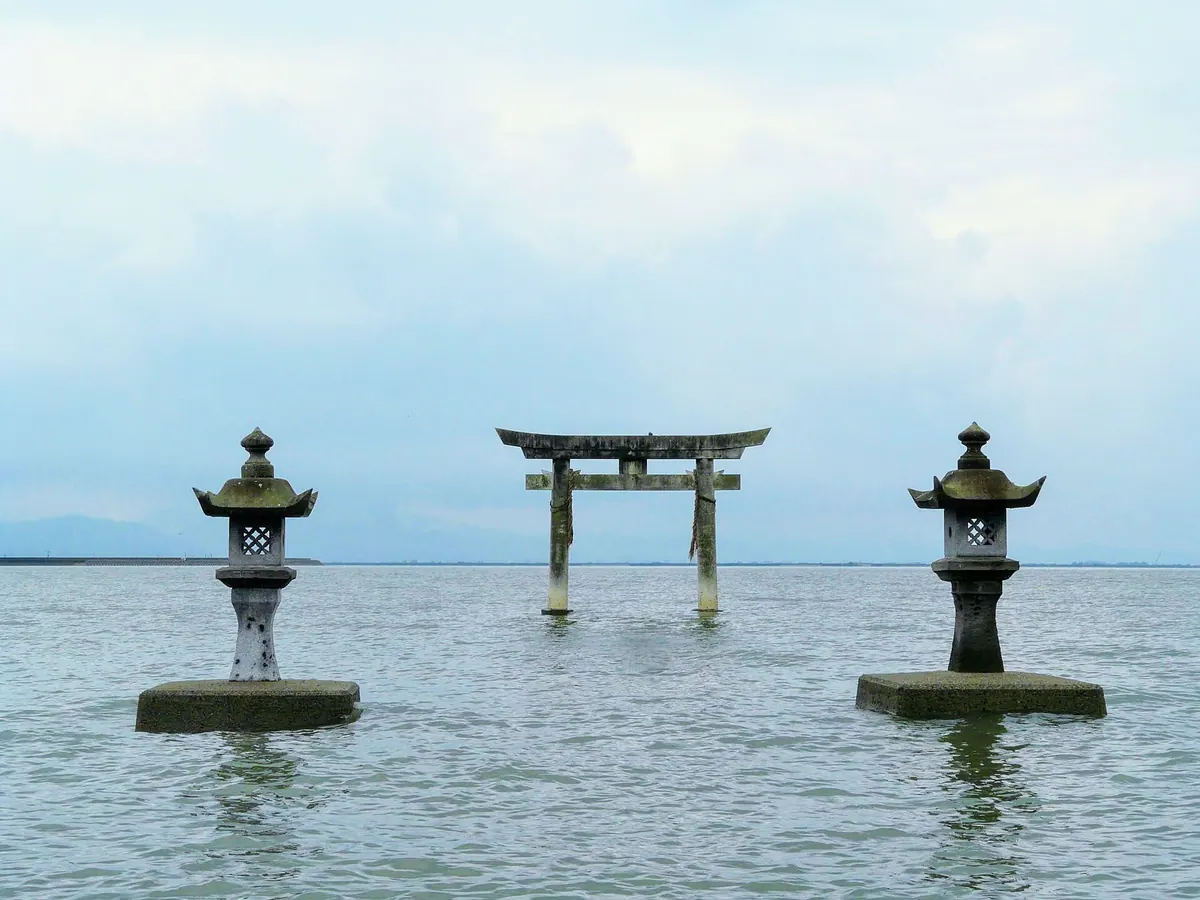
Einoo Shrine, founded in 713, is known for its unique torii gate in the sea.
What it is
- Often called Einoo Tsurugi Shrine.
- Founded in 713 by Emperor Genmei's imperial wish.
- Established for the protection of the country and counties.
- Main deity is Watatsumi-no-kami (Tamayori-hime-no-mikoto).
What to see
- A torii gate standing in the Shiranui Sea.
When to go
- Hasso Festival on the first day of the eighth lunar month.
- Summer Grand Festival on the first day of the eighth lunar month.
- Autumn Grand Festival on November 15th.
- Address
- 熊本県宇城市不知火町永尾615 Map
20
Kengun Shrine
KUMAMOTO · SHRINE 健軍神社
Kumamoto's oldest shrine, Kengun Shrine offers a glimpse into ancient local history and culture.
What it is
- One of the four Aso Shrines.
- Enshrines Kengun Okami and twelve other deities.
- Founded in 558 by the Aso Shrine chief priest.
- Said to be the oldest shrine in Kumamoto City.
What to see
- Higokagura, an Intangible Folk Cultural Property.
- Sugibababa, a Kumamoto City Historic Site.
- The shrine grounds are a Kumamoto City Historic Site.
Getting there
- Kumamoto City Bus to Kengun Jinja-mae stop.
- Kumamoto City Tram to Kengun-komae stop.
- Address
- 熊本県熊本市東区健軍本町13-1 Map