
koromo Shrine
挙母神社
Koromo Shrine is a historic spiritual site, important for local rituals and the annual Koromo Festival.

What it is
- Shrine in central Toyota.
- Established in the twelfth century.
- Dedicated to Mikumari, goddess of water.
- Functions as a protector of children.
What to see
- Giant floats during the annual Koromo Festival.
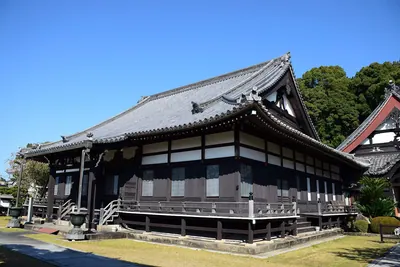
- Main shrine.
- Sub-shrines for Inari, Tenjin, and Akiba.
- Over 100 vendor stalls on the eighth day of each month.
When to go
- Third weekend of October for the Koromo Festival.
- Eighth day of each month for a smaller festival.
- Year-round for worship.
In detail
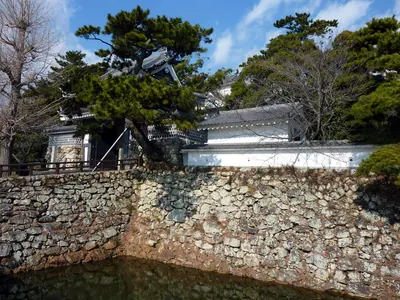
Koromo Shrine in central Toyota has played a significant role in the spiritual and social lives of residents for centuries. The shrine is believed to have been established in the twelfth century. It was patronized by the local daimyo lords and revered by their subjects throughout the Edo period (1603–1867). Though frequented by worshipers year round, it is busiest during the annual Koromo Festival, when giant floats are displayed on the shrine grounds and paraded through the city.
According to legend, Koromo Shrine’s predecessor was founded by a samurai who received word that his master had died while passing through the area. The warrior decided to relinquish his duties and live out his life in peace and quiet. He built a shrine to Mikumari, the goddess of water, because this deity was worshiped at his home in Yoshino (present-day Nara Prefecture) and because his new shrine stood next to a river. Throughout Japan, veneration of Mikumari was often complemented by worship of Komori, the guardian of children, perhaps because the two names sound somewhat similar. The shrine takes its name from the Koromo domain, the old name for Toyota and the rest of the eastern part of present-day Aichi Prefecture.
Koromo Shrine is still affiliated with the Komori deity and functions as a protector of children. Many people bring their children to the shrine for rituals such as miyamairi, a rite of passage for newborns, and shichi-go-san, a celebration of the growth and health of children aged three, five, and seven. In addition to the main shrine, there are sub-shrines for deities including Inari, the god of rice, agriculture, and prosperity; Tenjin, the patron of scholarship and the arts; and Akiba, the deity of fire.
The flamboyant Koromo Festival takes place at the shrine only once a year, on the third weekend of October, but there is a smaller monthly festival that originally celebrated Yakushi, the Buddha of medicine and healing. On the eighth day of the month, vendors dealing in potted plants, clothing, daily essentials, and food and drink set up more than 100 stalls on the shrine grounds.
Text: 観光庁 地域観光資源の多言語解説文データベース. Reproduced unchanged. The notes above were written from that text by Japan Gems.
Where it is
愛知県豊田市挙母町5-1 Open in Google Maps
この施設の関係者の方へ
このページは公開情報をもとに Japan Gems が作成し、訪日外国人向けに英語で掲載しています。 写真や情報の追加・修正を承っています。お店の写真に差し替えることもできます。
このページの情報を更新する