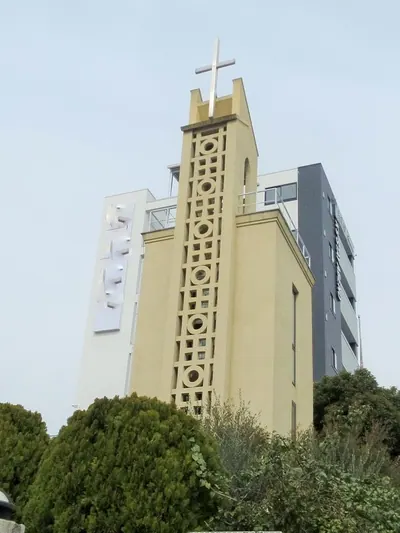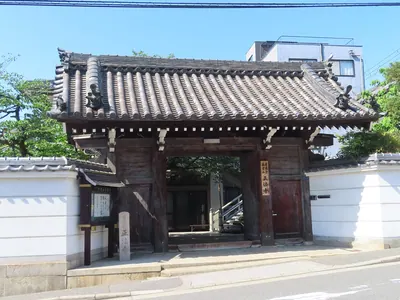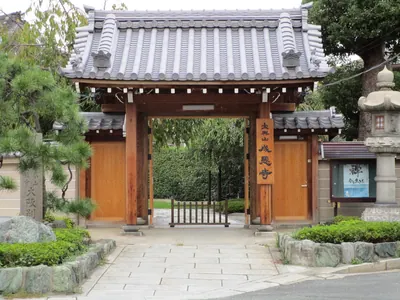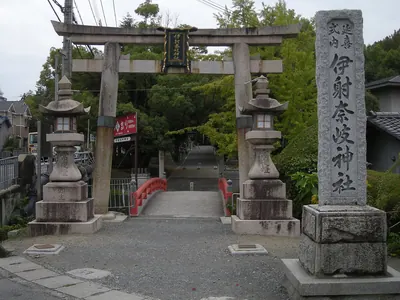

Hōzen-ji Temple
法善寺
This quiet alley offers traditional dining and a mossy statue, a retreat from Dotonbori's crowds.
What it is
- Quiet cobblestoned backstreet, Hozenji Yokocho.
- Home to stylish kappo restaurants.
- Named after Hozenji Temple, where prayer for 1000 days grants wishes.
What to see
- Muted red lanterns.
- Wooden storefronts.
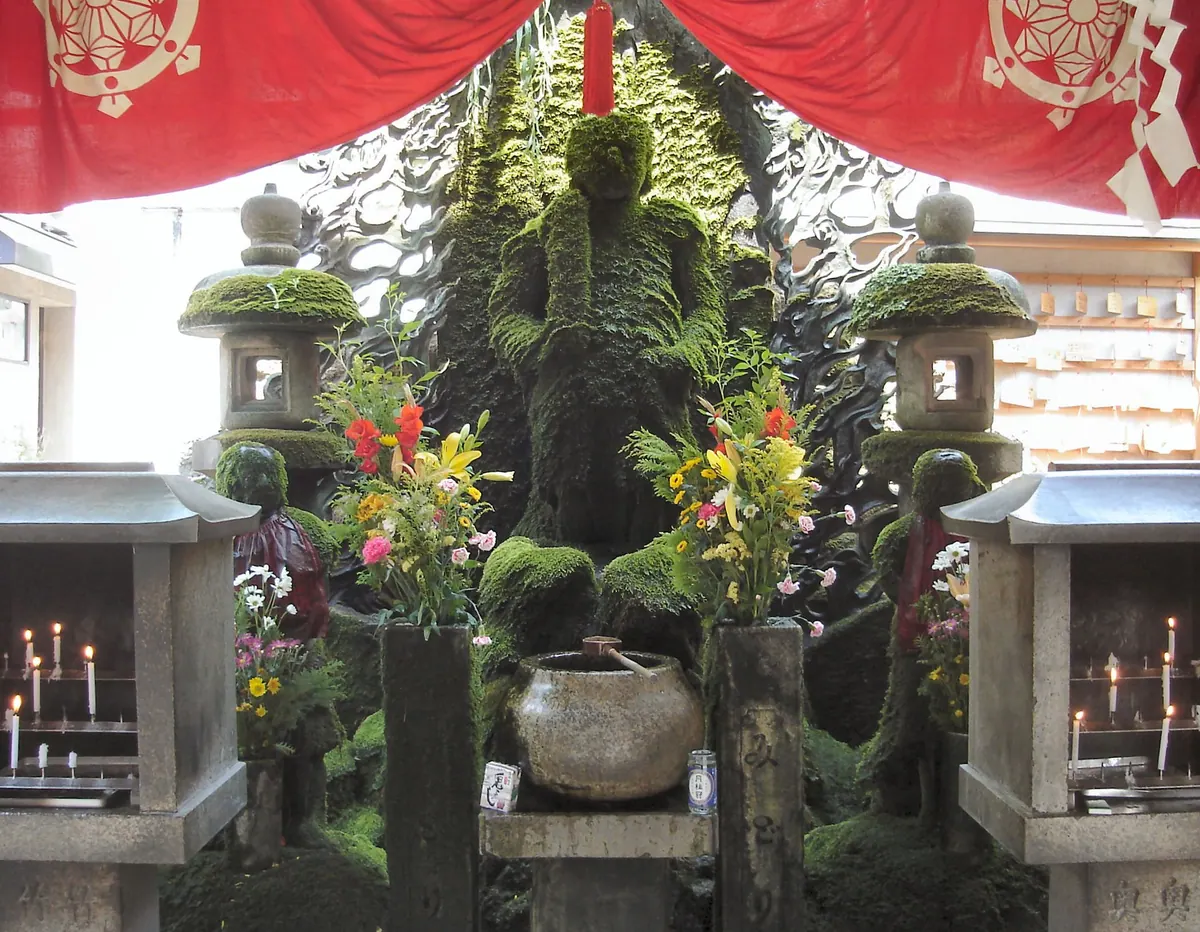
- Moss-covered statue of Buddhist deity Fudo Myo-o.
- Large wooden signs with calligraphy at entrances.
Getting there
- Around the corner from Dotonbori district.
- Extends west from the northwest corner of Sennichimae district.
- Sennichimae district is south of the Dotonbori Canal.
In detail
Hozenji Yokocho (“Hozenji Temple Alley”) is a quiet cobblestoned backstreet of muted red lanterns and stylish kappo restaurants, just around the corner from the bright lights and bustling crowds of the Dotonbori district.
The alley extends west from the northwest corner of the Sennichimae district, which lies south of the Dotonbori Canal. “Sennichi Temple” was a nickname for Hozenji Temple, referring to the belief that daily prayer there for a thousand days (sennichi) would lead to requests being granted, and “Sennichimae” means “In front of Sennichi.” For many centuries, Sennichimae was a gloomy neighborhood dominated by a cemetery and execution ground, but around 1870 these were moved to other sites. The vacated space quickly filled with movie theaters, rakugo storytelling houses, and cheap restaurants catering to students and laborers. Soon Sennichimae became the more casual and inexpensive alternative to the kabuki theaters closer to the Dotonbori Canal.
Hidden away off the main thoroughfare, Hozenji Yokocho evolved into a placid retreat for a more refined clientele. As popular tastes shifted increasingly to movies, the alley’s two rakugo theaters quietly upheld traditions that had entertained generations of Osaka citizens with verbal virtuosity. In the bars and restaurants of Hozenji Yokocho, rakugo storytellers mingled freely with patrons of their art, along with actors from the theaters of Dotonbori.
Classic Hozenji Yokocho restaurants feature kappo “cut and cook” cuisine, which offers the culinary sophistication of traditional multi-course kaiseki-ryori in a more intimate, less formal atmosphere, usually with counter seating.
Mossy Statue, Handwritten Signs
As Dotonbori businesses became known over the decades for extravagant, eye-catching signage, Hozenji Yokocho embraced a more understated aesthetic, remaining an alley of wooden storefronts and unobtrusive red lanterns instead of neon signs.
At the western end of the street, outside the temple, stands a statue of the Buddhist guardian deity Fudo Myo-o (Acala), covered with a thick coat of green moss. This moss is kept fresh and healthy by a steady stream of worshipers who scoop fresh spring water onto the statue before praying for success in commercial endeavors.
The east and west entrances to Hozenji Yokocho are marked by large wooden signs in calligraphy by local luminaries—to the east, rakugo master Katsura Harudanji III; to the west, Fujiyama Kanbi, comic actor of stage and screen. Fujiyama’s sign is famous for a missing stroke in the character for zen (meaning “good”), and many explanations have been offered for why. Some say it tacitly urges patrons to ask their bartender for “one more!” while others claim that Fujiyama himself cheekily remarked, “I’m not that good” as he took up the brush. The true reason is lost to history.
Text: 観光庁 地域観光資源の多言語解説文データベース. Reproduced unchanged. The notes above were written from that text by Japan Gems.
Where it is
大阪府大阪市中央区難波1-2-16 Open in Google Maps
この施設の関係者の方へ
このページは公開情報をもとに Japan Gems が作成し、訪日外国人向けに英語で掲載しています。 写真や情報の追加・修正を承っています。お店の写真に差し替えることもできます。
このページの情報を更新する