

17 Parks in Kagoshima worth your time
Japan Gems
Kagoshima Prefecture offers 16 parks, from city parks like Xavier Park to the natural beauty of Kirishima-Kinkōwan National Park. Visitors can find a variety of experiences, whether they seek urban green spaces or expansive natural landscapes.
Kagoshima has 17 parks on Japan Gems. Below are the 17 we can tell you the most about — each one written up in English from Japanese sources, with what to see and how to get there. See all parks in Kagoshima.
01
Yakushima National Park
KAGOSHIMA · PARK 屋久島国立公園
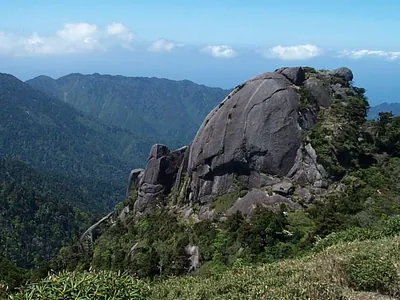
A UNESCO World Heritage site featuring ancient cedar forests, volcanic landscapes, and protected beaches for nesting sea turtles.
What it is
- A national park covering over 32,000 hectares across Yakushima and Kuchinoerabujima islands.
- Established as Japan's 30th national park in 2012 after separating from Kirishima-Yaku.
- The entire park area is designated as a UNESCO Biosphere Reserve.
- Part of the island is recognized as a UNESCO World Heritage site.
What to see
- Ancient Yakusugi cedar trees estimated to be approximately 3,000 years old.
- Mount Miyanoura, the central peak of the park's mountain range.
- Three beaches registered under the Ramsar Convention for sea turtle nesting.
- Kuchinoerabujima, the largest volcanic island in the Satsunan volcanic chain.
- Marine park areas located near Kurio and Megasaki.
- Official site
- www.env.go.jp
02
Yakushima Botanical Research Park
KAGOSHIMA · PARK 屋久島有用植物リサーチパーク
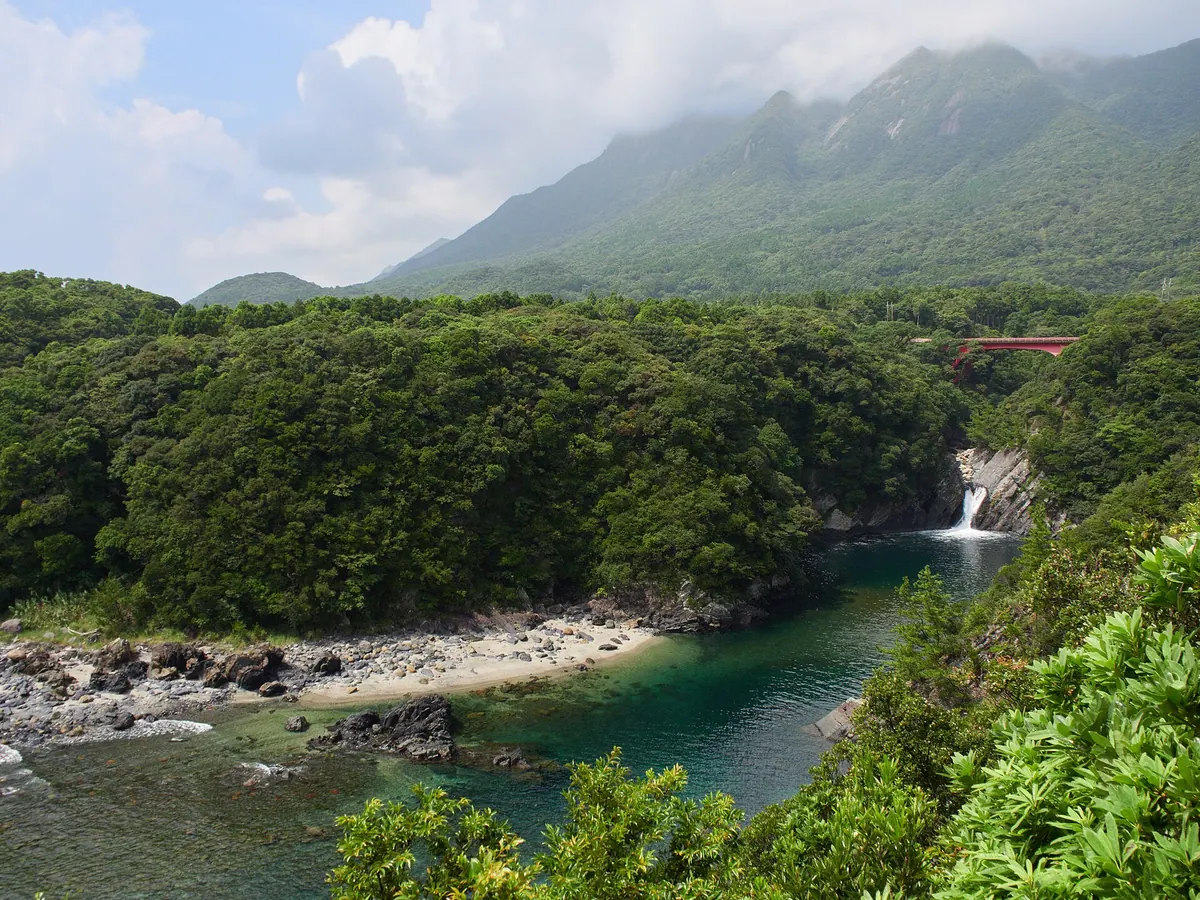
This park cultivates diverse plants and fruits, offering rare species and scenic views.
What it is
- Research park for fruits, herbs, and plants from around the world.
- Cultivates plants due to high rainfall and rich soils.
What to see
- Rare plants and fruits, including dragon fruit.
- Old banyan trees with aerial roots.
- Large pineapple garden.
- Observation deck with view of Trohki Waterfall.
- View of Mt. Mocchomu in the background.
When to go
- March to September: 8:30 am to 5:30 pm (last entrance 5:00 pm).
- October to February: 8:30 am to 5:00 pm (last entrance 4:30 pm).
03
Xavier Park
KAGOSHIMA · PARK ザビエル公園 (鹿児島市)
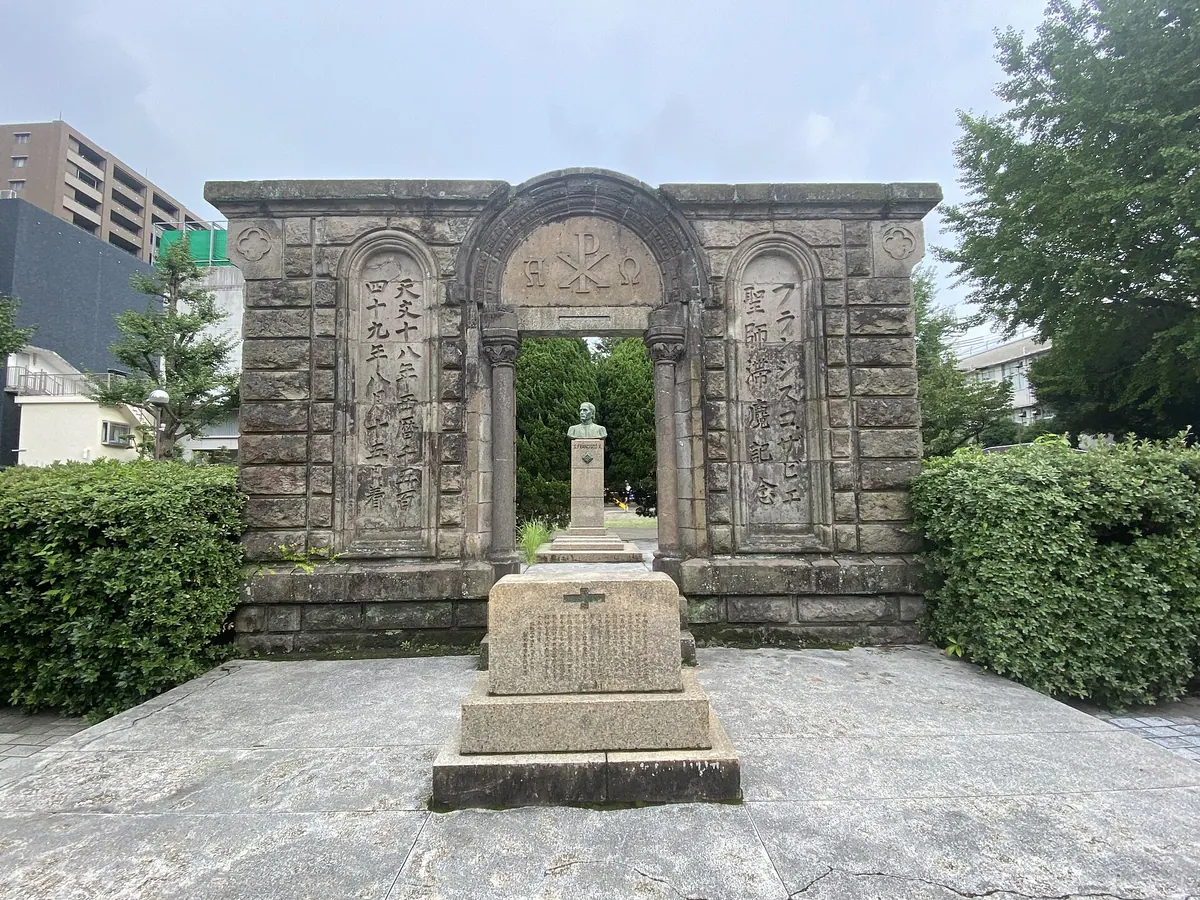
Xavier Park commemorates Francis Xavier's arrival in Kagoshima, featuring monuments and statues.
What it is
- An urban park in Kagoshima City.
- Commemorates Francis Xavier's arrival 400 years ago.
- Built in 1949 on a former memorial church site.
What to see
- Xavier Arrival Memorial Monument, installed in 1961.
- Monument uses salvaged materials from the destroyed church.
- Life-size statue of Xavier.
- Bronze statue depicting Xavier's missionary work.
Getting there
- 8 minutes from Kagoshima-Chuo Station by bus.
- 5 minutes walk from Takamibaba tram stop.
04
Kagoshima City Aquarium
KAGOSHIMA · PARK いおワールドかごしま水族館
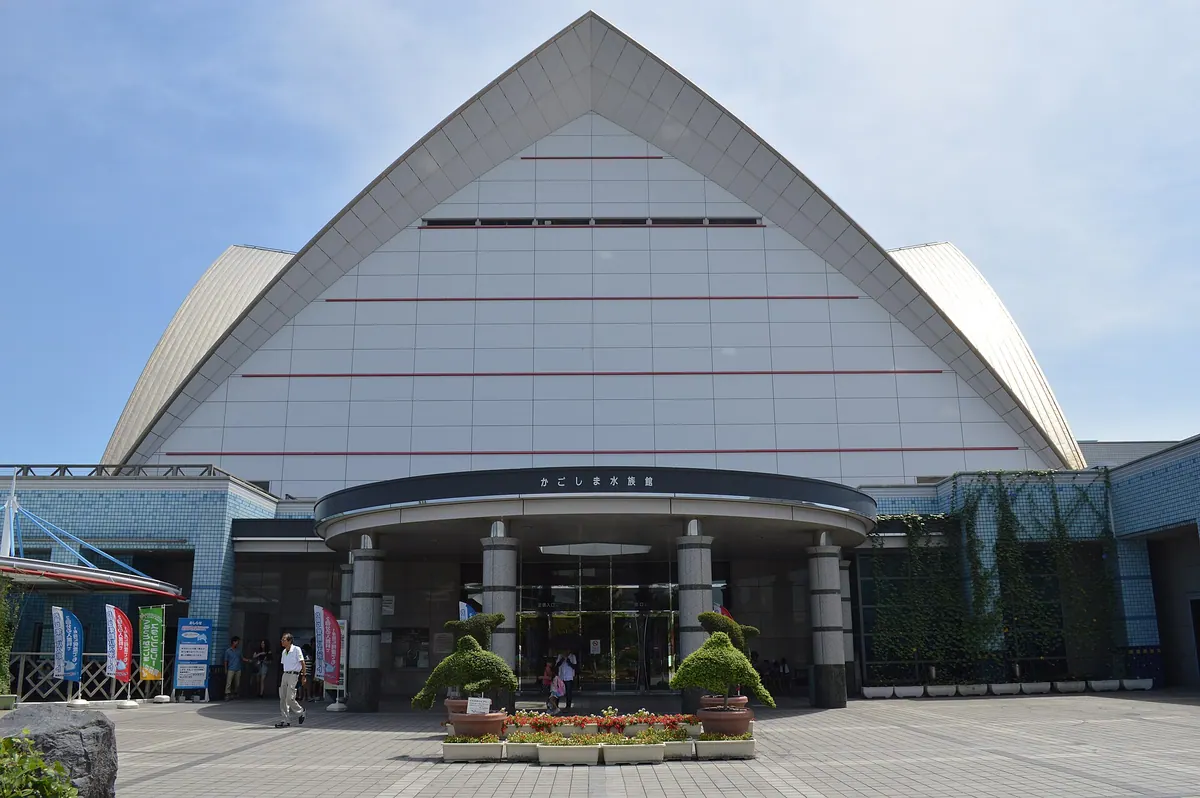
Kagoshima City Aquarium: see diverse marine life, including rare species, in a ray-shaped building.
What it is
- A large public aquarium in Kagoshima City.
- Opened on May 30, 1997.
- Concept is 'Kuroshio Romantic Road'.
What to see
- Exterior building design resembles a ray.
- Kuroshio Great Tank holds 1,500 tons of water.
- Full skeleton of an Indopacetus pacificus is displayed.
- First in Japan to exhibit Satsuma haorimushi.
- First in Japan to successfully feed kaluga sturgeon.
Getting there
- Accessible by tram, bus, or walking from JR Kagoshima Station.
- Address
- 鹿児島県鹿児島市本港新町3番地1 Map
- Official site
- ioworld.jp
05
Kagoshima Fureai Sports Land
KAGOSHIMA · PARK 鹿児島ふれあいスポーツランド
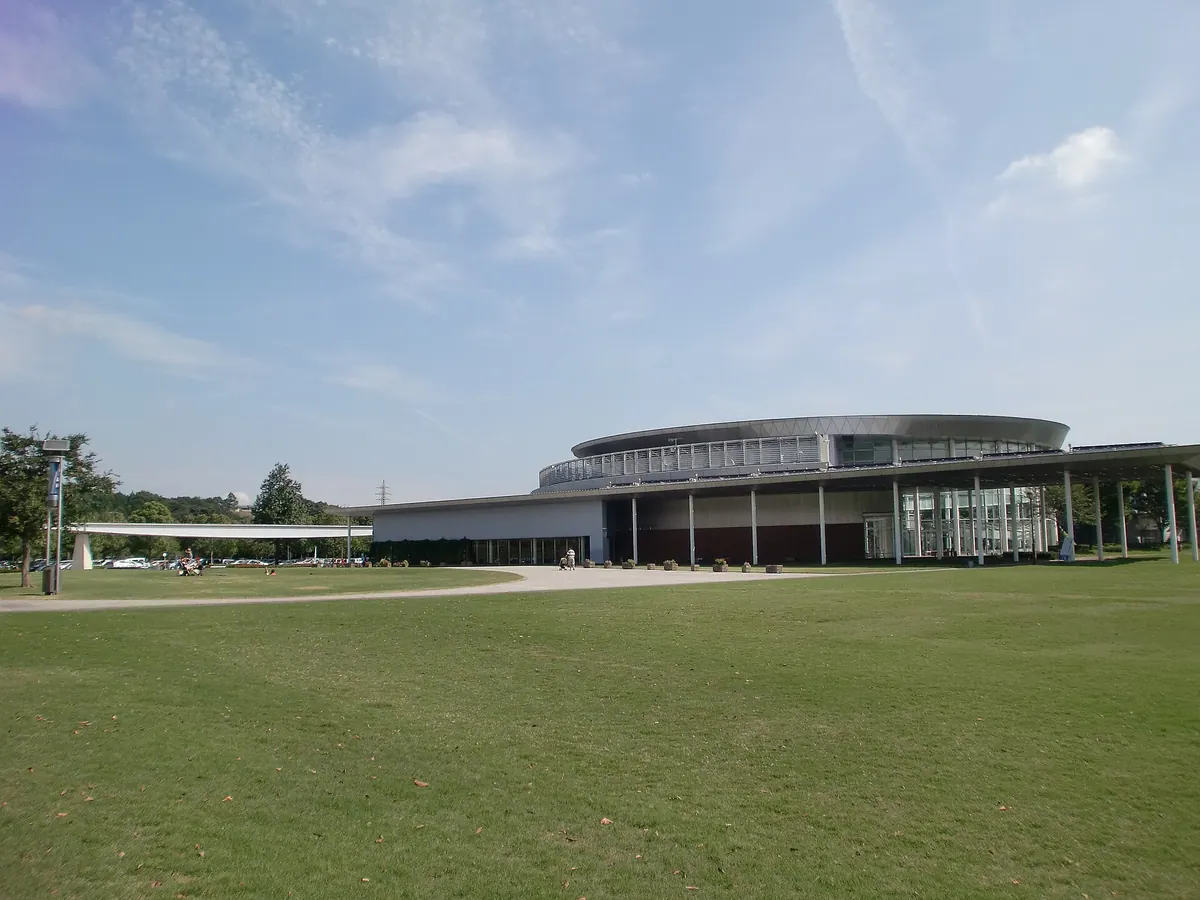
Kagoshima Fureai Sports Land is a large urban park with diverse sports facilities.
What it is
- An urban park in Kagoshima City.
- Opened in October 2004.
- Managed by Kagoshima City and Prefecture.
- Covers over 500,000 square meters.
What to see
- Two natural grass fields and one artificial turf field.
- Indoor pool with a 25m pool and water slide.
- Indoor athletic field.
- Jogging course.
- Soccer and rugby field.
When to go
- Annual Shimizu S-Pulse training camps.
- JFA All-Japan U-12 Football Championship is held here.
- Address
- 鹿児島県鹿児島市中山町591-1 Map
- Official site
- www.furesupo.jp
06
Ishibashi Park
KAGOSHIMA · PARK 石橋記念公園
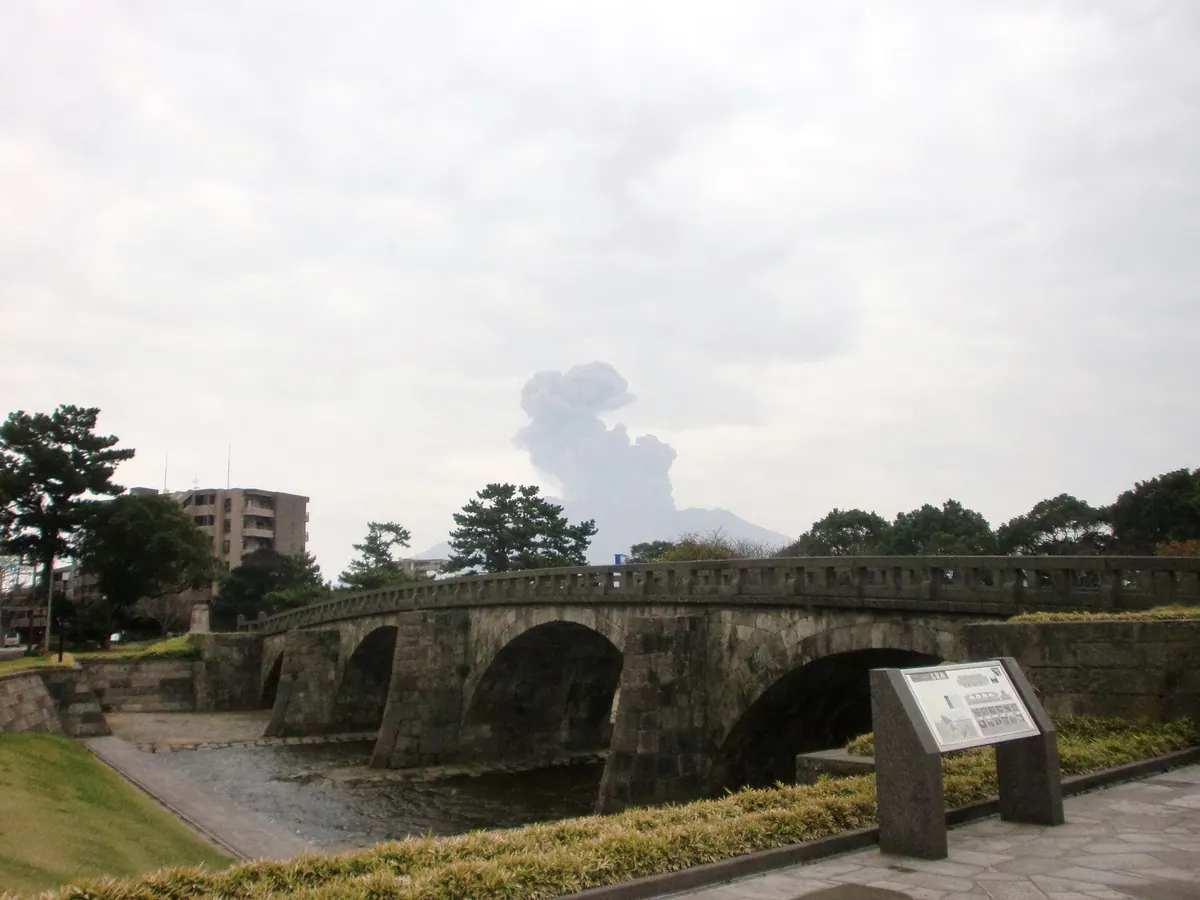
Ishibashi Park preserves historic stone bridges and a battery, offering a glimpse into Kagoshima's past.
What it is
- An urban park in Kagoshima City.
- Opened on April 25, 2000.
- Preserves three historic stone bridges.
- Utilizes the Gionnosu Battery.
What to see
- Three relocated stone bridges built by Shimazu Shigehide.
- Nishida Bridge, the most expensive of the original five.
- Koraibashi, which connected Kajiyamachi and Koraimachi.
- Tamaebashi, retaining its original appearance.
- A statue of Iwanaga Sangoro at Koraibashi.
- The Gionnosu Battery.
- Official site
- ppp.seika-spc.co.jp
07
Kirishima-Kinkōwan National Park
KAGOSHIMA · PARK 霧島錦江湾国立公園
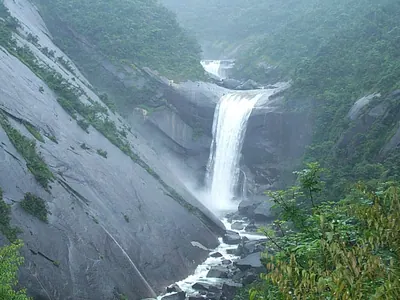
This park offers dynamic mountain scenery and coastal landscapes, with volcanoes and diverse sea life.
What it is
- National park combining mountains and coastal landscapes.
- Kirishima region has over 20 volcanoes and crater lakes.
- Kinkowan Bay is a caldera with abundant sea life.
What to see
- Dynamic mountain scenery of Kirishima region.
- Native vegetation like Makino crabapple trees.
- Miyama Kirishima azaleas.
- Active Sakurajima volcano.
- Natural hot springs.
- Striking landscape of Cape Sata and Mt. Kaimon.
- Official site
- www.env.go.jp
08
Kiyomizu Iwaya Park
KAGOSHIMA · PARK 清水岩屋公園
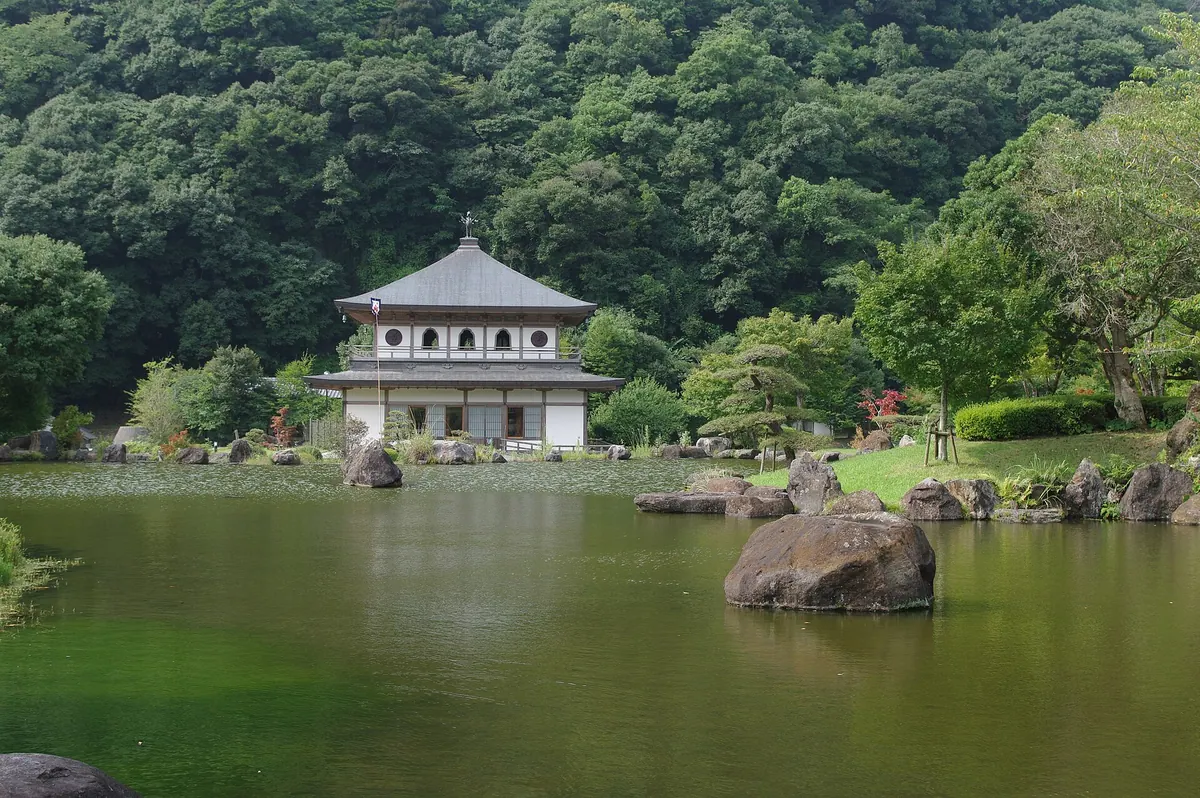
Iwaya Park is a municipal park known for its pristine water and unique rock carvings.
What it is
- A municipal park, also called Iwaya Park.
- Designated as one of the "100 Best Water Villages."
- Features Kiyomizu no Yusui, one of the "100 Best Waters."
What to see
- Kiyomizu Magaibutsu, rock carvings.
- Sakura no Yakata, located by the pond.
- Kiyomizu no Yusui spring, gushing 6,000 tons daily.
- Kiyomizu Shinoide Canal, irrigating rice paddies.
- Endangered Nemalionopsis tortuosa in the canal.
09
Amami Park
KAGOSHIMA · PARK 奄美パーク
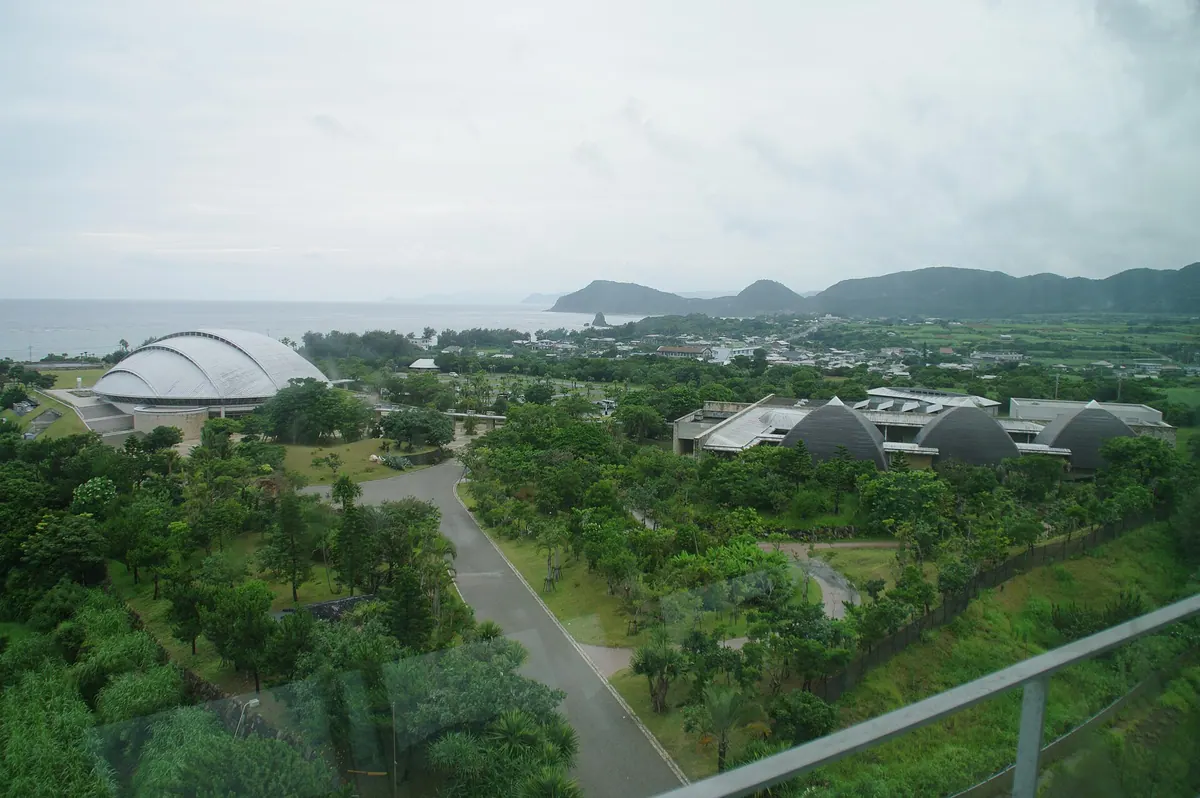
Amami Park offers art and local culture on the site of a former airport.
What it is
- Tourist facility founded by Kagoshima Prefecture.
- Opened in 2001 on the former Amami Airport site.
- Divided into Amami no Sato and an art museum.
What to see
- Amami no Sato cultural exhibition.
- Tanaka Isson Memorial Art Museum.
- About 450 works in the museum collection.
- 80 works displayed, rotated four times yearly.
Getting there
- Access via the Amami Park bus stop.
- Official site
- www.amamipark.com
10
Gold Park Kushikino
KAGOSHIMA · PARK ゴールドパーク串木野
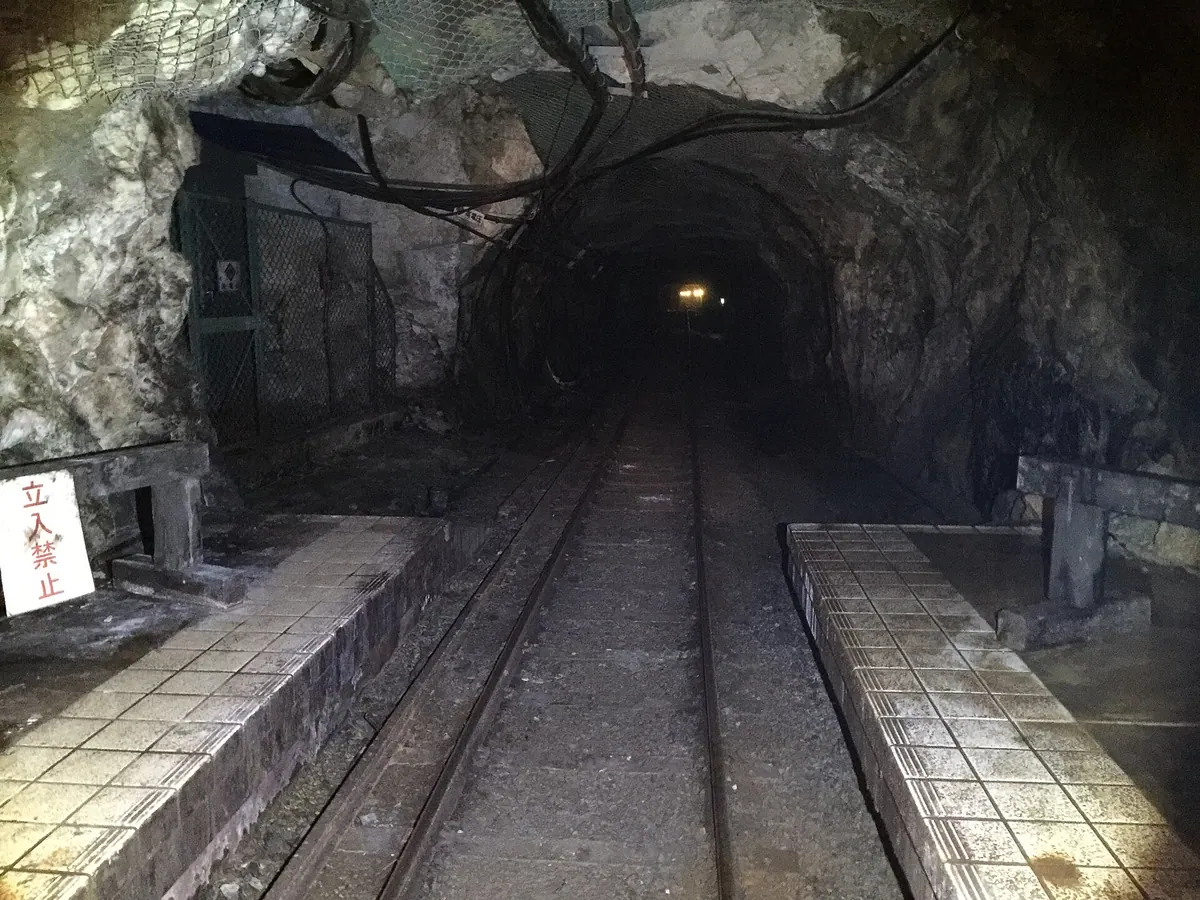
Explore a former gold mine and theme park, now a sake brewery, for a unique historical and cultural experience.
What it is
- A former gold-themed park, Gold Park Kushikino.
- Opened in 1988 by Mitsui Kushikino Mining.
- Closed in September 2003.
- Satsuma Kinzangura sake brewery now occupies the site.
What to see
- A 700m trolley train, Mine Shuttle, entered the mine.
- A gold museum with a 12.3 kg gold ingot.
- A pyramid of dummy gold ingots.
- A Kannon statue in a cave-like space.
11
Kagoshima Prefectural Yoshino Park
KAGOSHIMA · PARK 鹿児島県立吉野公園
Kagoshima's Yoshino Park offers panoramic views of Sakurajima and diverse flora, making it a scenic urban escape.
What it is
- An urban park in Kagoshima City.
- Developed over eight years from 1964.
- Opened on May 16, 1970.
- Selected as one of Japan's top 100 urban parks.
What to see
- Views of Sakurajima and Kirishima mountain range.
- Approximately 140 species and 70,000 trees.
- 40,000 azaleas around the fountain.
- A Japanese garden.
- A flower clock.
- A fountain.
- Official site
- yoshinopark.jp
12
Kirishimagaoka Park
KAGOSHIMA · PARK 霧島ヶ丘公園
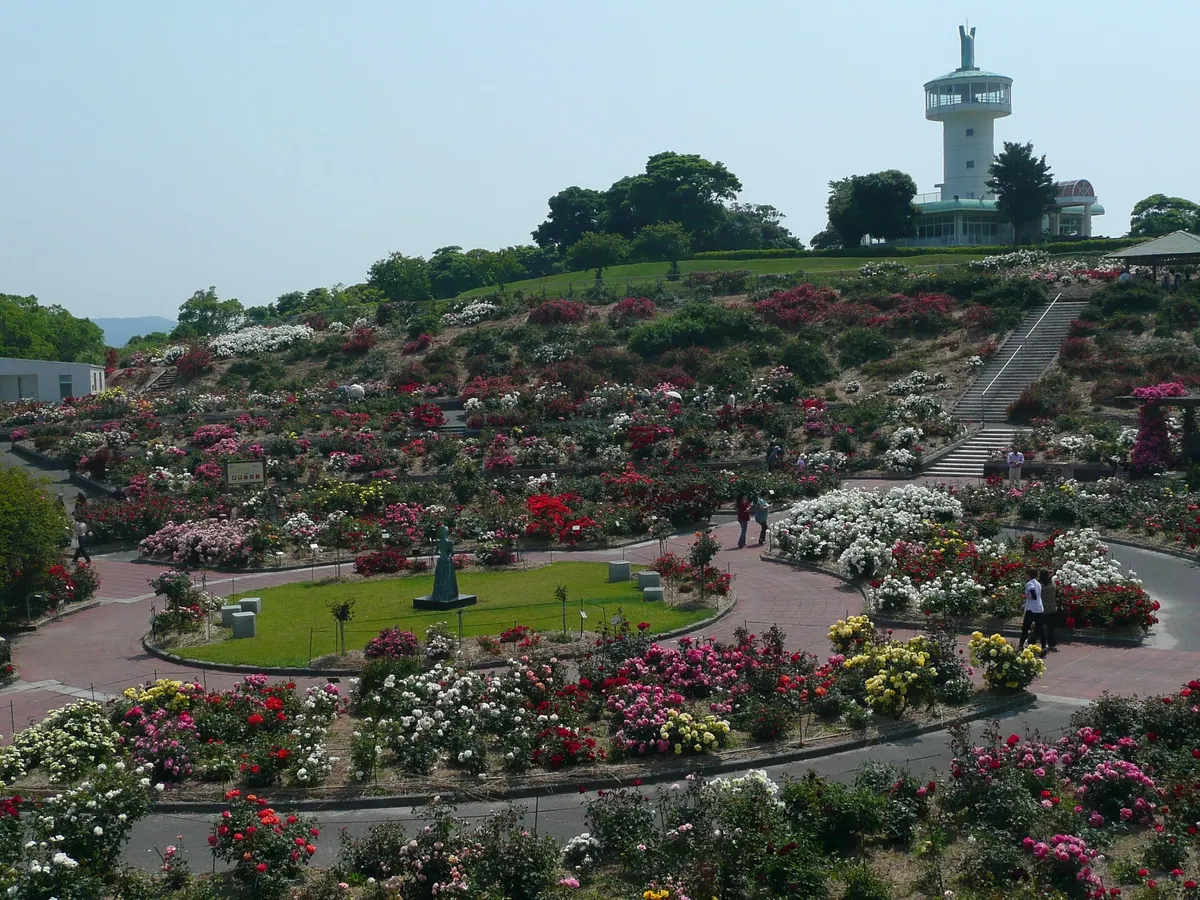
Kirishimagaoka Park offers panoramic views, Japan's largest rose garden, and family activities.
What it is
- A park in Kanoya City, Kagoshima Prefecture.
- Located on Kirishimagaoka, 173.7 meters high.
- Features Japan's largest rose garden.
- Includes a monument to Ai Shibata.
What to see
- Observation deck with 360-degree views.
- Kanoya Rose Garden.
- Monument to Ai Shibata.
- Ai Shibata's handprint.
- Teahouse.
- Official site
- www.city.kanoya.lg.jp
13
Tanegashima Division, Research Center for Medicinal Plant Resources
KAGOSHIMA · PARK 薬用植物資源研究センター種子島研究部
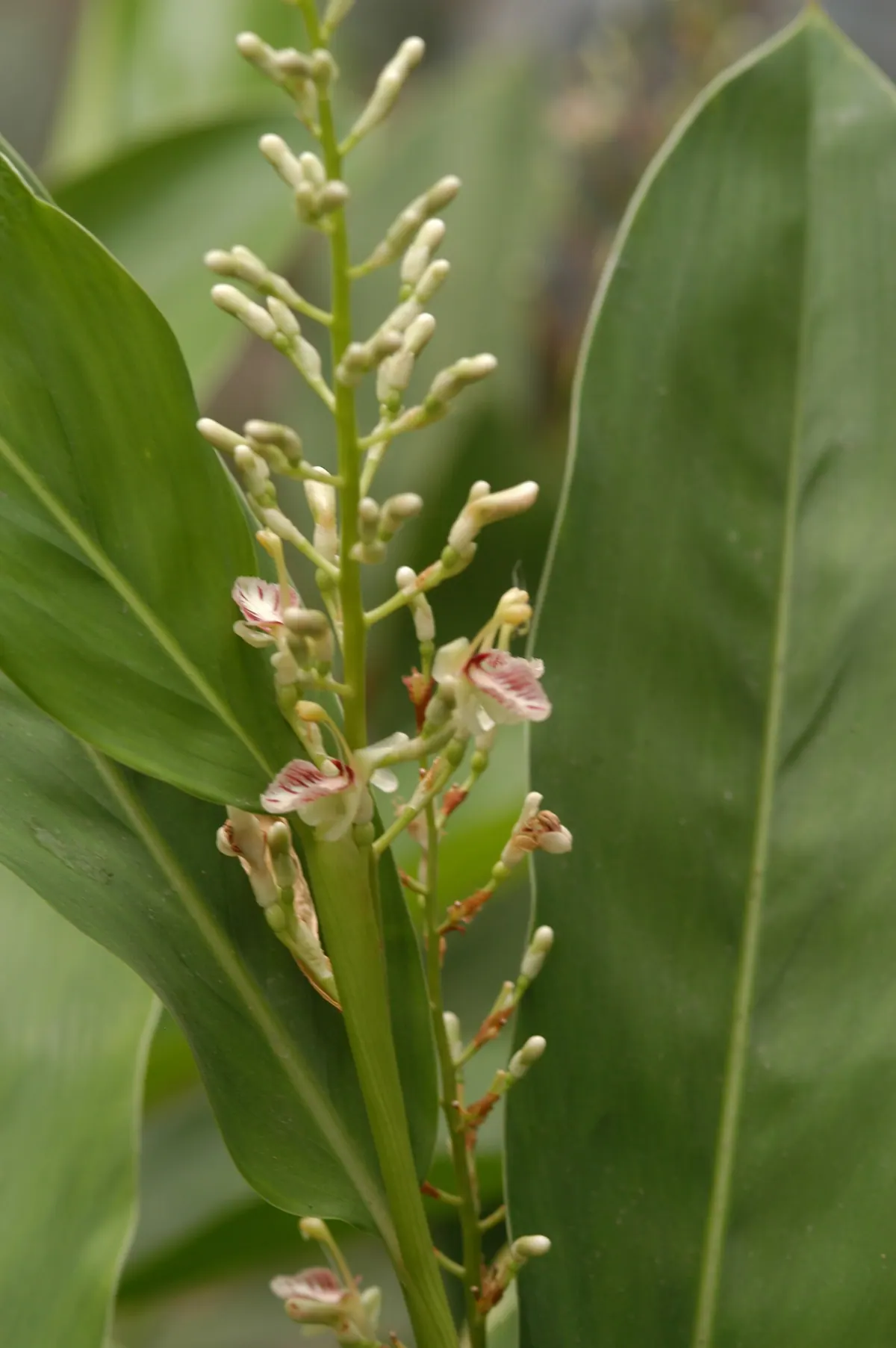
Research facility and botanical garden preserving medicinal plants, worth visiting for unique flora.
What it is
- A research facility, test site, and botanical garden.
- Established in 1954.
- Conducts research on cultivation and improvement of medicinal plants.
- Preserves endangered and difficult-to-cultivate plants.
What to see
- Medicinal plants growing naturally on site.
- Plants native to Tanegashima.
- Official site
- wwwts9.nibiohn.go.jp
Read more about Tanegashima Division, Research Center for Medicinal Plant Resources
14
Kagoshima City Hirakawa Zoo
KAGOSHIMA · PARK 鹿児島市平川動物公園
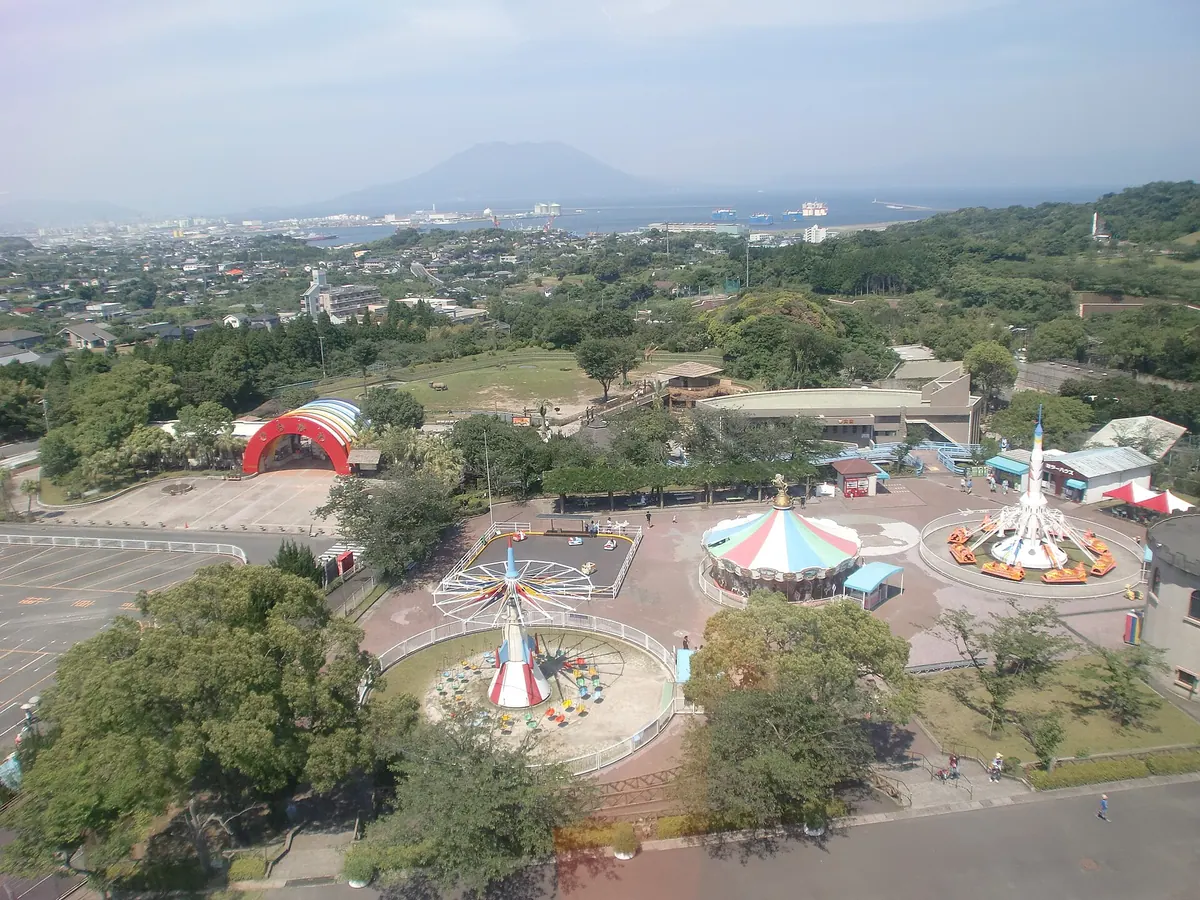
Kagoshima's zoo and amusement park offers diverse animals and historical transport exhibits.
What it is
- A zoological park in Kagoshima Prefecture.
- Opened on October 14, 1972.
- Has an amusement park on its premises.
- Successfully breeds native animals.
What to see
- 125 species and 1000 animals.
- A C57 steam locomotive.
- A preserved streetcar.
- The Goinogawa River on the east side.
- Address
- 鹿児島県鹿児島市平川町5669-1 Map
- Official site
- hirakawazoo.jp
15
Amami Guntō National Park
KAGOSHIMA · PARK 奄美群島国立公園
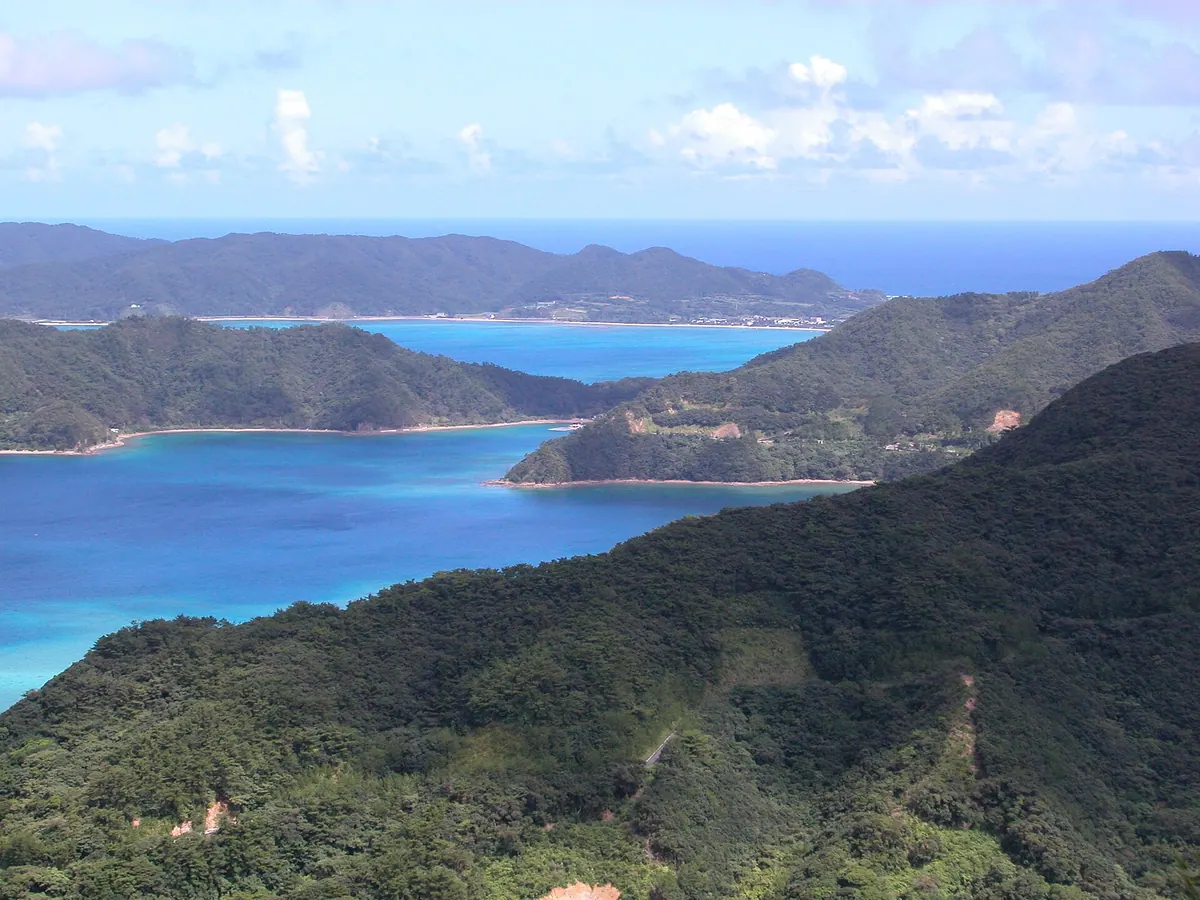
Amami Guntō National Park protects unique subtropical ecosystems across several islands.
What it is
- Japan's 34th national park, designated March 7, 2017.
- Covers 75,263 hectares of land and sea.
- Includes eight islands and twelve municipalities.
What to see
- Coral reefs and mangrove forests.
- Tidal flats and subtropical broadleaf forests.
- Unique species of flora and fauna.
- Official site
- www.env.go.jp
16
Ōhama Seaside Park
KAGOSHIMA · PARK 大浜海浜公園
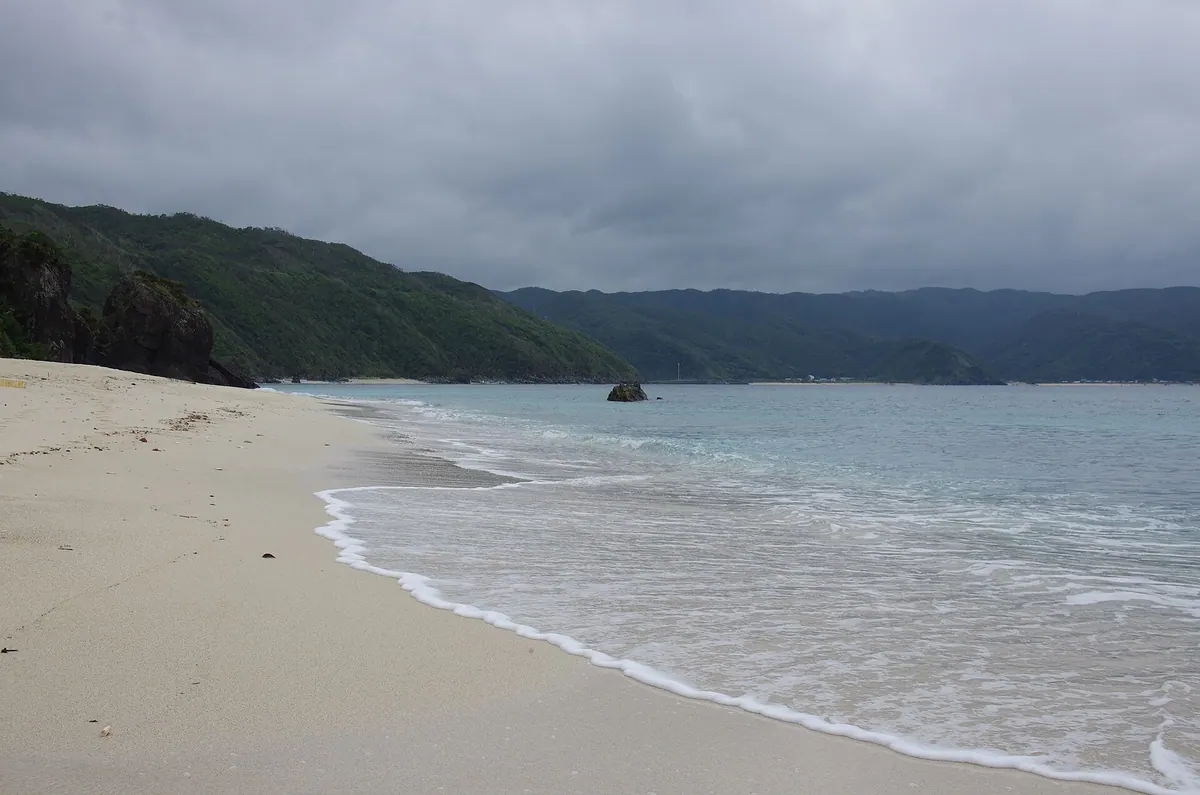
Ōhama Seaside Park offers a scenic beach, marine exhibits, and a relaxing green space.
What it is
- A seaside park in Amami City, Kagoshima Prefecture.
- Located within Amami Gunto National Park.
- Selected for Japan's Top 100 Beaches in 1996.
What to see
- A sandy beach for swimming.
- A lawn garden.
- Amami Marine Exhibition Hall.
- A campground.
- Official site
- www.ohama.marutani-amami.com
17
Sata physic gardens
KAGOSHIMA · PARK 佐多旧薬園
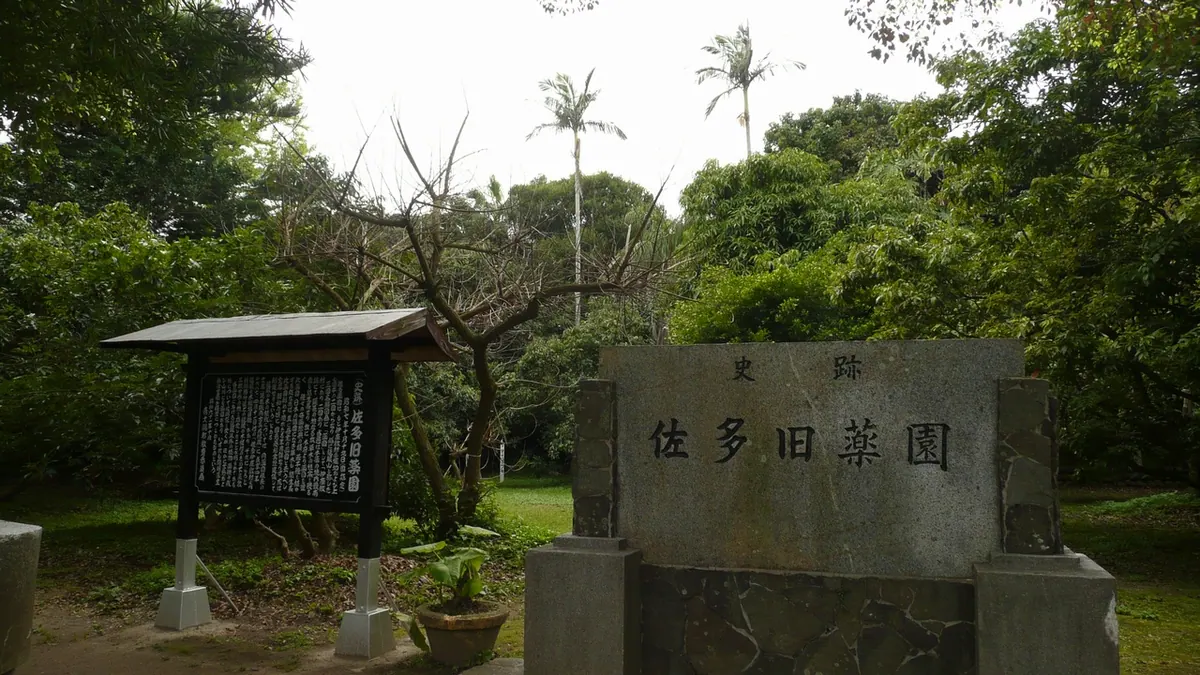
Sata Former Herb Garden, with its subtropical climate, grew unusual and medicinal plants.
What it is
- Former herb garden at Cape Sata.
- Grew unusual and medicinal plants.
- Important for medical research until Edo period.
What to see
- Subtropical climate plants and herbs.