
Chinkoku-ji Temple
鎮国寺
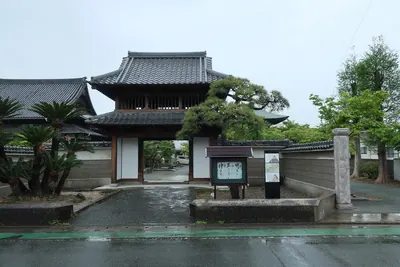
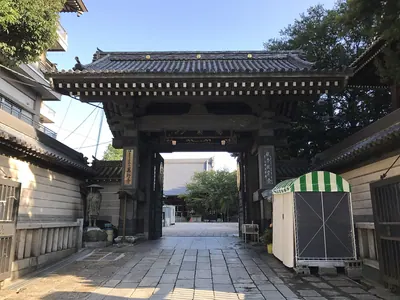
This temple, founded by Kukai, uniquely enshrines both Buddhist and Shinto deities, offering year-round natural beauty.
What it is
- Temple established in 806 by Kukai.
- Dedicated to Fudo Myoo and Three Female Deities of Munakata.
- Deities are enshrined as three Buddhas.
What to see
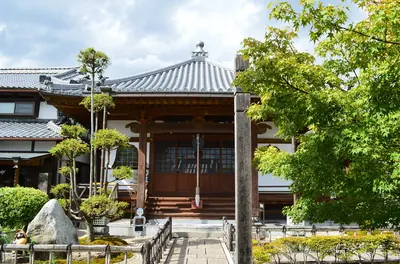
- Main hall and Gomado Hall.
- Five Buddhas in the main hall.
- Statues and stone monuments along a path.
- Statue of Kobo Daishi.
- Plum, cherry, azalea, iris, hydrangea, lotus, spider lily blossoms.
- Autumn leaves of Japanese maples and ginkgo trees.
When to go
- April 28 for Fudo Myoo memorial ceremony.
- January for plum blossoms.
- Spring for cherry blossoms, azaleas, irises.
- Early summer for hydrangeas.
- Summer for lotus blossoms and red spider lilies.
- November to December for autumn leaves.
In detail
Chinkokuji Temple is said to have been established in 806 by Kukai (774–835; posthumously known as Kobo Daishi), an influential monk who introduced Shingon teachings to Japan after traveling to China in 804 to study esoteric Buddhism.
According to legend, Kukai sailed into a heavy storm on the way to China. He prayed to Buddha and the bodhisattvas, and to the Three Female Deities of Munakata—three Shinto deities who protect seafarers.
As Kukai prayed, the figure of Fudo Myoo, a fearsome guardian deity who protects the faithful and subdues evil spirits, appeared before him. His ship reached China safely. On his return to Japan, Kukai visited Munakata Taisha to give thanks to the deities for his safe passage. Chinkokuji Temple enshrines Fudo Myoo as well as the Three Female Deities of Munakata, enshrined here as three Buddhas.
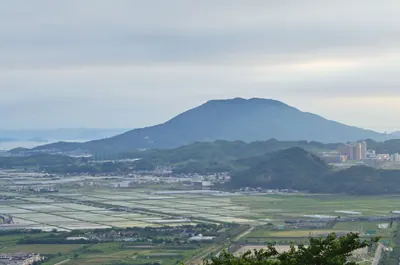
The Three Female Deities are portrayed as Dainichi Nyorai, the cosmic Buddha; Shaka Nyorai, the historical Buddha; and Yakushi Nyorai, the healing Buddha. After Buddhism was introduced to Japan in the sixth century, an overlap developed between Shinto and Buddhist deities and they came to be portrayed interchangeably. The temple is within sight of Hetsu-miya, the largest of the three Munakata Taisha Shinto shrines venerating the Three Female Deities of Munakata.
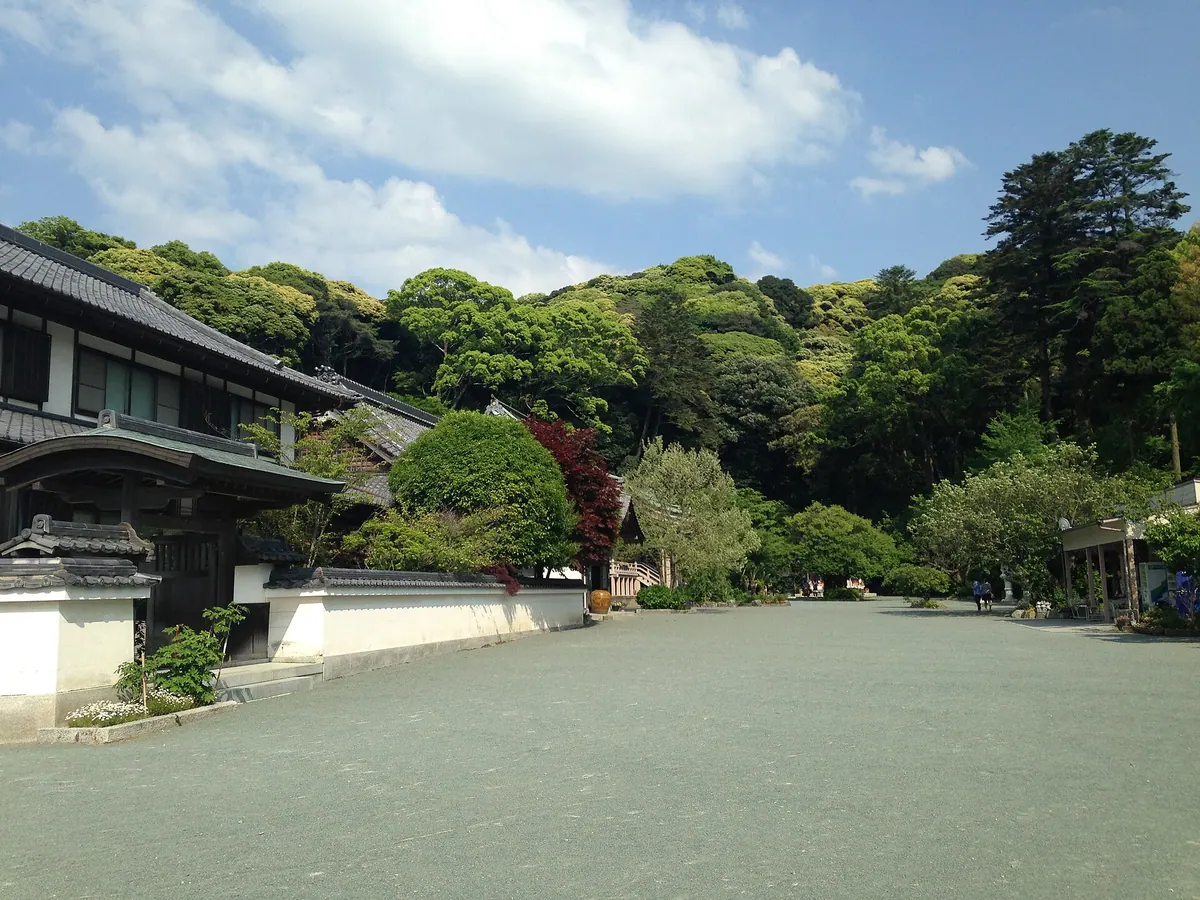
The temple precincts include the main hall (hondo), the Gomado Hall, and several smaller worship halls. The main hall houses five Buddhas, three of which represent the Three Female Deities of Munakata. The Gomado Hall holds fire rituals to honor Fudo Myoo. A path leads visitors through the forested grounds past statues and stone monuments, including a statue of Kobo Daishi.
One of the main events at the temple is the annual memorial ceremony for Fudo Myoo on April 28. This is the only time the statue of Fudo Myoo is displayed for public viewing. The ceremony includes prayers around a ritual fire. Afterwards, worshippers can walk across warm coals to rid themselves of bad luck. The ceremony is open to the public.
The temple grounds bloom throughout the year, with plum blossoms in January, cherry blossoms, azaleas and irises in spring, and hydrangeas in early summer. The summer months bring lotus blossoms and red spider lilies. From November to December the leaves of Japanese maples and ginkgo trees turn shades of red and gold.
Text: 観光庁 地域観光資源の多言語解説文データベース. Reproduced unchanged. The notes above were written from that text by Japan Gems.
Where it is
福岡県宗像市吉田966 Open in Google Maps
この施設の関係者の方へ
このページは公開情報をもとに Japan Gems が作成し、訪日外国人向けに英語で掲載しています。 写真や情報の追加・修正を承っています。お店の写真に差し替えることもできます。
このページの情報を更新する