

20 Temples in Fukuoka worth your time
Japan Gems
Fukuoka Prefecture offers a variety of temples, including Mangyō-ji Temple and Zendo-ji Temple. Visitors can find temples that suit different interests across the prefecture.
Fukuoka has 52 temples on Japan Gems. Below are the 20 we can tell you the most about — each one written up in English from Japanese sources, with what to see and how to get there. See all temples in Fukuoka.
01
Rurikō-ji Temple
FUKUOKA · TEMPLE 瑠璃光寺
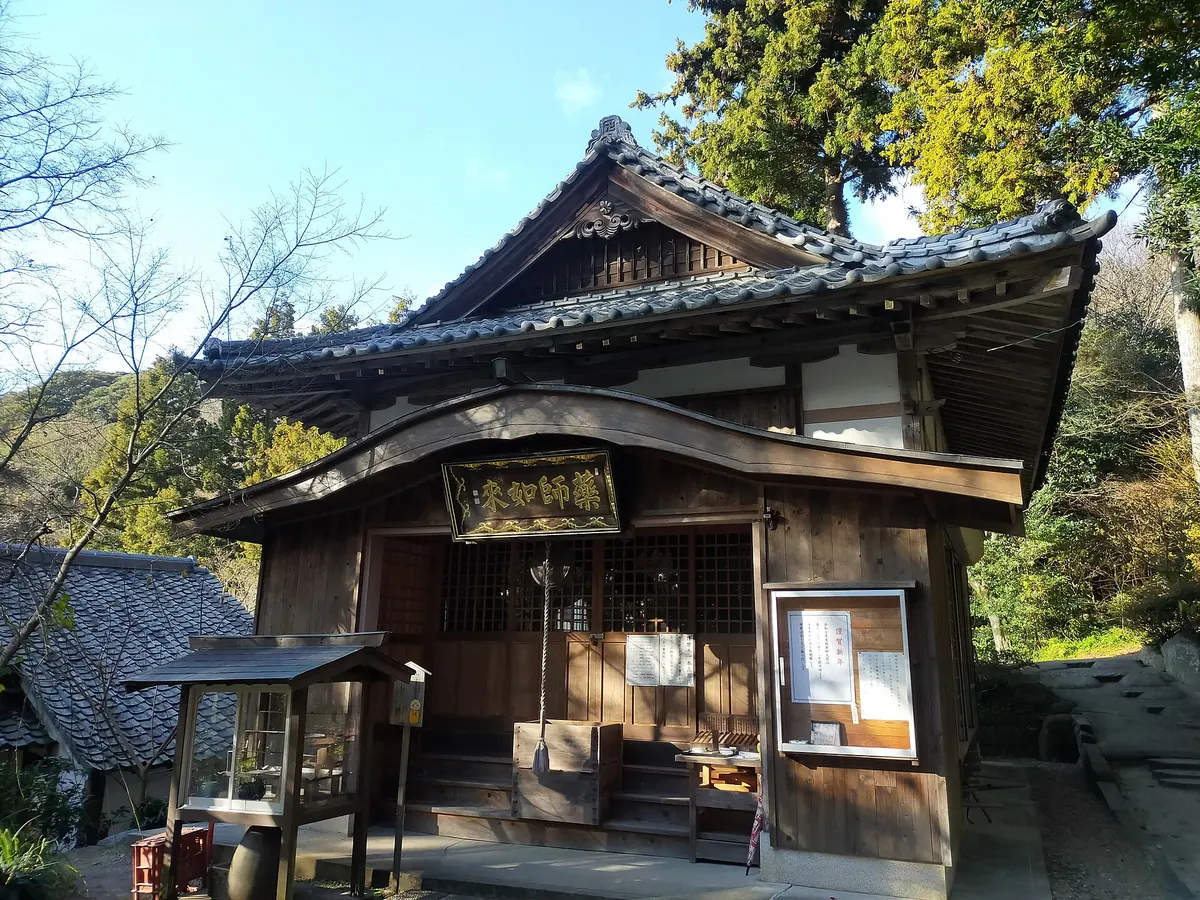
A Shingon sect temple on Mount Hiyama known for healing spring water and views of ancient castle ruins.
What it is
- A Shingon Daigakuji sect temple located near the ninth station of Mount Hiyama.
- Founded by an Indian monk named Seiga and dedicated to the deity Yakushi Nyorai.
- Known as a site for healing eye diseases using spring water from a local well.
- A former branch of Sennyo-ji temple that once housed a 12th-century bronze sutra container.
What to see
- The main hall which was relocated to be hidden from the sea.
- A well on the grounds where the Yakuōsui spring water flows.
- Views overlooking Mount Kōso and the ruins of Ono Castle.
- The main deity which is displayed to the public four times every year.
When to go
- Four specific days throughout the year when the deity is shown to the public.
Getting there
- Take the Funakoshi-Nokita bus line to the Inadome bus stop.
02
Kōmyōzen-ji
FUKUOKA · TEMPLE 光明禅寺
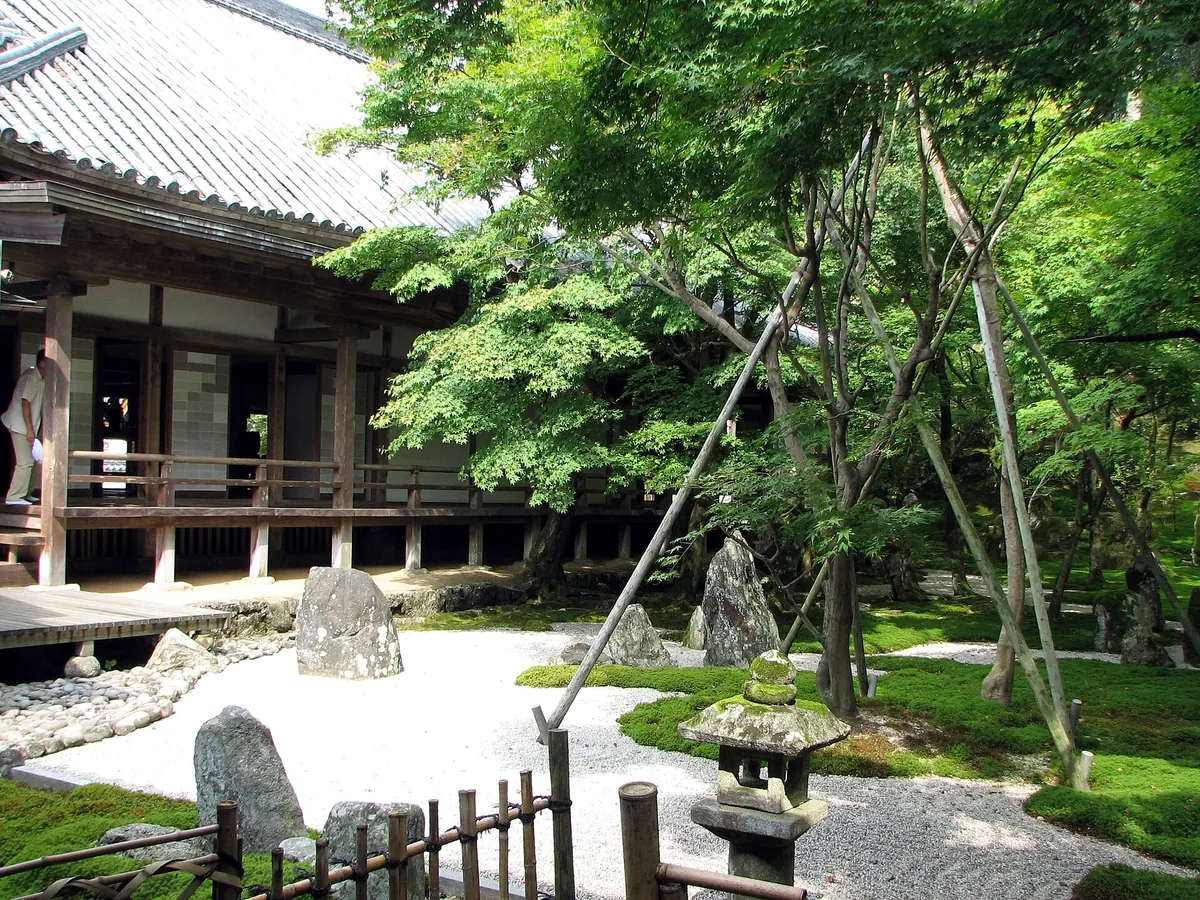
A historic Zen temple in Dazaifu famous for its moss gardens and stone arrangements, currently undergoing major renovations.
What it is
- A Zen temple of the Tofuku-ji school founded by Tetsugyu Enshin in 1273
- Commonly known as Kokedera or Moss Temple due to its lush greenery
- Served as the family temple for officials of the nearby Dazaifu Tenmangu
- The main hall is a designated cultural property of Dazaifu City
What to see
- The front garden featuring fifteen stones arranged in a specific pattern
- A dry landscape garden called Itteki-kaitei located at the rear
- Fukuoka Prefecture designated scenic spots within the temple grounds
- A large Celtis sinensis tree recognized as a city natural monument
When to go
- Public viewing is currently suspended for renovations since 2018
Getting there
- Located a six minute walk from Dazaifu Station
03
Ankoku-ji Temple
FUKUOKA · TEMPLE 安国寺
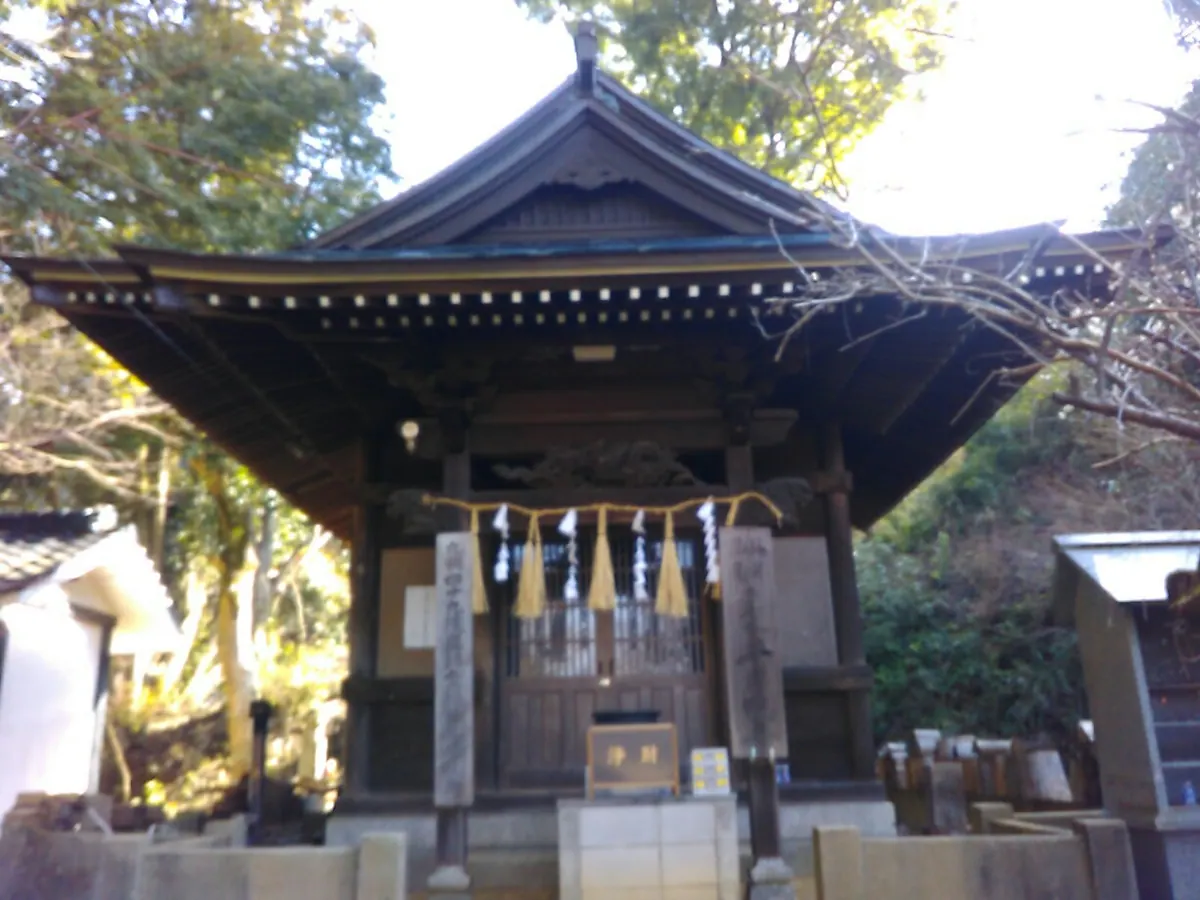
A 14th-century Tendai sect temple in Fukuoka built by Ashikaga Takauji to honor war victims and national peace.
What it is
- A Tendai sect temple established in 1339 by Ashikaga Takauji and Tadayoshi
- Built as a site to pray for war victims and national peace
- The current main hall on the grounds was rebuilt in 1918
- Admission to the temple grounds is free for all visitors
What to see
- Rare stone Roku Jizo statues carved in the shape of lanterns
- A sacred statue of the White-robed Kannon housed within the temple
- The grave of the famous sumo wrestler Shiranui Mitsugoro
- The temple grounds situated under the mountain name Zuiunzan
Getting there
- Accessible by taking a bus from Keisen Station
- Located approximately 33 kilometers away from the Fukuoka Interchange
- On-site parking is available for those arriving by car
04
Chikuzen Kokubun-niji
FUKUOKA · TEMPLE 筑前国分尼寺
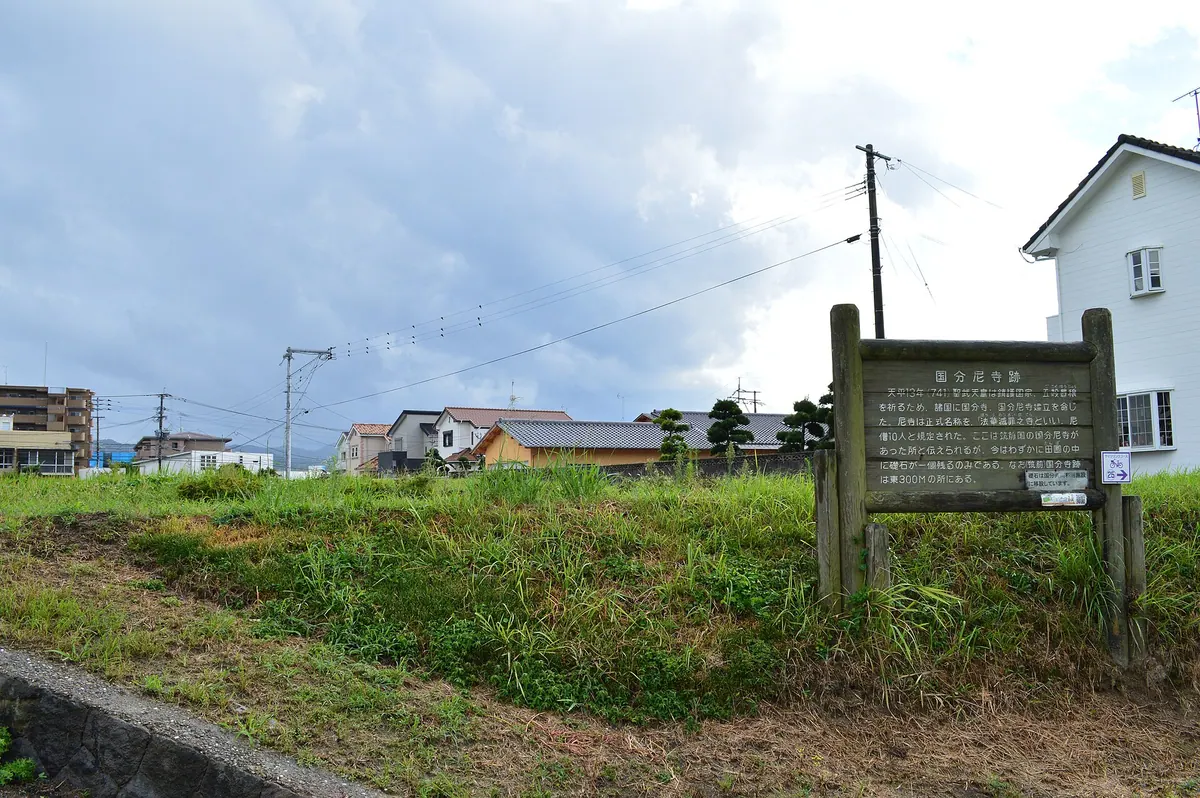
A Shingon sect temple built on the historic site of a Nara-period monastery established by Emperor Shomu.
What it is
- A temple of the Koyasan Shingon sect enshrining Yakushi Nyorai.
- The site of a former Nara-period monastery established by imperial decree.
- A nationally designated historic site including the remains of a tile kiln.
- The original monastery grounds once measured approximately 192 meters square.
What to see
- The current main hall which was rebuilt during the 19th century.
- A wooden seated Nyorai statue designated as an Important Cultural Property.
- The historic grounds where the original monastery once stood.
- A replica of a seven-story pagoda located at a nearby museum.
Getting there
- The temple is a 17-minute walk from Tofuro-mae Station.
05
Chinkoku-ji Temple
FUKUOKA · TEMPLE 鎮国寺
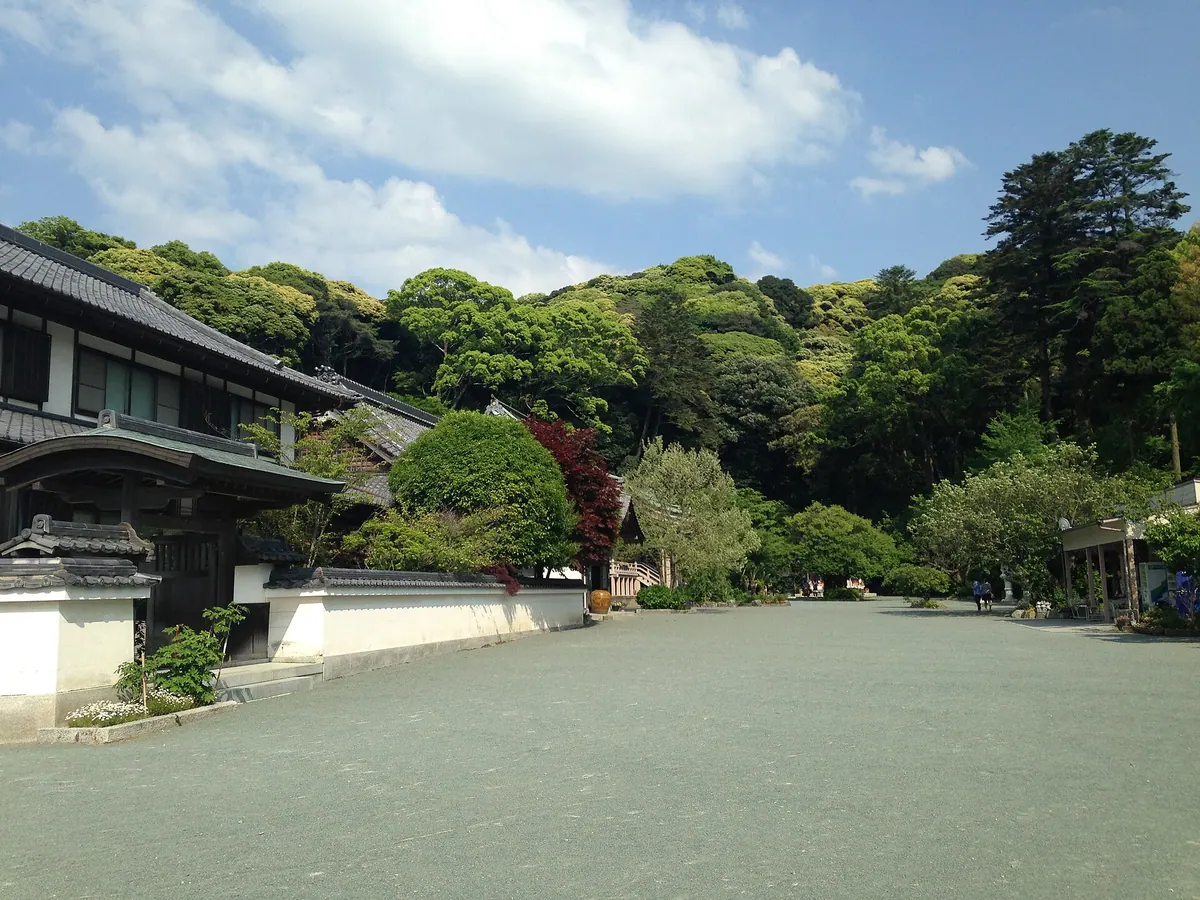
This temple, founded by Kukai, uniquely enshrines both Buddhist and Shinto deities, offering year-round natural beauty.
What it is
- Temple established in 806 by Kukai.
- Dedicated to Fudo Myoo and Three Female Deities of Munakata.
- Deities are enshrined as three Buddhas.
What to see
- Main hall and Gomado Hall.
- Five Buddhas in the main hall.
- Statues and stone monuments along a path.
- Statue of Kobo Daishi.
- Plum, cherry, azalea, iris, hydrangea, lotus, spider lily blossoms.
- Autumn leaves of Japanese maples and ginkgo trees.
When to go
- April 28 for Fudo Myoo memorial ceremony.
- January for plum blossoms.
- Spring for cherry blossoms, azaleas, irises.
- Early summer for hydrangeas.
- Summer for lotus blossoms and red spider lilies.
- November to December for autumn leaves.
- Address
- 福岡県宗像市吉田966 Map
- Official site
- www.chinkokuji.or.jp
06
Senkō-ji Temple
FUKUOKA · TEMPLE 千光寺
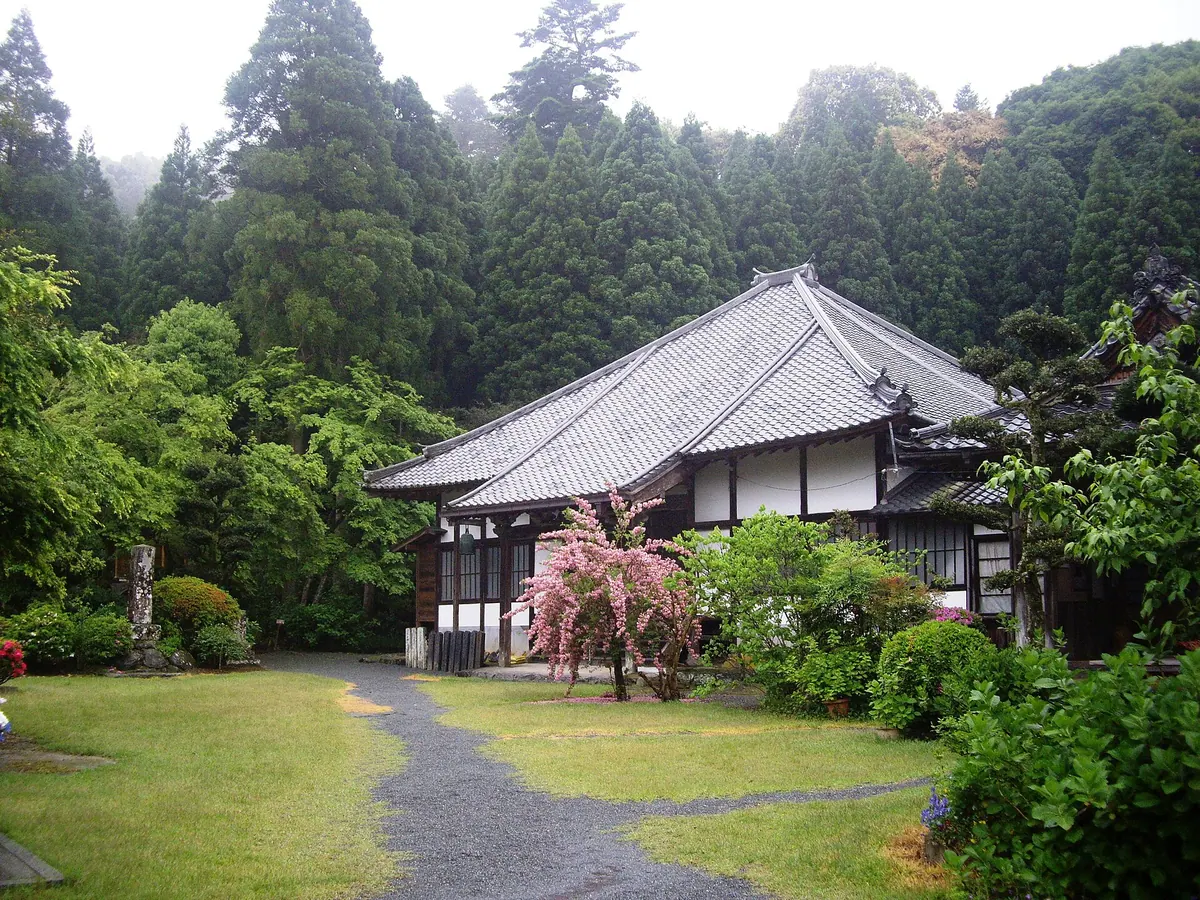
Senkoji is one of Japan's oldest Zen temples, famous for its thousands of hydrangeas.
What it is
- Soto Zen temple in Kurume City, Fukuoka Prefecture.
- One of Japan's oldest Zen temples.
- Founded by Eisai in the Kamakura period.
- Also founded by Kusano Nagahira in 1192.
What to see
- Thousands of hydrangea plants bloom on the grounds.
- Bronze bell is a Fukuoka Prefecture cultural property.
- Memorial towers for the Kusano family and Tanaka Tadamasa.
- Mausoleum for Imperial Prince Kaneyoshi behind the temple.
When to go
- Known as 'Ajisai-dera' for its hydrangeas.
- About 7,000 hydrangea plants bloom.
- Ajisai Festival is held annually in June.
- Address
- 福岡県久留米市山本町豊田2287 Map
07
Nyoirin-ji Temple (Ogori)
FUKUOKA · TEMPLE 如意輪寺
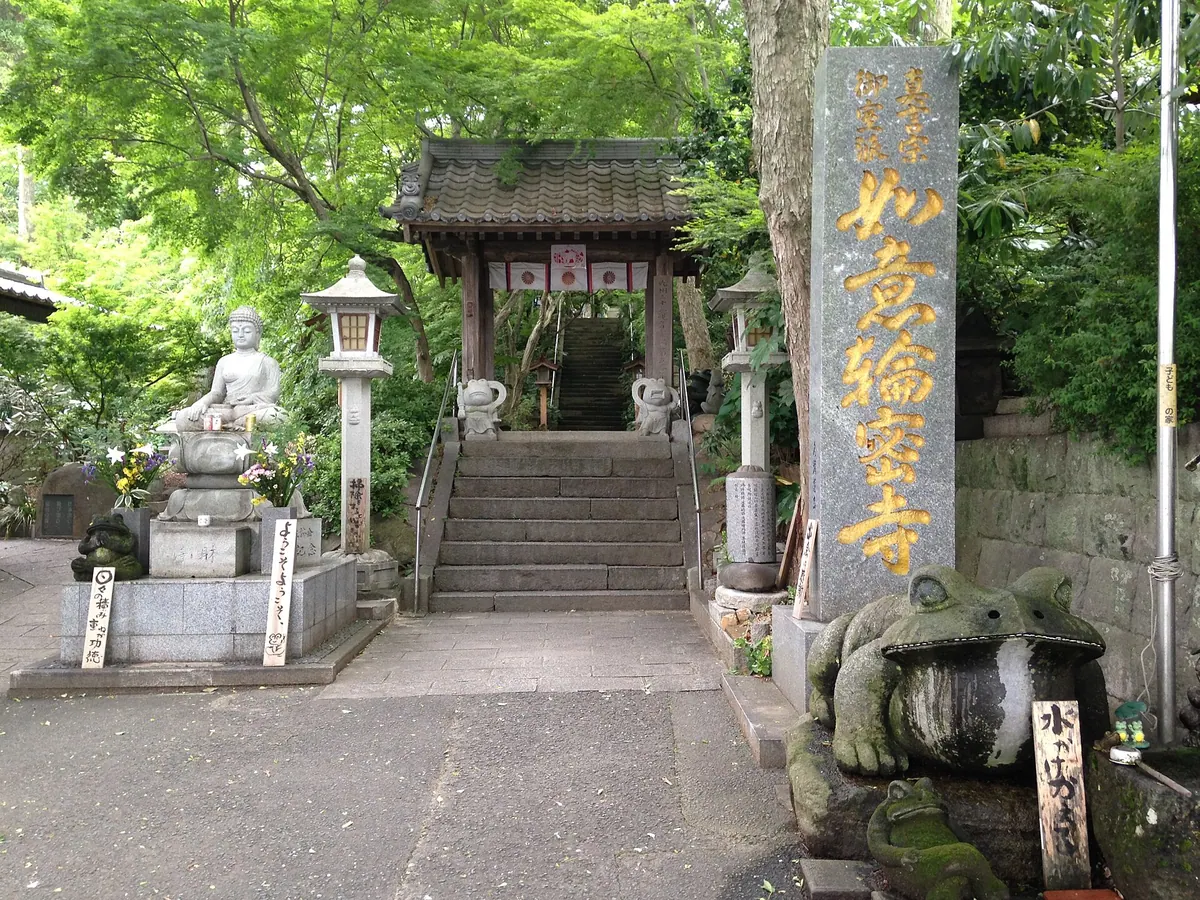
Nyoirin-ji Temple, or Frog Temple, offers unique frog statues and a historic Kannon, worth an hour's visit.
What it is
- A Shingon-shu Omuro-ha Buddhist temple.
- Founded in 729 by Gyoki.
- Known as Kaeru-dera (Frog Temple).
- Designated 8th temple of Chikugo 33 Kannon Pilgrimage.
What to see
- A standing Nyoirin Kannon statue.
- Statue is a Fukuoka Prefecture cultural property.
- Statue dates to the late Heian period.
- Many frog statues and decorations.
When to go
- Frog Festival is held annually on June 6.
Getting there
- 15-minute walk from Misawa Station.
- 10-minute drive from Chikugo Ogori Interchange.
- Address
- 福岡県小郡市横隈1729 Map
- Official site
- www.kyushyu24.com
08
Fuko-ji Temple (Omuta)
FUKUOKA · TEMPLE 普光寺 (大牟田市)
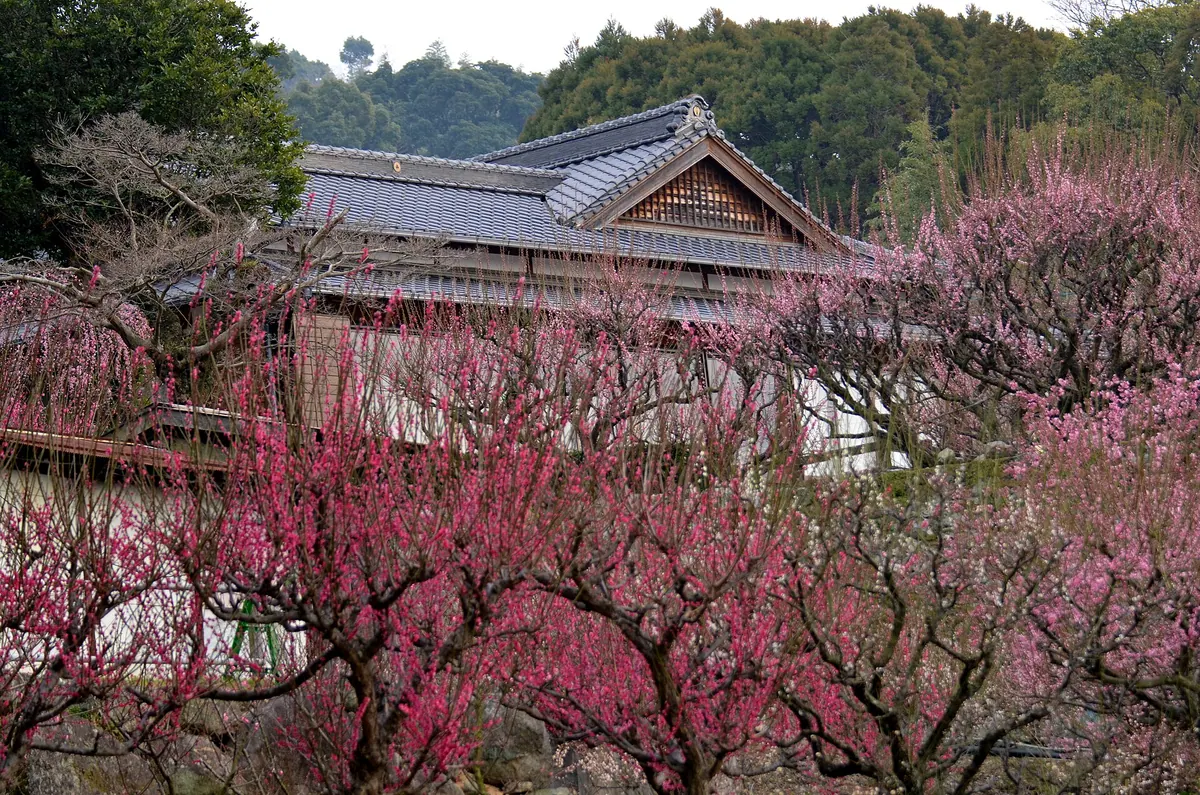
Fuko-ji Temple is an ancient Buddhist site, known for its historic statues and a unique, sprawling plum tree.
What it is
- Oldest Buddhist temple in Ōmuta.
- Part of the Tendai school of esoteric Buddhism.
- Founded in 820 by priest Ennin.
What to see
- Main Hall dates to the Edo period.
- Wooden statue of Yakushi Nyorai, the Buddha of Healing.
- Wooden statue of founder Jikaku Daishi.
- Pagoda, stone Buddhist statues, tutelary shrines, gravestones.
- Enormous, double-flowering pink plum tree, over 350 years old.
- Variety of other plum trees on the grounds.
When to go
- Mid-February to late March for plum blossoms.
- Address
- 福岡県大牟田市今山2538 Map
09
Kanzeon-ji Temple
FUKUOKA · TEMPLE 観世音寺
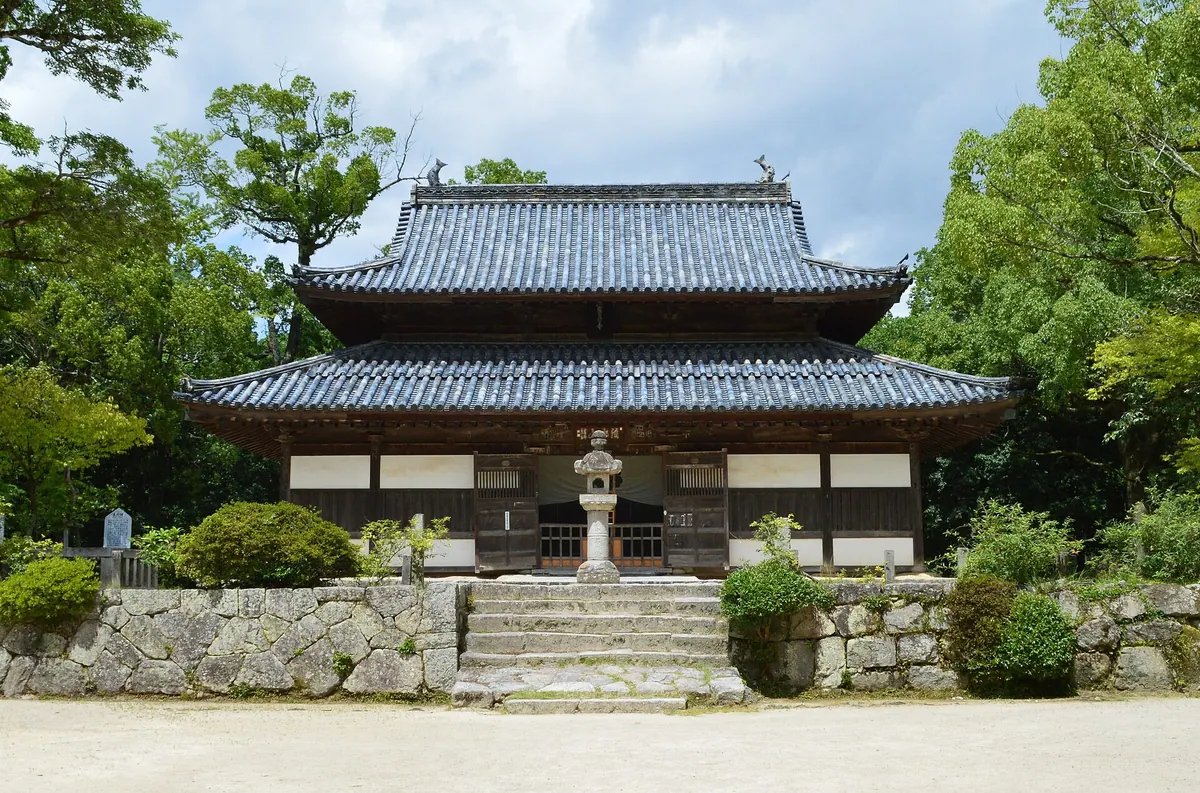
Ancient Tendai temple in Dazaifu, home to historic ordination hall and one of Japan's oldest bells.
What it is
- Tendai sect temple founded by Emperor Tenji.
- Construction began in the latter half of the 7th century.
- Principal image is Sho Kannon.
- 33rd sacred site of the Kyushu Saigoku 33 Kannon Pilgrimage.
What to see
- Many cultural properties, including Buddhist statues.
- Kaidan-in, established in 761, one of Japan's three great ordination halls.
- Temple's bell, considered one of Japan's oldest.
- Bell's sound selected as one of the 100 Soundscapes of Japan.
- Temple grounds are a National Historic Site.
- Address
- 〒818-0101 福岡県太宰府市観世音寺5丁目6-1 Map
10
Buzō-ji Temple
FUKUOKA · TEMPLE 武蔵寺
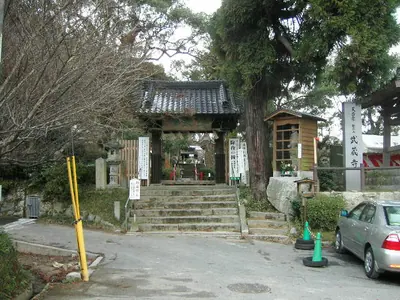
Kyushu's oldest Buddhist site, this temple offers history and ancient artifacts.
What it is
- A Tendai sect temple, Kyushu's oldest Buddhist site.
- Built by Fujiwara Toramaro, who carved a Yakushi Nyorai statue.
- Temple ruins are a Fukuoka Prefecture designated historic site.
What to see
- A wisteria tree over 700 years old, a natural monument.
- Kannon-dō, Jizō-dō, and Daikoku-dō halls.
- Wooden statues of the Twelve Heavenly Generals.
- A painted scroll of the temple's origin story.
When to go
- The Jizō-e ceremony has continued since 686.
- Address
- 福岡県筑紫野市武蔵621 Map
11
Zendo-ji Temple
FUKUOKA · TEMPLE 善導寺
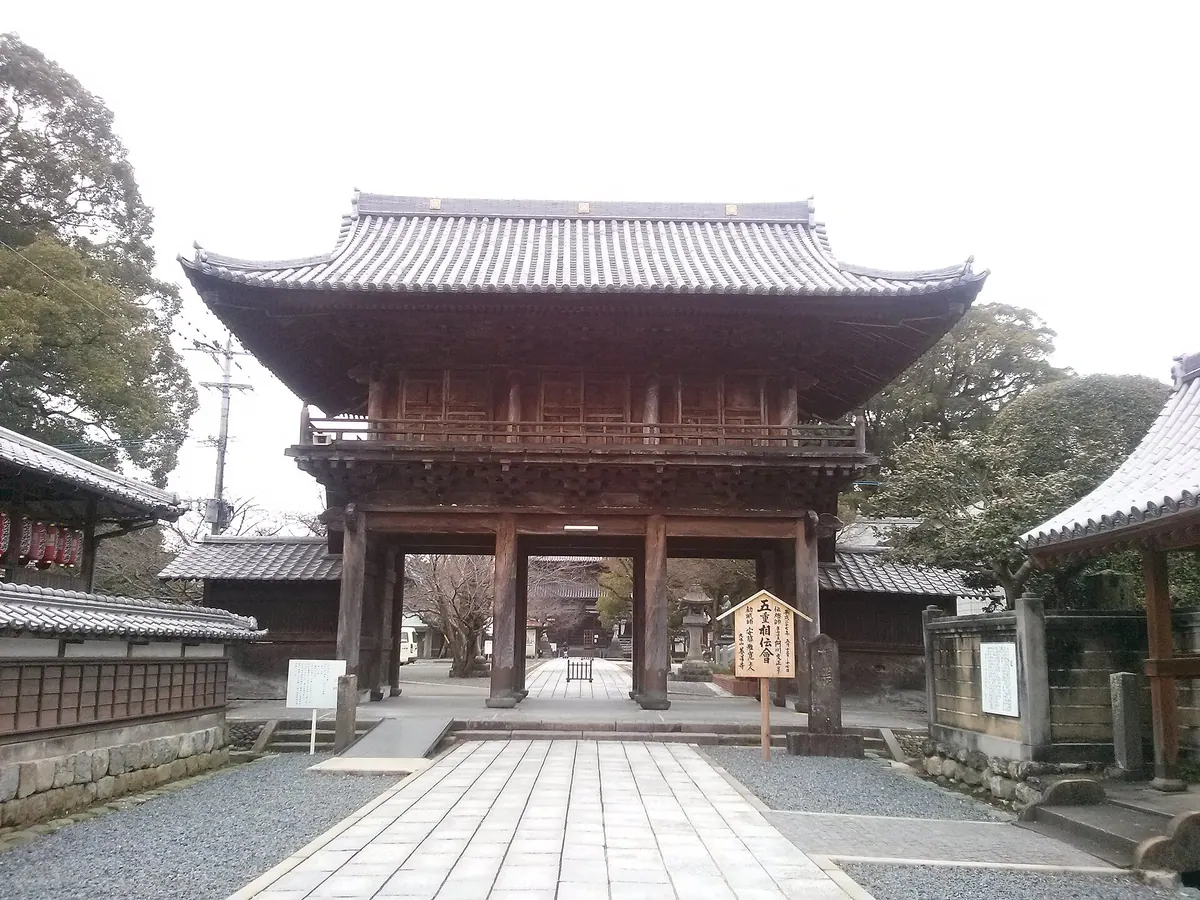
Zendo-ji Temple is a historic Jodo-shu Buddhist temple with Kyushu's largest wooden hall.
What it is
- A Jodo-shu Buddhist temple.
- Founded in 1191 by Shoko Shonin.
- Originally named Komyo-ji Temple.
- Renamed Zendo-ji in 1217.
What to see
- Main hall, built in 1786, is Kyushu's largest wooden Buddhist hall.
- Great Gate, built in 1651.
- Eight buildings are Important Cultural Properties.
- Two wooden seated statues are Important Cultural Properties.
- Konshi Kinnde Kan Fugenkyo scroll is an Important Cultural Property.
- Tomb of Tachibana Ginchiyo was discovered in 2016.
- Address
- 〒839-0824 福岡県久留米市善導寺町飯田550 Map
- Official site
- www.zendoji.jp
12
Koshu-ji Temple
FUKUOKA · TEMPLE 興宗寺
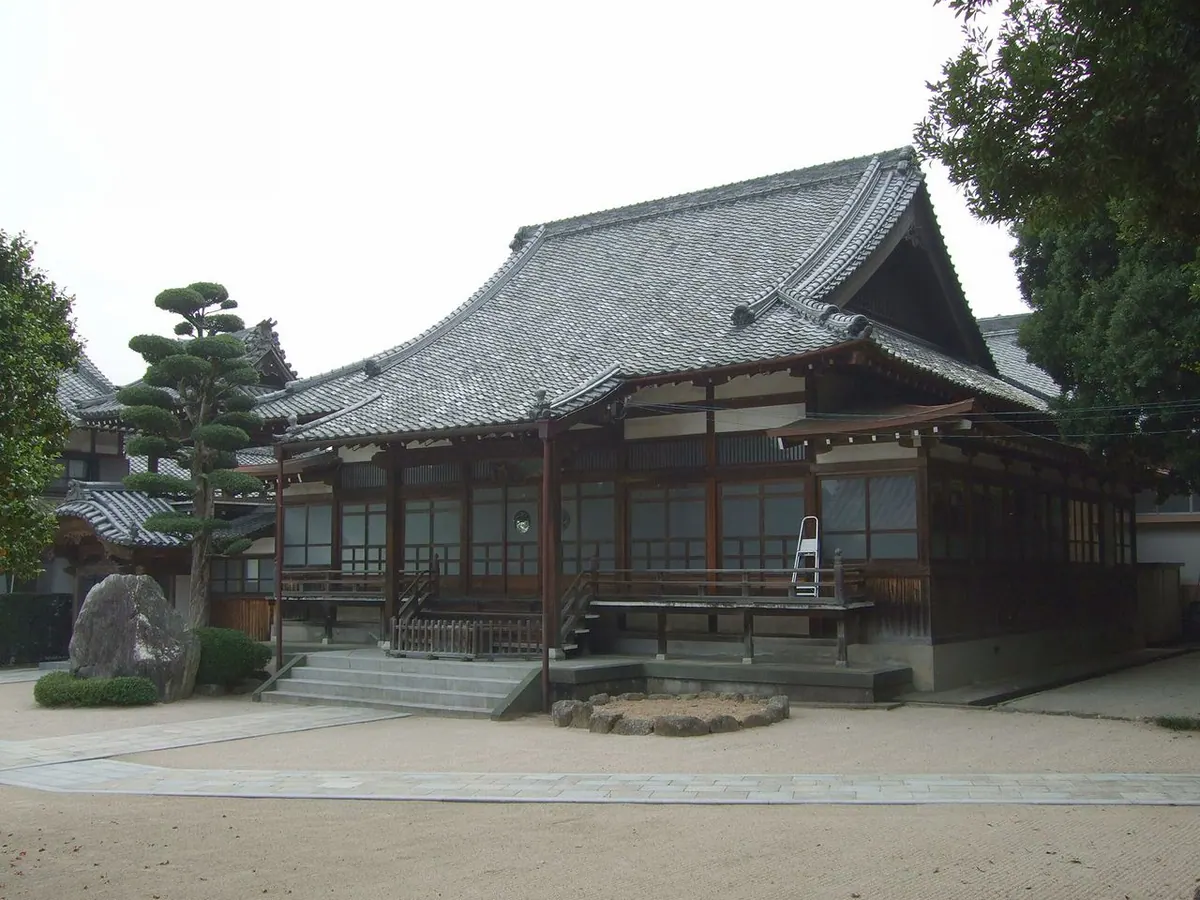
Koshu-ji Temple is a Soto Zen temple with a unique cave Kannon statue and historical connections.
What it is
- Soto Zen Buddhist temple, also called Koshu Zenji.
- Founded in 1693 by Tando Chozen.
- Built after Kuroda Nagamasa found a Kannon statue.
- Its mountain name is Hodasan.
What to see
- Kannon statue carved in the Iwaya, called "Ana Kannon."
- Worship hall built by Kuroda Tadashi.
- Replica of the Forty-seven Ronin graves.
- Located directly below the Iwaya ancient tomb site.
When to go
- Fukuoka Gishi Festival is held annually on December 14th.
13
World Peace Pagoda
FUKUOKA · TEMPLE 世界平和パゴダ
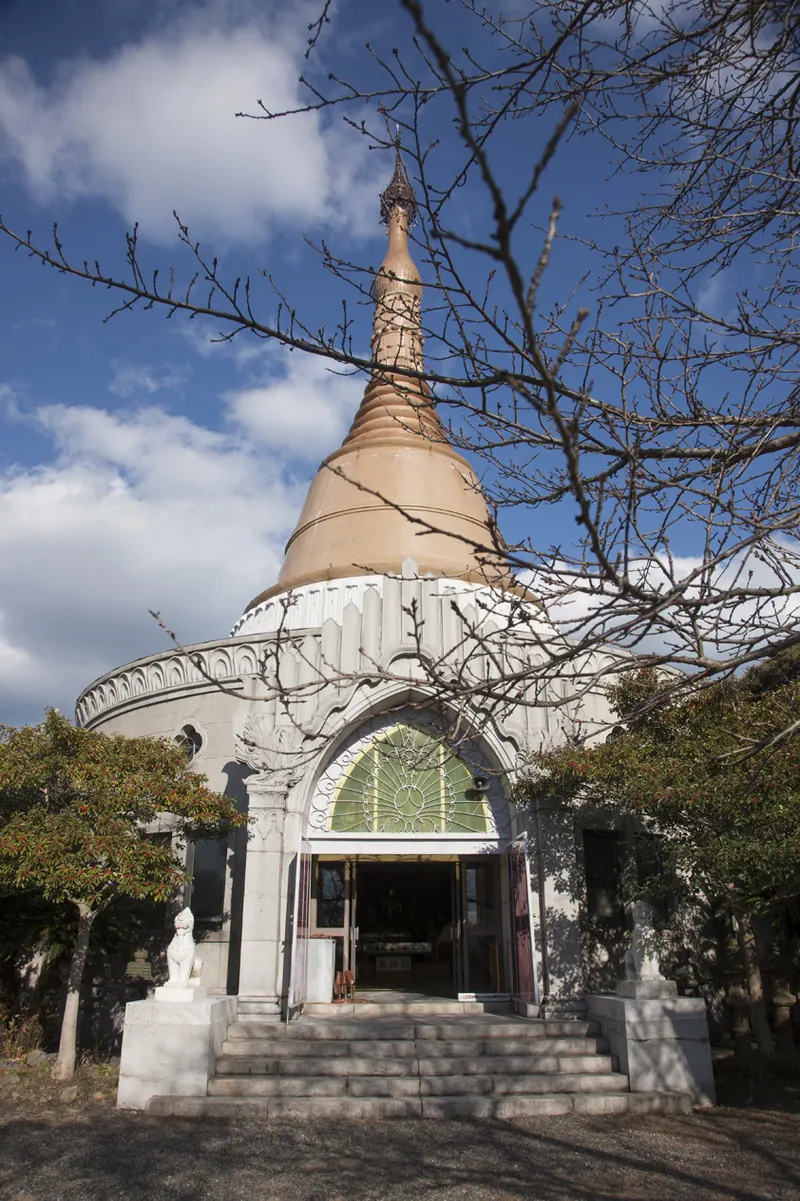
A unique Myanmar-style pagoda in Japan, promoting peace and commemorating WWII dead.
What it is
- A World Peace Pagoda, built in 1958.
- Promotes friendship between Japan and Myanmar.
- Commemorates war dead from World War II.
- Only Myanmar-style temple recognized by Myanmar government.
What to see
- A 45-meter tall pagoda.
- Similar to the World Peace Pagoda in Yangon.
- A component cultural property of Japan Heritage.
Getting there
- Located in Kitakyushu City, Fukuoka Prefecture.
- Near Mekari Park in Setonaikai National Park.
- Official site
- www.worldpeace-pagoda.net
14
Mangyō-ji Temple
FUKUOKA · TEMPLE 萬行寺
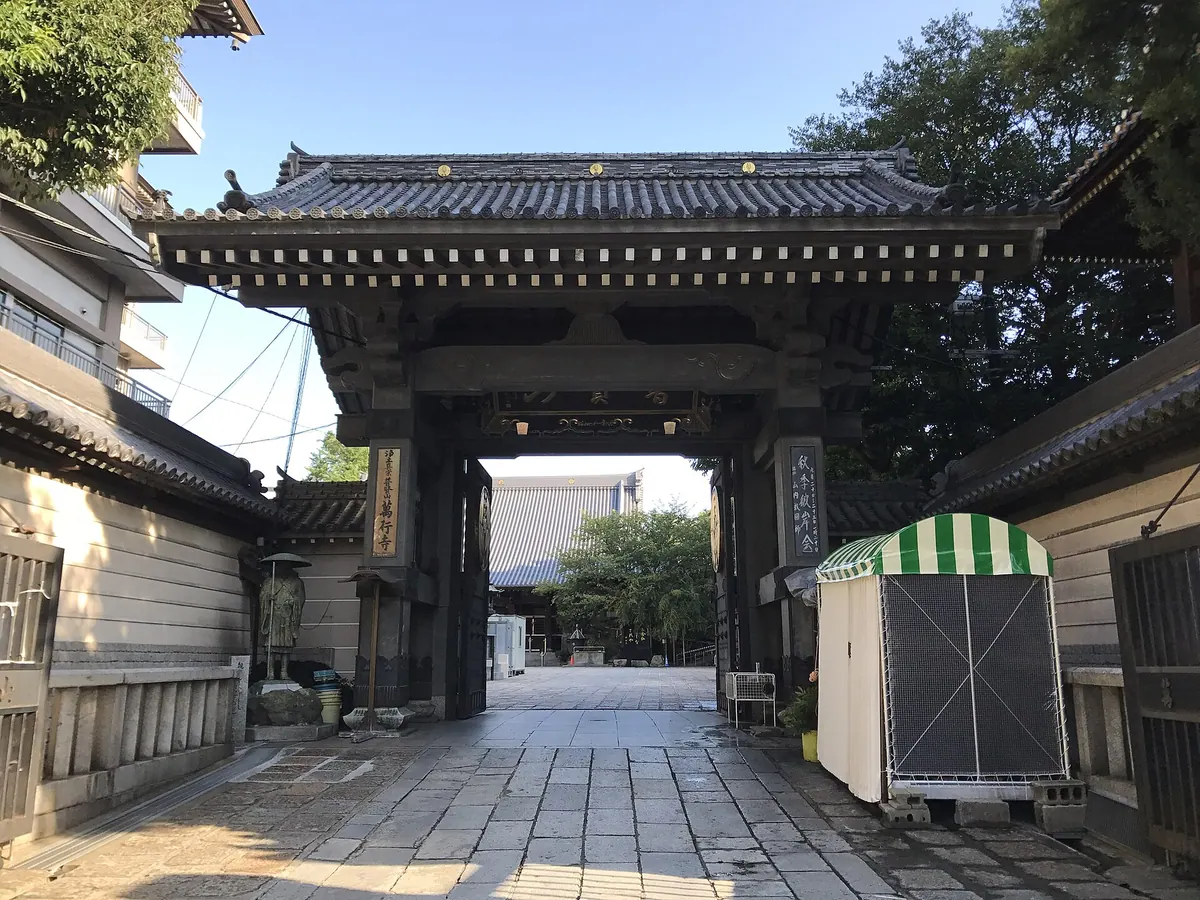
Mangyō-ji Temple is a historic Jōdo Shinshū temple with important cultural properties.
What it is
- A Jōdo Shinshū Honganji-ha sect temple.
- Founded in 1529 by Shōkū.
- Received its current name in 1536.
What to see
- Main hall and priest's living quarters, rebuilt in 1874.
- Wooden standing statue of Amida Nyorai, a National Important Cultural Property.
- Paper ink painting of plum and doves, a Fukuoka City Cultural Property.
Getting there
- Located on Kokutai Road in Gion-machi.
- Near Kushida Shrine and Canal City Hakata.
- Address
- 812-0038福岡市博多区祇園町4番50号 Map
15
Kaidan-in Temple
FUKUOKA · TEMPLE 戒壇院
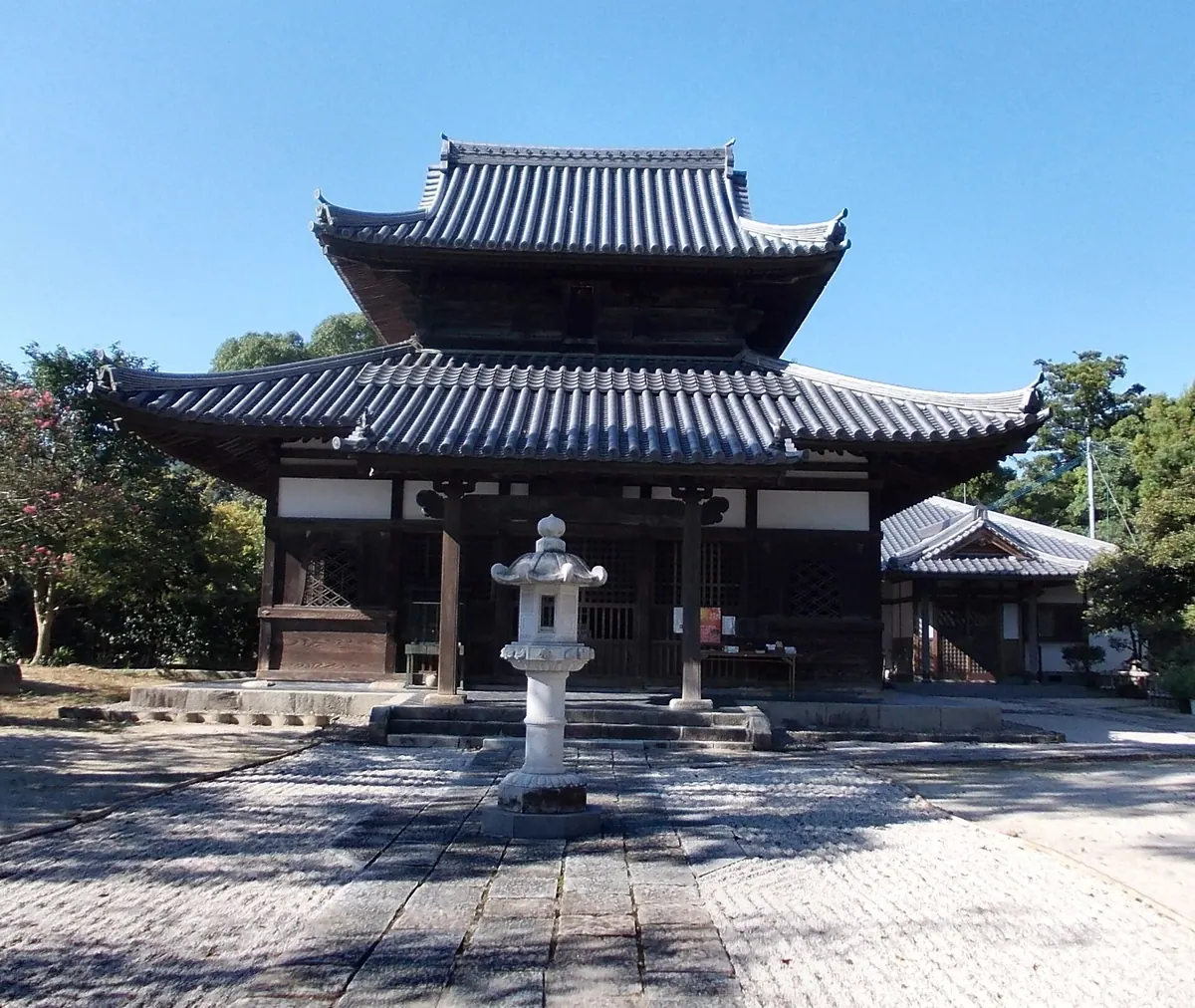
Kaidan-in is a historic Rinzai temple, one of Japan's three ordination platforms.
What it is
- Rinzai sect temple in Dazaifu City, Fukuoka Prefecture.
- Also known as Chikushi Kaidan-in.
- One of the 'Three Kaidan of Japan'.
- Ganjin performed the first ordination here in 753.
What to see
- Main hall's seated Rushana Buddha statue.
- Rushana Buddha is a National Important Cultural Property.
- Bell tower with a bell made in 1701.
- Stone monument at the gate.
- Gorinto pagoda memorial for Ganjin.
- Bodhi tree, said to be brought by Ganjin.
- Address
- 福岡県太宰府市観世音寺5-6-1 Map
- Official site
- kaidanin.sunnyday.jp
16
Chōnichi-ji Temple
FUKUOKA · TEMPLE 朝日寺
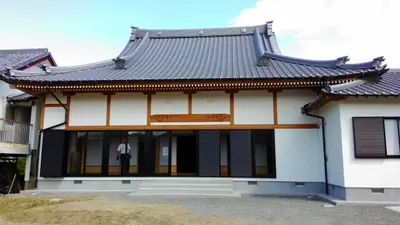
Chonichiji Temple, a historic Rinzai Zen temple, is a pilgrimage site with significant cultural properties.
What it is
- A Rinzai sect Myoshinji school temple.
- Founded in 1245 by Shiko Eison.
- Principal image is Jizo Bosatsu.
- 20th fudasho of the Chikugo 33 Kannon Pilgrimage.
What to see
- Kannon-do hall enshrines Fukukensaku Kannon.
- Eleven-faced Kannon and Sho Kannon are flanking deities.
- Wooden seated statue of Shiko Eison is a cultural property.
- Wooden standing statues are Kurume City cultural properties.
- New main hall was built in 2015.
- Address
- 福岡県久留米市大善寺町 Map
17
Chikugo Kokubunji Temple
FUKUOKA · TEMPLE 筑後国分寺跡
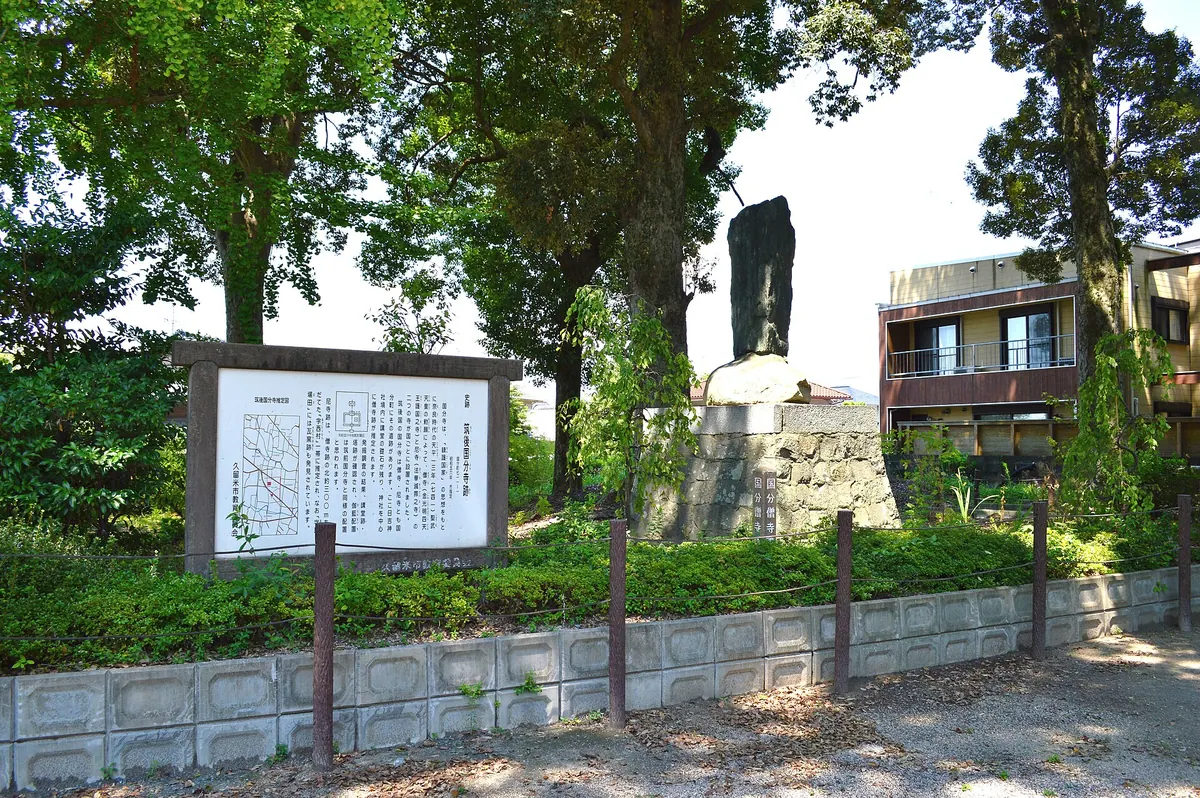
Explore ancient temple ruins, a historic site established by an emperor's decree.
What it is
- Ruins of Chikugo Province Kokubunji, a monk temple.
- Established by Emperor Shomu's imperial edict.
- Designated a Kurume City historic site.
- Designated on June 1, 1981.
What to see
- Monk temple ruins within Hiyoshi Shrine grounds.
- Estimated 150 meters square monk temple area.
- Remains of a lecture hall, pagoda, and earthen wall.
- One foundation stone of the lecture hall remains.
- Part of the pagoda's foundation was found.
18
Our Lady of Victory Cathedral, Fukuoka
FUKUOKA · TEMPLE 大名町教会
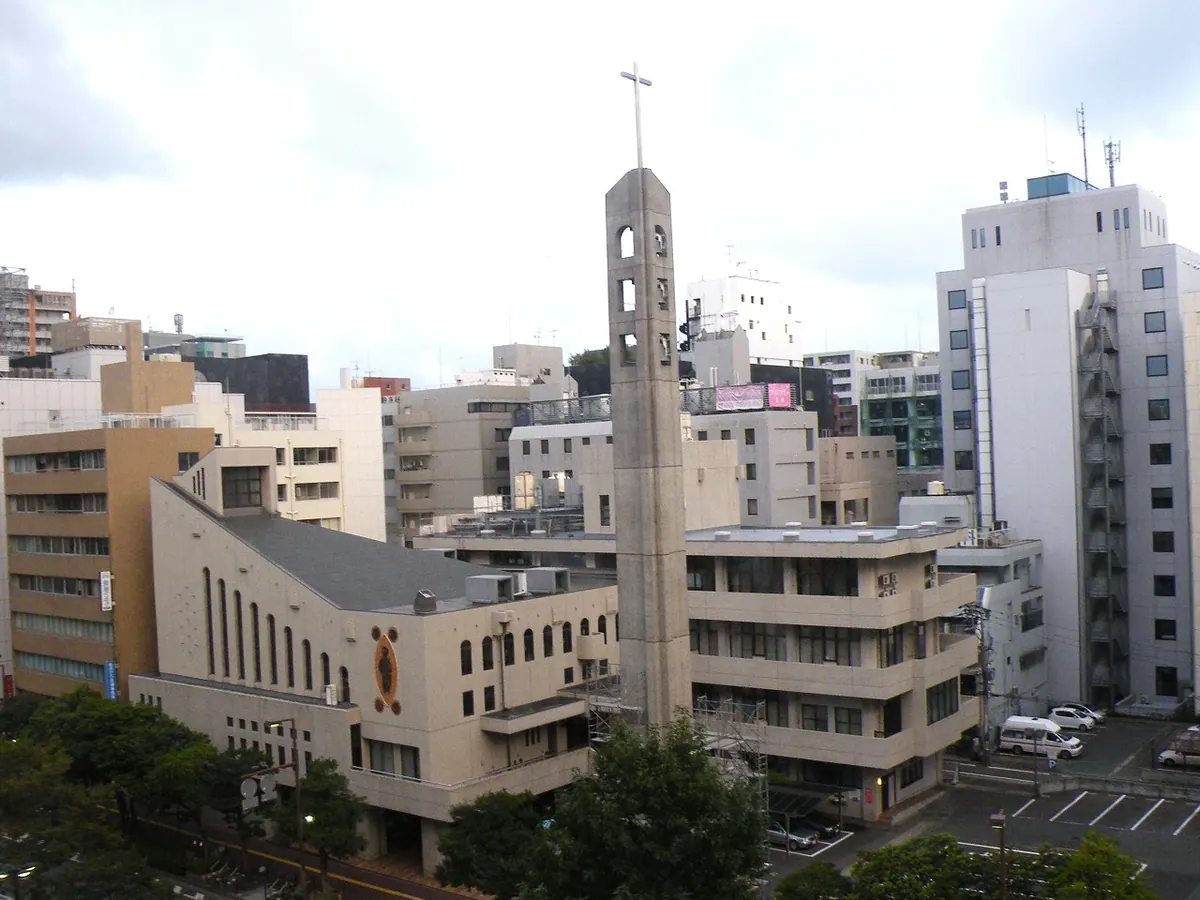
Fukuoka's Catholic Cathedral, a modern church with historical elements, is a short walk from Tenjin Station.
What it is
- The cathedral of the Catholic Diocese of Fukuoka.
- Also known as the Fukuoka Cathedral Center.
- Became a cathedral in 1927.
- The current church was built in 1986.
What to see
- The current church is made of reinforced concrete.
- The main altar is from the old church.
- A 40-meter-high bell tower stands on the southeast side.
Getting there
- Located on Meiji-dori.
- A 5-minute walk from Tenjin Station.
- Address
- 810-0041福岡市中央区大名二丁目7番7号 Map
- Official site
- www.daimyomachi-c.or.jp
19
Tōchō-ji Temple
FUKUOKA · TEMPLE 東長寺
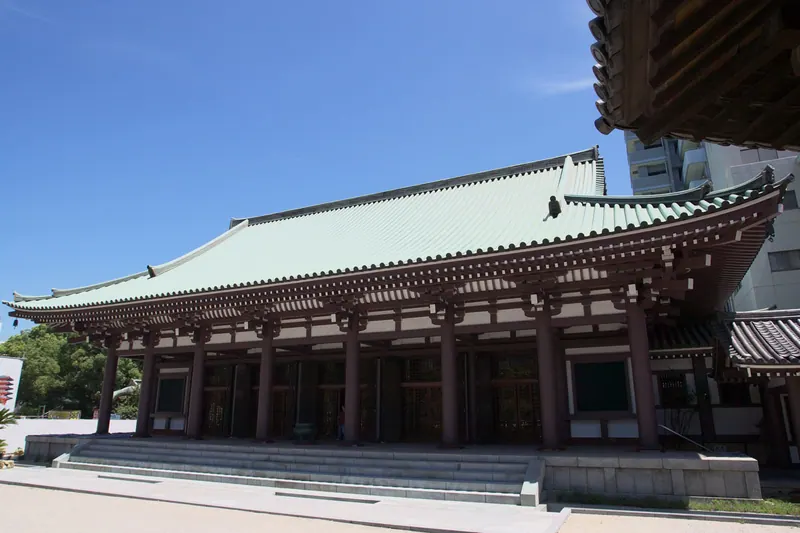
Tōchō-ji is a historic Shingon temple in Fukuoka with a giant Buddha and pagoda.
What it is
- A Shingon sect temple in Fukuoka, Japan.
- Founded by Kūkai in 806.
- A base temple for the Shingon sect in Kyushu.
What to see
- Fukuoka Daibutsu, a 10.8-meter tall wooden seated Buddha.
- A 25.9-meter tall, five-story cypress pagoda.
- Burial site for three Fukuoka domain lords.
- Wooden standing statue of Senju Kannon.
- The Rokkakudō, a hexagonal hall.
When to go
- Setsubun festival on February 3rd.
- Address
- 812-0037福岡市博多区御供所町2番4号 Map
- Official site
- www.tochoji.net
20
Jōman-ji Temple
FUKUOKA · TEMPLE 浄満寺
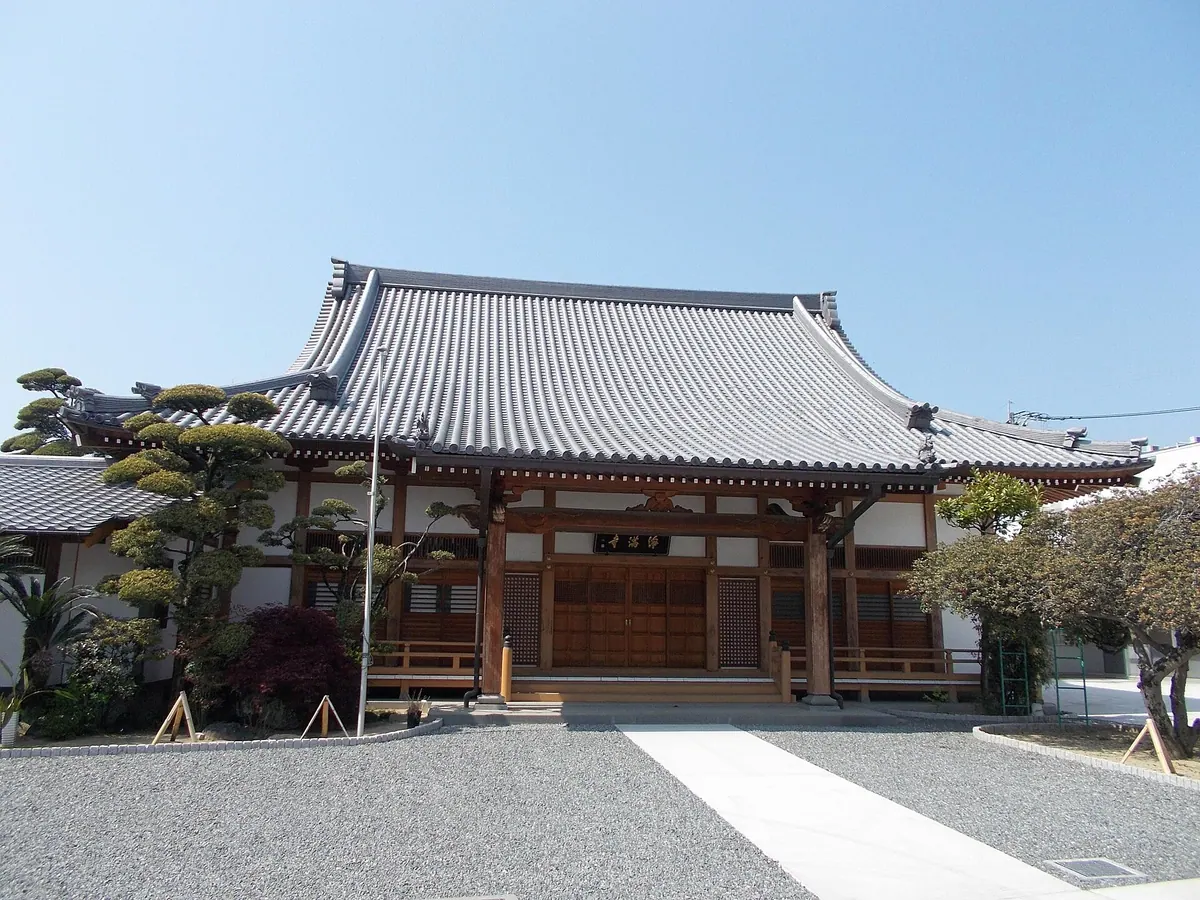
Jomanji Temple offers a glimpse into Edo-period architecture and Fukuoka's scholarly past.
What it is
- Jodo Shinshu Honganji-ha Buddhist temple.
- Main hall rebuilt after the 2005 Fukuoka earthquake.
What to see
- Temple gate retains Edo period appearance.
- Temple gate is a Fukuoka City cultural property.
- Kamei family graves are a Fukuoka Prefecture cultural property.
- Graves of scholars Kamei Nanmei and Kamei Shoyo.
Getting there
- Access by Nishitetsu bus.
- Access by Fukuoka City Subway.
- Address
- 福岡県福岡市中央区地行2-3-3 Map