
Gessho-ji Temple
月照寺
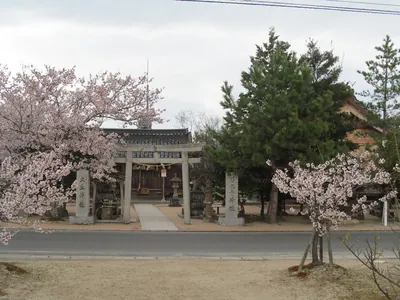
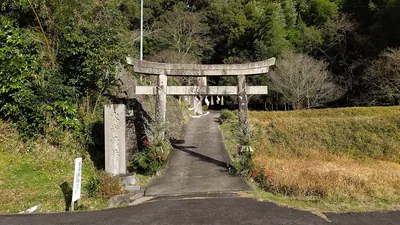
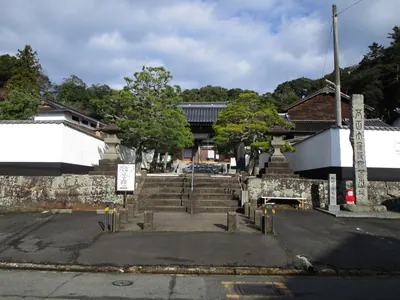
Gessho-ji Temple is an ancestral temple with unique graves, including a giant stone tortoise and a tea whisk monument.
What it is
- Ancestral temple of the Matsudaira clan, who ruled Matsue.
- Originally an older Zen temple, now Jodo sect.
- Graves of nine Matsudaira lords of Matsue are located here.
What to see
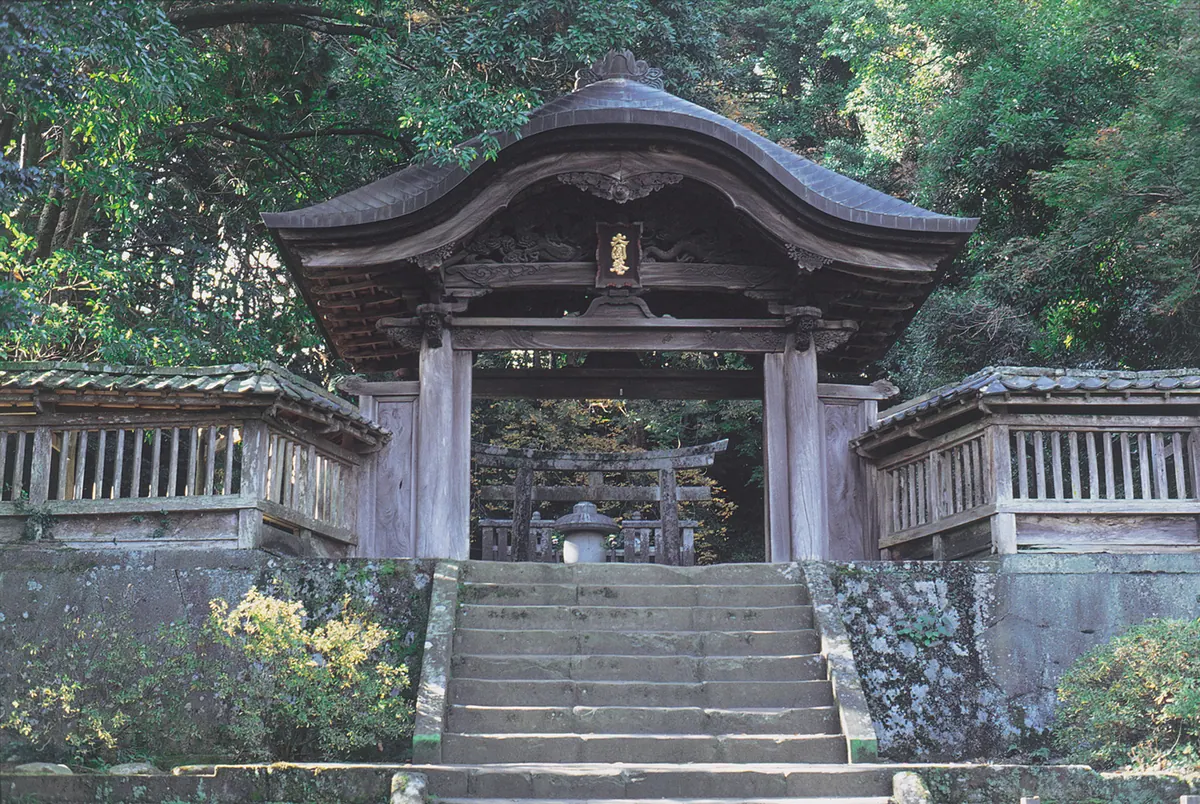
- Nine Matsudaira lords' graves in large compounds.
- Ornate wooden gates and stone lanterns at grave compounds.
- Imposing Buddhist stone monuments as grave markers.
- Gigantic 5-meter stone tortoise with a stone tablet.
- Carvings of grapes on the wooden gate of Fumai's compound.
- Monument to tea whisks in Fumai's compound.
When to go
- April for the funeral ceremony for retired tea whisks.
- June for the 30,000 blooming hydrangea flowers.
- January through July for a variety of blooming flowers.
In detail
Gesshoji (Moonlight Temple) is the ancestral temple of the Matsudaira clan, which ruled Matsue for ten generations. An older Zen temple originally occupied the site, but under Matsudaira patronage it was taken over by the Jodo sect of Buddhism. The graves of nine Matsudaira lords of Matsue are located here, each in a large compound on a high stone terrace, with ornate wooden gates surrounded by stone lanterns. The grave markers themselves are imposing Buddhist stone monuments composed of stacked elements, such as spheres or squat cylinders, topped by a round stone roof. They are set on raised stone plinths enclosed by high stone balustrades.
Munenobu’s Stone Tortoise
The largest grave compound at Gesshoji is that of Matsudaira Naomasa (1601–1666), the grandson of shogun Tokugawa Ieyasu (1543–1616) and the first of the Matsudaira clan to govern Matsue in 1638. His compound is surrounded on two sides by a lily-pad-covered moat crossed via a low stone bridge. Most of the grave compounds here have a unique feature associated with the interred lord. The most famous is the gigantic stone tortoise alongside the grave of the sixth lord, Munenobu (1729–1782), which carries a large stone tablet on its back and is 5 meters tall. It was memorialized by the late-nineteenth-century writer Lafcadio Hearn in his famous book of ghost stories, Kwaidan, and it is said that patting its head will ensure a long life. Hearn, however, found it extremely unpleasant to encounter after dark.
Funeral Services for Tea Whisks
The compound dedicated to the popular seventh lord Matsudaira Harusato, a tea master better known as Fumai (1751–1818), has beautiful carvings of grapes on its wooden gate in places usually reserved for mythological animals. The carving is delicate and rich, with deep relief and openwork. The choice of the motif is unusual, and the style of the carving suggests a classically European model. Fumai is memorialized in other ways at Gesshoji. He frequently took water for tea ceremonies from a well near the temple’s main gate, and it is used for that purpose to this day. His compound includes a monument to tea whisks, which are made from bamboo and have a limited span of use; a “funeral ceremony” for retired tea whisks is held in April every year on the anniversary of Fumai’s death.
Gesshoji is famous for the variety of flowers that bloom from January through July—particularly its 30,000 hydrangea flowers, which draw large crowds when they bloom in June. Although only the foundations of the large former main temple building have survived, there are several extant buildings, including a tearoom that is open to the public.
Text: 観光庁 地域観光資源の多言語解説文データベース. Reproduced unchanged. The notes above were written from that text by Japan Gems.
Where it is
島根県松江市外中原町 Open in Google Maps
この施設の関係者の方へ
このページは公開情報をもとに Japan Gems が作成し、訪日外国人向けに英語で掲載しています。 写真や情報の追加・修正を承っています。お店の写真に差し替えることもできます。
このページの情報を更新する