

20 Temples in Shimane worth your time
Japan Gems
Shimane Prefecture has 19 temples, including Ikō-ji Temple and Yōmei-ji Temple. The temples offer a mix of experiences for visitors.
Shimane has 21 temples on Japan Gems. Below are the 20 we can tell you the most about — each one written up in English from Japanese sources, with what to see and how to get there. See all temples in Shimane.
01
Oki Kokubun-niji
SHIMANE · TEMPLE 隠岐国分尼寺
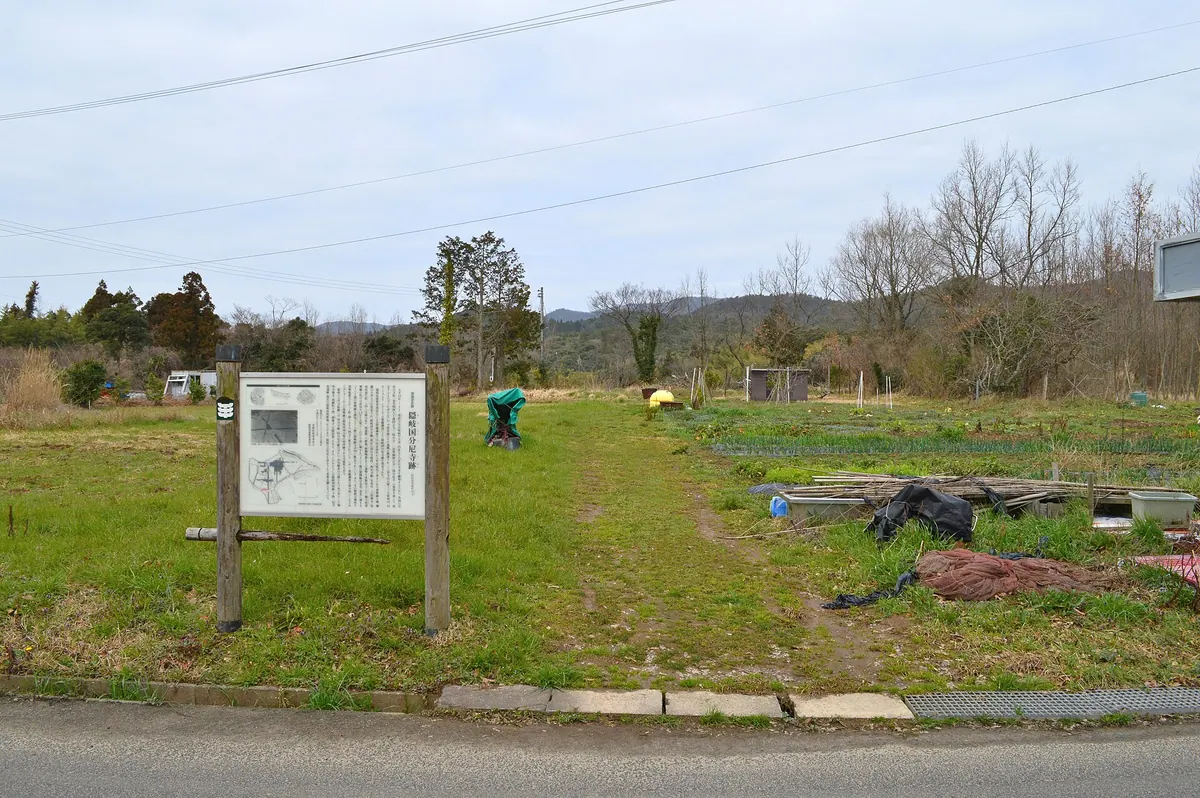
A historic Nara-period temple and former imperial residence famous for its ancient ritual dances and National Historic Site status.
What it is
- A Buddhist temple of the Toji Shingon sect founded by order of Emperor Shomu.
- The grounds are a National Historic Site dedicated to the deity Shaka Nyorai.
- This site served as a residence for Emperor Go-Daigo during the 14th century.
- The current main hall was rebuilt in 2014 following a fire in 2007.
What to see
- The reconstructed main hall which houses the primary deity.
- Designated ruins that are recognized as a Shimane Prefectural Historic Site.
- Traditional Renge-e Mai dances performed during the annual festival.
When to go
- April 21 to witness the annual Renge-e Mai folk cultural dance.
Getting there
- The temple is accessible by bus from Saigo Port.
02
Dainen-ji Temple
SHIMANE · TEMPLE 大念寺

A Jodo sect temple in Izumo featuring a historic burial mound and buildings dating back to the fifteenth century.
What it is
- A Jodo sect temple founded by Priest Eikyu in 1452.
- The temple is dedicated to the principal deity Amida Nyorai.
- It moved to its current location in the mid-seventeenth century.
- The site once served as a temporary elementary school in 1873.
What to see
- The Imaichi Dainenji Kofun burial mound located on the temple grounds.
- A main hall that was rebuilt in 1899 following a fire.
- The Kannon hall and an Inari shrine situated within the complex.
- The Gonenkai Hall which was completed in 1986.
- The room where Admiral Togo Heihachiro stayed during his 1907 visit.
Getting there
- A one-minute walk from Izumo Kagakukan-mae Station.
- A fifteen-minute walk from JR Izumoshi Station.
03
Gessho-ji Temple
SHIMANE · TEMPLE 月照寺
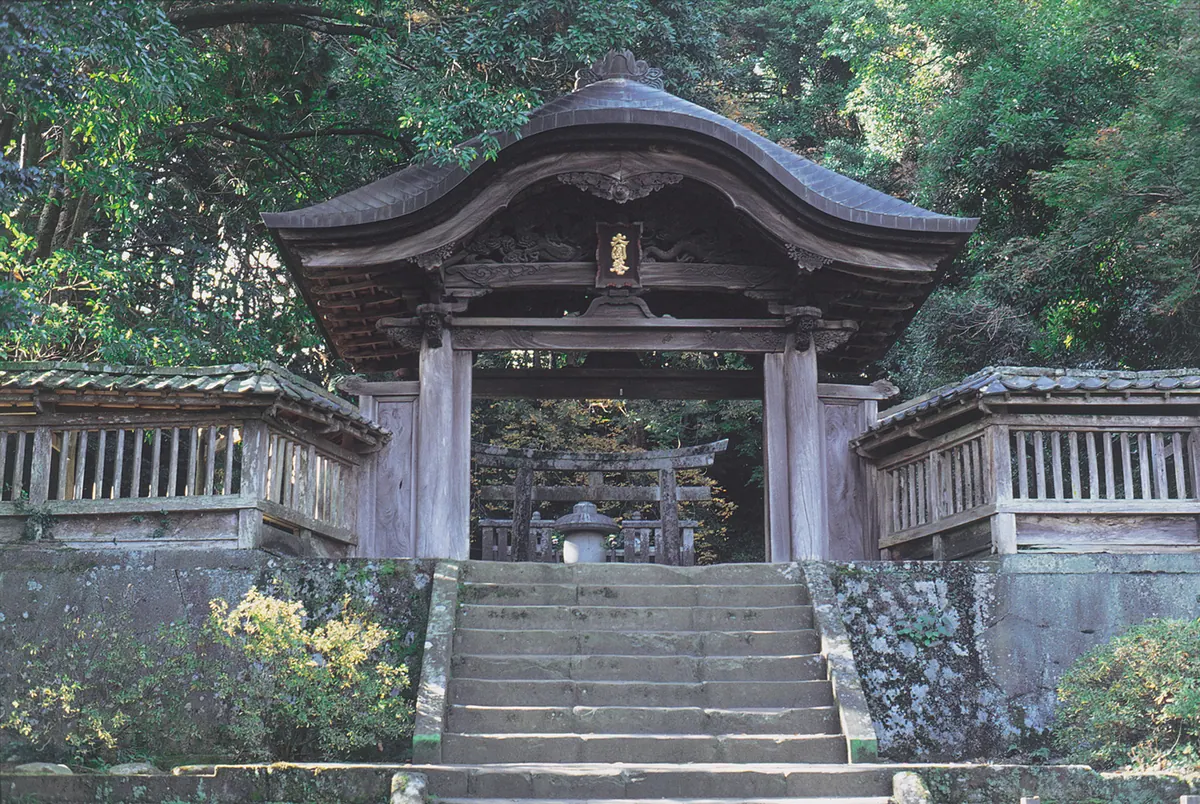
Gessho-ji Temple is an ancestral temple with unique graves, including a giant stone tortoise and a tea whisk monument.
What it is
- Ancestral temple of the Matsudaira clan, who ruled Matsue.
- Originally an older Zen temple, now Jodo sect.
- Graves of nine Matsudaira lords of Matsue are located here.
What to see
- Nine Matsudaira lords' graves in large compounds.
- Ornate wooden gates and stone lanterns at grave compounds.
- Imposing Buddhist stone monuments as grave markers.
- Gigantic 5-meter stone tortoise with a stone tablet.
- Carvings of grapes on the wooden gate of Fumai's compound.
- Monument to tea whisks in Fumai's compound.
When to go
- April for the funeral ceremony for retired tea whisks.
- June for the 30,000 blooming hydrangea flowers.
- January through July for a variety of blooming flowers.
- Address
- 島根県松江市外中原町 Map
04
Gakuen-ji Temple
SHIMANE · TEMPLE 鰐淵寺

Gakuen-ji Temple is a historic Tendai temple with important cultural properties and scenic grounds.
What it is
- A Tendai sect temple founded by Chishun Shōnin.
- The 25th sacred site of the Chūgoku Kannon Pilgrimage.
- The 3rd sacred site of the Izumo Kannon Pilgrimage.
- Main deities are Senju Kannon Bosatsu and Yakushi Nyorai.
What to see
- Kondō Hall, built during the Mōri clan era.
- Bronze bell from 1183, an Important Cultural Property.
- Handwritten prayer by Emperor Go-Daigo, an Important Cultural Property.
- Temple grounds are a designated national historic site.
- Part of the Shinji-ko Hokuzan Prefectural Natural Park.
- Address
- 島根県出雲市別所町148 Map
05
Oki Kokubun-ji Temple
SHIMANE · TEMPLE 隠岐国分寺

Visit this historic temple on Oki Islands for its ancient roots and unique traditional dance.
What it is
- A Toji Shingon sect temple.
- Successor to the Oki Province Kokubun-soji Temple.
- Temple grounds are a National Historic Site.
- Designated a National Historic Site in 1934.
What to see
- Main image is Shaka Nyorai.
- Main hall rebuilt in 2014.
- Temple grounds overlap former Kokubun-soji Temple site.
- Oki Kokubun-niji Temple ruins 500 meters southeast.
When to go
- Renge-e-mai dance held annually on April 21st.
- Renge-e-mai is a National Important Intangible Folk Cultural Property.
- Address
- 島根県隠岐郡隠岐の島町池田風呂前5番地 Map
06
Otometoge Saint Mary's Chapel
SHIMANE · TEMPLE 乙女峠マリア聖堂
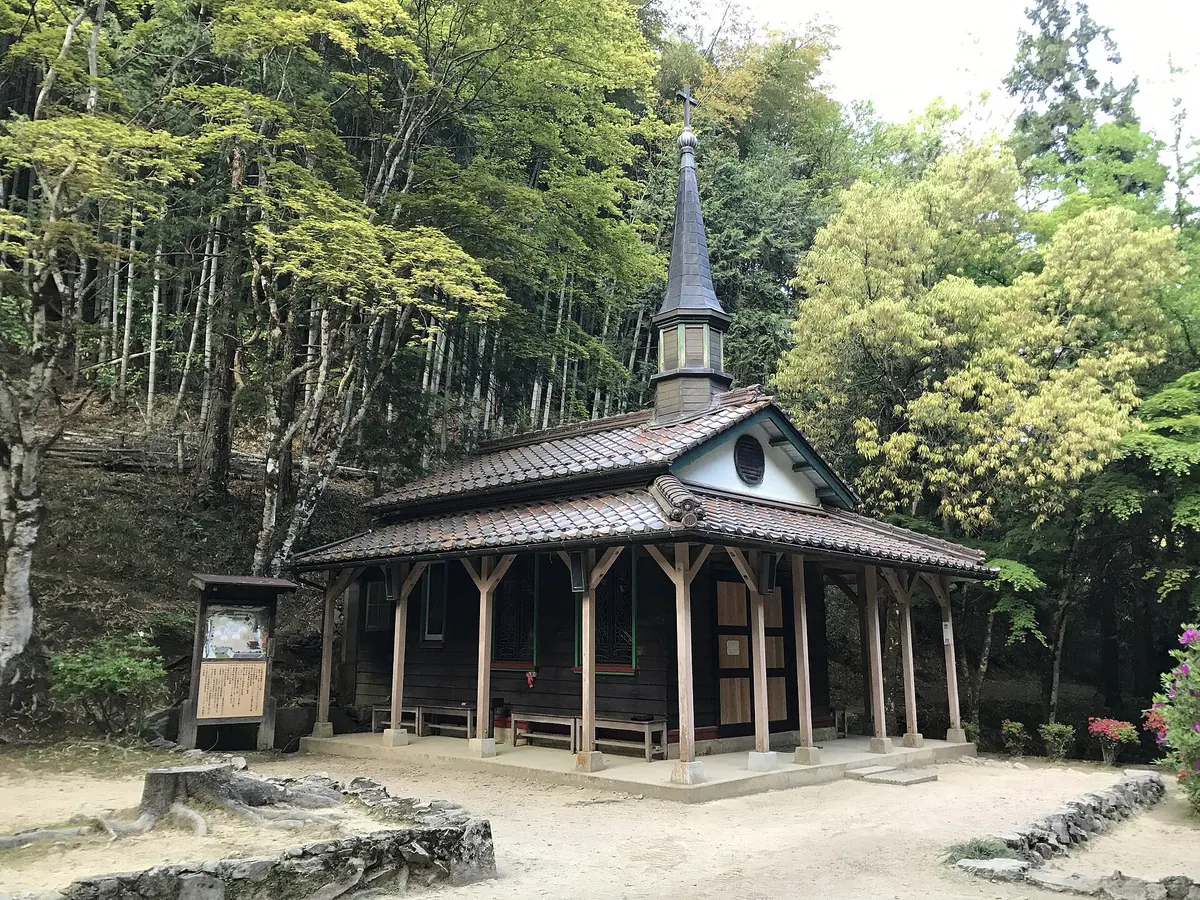
A mountain chapel dedicated to martyrs and the Virgin Mary, with unique stained glass.
What it is
- A Christian chapel in Tsuwano Town, Shimane Prefecture.
- Dedicated to the Virgin Mary and 36 martyrs.
- Built in 1951, named for hidden Christian history.
- Commemorates 37 martyrs who died by 1870.
What to see
- Stained glass depicting the tragedy of the time.
- The mountain where the Virgin Mary appeared to believers.
When to go
- The Otometoge Festival is held annually on May 3rd.
Getting there
- Located in the mountains west of Tsuwano Station.
- Official site
- www.sun-net.jp
07
Shingyō-ji Temple
SHIMANE · TEMPLE 信楽寺

Shingyoji Temple is a historic Jodo-shu Buddhist temple with graves of historical figures.
What it is
- It is a Jodo-shu Buddhist temple.
- Its formal name is Dokuruzan Shishinin Shingyoji.
- It was founded in the Keicho era.
- The main deity is Amida Nyorai.
What to see
- The cemetery contains graves of historical figures.
- There are Jizodo and Taishido halls.
- The current Taishido was built in 1877.
- A standing statue of Prince Shotoku at 16 is enshrined.
When to go
- Prince Shotoku Festival is held from July 22 to 25 annually.
- Address
- 島根県松江市竪町88 Map
- Official site
- shingyouji.fun
08
Kiyomizu-dera Temple
SHIMANE · TEMPLE 清水寺
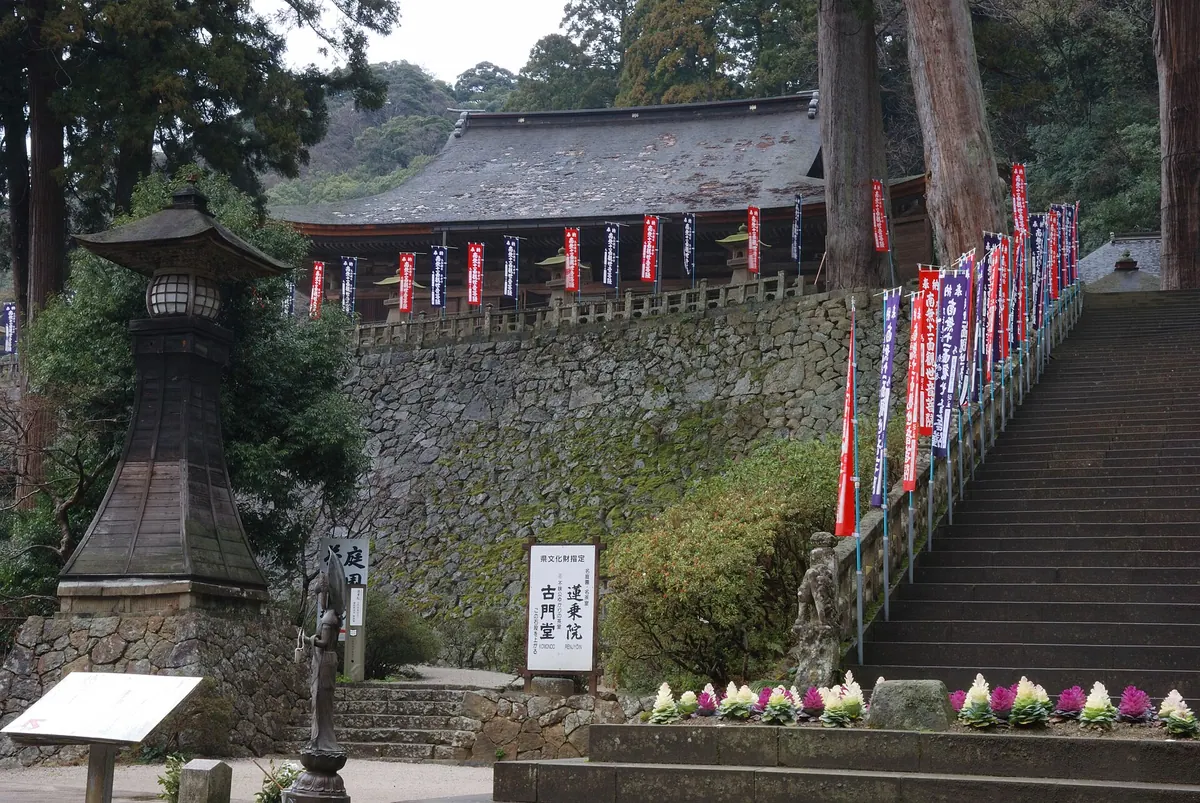
This Shingon Buddhist temple, originally on Mt. Sennoyama, is worth visiting for its historical significance to Iwami Ginzan.
What it is
- Shingon Buddhist temple.
- Founded in the latter half of the sixteenth century.
- Associated with Iwami Ginzan silver mine history.
- Originally located on Mt. Sennoyama.
What to see
- Main hall, repurposed in 1878.
- Gilded statue of Juichimen Kannon in the main hall.
- Lattice ceiling with samurai and merchant family emblems.
- Main gate, added in 1931.
- Stone statue of Fudo Myo-o guarding the gate.
- Stone statue of Bishamonten guarding the gate.
- Address
- 清水町528番地 Map
09
Ikō-ji Temple
SHIMANE · TEMPLE 医光寺
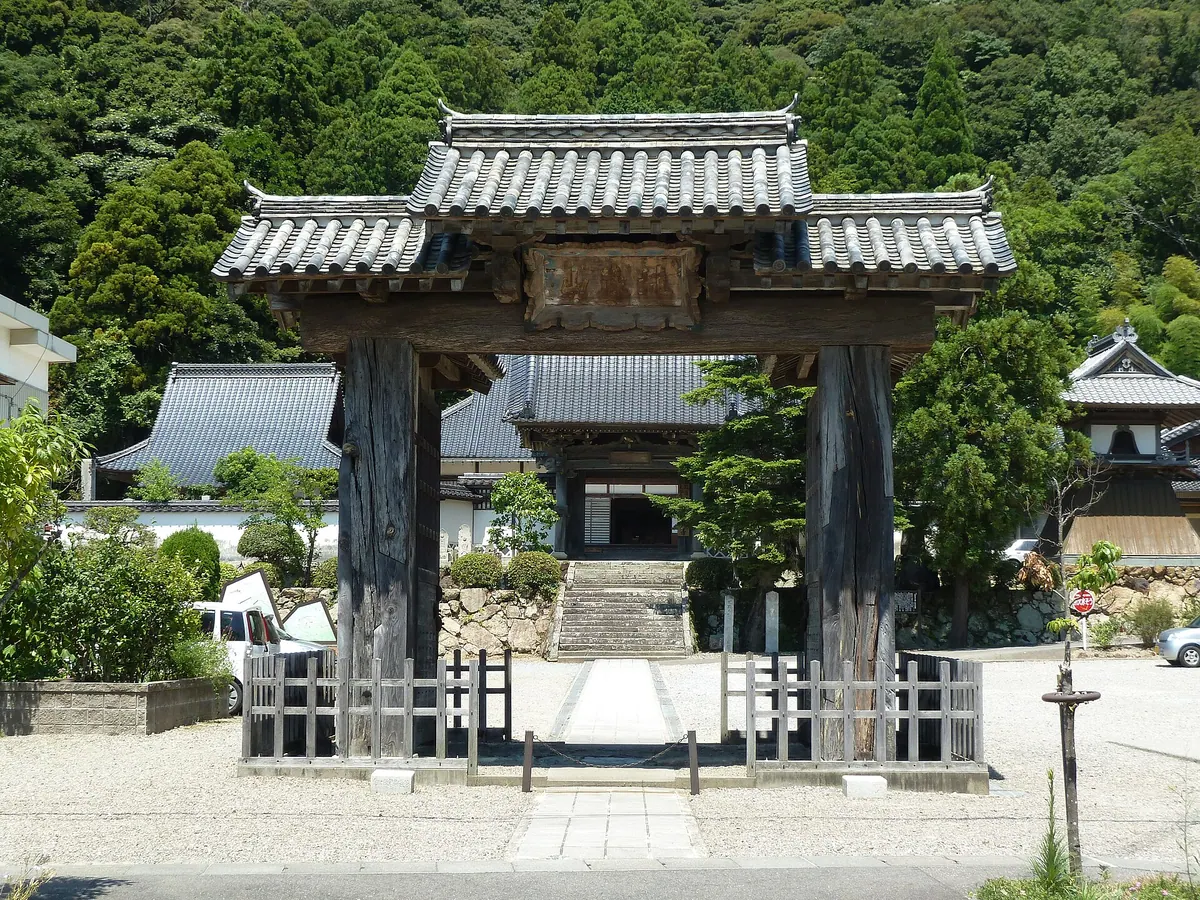
Ikō-ji Temple: a historic Rinzai Zen temple with a famous garden and relocated castle gate.
What it is
- Rinzai sect Tofukuji school temple.
- Principal image is Yakushi Nyorai.
- Predecessor, Sūkan-ji Temple, founded in 1363.
What to see
- Garden created by Sesshū.
- Garden is a national historic site and scenic spot.
- Main gate relocated from Nanao Castle.
- Main gate is a prefectural tangible cultural property.
Getting there
- Accessible by Iwami Kotsu bus.
- Accessible by Hiroshima Bus Center Shin-Hiroshima Line.
- Address
- 島根県益田市染羽町4-29 Map
10
Manpuku-ji Temple
SHIMANE · TEMPLE 萬福寺

Manpuku-ji Temple is a historic Jishu temple with a notable garden and important cultural properties.
What it is
- Jishu sect temple in Masuda City, Shimane Prefecture.
- Founded in the Heian period.
- Revived in 1313 by the 4th generation Donkai.
- Relocated in 1374 by Masuda Kanemi.
What to see
- Sumeru-style garden, a National Historic Site.
- Main hall, built in 1374, an Important Cultural Property.
- Silk painting of Nigabyakudo, an Important Cultural Property.
- Wooden Amitabha Nyorai statue, a Prefectural Cultural Property.
- Address
- 島根県益田市東町25-33 Map
11
Enpuku-ji Temple
SHIMANE · TEMPLE 延福寺
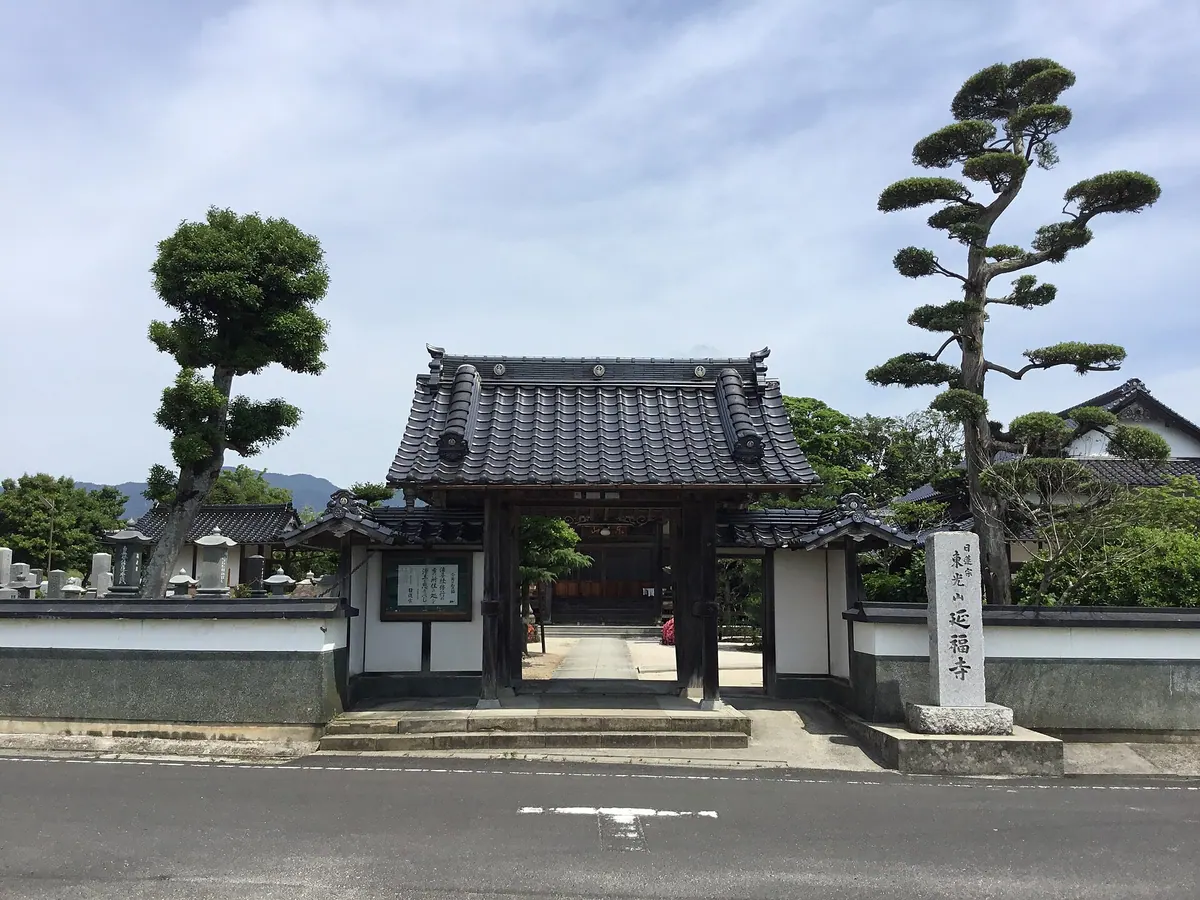
Enpuku-ji Temple, founded in 1558, offers a unique blend of Buddhist and Shinto worship.
What it is
- A Nichiren-shu temple, founded in 1558.
- Formal name is Tokozan Enpuku-ji.
- Established by Jishoin Nichikaku Shonin.
- Enshrines both Buddhist and Shinto deities.
What to see
- Daikoku Fukuju Ten is enshrined here.
When to go
- Monthly good fortune prayer festival.
- New Year's prayer meeting on January 1st.
Getting there
- 26-minute walk from JR Naoe Station.
- Address
- 島根県出雲市斐川町名島765 Map
12
Senju-in Temple
SHIMANE · TEMPLE 千手院
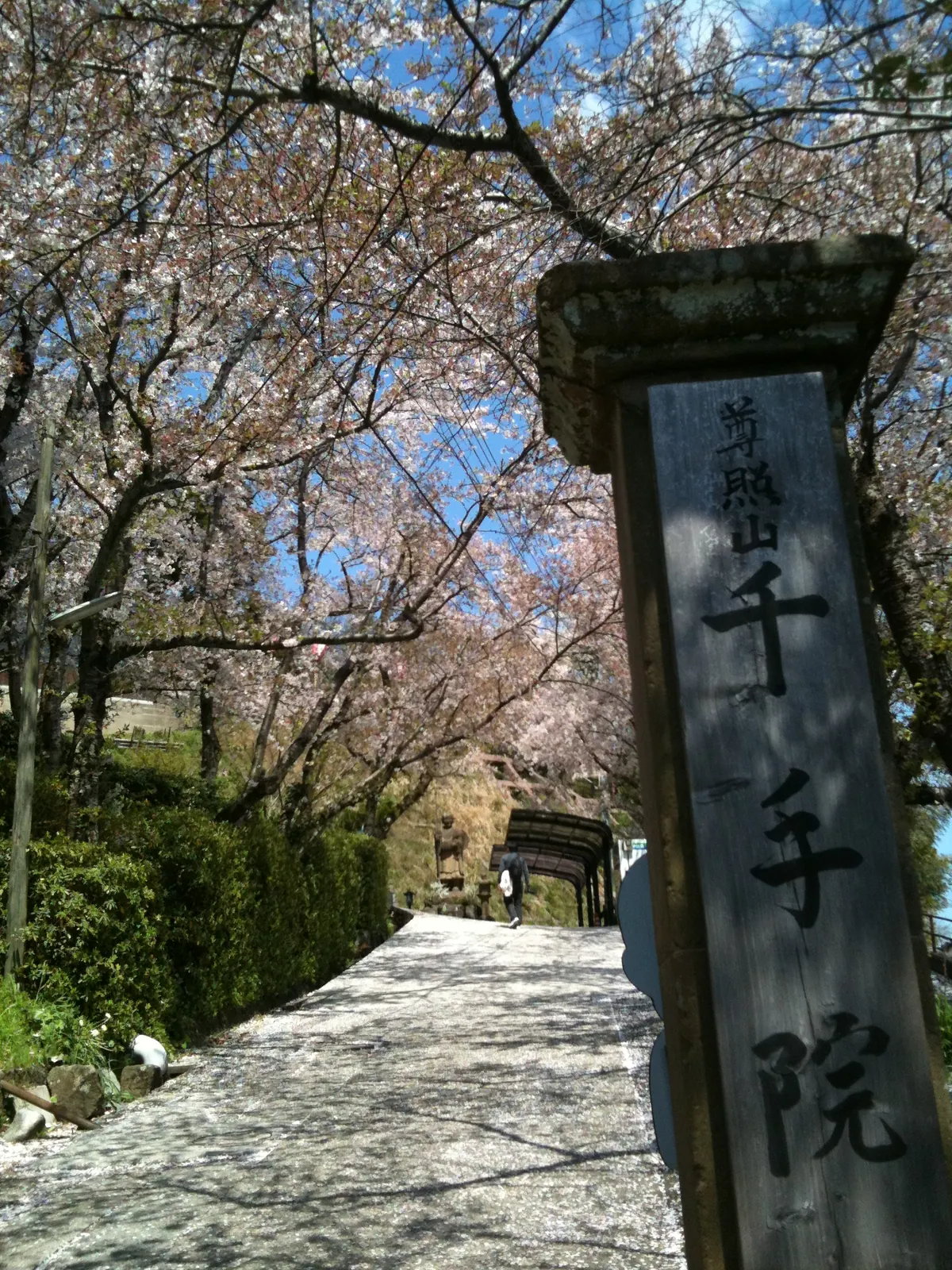
Senju-in Temple is a historic site offering views of Matsue Castle and a beautiful weeping cherry tree.
What it is
- A Koyasan Shingon sect temple.
- Principal image is Senju Kannon.
- Relocated to protect Matsue Castle's northeast.
- Main hall and Fudō-dō rebuilt in 1816.
What to see
- Temple grounds are a green space preservation area.
- A weeping cherry tree is a city natural monument.
- Matsue Castle can be seen from the grounds.
Getting there
- 5-minute walk from Ishibashi Sanchome bus stop.
- Address
- 松江市石橋町385 Map
- Official site
- www.senjyuin.com
13
Yōmei-ji Temple
SHIMANE · TEMPLE 永明寺
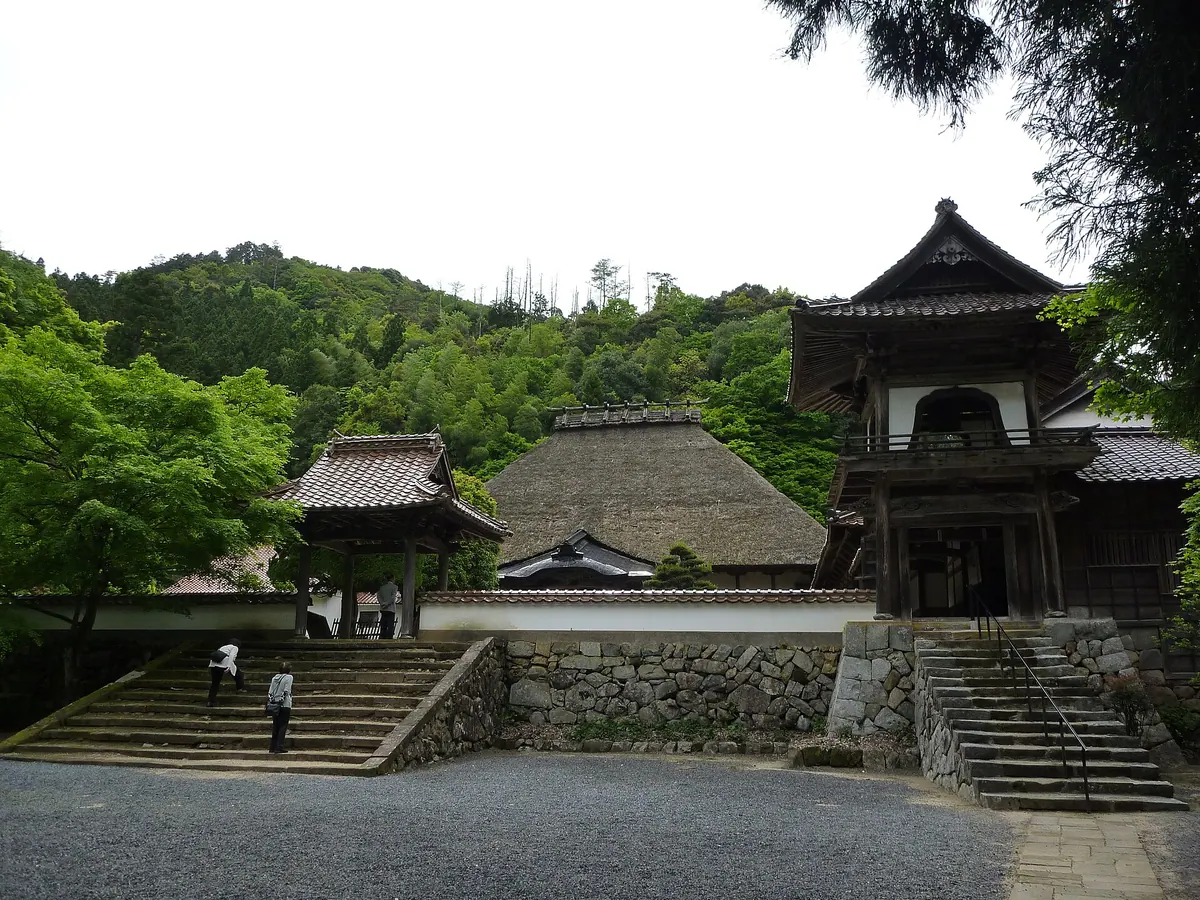
Yōmei-ji Temple is a historic Zen temple with important tombs, worth visiting for its cultural significance.
What it is
- A Sōtō Zen temple.
- Founded in 1420 by Yoshimi Yorihira.
- Family temple of the Tsuwano domain lords.
- Flourished during the Edo period.
What to see
- Main hall, kuri, and bell tower are cultural properties.
- Temple grounds are a national historic site.
- The Kamei family tomb is on site.
- Mori Ōgai's tomb is located here.
Getting there
- 15-minute walk from Tsuwano Station.
- Address
- 島根県鹿足郡津和野町後田ロ107 Map
14
Shoyo-ji Temple (Chibu)
SHIMANE · TEMPLE 松養寺 (知夫村)
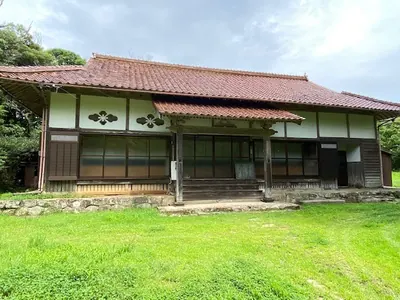
Shoyo-ji Temple: a historic temple with imperial connections and a notable ginkgo tree.
What it is
- A temple named by Emperor Go-Daigo in 1332.
- Originally called Urumibo, located on Akahageyama.
- Discontinued in 1869, restored in 1943.
What to see
- Wooden Jizo Bosatsu standing statue is the main image.
- Main image is a cultural property of Shimane Prefecture.
- Main image dates from late Kamakura to early Muromachi period.
- Large ginkgo tree is a natural monument of Chibu-mura.
- Address
- 島根県隠岐郡知夫村知夫1540番地 Map
15
Jōfuku-ji Temple
SHIMANE · TEMPLE 常福寺
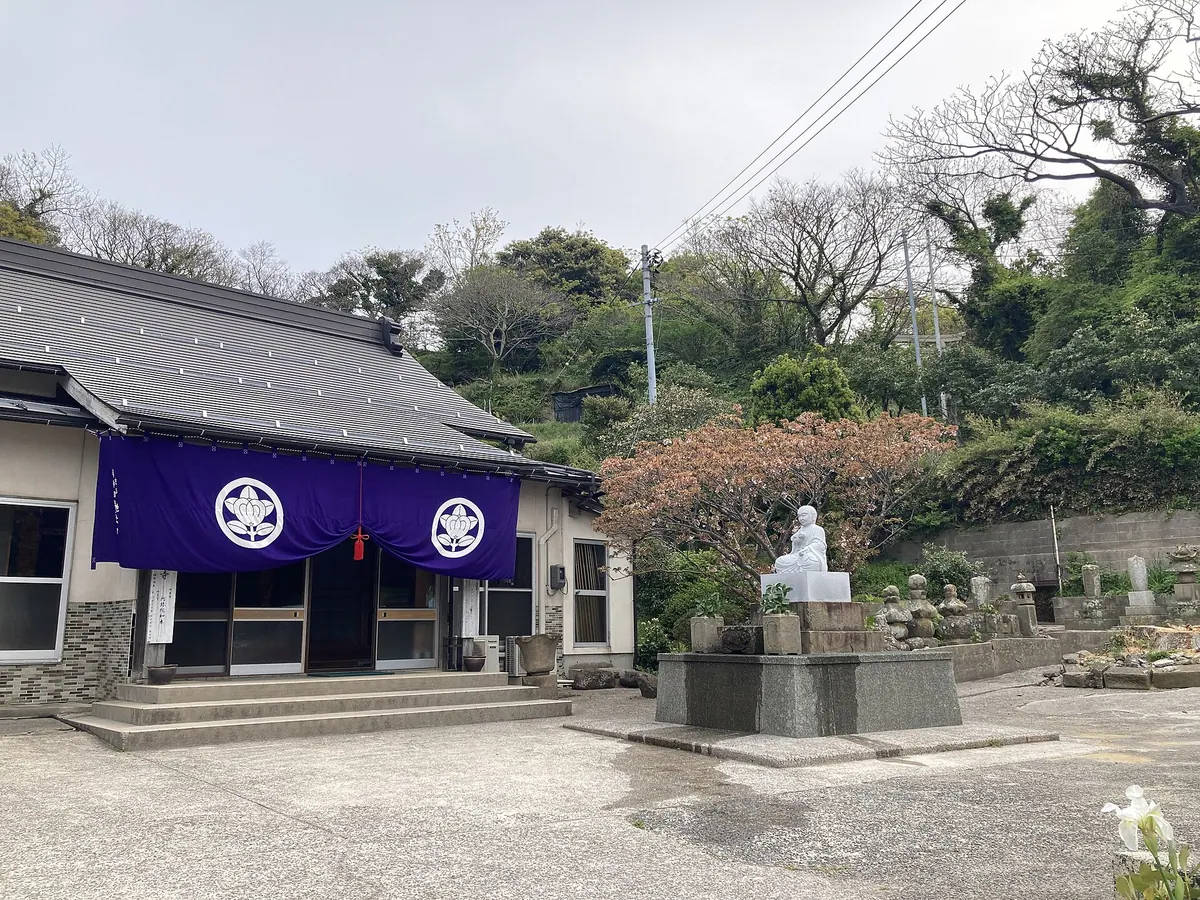
Jofukuji is a restored Shingon temple housing a rare sutra and ancient Buddhist statues.
What it is
- A Shingon-shu Toji-ha temple.
- Dedicated to the main deity Amida Nyorai.
- A pilgrimage site for Nishinoshima Sanjusan Kasho Reijo.
- Officially restored in 1893 after 1869 abolition.
What to see
- The current main hall, rebuilt in 1972.
- The Kyozo (sutra repository), established in 1960.
- The complete Daihannya Haramita Kyo sutra.
- Goryeo Buddhist statues.
- Address
- 島根県隠岐郡西ノ島町浦郷296-6 Map
16
Takano-ji Temple
SHIMANE · TEMPLE 高野寺
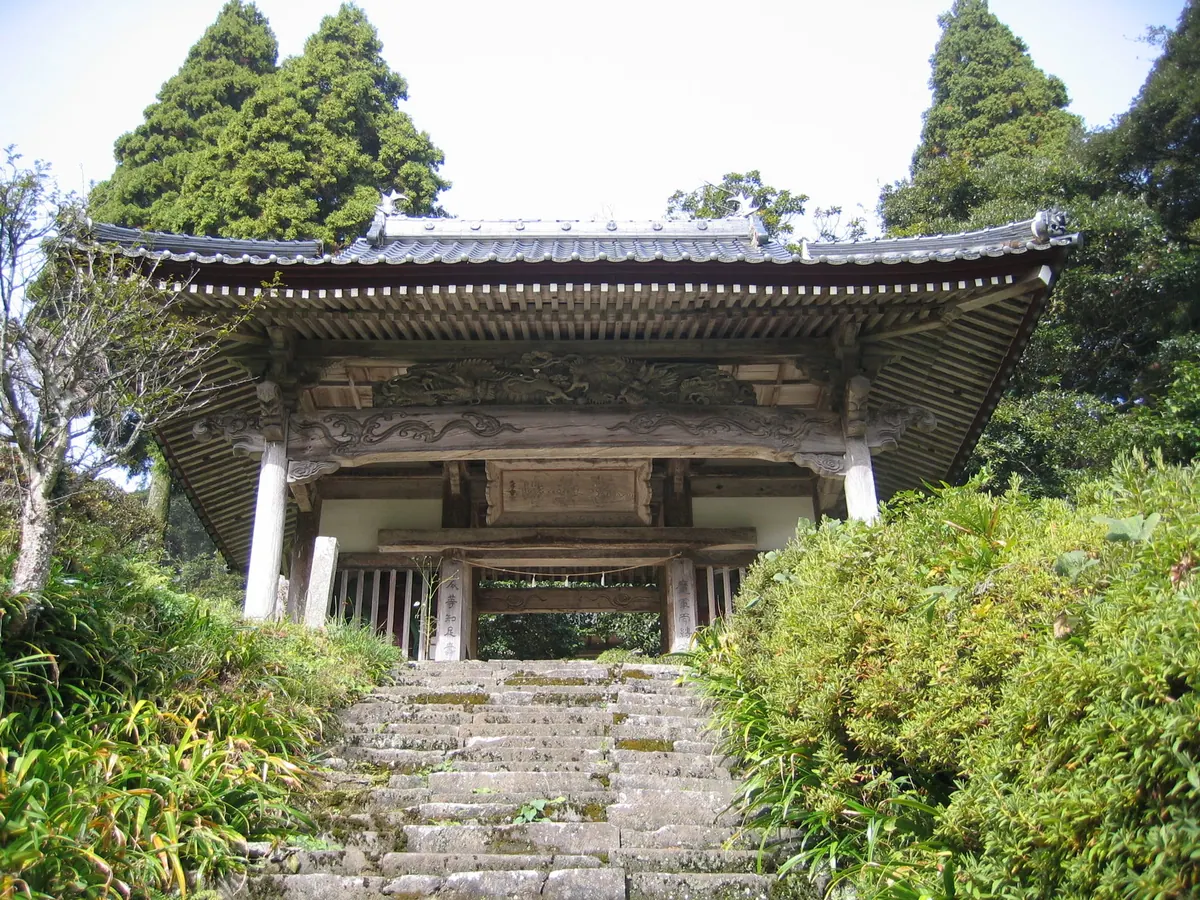
Takano-ji Temple is a historic Buddhist site with beautiful azaleas, founded by Kukai in 814.
What it is
- Buddhist temple of the Omuro school of Shingon Buddhism.
- Founded in 814 by Kukai.
- 33rd sacred site of the Iwami Kannon Pilgrimage.
- Was a direct branch temple of Ninna-ji Temple.
What to see
- Temple buildings rebuilt in the late Edo period.
- 3,000 azalea bushes.
When to go
- Spring festival on May 5th.
- Address
- 島根県大田市温泉津町井田ハ480 Map
17
Iwaya-ji Temple
SHIMANE · TEMPLE 岩屋寺

Ancient mountain temple with a unique natural monument, once an imperial prayer site.
What it is
- Shingon-Omuro school temple, founded in 756.
- Imperial prayer temple for Emperor Shōmu.
- Its mountain name is Kin'ganzan.
- Principal image is the Eleven-faced Kannon Bodhisattva.
What to see
- Iwaya-ji no Kiriake, a national natural monument.
- Kiriake is a small canyon, 80m long.
- Canyon walls are 10-20m high.
- Address
- 仁多郡奥出雲町中村1331 Map
18
Tōkaku-ji Temple
SHIMANE · TEMPLE 桐岳寺

Tōkaku-ji Temple is a Sōtō Zen temple with unique graves and 500 Rakan statues.
What it is
- A Sōtō Zen temple.
- Established by Choshun-in.
- Family temple of Horio Tadauji's second son, Kojiro.
- Moved to its current location in 1613.
What to see
- Kojiro's grave in gorintō style.
- Five hundred Rakan statues.
- Grave of Kiyohara Tahei.
- Grave of sinologist Takigawa Kametaro.
- Address
- 島根県松江市奥谷町279 Map
- Official site
- toukakuji.jp
19
Ichibata-ji Temple
SHIMANE · TEMPLE 一畑寺
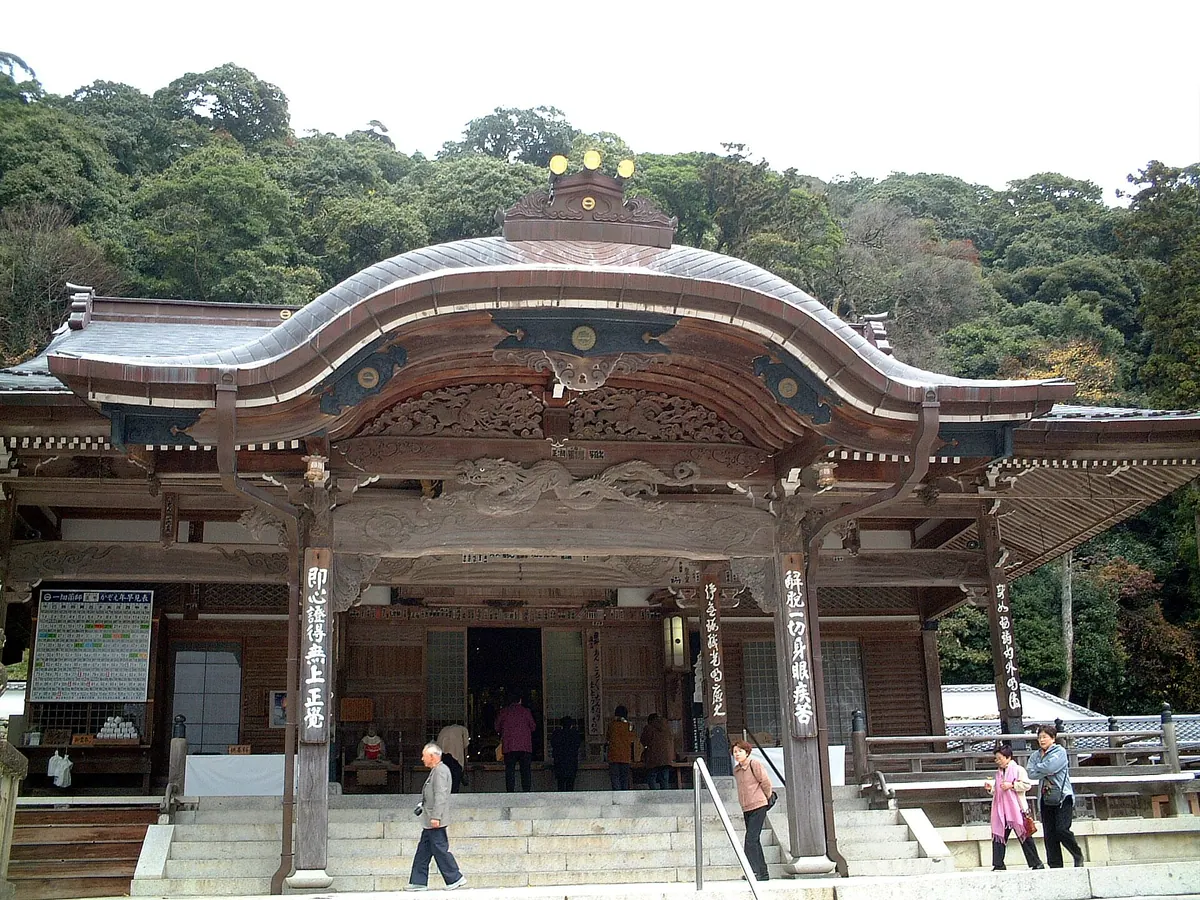
Ichibata-ji Temple is a historic Buddhist temple known for eye healing.
What it is
- Buddhist temple in Izumo City, Shimane Prefecture.
- Founded in 894 by a fisherman named Yoichi.
- Head temple of the Ichibata Yakushi religious organization.
- Known as the "Yakushi-sama of the Eyes."
What to see
- Temple grounds include a Shukubō (lodging) called Ichibata-zan Cottage.
- Address
- 島根県出雲市小境町803 Map
- Official site
- ichibata.jp
20
Rensho-ji Temple
SHIMANE · TEMPLE 連紹寺

Rensho-ji Temple is a historic Nichiren temple rebuilt after fire, offering a glimpse into its past.
What it is
- A Nichiren sect temple.
- Founded by Honjakūin Nichigi.
- A hermitage was built in 1532.
- The current main hall was rebuilt in 1771.
What to see
- The main hall, rebuilt in 1771.
- Address
- 島根県出雲市今市町487 Map