
Ōbara Shrine (Fukuchiyama, Kyoto)
大原神社
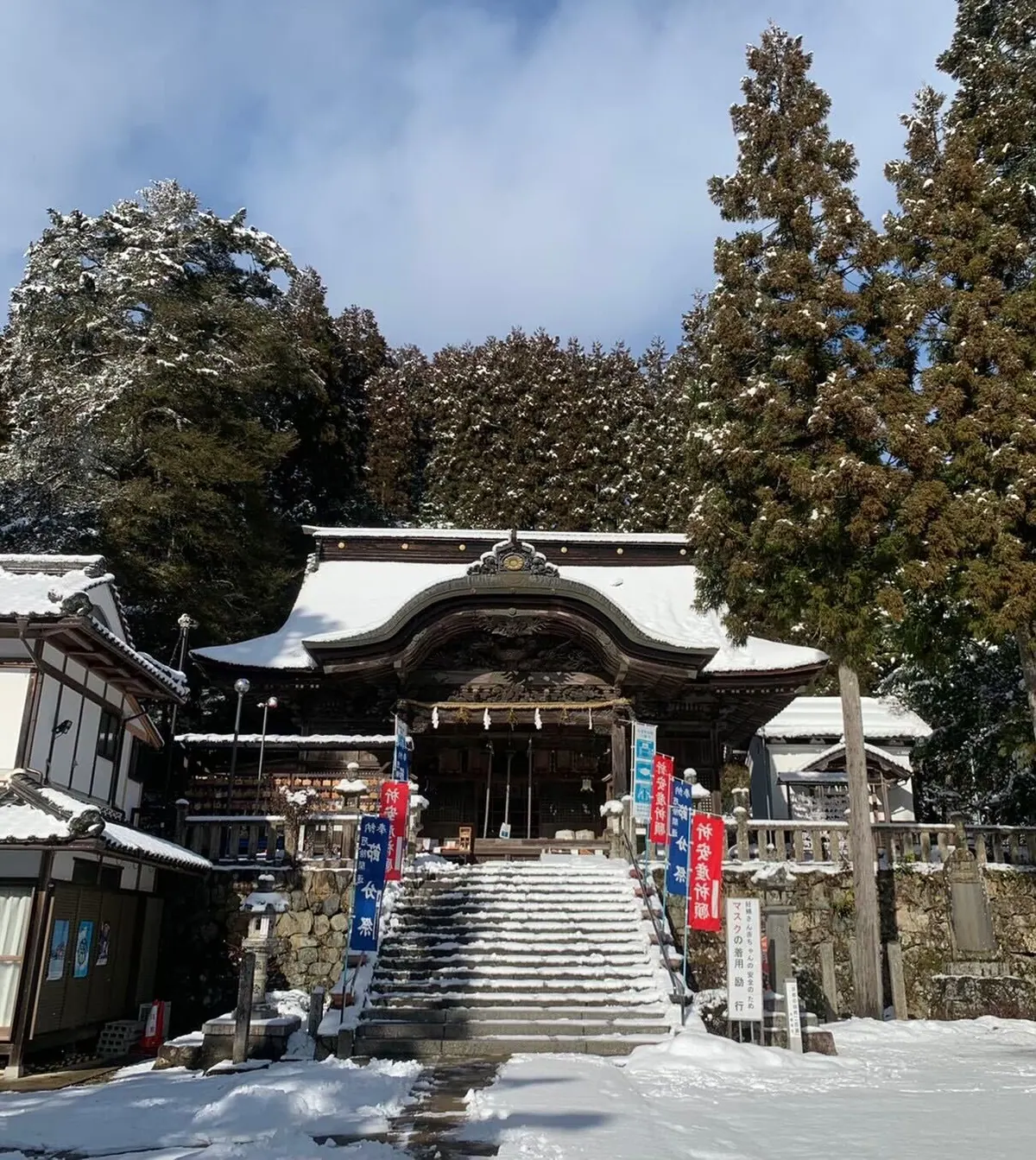
This Shinto shrine, established in 852, is worth visiting for its rare childbirth hut and votive tablets.
What it is
- Shinto shrine established in 852.
- Main sanctuary reconstructed in 1796.
- Known for its association with childbearing.
- One of the few remaining childbirth huts (ubuya).
What to see
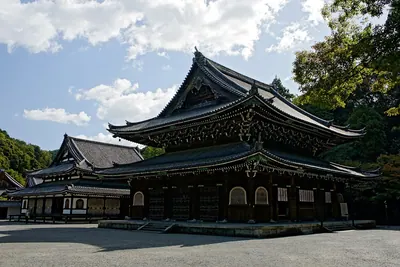
- Main sanctuary building.
- Collection of 35 ema (votive tablets) in shrine buildings.
- Ema depicting local silk farming and Byodoin Temple.
- Oldest ema dated to 1599.
- Collection of Edo and Meiji period childbirth materials.
- Obara ubuya (childbirth hut) next to a river.
In detail
Obara Jinja is a Shinto shrine that was established in 852. The main sanctuary was reconstructed in 1796. The shrine has a collection of 35 ema (votive tablets), which hang in the shrine buildings and the emaden (a special hall for displaying them). They depict scenes such as local silk farming, as well as images of Byodoin Temple south of the city of Kyoto. The oldest ema has been dated to 1599.
Obara Jinja is known for its association with childbearing. It has a collection of materials on childbirth and child-rearing from the Edo period (1603–1867) and the Meiji era (1868–1912) that attracts midwives from all over. Childbirth was stigmatized in ancient Japan for being unclean. Ubuya (childbirth huts) were constructed to remove some of the stigma and provide a place for women to receive the blessings of kami (deities) during childbirth.
Ubuya have existed in Japan since at least the Nara period (710–794). The Obara ubuya is one of the very few childbirth huts remaining. It is built next to a river; this is symbolic of the division the river creates between this world and the otherworld in Japanese belief, as childbirth is said to happen between the two worlds. New mothers would give birth in the hut and spend up to a week living here while recovering their strength. Although it is unclear when this ubuya was built, we do know the last birth here occurred around the turn of the twentieth century. Sand from the ubuya is considered auspicious and is used in good-luck charms for ensuring safe childbirth.
Text: 観光庁 地域観光資源の多言語解説文データベース. Reproduced unchanged. The notes above were written from that text by Japan Gems.
Where it is
京都府福知山市三和町大原 Open in Google Maps
この施設の関係者の方へ
このページは公開情報をもとに Japan Gems が作成し、訪日外国人向けに英語で掲載しています。 写真や情報の追加・修正を承っています。お店の写真に差し替えることもできます。
このページの情報を更新する