
Saihō-ji Temple
西芳寺
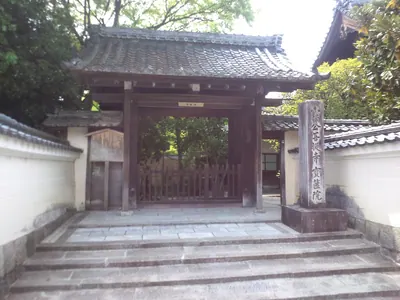
Saihō-ji Temple, also known as Kokedera, is a historic Zen Buddhist temple with gardens that inspired others.
What it is
- Zen Buddhist temple, converted in 1339.
- Founded in the eighth century by priest Gyoki.
- Known as Kokedera, the "Moss Temple."
- UNESCO World Heritage Site.
What to see
- Contemplative gardens designed by Muso Soseki.
- Gardens feature teahouses and rock gardens.
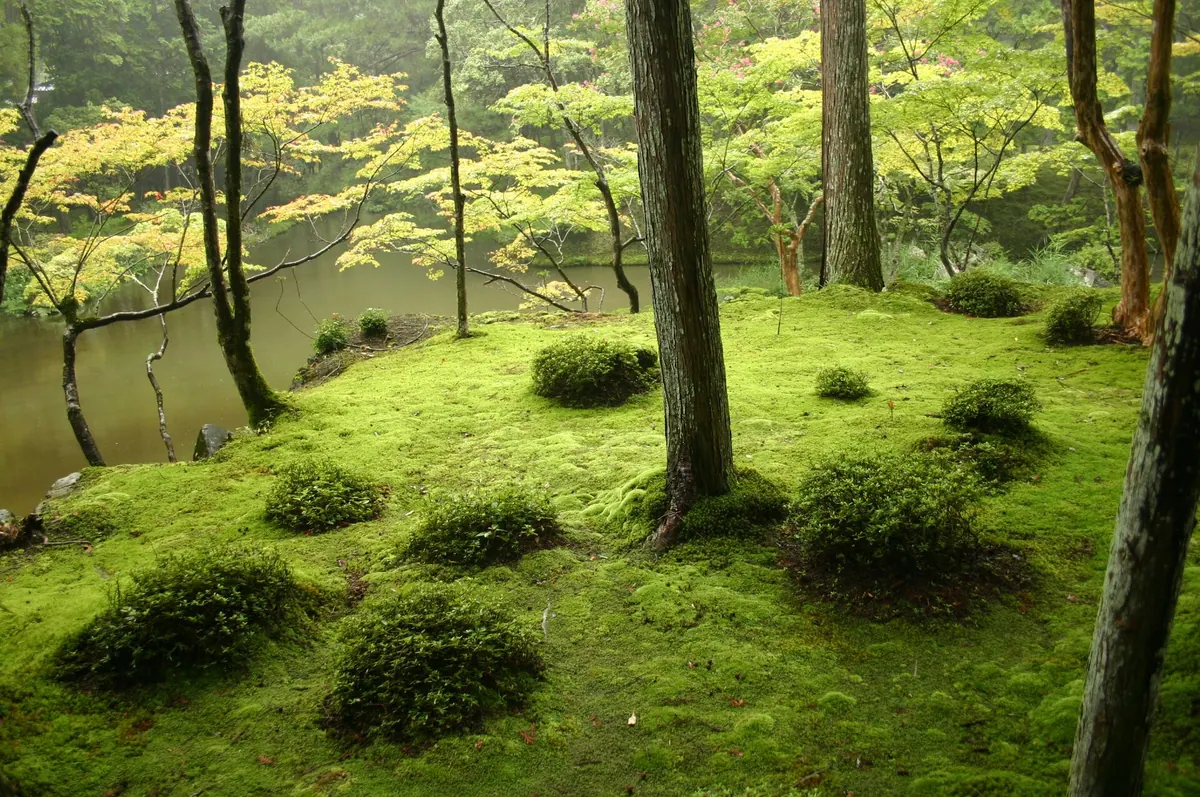
- Dense moss blankets the upper and lower gardens.
In detail
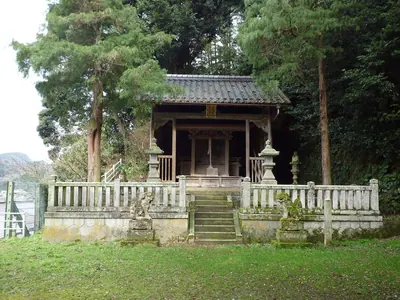
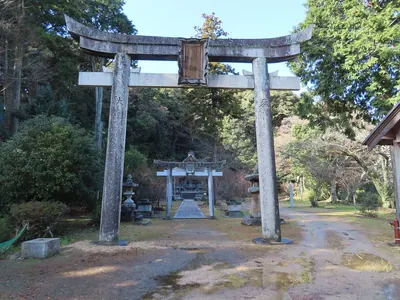
Between the eighth century, when it was first built, and the fourteenth century, Saihoji suffered from natural disasters and fell into disrepair. The chief priest of the nearby shrine, Matsuo Taisha, resolved to rebuild the temple after being visited in a dream by a Shinto deity. He enlisted Muso Soseki (1275–1351), a prominent Zen master who was also an accomplished garden designer. In 1339, Soseki, who is also known by the honorific name Muso Kokushi, converted Saihoji to a Zen Buddhist temple. Saihoji subsequently gained popularity as a place for meditation, thanks in part to Soseki’s contemplative gardens, which aimed to create an earthly representation of paradise. Among the luminaries who visited were the shoguns Ashikaga Yoshimitsu (1358–1408) and Ashikaga Yoshimasa (1436–1490), the latter a leading advocate of Kyoto’s Higashiyama culture, which included ikebana flower arrangement and tea ceremony.
Muso Soseki’s designs, which feature teahouses and rock gardens, are widely considered to have provided the template for other more famous gardens, such as those at Kyoto’s Golden Pavilion (Kinkakuji) and Silver Pavilion (Ginkakuji). While many other Zen Buddhist temples with famous gardens were built during the Ashikaga shoguns’ reigns, few can boast a history as rich as that of Saihoji.
Saihoji Temple is one of 49 Buddhist monasteries established in the eighth century by an imperial decree issued by Emperor Shomu (701–756). The revered priest Gyoki (668–749), of the Hosso school of Buddhism, founded Saihoji on land that once belonged to Prince Shotoku, a sixth-century regent. The location was appropriate for Gyoki, like Prince Shotoku, had played an instrumental role in spreading Buddhism in Japan.
Saihoji is listed as a UNESCO World Heritage Site (Historic Monuments of Ancient Kyoto) and as one of Japan’s Historic Sites and Places of Scenic Beauty. Popularly, it is called Kokedera (“Moss Temple”), a reference to the dense moss that blankets the temple’s upper and lower gardens.
Text: 観光庁 地域観光資源の多言語解説文データベース. Reproduced unchanged. The notes above were written from that text by Japan Gems.
Where it is
京都府京都市西京区松尾神ヶ谷町56 Open in Google Maps
この施設の関係者の方へ
このページは公開情報をもとに Japan Gems が作成し、訪日外国人向けに英語で掲載しています。 写真や情報の追加・修正を承っています。お店の写真に差し替えることもできます。
このページの情報を更新する