
Imahie Jingū
新日吉神宮
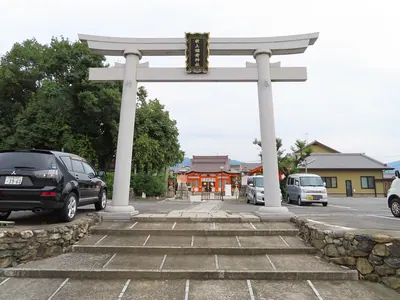
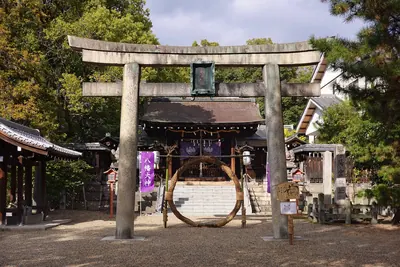
This shrine in Higashiyama district, once part of an imperial complex, protects against malevolent spirits.
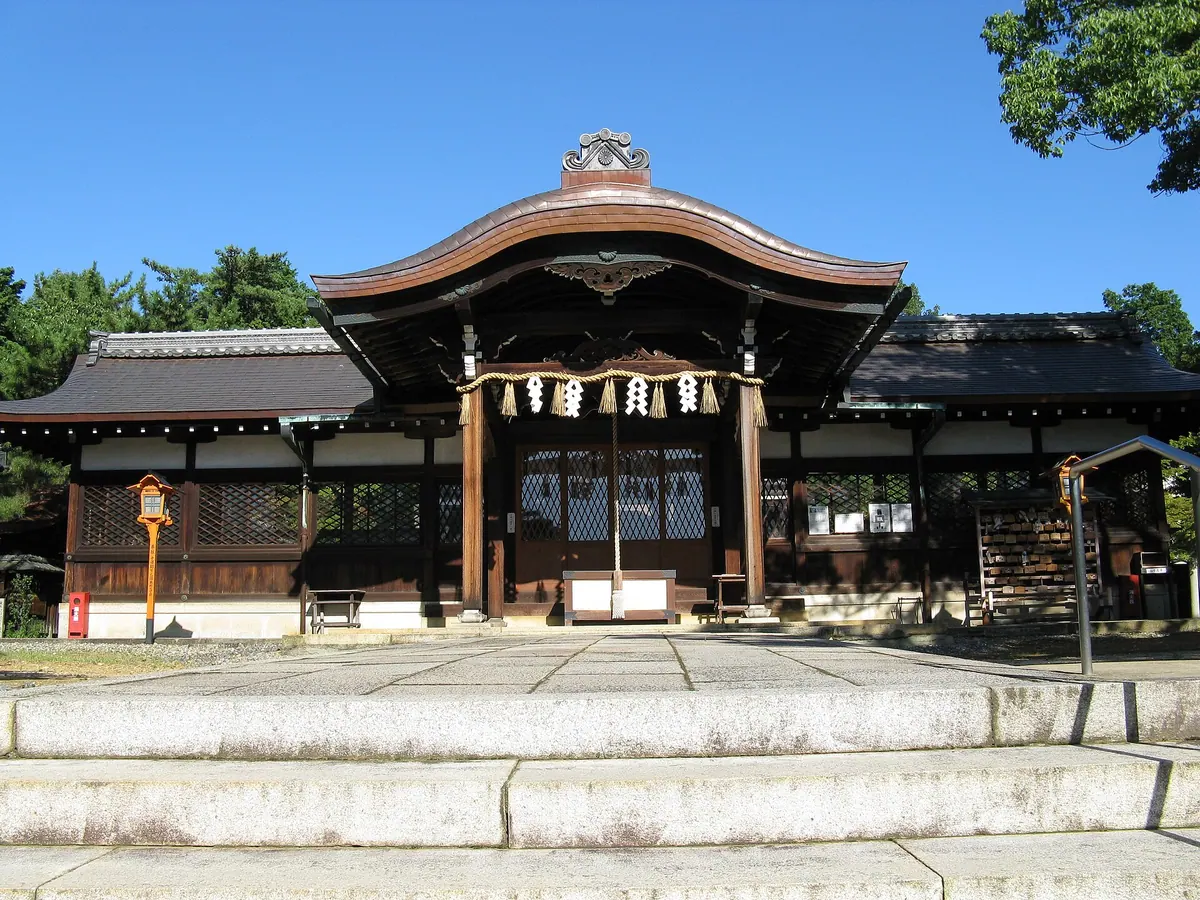
What it is
- Shrine established in 1897 on its present site.
- Dedicated to deities from Hiyoshi Taisha Shrine.
- Retired Emperor Goshirakawa added as a deity in 1958.
- Elevated to "Jingū" status due to Imperial family association.
What to see
- Main sanctuary built in 1835.
- Sanctuary features nagare-zukuri style architecture.
- Gabled roof extends in a flowing curve over the veranda.
When to go
- Two annual festivals in the early modern period.
- Major spring festival, Kosaki no Matsuri, has ancient roots.
In detail
General introduction
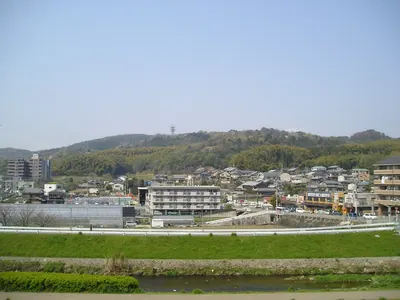
Ima-Hie Jingū Shrine is nestled on a narrow strip of level land set into a gently sloping hillside in the Higashiyama district. The shrine was originally constructed on the extensive Hōjūji temple-palace complex built by Retired Emperor Goshirakawa (1127–1192). The shrine’s location at Hōjūji was the northeastern corner (kimon), the “demon’s gate” from where malevolent spirits were thought to enter. After several relocations, the shrine was finally established on its present site in 1897. The shrine’s territory once stretched as far as the area around today’s Kyoto Station, encompassing the households of those who lived on that land.
The deities worshipped at Ima-Hie Jingū are those from Hiyoshi Taisha Shrine in Omi Province (present-day Shiga Prefecture), whom Goshirakawa invited to protect his newly built establishment in 1160. In 1958, Goshirakawa was added to the original group of gods worshipped at the shrine, and Ima-Hie was elevated to the status of “Jingū,” a name reserved for certain shrines that are associated with the Imperial family. The deities are now enshrined in the main sanctuary, which was built in 1835 in the nagare-zukuri style, distinguished by a gabled roof extending in a “flowing” curve much longer on one side than the other, with the longer side extending over the veranda in front.
For many centuries, the shrine was under the aegis of Myōhōin, a Buddhist temple associated with the imperial family ever since its original connection with Goshirakawa’s neighboring Hōjūji complex. Ima-Hie Jingū Shrine only became a truly independent Shinto establishment in the late nineteenth century, in the wake of government policies aimed at separating the Buddhist and Shinto faiths.
Throughout the early modern period, thousands of residents participated in the shrine’s two annual festivals, parading Ima-Hie’s portable shrine (omikoshi) through the streets of the capital. The roots of the shrine’s major spring festival, Kosaki no Matsuri, can be traced back to a royal procession in which Goshirakawa took part in 1169. The celebration of the festival involved performances of music, dance, and pantomime that are thought to have evolved into the classic noh drama form of Japanese performing arts.
Text: 観光庁 地域観光資源の多言語解説文データベース. Reproduced unchanged. The notes above were written from that text by Japan Gems.
Where it is
Imahie Jingū Open in Google Maps
この施設の関係者の方へ
このページは公開情報をもとに Japan Gems が作成し、訪日外国人向けに英語で掲載しています。 写真や情報の追加・修正を承っています。お店の写真に差し替えることもできます。
このページの情報を更新する