

9 Onsen in Gifu worth your time
Japan Gems
9 Onsen in Gifu, with what to see and how to get there.
Gifu has 9 onsen on Japan Gems. Below are the 9 we can tell you the most about — each one written up in English from Japanese sources, with what to see and how to get there. See all onsen in Gifu.
01
Hirayu Onsen
GIFU · PLACE 平湯温泉
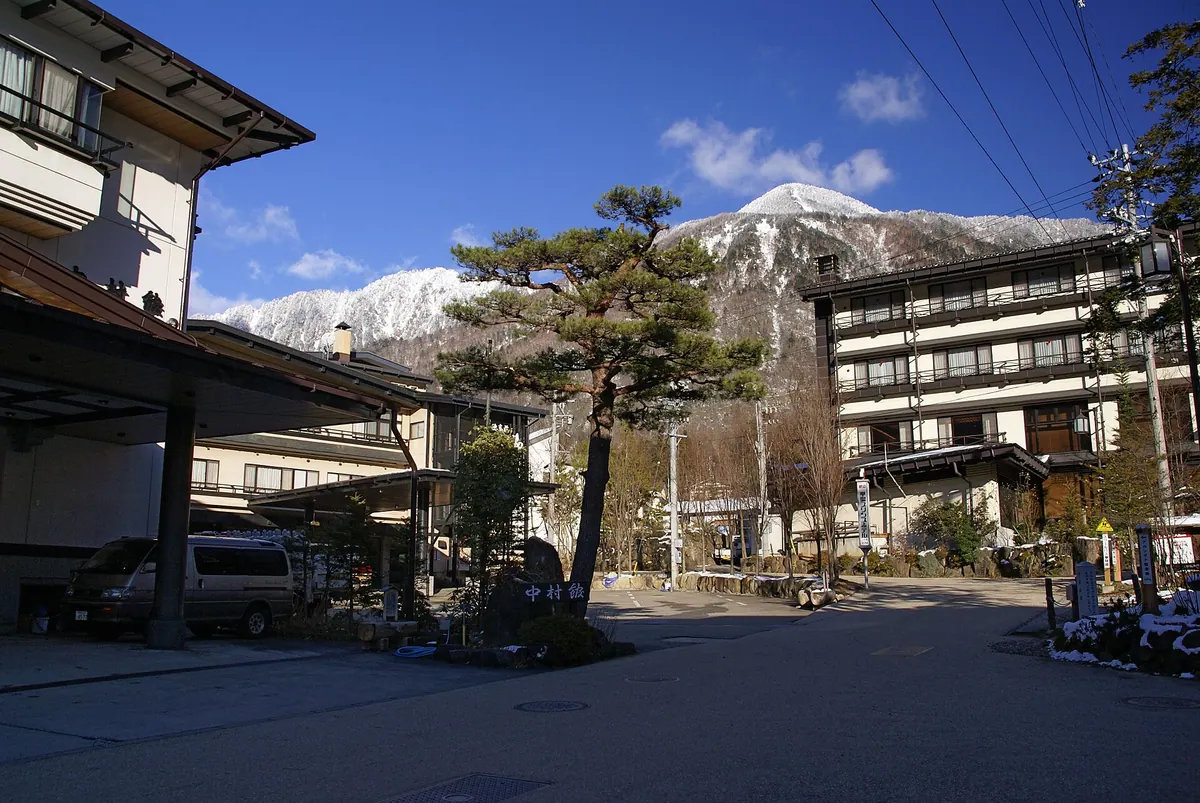
A historic hot spring resort in Gifu offering diverse mineral waters and serving as a gateway to the Japanese Alps.
What it is
- A historic hot spring resort designated as a National Health Resort in 1964.
- Legend says a white monkey revealed the springs during the Sengoku period.
- The site produces approximately 13,000 liters of mineral water per minute.
- A major transfer point for travelers visiting Kamikochi and Mount Norikura.
What to see
- Four public bathhouses featuring hydrogen carbonate, chloride, and sulfur springs.
- The Hirayu Folk Museum which houses city-designated cultural properties.
- Hirayu Waterfall, a notable natural landmark in the local area.
- A 9.6 kilometer hiking trail connecting the ski resort to Kikyogahara.
Getting there
- A bus terminal is located near the National Route 158 intersection.
- Long-distance buses connect the local terminal to Takayama and Matsumoto.
- Official site
- hirayuonsen.or.jp
02
Gero Onsen
GIFU · PLACE 下呂温泉
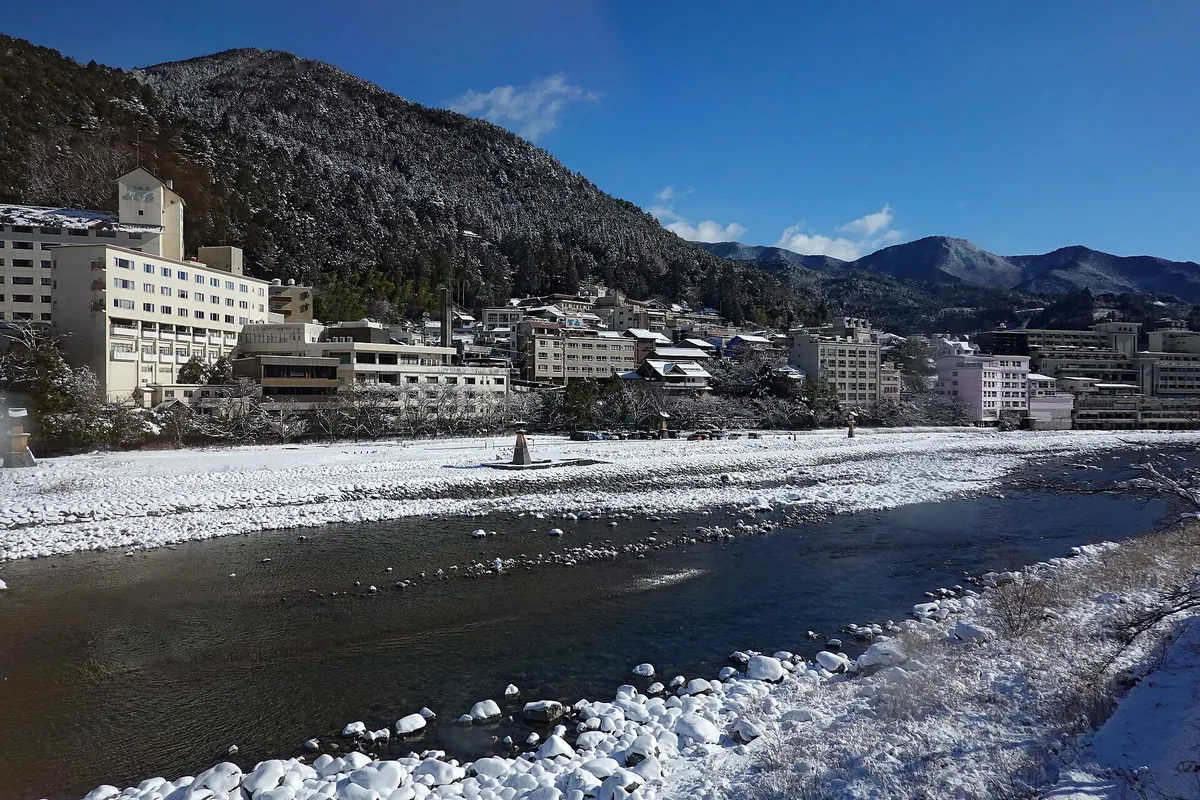
One of Japan's three most famous hot spring resorts, offering alkaline waters and historic architecture along the Hida River.
What it is
- A historic hot spring resort designated as one of Japan's Three Famous Springs.
- The resort area is situated along the Hida River in Gifu Prefecture.
- Onsenji Temple was founded at the foot of Mount Nakane in 1671.
- The spring water is alkaline with a high source temperature of 84 degrees.
What to see
- The Yunoshima-kan building is a Registered Tangible Cultural Property of Japan.
- Three public baths including Kur Garden, Shirasagi-no-Yu, and Yusun-no-Yu.
- The Funsenchi riverbed pool which became a footbath-only facility in 2021.
- Local souvenirs for sale such as Sarubobo dolls and Hoba Miso.
Getting there
- Accessible via the JR Takayama Main Line at Gero Station.
- Direct bus services operate from Nagoya Station for hotel guests.
- Official site
- www.gero-spa.or.jp
03
Tochio Onsen
GIFU · PLACE 栃尾温泉
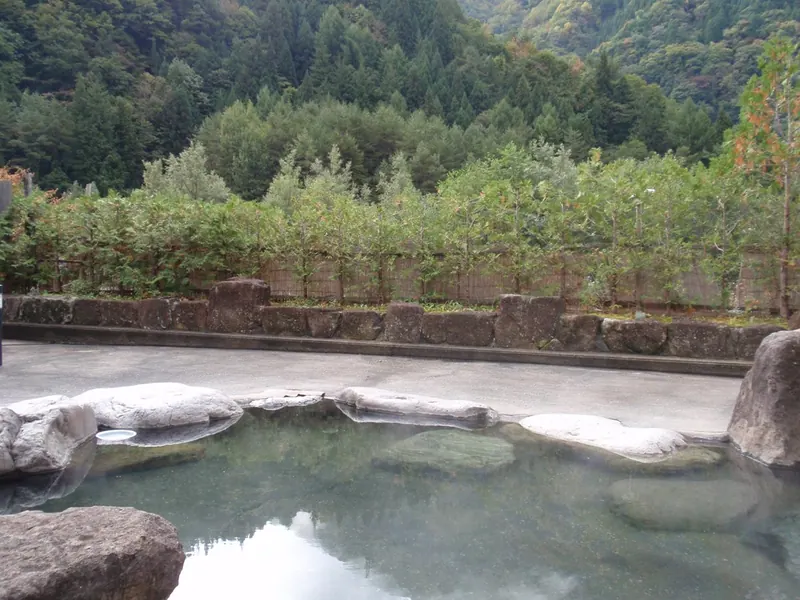
A riverside hot spring resort in Takayama known for its public outdoor baths and seasonal firefly viewing along the riverbank.
What it is
- A hot spring town located at the junction of the Kamata and Hirayu rivers.
- Designated as a National Health Resort in 1968 featuring simple spring water.
- The town name originates from the local Japanese horse-chestnut trees.
- The area utilizes geothermal heat for growing local vegetables and fruit.
What to see
- Kojin-no-yu is an outdoor bath located directly on the Kamata riverbank.
- Hotaru-no-yu is a public footbath available for use by visitors.
- Cherry trees are planted along the Hora Valley channel works.
- The site of a major 1979 mudslide in the Hora Valley.
When to go
- Fireflies appear near the footbath around early July.
Getting there
- The town is accessible by bus from Takayama Station.
04
Fukuji Onsen
GIFU · PLACE 福地温泉
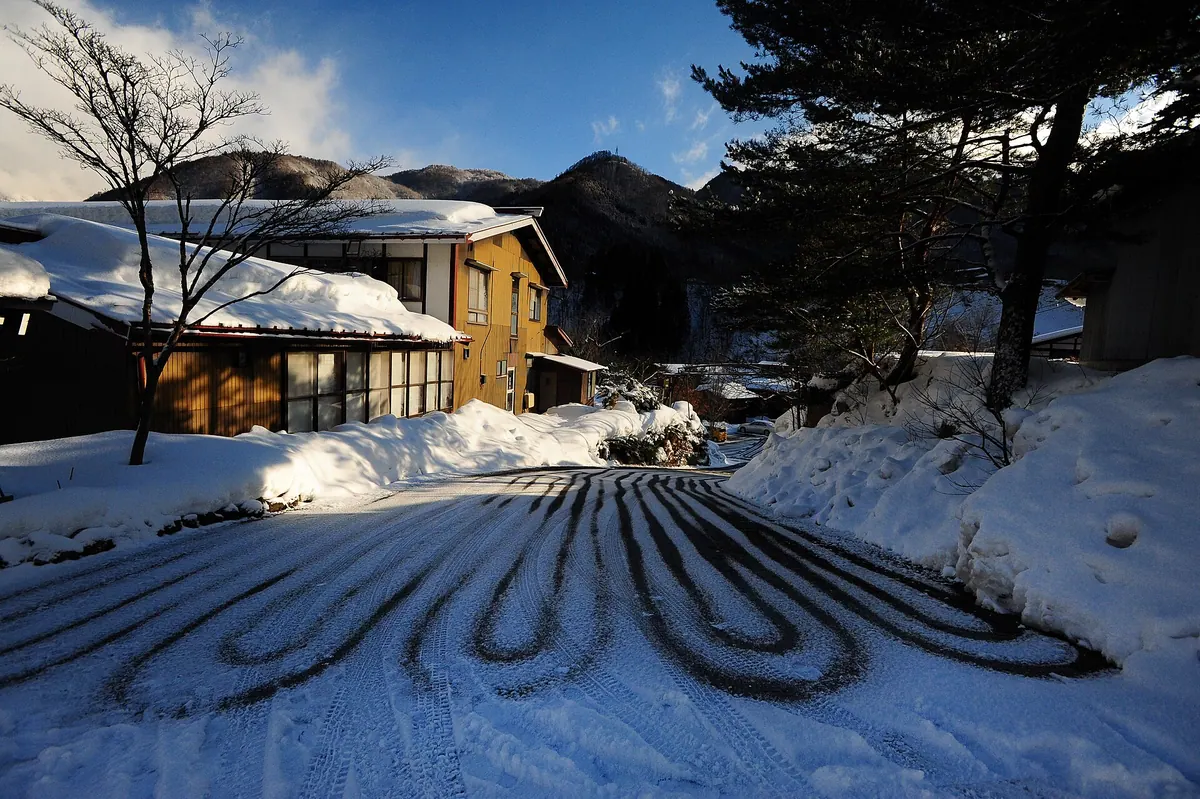
A high-altitude hot spring resort in the Okuhida region known for its healing waters and traditional morning market.
What it is
- A hot spring town located at an elevation of 1,000 meters in Gifu Prefecture.
- One of Japan's Top 100 Onsen and a designated National Health Resort since 1968.
- A historic retreat where Emperor Murakami allegedly visited during the Heian period.
- Part of the Okuhida Onsen Village featuring simple and hydrogen carbonate springs.
What to see
- A local morning market held daily within the hot spring town.
- The Yadoriyu bathhouse available for guests staying overnight in the area.
- The Okuhida Bear Park located in close proximity to the hot spring town.
- Performances of a local lion dance designated as an intangible folk cultural property.
Getting there
- Buses from Takayama Station reach the hot spring area in 70 minutes.
- Official site
- www.fukujionsen.com
05
Shinhotaka Onsen
GIFU · PLACE 新穂高温泉
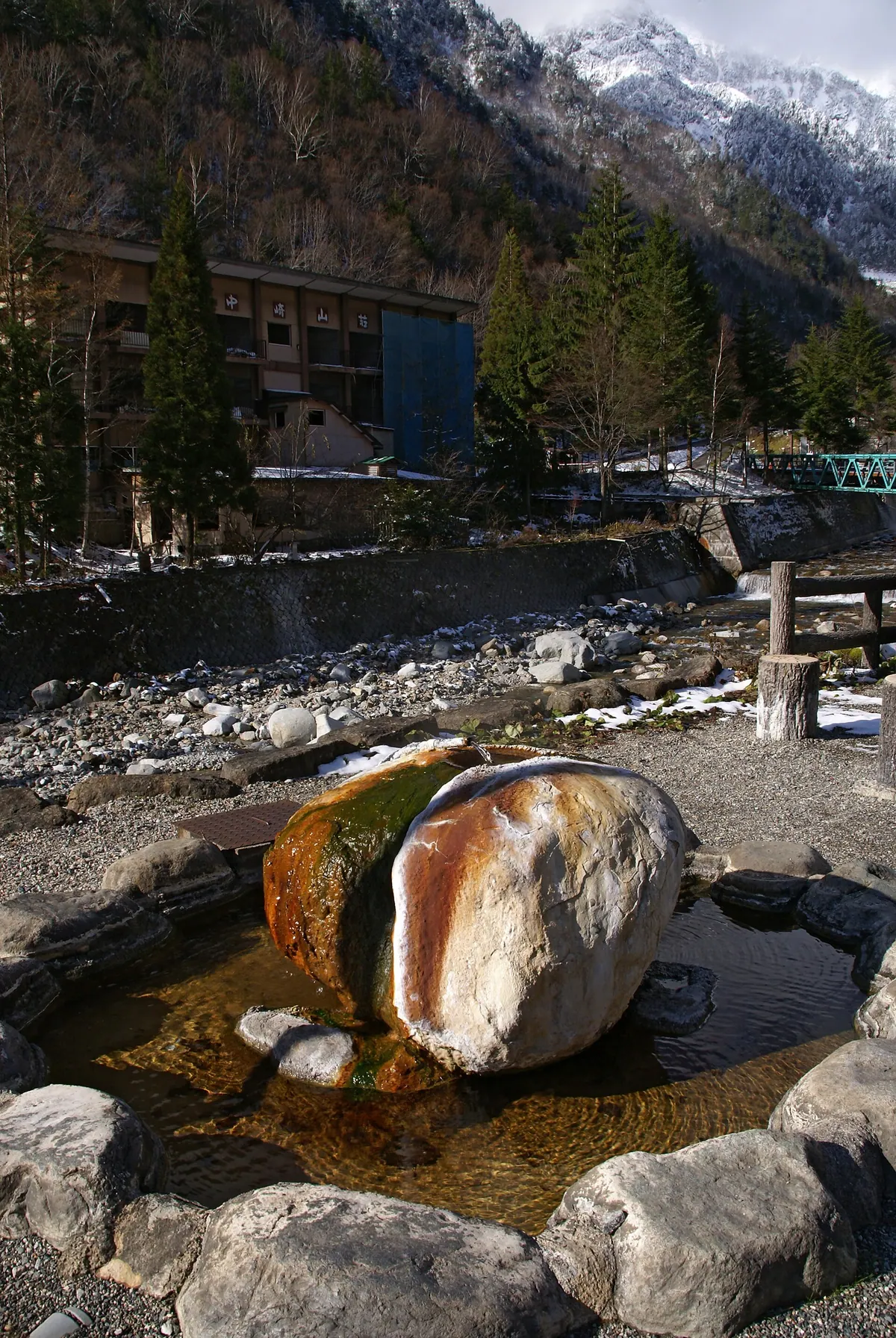
A scenic hot spring resort in the Northern Alps offering therapeutic waters and a base for high-altitude mountain climbing.
What it is
- A hot spring area in the Okuhida Onsen Village designated as a National Health Resort.
- A base for climbers heading into the Northern Alps mountain range.
- A collection of three districts including Shinhotaka, Gamada, and Nakao.
- The setting for the famous Japanese novel Ice Wall by Yasushi Inoue.
What to see
- The Shinhotaka Ropeway station located within the Shinhotaka district.
- A public open-air bath known as Shinhotaka-no-yu.
- The Ashiarai-no-yu footbath located in the Nakao district.
- Natural springs containing simple thermal, bicarbonate, and chloride waters.
Getting there
- Buses from Takayama Station reach the hot spring area in ninety minutes.
- Prefectural Road 475 connects the area to nearby Tochio Onsen.
- Official site
- shinhotaka.com
06
Nigorigo Onsen
GIFU · PLACE 濁河温泉
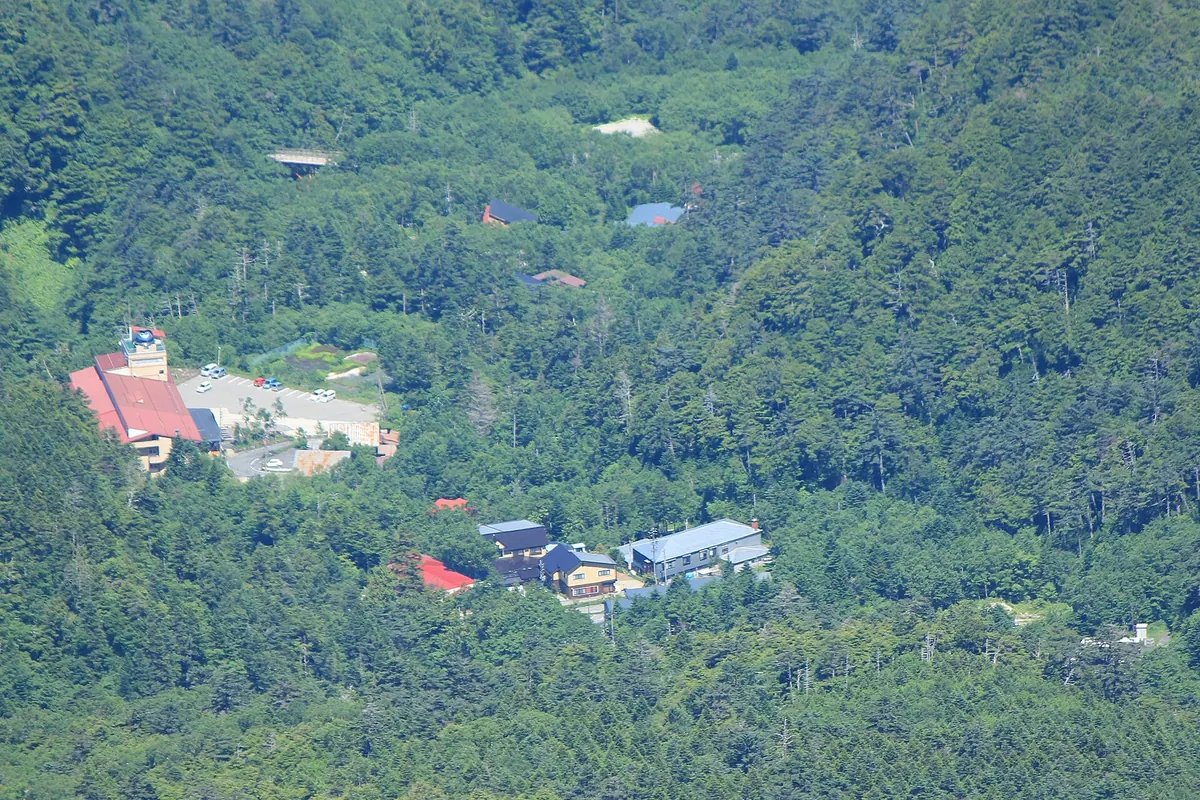
A high-altitude hot spring resort at 1,800 meters, serving as a trailhead for Mount Ontake with mineral-rich waters.
What it is
- A hot spring resort located at the seventh station of Mount Ontake.
- Discovered during the mid-Edo period and designated as a National Health Resort.
- The site serves as the Kosaka trailhead for climbing Mount Ontake.
- The town consists of several inns and a municipal outdoor bath.
What to see
- Hot spring water containing earth-containing mirabilite and iron.
- Surrounding subalpine forest designated as a National Recreation Forest.
- High-altitude views from a resort sitting at 1,800 meters.
When to go
- The Mount Ontake mountain opening ceremony occurs on June 15.
Getting there
- Access from Hida-Kosaka Station takes approximately 80 minutes by car.
07
Nakatsugawa Onsen Qua Resort Yubunesawa
GIFU · PLACE 中津川温泉クアリゾート湯舟沢
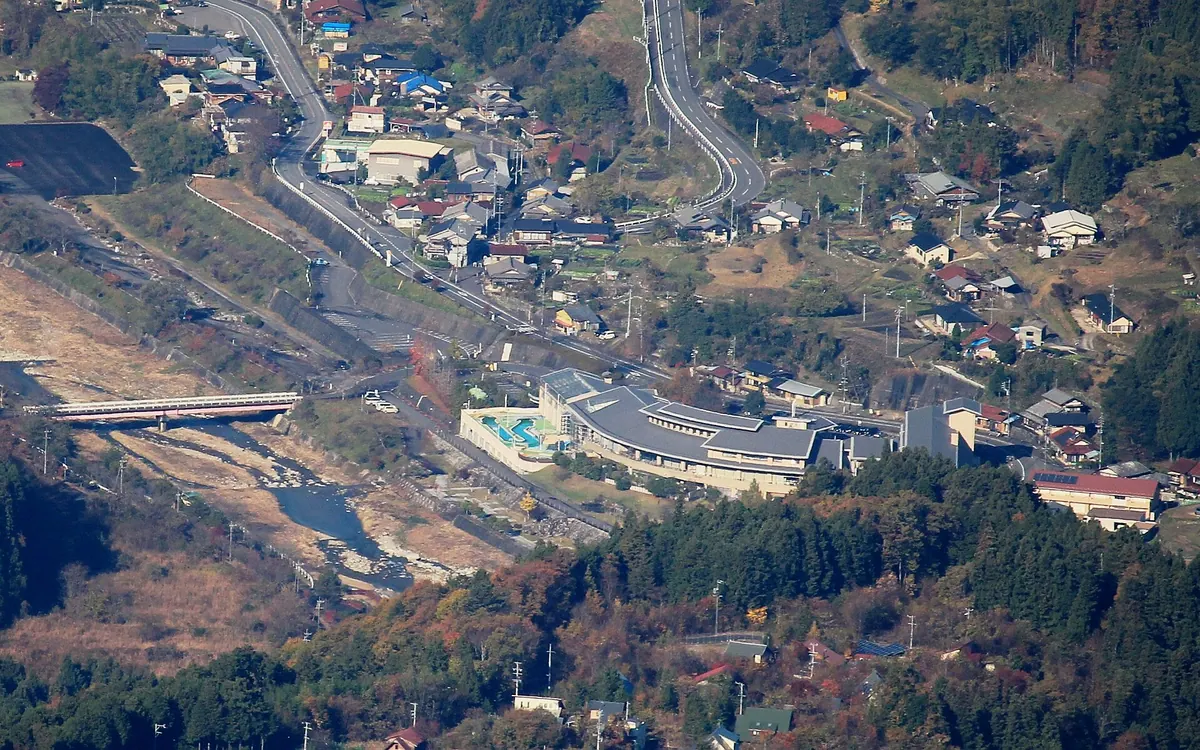
A multi-zone hot spring resort near Magome-juku featuring sodium bicarbonate waters discovered during railway tunnel construction.
What it is
- A hot spring facility opened in 1995 in Nakatsugawa City.
- Built on the site where Magome Station was originally planned.
- Features sodium bicarbonate spring water discovered during railway tunnel work.
- Consists of four distinct zones including hot springs and swimming pools.
What to see
- The confluence of the Tsumeta and Nuru rivers where the site sits.
- Attached accommodation facilities at the Hotel Hana Sarasa.
- Renovated interior spaces updated during a major 2017 project.
- Proximity to the historic Magome-juku post town area.
Getting there
- A free shuttle bus operates from Nakatsugawa Station.
- Located one minute away from the Misaka Smart Interchange.
08
Nagaragawa Onsen
GIFU · PLACE 長良川温泉
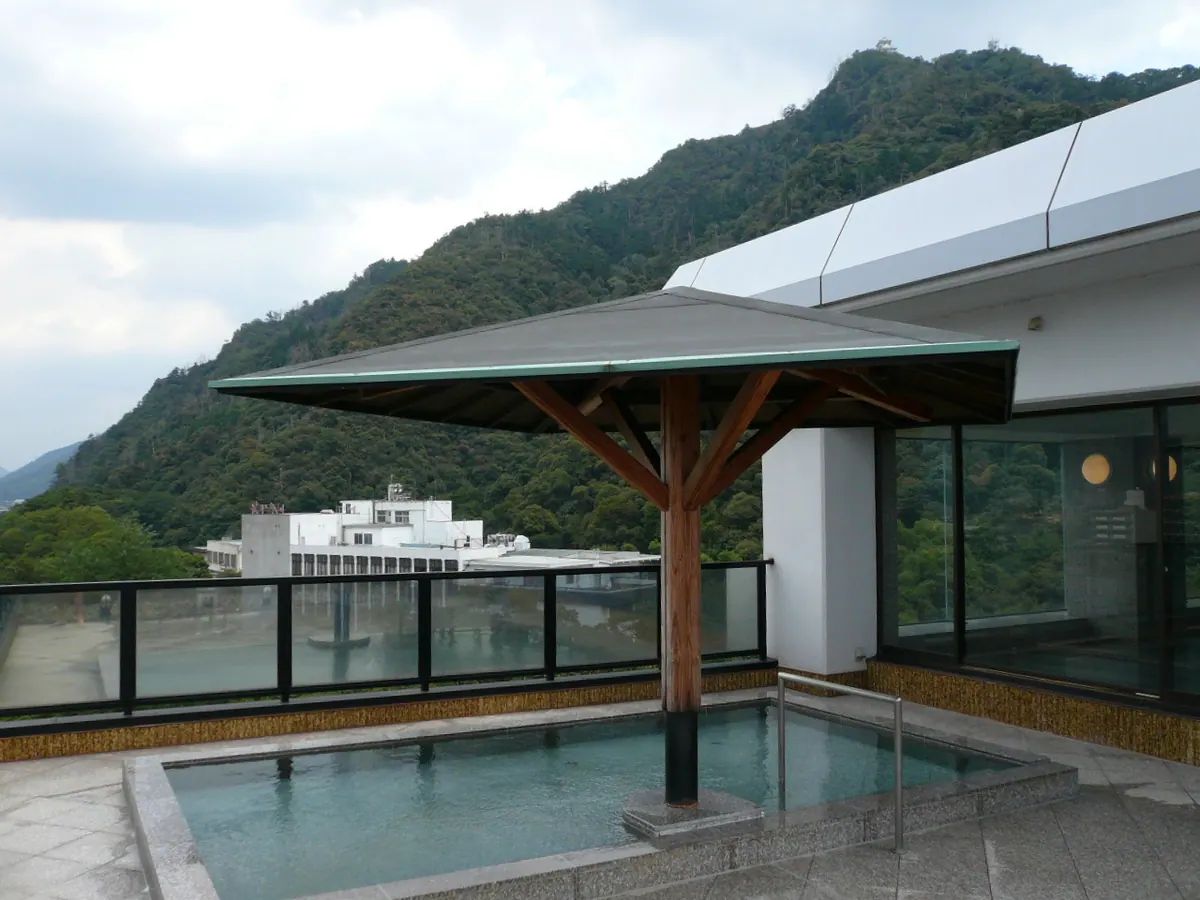
A riverside hot spring district at Mount Kinka known for its unique brownish iron-rich waters and traditional cormorant fishing.
What it is
- A hot spring area featuring seven hotels and inns along the Nagara River.
- The source is the Mitahora Shinbutsu Onsen which opened in 1968.
- The water is a simple carbonated iron spring with a distinct brownish color.
- The spring water originates at fifteen degrees Celsius with a high discharge rate.
What to see
- Traditional Nagaragawa Ukai cormorant fishing demonstrations on the river.
- The scenic landscape at the foot of Mount Kinka.
- Seven different riverside hotels and inns offering hot spring baths.
Getting there
- Take a bus from Gifu Station directly to the hot spring area.
- The bus journey from the station takes approximately twenty minutes.
- Official site
- nagaragawa.org
09
Nanno Onsen
GIFU · PLACE 南濃温泉
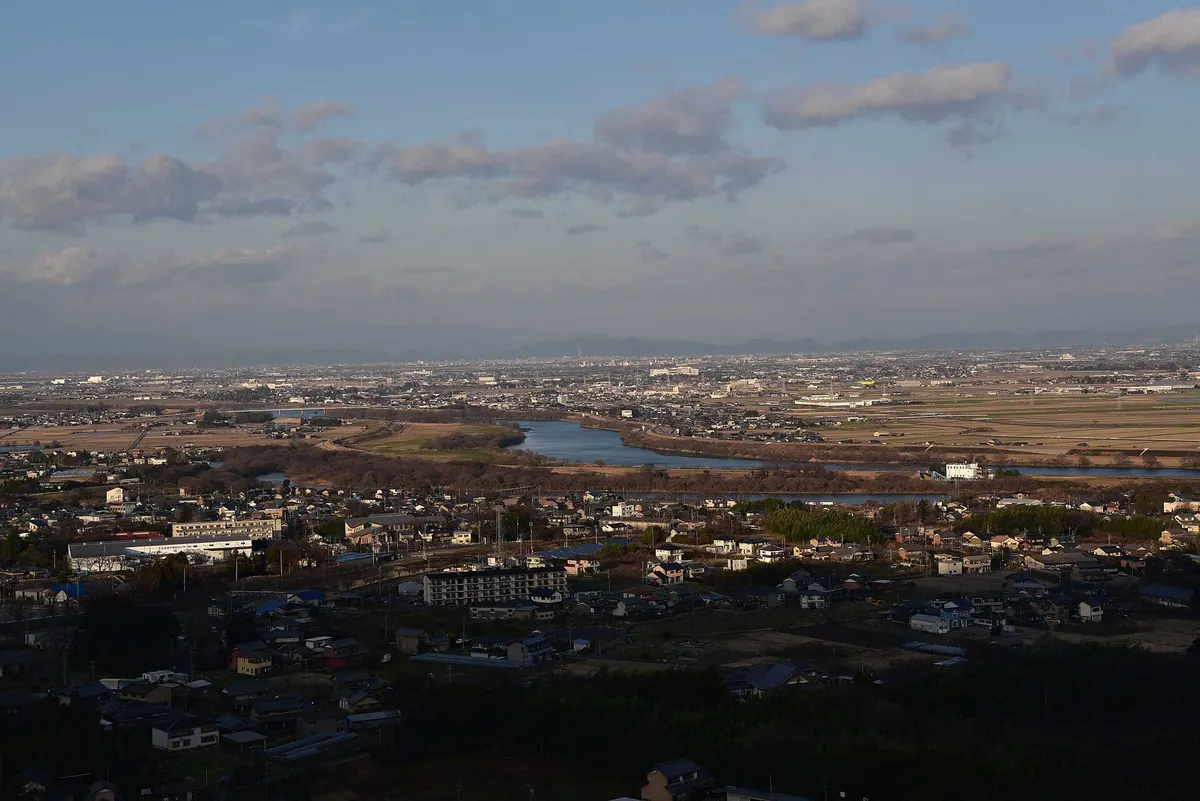
A public day-trip hot spring 130 meters up the Yoro Mountains offering eleven bath types and panoramic plain views.
What it is
- A public day-trip hot spring facility managed by Kaizu City.
- Opened in December 2002 after drilling for the source began in 2001.
- The name Suisho no Yu refers to crystal deposits found in the local area.
What to see
- Eleven different types of baths for visitors to experience.
- Crystal gemstones used to decorate the water outlets of the baths.
- Panoramic views of the Nobi Plain and Mount Ontake from the mountainside.
- The facility is situated 130 meters up the Yoro Mountains.
Getting there
- Accessible via Komano Station on the Yoro Line.
- A free shuttle bus runs from the parking lot every twelve minutes.