

11 Onsen in Niigata worth your time
Japan Gems
11 Onsen in Niigata, with what to see and how to get there.
Niigata has 11 onsen on Japan Gems. Below are the 11 we can tell you the most about — each one written up in English from Japanese sources, with what to see and how to get there. See all onsen in Niigata.
01
Renge Onsen
NIIGATA · PLACE 蓮華温泉
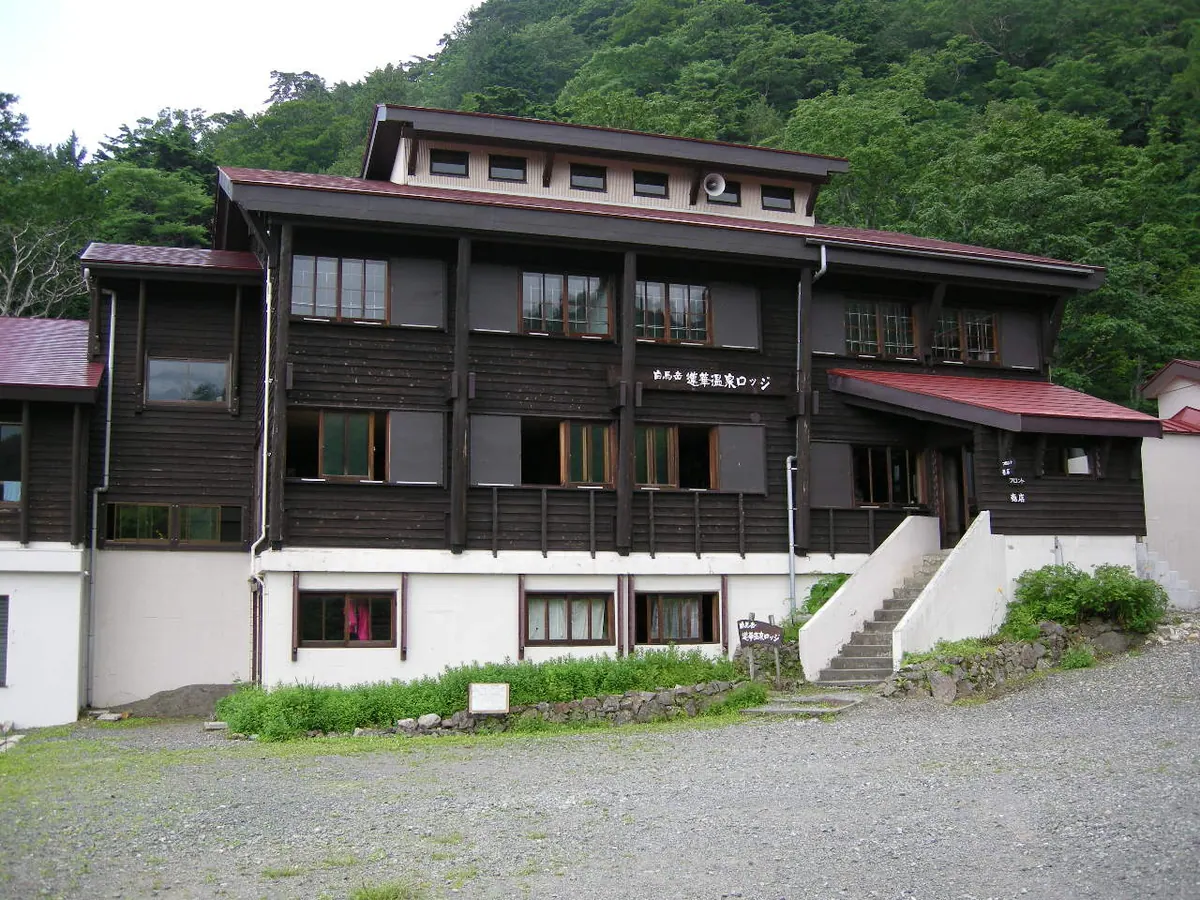
A high-altitude hot spring lodge in Chubu Sangaku National Park offering four outdoor baths with diverse mineral waters.
What it is
- A hot spring facility located at 1,475 meters within Chubu Sangaku National Park.
- The site features a single lodge that operates using its own private power generator.
- British climber Walter Weston stayed at this location before ascending Mount Shirouma in 1894.
- The lodge provides access to three different types of natural spring water.
What to see
- Four outdoor baths situated in the mountain landscape.
- One indoor bath located within the Renge Onsen Lodge facility.
- High-altitude views from the slopes of the Northern Japan Alps.
When to go
- Visit between late March and late October when the facility is operational.
- Note that lights are turned off at 21:00 every night.
- Take the bus during the specific operating window from July to October.
Getting there
- Buses run to the hot spring from Itoigawa Station between July and October.
- Official site
- rengeonsen.main.jp
02
Matsunoyama Onsen
NIIGATA · PLACE 松之山温泉
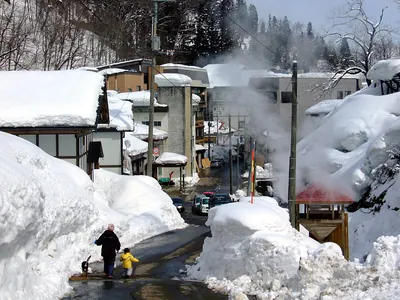
One of Japan's three major medicinal baths, featuring ancient fossil seawater and unique cultural traditions in a heavy snowfall region.
What it is
- One of Japan's three major medicinal baths located in a heavy snowfall area.
- The spring water is fossil seawater dating back ten million years.
- Legend says a hawk discovered the hot spring seven hundred years ago.
- The water contains high levels of boric acid and reaches ninety-eight degrees Celsius.
What to see
- Traditional inns designated as National Registered Tangible Cultural Properties.
- Binary power generation facilities that utilize heat from the hot springs.
- Natural scenery that often experiences over four meters of snow in winter.
When to go
- The local festival featuring groom-throwing and ink-smearing traditions.
- Winter months to experience the extreme four-meter snow accumulation.
Getting there
- Buses run from Matsudai Station directly to the hot spring town.
- Official site
- www.matsunoyama-onsen.com
03
Akayu Onsen
NIIGATA · PLACE 赤湯温泉
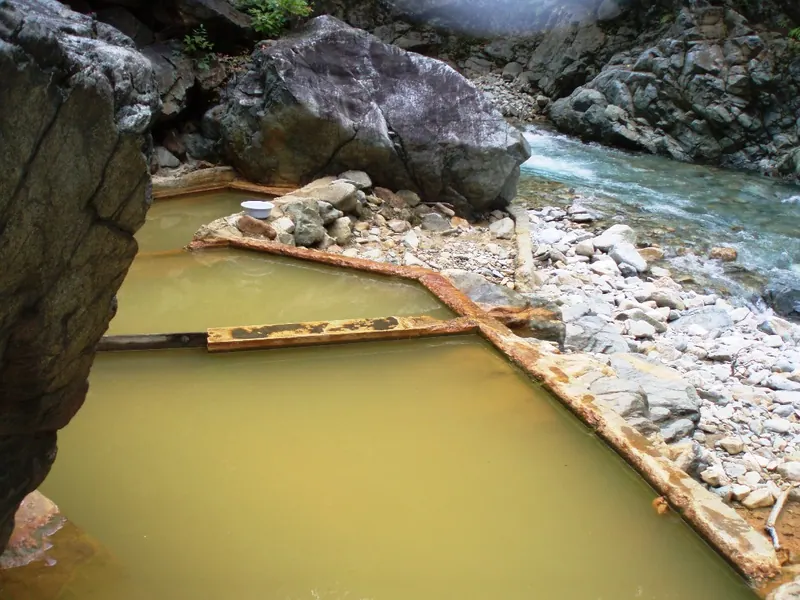
A remote mountain hot spring in Niigata accessible only by foot, offering a rustic experience with three natural water sources.
What it is
- A secluded hot spring area featuring three separate natural sodium and calcium chloride sources.
- The site serves as a base for hikers climbing Mount Naeba.
- The first hot spring inn opened in 1897 with the current Yamaguchikan established in 1919.
- A remote facility where lamps are used for lighting to conserve generator fuel.
What to see
- The Yamaguchikan mountain hut which provides the only accommodation in the area.
- Three distinct natural hot spring sources used for bathing.
- Rugged mountain scenery along the trail to Mount Naeba.
When to go
- The facility is closed during the winter months from November to April.
Getting there
- Reach the site via a two-hour walk from the forest road parking lot.
- The location is only accessible on foot through mountainous terrain.
- Official site
- akayunaebasan.sakura.ne.jp
04
Tsubame Onsen
NIIGATA · PLACE 燕温泉
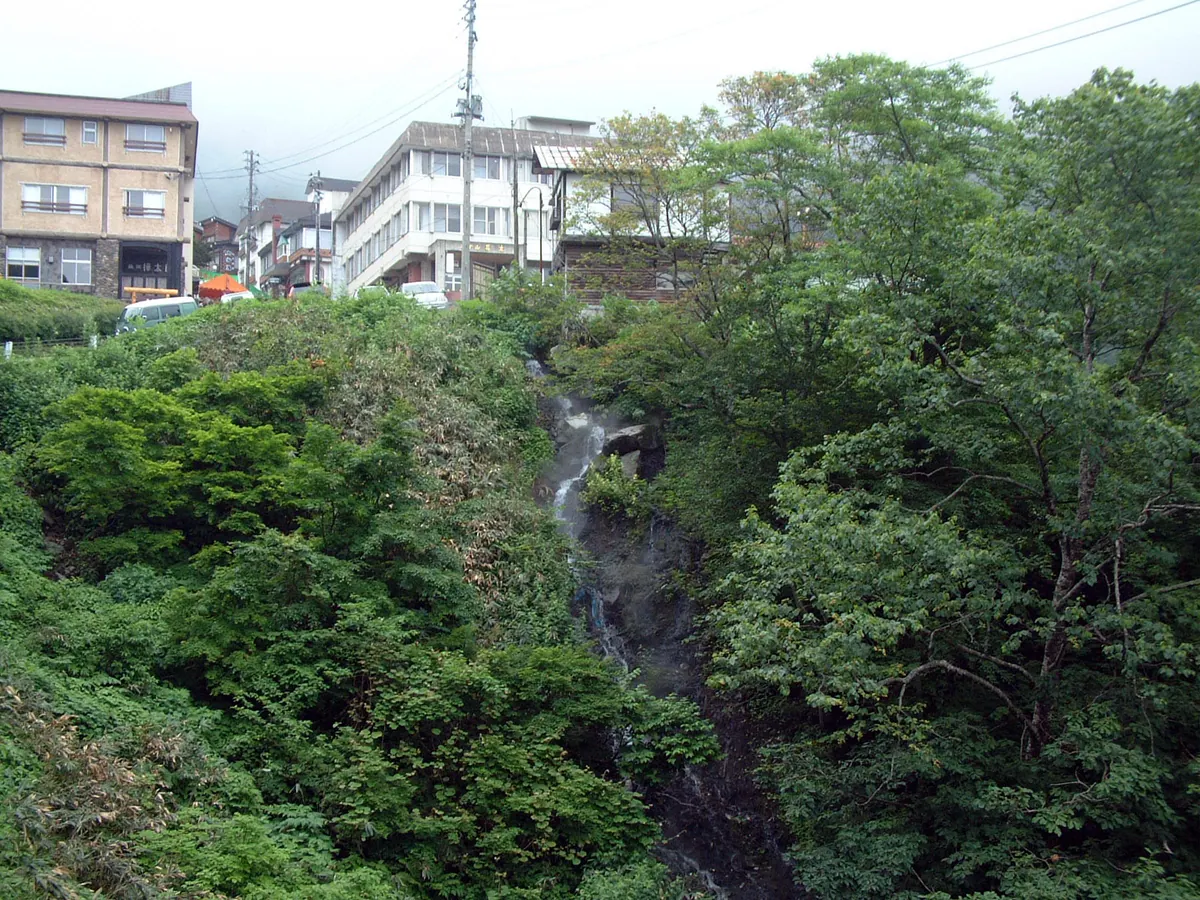
A high-altitude hot spring resort in a national park featuring milky sulfur water and free outdoor baths.
What it is
- A hot spring resort located at 1,100 meters within Myoko-Togakushi Renzan National Park.
- The hot spring town officially opened in 1895 and became a National Health Resort in 1972.
- The spring was reportedly discovered by Kobo Daishi and contains sulfur, sodium, and calcium.
- The village consists of five inns and two souvenir shops built on a slope.
What to see
- Two free outdoor baths located behind the main hot spring town.
- Milky white water maintained at a temperature of 43.5 degrees Celsius.
- Mountain views from the high-elevation resort area in Niigata Prefecture.
When to go
- The outdoor baths are closed to visitors during the winter season.
Getting there
- Buses run directly from Sekiyama Station to the hot spring area.
05
Akakura Onsen
NIIGATA · PLACE 赤倉温泉
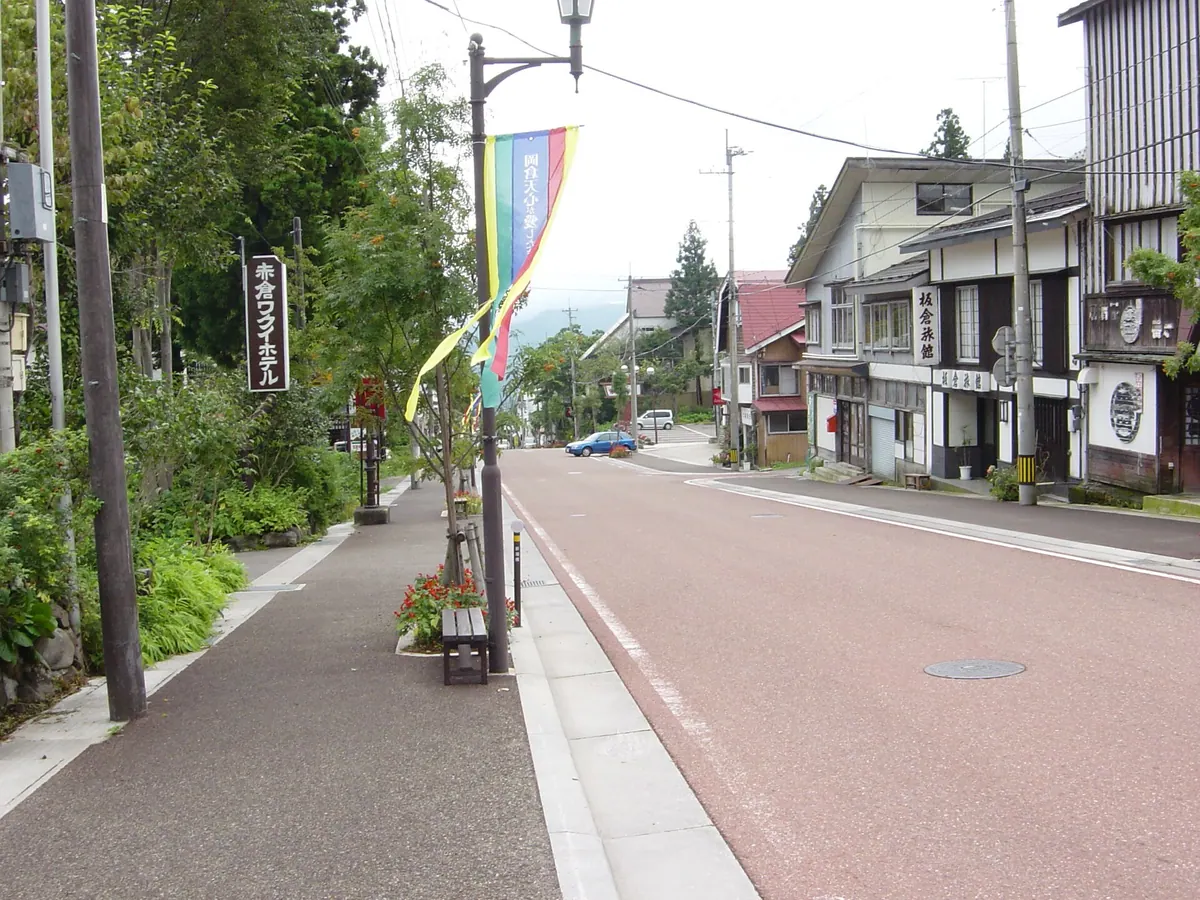
A historic hot spring resort in a national park featuring therapeutic waters, a classic hotel, and a ski resort.
What it is
- A hot spring resort in Myoko-Togakushi Renzan National Park developed in 1816.
- The only hot spring historically managed by a feudal domain.
- A resort area that includes the Akakura Onsen Ski Resort.
- A destination featuring mineral-rich water sourced from Kitajigokudani on Mount Myoko.
What to see
- The Akakura Kanko Hotel which opened in 1937 as a national policy hotel.
- Taki no Yu, an outdoor bath available for seasonal use.
- Natural landscapes within the Myoko-Togakushi Renzan National Park.
When to go
- Visit Taki no Yu outdoor bath between April and November.
- A total solar eclipse will be visible from this location in 2035.
Getting there
- The resort is located five kilometers from Myoko-Kogen Station.
- Official site
- www.akakura.gr.jp
06
Gatsugi Yurihana Onsen
NIIGATA · PLACE 勝木ゆり花温泉
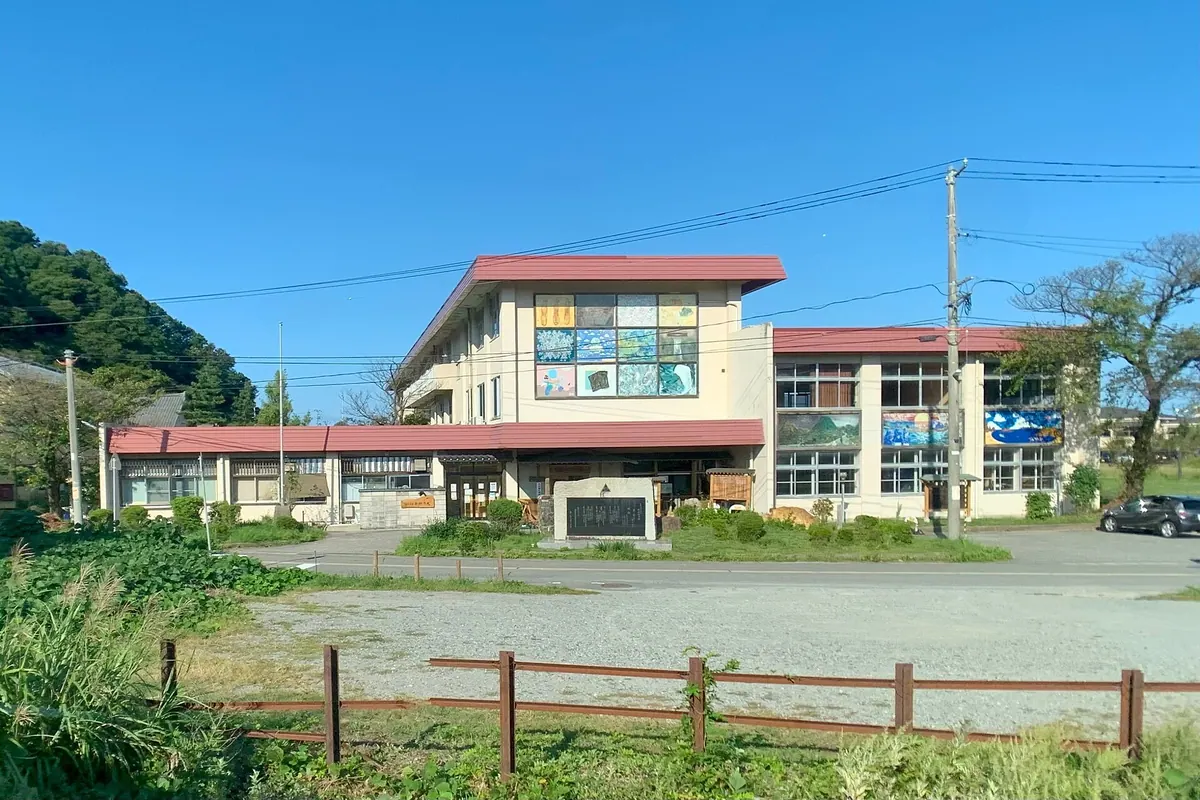
A coastal hot spring facility in Murakami City featuring sodium and calcium sulfate waters near the scenic Sasagawa Nagare coastline.
What it is
- A hot spring area in Murakami City featuring sodium and calcium sulfate water.
- The Katsugi Yurihana Kaikan facility provides day-use bathing for visitors.
- The Hachiman lodging facility opened in 2001 inside a former junior high school.
- The local Sanpoku Tokushukai Hospital utilizes the natural hot spring water.
What to see
- The facility faces the Sea of Japan and the Sasagawa Nagare coastline.
- Hot spring water naturally heated to 54.5 degrees Celsius.
- A renovated school building repurposed into the Hachiman lodging facility.
Getting there
- The site is a five-minute walk from Katsugi Station.
- It is a 20-minute drive from the Atsumi Onsen Interchange.
- It is a 30-minute drive from the Asahi Mahoroba Interchange.
07
Itoigawa Onsen
NIIGATA · PLACE 糸魚川温泉
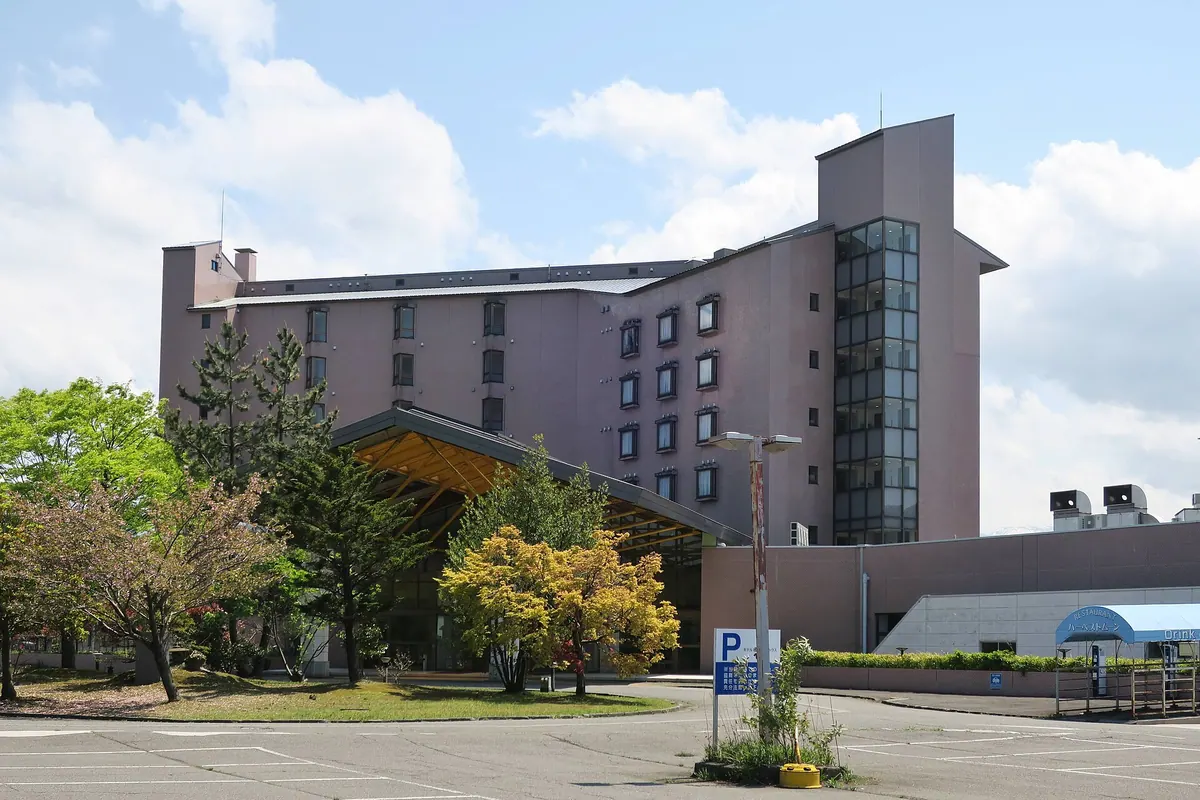
A hot spring resort in Niigata featuring mineral-rich waters sourced from the major Itoigawa-Shizuoka Tectonic Line.
What it is
- A hot spring resort featuring sodium and calcium chloride mineral water.
- The spring water originates from the deep Itoigawa-Shizuoka Tectonic Line.
- The first hotel opened in 1991 after successful drilling in 1988.
- The site includes a hotel annex and a dedicated day-use bathing facility.
What to see
- A unique pyramid-shaped swimming pool enclosed in glass at the hotel.
- The Hisui no Yu facility designed specifically for day-use visitors.
- Indoor and outdoor baths supplied by the local chloride spring.
Getting there
- The facilities are a two-minute walk from Himekawa Station.
- A ten-minute taxi ride reaches the site from Itoigawa Station.
- The location is three minutes by car from the Itoigawa Interchange.
08
Echigo Yuzawa Onsen
NIIGATA · PLACE 越後湯沢温泉
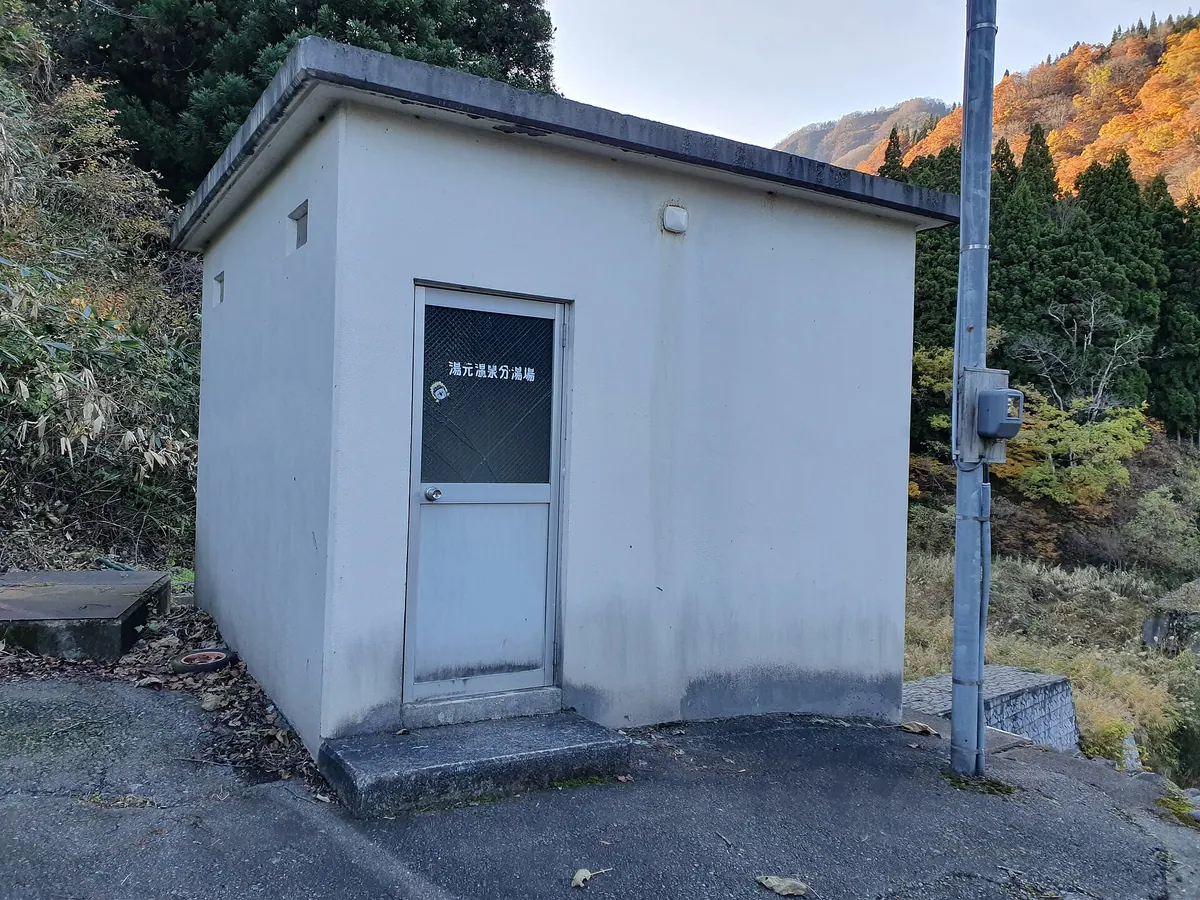
A historic hot spring town and literary setting offering diverse public baths and easy access from Tokyo via bullet train.
What it is
- A hot spring resort reportedly discovered during the late Heian period.
- The setting and inspiration for Yasunari Kawabata's famous novel Snow Country.
- A town featuring eight main water sources managed through a centralized system.
- A destination for mountain climbing, fishing, and various winter sports.
What to see
- Numerous inns and hotels lining the prefectural road west of the station.
- Five public baths that visitors can access using a shared pass.
- Public foot baths and hand baths located throughout the resort area.
- Natural springs ranging in type from simple thermal to sulfur and chloride.
Getting there
- Accessible via the Joetsu Shinkansen and the Joetsu Line to Echigo Yuzawa Station.
- Official site
- www.snow-country-tourism.jp
09
Kiyotsukyō Onsen
NIIGATA · PLACE 清津峡温泉
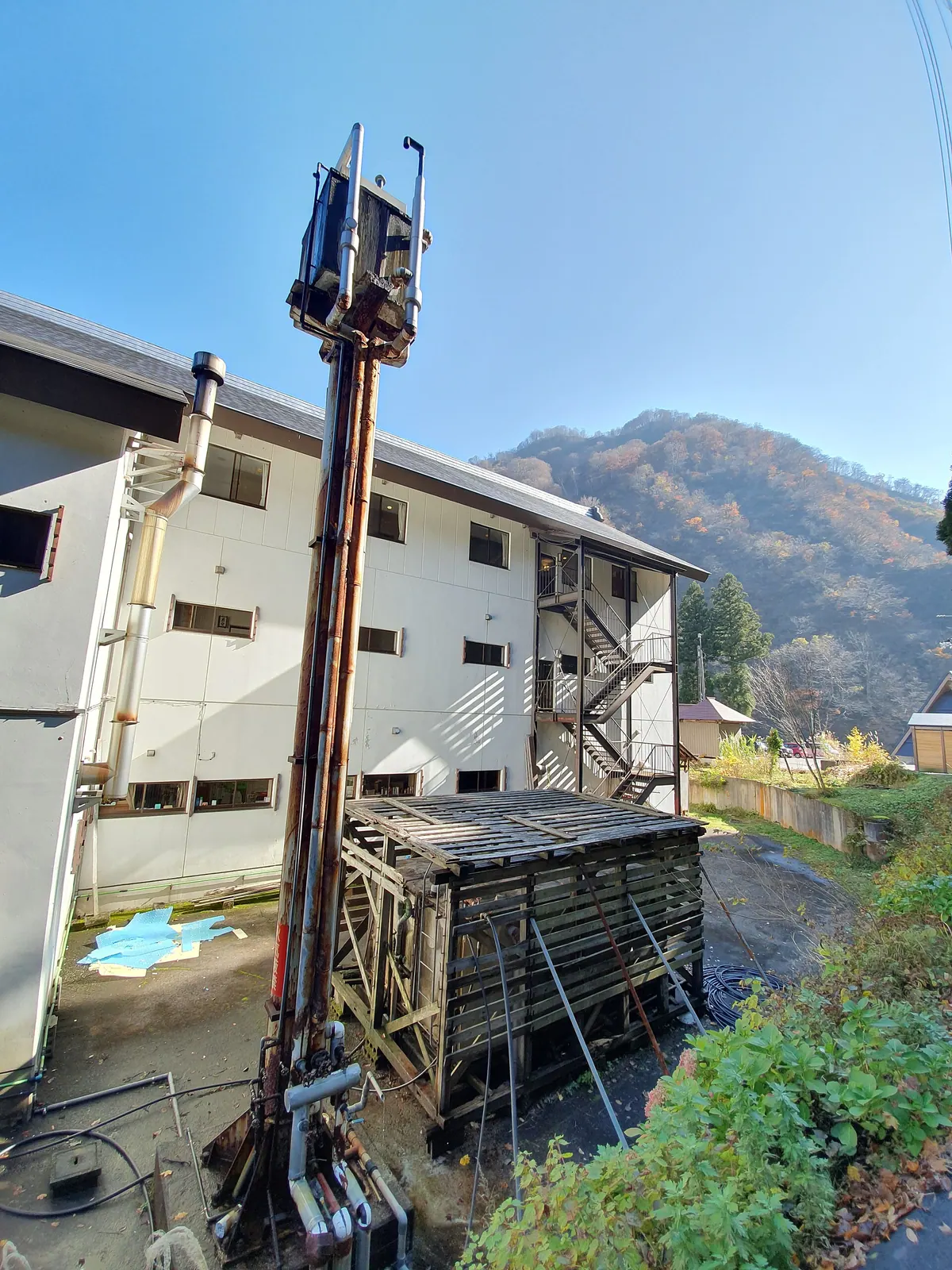
A historic hot spring town established in 1860, serving as the gateway to the scenic Kiyotsu Gorge in Niigata.
What it is
- A hot spring town located at the entrance of the Kiyotsu Gorge.
- The site was first established in 1860 for visitors to the area.
- Two active Japanese inns provide lodging for travelers today.
- The local waters contain simple sulfur and weak salt springs.
What to see
- Kiyotsukan is a lodging facility that has been open since 1934.
- Local restaurants and souvenir shops operate within the hot spring town.
- The town is situated along Niigata Prefectural Road 389 near the gorge.
Getting there
- A bus from Echigo-Yuzawa Station reaches the site in thirty minutes.
- The location is twenty minutes by car from Shiozawa Ishiuchi Interchange.
- It is a thirty minute drive from Echigo-Tazawa Station.
10
Kaikake Onsen
NIIGATA · PLACE 貝掛温泉
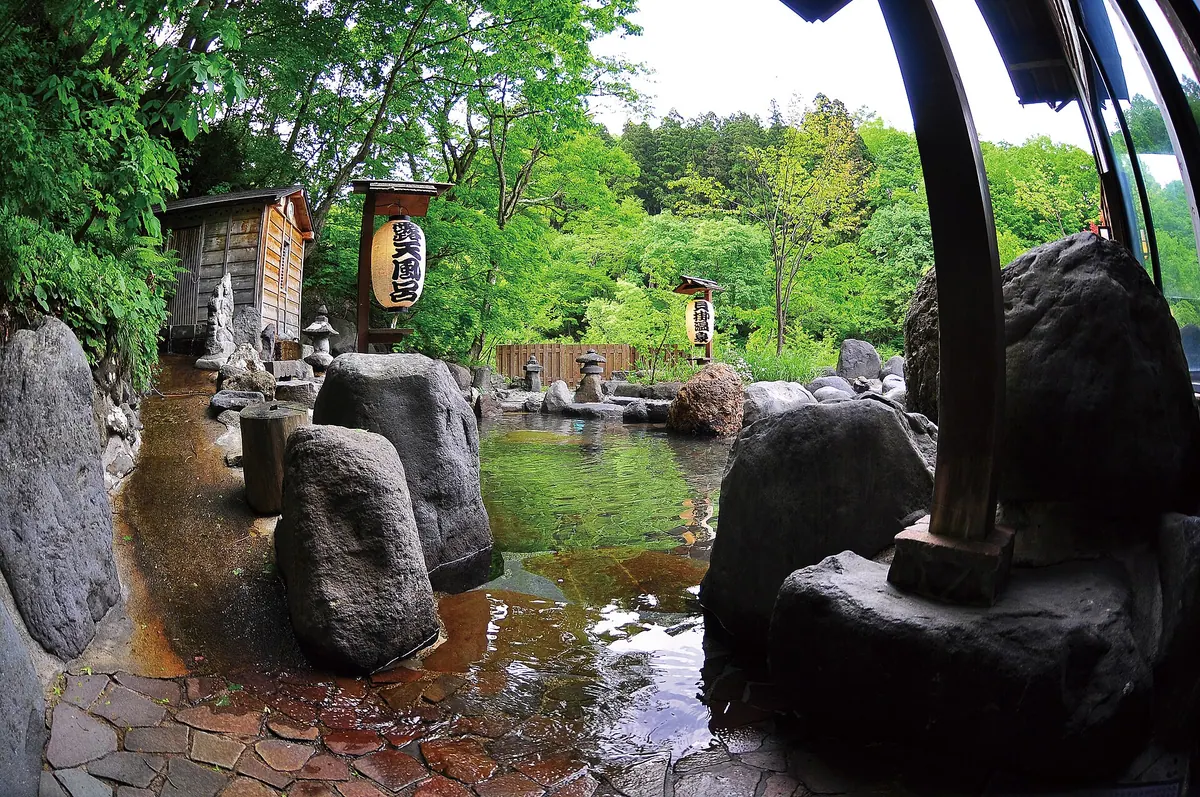
A historic mountain hot spring inn famous for its rare eye-healing waters and traditional Shoya-style architecture.
What it is
- A secluded hot spring inn located 800 meters above sea level in Yuzawa Town.
- Founded during the Kamakura period by the priest Hakuun Egyo.
- Known as one of the three major hot springs in Japan for eye health.
- A founding member of the Japan Secret Hot Spring Association used by warlord Uesugi Kenshin.
What to see
- A traditional inn building constructed in the historic Shoya style.
- Natural sodium and calcium chloride springs flowing at 400 liters per minute.
- Outdoor baths with water temperatures maintained around 37 degrees Celsius.
- Scenic views near the junction of the Kassa and Kiyotsu rivers.
Getting there
- Accessible by taking a local bus from Echigo-Yuzawa Station.
- Official site
- kaikake.jp
11
Kanose Onsen
NIIGATA · PLACE かのせ温泉
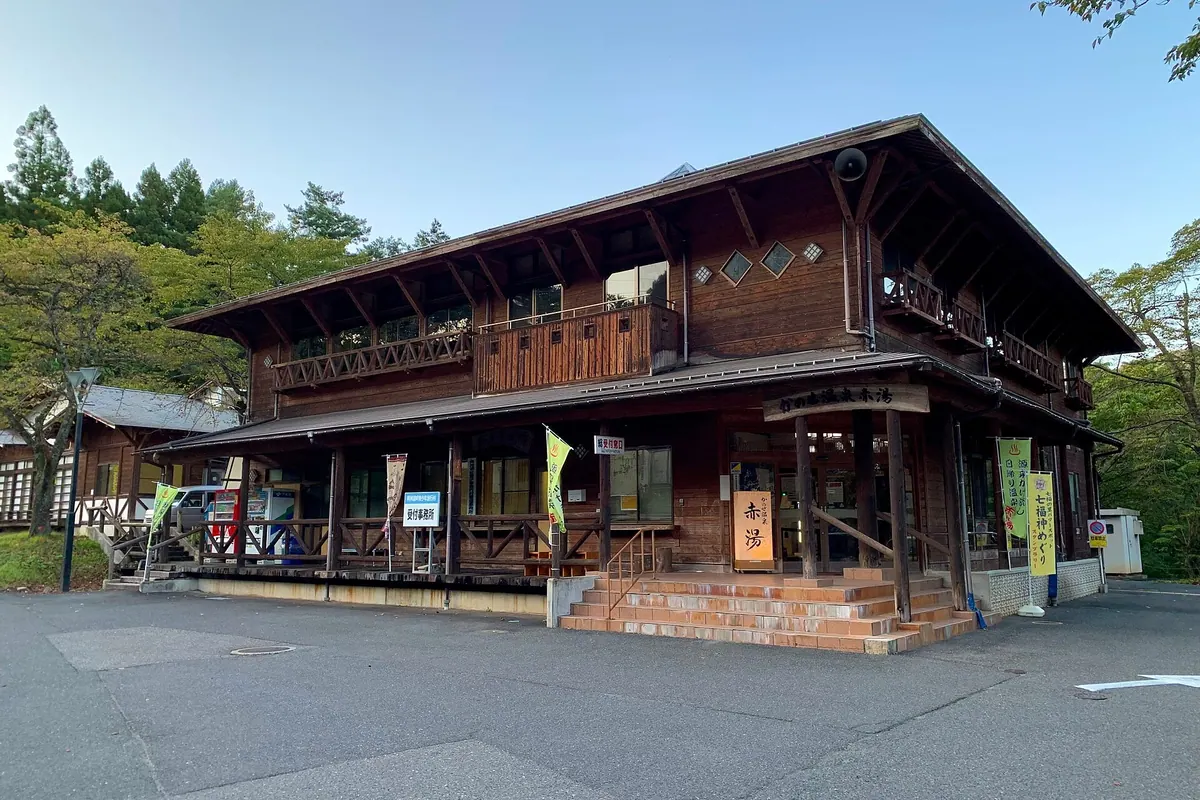
A town-run day-trip hot spring in Niigata featuring unique reddish-brown iron-rich water sourced from the Iide Mountains.
What it is
- A town-run day-trip bathing facility located in Aga Town, Niigata Prefecture.
- The spring was successfully drilled in 1990 by the former Kanose Town.
- The facility reopened to the public on July 15, 2020.
- Accommodation is available nearby at the Kakugami Lakeside Youth Travel Village.
What to see
- Distinctive reddish-brown water caused by a high iron content.
- A free-flowing spring system using water at fifty-eight degrees Celsius.
- Natural surroundings at the foot of the Iide Mountains.
Getting there
- A five-minute drive from JR Kanose Station.
- A fifteen-minute drive from the Tsugawa Interchange.